
Tabelog 100 #79
Our verdict
Nagoya’s Endoji area has a compact Korean dining-bar address built around craft makgeolli and contemporary Korean cooking rather than the usual beer-and-grill template. Endoji Makkori Jozoujo’s selection for Tabelog 100 Asian cuisine / Ethnic cuisine EAST 2024 gives it a clear credibility signal in a category that often sits outside Japan’s luxury-restaurant spotlight.

Pearl is the En Primeur Club membership app, where members save venues, book tables and use the concierge.
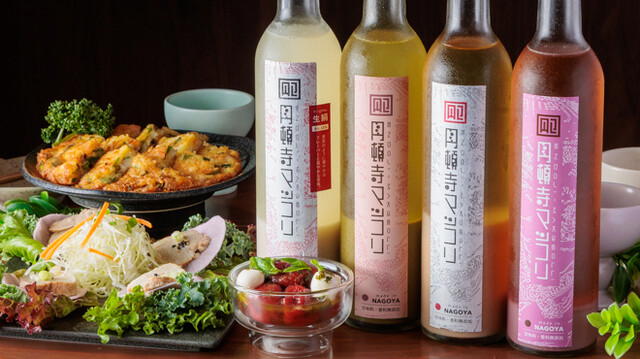
The menu
What to order
- Homemade craft makgeolli (various styles)
- Korean-inspired creative small plates
Nagoya gives some dining rooms a different rhythm from station-side towers: lower-key pacing, less ceremonial evenings, and places that can read as built for repeat visits rather than display. In that setting, Korean cooking can feel less like spectacle and more like a reason to settle in, especially when drinks and food are treated as part of the same evening. Endoji Makkori Jozoujo belongs to the city’s specific drinking-and-eating tier, where its Korean, dining-bar category gives the restaurant a clear identity.
Nagoya has plenty of dining rooms that announce status through counter prices, premium ingredients, or tasting-menu architecture. The more interesting comparison here is with venues that define themselves by a narrow material focus. 1022 sits in a far higher spend bracket, while Ozara Yakiniku Roujuu competes in Nagoya’s premium beef lane. Endoji Makkori Jozoujo works in another register: Korean, dining bar, drink-led in feel, and modestly priced. That specificity is why its Tabelog Hyakumeiten 2024 recognition carries weight.
A Korean dining bar as organizing principle
In Japan, Korean restaurants are often understood through a familiar pattern: shared plates, warming dishes, beer, highballs, and a relaxed approach to ordering. Endoji Makkori Jozoujo is better read through its listed category than through a luxury-restaurant frame. The appeal is not a formal progression but the way a Korean dining bar can turn dinner into an easy evening, with food and drinks considered together rather than as separate stops.
That logic matters because Korean cooking is often associated with layered seasonings, fermented flavors, acidity, sweetness, salt, and heat moving in different directions. A room in this category asks diners to think about Korean food through pacing and appetite rather than through spice alone. The result is a sharper editorial distinction from generic pan-Asian dining bars, and it places the venue inside a wider Japanese movement of small restaurants treating neighboring Asian cuisines with more seriousness.
The format also suits Nagoya. The city’s dining identity is often read through sturdy local signatures, but Nagoya also supports a quieter class of focused restaurants and casual rooms. Tori Soba Nagonoki operates at another end of the spend spectrum, THE CORNER Hamburger & Saloon speaks to casual Western-format dining, and higher-ticket addresses such as 1022 show where the city’s reservation economy can go. A Korean dining bar in Nagoya gives the map another axis: lower-formality, drink-aware in spirit, and built around a clear point of view.
A Korean dining-bar address with an awards signal
The useful trust marker is not a luxury rating but category recognition. Tabelog’s 2024 Hyakumeiten recognition places Endoji Makkori Jozoujo among restaurants outside the French, sushi, kaiseki, and steakhouse lanes that often dominate international attention. For travelers, that matters. It points to a place where the appeal is not imported prestige but local demand, category depth, and enough consistency to be noticed within a competitive Japanese review culture.
The dining-bar identity is part of the appeal. The experience reads closer to a casual evening than a formal restaurant progression, which makes it useful for travelers who want dinner and drinks to sit together rather than unfold as separate stops. Solo diners, pairs, and small groups can all understand the format quickly: it is not trying to be a grand occasion, but it has enough definition to anchor a night.
Ingredient thinking, in this context, is less about naming a farm and more about understanding what the venue chooses to foreground. The restaurant’s Korean, dining-bar classification is a menu signal because texture, seasoning, sweetness, acidity, and drinkability affect how a meal is paced. Korean cooking’s pantry does similar work. The better way to read the meal is to follow balance and rhythm before protein: what supports conversation, what uses Korean condiments for structure, and what keeps the evening from feeling generic. That is the difference between a Korean-themed bar and a Korean dining bar with a clear center of gravity.
Travelers building a Nagoya food itinerary should treat this as a counterpoint rather than a substitute for the city’s established local canon. Pair it with regional Japanese cooking, a precise noodle stop, or a more expensive counter meal, then the contrast becomes the point. For broader planning, Our full Nagoya restaurants guide maps the city’s restaurant range, while Our full Nagoya hotels guide, Our full Nagoya bars guide, Our full Nagoya wineries guide, and Our full Nagoya experiences guide help place dinner within the rest of the trip.
Where it fits in a Japan-wide Asian dining itinerary
The stronger way to compare this address is not against one Korean format alone, but against Japan’s broader appetite for focused casual specialists. Across the country, small restaurants often become serious because they narrow the brief: one room, one category, one style of drinking, or one pantry logic. Endoji Makkori Jozoujo fits that pattern because it does not need to perform as a luxury address to be memorable. Its strength is a defined Korean dining-bar identity in Nagoya, backed by Tabelog Hyakumeiten recognition.
Within Nagoya, it also belongs beside addresses that show the city’s range beyond textbook local dishes, including Hirovanna, Ozara Yakiniku Roujuu, THE CORNER Hamburger & Saloon, Tori Soba Nagonoki, and 1022. Travelers extending the itinerary through Japan can contrast the format with other dining in major cities, from formal counters to casual independent rooms, without forcing a like-for-like comparison. Endoji Makkori Jozoujo’s value is that it adds Korean dining-bar culture to that itinerary without asking the evening to become formal.
Frequently asked questions
Where exactly is Endoji Makkori Jozoujo?
Nagoya.
What's the pricing like at Endoji Makkori Jozoujo?
Pricing at Endoji Makkori Jozoujo is listed as JPY 3,000 - JPY 3,999.
Is Endoji Makkori Jozoujo open every day?
Published hours can change, so check the venue's official channels before visiting.
What's the standout thing about Endoji Makkori Jozoujo?
The clearest marker is its Tabelog Hyakumeiten recognition in 2024. Combined with its Korean dining-bar category in Nagoya, it reads as a focused room rather than a broad menu restaurant.
Can Endoji Makkori Jozoujo handle vegetarian requests?
Those details are not published. Check the venue's official channels for the latest details before planning a visit.
Side-by-Side Snapshot
Comparable venues for orientation by cuisine and category.
| Venue | Cuisine | Price | Awards | Notes |
|---|---|---|---|---|
| Endoji Makkori JozoujoThis venue (the venue you are viewing) | Craft Makgeolli & Korean Dining Bar | $20–30 | Tabelog 100 #79 | Not listed |
| Korean Kimya | Homestyle Busan-style Korean Izakaya | $30–50 | Tabelog 100 #12 | Naka |
| Taishu Korean Korean Chudoku Nagoya Eki Ten | Korean Izakaya & Yakitori | $30–50 | Tabelog 100 #76 | Nakamura |
| takumi | Charcoal-grilled Yakiniku & Izakaya | $30–50 | Tabelog 100 #14 | Naka |
| Toyo Ken Nagoya mitsukoshi ten | Yoshoku (Japanese-style Western) & Black Curry | $20–30 | Tabelog 100 #73 | Naka |
| Yakiniku Jingu | Yakiniku (Japanese BBQ) & Tripe Izakaya | $30–50 | Tabelog 100 #98 | Atsuta |
Recognition history
Dated appearances from independent guides and award organizations, with the underlying list record or original source where available.
Tabelog 100 #79 · No. 79
Tabelog · Tabelog 100 - Asian cuisine / Ethnic cuisine - EAST - 2024
Continue exploring
More in Nagoya
Restaurants in Nagoya
All restaurants in Nagoya →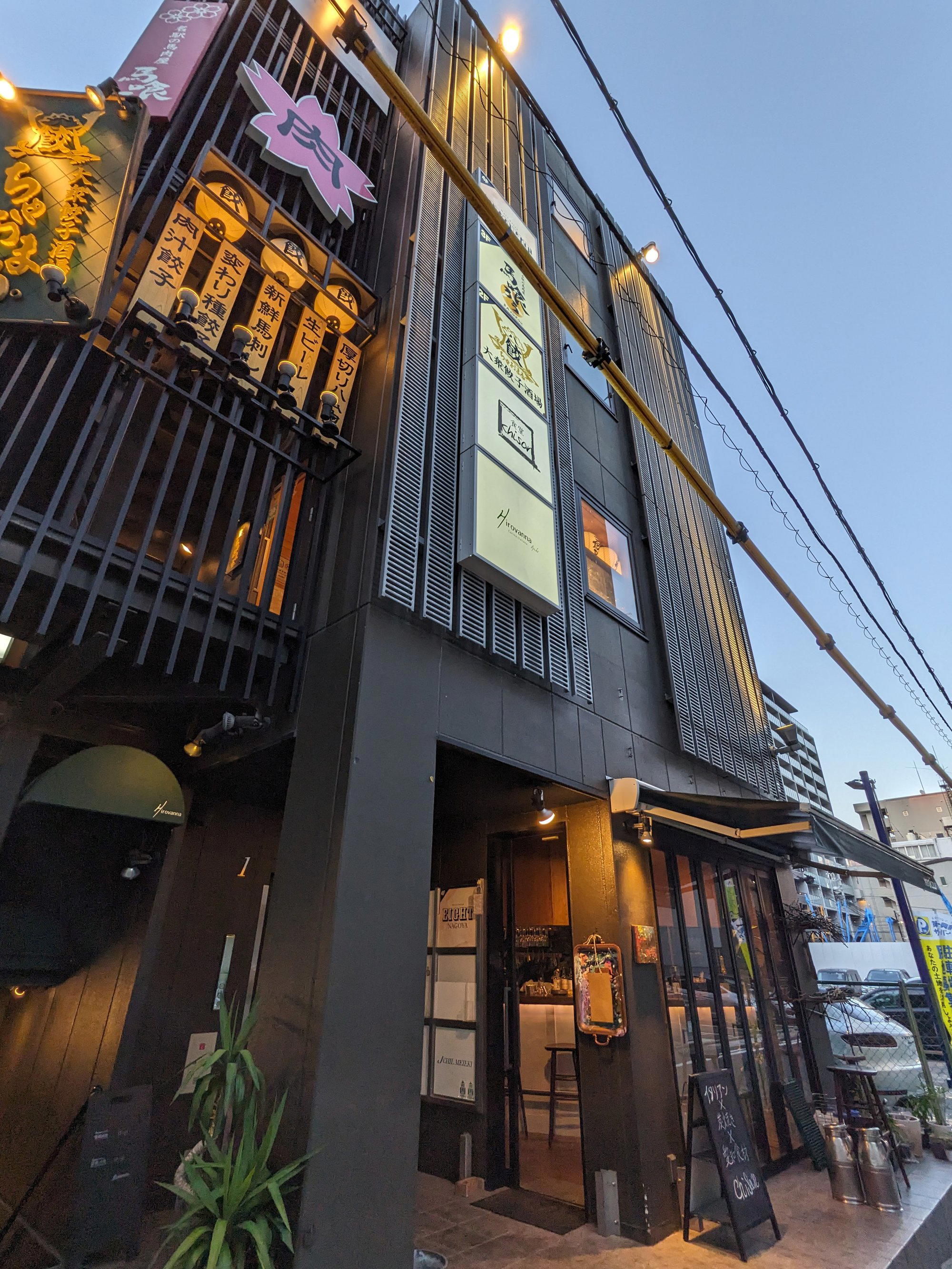
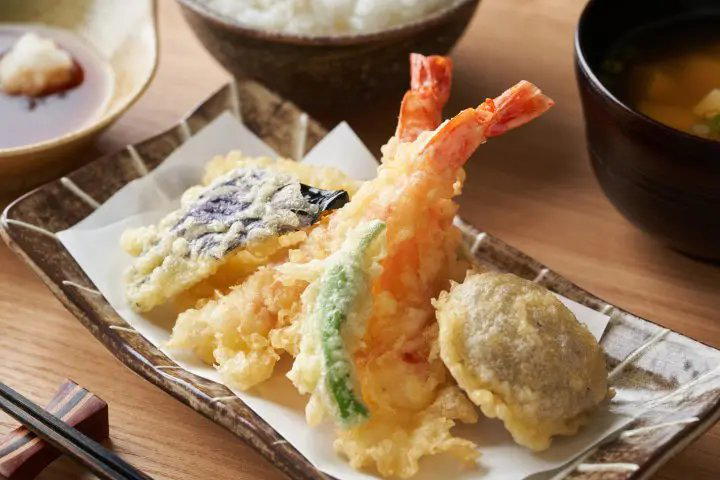
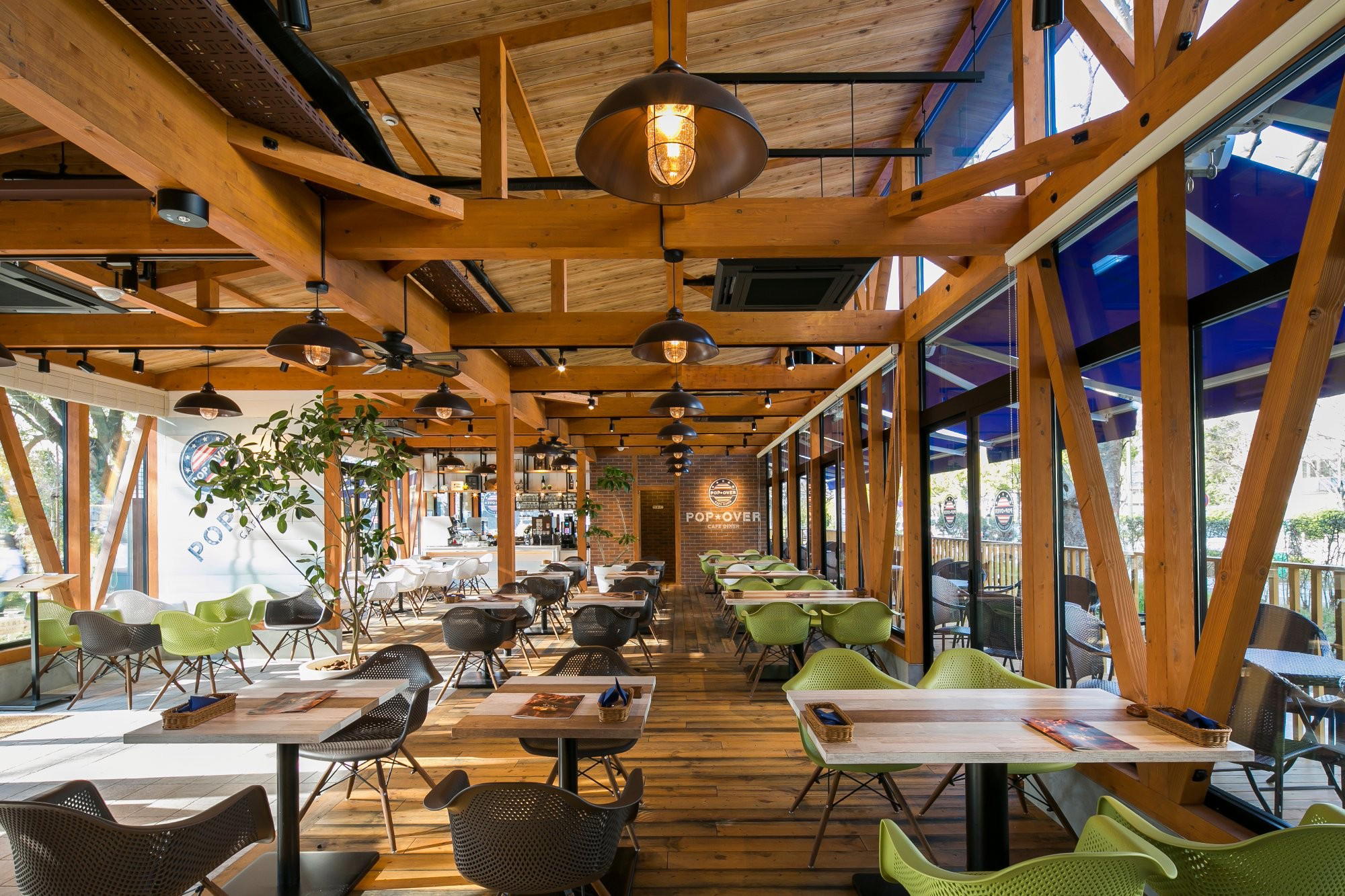




Details
- Cozy
- Lively
- Trendy
- After Work
- Casual Hangout
- Date Night
- Solo
- Group Dining
- Late Night
- Standalone
- Terrace
- Beer Program
- Sake Program
- Craft Cocktails
- Local Sourcing
- A La Carte
- Small Plates
- Counter Dining
- Makgeolli
- Beer
- Cocktails
- Sake
Current opening hours
- Monday
- 5 PM–12 AM
- Tuesday
- Closed
- Wednesday
- 5 PM–12 AM
- Thursday
- 5 PM–12 AM
- Friday
- 5 PM–12 AM
- Saturday
- 12–10 PM
- Sunday
- 12–10 PM
Hours can change for holidays and private events. Hours as of .
A small, stylish dining bar that feels like a hidden brewery lounge: dim to moderate lighting, intimate yet lively, with a relaxed, club‑like atmosphere suited to drinking and casual conversation rather than formal dining.