
Tabelog 100 #98
Our verdict
Yakiniku Jingu sits in Nagoya’s Kanayama area, a transport-heavy district where dinner plans often reward advance organisation rather than spontaneity. Its Tabelog 100 Yakiniku EAST 2025 selection, 46-seat format, private-room options, and yakiniku-tripe-izakaya framing put it in a practical, meat-focused tier rather than a ceremonial fine-dining bracket.

Pearl is the En Primeur Club membership app, where members save venues, book tables and use the concierge.
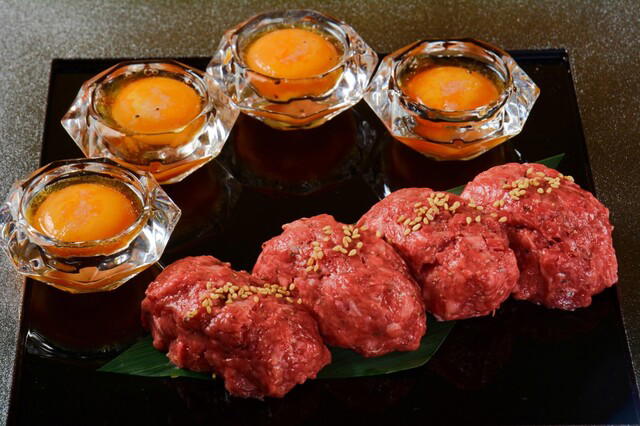
The menu
What to order
- Signature Wagyu Beef Steak Tartare with Truffle Egg Yolk
- Original Raw Wagyu Hamburger (500 JPY)
- Yakiniku Jingu Kiwami Course
- Jingu Course with Aburi Yukke
- Yakiniku Jingu Casual Course
- The Comprehensive Clay Pot Rice of Jingu
Nagoya is not only a city of hotel-lobby dining rooms and polished set menus. It is also a practical dinner city where meals have to work around trains, after-office groups, and late-evening plans. In that setting, yakiniku carries a particular usefulness: it is social, paceable, and easy to scale from a two-person meal to a larger table built around shared grills. Yakiniku Jingu belongs to that city pattern rather than the hushed tasting-menu category.
The useful context is Nagoya’s split personality at dinner. The city can be deeply practical, with quick ramen, curry, and izakaya meals filling the gaps between work and transit, yet its stronger dinner addresses often ask for planning. A Tabelog Hyakumeiten 2025 selection places this room inside a screened group of category specialists, which matters in a field where casual frontage can mask serious demand. Compared with lower-priced Nagoya options such as Nepali Chulo, Mendokoro Suwa, Binyan, and Nakamura So, this is a more deliberate dinner decision. Compared with Yakiniku Mitsuboshi, it sits in a neighbouring meat-first conversation rather than in the city’s snack-and-noodle lane.
Nagoya yakiniku built for planned nights, not grazing
Yakiniku’s strength is control. Diners decide rhythm, doneness, and sequence at the table, which makes the format more flexible than a chef-paced tasting menu and more involved than izakaya snacking. Here, the listed categories are telling: yakiniku, tripe, and izakaya. That combination points to a meat-led meal with offal in the frame and drinks naturally suited to the grill, rather than a luxury showroom built only around prestige cues.
The format also signals how Nagoya’s yakiniku rooms can serve mixed groups. A table-grill meal allows diners to share the same structure while choosing their own pace, which is useful for visitors comparing a more composed dinner with a looser evening of casual stops. Yakiniku has moved beyond the old shorthand of simply putting meat over flame; in stronger contemporary rooms, the appeal is the balance of grill, conversation, and sequence without abandoning the convivial table format.
Recognition is the main trust signal here. Tabelog’s Hyakumeiten lists are not Michelin-style stars, but in Japan they carry weight because they identify category specialists across regions. A 2025 listing, together with a published score of 3.66 and a dinner budget of JPY 5,000 - JPY 5,999, places the restaurant in a clearly signposted tier for readers comparing Nagoya meals. That is a stronger clue than adjectives on a menu.
The room suits dates, groups, and grill-focused diners
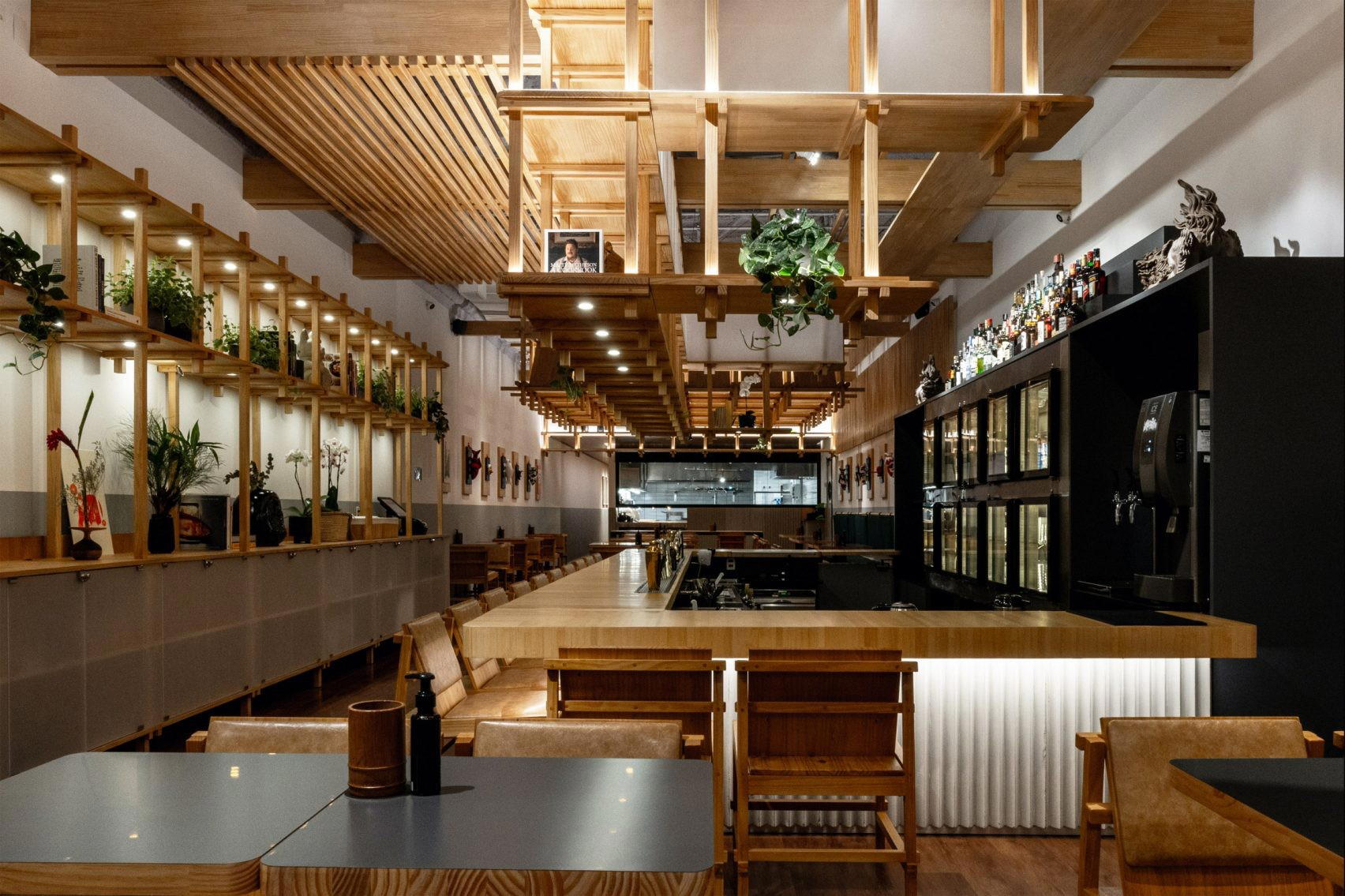
The physical format matters as much as the grill. A yakiniku room needs to support conversation, shared ordering, and the practical rhythm of cooking at the table. That range is useful in Nagoya, where one address may need to serve date-night pairs, colleagues, and celebratory tables on the same evening. The key expectation is not hushed formality, but a dinner built around a shared grill and a meat-led sequence.
There is a trade-off. Yakiniku is an active, aromatic style of dining, and it will not suit every traveller in every mood. For some visitors, the grill-centered format will be exactly the point; for others, it may feel too involved compared with a quiet counter meal or a quick bowl. This is the kind of operational feel that shapes the experience more than décor language does. A diner wanting a lighter or less meat-led plan should choose another Nagoya option.
Practicality is part of the appeal. The listed dinner range of JPY 5,000 - JPY 5,999 gives visitors a clearer planning signal than vague luxury language, especially when comparing Nagoya meals across ramen, curry, izakaya, and barbecue formats. It is not positioned as a snack stop; it reads better as a focused dinner choice for people who want the meal itself to anchor the evening.
How to place it in a Nagoya itinerary
For a visitor building a Nagoya dining plan, the decision is less “Is this the famous meal?” and more “Does tonight need structure?” Yakiniku Jingu is better suited to a scheduled dinner than a casual drop-in crawl. The stronger move is to treat it as an anchored evening meal rather than a flexible backup, especially if the night’s priority is shared grilling and a meat-forward table.
The surrounding city guide matters because Nagoya rewards category switching. Use Our full Nagoya restaurants guide to decide whether the night should lean yakiniku, ramen, curry, or izakaya. For a wider itinerary, pair that with Our full Nagoya hotels guide, Our full Nagoya bars guide, Our full Nagoya wineries guide, and Our full Nagoya experiences guide.
Readers comparing Japanese restaurant formats can also scan a broader range of EP Club entries across Nagoya and other Japan-linked dining pages. The comparison is useful not because these meals are interchangeable, but because format determines expectation: grill, counter, café, bar, and rice-focused casual dining ask different things of a traveller’s evening. Within that frame, Yakiniku Jingu is best read as a Nagoya yakiniku choice with Tabelog Hyakumeiten recognition rather than as a generic all-purpose restaurant.
Frequently asked questions
Is Yakiniku Jingu expensive?
Pricing at Yakiniku Jingu is listed as JPY 5,000 - JPY 5,999.
What part of town is Yakiniku Jingu in?
Nagoya.
Do I need a reservation for Yakiniku Jingu?
Planning ahead is sensible for a Nagoya yakiniku dinner, especially when the meal is meant to anchor the evening rather than serve as a quick backup.
What is Yakiniku Jingu known for?
The clearest credential is its Tabelog Hyakumeiten 2025 recognition. The listed categories are yakiniku, tripe, and izakaya-style dining.
Can Yakiniku Jingu handle vegetarian requests?
The listed format centers on yakiniku, tripe, and izakaya, so vegetarian diners should expect a meat-led menu. The price range is JPY 5,000 - JPY 5,999, which helps when planning a mixed group dinner in Nagoya.
Cuisine Context
Comparable venues at the same tier for side-by-side context.
| Venue | Cuisine | Price | Awards | Notes |
|---|---|---|---|---|
| Yakiniku JinguThis venue (the venue you are viewing) | Yakiniku (Japanese BBQ) & Tripe Izakaya | $30–50 | Tabelog 100 #98 | Not listed |
| Hamburger Steak Shokudo Enomoto Yoshihiro Shoten | Japanese Hamburger Steak / Yoshoku | Not listed | Tabelog 100 #15 | Higashi |
| Curry Udon Shachinoya | Nagoya curry udon and udon noodle shop | $10–20 | Tabelog 100 #2 | Kita |
| 右江田 | Traditional Sushi Omakase | $150–200 | Not listed | Nakagawa |
| Kitchen Beniy | Classic Yoshoku (Japanese-style Western) & Steak | $20–30 | Tabelog 100 #92 | Naka |
| Suzunami Esuka ten | Traditional Japanese set-meal diner | $10–20 | Tabelog 100 #75 | Nakamura |
Recognition history
Dated appearances from independent guides and award organizations, with the underlying list record or original source where available.
Tabelog 100 #98 · No. 98
Tabelog · Tabelog 100 - Yakiniku - EAST - 2025
Continue exploring
More in Nagoya
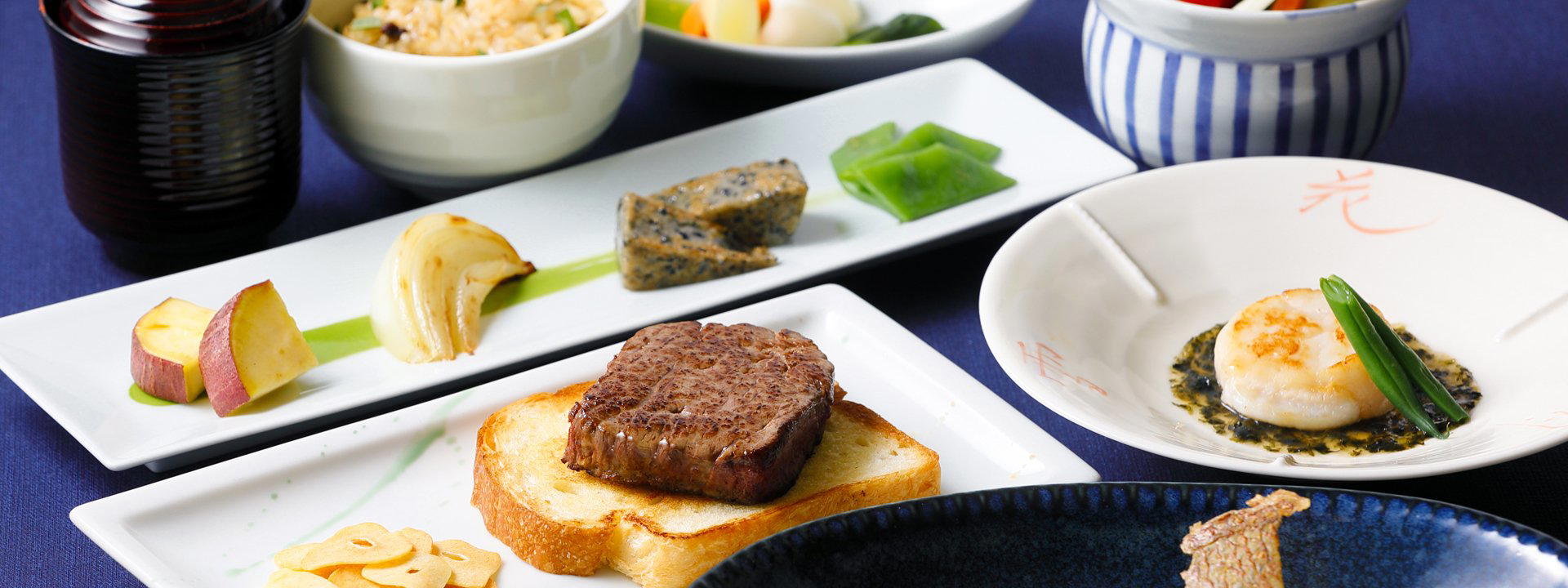





Details
- Lively
- Cozy
- Modern
- Intimate
- Group Dining
- After Work
- Casual Hangout
- Date Night
- Celebration
- Private Event
- Private Dining
- Standalone
- Extensive Wine List
- A La Carte
- Set Menu
- Family Style
- Wine
- Beer
- Sake
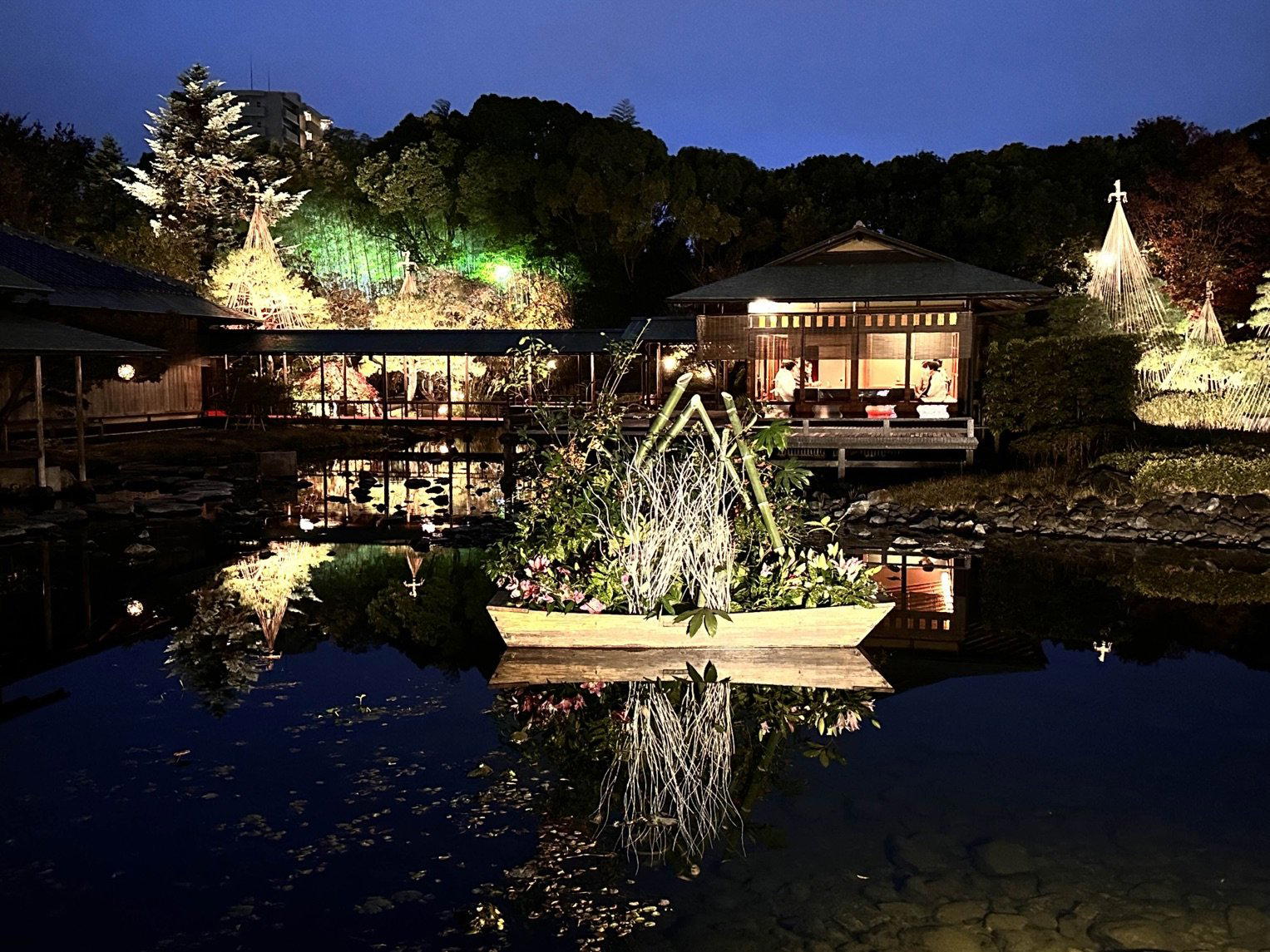
A lively, casual yakiniku spot with a modern Japanese interior; the second floor offers calm, semi‑dim private rooms with sunken seating, while the main area feels energetic and busy in the evenings.