
Tabelog 100 #73
Our verdict
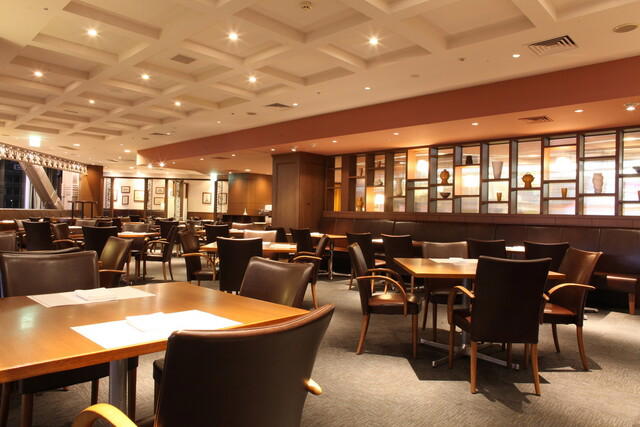
Yoshoku in Nagoya is occasion dining without the stiffness of a formal kaiseki room. Toyo Ken Nagoya mitsukoshi ten brings that tradition into a department-store dining floor in Sakae, with Tabelog 100 Yoshoku recognition in 2025, a family-friendly setup, and a price tier that keeps celebrations accessible rather than ceremonial.

Pearl is the En Primeur Club membership app, where members save venues, book tables and use the concierge.
The menu
What to order
- Black Curry
- Hamburger steak
- Western-style course menus
The approach is distinctly Nagoya: polished urban dining, a composed room, and the city’s everyday rhythm close at hand. That setting matters. Nagoya’s accessible restaurant culture is not fallback dining; it is part of the city’s social infrastructure, where family birthdays, reunion lunches, shopping-day meals, and multi-generation dinners can happen without the choreography of a formal restaurant.
Yoshoku fits that role unusually well. The cuisine grew from Japan’s long adaptation of Western dishes into a domestic comfort grammar: curry, hamburger steak, and sauces that read as familiar to Japanese diners even when their ancestry points elsewhere. In a city better known internationally for regional specialities, yoshoku offers a softer kind of occasion meal, less tied to destination dining and more tied to shared memory.
Yoshoku as celebration food, not fine-dining theatre
Nagoya’s special-occasion dining splits across several registers. Some rooms, including Kikkou, can read as more planned-event dining, while China Hanten Shunju occupies another lane in the city’s restaurant field. Ramen counters such as Gokubuto Dakuryu Ramen La Keiko Honten and Men Dokoro Guriko Nagoya sakae answer a different city need: speed, intensity, and solo-friendly efficiency. Toyo Ken Nagoya mitsukoshi ten sits in the middle, where the occasion is real but the room does not demand hushed reverence.
That middle tier is often underestimated by travellers. Yoshoku restaurants recognised by Tabelog in 2025 are being judged within a category where technical comfort matters: sauces, rice, seasoning balance, and the ability to deliver familiar dishes with consistency. The restaurant’s Tabelog score of 3.53 is not a claim of luxury; it is a useful signal that this is a recognised address inside a highly specific Japanese dining tradition.
The categories tell the story plainly: yoshoku, curry, and hamburger steak. Those are not tasting-menu categories. They are dishes built for tables with mixed appetites, which is why the format works for family meals and casual celebrations. A child can eat within an approachable vocabulary; an older guest can order from a style that has been part of Japanese dining culture for decades; a visitor gets a cleaner read on everyday Japanese Western cuisine than they would from another round of generic international dining.
A Nagoya room built for groups and generations
The experience belongs to a category that can handle groups, children, and longer meals more easily than the small-counter formats that dominate much of Japan’s dining mythology abroad. Rather than intimate chef-led performance, the appeal is organised comfort: a restaurant where the table can talk, choose familiar dishes, and let the meal feel like an occasion without becoming ceremonial.
Family practicality is not incidental here. Yoshoku’s strength is that it works across generations, because the menu language is broad and legible: curry for one diner, hamburger steak for another, and Japanese-style Western cooking as the shared frame. In Japanese city dining, those details are not decoration; they decide whether a celebration can include the whole family or becomes an adults-only compromise. For travellers, that makes the restaurant a useful Nagoya option when the brief is polished and forgiving.
The overall position is dining-room comfort rather than a bar-like mood or a sommelier-led evening. It is not trying to perform luxury in the way a formal counter or high-budget restaurant might. Its value is steadier: accessible pricing, recognised yoshoku standing, and a format that suits meals carrying some social weight without making the room feel forbidding.
Where it fits in a Nagoya itinerary
Nagoya is a useful dining base for visitors because it compresses retail, transport, hotels, and evening options into a manageable urban field. A meal here makes sense when the day is already anchored around the city rather than when the point is to chase a remote destination restaurant. That is the editorial distinction: this is not a pilgrimage table, it is a well-placed yoshoku address for a meal that needs to satisfy several people at once.
Against Takumi Mitsukoshi ten, which sits in a comparable everyday dining conversation, Toyo Ken Nagoya mitsukoshi ten asks for an occasion-minded read while staying in the listed JPY 2,000 - JPY 2,999 range for both lunch and dinner. That price-positioning is part of the appeal. It gives the meal enough structure for a birthday lunch or family dinner, without turning the booking into a major financial decision.
Readers mapping a broader Nagoya stay should use this as one reference point in the city’s mid-formality dining tier, then compare it with the wider restaurant field in Our full Nagoya restaurants guide. For planning around the same trip, EP Club also maintains Our full Nagoya hotels guide, Our full Nagoya bars guide, Our full Nagoya wineries guide, and Our full Nagoya experiences guide.
For further restaurant browsing across Japan and beyond, compare the range of formats represented by other city dining rooms, casual counters, curry specialists, grilled-meat restaurants, cafe-style rooms, sake bars, and neighbourhood comfort-food spots.
Frequently asked questions
Is Toyo Ken Nagoya mitsukoshi ten suitable for children?
Yes. The yoshoku format, with categories including curry and hamburger steak, is naturally approachable for mixed-age meals, and the venue is in Nagoya.
What's the overall feel of Toyo Ken Nagoya mitsukoshi ten?
It reads as a polished Nagoya dining room rather than a hushed counter. Tabelog recognition in 2025 gives it clear local standing.
What should I budget for a meal at Toyo Ken Nagoya mitsukoshi ten?
Pricing at Toyo Ken Nagoya mitsukoshi ten is listed as Dinner: JPY 2,000 - JPY 2,999; Lunch: JPY 2,000 - JPY 2,999.
What is Toyo Ken Nagoya mitsukoshi ten known for?
Toyo Ken Nagoya mitsukoshi ten is known for yoshoku, curry, and hamburger steak in Nagoya, with a Tabelog score of 3.53 and 2025 recognition.
A Lean Comparison
Comparable venues at a similar level for quick context.
| Venue | Cuisine | Price | Awards | Notes |
|---|---|---|---|---|
| Toyo Ken Nagoya mitsukoshi tenThis venue (the venue you are viewing) | Yoshoku (Japanese-style Western) & Black Curry | $20–30 | Tabelog 100 #73 | Not listed |
| Takumi Mitsukoshi ten | Japanese Curry Counter by Nagoya Takumi | $10–20 | Tabelog 100 #70 | JPY 1,000 - JPY 1,999 JPY 1,000 - JPY 1,999 |
| China Hanten Shunju | Modern Shanghai Chinese with Chubu regional ingredients | $50–100 | Tabelog 100 #71 | JPY 10,000 - JPY 14,999 JPY 4,000 - JPY 4,999 |
| Kikkou | Refined Sushi Omakase | $150–200 | Tabelog 100 #77 | JPY 20,000 - JPY 29,999 JPY 6,000 - JPY 7,999 |
| Gokubuto Dakuryu Ramen La Keiko Honten | Thick Rich Ramen Shop | $10–20 | Tabelog 100 #70 | JPY 999 - JPY 999 |
| Men Dokoro Guriko Nagoya sakae | Fusion Ramen | $1–10 | Tabelog 100 #73 | JPY 999 - JPY 999 |
Recognition history
Dated appearances from independent guides and award organizations, with the underlying list record or original source where available.
Tabelog 100 #73 · No. 73
Tabelog · Tabelog 100 - Yoshoku - EAST - 2025
Continue exploring
More in Nagoya
Restaurants in Nagoya
All restaurants in Nagoya →
Details
- Scenic
- Classic
- Cozy
- Family
- Group Dining
- Casual Hangout
- After Work
- Celebration
- Solo
- Panoramic View
- Standalone
- Skyline
- Street Scene
- A La Carte
- Set Menu
- Vegetarian Friendly
Current opening hours
- Monday
- 11 AM–8 PM
- Tuesday
- 11 AM–8 PM
- Wednesday
- 11 AM–8 PM
- Thursday
- 11 AM–8 PM
- Friday
- 11 AM–8 PM
- Saturday
- 11 AM–8 PM
- Sunday
- 11 AM–8 PM
Hours can change for holidays and private events. Hours as of .
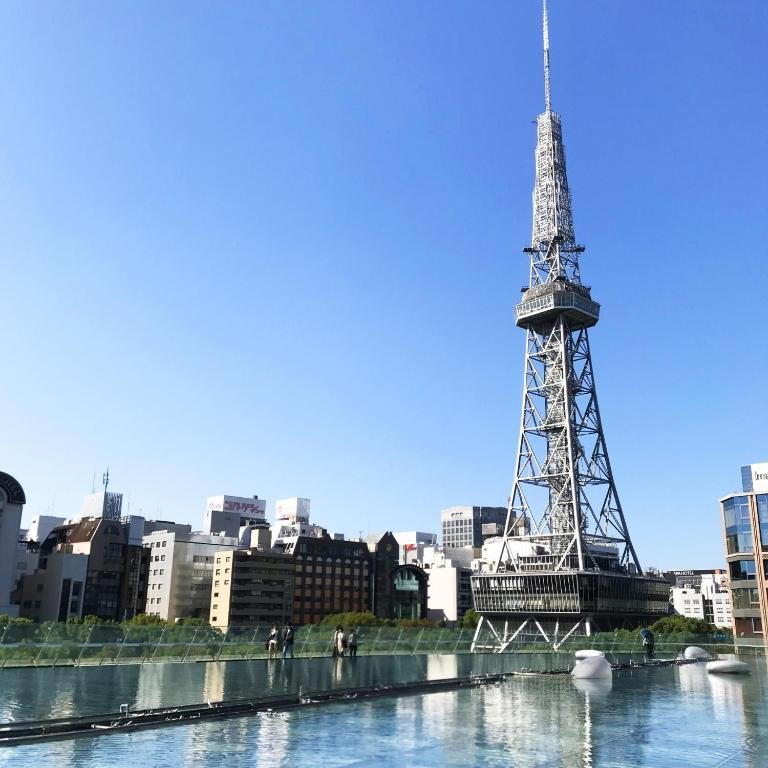
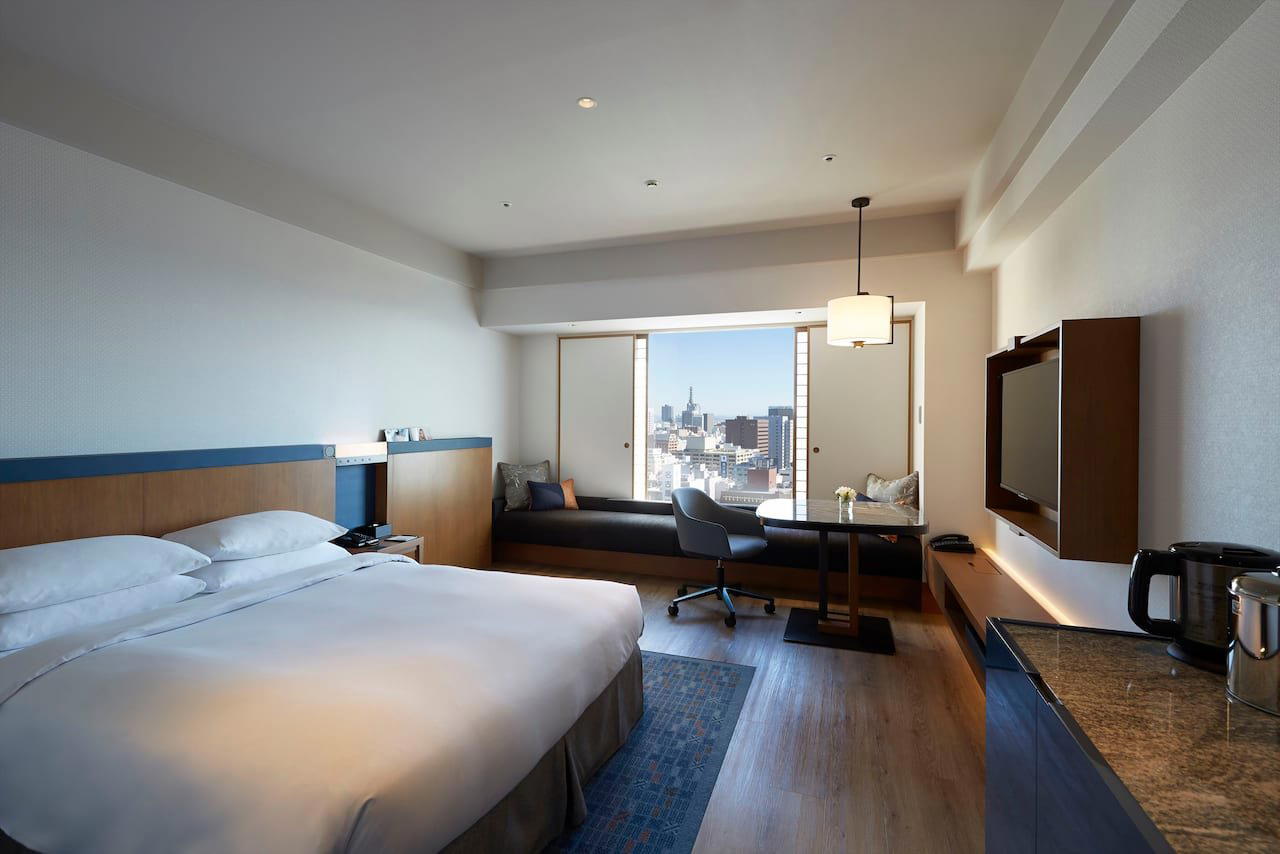
Bright, comfortable dining room with wide windows overlooking Sakae; a relaxed department‑store restaurant feel combining classic yoshoku styling with a calm, family‑friendly café atmosphere from lunch through evening city‑light views.