On a quiet street in central Modena, Encuentro occupies a city whose dining identity runs from century-old tortellini traditions to the progressive techniques of Osteria Francescana. The restaurant's address on Calle di Luca places it within walking distance of Modena's cathedral quarter, positioning it inside a competitive local dining scene where the question of how a menu is structured carries as much weight as what it contains.
Pearl is the En Primeur Club membership app — saves, bookings, and concierge access live there. Same editors, same standards.
- Address
- Calle di Luca, 9, 41121 Modena MO, Italy
- Phone
- +39598678722
- Website
- encuentrogroup.it
- Directions
- Get directions
 Saves & bookings on Pearl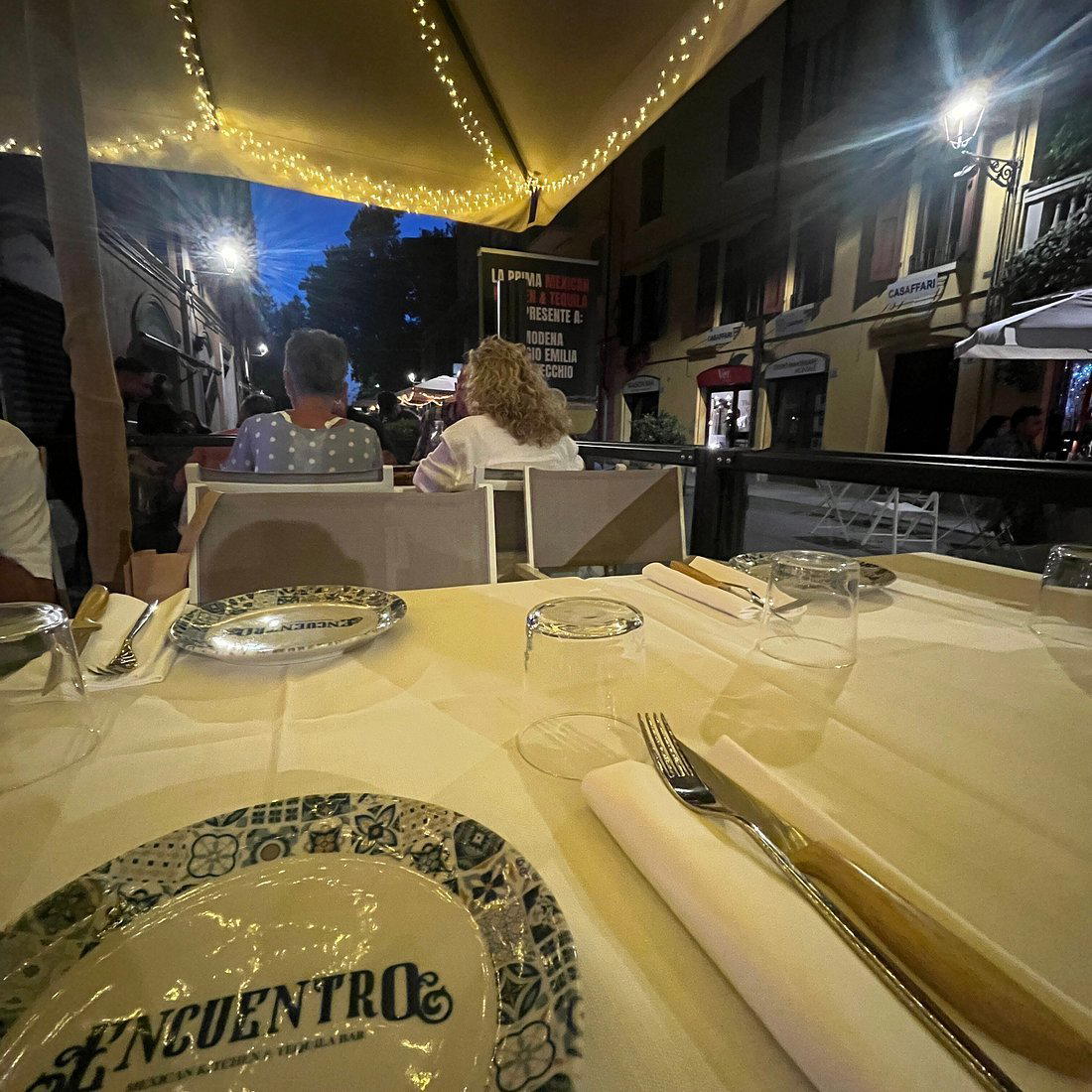
A Street, a City, and What the Menu Reveals
Modena's centro storico rewards the visitor who moves slowly. The streets around the Piazza Grande shift from tourist thoroughfares to residential calm within a few turns, and Calle di Luca is firmly in the latter category. It is the kind of address that tells you something before you arrive: a restaurant here is not trading on foot traffic or a landmark view. It is drawing on something else, whether that is a loyal local following, a cooking approach worth travelling for, or a particular idea about what dinner in this city should be. In a city where dining identity is unusually layered, that positioning matters.
Modena operates on multiple registers simultaneously. It is the home of a centuries-old tradition of fresh pasta, aged balsamic vinegar, and pork-centric Emilian cooking, a tradition embodied at places like Acetaia Giusti, trading since 1605. It is also the city where Massimo Bottura's Osteria Francescana spent years deconstructing those same traditions at the three-Michelin-star level. Between those poles, a mid-tier of contemporary restaurants has developed over the past decade: more ambitious than a trattoria, less conceptually programmatic than progressive fine dining. Encuentro sits somewhere inside that middle band, and understanding what it is requires reading the structure of what it offers rather than the credentials attached to its door.
Menu Architecture in a City That Takes Structure Seriously
Emilia-Romagna's culinary reputation rests partly on precision: the exact fold of a tortellino, the minimum aging period for Parmigiano-Reggiano, the geography-specific rules governing traditional balsamic. That regional attention to structure creates an unusual context for any contemporary restaurant in Modena. When a menu departs from the traditional sequence, or draws on influences outside the Emilian canon, the departure registers against a baseline that diners here understand instinctively.
The name Encuentro, Spanish for encounter or meeting point, signals something about orientation from the outset. In a city as locally-rooted as Modena, a non-Italian name is a mild provocation, a suggestion that the kitchen is working at an intersection rather than within a single tradition. This does not automatically mean fusion in the pejorative sense; some of northern Italy's most considered contemporary restaurants use external reference points to sharpen, rather than dilute, their regional identity. L'Erba del Re, another Modena address working in the creative register, demonstrates that local ingredients can sustain a contemporary menu without abandoning their terroir logic. The question for any restaurant operating in this mode is whether the menu's architecture reflects genuine dialogue between traditions, or whether the framing outpaces the cooking.
Across Italian fine dining more broadly, the structural conversation has intensified. Tasting menus now divide between highly curated sequences where the order of dishes is as deliberate as the dishes themselves, and more fluid à la carte formats that allow the diner to construct their own progression. Restaurants like Reale in Castel di Sangro and Uliassi in Senigallia have built reputations on the former model: the sequence is the argument, and eating out of order is not an option. At the other end, restaurants in smaller cities sometimes offer a looser structure precisely because their diner base includes more regulars who return frequently and want variety rather than a fixed narrative arc. Where Encuentro falls in that spectrum shapes what kind of evening it produces.
Modena's Competitive Dining Set
For a city of roughly 185,000 people, Modena carries a disproportionate weight in Italian food culture. The concentration of serious restaurants is unusually high relative to population, which means that any new or lesser-known address is immediately read against a well-established comparable set. Antica Moka operates in the modern cuisine register with a refined point of view. Al Gatto Verde brings woodfire technique into a contemporary frame. Each has carved a distinct position, and the diversity of approaches across the city means that diners are broadly sophisticated about what different formats promise.
The comparison set for Encuentro extends beyond Modena's city limits. Northern and central Italy's mid-tier contemporary restaurants share a set of structural choices: how much of the wine list to dedicate to the region versus broader Italy, whether to run a single tasting menu or multiple formats, how to price against the local market while signalling ambition to visiting diners. Restaurants like Piazza Duomo in Alba and Casa Perbellini 12 Apostoli in Verona face analogous questions in their own cities, and the answers inform how experienced Italian diners read any comparable address.
Further afield, the structural decisions that define a restaurant's identity, how a menu sequences flavour and technique, how much weight it gives to local versus imported reference points, are the same questions being worked through at places as different as Le Calandre in Rubano, Enoteca Pinchiorri in Florence, and internationally at Le Bernardin in New York and Lazy Bear in San Francisco. The scale and register differ, but the underlying logic of menu architecture as a form of editorial argument is consistent across all of them.
Planning a Visit
Encuentro Modena is located at Calle di Luca, 9, in the 41121 postal district of Modena's centro storico, within the historic centre and accessible on foot from the train station in around fifteen minutes. Modena is served by frequent regional rail connections from Bologna, which is itself a high-speed rail hub; the Bologna-Modena journey runs to roughly twenty-five minutes, making Encuentro accessible as part of a broader Emilian itinerary that might also include a visit to Atelier Moessmer in Brunico or Dal Pescatore in Runate across a multi-day trip.
Given the density of the local dining calendar, particularly around the autumn truffle and balsamic harvest seasons, planning ahead by at least two to three weeks is advisable for any Modena reservation during those periods.
Recognition, Side-by-Side
Comparable venues nearby, for context on price, style, and recognition.
| Venue | Cuisine | Price | Awards | Notes |
|---|---|---|---|---|
| Encuentro ModenaThis venue — the venue you are viewing | Mexican | $$ | Not listed | Not listed |
| Ristorante da Enzo | Traditional Emilian Trattoria | $$ | Not listed | historic centre |
| La Punta | Italian Meat Bistro | $$ | Not listed | Vignolese |
| La Bicicletta - Caffè & Salumi | Traditional Emilian Charcuterie & Regional Bistro | $$ | Not listed | Modena city center |
| Casa Maria Luigia | Modern Italian Fine Dining | $$$$ | Not listed | countryside |
| Trattoria Pomposa - Al Re gras | Traditional Emilian Trattoria | $$ | Michelin Plate | Piazza della Pomposa |
Continue exploring
More in Modena
Restaurants in Modena
Browse all →
Bars in Modena
Browse all →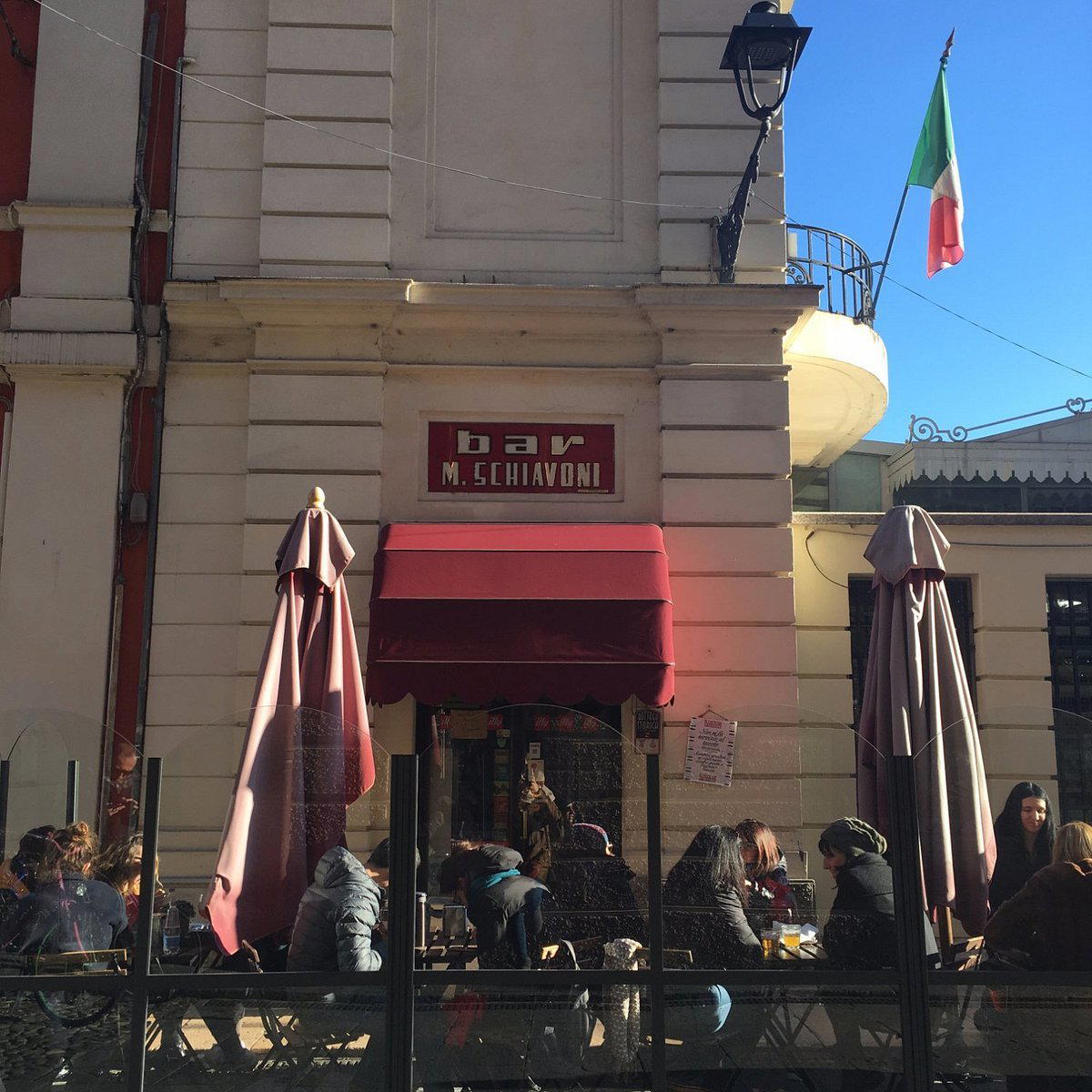
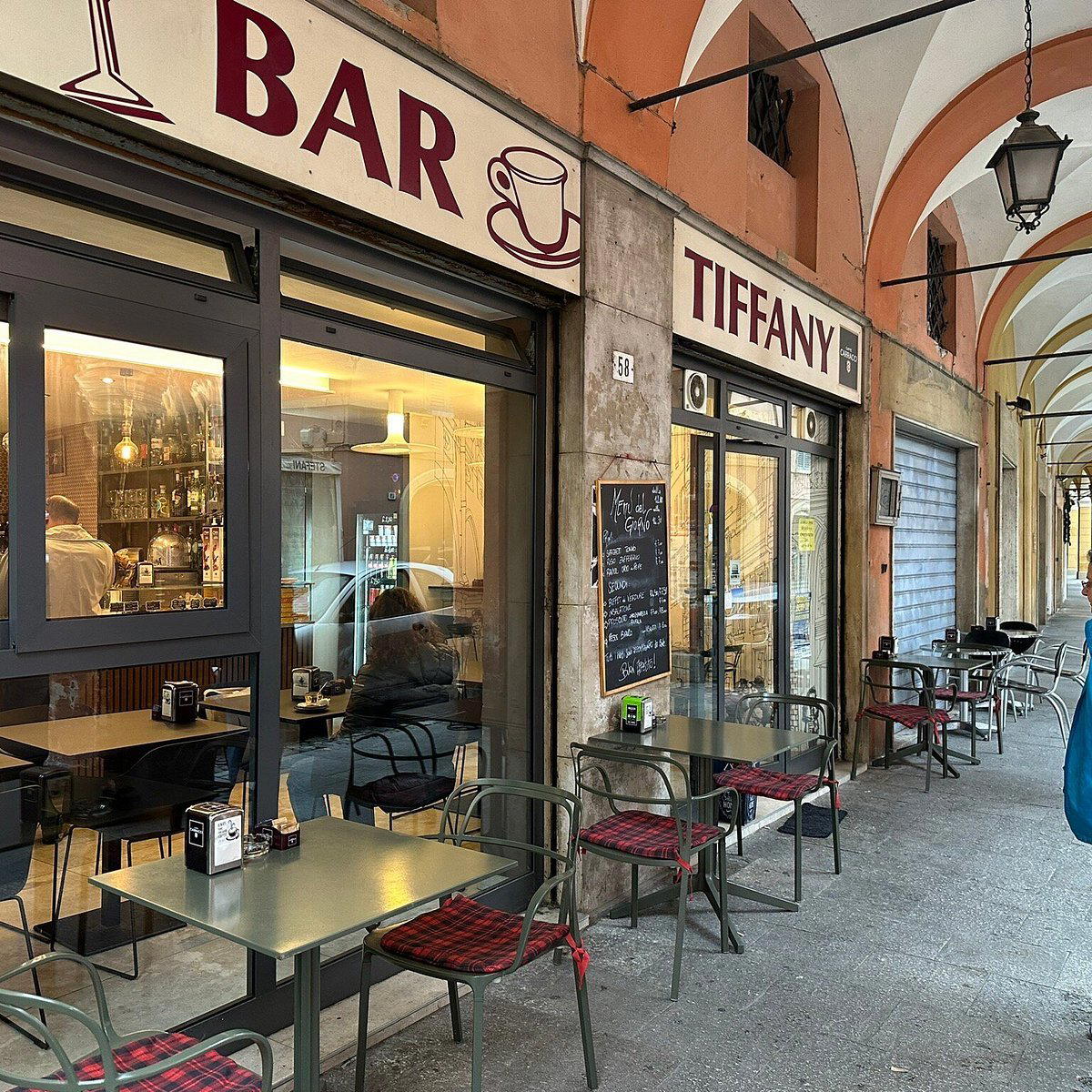
Hotels in Modena
Browse all →

At a Glance
- Trendy
- Date Night
- Casual Hangout
- Craft Cocktails
Current opening hours
- Monday
- Closed
- Tuesday
- 6:30 PM–1 AM
- Wednesday
- 6:30 PM–1 AM
- Thursday
- 6:30 PM–1 AM
- Friday
- 6:30 PM–2 AM
- Saturday
- 12–2:30 PM, 6:30 PM–2 AM
- Sunday
- 12–2:30 PM, 6:30 PM–1 AM
Hours can change for holidays and private events. Last verified .
Casual and trendy atmosphere suitable for dinner.