Our verdict
The address places it deep inside a region where viticulture and the table have been inseparable for generations, and where sourcing from the immediate land is less a philosophy than a structural given.

Pearl is the En Primeur Club membership app, where members save venues, book tables and use the concierge.

The menu
What to order
- Styrian beef
- Iberico pork
- Lamb with aligot
- Tasting menu with wine pairings
Ingredient Sourcing as Regional Architecture
The broader Styrian kitchen draws from a larder that is specific enough to function almost as a regional denomination. Pumpkin seed oil from the Styrian lowlands, freshwater fish from mountain-fed rivers, game from the forested slopes above the wine zone, and the full range of orchard and garden produce that the mild microclimate of southern Styria supports across a long growing season. These ingredients appear across the dining rooms of the region not because chefs have agreed on a menu, but because the supply chains all point in the same direction.enprimeurclub.com/restaurants/obauer-werfen-restaurant">Obauer in Werfen and Landhaus Bacher in Mautern an der Donau, have built their reputations in part on the specificity of those supply decisions. In a region like southern Styria, where the raw materials are abundant and the growing conditions reliable, the differentiation between dining rooms increasingly comes down to exactly that kind of sourcing precision.
Venues like Döllerer in Golling an der Salzach and Gourmetrestaurant Tannenhof in Sankt Anton am Arlberg and Griggeler Stuba in Lech show the same structural logic applied to alpine supply chains rather than vineyard ones. The journey from Graz takes roughly 45 to 55 minutes depending on the route through the hills. Public transport connections into the Sernau ridge area specifically are limited, and most visitors arriving without a car rely on taxis from Leibnitz, the nearest larger town with a train station on the Graz-Spielfeld-Strass line.
The southern Styrian wine roads are most active from late spring through harvest, with October marking the peak of the grape-picking season and a corresponding concentration of visitors. The more established destination restaurants in the area book weeks to months ahead during the summer and harvest period. Our Kräuterreich by Vitus Winkler in Sankt Veit im Pongau, Schwarzer Adler in Hall in Tirol, Restaurant 141 by Joachim Jaud in Mieming, and Le Bernardin in New York City and Atomix in New York City offer useful contrasts in how tightly focused ingredient sourcing and regional identity can anchor a kitchen programme at the highest level of technical ambition.
Frequently asked questions
Would Jaglhof be comfortable with kids?
Jaglhof is located at Sernau 25 in Gamlitz, a quiet wine-country address in southern Styria where the pace is unhurried and the surroundings are rural. Contacting the venue directly before visiting with young children is advisable.
What's the vibe at Jaglhof?
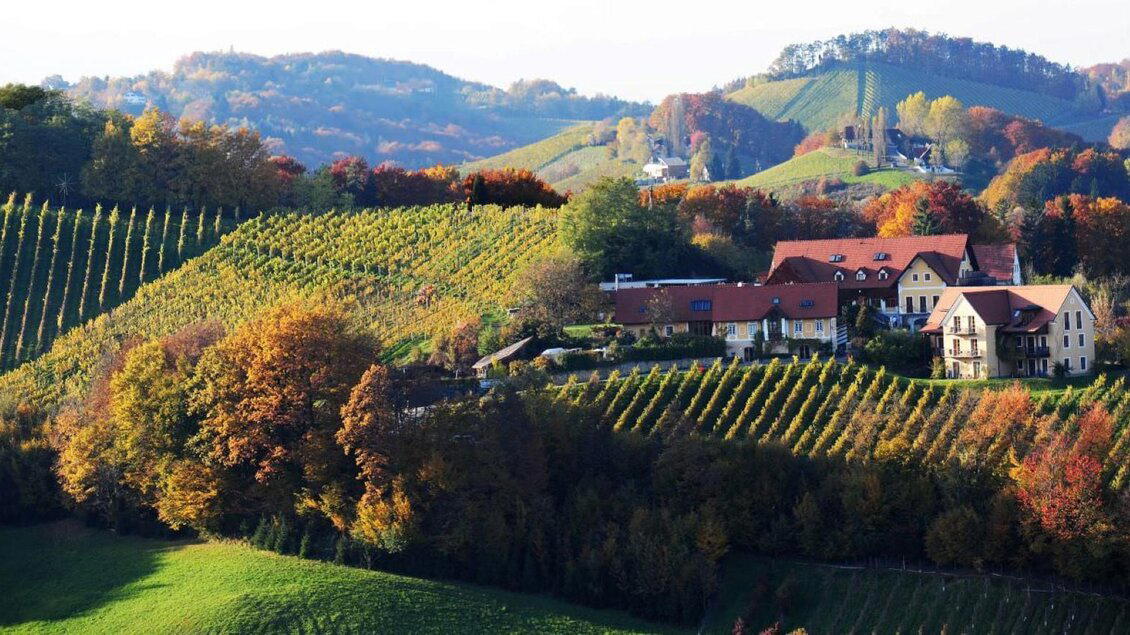
The address on the Sernau road in Gamlitz places Jaglhof within the tight corridor of wine estates and estate-attached dining that defines southern Styria's hospitality character. Expect something closer to a wine-country tavern or estate house than an urban restaurant, grounded in the agricultural identity of the hills between Gamlitz and Leutschach.
Is Jaglhof a good base for exploring the southern Styrian wine region around Gamlitz?
The Sernau 25 address puts Jaglhof within the core of the Gamlitz wine hills, one of the densest concentrations of Sauvignon Blanc and Welschriesling production in Austria. The surrounding slopes between Gamlitz and Leutschach are traversable by foot or bicycle, making a meal here a natural anchor for a day spent among the vineyards. Gamlitz itself is roughly 45 kilometres south of Graz via the A9 motorway.
What do people recommend at Jaglhof?
Southern Styrian kitchens in this part of Gamlitz typically anchor menus around the region's own larder: pumpkin seed oil, local pork, freshwater fish, and seasonal vegetables that track the agricultural calendar closely.
Quick Comparison
| Venue | Cuisine | Price | Awards | Notes |
|---|---|---|---|---|
| JaglhofThis venue (the venue you are viewing) | Creative Regional South Styrian Cuisine | $100–150 | Not listed | Not listed |
| Sattlerhof | Michelin-Starred Styrian Fine Dining | Not listed | 1 Michelin Star · Star Wine List | Creative |
| Lilli & Jojo | Regional Styrian Farm-to-Table | Not listed | Michelin Plate · Falstaff Restaurant - 95 Falstaff Points | Farm to table |
| Weinrefugium Brolli | Traditional Austrian Regional | Not listed | Star Wine List | Not listed |
| Emmy im Schloss Gamlitz | Styrian Austrian Regional | $30–50 | Not listed | Not listed |
Continue exploring
More in Gamlitz
Restaurants in Gamlitz
All restaurants in Gamlitz →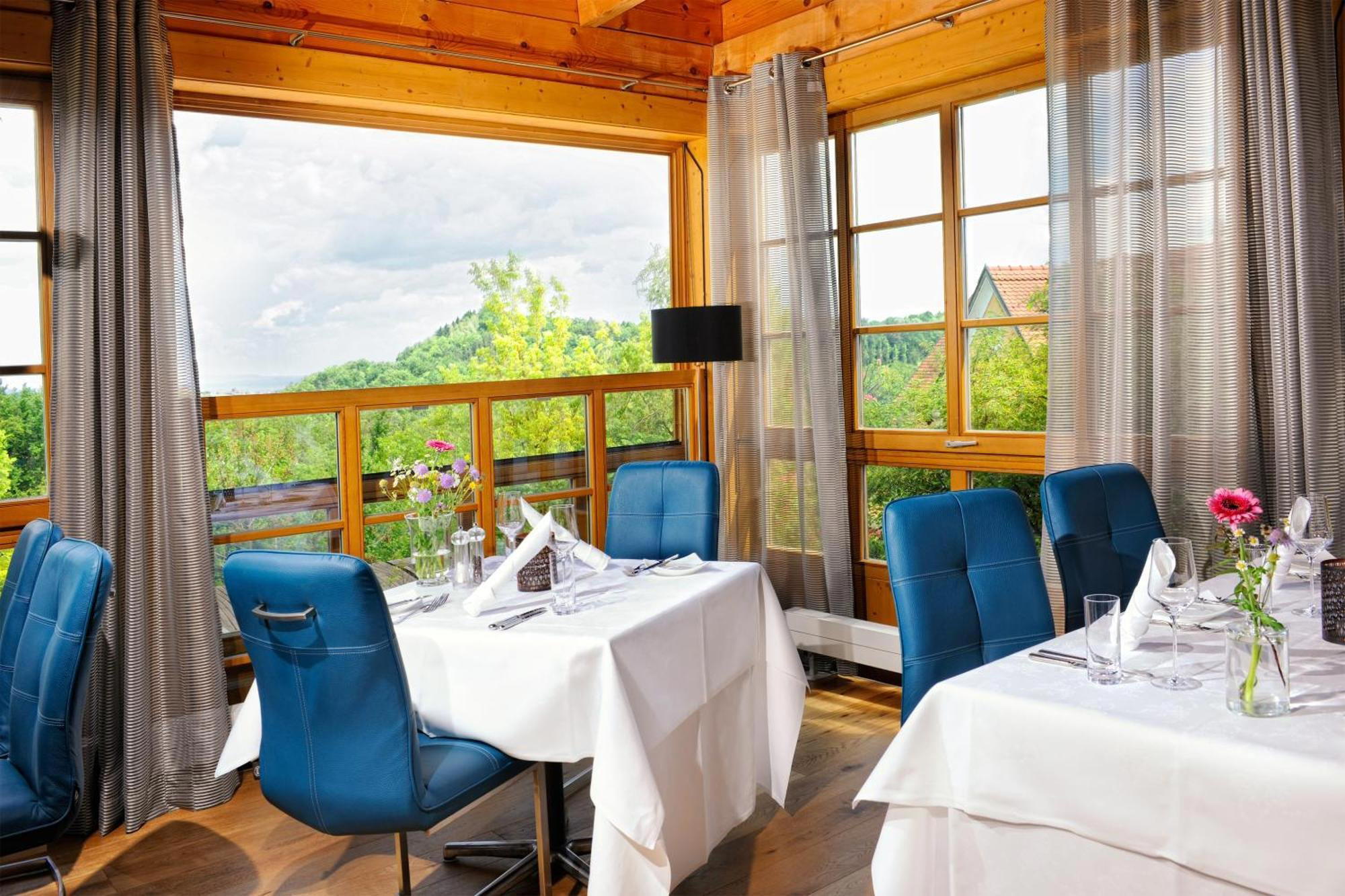
Bars in Gamlitz
Browse all →
Hotels in Gamlitz
Browse all →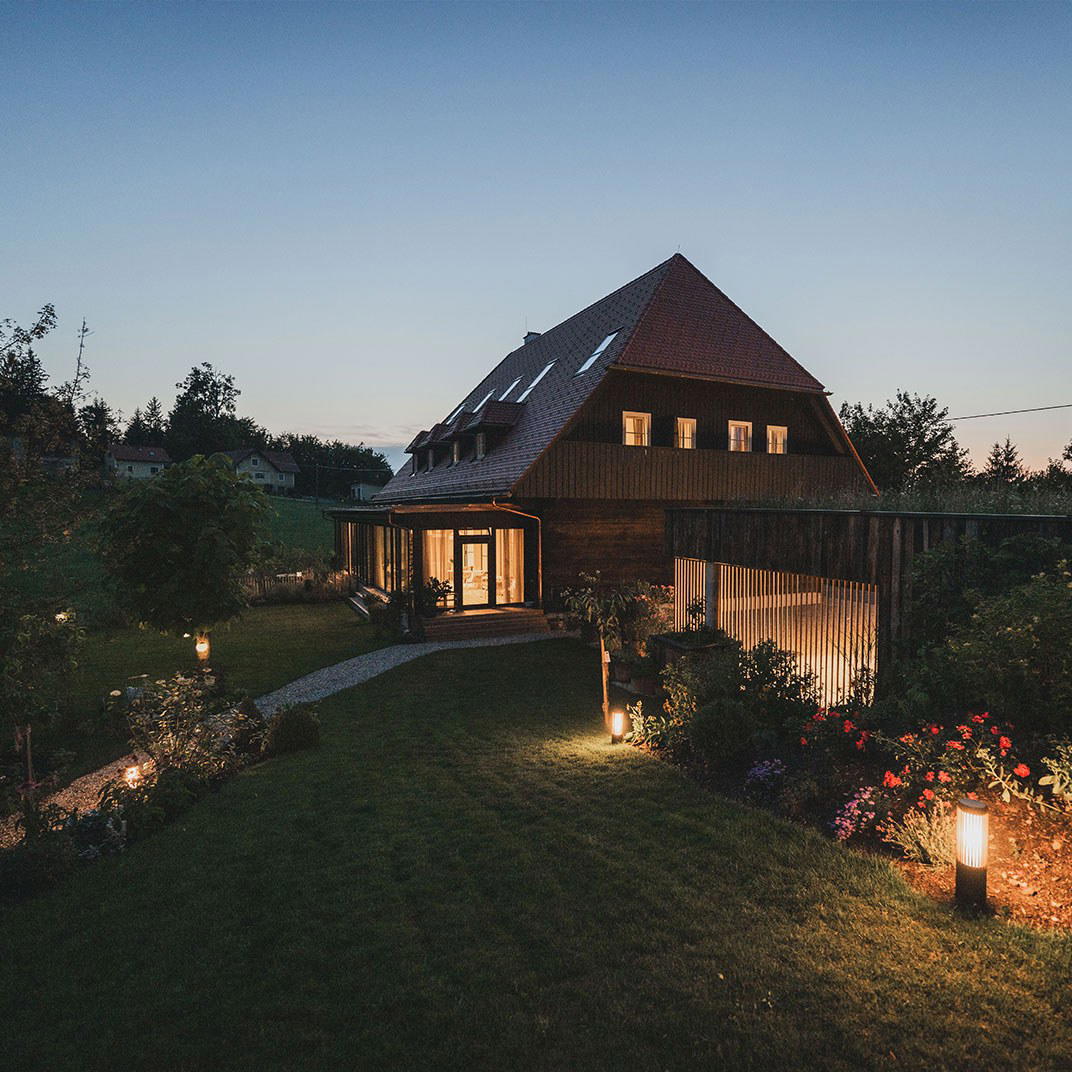

Details
- Scenic
- Quiet
- Elegant
- Cozy
- Rustic
- Date Night
- Celebration
- Special Occasion
- Family
- Hotel Restaurant
- Terrace
- Panoramic View
- Standalone
- Extensive Wine List
- Local Sourcing
- Vineyard
- Mountain
- Garden
- Tasting Menu
- A La Carte
- Wine
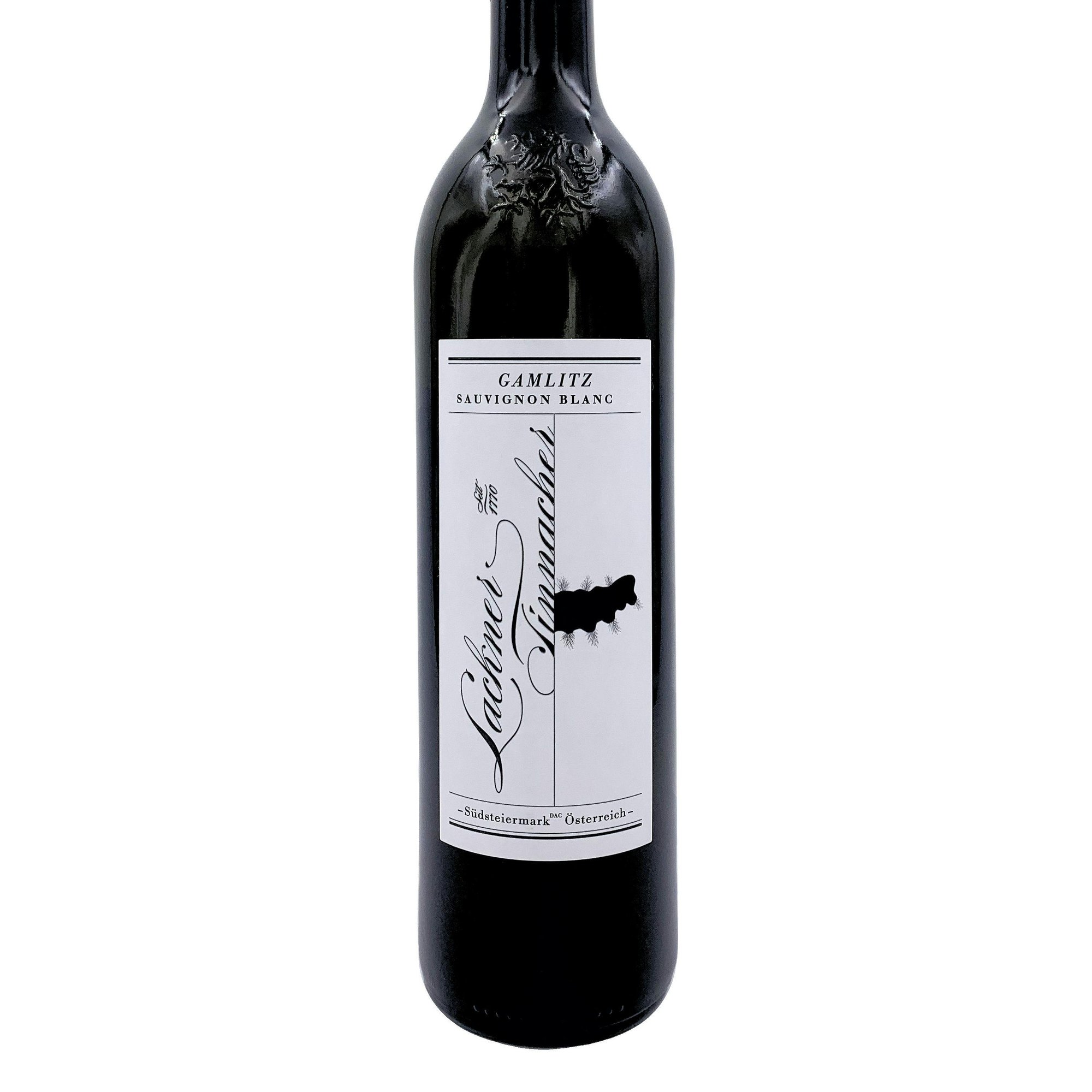
- Sauvignon Blanc
- Vegetarian Friendly
- Vegan Options
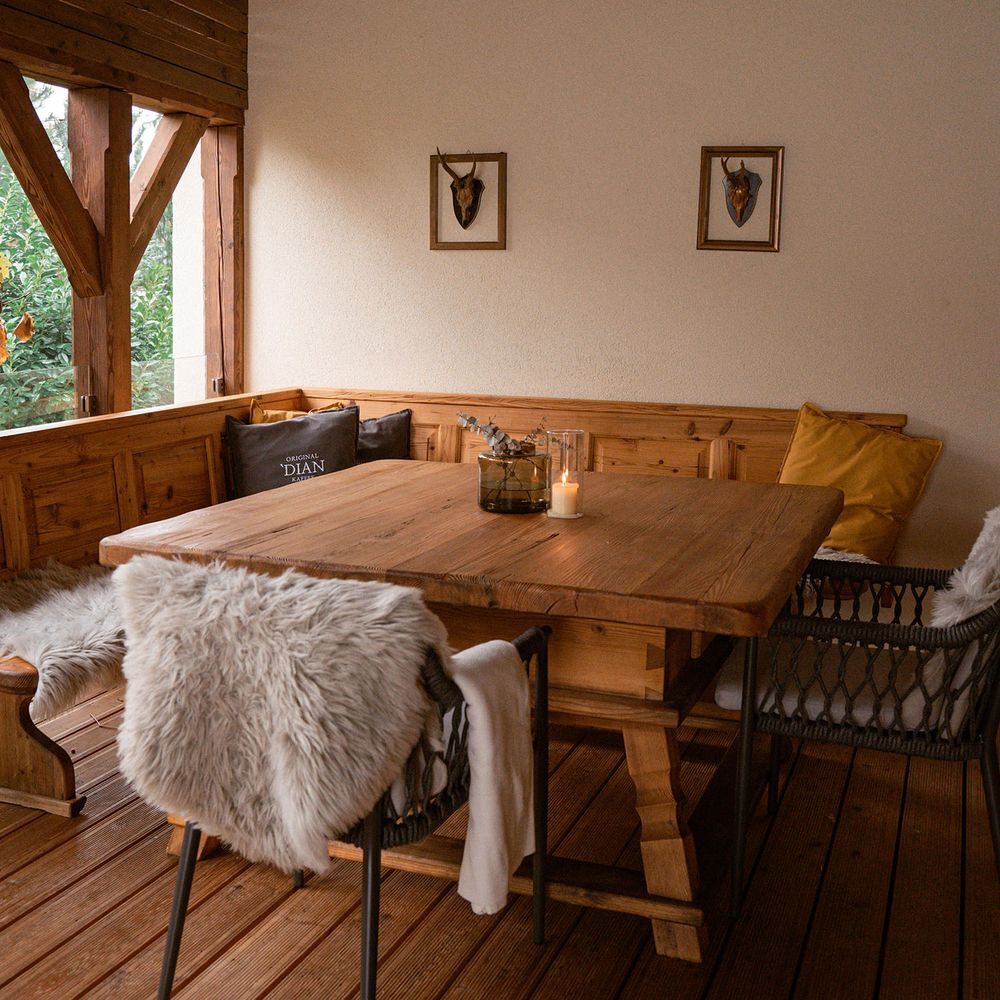
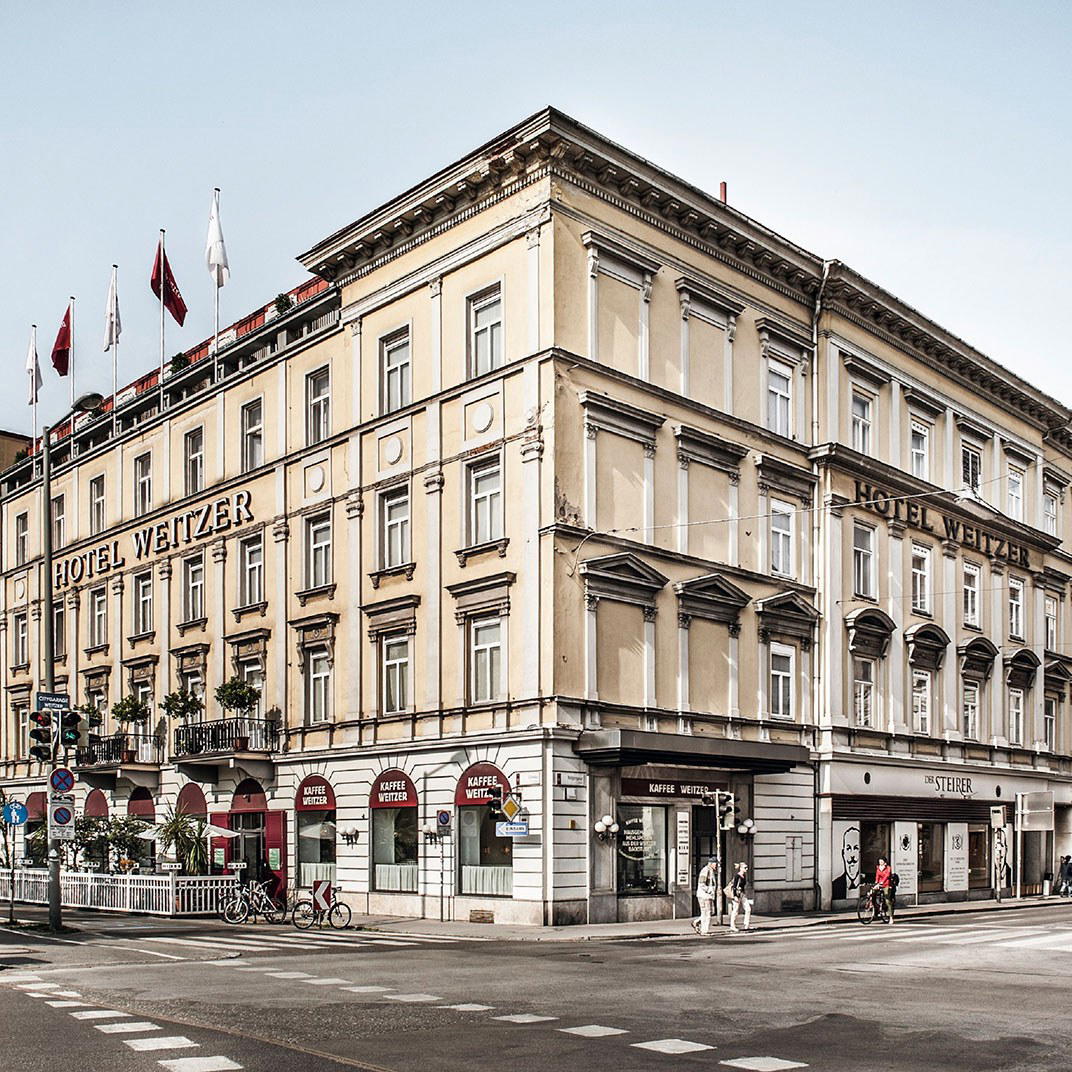
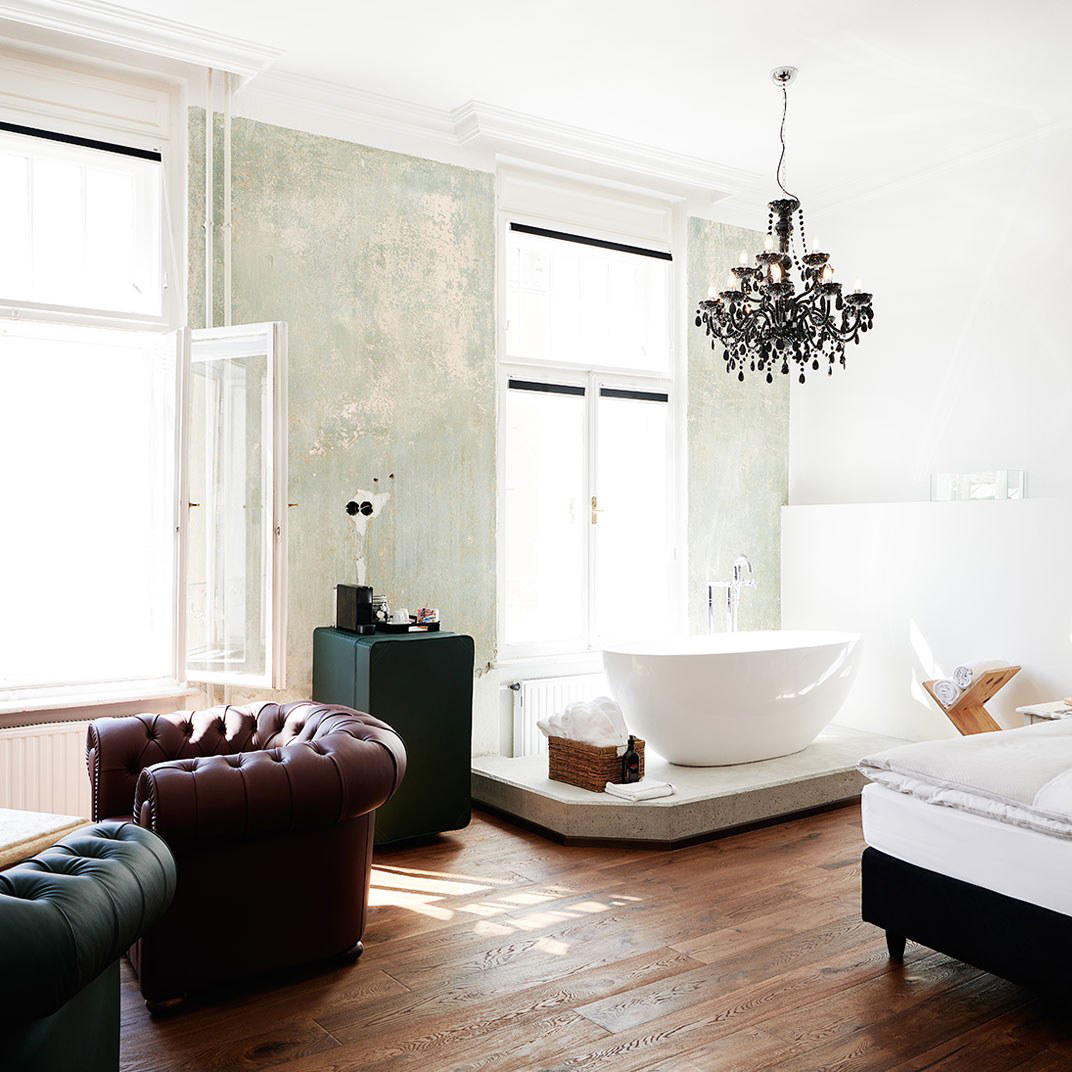
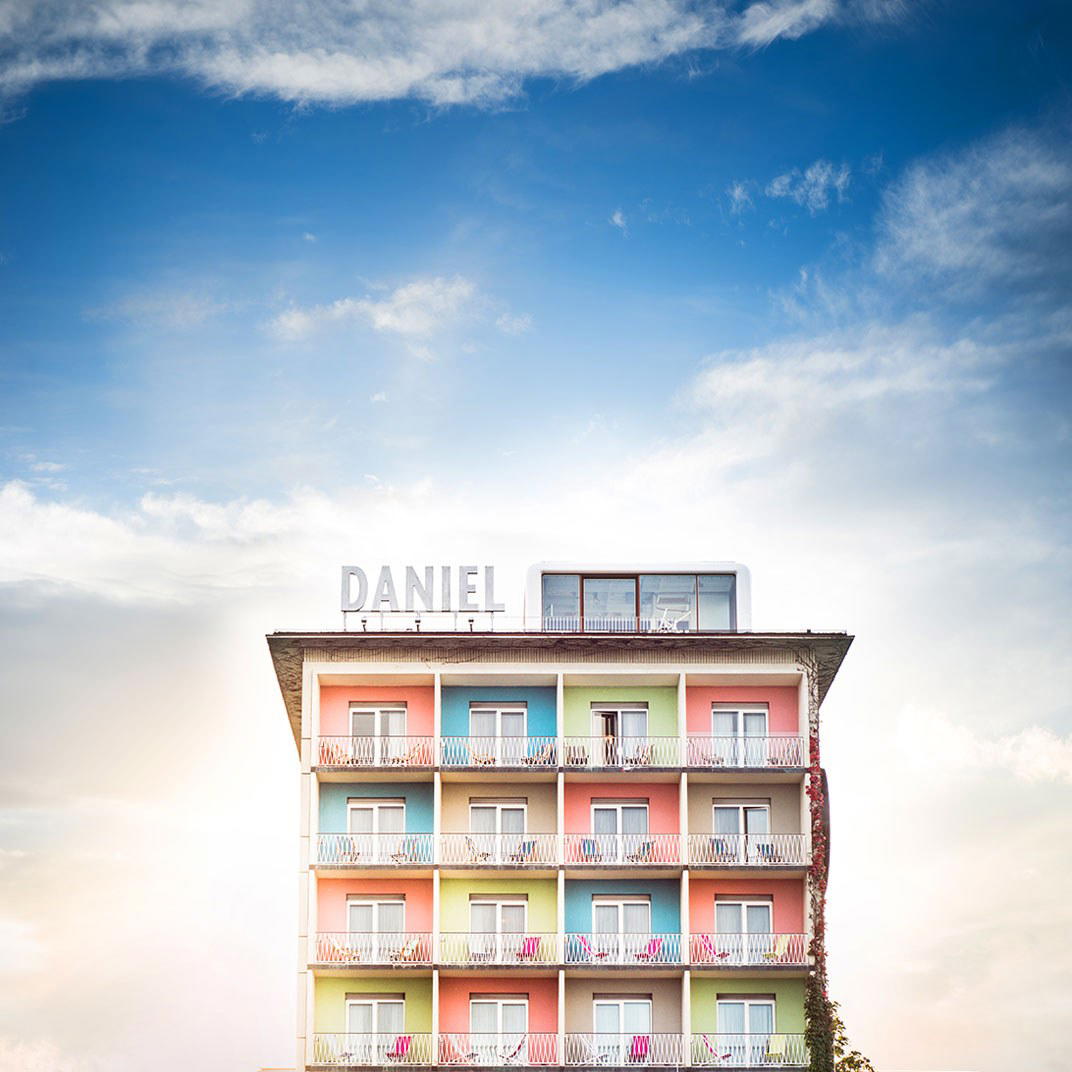
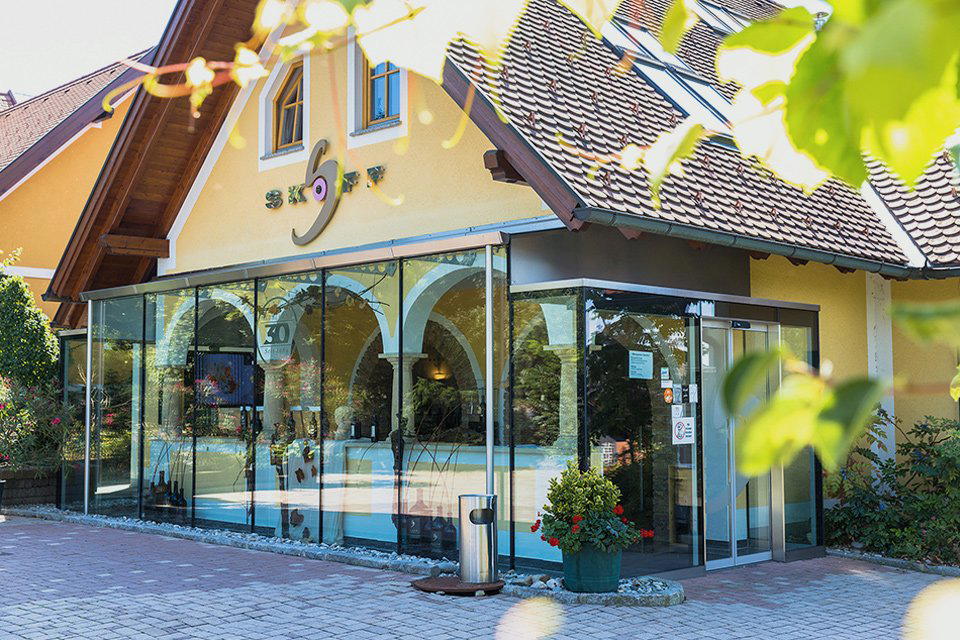
Calm and refined, with natural materials, vineyard surroundings, and a relaxed South Styrian hospitality atmosphere.