Cluny
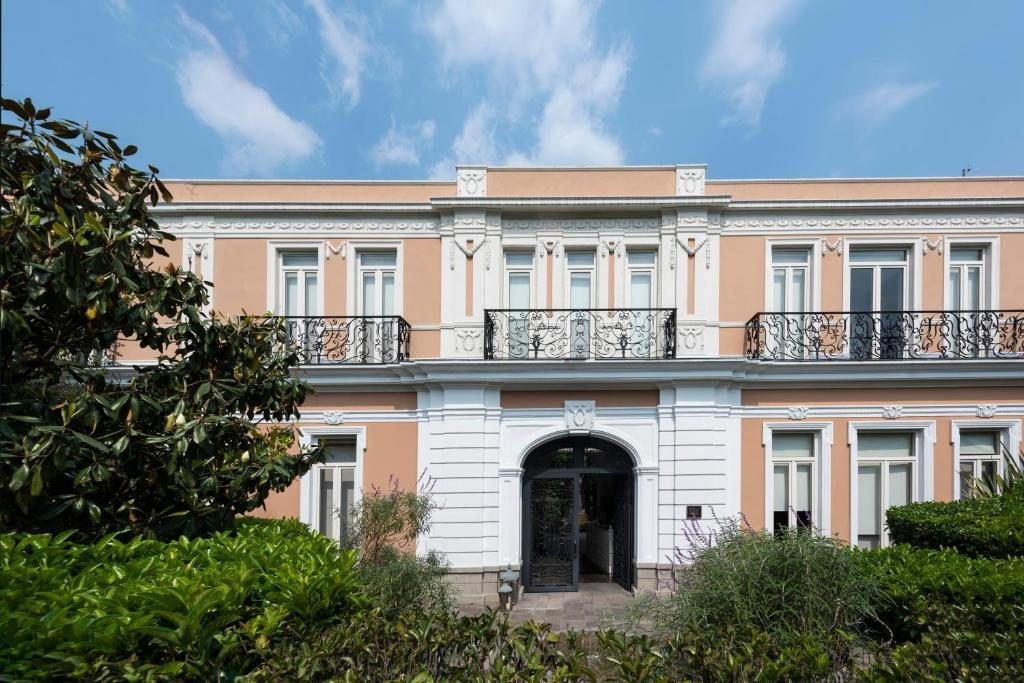
Cluny sits on Avenida de la Paz in San Ángel, one of Mexico City's most architecturally coherent colonial neighbourhoods, where cobblestone streets and weekend artisan markets set the tone before you reach the door. The restaurant occupies a tier of established San Ángel dining that serves the neighbourhood's mix of longtime residents and visitors arriving from the city's south. It warrants attention as a place rooted in its surroundings rather than oriented toward the capital's fine-dining circuit.
Pearl is the En Primeur Club membership app — saves, bookings, and concierge access live there. Same editors, same standards.
- Address
- Av. de la Paz 57, San Ángel, Álvaro Obregón, 01000 Ciudad de México, CDMX, Mexico
- Phone
- +525536264614
- Website
- cluny.com.mx
- Directions
- Get directions
 Saves & bookings on Pearl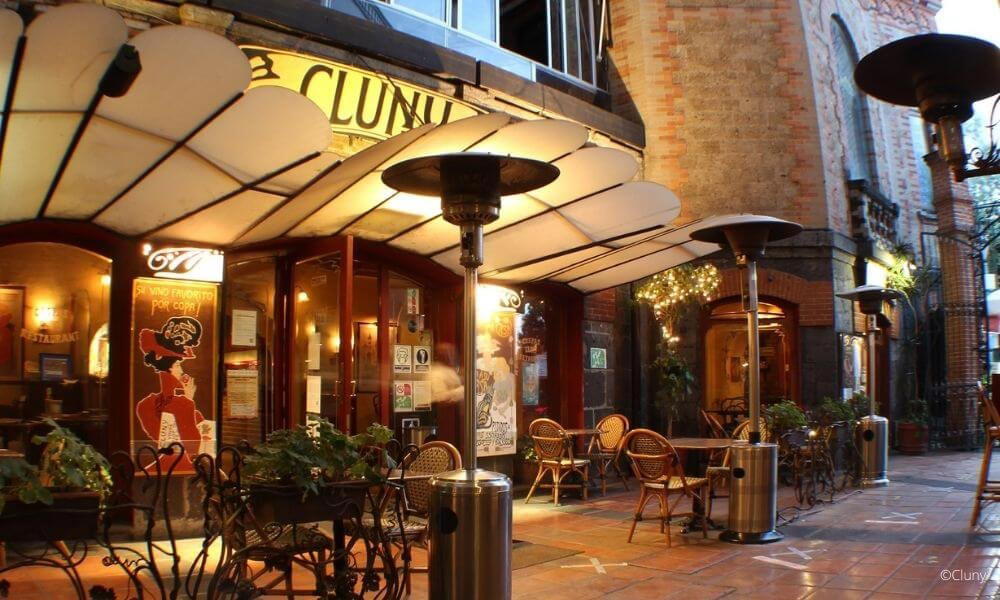
San Ángel as a Dining District
Mexico City's restaurant conversation tends to orbit Roma Norte, Polanco, and Condesa, the three neighbourhoods that now anchor the capital's most-discussed dining. San Ángel, in the city's southwest, operates at a different register. Its streets predate the capital's twentieth-century expansion, and Avenida de la Paz, the main artery running through the neighbourhood's commercial core, reflects that longer timeline. The restaurants here are not chasing the same signals as those closer to Pujol or Quintonil in Polanco. They serve a local population that has been eating in the same streets for generations, which produces a different relationship between a restaurant and its surroundings.
That distinction matters when you approach Cluny. The address on Avenida de la Paz places it at the centre of a neighbourhood whose identity is architectural and residential first, gastronomic second. Weekend mornings bring the Bazar del Sábado to the Plaza San Jacinto a short walk away, drawing crowds that are shopping and browsing rather than hunting for the city's next talked-about tasting menu. Cluny exists within that context, not in spite of it.
What the Neighbourhood Asks of a Restaurant
San Ángel's dining character differs from the city's more explicitly competitive zones in one structural way: its regulars tend to return for the environment as much as the plate. The neighbourhood's stone-paved streets, colonial facades, and mature jacaranda trees create a physical setting that colours every meal. A restaurant at this address is part of an experience that begins on the street, which places different demands on the room than a dining destination that functions as a standalone draw.
This is a pattern visible in other cities with similar colonial-residential quarters. The neighbourhood lends credibility and atmosphere that the restaurant does not need to manufacture internally. In return, the restaurant is expected to match the setting's sense of proportion rather than overwhelm it. Across Mexico, a handful of restaurants have found this balance in comparable historic districts: Rosetta in Roma reads similarly, where the building and the street are as much the experience as the menu. Cluny occupies an analogous position within San Ángel's specific register.
The San Ángel Dining Tier
San Ángel's established restaurants are not positioned against the capital's fine-dining ceiling. For reference, that ceiling currently includes Polanco addresses with Michelin recognition and a price point of $$$$. The mid-range of the city's serious dining, represented by venues like Em at $$$, occupies a different competitive set. San Ángel tends to cluster closer to the $$ range, the tier occupied by places like Rosetta and neighbourhood venues that prioritise repeat visits over occasion dining.
This pricing structure reflects the neighbourhood's demographic: professionals, academics connected to UNAM and the Colegio de México nearby, and long-term residents who eat out regularly rather than ceremonially. A restaurant priced for weekly visits rather than quarterly ones operates with a different model, tighter on ambition per dish, more reliant on consistency. That is not a diminishment of the category. Sud 777 has demonstrated that serious creative cooking can operate south of the city's most celebrated zip codes. San Ángel has its own version of that argument.
How San Ángel Compares to Other Mexico City Dining Districts
| District | Price Tier | Dining Character | Booking Complexity |
|---|---|---|---|
| Polanco | $$$$ | Destination fine dining, tasting menus, Michelin tier | High; weeks to months in advance |
| Roma Norte / Condesa | $$–$$$ | Creative casual, natural wine, chef-driven neighbourhood spots | Medium; days to a week ahead |
| San Ángel (incl. Cluny) | $$ | Established neighbourhood dining, resident regulars, colonial setting | Lower; walk-in often possible |
| Coyoacán | $–$$ | Markets, traditional Mexican, tourist-adjacent casual | Low; walk-in standard |
The table above maps where San Ángel sits relative to the city's other dining districts. The lower booking complexity is one of the practical arguments for choosing venues in this part of the city over the capital's more pressured reservations calendar. For visitors who have already secured a table at Pujol or Quintonil, San Ángel fills a different slot: the unhurried lunch, the Saturday morning meal before the Bazar.
Mexico's Broader Restaurant Geography
Mexico City dominates the country's restaurant conversation, but a growing number of the country's most discussed addresses sit outside the capital. Animalón in Valle de Guadalupe and Lunario in El Porvenir have shifted attention toward Baja's wine country. KOLI Cocina de Origen in Monterrey, Alcalde in Guadalajara, and Pangea in San Pedro Garza García have made the case for the country's second cities. In Oaxaca, Levadura de Olla works a register of local tradition and precision that the capital rarely matches. On the coast, Le Chique in Puerto Morelos, HA' in Playa del Carmen, Arca in Tulum, and Olivea Farm to Table in Ensenada form a coastal arc of serious cooking. For international comparisons, the commitment to a neighbourhood's physical and cultural fabric that San Ángel venues express has parallels at places like Le Bernardin in New York City or Lazy Bear in San Francisco, where a defined sense of place shapes the room as much as the menu. See our full Mexico City restaurants guide for a wider map of the capital's dining districts.
Planning Your Visit
San Ángel is most accessible by Metrobús on Insurgentes Sur or by car from Polanco and Roma in approximately 30 to 40 minutes outside peak traffic. Saturdays carry additional foot traffic around the Bazar del Sábado, which can make parking difficult but adds to the neighbourhood's atmosphere. Arriving early in the day leaves time to walk the Plaza San Jacinto before sitting down.
Cuisine Lens
Comparable options at a glance, pulled from our tracked venues.
| Venue | Cuisine | Price | Awards |
|---|---|---|---|
| ClunyThis venue — the venue you are viewing | Not listed | Not listed | Not listed |
| Pujol | Mexican | $$$$ | Michelin 2 Star |
| Quintonil | Modern Mexican, Contemporary | $$$$ | Michelin 2 Star |
| Rosetta | Italian, Creative | $$ | Michelin 1 Star |
| Em | Mexican | $$$ | Michelin 1 Star |
| Comedor Jacinta | Mexico, Mexican | $$ | Not listed |
Continue exploring
More in Mexico City
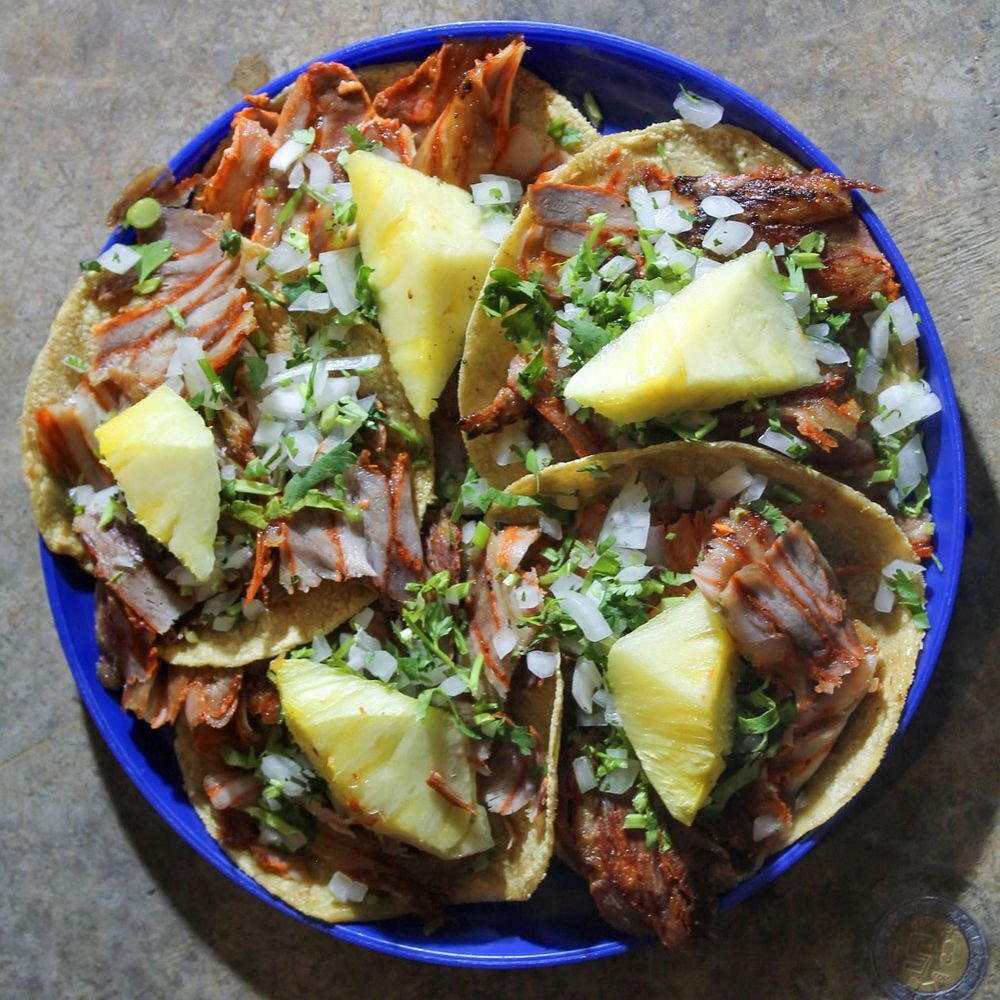
Restaurants in Mexico City
Browse all →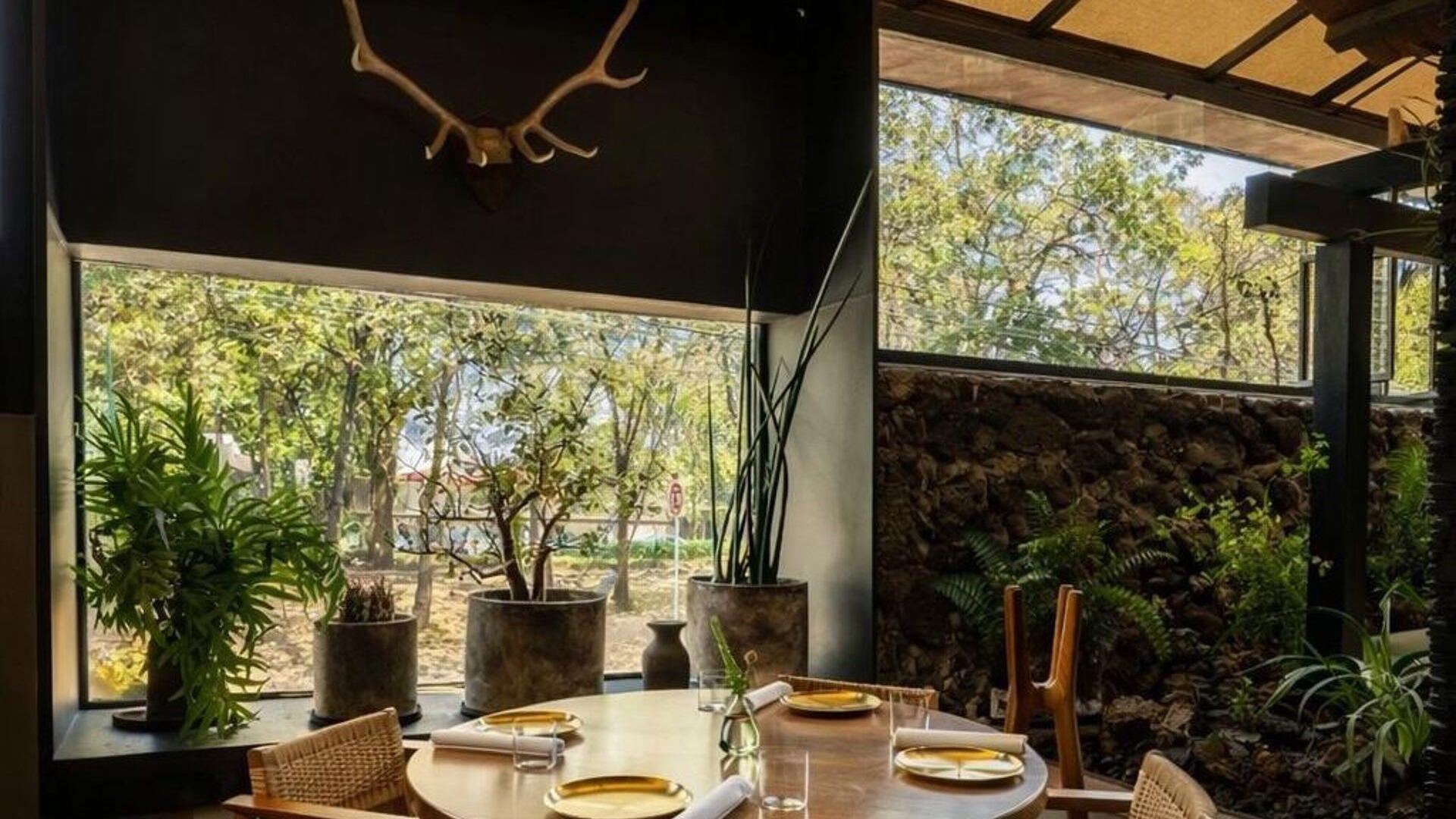
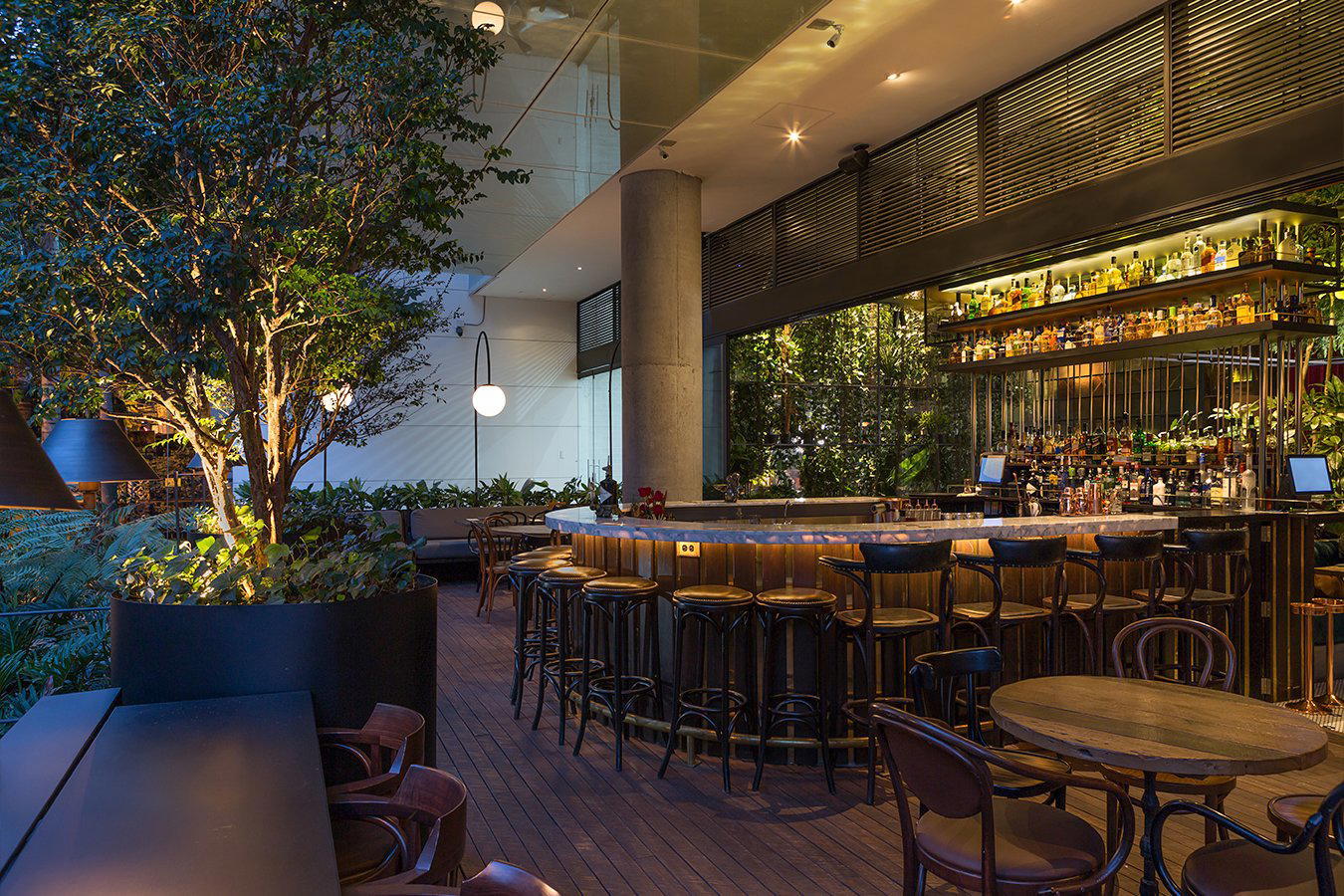
Bars in Mexico City
Browse all →
At a Glance
- Romantic
- Cozy
- Elegant
- Classic
- Intimate
- Date Night
- Brunch
- Casual Hangout
- Group Dining
- Historic Building
- Wine Cellar
- Live Music
- Extensive Wine List
- Craft Cocktails
- Beer Program
Current opening hours
- Monday
- 12:30 PM–12 AM
- Tuesday
- 12:30 PM–12 AM
- Wednesday
- 12:30 PM–12 AM
- Thursday
- 12:30 PM–12 AM
- Friday
- 12:30 PM–12 AM
- Saturday
- 9 AM–12 AM
- Sunday
- 9 AM–11 PM
Hours can change for holidays and private events. Last verified .
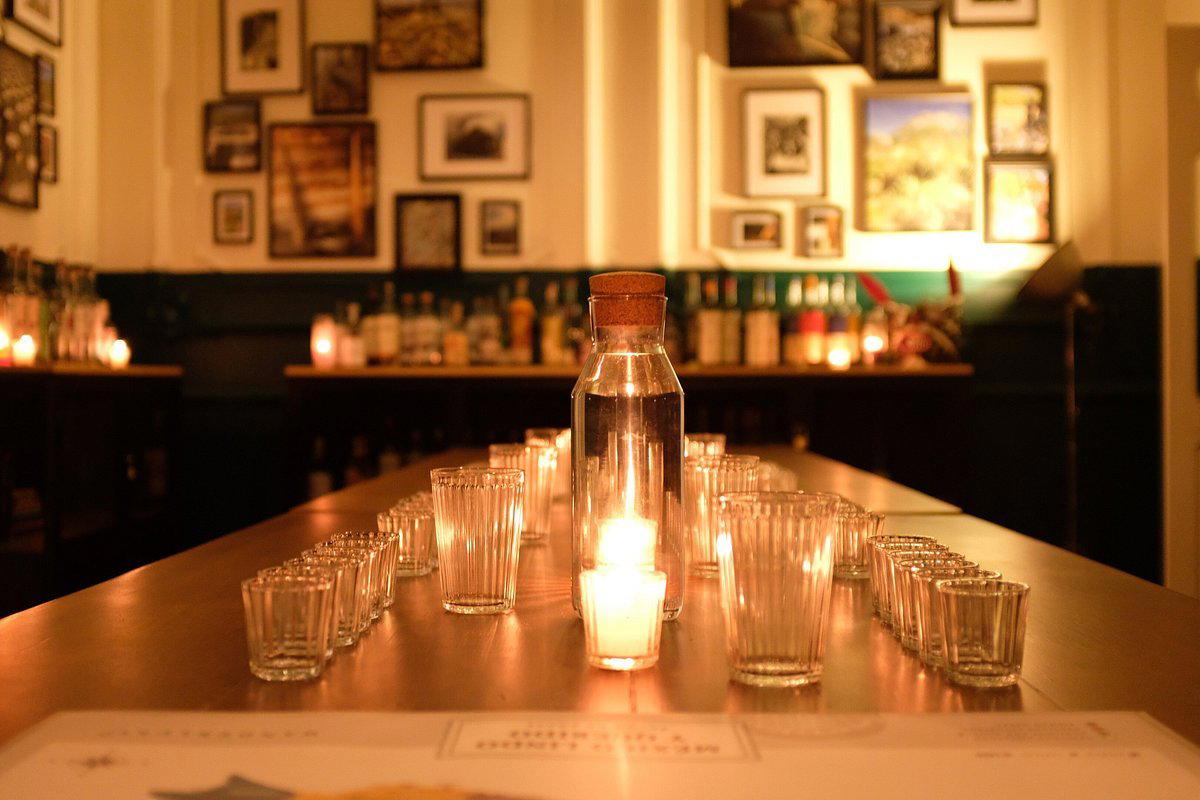
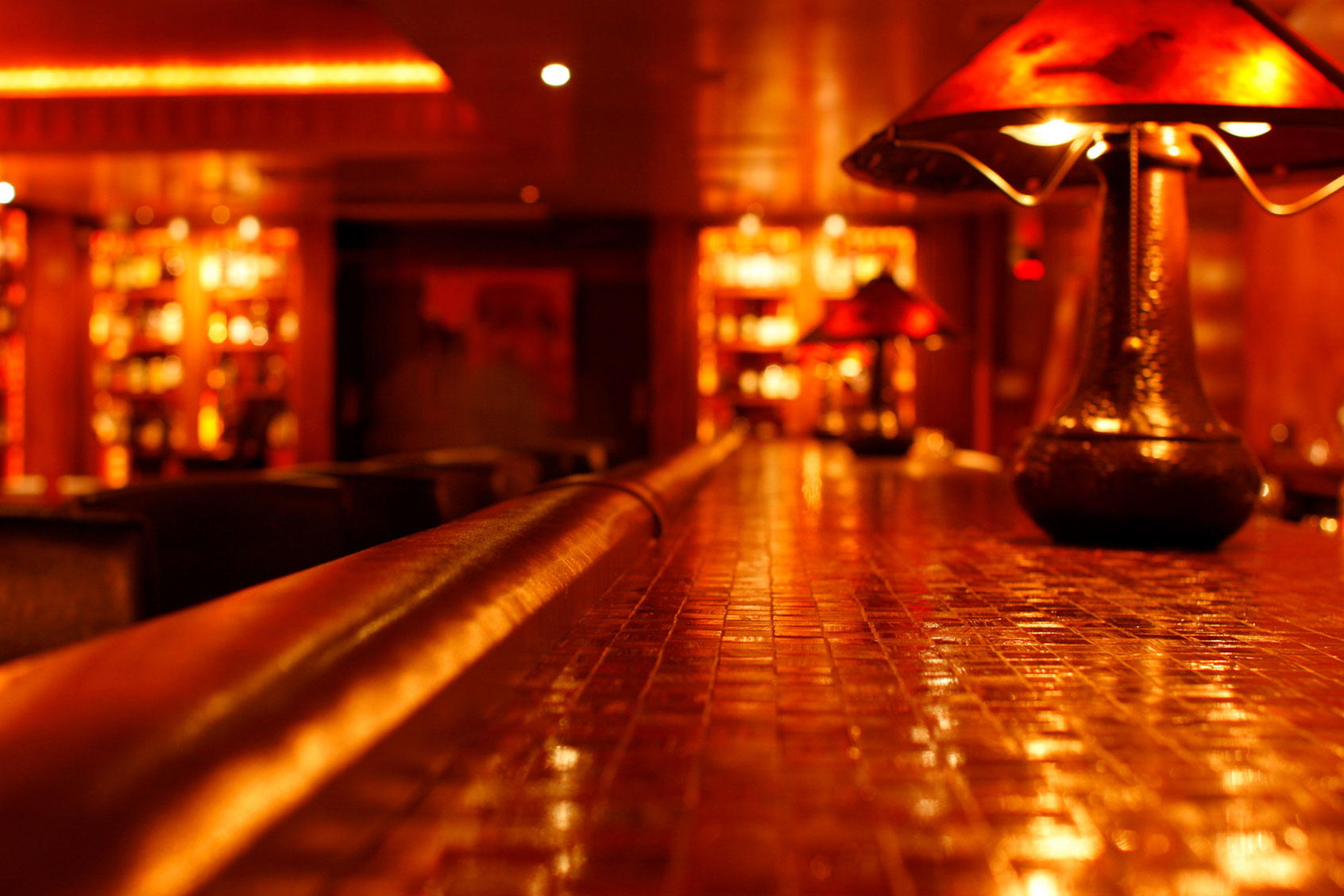
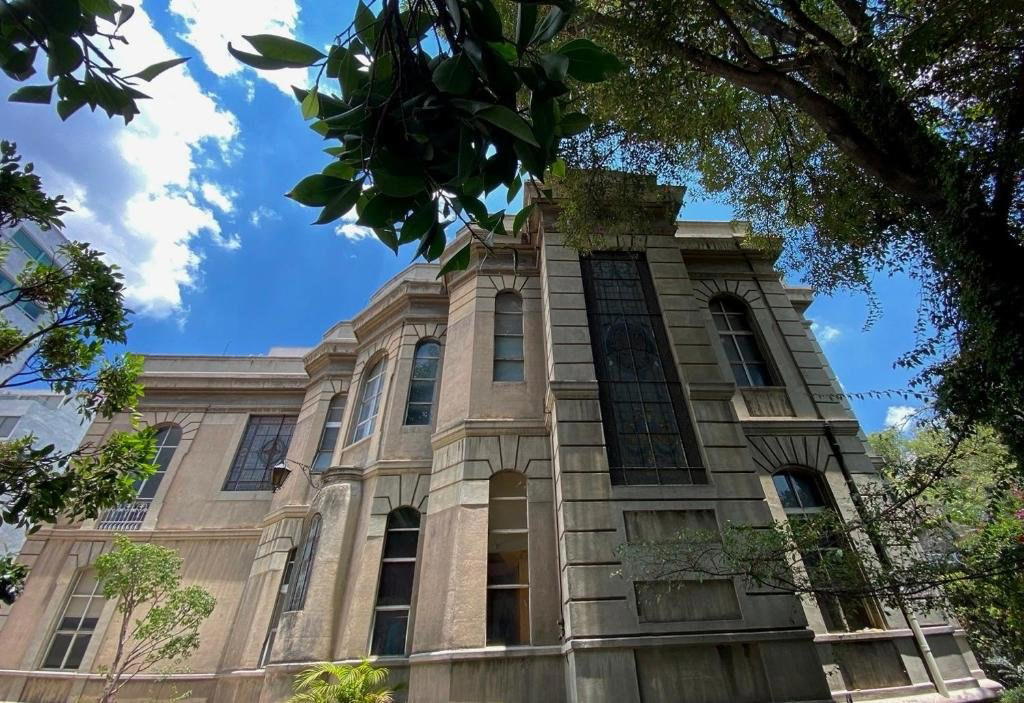
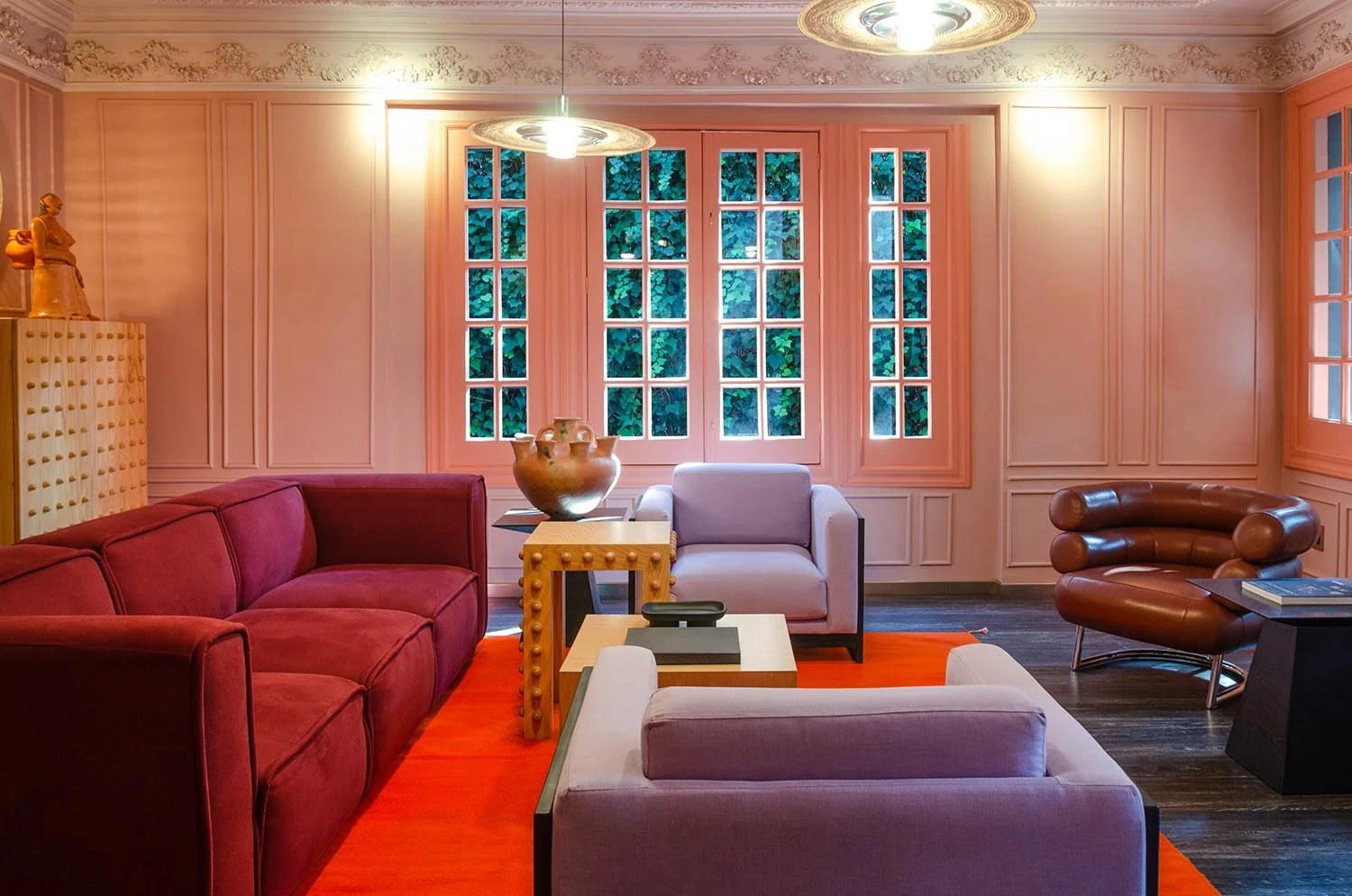
Romantic and cozy with elegantly appointed décor featuring stone and brick arches, vaulted ceilings, and Belle Époque styling that evokes 1920s Paris; intimate yet welcoming atmosphere.
Know Before You Go
- Getting there
- Av. de la Paz 57, San Ángel, Álvaro Obregón, 01000 Ciudad de México, CDMX, Mexico