Elephant East
Our verdict
Elephant East sits on McKinnon Street in Dallas's Uptown corridor, positioning itself within a dining district that has grown considerably more competitive over the past decade. The address places it among a tier of restaurants where the surrounding blocks set the ambient standard. Contact details and booking specifics are best confirmed directly with the venue before visiting.
The menu
What to order
- Bang Bang Shrimp
- Korean Fried Chicken
- Pork Belly Baos
- Vietnamese Espresso Martini
McKinnon Street and the Uptown Standard
Dallas's Uptown corridor along McKinnon Street has become one of the more instructive stretches for understanding how the city's mid-to-upper dining tier actually works. The blocks between the Design District and Turtle Creek carry a concentration of restaurants that compete on atmosphere and menu ambition in roughly equal measure, and the foot traffic here tends to arrive with clear expectations. Elephant East, at 2823 McKinnon St, occupies that context whether it invites the comparison or not.
Uptown Dallas has matured from a post-work drinks district into a genuine dining destination over the past fifteen years. The shift mirrors what happened in similar urban corridors in other Sun Belt cities: rising real estate values pushed out volume-focused operators and drew in venues with clearer culinary points of view. The result is a street-level mix that rewards visitors who approach it with some prior research rather than simply walking in on impulse.
Reading the Menu as a Document
In restaurants operating in a competitive urban corridor, menu architecture is rarely accidental. The way a kitchen organizes its offerings, the number of sections it presents, and the degree to which it anchors around a single technique or regional tradition all signal where the kitchen has staked its identity. For diners trying to understand what a restaurant is actually doing, the menu functions less as a list of options and more as a position statement.
Restaurants that lack a clearly legible menu structure often struggle to communicate their value to first-time guests, particularly in a market like Dallas where the alternative options are numerous. The strongest operations in this corridor, whether Italian-focused like Mamani or Japanese-inflected like Tatsu Dallas, tend to build menus that telegraph the kitchen's discipline from the first section heading. A menu that wanders across four or five unrelated culinary traditions without a connective logic is a different kind of signal.
The menu architecture question matters more in Uptown than it might in a neighborhood with lower ambient competition. Diners here are also weighing 12 Cuts Brazilian Steakhouse and 3Eleven Kitchen and Cocktails, among others, and the decision to commit to one table over another is often made on the basis of menu clarity before a guest ever arrives at the door.
Where Elephant East Sits in the Dallas Tier
Without public pricing data or a verified award record, positioning Elephant East against the Dallas dining tier requires working from its address and category context rather than stated credentials. The McKinnon Street location places it geographically within a $$$-to-$$$$ price band that defines most of the corridor's serious restaurants. That band in Dallas runs from roughly the mid-range mark occupied by neighborhood Italian spots up through the top tier represented by Fearing's at the Ritz-Carlton, which prices its Southwestern American menu at $$$$ and carries the James Beard Association recognition to justify that positioning.
Tei-An, Dallas's most recognized Japanese counter, operates at $$$$ and maintains a waitlist-level booking dynamic that reflects years of sustained critical attention. Tatsu Dallas occupies a similar Japanese tier. Pecan Lodge represents a different calculus entirely, operating at the barbecue category's own internal premium. Elephant East's position relative to these peers depends on factors, including cuisine type, format, and price point, that are not yet publicly confirmed through a verifiable record.
For context on how elite American dining venues build and signal their positioning, the broader national picture is instructive. Venues like Le Bernardin in New York City, The French Laundry in Napa, and Smyth in Chicago each built their reputations through a combination of menu coherence, verifiable critical recognition, and sustained booking demand. Regionally, Providence in Los Angeles, Addison in San Diego, and Lazy Bear in San Francisco demonstrate how West Coast operators have built national profiles through the same combination of discipline and documented excellence. Even at the farm-to-table end, Blue Hill at Stone Barns in Tarrytown and Single Thread Farm in Healdsburg show how menu architecture rooted in a specific sourcing philosophy creates a durable identity. Dallas has its own version of this ambition, and Uptown is where most of it plays out.
International reference points add further texture. Atomix in New York City demonstrates how a Korean fine-dining format can build a rigorous tasting structure that earns two Michelin stars. Atelier Moessmer Norbert Niederkofler in Brunico shows how menu architecture rooted in a single regional identity can achieve three Michelin stars. Closer culturally, Emeril's in New Orleans and The Inn at Little Washington in Washington illustrate how Southern and Mid-Atlantic dining venues have built sustained reputations through consistency and clear identity over decades. 360 Brunch House represents a different format entirely within the Dallas market, focused on daytime dining rather than the evening-forward positioning that defines most of McKinnon Street's ambient competition.
Planning Your Visit
The practical information available for Elephant East through public channels is limited at the time of writing. Visitors should treat this as an in-person or search-verified proposition rather than a pre-bookable reservation in the conventional sense. For a fuller map of confirmed Dallas options with verified contact details, the EP Club Dallas restaurants guide covers the broader market.
Venue Comparison: Uptown Dallas Context
| Venue | Cuisine | Price Tier | Notable Signal |
|---|---|---|---|
| Elephant East | Not confirmed | Not confirmed | McKinnon St address |
| Lucia | Italian | $$$ | Consistent critical attention |
| Tei-An | Japanese / Izakaya | $$$$ | Named recognition, waitlist demand |
| Fearing's | Southwestern / American | $$$$ | James Beard Association recognition |
| Tatsu Dallas | Japanese | $$$$ | EP Club coverage |
Frequently asked questions
Where is Elephant East located?
Elephant East is located at 2823 McKinnon St, Dallas, TX 75201, Dallas.
Is Elephant East a good option for a business dinner in Dallas?
Elephant East's address at 2823 McKinnon St in Uptown Dallas puts it within one of the city's primary business-dining corridors, where proximity to the Turtle Creek and Arts District office clusters makes mid-evening reservations a common use case.
How far ahead should I plan for Elephant East?
McKinnon Street in Uptown Dallas draws consistent foot traffic, particularly on Thursday through Saturday evenings, so contacting the restaurant directly ahead of a planned visit is the practical approach regardless of the day.
What's Elephant East best at?
Without a verified award record or published menu, positioning Elephant East against the broader Dallas dining tier rests on its address: 2823 McKinnon St places it squarely within Uptown's most active dining corridor, where kitchens face a self-selecting crowd with options. Venues that hold ground in that stretch tend to earn it through consistent execution rather than novelty.
Is Elephant East allergy-friendly?
No allergen or dietary accommodation information has been confirmed for Elephant East through public sources. Calling ahead or reaching out through their current contact channel is the only reliable way to verify what the kitchen can accommodate before you arrive.
Awards and Standing
Comparable venues nearby, for context on price, style, and recognition.
| Venue | Cuisine | Price | Notes |
|---|---|---|---|
| Elephant EastThis venue (the venue you are viewing) | Modern Pan-Asian | Not listed | Not listed |
| 4525 Cole Ave | Asian-Fusion Sushi & Steakhouse | $50–100 | Oak Lawn |
| Elm & Good | Modern American Tavern | $50–100 | Deep Ellum |
| Sevy's Grill | American Steakhouse & Grill | Not listed | Devonshire |
| Selda Dallas | Turkish Mediterranean | Not listed | North Dallas |
Continue exploring
More in Dallas
Restaurants in Dallas
All restaurants in Dallas →
Bars in Dallas
All bars in Dallas →
Details
- Romantic
- Lively
- Elegant
- Intimate
- Trendy
- Date Night
- Group Dining
- Late Night
- Special Occasion
- Open Kitchen
- Craft Cocktails
- Sake Program
- A La Carte
- Small Plates
- Cocktails
- Sake
- Vegetarian Friendly
Current opening hours
- Monday
- Closed
- Tuesday
- Closed
- Wednesday
- 5–10 PM
- Thursday
- 5–10 PM
- Friday
- 5 PM–12 AM
- Saturday
- 5 PM–12 AM
- Sunday
- 5–9 PM
Hours can change for holidays and private events. Hours as of .
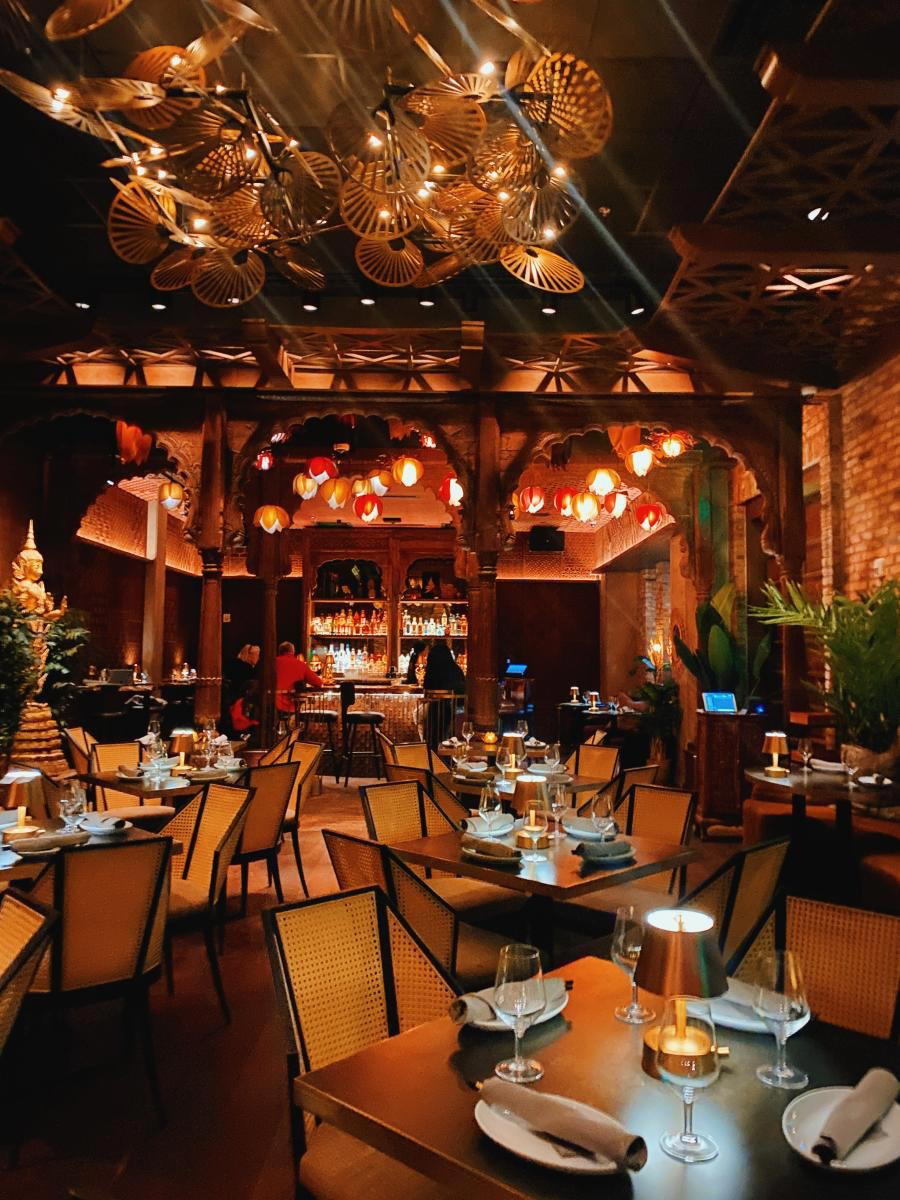
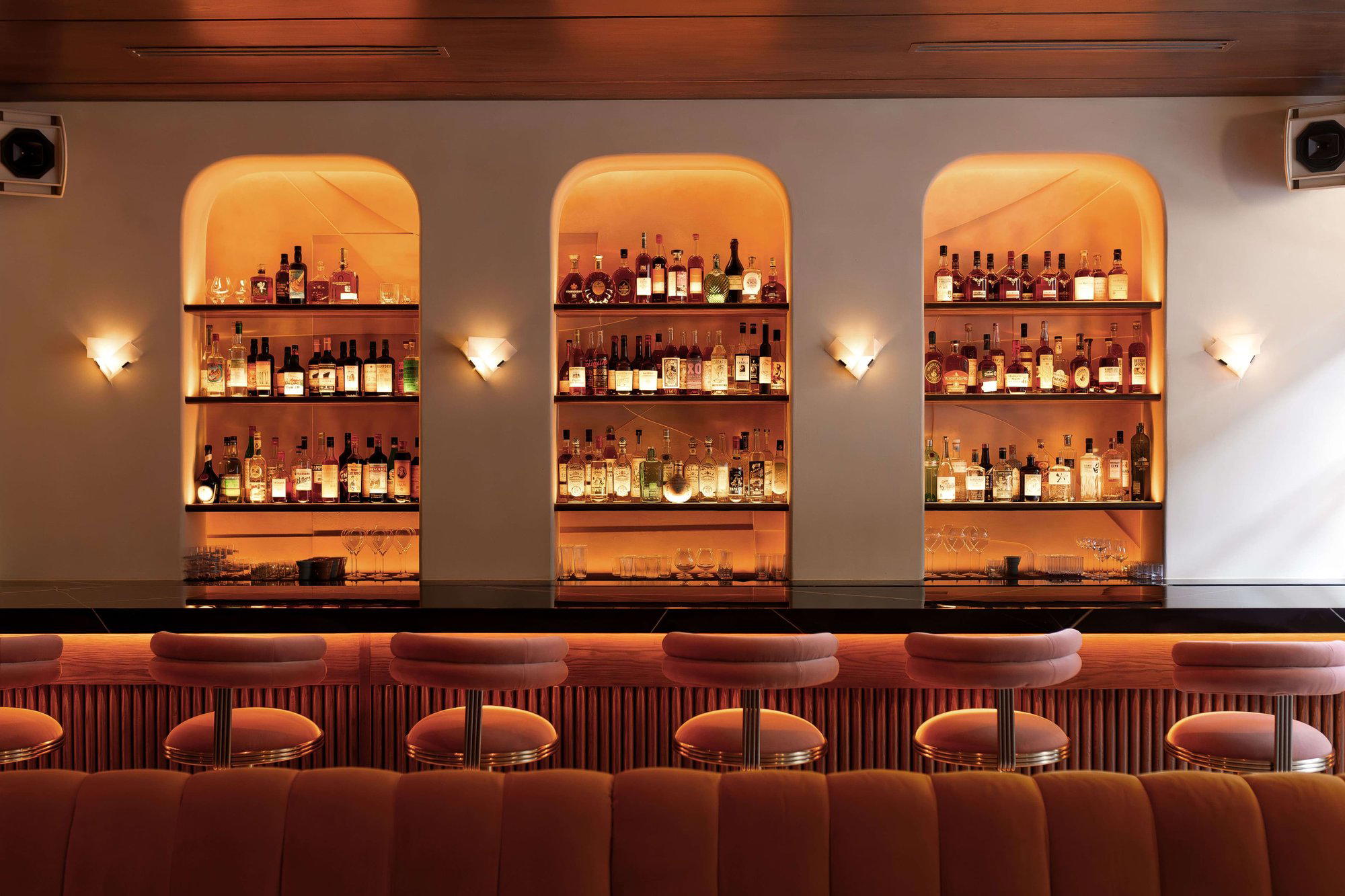
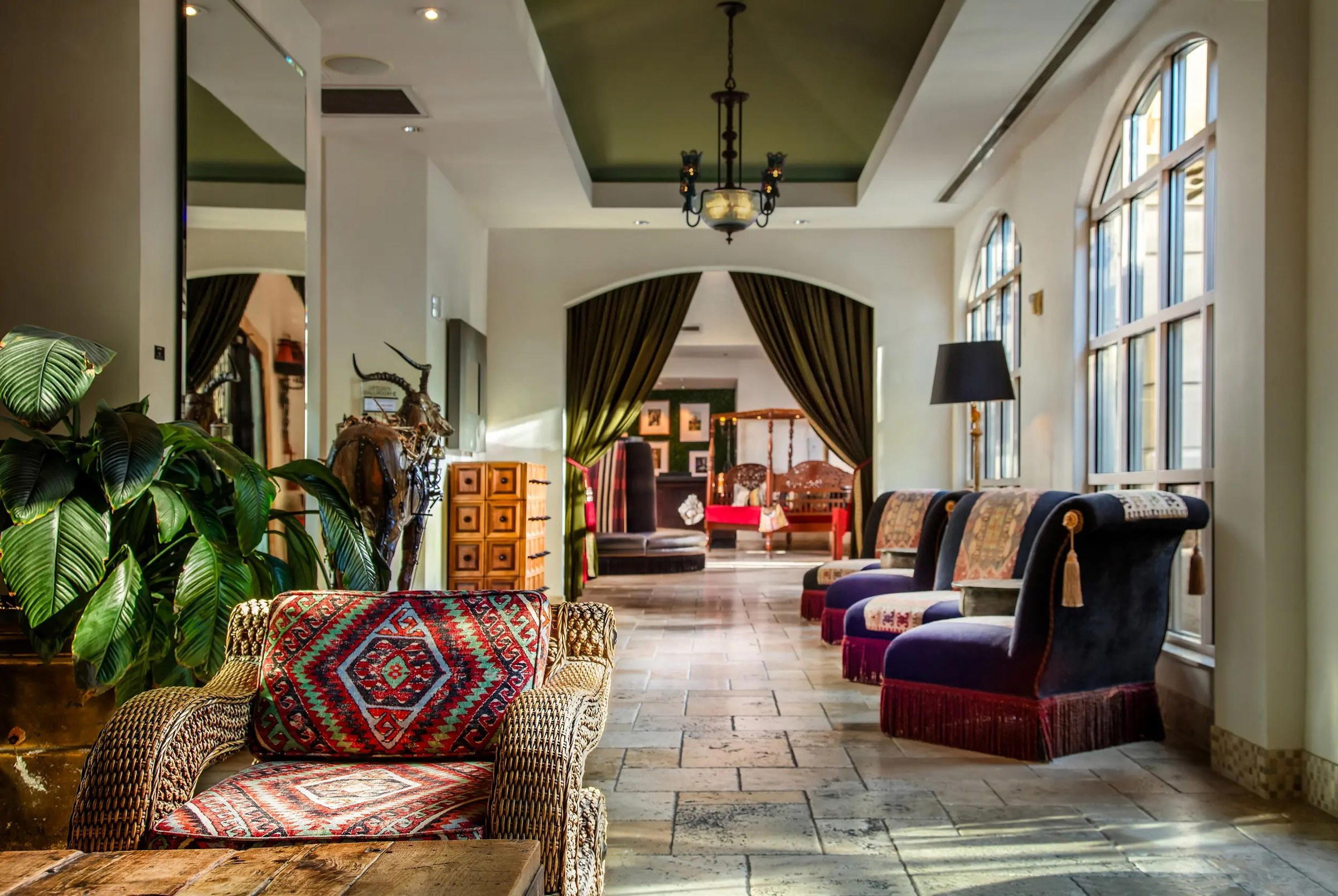
Romantic yet lively atmosphere with hand-carved wood walls, abundant florals and plants, and intricate elephant details evoking Southeast Asian culture.