
Michelin Bib Gourmand
Our verdict
A Michelin Bib Gourmand holder in 2024 and 2025, El Buey in Almoradí serves traditional cooking anchored to the Vega Baja del Segura's seasonal produce. Chef-owner Moisés Martínez built his kitchen around the region's celebrated artichokes and Sunday cocido con pelotas, operating from a classic-contemporary dining room at mid-range prices that make serious regional cooking genuinely accessible.

Pearl is the En Primeur Club membership app, where members save venues, book tables and use the concierge.
The menu
What to order
- Leg of lamb
- Entrecôte steak
- Artichoke dishes
Where the Vega Baja Comes to the Table
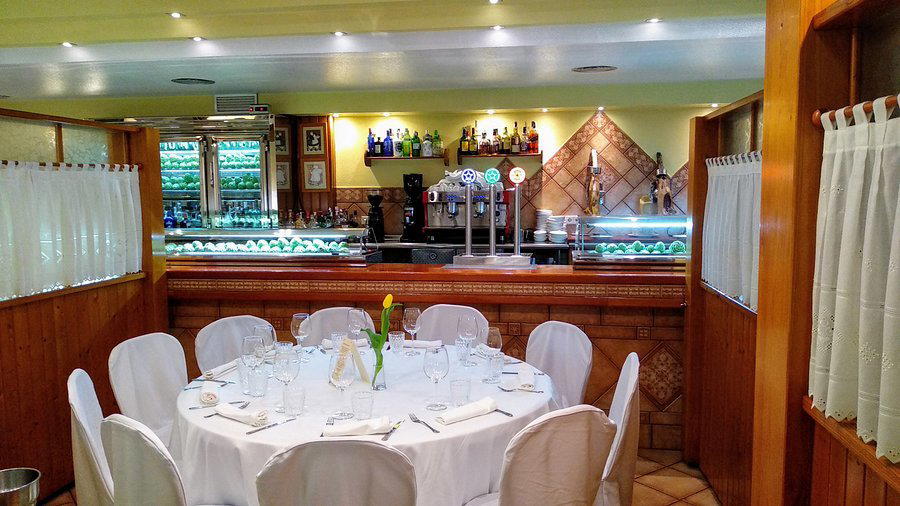
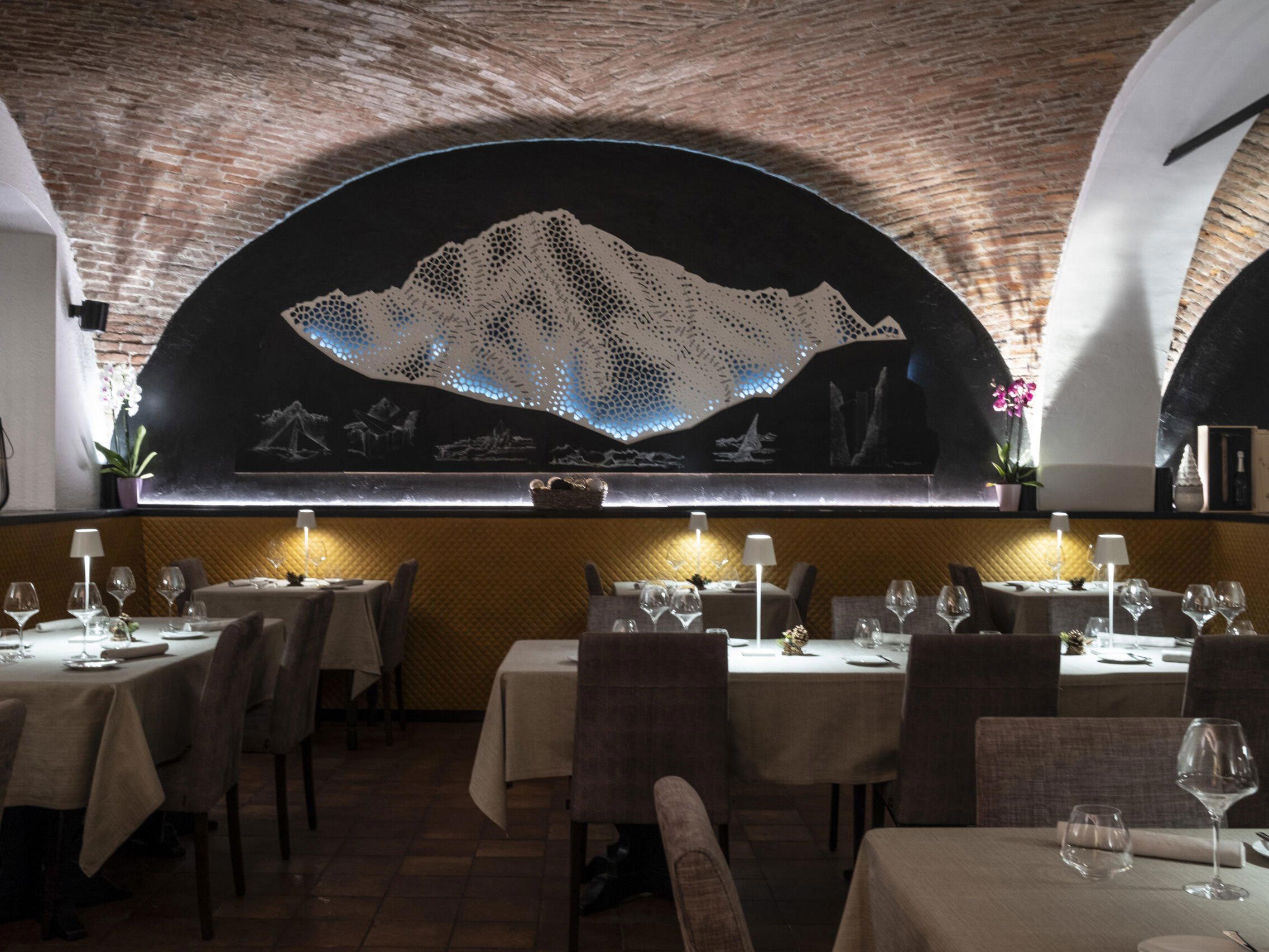
Calle la Reina is not the kind of street that signals a destination restaurant. Almoradí is a market town in the Alicante province, positioned in the agricultural flatlands of the Vega Baja del Segura, and El Buey reads accordingly from the outside: composed, unhurried, rooted in its neighbourhood rather than performing for a visitor audience. Inside, the room navigates between classic and contemporary without choosing a side, clean lines sit alongside occasional rustic details, and the small bar near the entrance functions less as a waiting area and more as a semi-private space that gives the room two distinct registers. This is not a place dressing itself up. It earns its reputation through consistency and product quality, which is precisely why Michelin awarded it a Bib Gourmand in both 2024 and 2025.
From Beef to the Garden: How the Kitchen Evolved
Spain's restaurant culture has a long tradition of chef-owners who arrive at their mature style through a significant pivot. The Basque country's second-generation cooks moved from classical French foundations to hyper-local sourcing in the 1990s; the generation that followed in Valencia and Alicante worked through similar transitions, reappraising what the immediate region could actually provide rather than what imported prestige suggested. El Buey sits inside that regional tradition, though through an individual arc. Chef-owner Moisés Martínez came to the kitchen with a background in the meat industry and spent years working extensively with beef, the restaurant's name, translating directly to "The Ox," is a direct reference to that period. That grounding in product quality and raw ingredient assessment transferred cleanly when the kitchen's focus shifted. The discipline of understanding an animal from farm to table is not categorically different from understanding a vegetable from soil to plate; both demand the same commitment to sourcing and timing.
The shift toward garden produce and seasonal ingredients from the Vega Baja del Segura represents not just a change of emphasis but a sharper focus on what this particular territory does well. The Vega Baja is among Spain's most productive agricultural zones, with the Segura river irrigation system sustaining crops that include some of the country's most prized artichokes. Martínez has placed those artichokes at the centre of the menu when they are in season, which is an editorial statement as much as a culinary one: the restaurant's identity is tied to what grows nearby, not to what travels well or photographs impressively.
The Artichoke and the Cocido: Two Anchoring Traditions
Spain's relationship with the artichoke varies significantly by region. In Catalonia it tends to appear as a component; in the Levant it functions as a protagonist. The Vega Baja del Segura artichoke has a specific reputation within that regional context, tight, firm, with a flavour profile that holds up under both raw preparation and heat. When a restaurant at the €€ price range commits this ingredient to a starring role, the implication is that the sourcing relationship is serious and the cooking technique is calibrated to show the product rather than obscure it. Michelin's Bib Gourmand classification, awarded to restaurants offering good cooking at moderate prices, validates that proposition with two consecutive years of recognition.
The Sunday cocido con pelotas is a different kind of signal. Cocido con pelotas is a stew specific to this sub-region of the Levant, the pelotas are meatballs made from a mixture that varies by household and village, typically including pork, pine nuts, and sometimes rice or breadcrumb. Offering this dish as a Sunday special is a decision that speaks to the restaurant's orientation: this is food for the community it operates in, served on the day and in the form that the local tradition recognises. For visitors, the Sunday timing provides a practical anchor; for anyone following the broader evolution of Spanish regional cooking, the dish is evidence that El Buey is engaged with hyperlocal culinary memory rather than positioning itself against the country's fine dining tier. Spain's three-star houses, Arzak in San Sebastián, El Celler de Can Roca in Girona, Azurmendi in Larrabetzu, DiverXO in Madrid, Aponiente in El Puerto de Santa María, Cocina Hermanos Torres in Barcelona, Mugaritz in Errenteria, Martin Berasategui in Lasarte - Oria, Quique Dacosta in Dénia, and Ricard Camarena in València, occupy a separate tier defined by experimentation, tasting menus, and destination travel. El Buey sits in a different but equally coherent position: the Bib Gourmand bracket, where value and product integrity carry more weight than conceptual ambition. Other Bib Gourmand holders in traditional regional cooking across Spain and Europe, such as Auberge Grand'Maison in Mûr-de-Bretagne, Auga in Gijón, and Atrio in Cáceres, share this emphasis on locality and honest service over presentation theatre.
Service, Format, and What to Expect
The Michelin notes describe the service as honest and professional, which in the context of a family-run restaurant in a mid-sized Alicante town carries a specific meaning. This is not a floor team trained in formal service protocols; it is attentive, owner-invested hospitality with the fluency that comes from running the same room for years. The dining room's classic-contemporary character and the bar's near-private atmosphere give the space flexibility, it functions as a neighbourhood lunch restaurant, a weekend family table, and an occasional destination for visitors following the agricultural region's food trail.
Planning Your Visit
El Buey is located at C. la Reina, 94, in Almoradí, Alicante province. The €€ price range places it well within reach for a mid-week lunch or weekend dinner without advance financial planning. For Sunday visits, the cocido con pelotas is the logical order; for visits during artichoke season, broadly late winter through spring in the Vega Baja, the seasonal menu will centre on that product. Booking ahead is advisable, particularly for Sunday lunch, given the local popularity the Bib Gourmand recognition has reinforced.
For broader planning around Almoradí, see our full Almoradí restaurants guide, along with guides to hotels, bars, wineries, and experiences in the area.
Frequently asked questions
Is El Buey suitable for children?
A family-run restaurant at the €€ price range with a menu built around stews, seasonal vegetables, and traditional local dishes sits comfortably within the kind of setting where children are a practical fit. The format is relaxed rather than ceremonial, and the Sunday cocido in particular suits a family lunch format.
What's the overall feel of El Buey?
The room is classic-contemporary with occasional rustic details, and the small bar functions almost as a private space separate from the main dining area. Michelin's Bib Gourmand recognition in both 2024 and 2025 flags it as a family-run operation where honest, professional service is consistent, not a formal destination, but a focused one.
What kind of recognition has El Buey received?
El Buey has received recognition including: A family-run restaurant that prides itself on its honest and professional service. The small bar acts almost as a private space, while the attractive, classic-contemporary dining room is embellished with the occasional rustic detail. The ch….
What should I order at El Buey?
When in season, the Vega Baja del Segura artichokes are the dish that defines the kitchen's current direction, chef-owner Moisés Martínez has made them the lead product of the menu. On Sundays, the cocido con pelotas de la Vega Baja, a traditional local stew with meatballs, is the fixed weekly offering worth planning around.
What does dinner at El Buey typically cost?
Pricing at El Buey is listed as €€.
How It Stacks Up
| Venue | Cuisine | Price | Awards | Notes |
|---|---|---|---|---|
| El BueyThis venue (the venue you are viewing) | Traditional Spanish Steakhouse | Not listed | Michelin Bib Gourmand | Not listed |
| Aponiente | Avant-Garde Marine Seafood | $200–300 | 3 Michelin Stars · World's 50 Best #84 | Progressive - Seafood, Creative |
| Arzak | Contemporary Basque Fine Dining | $300–500 | 3 Michelin Stars · World's 50 Best #31 | Modern Basque, Creative |
| DiverXO | Avant-Garde Spanish Tasting Menu | $300–500 | 3 Michelin Stars · World's 50 Best #4 | Progressive - Asian, Creative |
| El Celler de Can Roca | Creative Catalan Fine Dining | $300–500 | 3 Michelin Stars · World's 50 Best #2 | Progressive Spanish, Creative |
| Quique Dacosta | Avant-Garde Spanish Fine Dining | $300–500 | 3 Michelin Stars · World's 50 Best #65 | Creative |
Recognition history
Dated appearances from independent guides and award organizations, with the underlying list record or original source where available.
Michelin Bib Gourmand
Michelin
Full recognition history (3 entries)
Michelin Bib Gourmand
Michelin
Michelin Bib Gourmand
Michelin
Continue exploring
More in Almoradí
Restaurants in Almoradí
All restaurants in Almoradí →
Bars in Almoradí
Browse all →
Hotels in Almoradí
Browse all →



Details
- Classic
- Rustic
- Cozy
- Family
- Group Dining
- Extensive Wine List
- Local Sourcing
- A La Carte
Current opening hours
- Monday
- Closed
- Tuesday
- Closed
- Wednesday
- 1:30–4 PM
- Thursday
- 1:30–4 PM
- Friday
- 1:30–4 PM, 8:30–11:30 PM
- Saturday
- 1:30–4 PM, 8:30–11:30 PM
- Sunday
- 1:30–4 PM
Hours can change for holidays and private events. Hours as of .
Calm, dignified atmosphere ideal for family and friends gatherings with professional service.