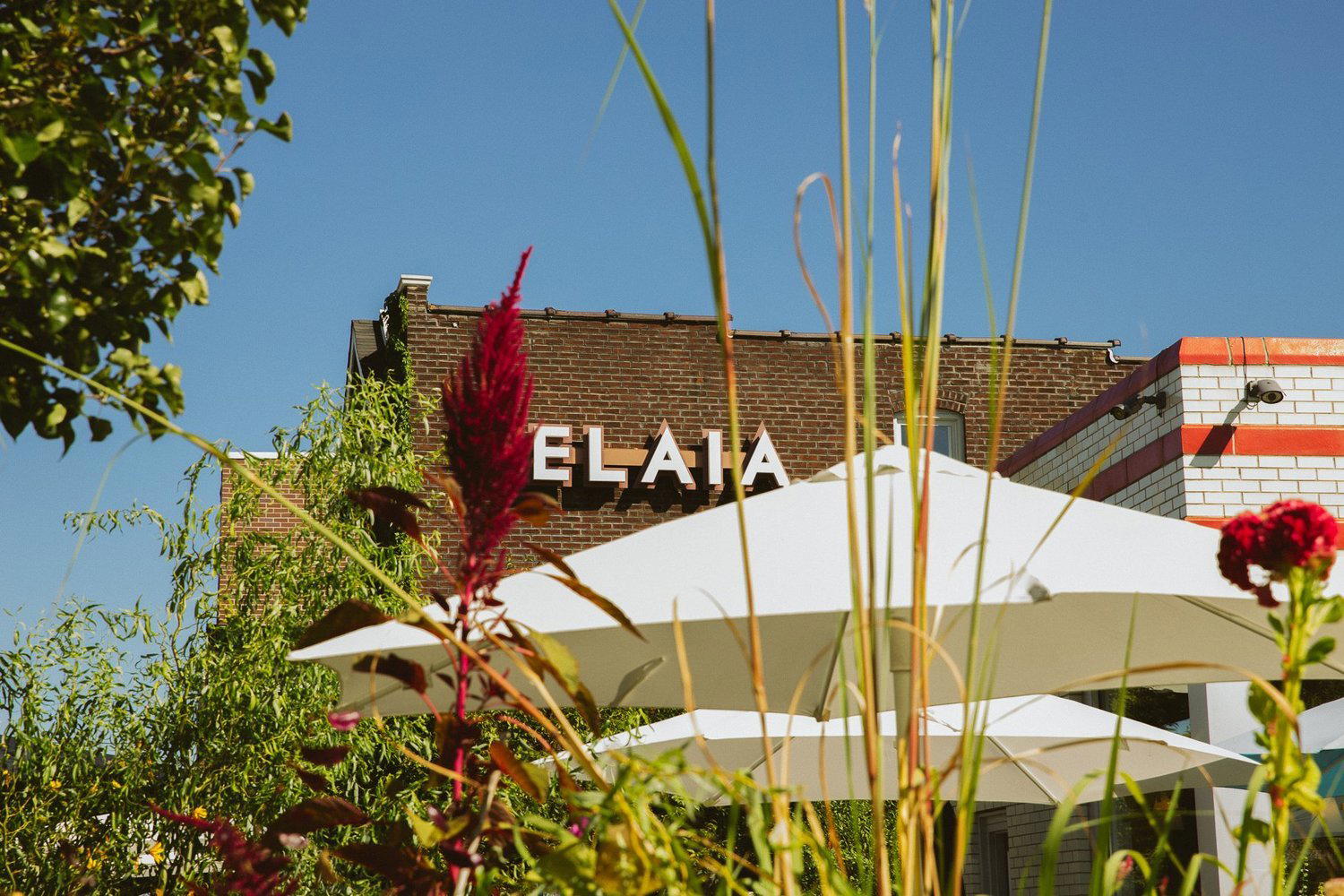
ELAIA
Our verdict
On Tower Grove Avenue, ELAIA occupies a section of St. Louis's restaurant scene that takes ingredient provenance seriously. The address places it within reach of the city's most food-literate neighbourhoods, and the kitchen's approach reflects the broader American movement toward sourcing-led cooking that has reshaped fine dining over the past decade.
- Address
- 1634 Tower Grove Ave, St. Louis, MO 63110
- Phone
- (314) 932-1088
- Website
- elaiastl.com
- Directions
- Get directions
The menu
What to order
- Sturgeon
- Charcoal grilled chicken
- Caviar tagliolini
Tower Grove and the Sourcing-Led Dining Movement
Tower Grove Avenue sits at the edge of one of St. Louis's most food-literate residential corridors, a neighbourhood where independent restaurants have historically drawn on Midwestern agricultural depth rather than coastal trend cycles. ELAIA, at 1634 Tower Grove Ave, occupies that geography deliberately. The street signals something before you enter: low-key storefronts, no valet theatre, a block that rewards the walk rather than the arrival. In American fine dining, this kind of address has become a reliable indicator of kitchens that put money into what arrives on the plate rather than into the real estate surrounding it.
The broader shift that places ELAIA in context is a well-documented one. Over the past fifteen years, a tier of American restaurants has moved away from classical French-derived menus built around imported luxury ingredients and toward sourcing frameworks rooted in regional producers, seasonal cycles, and direct farm relationships. Venues like Blue Hill at Stone Barns in Tarrytown and Single Thread Farm in Healdsburg defined the upper end of that movement nationally, demonstrating that a kitchen's agricultural network could function as both a quality signal and a narrative framework. ELAIA operates within that same current, applied to the specific agricultural reality of Missouri and the surrounding Midwest.
What Sourcing-Led Cooking Looks Like in Practice
The Midwest is not a culinary backwater. Missouri sits within reach of some of the country's most productive small-scale farming, including heritage breed livestock operations, diversified vegetable farms, and a growing community of producers who sell directly to restaurants willing to commit to volume and consistency. A kitchen that builds its menu around those relationships gains access to ingredients that rarely reach commodity distribution: dry-aged cuts from specific farms, heritage grain flours milled regionally, produce harvested at stages of ripeness that centralised supply chains cannot accommodate.
This is the culinary tradition ELAIA connects to. When a kitchen in this price tier and at this address commits to ingredient sourcing as a structural approach rather than a marketing footnote, the practical effect shows up in menu construction: shorter lists, tighter seasonality, dishes that change not on a quarterly schedule but when a particular producer's harvest dictates. The parallel appears in kitchens like Smyth in Chicago, where sourcing discipline operates alongside technical ambition, or Addison in San Diego, where regional provenance anchors a tasting menu format. St. Louis's dining scene has historically been underrepresented in that national conversation, but ELAIA's positioning on Tower Grove suggests a kitchen making a deliberate argument for the city's place in it.
St. Louis in the American Fine Dining Conversation
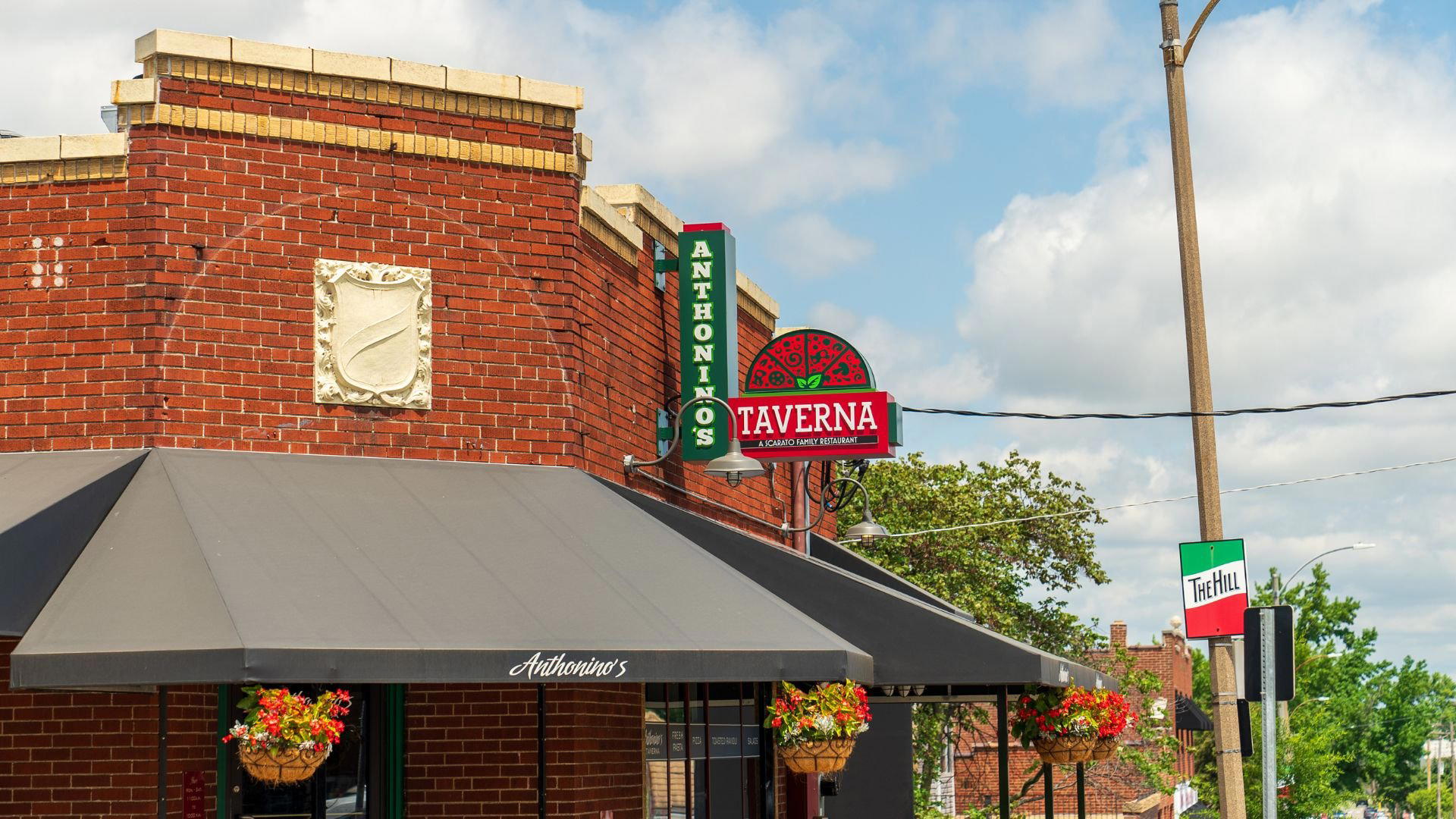
St. Louis occupies an interesting position in American dining. It is large enough to support serious restaurants across multiple categories, but has rarely attracted the sustained critical attention of Chicago, New York, or San Francisco. That oversight has its own logic: the city's food culture runs deep on neighbourhood institutions and long-standing immigrant traditions rather than the kind of high-turnover chef culture that generates press cycles. Al's Restaurant represents the longevity end of that tradition, while venues like Annie Gunn's have built reputations on exactly the kind of producer relationships that sourcing-led kitchens depend on. Anthonino's Taverna and Atomic Cowboy anchor a different register entirely, reflecting the breadth of what the city supports across price points and formats.
ELAIA enters this picture at a different register from those neighbourhood anchors, closer in ambition to the nationally recognised sourcing-led format. The comparison set that matters for understanding it is not local geography alone but the national tier of restaurants where ingredient provenance functions as the primary editorial voice of the menu. That includes Providence in Los Angeles, which makes sustainable sourcing the organisational principle of a seafood-forward menu, and The Inn at Little Washington, where the kitchen garden has been a programmatic commitment for decades. Even internationally, the sourcing-as-identity model appears in venues like Atelier Moessmer Norbert Niederkofler in Brunico, where Alpine ingredient geography defines every plate.
Planning a Visit
ELAIA's address at 1634 Tower Grove Ave places it in the Tower Grove South neighbourhood, accessible from central St. Louis without significant travel time. The area's dining and retail character means the block functions well as part of a broader evening in the neighbourhood rather than as a destination requiring careful logistics. For visitors using our full St Louis restaurants guide, ELAIA sits within a cluster of independent venues that reward exploratory dining across a single visit to the city.
At the category level, sourcing-led restaurants of this type frequently operate with smaller seat counts and advance booking requirements that reflect the constraints of working with finite-quantity producers. BaiKu Sushi Lounge nearby operates on a similar small-format principle, and the two venues together give a sense of the neighbourhood's appetite for considered, precision-oriented dining.
Visitors cross-referencing against the national sourcing-led tier should note that venues in this format frequently operate prix-fixe or limited-choice structures, with menus that shift meaningfully between seasons. The expectation is not à la carte flexibility but a more directed experience shaped by what the kitchen's producer network is delivering at a given time. For the kind of comparison framing that places this approach in national context, Lazy Bear in San Francisco, Le Bernardin in New York City, Emeril's in New Orleans, The French Laundry in Napa, and Atomix in New York City all represent different expressions of the sourcing-and-technique synthesis that defines the serious end of American dining today.
Frequently asked questions
What's the signature dish at ELAIA?
Is ELAIA reservation-only?
What makes ELAIA worth seeking out?
Do they accommodate allergies at ELAIA?
Is ELAIA good value for money?
How does ELAIA fit into the broader Tower Grove dining neighbourhood?
Standing Among Peers
| Venue | Cuisine | Price | Awards |
|---|---|---|---|
| ELAIAThis venue — the venue you are viewing | Modern Mediterranean Fine Dining | Not listed | Not listed |
| Truflles | Modern American Steakhouse | $50–100 | Star Wine List · Wine Spectator Best of Award of Excellence |
| Annie Gunn's | Steakhouse & Seafood | $50–100 | Star Wine List · Wine Spectator Best of Award of Excellence |
| Atomic Cowboy | Tex-Mex BBQ Fusion | Not listed | Not listed |
| BaiKu Sushi Lounge | Fusion Sushi Lounge | Not listed | Not listed |
| Broadway Oyster Bar | Cajun & Creole Seafood | $20–30 | Not listed |

Details
- Romantic
- Elegant
- Intimate
- Sophisticated
- Date Night
- Special Occasion
- Private Dining
- Extensive Wine List
- Prix Fixe
- Tasting Menu
- Vegetarian Friendly
- Vegan Options
- Gluten Free Options
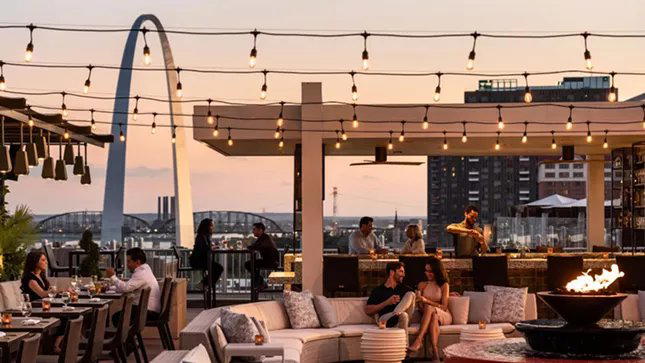
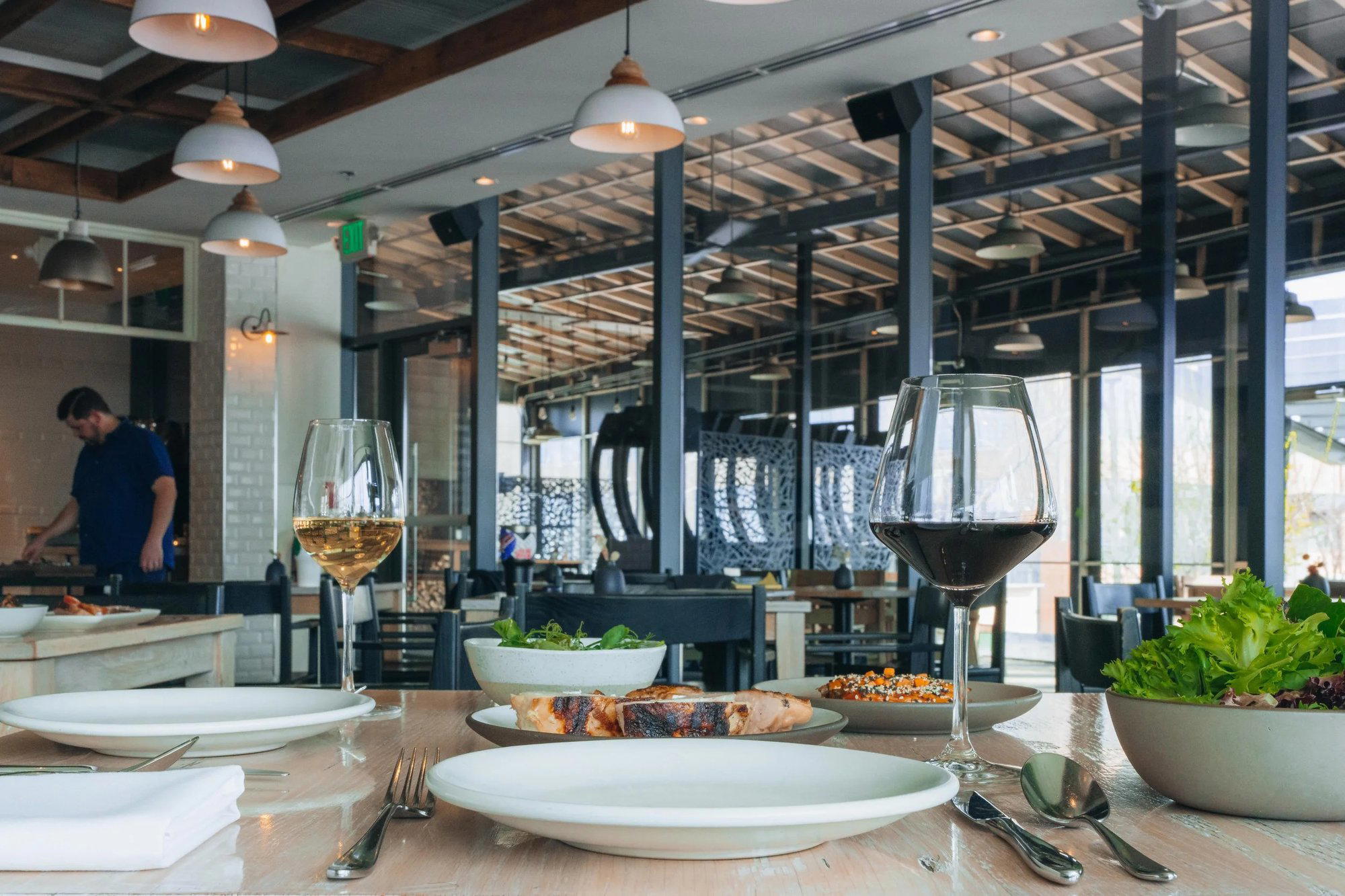
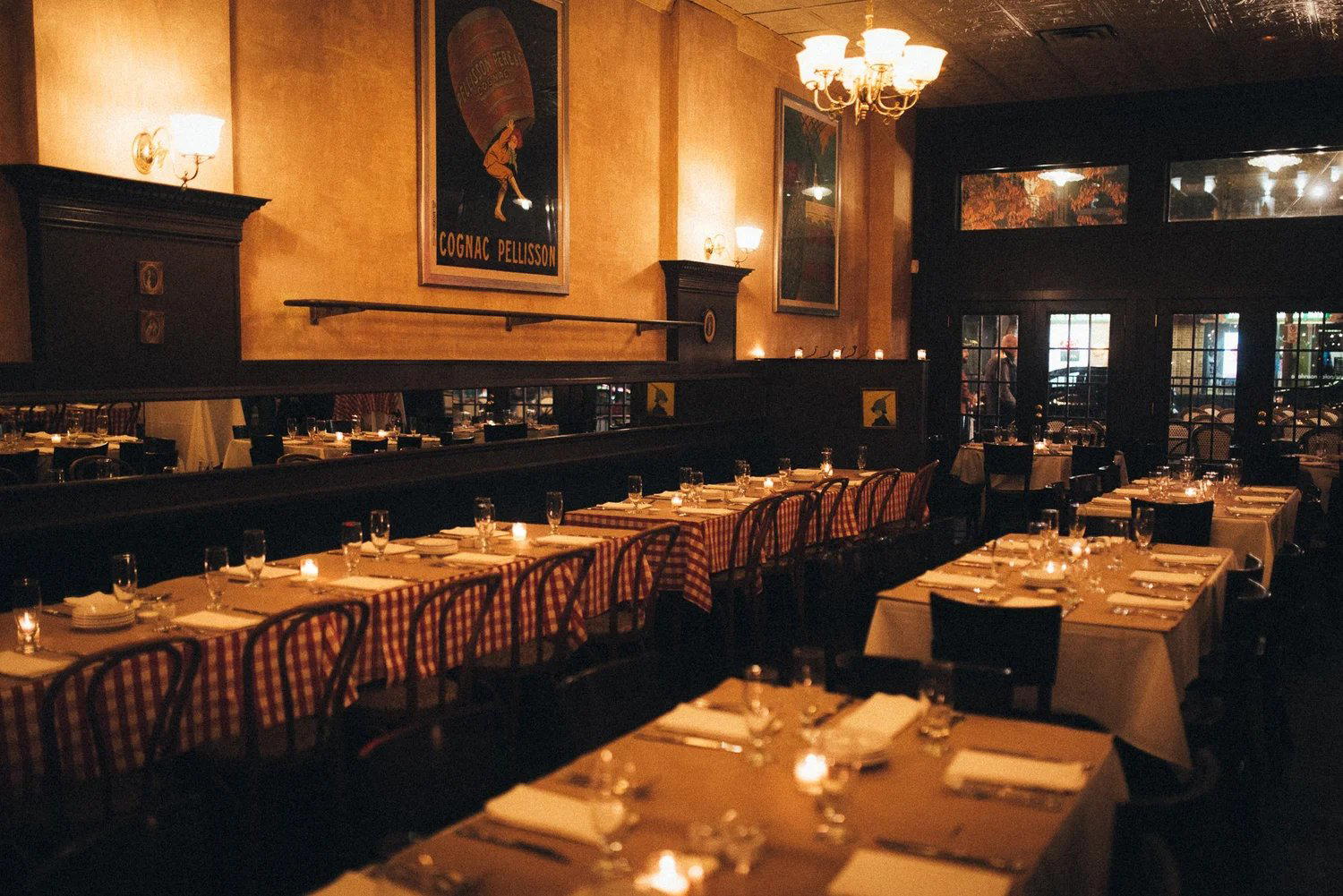
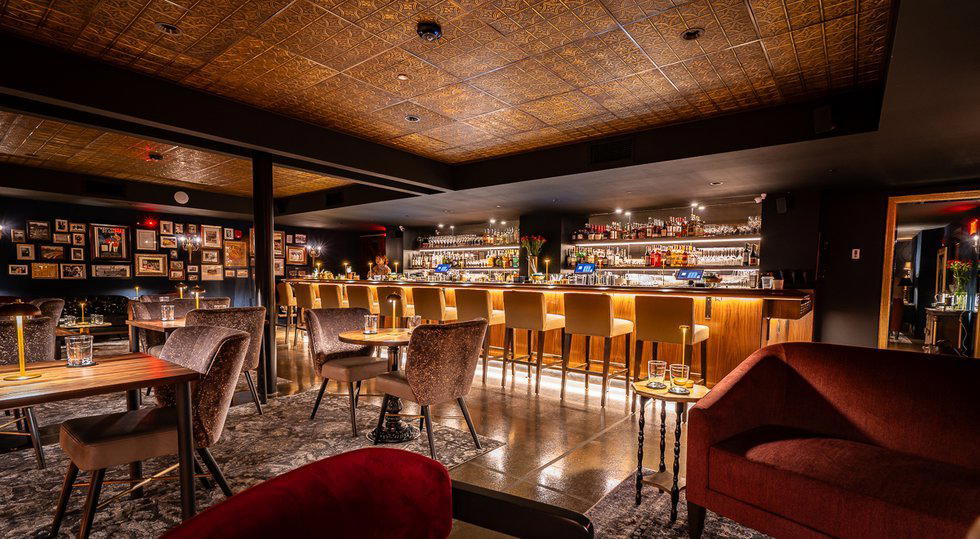
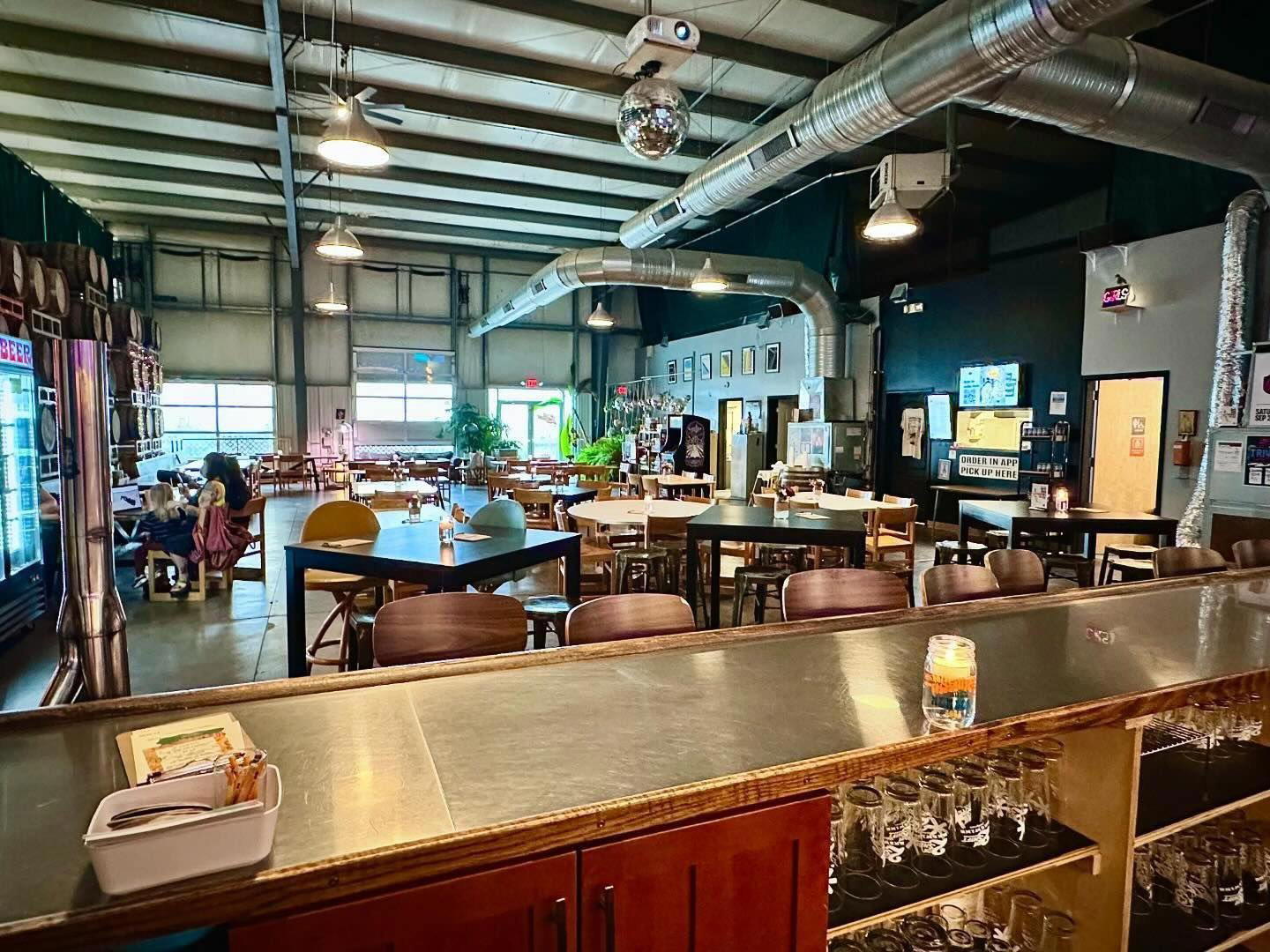
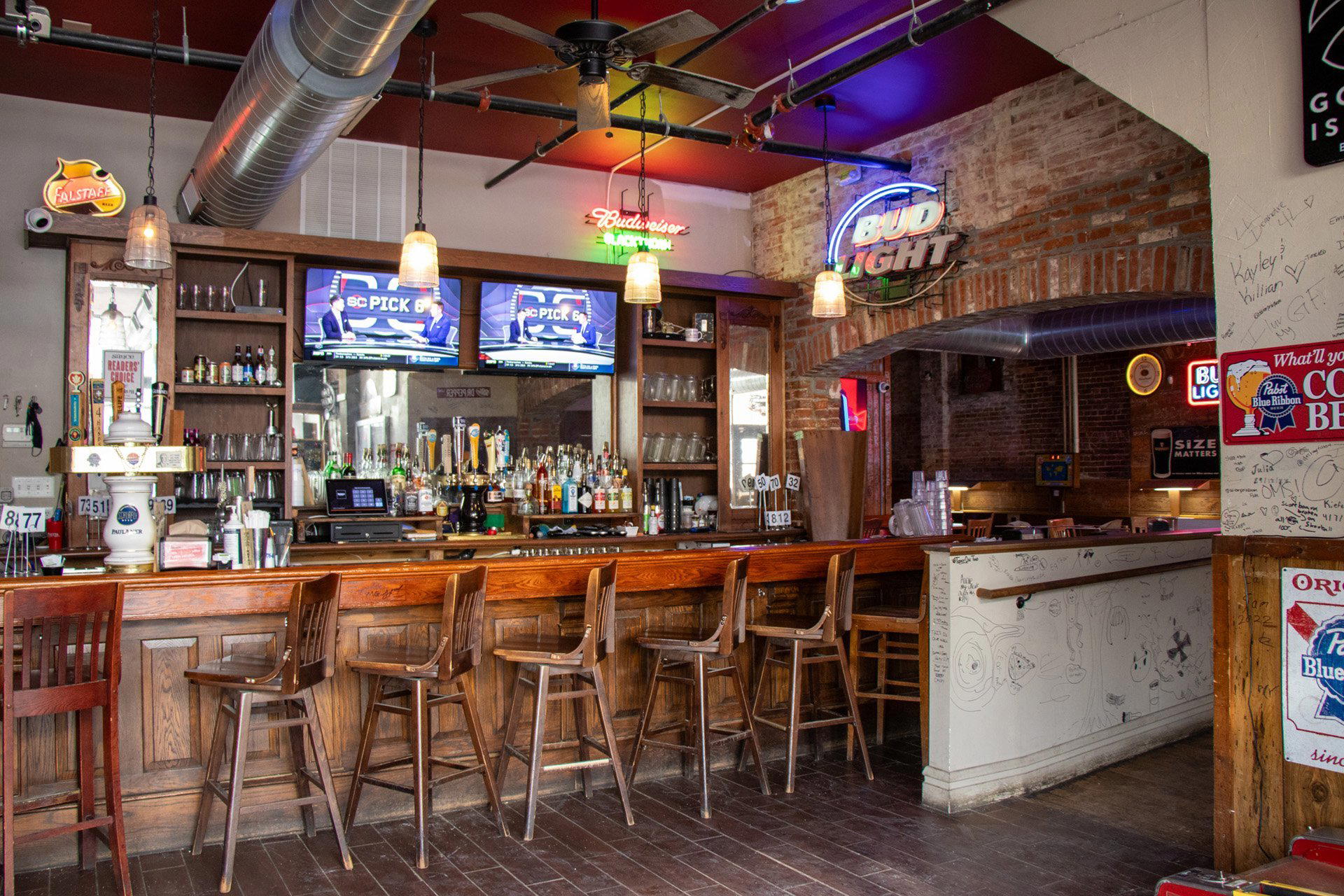
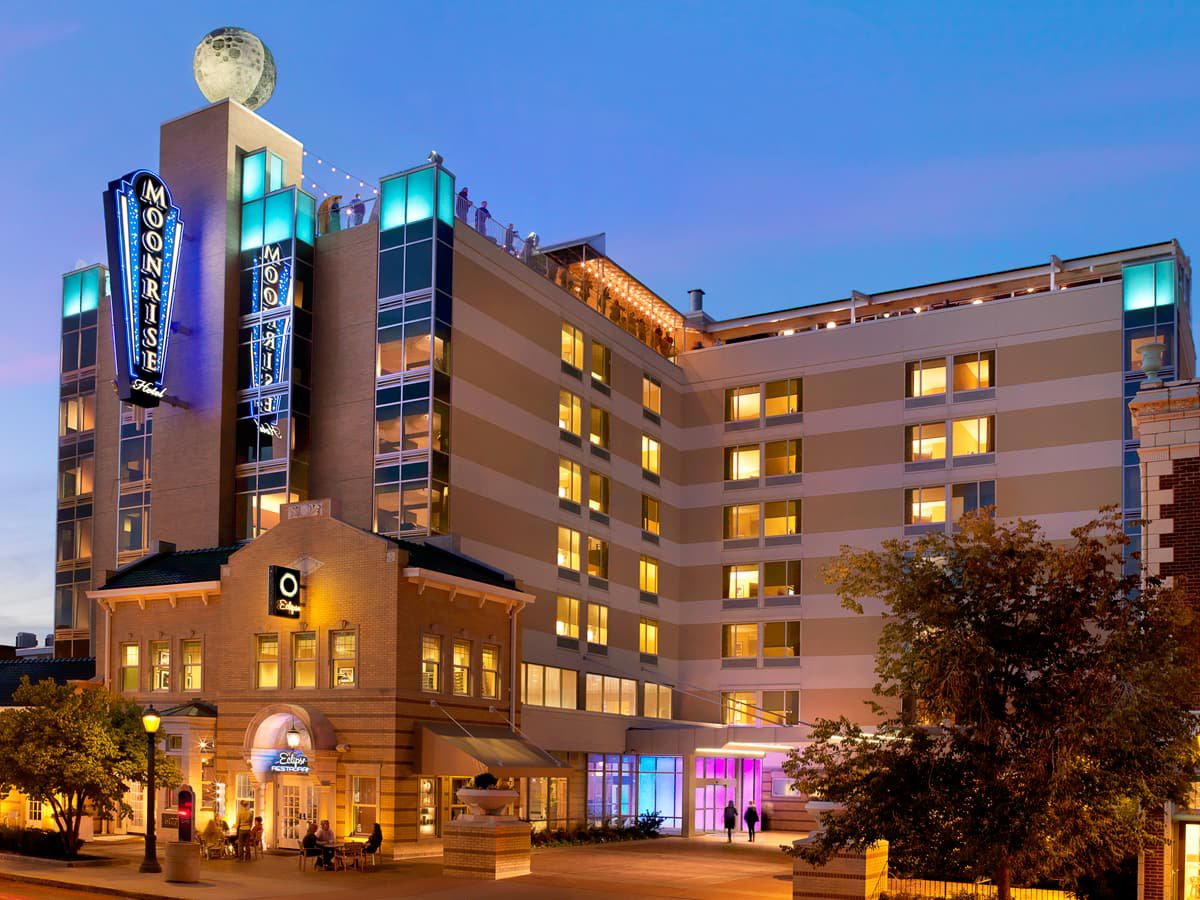
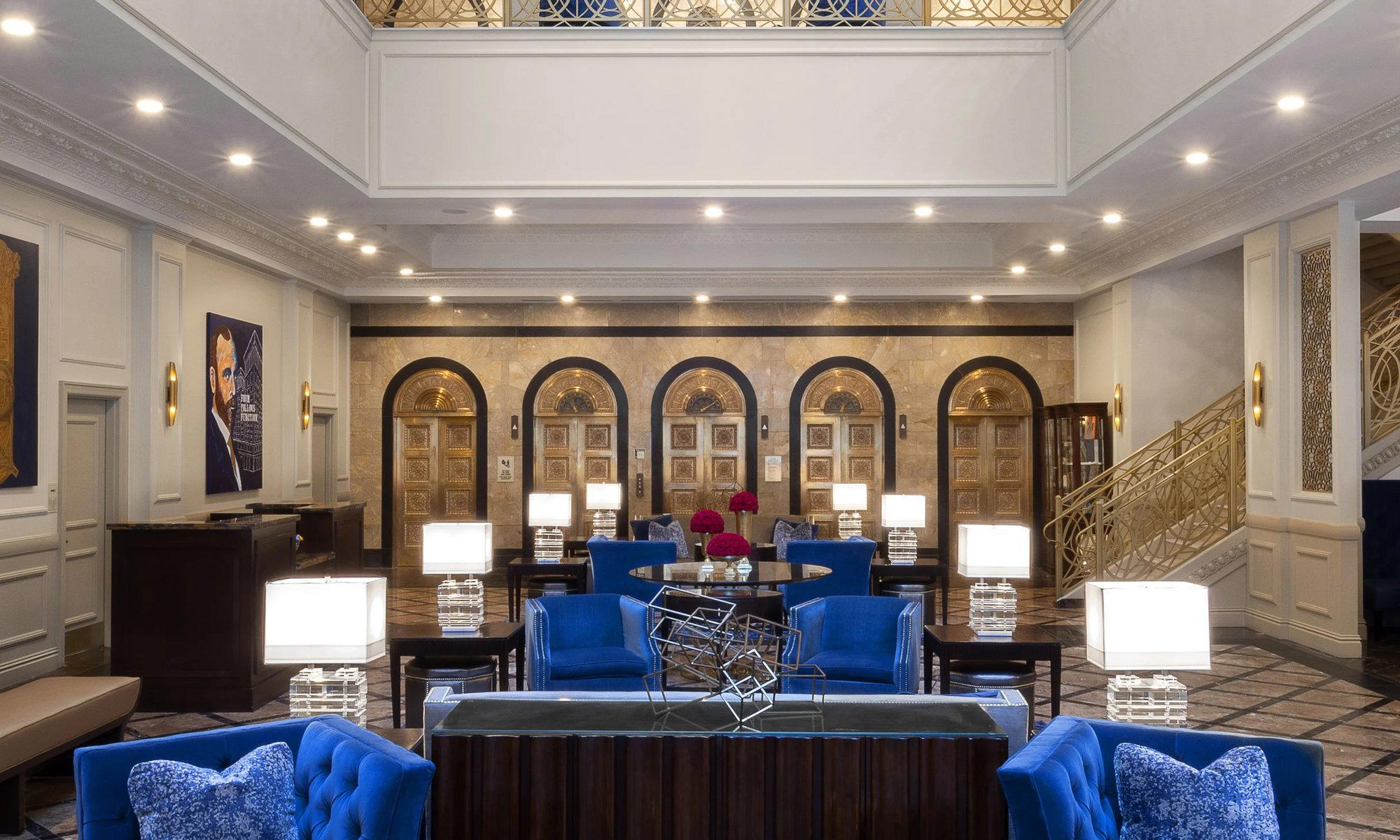
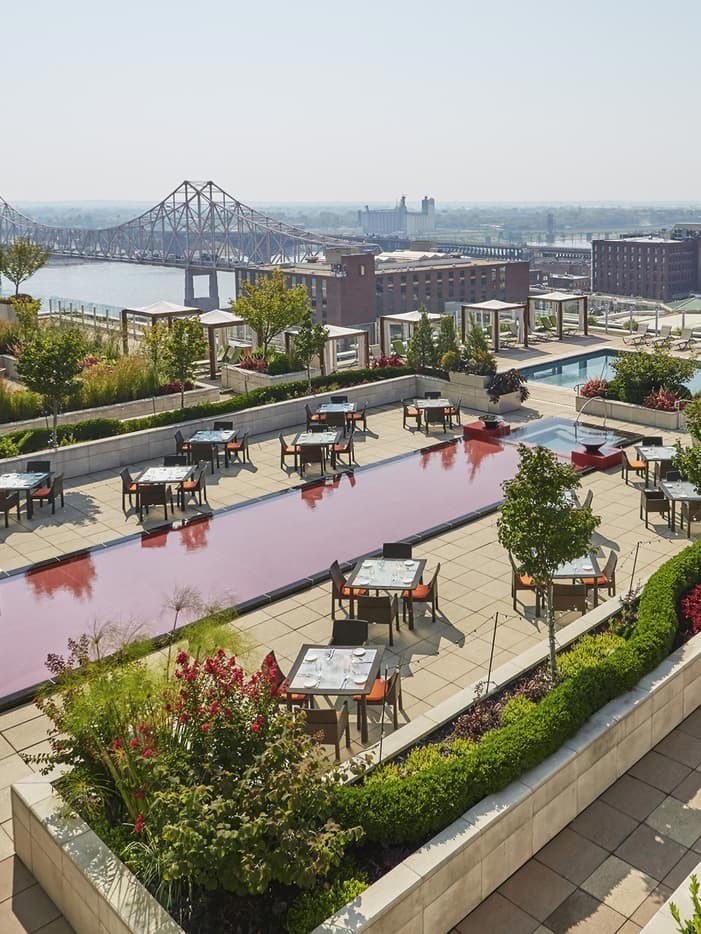
Candle-lit with soft lighting, white-clad tables, and a romantic, subdued elegant atmosphere in a small 28-seat space.