MAINLANDER

Esquire Best New Restaurants
Our verdict
On North Euclid Avenue in the Central West End, MAINLANDER operates as an intimate supper club where mid-century Midwestern hospitality, French technique, and German comfort food converge with a distinct Taiwanese sensibility. The format is deliberately small-scale, with a focus on local farmers and makers that places it in a different register from St.

Pearl is the En Primeur Club membership app — saves, bookings, and concierge access live there. Same editors, same standards.
- Address
- 392 N Euclid Ave, St. Louis, MO 63108
- Hours
- Mon–Tue ClosedWed–Sat 6–8:30 PMSun Closed
- Website
- mainlanderstl.com
- Directions
- Get directions
- Booking
- Book on Resy
The menu
What to order
- Rutabaga Rangoon
- Saffron-scallion pancakes
- Sweet potato mezzaluna
- Pineapple pork steaks
- King Ranch Duck
- Bratstickers
- Pawpaw brownie
The Central West End and Its Supper Club Tradition
North Euclid Avenue runs through the Central West End, one of St. The strip has long attracted the kind of operator who prefers neighbourhood depth over destination volume, and the dining rooms that hold longest here tend to be intimate, format-driven, and built around a specific culinary conviction rather than broad appeal. MAINLANDER fits that pattern precisely. At 392 N Euclid Ave, it operates as a supper club in a neighbourhood that rewards exactly that kind of deliberate, low-capacity format.
The supper club format itself carries particular weight in the Midwest. Across Wisconsin, Minnesota, and Missouri, the mid-century supper club was a specific social institution: a place where the ritual of dinner mattered as much as the food, where cocktails preceded a multi-course meal, and where the room was designed for a long evening rather than a quick turn. That tradition has largely faded from commercial dining, replaced by faster formats and higher table-turn expectations. The handful of operators reviving it, including MAINLANDER, are working against the grain of current restaurant economics, which is precisely what gives the format its current cultural interest. For further context on the full St.
A Culinary Framework That Defies Single-Category Labels
St. The city's barbecue tradition, represented by institutions like The kitchen works from a framework that layers French classical technique over German comfort food sensibilities and threads both through a Taiwanese perspective. That combination is not arbitrary: it reflects a real culinary logic in which classical European structure provides a disciplined foundation, German-American Midwestern cooking supplies the register of warmth and abundance, and Taiwanese influence introduces acidity, fermentation, and umami depth that neither European tradition typically prioritises. The result is sometimes labelled Asian Fusion, a tag that undersells the specificity of what the kitchen is doing. The better comparison set would be the small group of American restaurants, such as Atomix in New York City, that treat cross-cultural fluency as a technical discipline rather than a superficial decorative choice. At the scale of supper clubs more broadly, the closest structural analogues are not the city's neighbourhood bistros but the format-driven, low-capacity tasting experiences that have become a significant tier in American dining over the past decade. Operations like Lazy Bear in San Francisco demonstrated that the supper club format could support serious culinary ambition without scaling up. MAINLANDER draws from that same structural logic, though it grounds itself in local sourcing and Midwestern register rather than California produce abundance. MAINLANDER's focus on local farmers and makers is not incidental to its identity. In a city where the agricultural surroundings of Missouri and Illinois offer genuine seasonal depth, a kitchen that actively builds relationships with producers is making a statement about what food should cost, how menus should move, and what hospitality means in a specific place. That commitment places MAINLANDER in the same tier as Single Thread Farm in Healdsburg to The French Laundry in Napa, tend to treat seasonal sourcing not as a marketing point but as the actual engine of the menu. MAINLANDER operates at a smaller scale and in a less prominent culinary market, but the underlying logic is the same.Local Sourcing as Culinary Position
Where MAINLANDER Sits in the St. That relative obscurity has advantages. Rent economics are more forgiving, which allows operators to take format risks that would be commercially untenable in higher-cost markets. The dining public in a city like St. Chicago's fine-dining ceiling, represented by places like Alinea, sets a benchmark for the broader Midwest, but most St. The relevant comparison is within the city's own intimate, format-driven tier, and in that context, a kitchen that brings French technique and Taiwanese fluency to a mid-century Midwestern format is operating at a genuinely distinct register.
Planning Your Visit
MAINLANDER is located at 392 N Euclid Ave in the Central West End, a neighbourhood served by multiple transit options and with parking available on the surrounding streets. As an intimate supper club, capacity is limited by design, so advance booking is advisable, particularly for weekend evenings. The Central West End's walkable character makes it practical to combine a visit with a drink at one of the neighbourhood's independent bars before or after dinner; for options, see our full St. Visitors staying in the city should consult our full St. If you are building a broader itinerary around the city's food and drink culture, our St.enprimeurclub.
Frequently asked questions
Is MAINLANDER suitable for children?
The supper club format is built around a full-evening pace and multi-course progression, which tends to favour adult diners. Families with young children will likely find the pacing and intimate room scale a poor fit. It's the kind of dinner that rewards sitting and staying, not rushing through.
What should I expect atmosphere-wise at MAINLANDER?
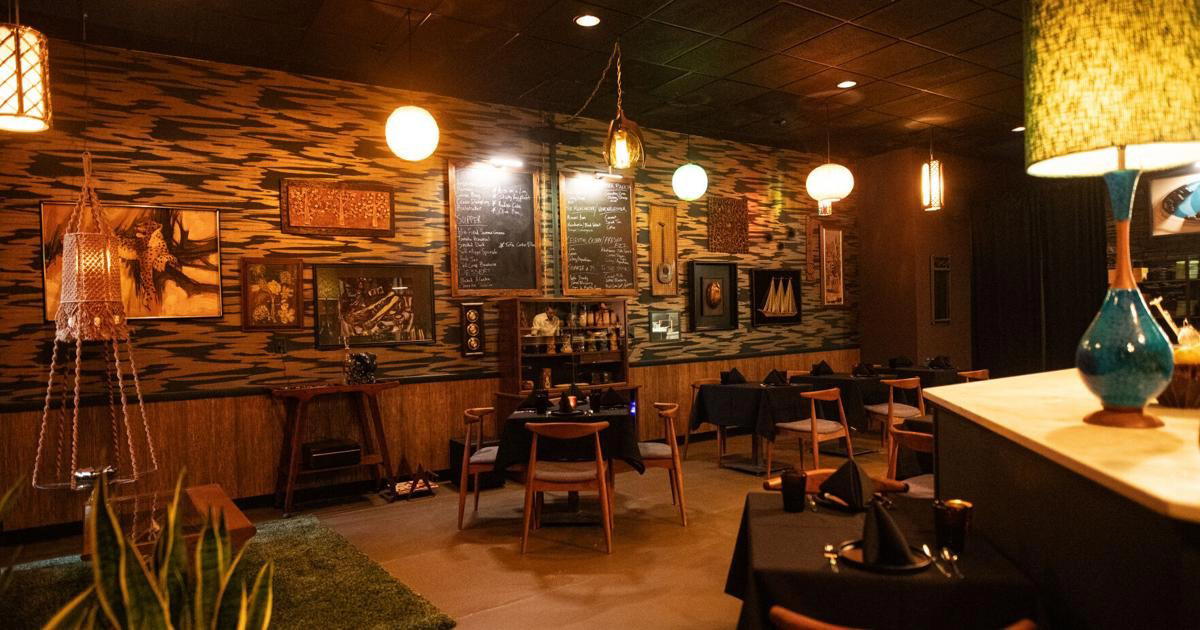
MAINLANDER draws directly from mid-century Midwestern supper club conventions: an intimate room, a pace designed for a full evening, and a setting that treats dinner as the main event rather than a transaction. The address on N Euclid Ave places it in the Central West End, one of St. Louis's more architecturally coherent neighbourhoods, which reinforces the unhurried register.
What's MAINLANDER known for in terms of accolades?
MAINLANDER has received recognition including: An intimate supper club serving a version of American food with a unique combination of mid-century midwestern supper club style, French technique, and German comfort food with distinct Taiwanese flair, often referred to as Asian Fusion. Th….
What should I order at MAINLANDER?
The menu sits at a specific intersection: French technique, German comfort food traditions, and Taiwanese culinary influence, all built on ingredients sourced from local Missouri and Illinois farmers and makers. That framework makes it difficult to single out one direction, but dishes that pull all three threads together most visibly will give you the clearest read on what MAINLANDER is doing.
Where is MAINLANDER in St. Louis?
MAINLANDER is located at 392 N Euclid Ave, St. Louis, MO 63108, St. Louis.
A Tight Comparison
Comparable venues nearby, for context on price, style, and recognition.
| Venue | Cuisine | Price | Awards | Notes |
|---|---|---|---|---|
| MAINLANDERThis venue — the venue you are viewing | Modern Asian Fusion Supper Club | $50–100 | Esquire Best New Restaurants | Not listed |
| Sado | Modern Japanese Sushi | $50–100 | James Beard Award Nominee · Esquire Best New Restaurants #29 | The Hill, Modern Japanese Sushi |
| Sidney Street Cafe | Modern American Fine Dining | $50–100 | James Beard Award Best Chefs | Benton Park, Dining |
| ELAIA | Modern Mediterranean Fine Dining | Not listed | Not listed | Botanical Heights, Modern Mediterranean Fine Dining |
| Lombardo's Trattoria | Authentic Italian Trattoria | $30–50 | Not listed | Downtown West, Authentic Italian Trattoria |
| Idol Wolf | Modern Spanish Tapas | $50–100 | Not listed | Downtown West, Modern Spanish Tapas |
Recognition history
Dated appearances from independent guides and award organizations, with the underlying list record or original source where available.
Esquire Best New Restaurants
Esquire
Details
- Intimate
- Elegant
- Classic
- Whimsical
- Date Night
- Special Occasion
- Celebration
- Open Kitchen
- Historic Building
- Design Destination
- Standalone
- Craft Cocktails
- Sommelier Led
- Farm To Table
- Local Sourcing
- Organic
- Prix Fixe
- Tasting Menu
- Craft Cocktails
- Tiki Drinks
- Local Spirits
- Vegetarian Friendly
- Allergy Accommodating
Current opening hours
- Monday
- Closed
- Tuesday
- Closed
- Wednesday
- 6–8:30 PM
- Thursday
- 6–8:30 PM
- Friday
- 6–8:30 PM
- Saturday
- 6–8:30 PM
- Sunday
- Closed
Hours can change for holidays and private events. Last verified .
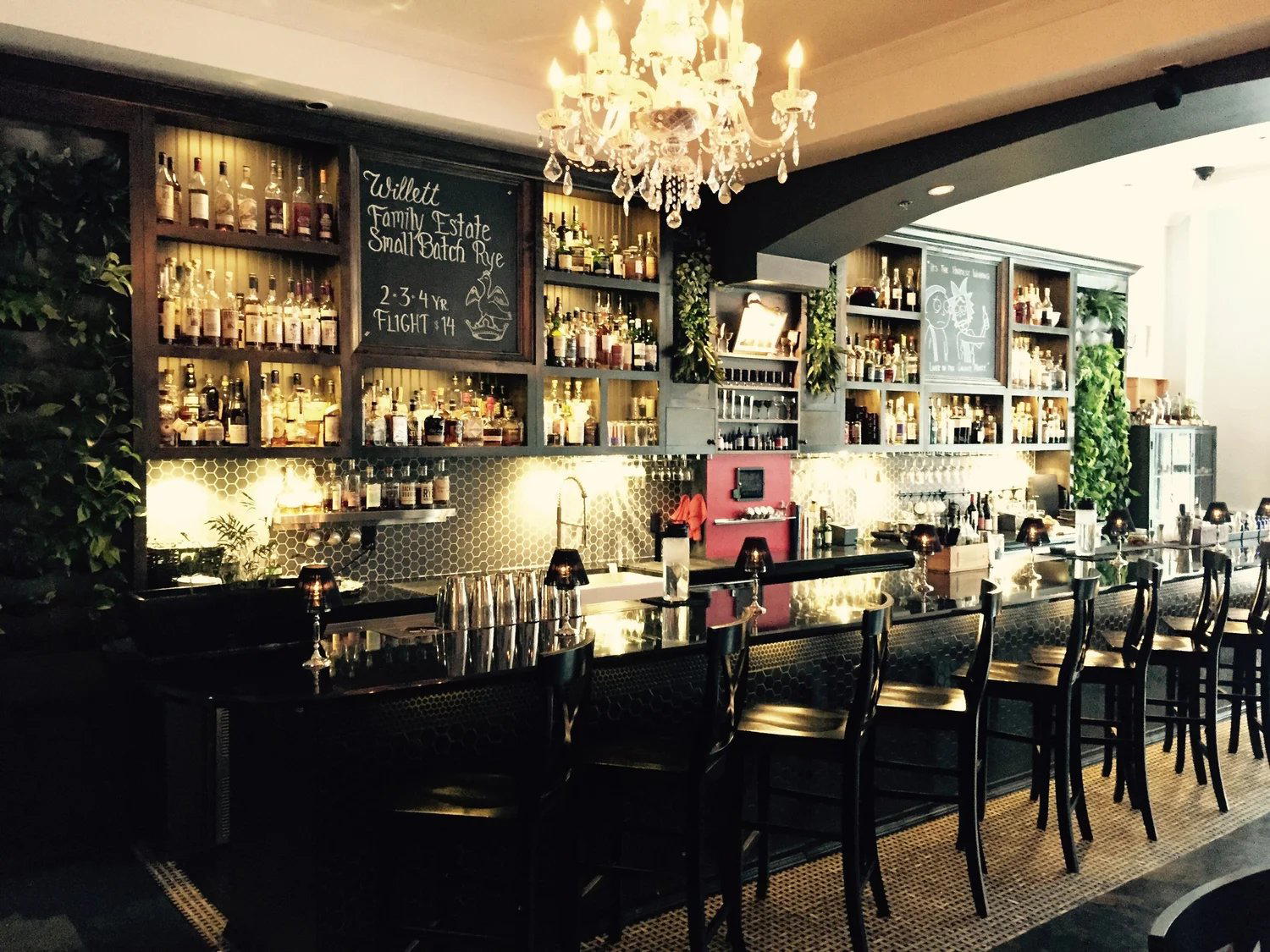
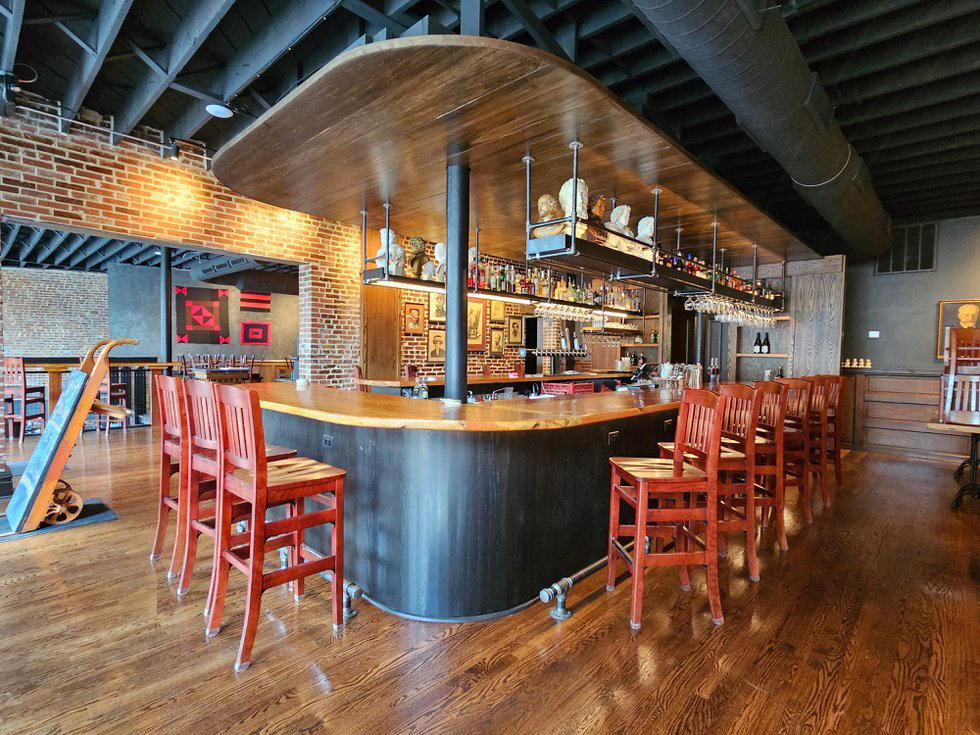
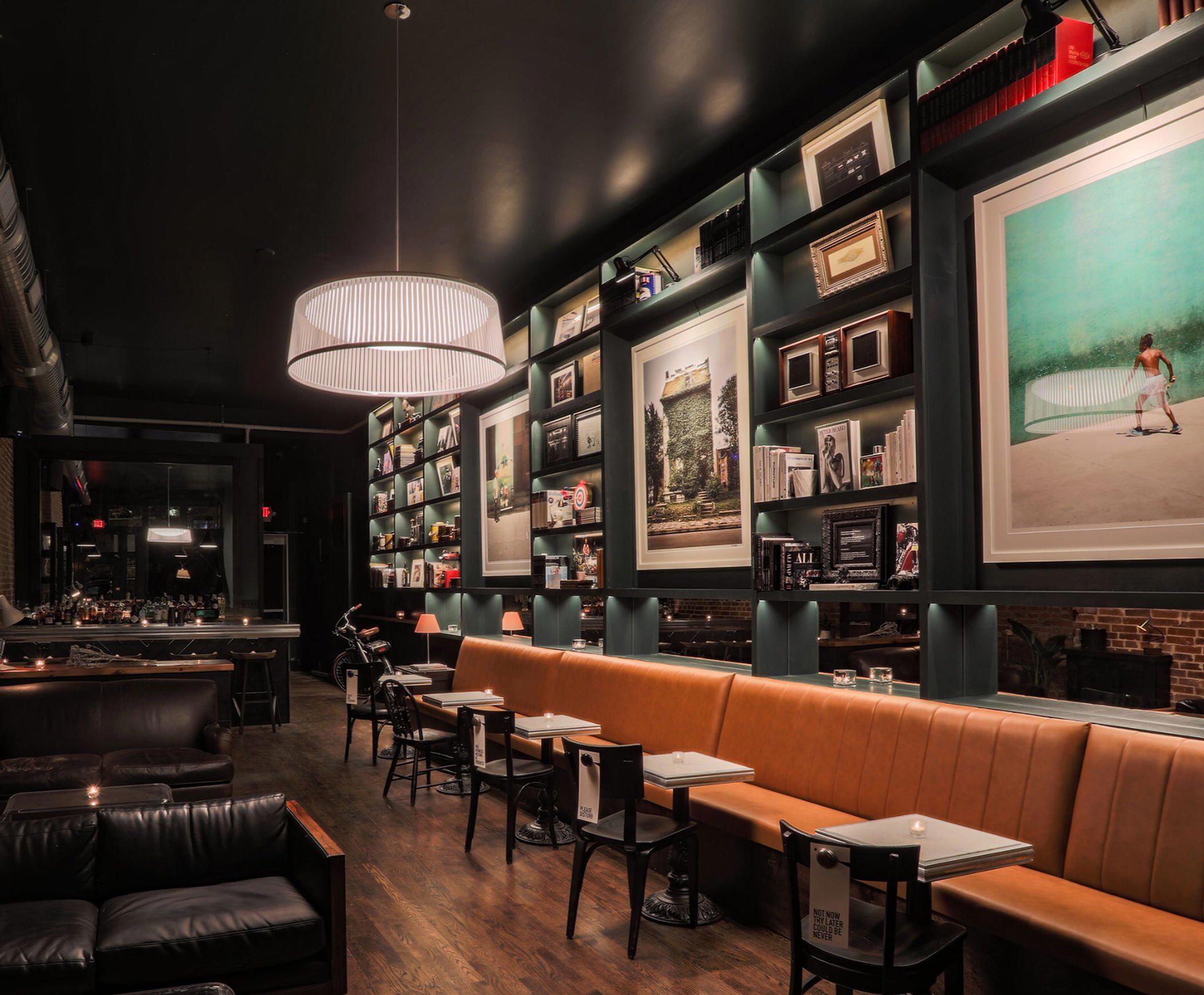
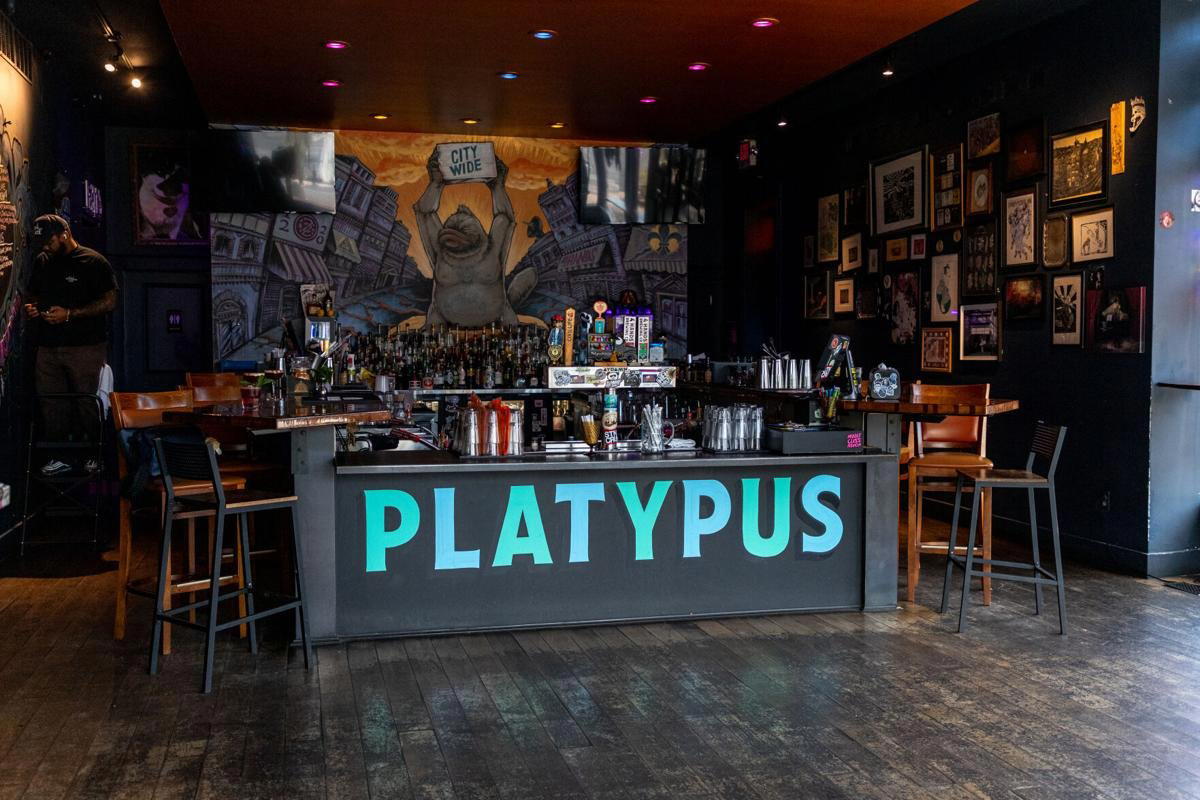
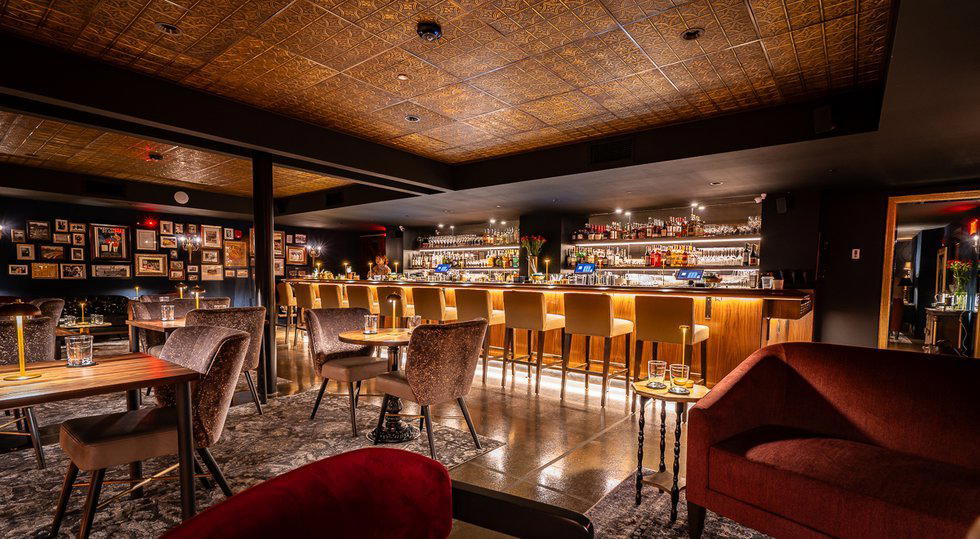
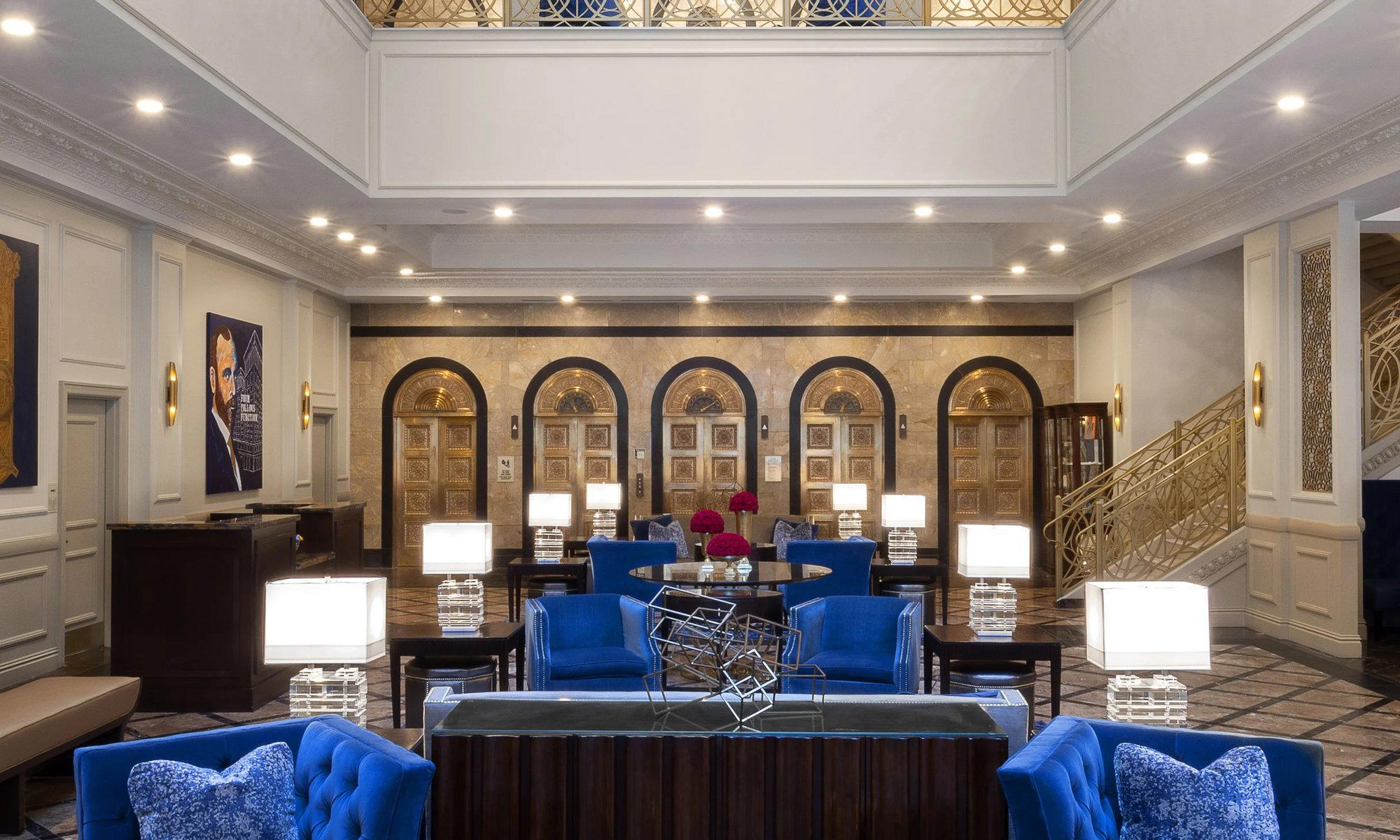
Kitschy mid-century tiki aesthetic with carved wooden cups, black velvet Elvis portraits, vintage kitchen gadgets, and Herb Alpert on the hi-fi; intimate and nostalgic with a sense of escapism and whimsy.