CBGB
On South Grand Boulevard in St. Louis's Tower Grove South neighborhood, CBGB occupies a stretch of the city's most culturally layered commercial strip. The address places it squarely within a dining corridor that draws from the neighborhood's dense mix of immigrant communities and independent operators, making it a useful reference point for understanding how St. Louis's south-side bar and dining scene actually functions.

Pearl is the En Primeur Club membership app — saves, bookings, and concierge access live there. Same editors, same standards.
- Address
- 3163 S Grand Blvd, St. Louis, MO 63118
- Hours
- Daily 5 PM–1:30 AM
- Website
- facebook.com
- Directions
- Get directions
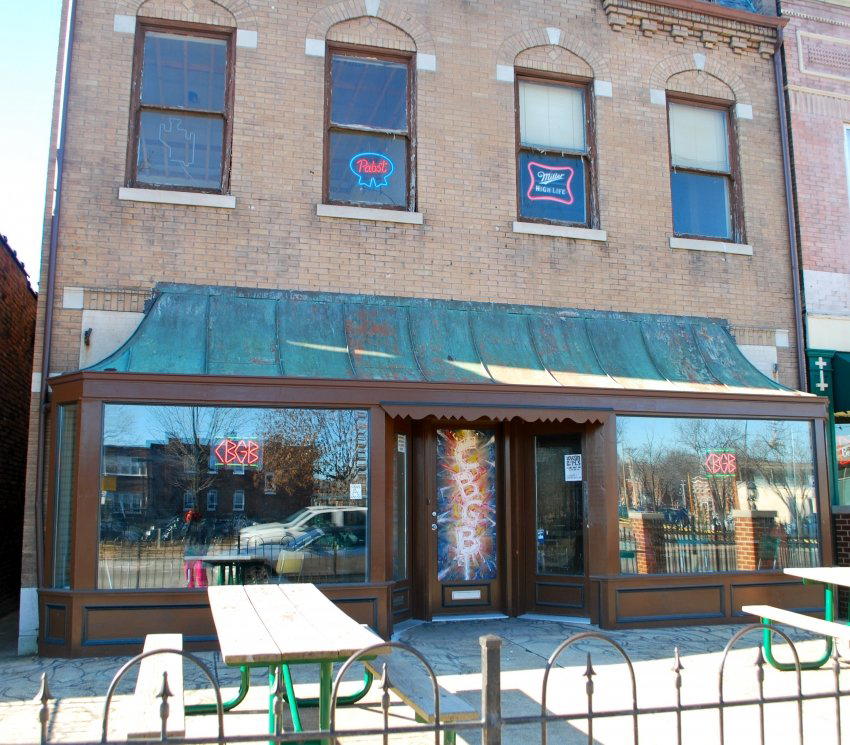
South Grand and the Independent Bar Tradition
South Grand Boulevard, running through Tower Grove South, is one of St. Louis's more instructive commercial corridors for anyone trying to understand how the city's independent hospitality scene holds together. The blocks around 3163 S Grand tell a story about density: Ethiopian restaurants alongside Vietnamese noodle shops, locally owned coffee counters, and bars that have built neighborhood followings without the support of hotel groups or national concepts. CBGB sits within this pattern at an address that has long been associated with the south side's preference for operator-owned, community-facing venues.
That preference matters increasingly in a broader national context. Across American cities, the most durable independent bars tend to cluster in neighborhoods where foot traffic is organic rather than engineered, where regulars return because the place reflects something genuine about where they live. Tower Grove South functions that way. The corridor does not depend on destination dining tourism to sustain its operators; it draws from within, which creates a different kind of accountability between venue and neighborhood than you find in hospitality districts built around convention centers or sports venues.
Sourcing, Waste, and the Question of Bar Sustainability
The sustainability conversation in American bars has matured considerably since it was largely confined to cocktail garnish composting and paper straw substitutions. The more serious version of the argument now concerns supply chains: where spirits are distilled, how beer is produced, what the carbon profile of a bar's sourcing decisions actually looks like across a year of operation. St. Louis has particular assets here. The city's brewing infrastructure, represented by operators like 2nd Shift Brewing and 4 Hands Brewing Company, means that a bar committed to local sourcing has genuine options at the production end, not just token placements on a drinks list.
The ethics of a bar's sourcing decisions are most visible in what the operation chooses not to carry. A program built around regional craft producers, where possible, implicitly deprioritizes the distribution-heavy global spirits that dominate most back bars. That narrowing can read as restriction, but in practice it tends to sharpen focus: fewer bottles, higher rotation, less waste from slow-moving inventory. Independent bars on corridors like South Grand are often better positioned to operate this way than larger venues with investor expectations around brand partnerships and volume commitments.
Waste reduction in bar operations is also fundamentally a financial discipline, not just an ethical one. Bars that track pour waste, minimize over-ordering, and build menus around what moves tend to be more financially stable over time. That operational discipline is most visible in venues that have survived multiple economic cycles in the same neighborhood, which is a relevant credential on South Grand, where the turnover rate among hospitality businesses is lower than in some of the city's higher-profile dining districts.
CBGB in the Context of St. Louis Bar Culture
St. Louis bar culture has a distinct character relative to peer Midwestern cities. The neighborhood tavern tradition runs deep here, shaped by the city's German and Central European immigrant history and reinforced by decades of local brewing identity. The result is a hospitality culture that tends to value consistency and community embeddedness over novelty and spectacle. A bar that opens on South Grand and builds a loyal regular clientele over time is operating within a well-established model, not against one.
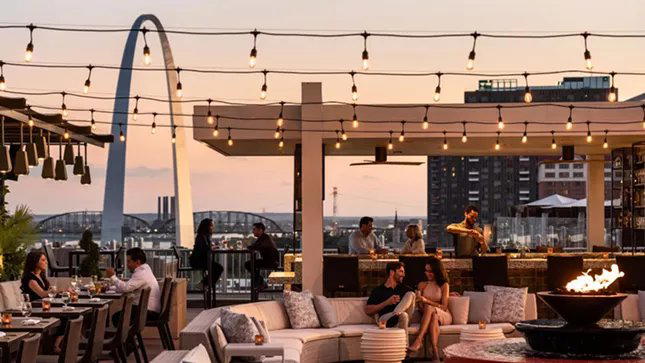
Compared to the 360 Rooftop Bar or the Angad Arts Hotel bar program, which operate within the logic of destination hospitality and hotel guest capture, a South Grand independent like CBGB functions on entirely different terms. The competitive set is the neighborhood itself, and success is measured in repeat visits rather than first-timer volume. That distinction is worth naming, because it shapes everything from pricing decisions to programming choices to the physical feel of the space.
For those building a picture of St. Louis's bar scene beyond the downtown core, South Grand represents a tier of the city's hospitality that doesn't always receive the same editorial attention as the higher-profile venues. Our full St Louis restaurants guide maps the broader range of where to eat and drink across the city's neighborhoods, including the south-side corridors that define much of how locals actually experience hospitality here.
The National Context: Technical Programs vs. Community Bars
The national bar conversation in recent years has been dominated by the technical cocktail program: clarified drinks, fat-washing, house-made bitters, the whole apparatus of contemporary bartending that venues like Kumiko in Chicago, Jewel of the South in New Orleans, Julep in Houston, Bar Leather Apron in Honolulu, Superbueno in New York City, ABV in San Francisco, and The Parlour in Frankfurt have each developed in their own register. That tier of bar is a genuine achievement in American and international hospitality, but it represents a specific slice of how people actually drink.
The community bar, by contrast, is where most drinking happens most of the time. Its sustainability argument is arguably stronger, not because it performs environmental virtue more visibly, but because it operates at lower resource intensity per cover, builds longer customer relationships that reduce acquisition costs, and typically sources closer to home by default rather than by design. South Grand's independent operators sit in that tier, and CBGB's address on that corridor places it within a model that has demonstrated staying power across decades of economic and cultural change in St. Louis.
Planning a Visit
CBGB is located at 3163 S Grand Blvd in the Tower Grove South neighborhood, accessible by car with street parking typical of the corridor, and within reach of the MetroBus routes that run along Grand. As with most South Grand independents, the venue operates without the booking infrastructure of a reservation-led restaurant, so visits are walk-in by default. Current hours, contact details, and any programming updates are worth confirming directly before traveling, as the venue's operational information is not currently listed across major platforms. South Grand's density means that if timing doesn't work out, the block has adjacent options within a short walk.
At a Glance
Comparable venues nearby, for context on price, style, and recognition.
| Venue | Cuisine | Price | Notes |
|---|---|---|---|
| CBGBThis venue — the venue you are viewing | Not listed | $10–20 | Not listed |
| Cunetto House of Pasta | The Hill, Bar | Not listed | Not listed |
| Yellowbelly | Not listed | $20–30 | Central West End, tiki_bar |
| 4 Hands Brewing Company | Not listed | $20–30 | Lasalle Park, beer_bar |
| Brennan's | Not listed | $20–30 | Central West End, cocktail_bar |
| New Society | Tower Grove East, speakeasy | Not listed | Not listed |
Details
- Lively
- Well Known
- Energetic
- Late Night
- Casual Hangout
- Group Outing
- Live Music
- Outdoor Terrace
- Classic Cocktails
- Craft Beer
Current opening hours
- Monday
- 5 PM–1:30 AM
- Tuesday
- 5 PM–1:30 AM
- Wednesday
- 5 PM–1:30 AM
- Thursday
- 5 PM–1:30 AM
- Friday
- 5 PM–1:30 AM
- Saturday
- 5 PM–1:30 AM
- Sunday
- 5 PM–1:30 AM
Hours can change for holidays and private events. Last verified .
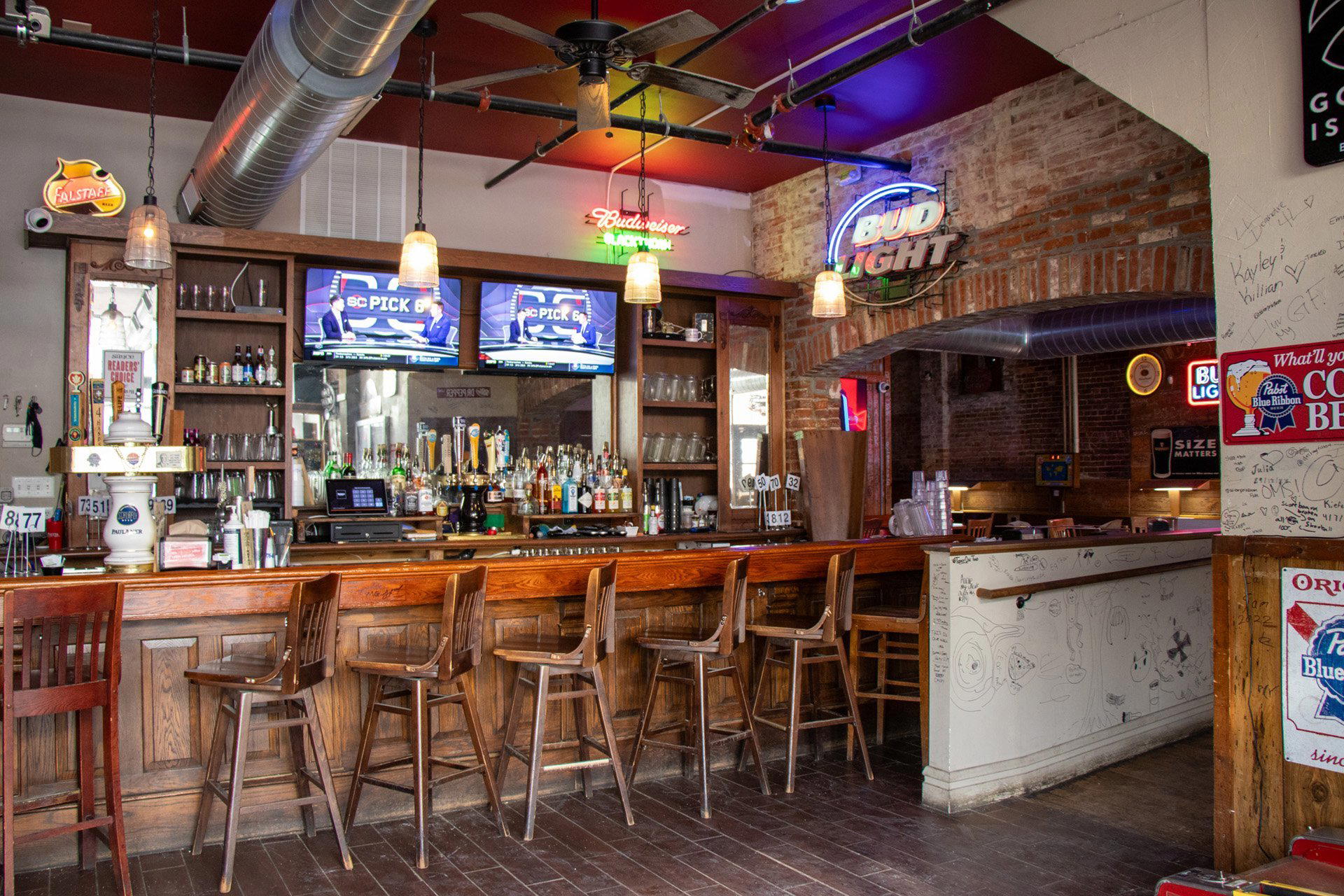
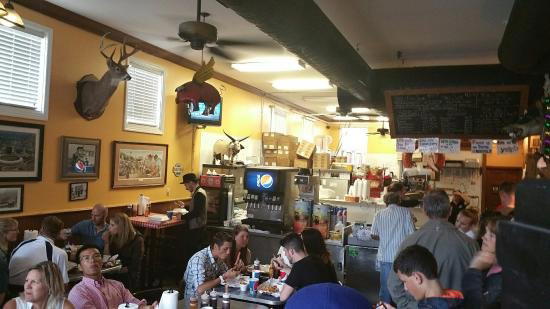
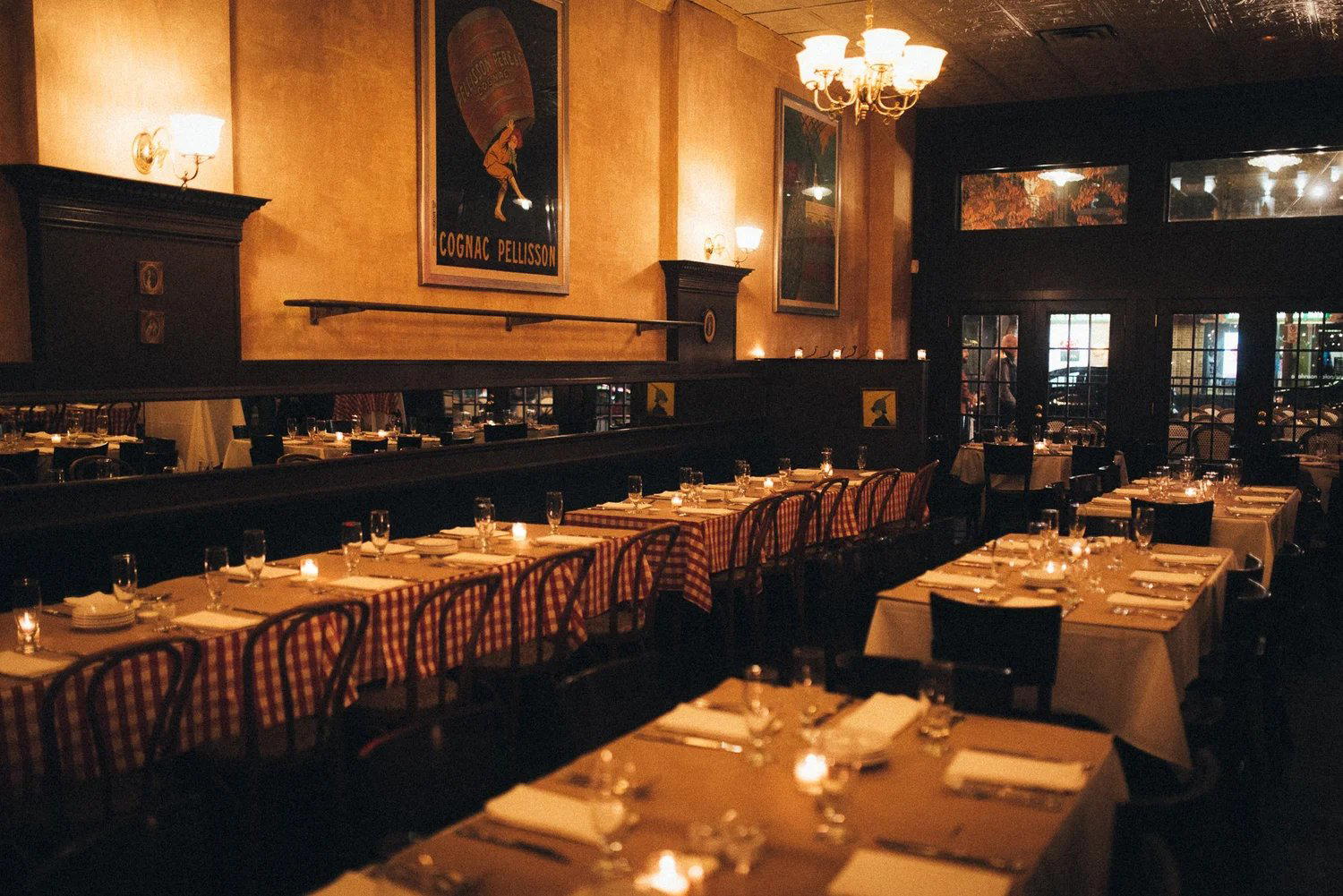
Edgy, low-lit atmosphere with punkish vibes and friendly, hospitable service.