Cafe Mochi
Our verdict
Cafe Mochi sits on South Grand Boulevard in St. Louis's most culinarily diverse corridor, bringing Japanese-inspired café culture to a neighbourhood that has long rewarded adventurous eaters. Positioned among the independent restaurants that define the Tower Grove area, it draws a local following that values craft over ceremony. Comparable in spirit to St. Louis independents like BaiKu Sushi Lounge, it occupies a distinct, quieter register.

Pearl is the En Primeur Club membership app — saves, bookings, and concierge access live there. Same editors, same standards.
- Address
- 3221 S Grand Blvd #1013, St. Louis, MO 63118
- Phone
- (314) 773-5000
- Hours
- Mon ClosedTue–Thu 11 AM–8:30 PMFri–Sat 11 AM–9:30 PMSun 11 AM–8:30 PM
- Website
- cafemochi.in
- Directions
- Get directions
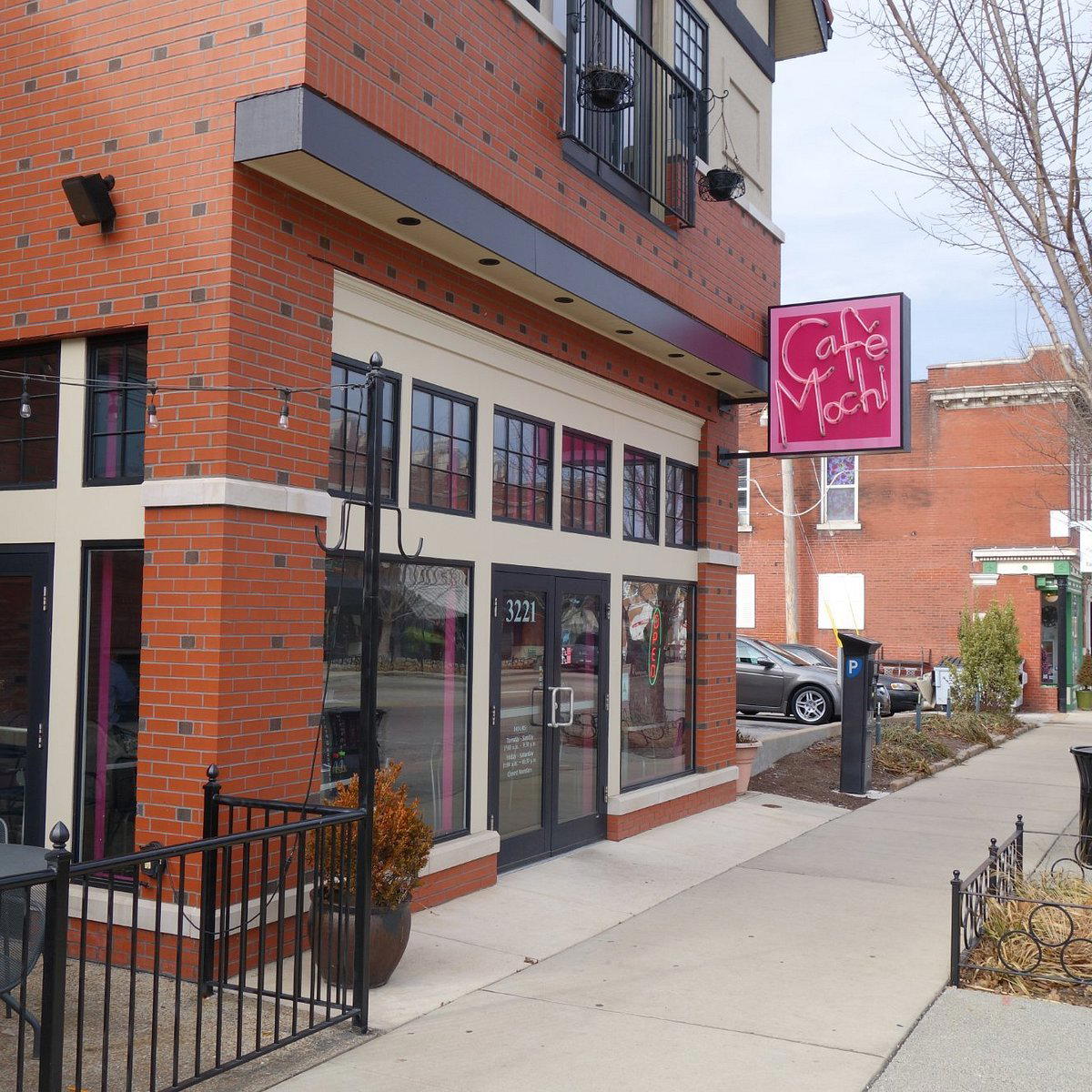
South Grand and the Case for Neighbourhood Dining in St. Louis
South Grand Boulevard, running through the Tower Grove South neighbourhood, functions as one of St. Louis's most consistently interesting dining corridors. Unlike the more curated, destination-oriented strips found in the Central West End or along Manchester Avenue in the suburbs, South Grand has historically attracted independent operators serving dense, walkable residential blocks. The demographics of the surrounding streets, shaped by longstanding Vietnamese, Ethiopian, and Middle Eastern communities, have pushed restaurant culture here toward specificity rather than broad appeal. Cafe Mochi, located at 3221 S Grand Blvd, sits inside this tradition of neighbourhood specificity rather than beside it.
That address matters. Dining rooms that earn local loyalty in this part of St. Louis tend to do so without the benefit of a hotel adjacency, a high-profile culinary pedigree, or the kind of awards infrastructure that drives reservation pressure at destination spots. For context, the Michelin-starred tier of American dining, represented by venues like Smyth in Chicago or Atomix in New York City, operates on a fundamentally different axis of credentialing. What South Grand restaurants earn instead is something harder to manufacture: repeat custom from residents who treat the street as an extension of their kitchens.
What the Name Signals and Why It Matters
The word "mochi" in a café name plants a flag. It signals Japanese confectionery culture, specifically the rice-cake tradition that carries ceremonial weight in Japan but has been adapted extensively across the American café scene over the past decade. In cities like Los Angeles, that adaptation has produced a crowded market of Japanese-inflected dessert cafés and bakeries, each differentiating on format, sourcing, or visual presentation. St. Louis's version of that trend runs through fewer doors, which means individual operators carry more interpretive weight. A café like this one does not exist in a dense competitive cluster the way its counterparts might in a coastal city, so its choices about menu direction and atmosphere register more distinctly against the neighbourhood backdrop.
For comparison, sushi-forward venues like BaiKu Sushi Lounge represent one strand of Japanese culinary influence in St. Louis. A Japanese-inflected café represents a different strand, one oriented less toward dinner-format dining and more toward the in-between hours that neighbourhood cafés often serve. That positioning, if executed with consistency, creates a durable niche in a city where the independent restaurant ecosystem rewards operators willing to commit to a lane.
The Tower Grove Corridor in Context
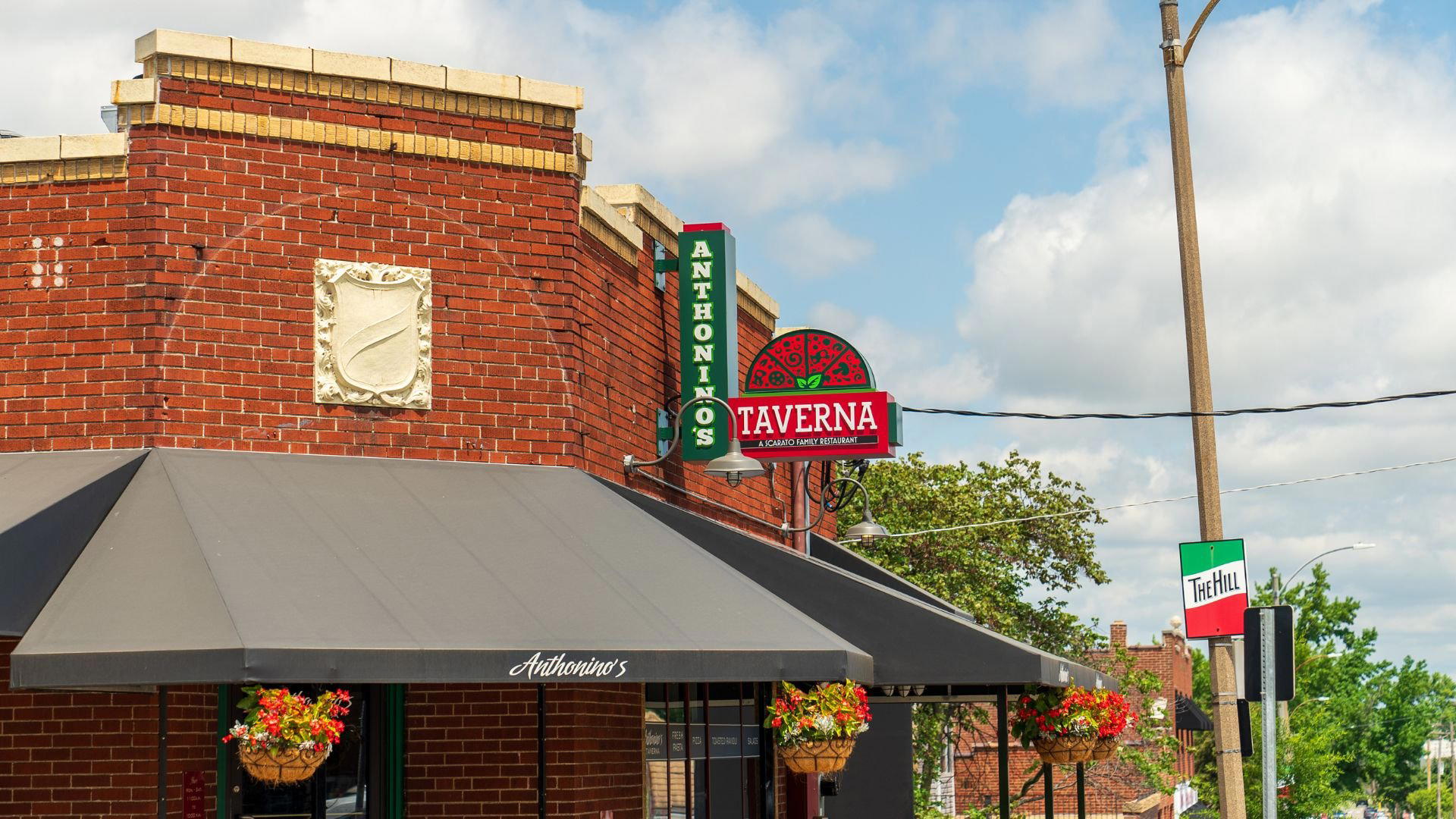
To understand Cafe Mochi's place in St. Louis dining, it helps to read South Grand against the rest of the city's food geography. The more storied Italian-American tradition lives further north, at places like Al's Restaurant and Anthonino's Taverna, both of which operate with decades of neighbourhood history behind them. The suburban fine-dining tier is anchored by spots like Annie Gunn's, which operates a different kind of loyalty loop tied to wine programs and occasion dining. South Grand sits at neither extreme. It is the part of the city's restaurant map that functions most like a genuine urban neighbourhood strip, where foot traffic and community connection matter as much as press coverage.
That context places Cafe Mochi in an editorially interesting position. It is not competing against the occasion-dining tier of St. Louis, and it is not trying to replicate the high-concept formats you find at destination restaurants nationally, from The French Laundry in Napa to Blue Hill at Stone Barns in Tarrytown. It belongs to the category of neighbourhood operator that a city's dining culture depends on for texture and daily relevance, the kind of place that fills the gaps between big-format dining experiences.
Who Eats Here and When
South Grand's dining rhythm skews toward lunch, late afternoon, and casual weeknight dinners. The residential density of Tower Grove South means weekday foot traffic is real, not just weekend-driven. Cafés and casual operators along this strip tend to see their most consistent business during the hours when the destination-dining tier is still hours away from service. If Cafe Mochi follows the pattern typical of Japanese-inflected cafés in American mid-sized cities, the afternoon hours, when dessert café culture overlaps with coffee service, likely represent the venue's core trading window.
For readers planning a visit, South Grand is accessible from the rest of the city without significant transit complexity, and the neighbourhood rewards extended exploration rather than a quick in-and-out visit. Pairing a stop here with other South Grand operators gives the street visit more depth. The strip also sits within reasonable distance of Tower Grove Park, which adds a seasonal dimension: warmer months bring more foot traffic and a more active outdoor rhythm to the neighbourhood. Visitors arriving in spring or summer will find the area at its most populated and energetic.
St. Louis as a Café City
St. Louis has built a more credible independent café culture over the past decade than its national food profile might suggest. The city does not generate the same volume of food media attention as Chicago, where Smyth and its peers sustain a continuous critical conversation, or as coastal cities where outlets like Le Bernardin in New York City and Providence in Los Angeles anchor a well-documented dining establishment. But that relative quietness creates space for operators to build loyalty without the pressure of national scrutiny. For operators like those behind Cafe Mochi, the audience is almost entirely local, which produces a different kind of accountability: not to critics or awards cycles, but to the same customers returning week after week.
That model, when it works, produces restaurants with a durability that destination-format venues sometimes lack. It is worth noting that some of the most consequential American dining destinations, from Single Thread Farm in Healdsburg to Addison in San Diego, started from a foundation of local credibility before scaling into national recognition. The trajectory is not guaranteed, but the foundation is the same: consistent execution for a community that notices. For St. Louis readers, the full St. Louis restaurants guide covers the wider spectrum of the city's dining options, from neighbourhood staples to the more ambitious formats.
Planning a Visit
Cafe Mochi is located at 3221 S Grand Blvd, Suite 1013, in the Tower Grove South neighbourhood. South Grand is leading approached as a walking street once you have parked or arrived by rideshare; the corridor is compact enough that a single visit can cover multiple stops. The neighbourhood sees its busiest pedestrian activity on weekend afternoons and during warmer months when Tower Grove Park draws additional visitors to the area. For those building a broader South Grand itinerary, Atomic Cowboy represents the neighbourhood's more evening-oriented, bar-forward end of the spectrum, offering a contrast in format and tempo for a longer outing.
Frequently asked questions
How do I find Cafe Mochi?
Cafe Mochi is located at 3221 S Grand Blvd #1013, St. Louis, MO 63118, St Louis.
What kind of café is Cafe Mochi, and how does it fit into the St. Louis independent café scene?
Cafe Mochi sits on South Grand Boulevard in Tower Grove South, one of St. Louis's most consistent independent dining corridors outside the more-covered Italian Hill or Central West End. The café's name signals an orientation toward Japanese confectionery culture, specifically the rice-cake tradition, which positions it differently from the city's standard espresso-and-pastry café format. St. Louis has developed a credible independent café culture over the past decade, and South Grand is among its more active streets for non-chain operators.
What's the must-try dish at Cafe Mochi?
The café's name points directly to its identity: mochi-rooted Japanese confectionery culture sits at the heart of the menu concept. Cafe Mochi is located at 3221 S Grand Blvd, Suite 1013, in St. Louis's Tower Grove South neighbourhood, where the menu reflects the corridor's reputation for independent, non-chain food culture.
Should I book Cafe Mochi in advance?
South Grand's dining rhythm skews toward walk-in traffic, and neighbourhood cafés along this corridor generally operate on a casual, drop-in basis. Louis, is the most dependable option. Weekend afternoons on South Grand tend to draw the heaviest foot traffic in Tower Grove South.
Compact Comparison
Comparable venues nearby, for context on price, style, and recognition.
| Venue | Cuisine | Price | Notes |
|---|---|---|---|
| Cafe MochiThis venue — the venue you are viewing | Japanese Sushi with Vietnamese Fusion | $20–30 | Not listed |
| Vito's | Sicilian Pizza & Italian Ristorante | $20–30 | Covenant Blu, Sicilian Pizza & Italian Ristorante |
| Urban Chestnut Midtown Brewery and Biergarten | German Biergarten | $20–30 | Midtown, German Biergarten |
| Tucker's Place | Classic American Steakhouse | $30–50 | South County, Classic American Steakhouse |
| Bogart’s Smokehouse | Traditional St. Louis BBQ | $20–30 | Lasalle Park, Traditional St. Louis BBQ |
| ELAIA | Modern Mediterranean Fine Dining | Not listed | Botanical Heights, Modern Mediterranean Fine Dining |
Details
- Casual
- Elegant
- Cozy
- Date Night
- Casual Hangout
- Group Dining
- Open Kitchen
- Sake Program
- A La Carte
- Vegetarian Friendly
- Vegan Options
- Gluten Free Options
Current opening hours
- Monday
- Closed
- Tuesday
- 11 AM–8:30 PM
- Wednesday
- 11 AM–8:30 PM
- Thursday
- 11 AM–8:30 PM
- Friday
- 11 AM–9:30 PM
- Saturday
- 11 AM–9:30 PM
- Sunday
- 11 AM–8:30 PM
Hours can change for holidays and private events. Last verified .
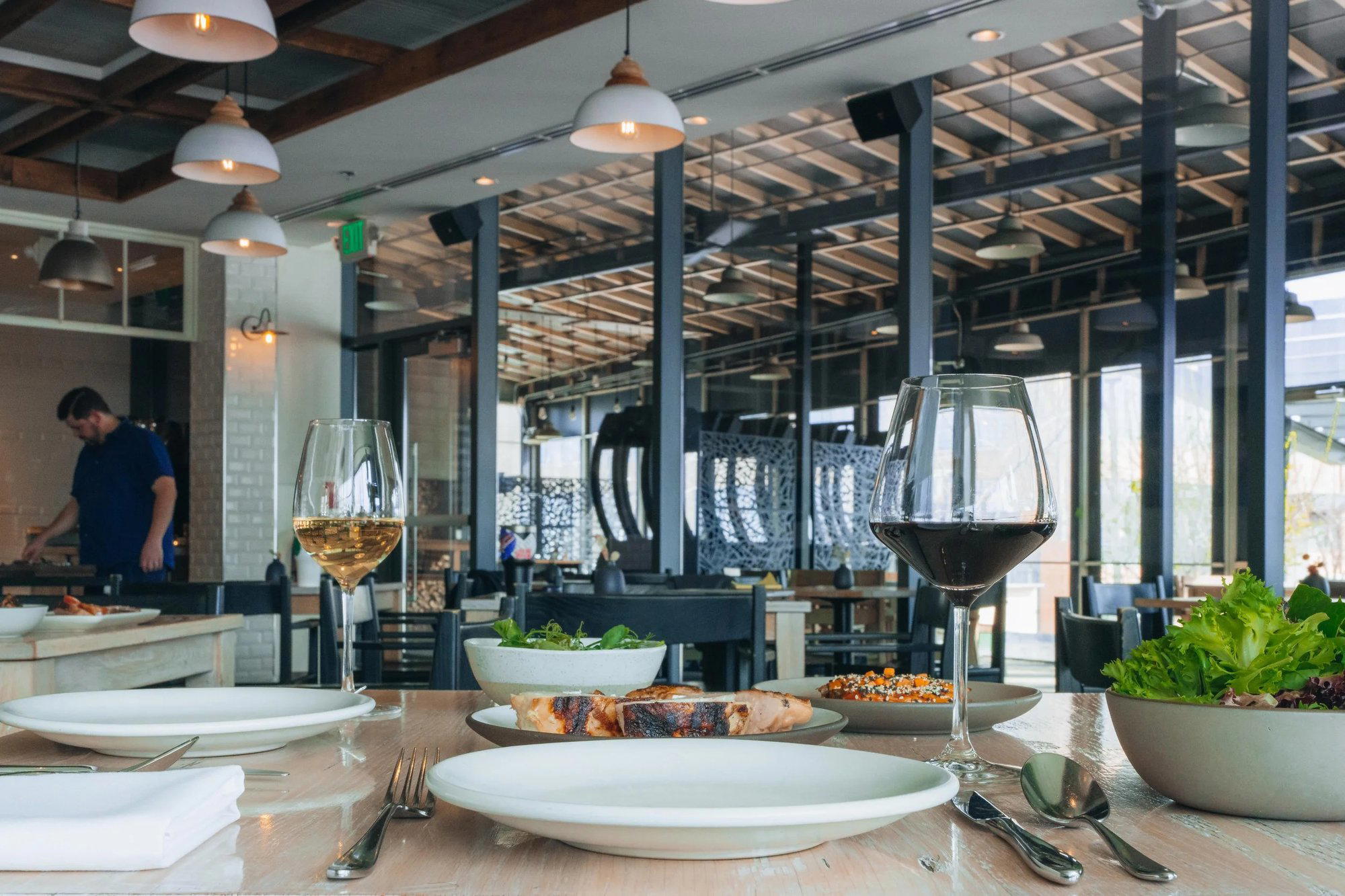
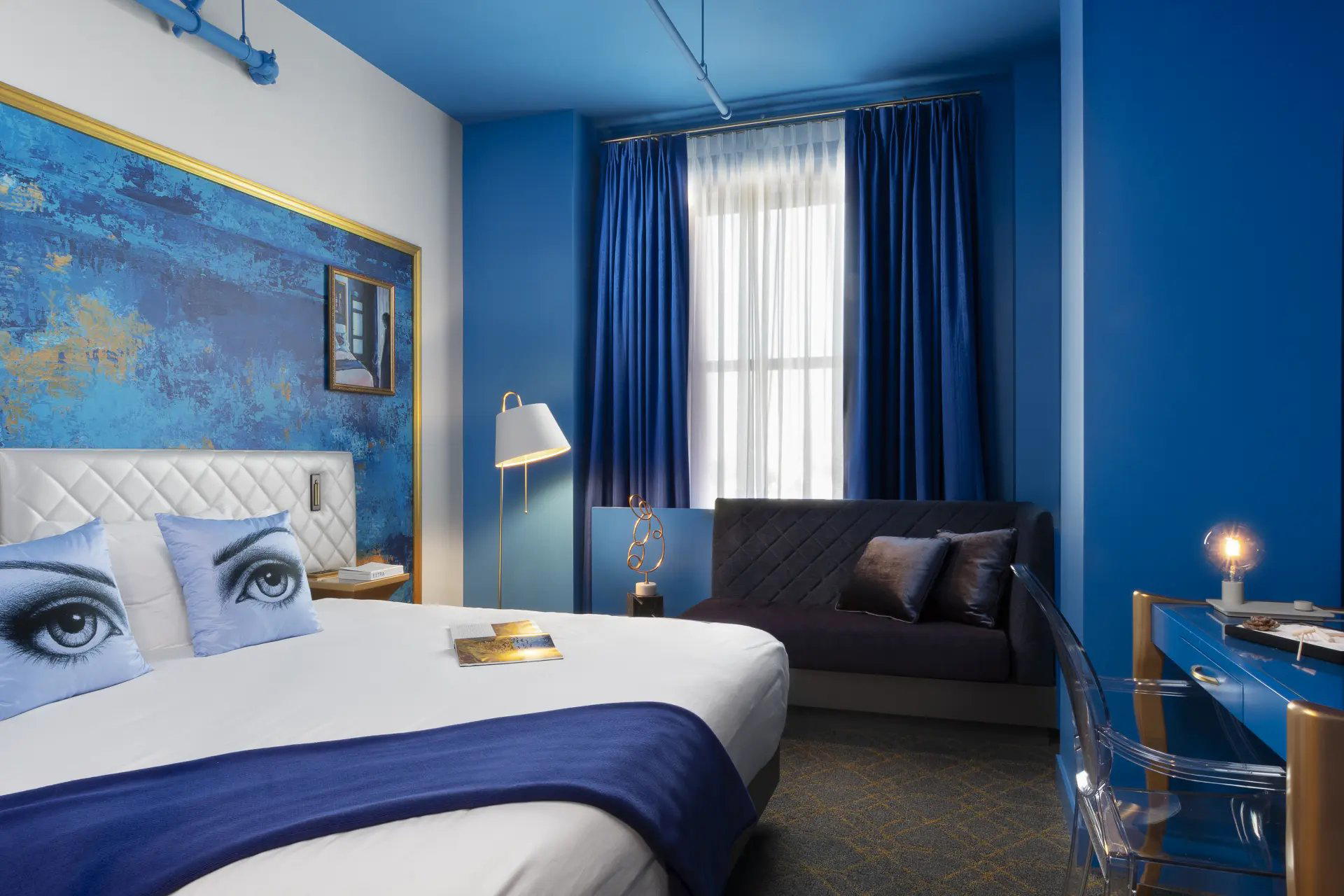
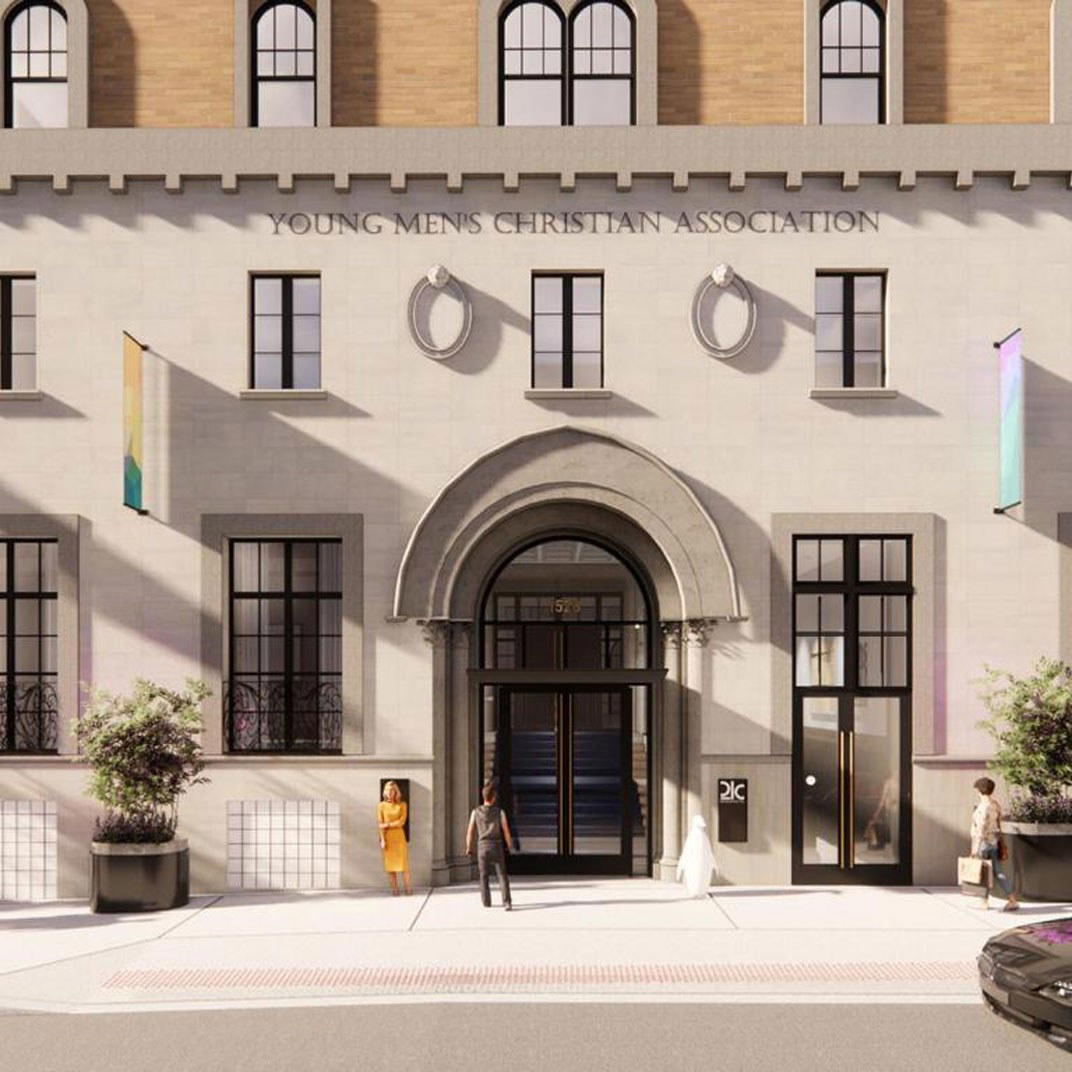
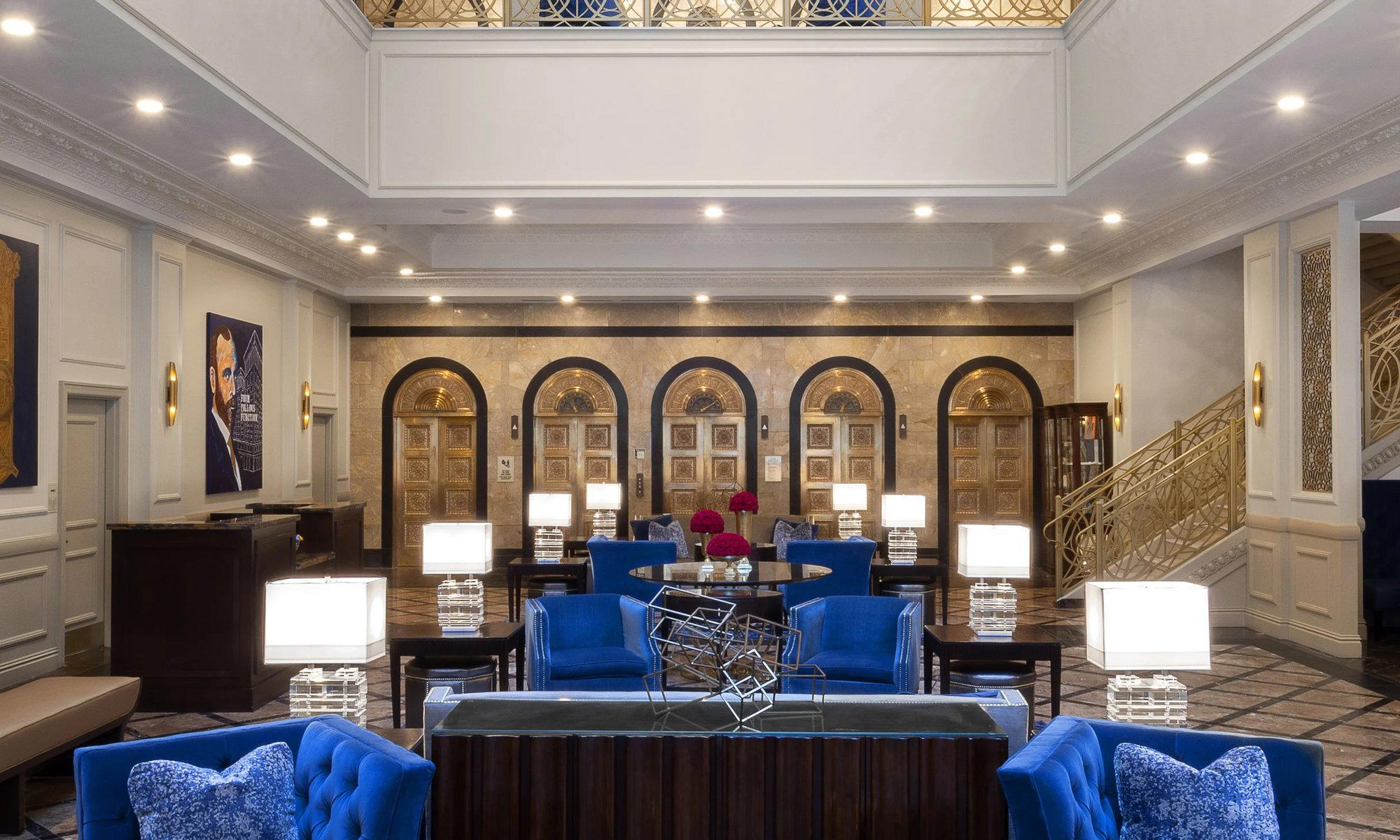
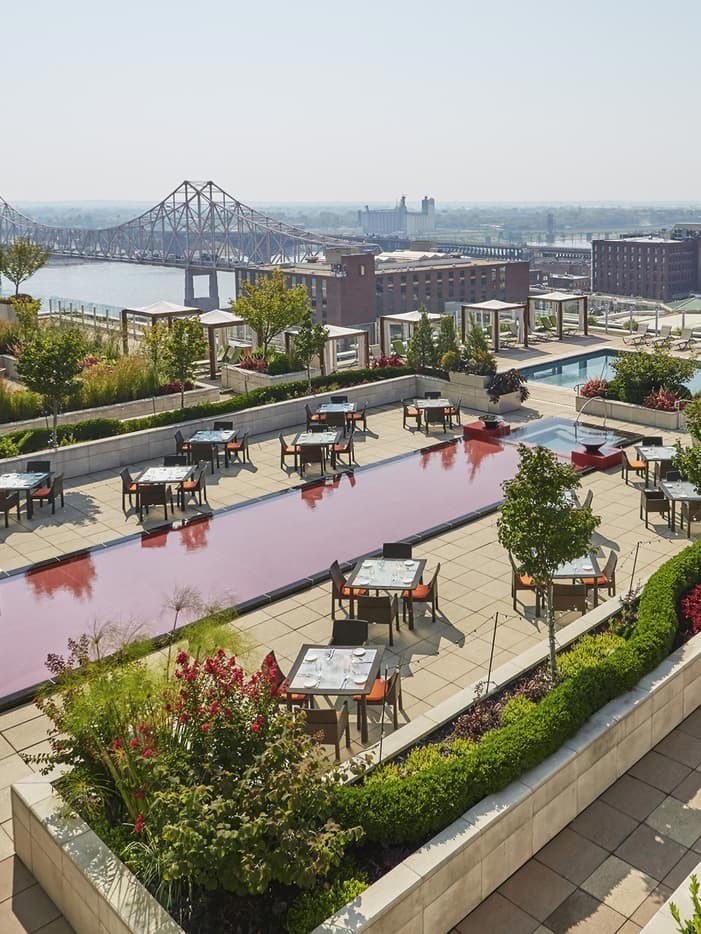
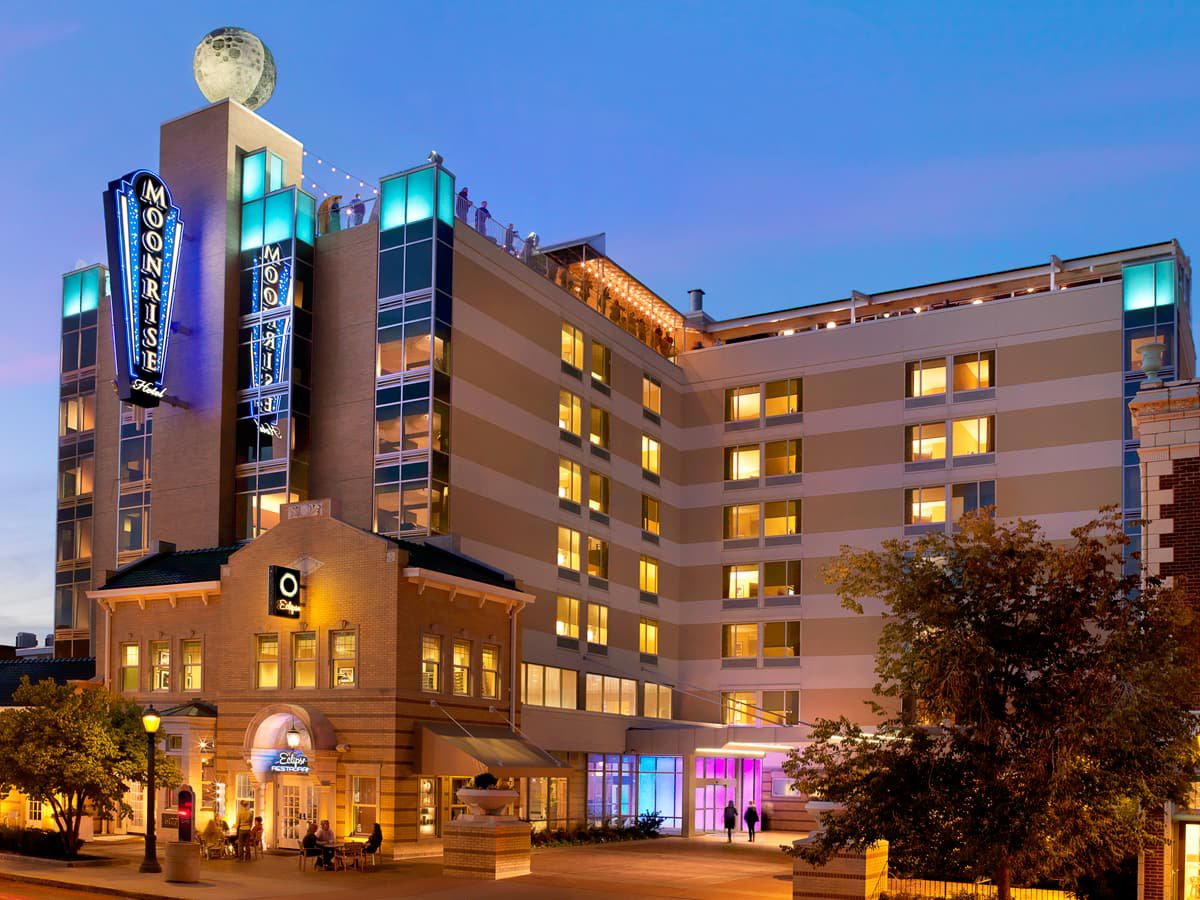
Lively and inviting with modern aesthetics fused with Japanese charm, offering a warm and welcoming casual atmosphere.