The Gin Room

James Beard Award Semi Finalist
Our verdict
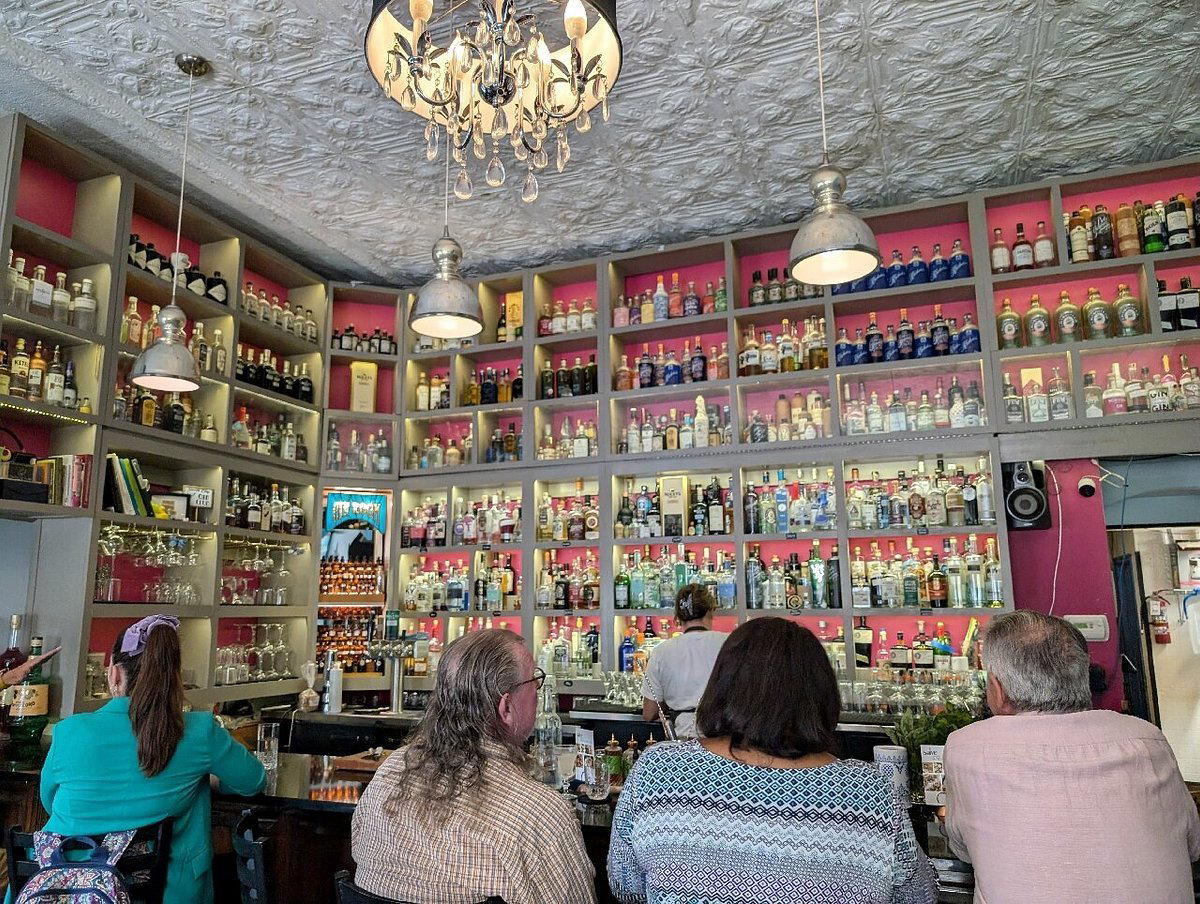
On South Grand Boulevard in St. Louis's Tower Grove South neighborhood, The Gin Room occupies a corner of the city's craft cocktail scene where the spirit itself is the organizing principle. The bar's address places it among a stretch of independent restaurants and bars that have shaped the district's drinking culture, making it a reference point for gin-focused programming in a city not traditionally associated with the category.

Pearl is the En Primeur Club membership app — saves, bookings, and concierge access live there. Same editors, same standards.
- Address
- 3200 S Grand Blvd, St. Louis, MO 63118
- Phone
- (314) 771-3411
- Hours
- Mon–Tue ClosedWed–Thu 5–10 PMFri 5–11 PMSat 3–11 PMSun 3–8 PM
- Website
- natashasginroom.com
- Directions
- Get directions
The menu
What to order
- Chenjeh Beef Kabob
- Jujeh Chicken Kabob
South Grand and the Specialist Bar Format
South Grand Boulevard has developed one of St. Louis's more distinct neighborhood drinking cultures, shaped less by a single anchor venue than by an accumulation of independent operators who have each staked out a particular niche. In that context, a bar organized entirely around gin is a deliberate editorial choice, not a trend-chasing gesture. Across American cities over the past decade, the specialist bar format has proven more durable than the generalist cocktail lounge: venues that commit to a category, build their back bar around it, and program their menu with genuine depth tend to hold their position longer than those chasing the broadest possible audience. Atomic Cowboy, a few blocks away on the same corridor, represents a different point on that spectrum, with a broader format and a livelier late-night register. The Gin Room operates at a quieter, more focused frequency.
The building at 3200 S Grand Blvd sits in Tower Grove South, a neighborhood whose dining and drinking identity has been built incrementally by independent operators rather than by hospitality groups. That matters for how a place like this functions: it draws from a local base that values specificity, and it competes less on volume than on depth of offering. BaiKu Sushi Lounge nearby demonstrates the same pattern, a venue that survives on category commitment rather than crowd-pleasing breadth.
Gin as an Organizing Principle
Centering a bar's identity on gin is a more considered position than it might appear. The category is genuinely complex: London Dry, Old Tom, Genever, New Western, Navy Strength, and sloe gin each demand different treatment behind a bar, different dilution strategies, different flavor companions. A bar that takes the category seriously enough to structure its entire program around it is effectively asking its staff to hold expertise that goes well beyond standard cocktail knowledge. That kind of institutional depth is what separates a gin bar from a bar that happens to stock a lot of gin.
The broader American craft cocktail movement, which has pushed venues from Lazy Bear in San Francisco to Atomix in New York City toward increasingly technical and ingredient-specific programming, created the conditions for this format to exist. Even in secondary and tertiary markets, drinkers now arrive with enough category literacy to reward specificity. St. Louis is not a city that typically generates national attention for its cocktail culture in the way that Chicago's Smyth-adjacent bar scene does, but its neighborhood operators have quietly built a scene that functions on similar principles of specialization and local sourcing.
Sustainability and Ethical Sourcing in the Spirits Category
The sustainability conversation in bars lags the same conversation in restaurants by several years, but it has arrived. For a gin-focused program, the most meaningful environmental decisions happen at the sourcing level: which distilleries to stock, whether to prioritize producers with documented water stewardship practices, and how to handle waste streams from citrus-heavy cocktail programs. Citrus peels, herb stems, and spent botanicals represent a significant waste category in any bar running classic gin cocktails, and the bars that have earned attention from sustainability-conscious publications are those that have built systems for composting, dehydrating, or re-infusing those byproducts rather than discarding them.
Comparison point here is instructive. At the fine dining level, venues like Blue Hill at Stone Barns in Tarrytown and Atelier Moessmer Norbert Niederkofler in Brunico have made zero-waste sourcing a structural part of their identity, not a marketing add-on. At the bar level, the same discipline is rarer and harder to verify, but the gin category offers genuine opportunities: many craft distilleries now publish grain sourcing data, water usage figures, and carbon offset commitments. A bar that curates its back bar with those criteria in mind is making decisions that carry real weight, even if they are less visible to the guest than a locally-sourced vegetable on a plate.
For context, the ethical sourcing argument in spirits has gained traction alongside the broader farm-to-table movement that pushed restaurants like Single Thread Farm in Healdsburg and Addison in San Diego toward documented supply chain transparency. Bars are following the same logic, more slowly, but the direction is clear.
Placing The Gin Room in Its St.
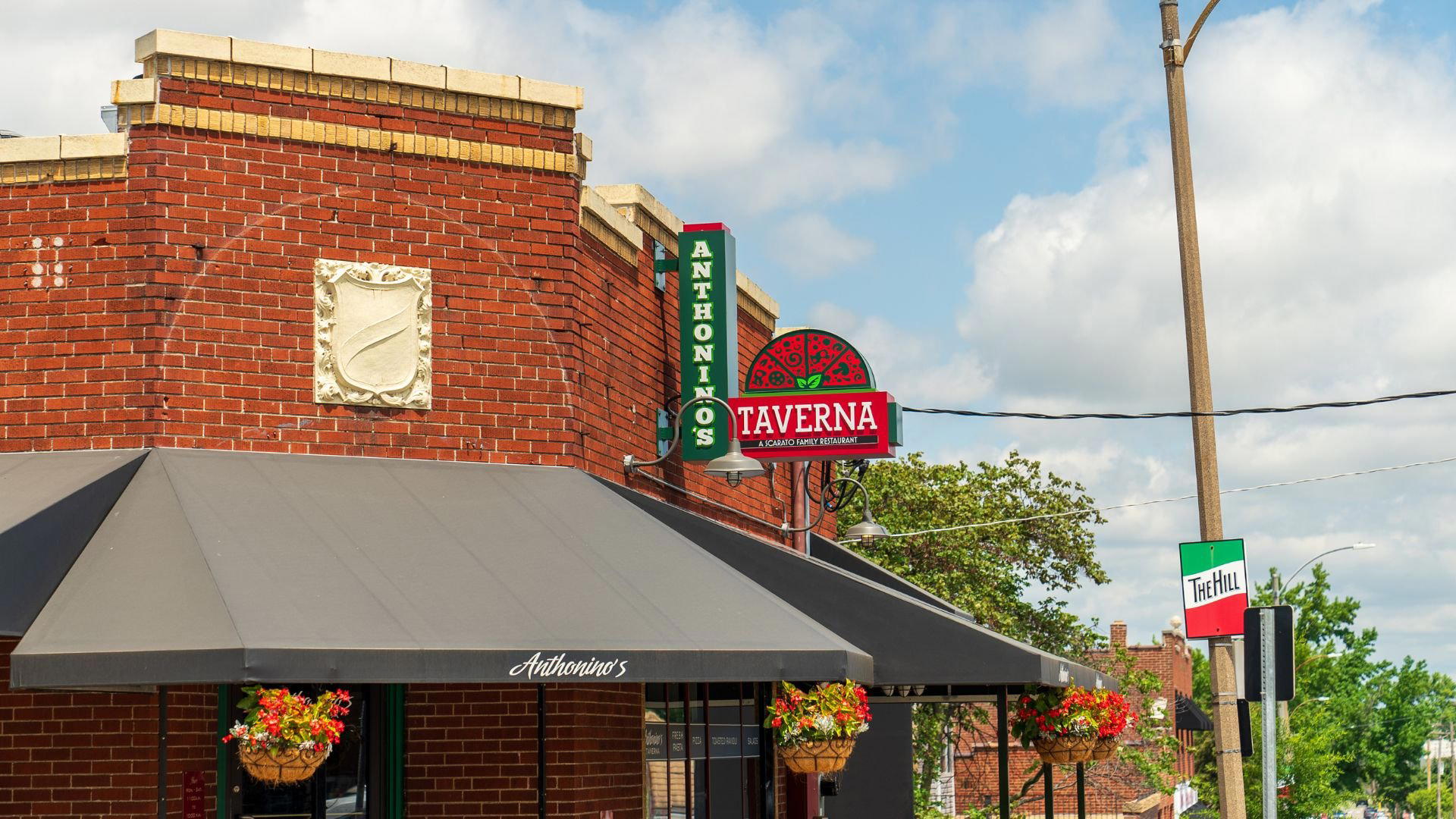
St. Louis has a handful of venues that function as category specialists rather than all-purpose restaurants or bars. Annie Gunn's holds a similar specialist position in the wine and American cuisine category, with a depth of cellar selection that positions it differently from neighborhood bistros. Anthonino's Taverna on The Hill represents the same logic applied to regional Italian. Al's Restaurant, one of the city's older dining institutions, demonstrates that category focus and longevity are not in tension. The Gin Room occupies a comparable niche in the spirits category, a venue whose value to the city's drinking culture is proportional to how seriously it takes its organizing subject.
For a broader orientation to the city's dining and drinking scene, the EP Club St. Louis restaurants guide maps the full range of what the city offers across categories and neighborhoods.
Planning Your Visit
The Gin Room is located at 3200 S Grand Blvd in Tower Grove South, accessible by car from downtown St. Louis in roughly fifteen minutes and served by the Grand MetroBus corridor for those arriving by public transit. The South Grand stretch is a walkable destination once you arrive, with enough adjacent restaurants and bars to build an evening around. Visitors coming from outside Missouri who are accustomed to the programming at places like Le Bernardin in New York City, Emeril's in New Orleans, Providence in Los Angeles, or The French Laundry in Napa should calibrate expectations accordingly: this is a neighborhood specialist bar, not a destination dining experience, and its value is precisely its local, category-focused character rather than any claim to regional or national scale. Similarly, The Inn at Little Washington represents a different tier and format entirely. Current hours, booking information, and any seasonal programming changes should be confirmed directly with the venue before visiting.
Frequently asked questions
What's the address for The Gin Room?
The Gin Room is located at 3200 S Grand Blvd, St. Louis, MO 63118, St Louis.
Is The Gin Room a good bar for exploring different gin styles in St. Louis?
A bar built specifically around gin is one of the more practical settings in St. Louis for moving between styles, because the selection is curated around category breadth rather than general spirits coverage. The Tower Grove South location on South Grand Blvd places it within a neighborhood drinking corridor, making it a natural destination for anyone who wants to compare London Dry, Old Tom, Genever, or contemporary styles side by side rather than piecing together a gin education across multiple venues.
What should I eat at The Gin Room?
The Gin Room's program centers on drinks rather than a food menu, so the gin selection is where to focus your attention when visiting the South Grand Blvd address. In a gin-specialist format, the drink list functions as the main event, and ordering across different gin styles is the practical way to use the bar's depth.
How hard is it to get a table at The Gin Room?
South Grand Boulevard bars, including The Gin Room at 3200 S Grand Blvd, generally operate on a walk-in basis rather than advance reservations. A neighborhood specialist bar of this format is unlikely to require booking, though weekend evenings on a corridor with an active drinking culture can mean a short wait for seating.
What's The Gin Room best at?
The bar's organizing principle is gin, which gives it a category depth that generalist cocktail venues in St. Louis cannot match by default. The competitive case for visiting 3200 S Grand Blvd over an all-purpose bar is the range of gin styles available and the focused expertise that comes with running a single-category program.
At a Glance
Comparable venues nearby, for context on price, style, and recognition.
| Venue | Cuisine | Price | Awards | Notes |
|---|---|---|---|---|
| The Gin RoomThis venue — the venue you are viewing | Persian | $30–50 | James Beard Award Semi Finalist | Not listed |
| Atomic Cowboy | Tex-Mex BBQ Fusion | Not listed | Not listed | Forest Park Southeast, Tex-Mex BBQ Fusion |
| Crown Hall at Budweiser Brew House | American Brew Pub | $20–30 | Not listed | Downtown, American Brew Pub |
| Joey B's Food & Drink | Italian-American Comfort Food | $20–30 | Not listed | The Hill, Italian-American Comfort Food |
| The Royale Food & Spirits | American Gastropub with Mediterranean Influences | $20–30 | Not listed | Tower Grove South, American Gastropub with Mediterranean Influences |
| Sanctuaria | Latin Tapas with Modern Twists | $20–30 | Not listed | Forest Park Southeast, Latin Tapas with Modern Twists |
Recognition history
Dated appearances from independent guides and award organizations, with the underlying list record or original source where available.
James Beard Award Semi Finalist
James Beard Award
Details
- Cozy
- Intimate
- Elegant
- Date Night
- Special Occasion
- Private Dining
- Craft Cocktails
- A La Carte
- Small Plates
- Gin
- Cocktails
Current opening hours
- Monday
- Closed
- Tuesday
- Closed
- Wednesday
- 5–10 PM
- Thursday
- 5–10 PM
- Friday
- 5–11 PM
- Saturday
- 3–11 PM
- Sunday
- 3–8 PM
Hours can change for holidays and private events. Last verified .
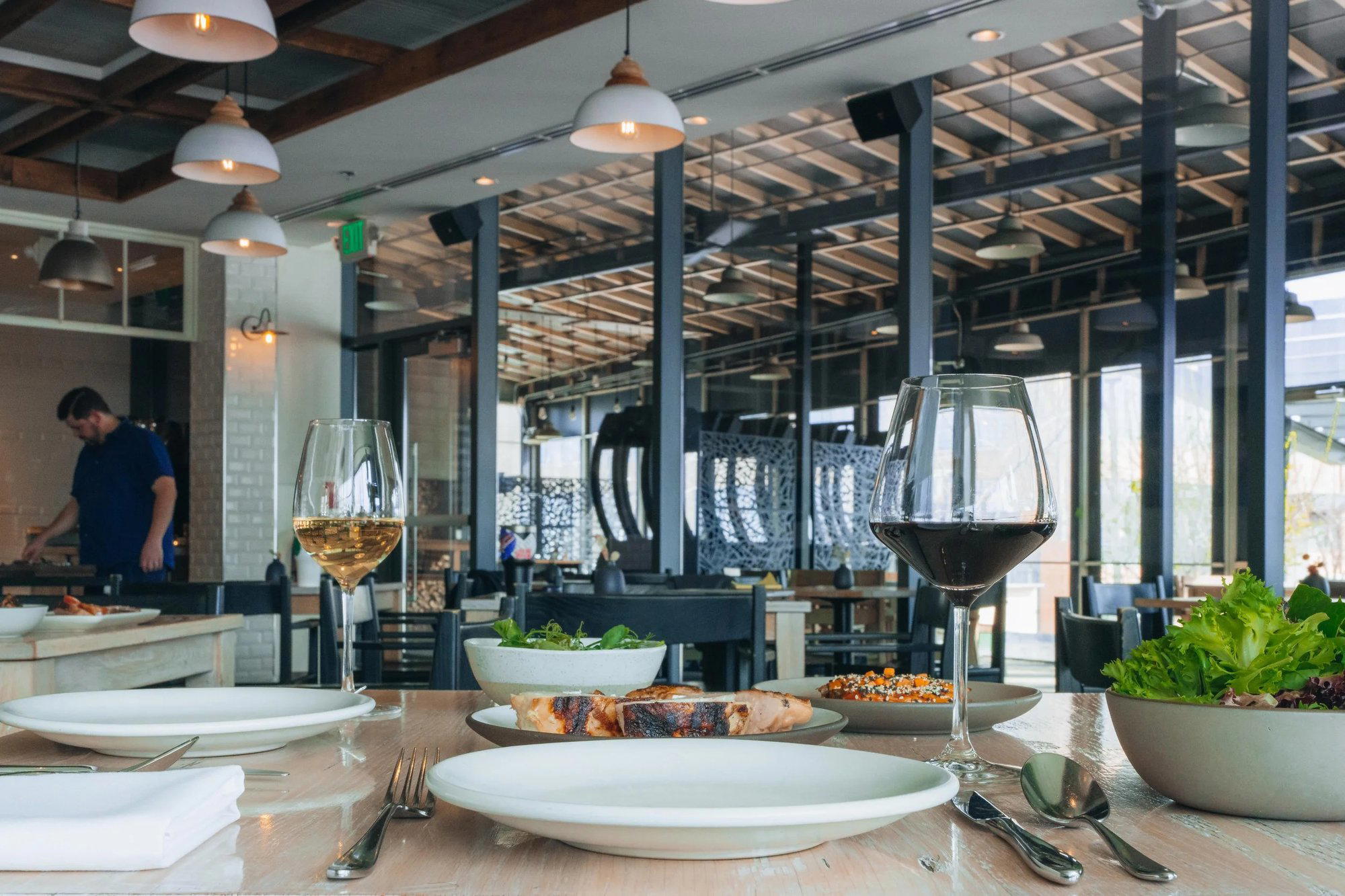
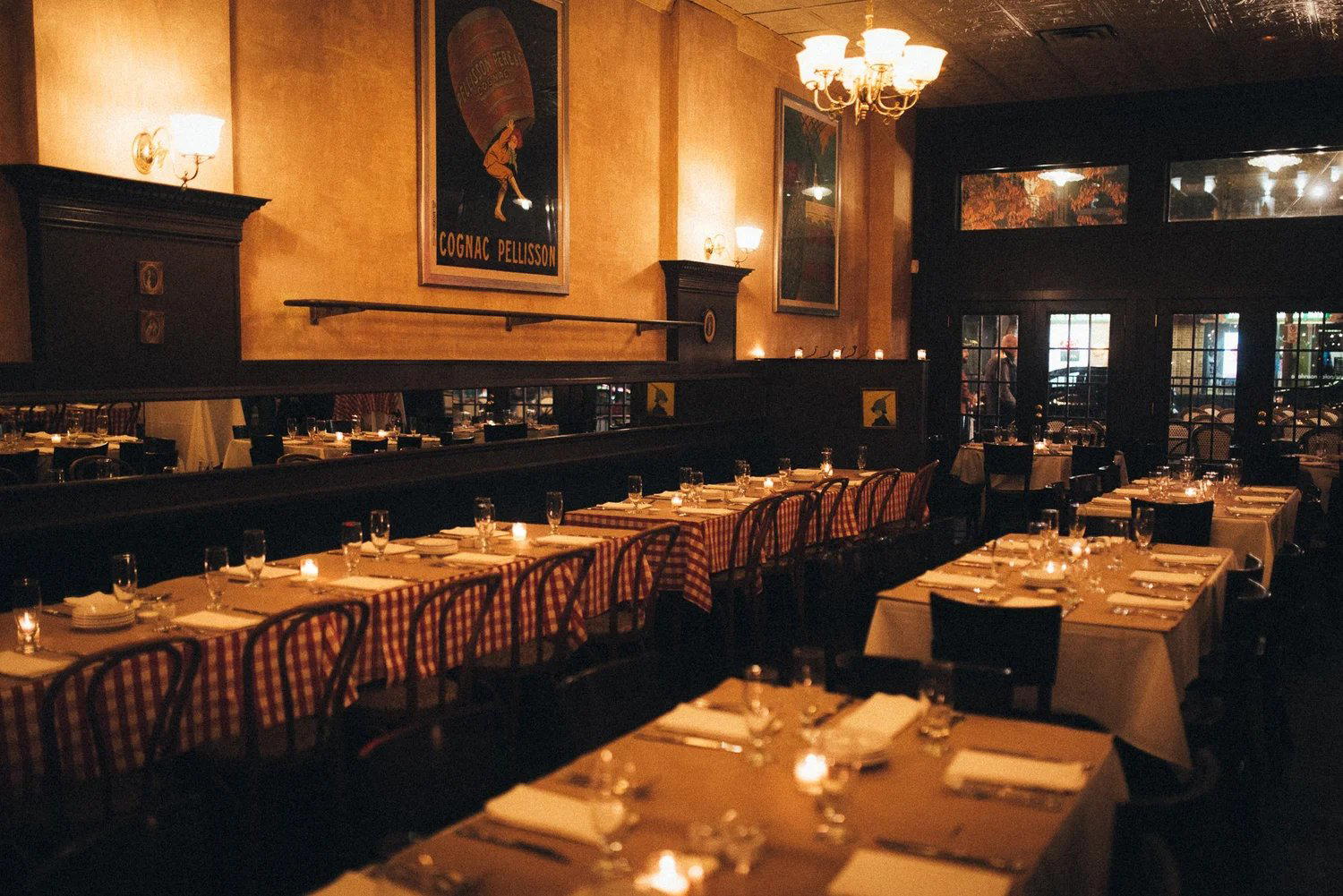
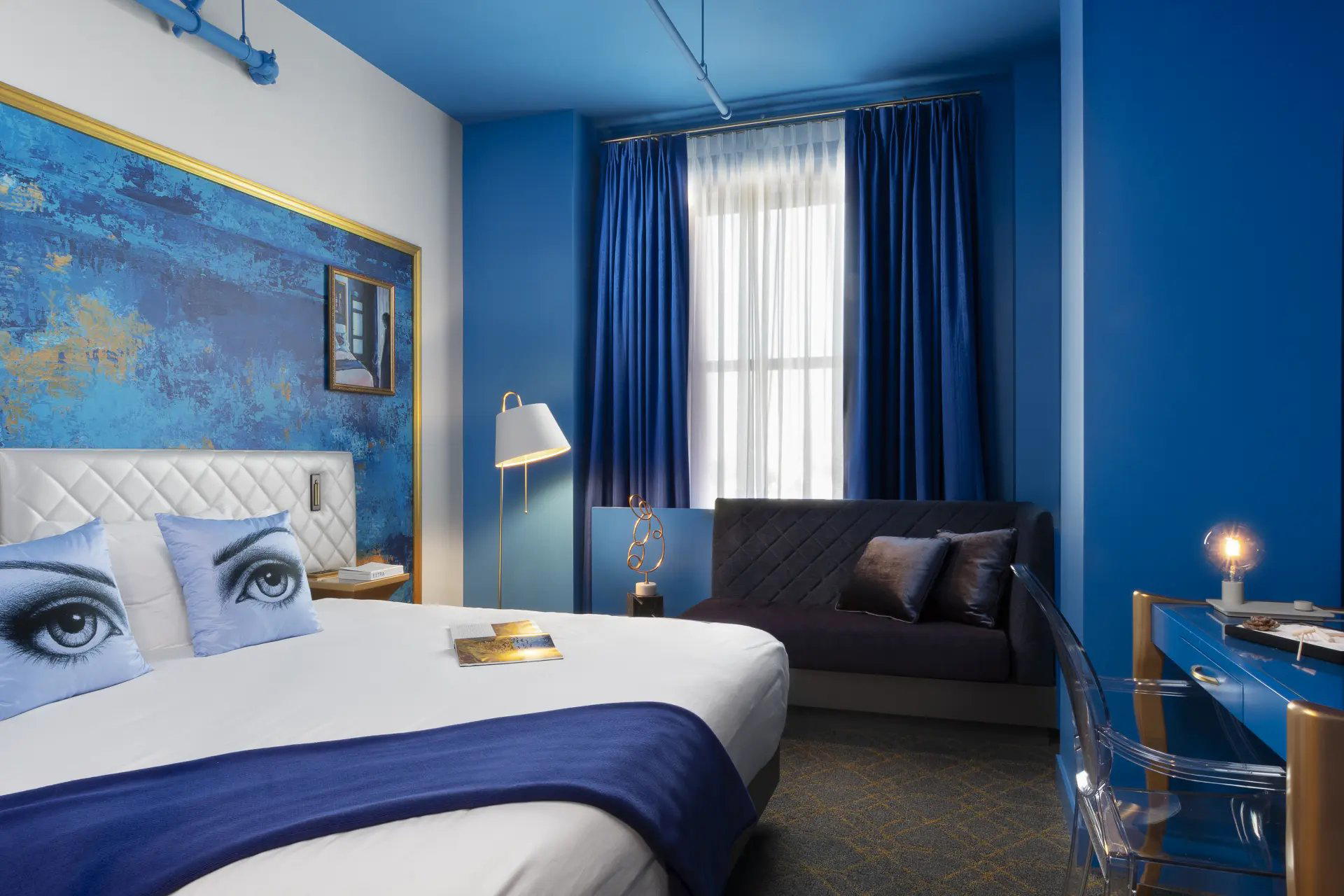
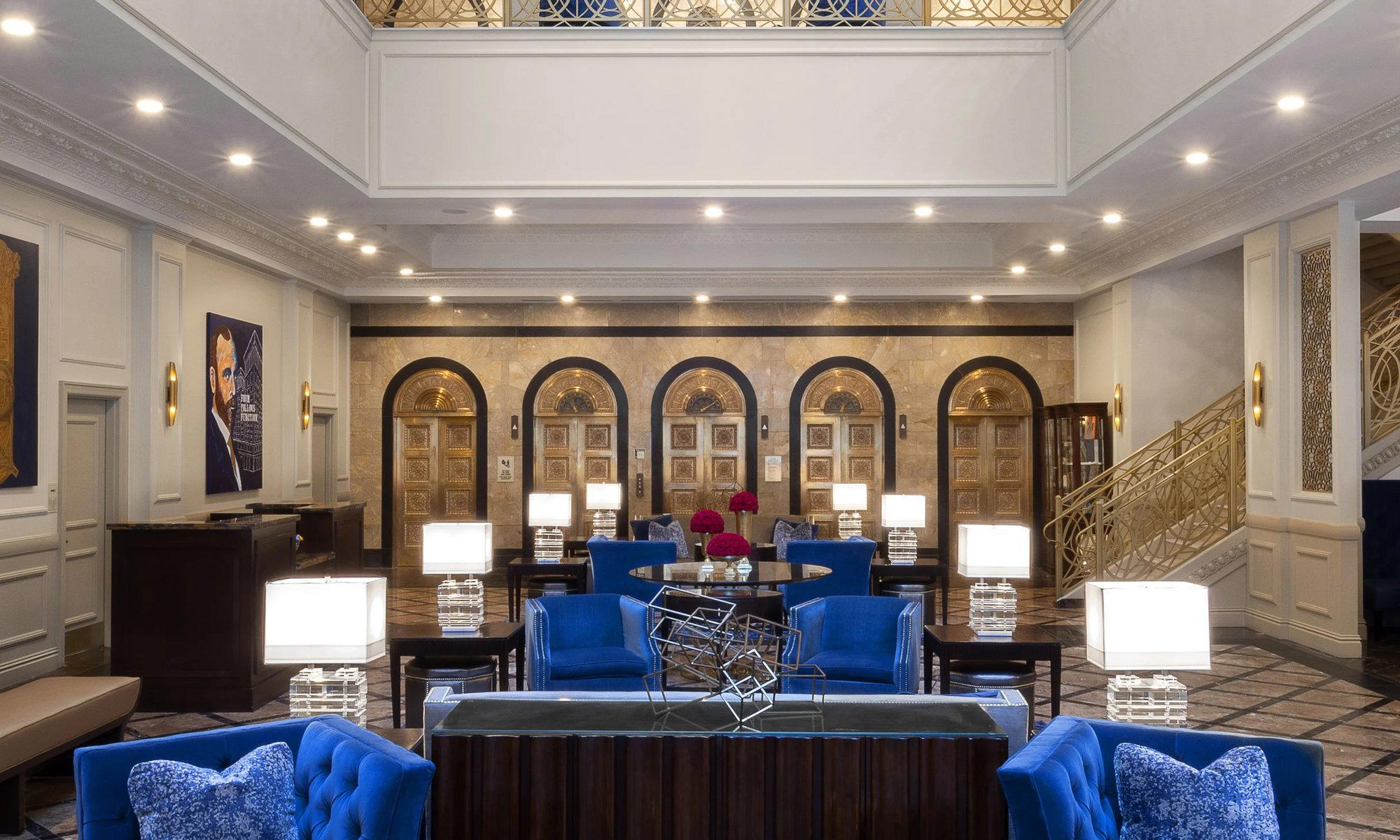
Cozy expansive dining room with rich jewel tones and a lush secluded patio glowing like a secret garden.