Polite Society
Our verdict
On Park Avenue in St. Louis's Lafayette Square, Polite Society occupies a distinct tier among the city's more considered dining rooms. The address puts it in a neighbourhood with genuine architectural character, and the kitchen works at the intersection where imported technique meets Missouri's seasonal larder — a pairing that places it alongside a small cohort of American restaurants taking local sourcing seriously without treating it as a marketing exercise.

Pearl is the En Primeur Club membership app — saves, bookings, and concierge access live there. Same editors, same standards.
- Address
- 1923 Park Ave, St. Louis, MO 63104
- Phone
- (314) 325-2553
- Hours
- Mon–Fri 5–9 PMSat 10 AM–2 PM, 5–9 PMSun 9 AM–2 PM, 5–9 PM
- Website
- politesocietystl.com
- Directions
- Get directions
The menu
What to order
- Pork osso buco
- Shrimp and grits
- Confit chicken wings
Lafayette Square and the Case for Neighbourhood Dining Rooms
Park Avenue in Lafayette Square is not where you go looking for the obvious St. Louis dining landmarks. Crown Candy Kitchen draws its crowds to Old North; Pappy's Smokehouse and Bogart's Smokehouse anchor the barbecue circuit further north and south respectively. Lafayette Square operates at a different register: Victorian row houses, a central park that actually gets used, and a cluster of independent businesses that serve the neighbourhood before they serve the tourist. Polite Society at 1923 Park Ave sits inside that logic. It is a room that reads as local first, and that specificity is precisely what gives it editorial weight.
The broader pattern here matters. American cities of St. Louis's size have, over the past decade, developed a secondary tier of dining rooms that sit between white-tablecloth formality and the casual gastropub. These mid-tier establishments carry serious culinary ambition without the staging or price architecture of destination restaurants. They draw on the same sourcing networks and technique vocabulary as the top tier, but they deploy both in service of a neighbourhood conversation rather than a national profile. Polite Society belongs to that cohort, and understanding it through that lens is more useful than treating it as an outlier.
Where Missouri Product Meets Imported Method
The editorial angle that makes Polite Society worth attention in the context of American regional dining is the intersection it occupies: local agricultural product meeting technique acquired elsewhere. This is not a new idea. It drives some of the most discussed kitchens in the country. Blue Hill at Stone Barns in Tarrytown has made the farm-to-table argument at a different scale and budget. Single Thread Farm in Healdsburg integrates Japanese kaiseki structure with Northern California product. The French Laundry in Napa applies classical French discipline to what grows around it. In each case, the tension between imported method and indigenous product is what generates the menu's character.
St. Louis sits inside a genuinely productive agricultural zone. The Missouri River corridor, the farms of Southern Illinois across the river, and the broader Midwest supply chain give kitchens here access to product that coastal cities have to work harder to source. A kitchen in Lafayette Square that takes that geography seriously is working with real material, not performing a concept. The question for any such kitchen is always the same: does the technique illuminate the product, or does it obscure it?
Restaurants that get this balance right tend to appear in the same conversations as places like Lazy Bear in San Francisco, which built its reputation on American product handled with a technically rigorous but unfussy hand, or Providence in Los Angeles, where classical French and Japanese methods work in service of California seafood. The comparison set for a kitchen like Polite Society's is not the steakhouse or the barbecue joint. It is the wider American movement of chefs who trained in formal or internationally-inflected kitchens and chose to apply that training to what grows, farms, or runs nearby.
The St. Louis Dining Scene in 2025
St. Louis is not a city that gets frequent national dining coverage relative to its restaurant density. That gap between quality and profile is partly a function of geography and partly a function of how food media allocates attention. The cities that dominate the conversation — New York with rooms like Atomix and Le Bernardin, Chicago with Alinea, San Diego with Addison — tend to crowd out coverage of secondary markets that have developed serious kitchens without the institutional recognition infrastructure.
What St. Louis does have is a food culture with genuine depth in specific registers. Al's Restaurant represents the old-school steakhouse tradition that the city keeps alive without irony. Annie Gunn's has built a serious wine and produce-driven reputation in Chesterfield. Anthonino's Taverna anchors the Hill's Italian-American tradition. Mai Lee holds a sustained position as one of the better Vietnamese kitchens in the Midwest. Atomic Cowboy and BaiKu Sushi Lounge represent the city's more casual creative end. Polite Society sits in a different zone from all of these, the neighbourhood fine-casual tier that treats food seriously without requiring formal occasion. For a full orientation to where this fits, see our full St Louis restaurants guide.
The city's dining culture in 2025 has been shaped by the same forces affecting most American mid-size markets: a wave of chef-driven independent rooms opening in walkable neighbourhoods, a sourcing culture that has moved from aspiration to expectation, and a customer base that has absorbed enough dining literacy to reward kitchens that do something specific rather than something broad.
Approaching a Visit
Lafayette Square is accessible from downtown St. Louis, roughly a ten-minute drive south on I-44 or via surface streets through Soulard. The neighbourhood is walkable once you are in it, and parking along Park Avenue is generally available in the evenings. For visitors comparing it to destination-tier American restaurants, the Inn at Little Washington model, or the 8½ Otto e Mezzo Bombana experience at the international end, the calculus here is different. Polite Society is a neighbourhood room with serious culinary intent, not a pilgrimage destination with a three-month waitlist. New Orleans offers an instructive parallel: Emeril's in New Orleans built a regional identity by taking local product to a national standard. The ambition at a room like Polite Society is closer in spirit to that model than to the rarefied tasting-menu format.
Given the sparse booking data available, verifying current hours and reservation availability directly with the venue before planning a visit is advisable. Lafayette Square's dining rooms vary in their walk-in tolerance by night of week, and weekend evenings at neighbourhood-favourite restaurants in the city tend to fill earlier than their lower profile might suggest.
Frequently asked questions
What part of town is Polite Society in?
Polite Society is located at 1923 Park Ave, St. Louis, MO 63104, St Louis.
How does Polite Society fit into the broader St. Louis restaurant scene compared to more established dining destinations?
St. Louis has a recognised dining corridor anchored by venues like Crown Candy Kitchen in Old North and the Soulard market district, but Lafayette Square — where Polite Society operates at 1923 Park Ave — sits slightly apart from those established circuits. That separation is partly what gives the restaurant its identity: it operates as a neighbourhood dining room rather than a destination address, which shapes both its pacing and its relationship to the city's dining conversation. In a St. Louis scene that national coverage consistently underrates relative to its actual restaurant density, Polite Society represents the case for looking beyond the familiar landmarks.
What should I order at Polite Society?
The kitchen at Polite Society on Park Avenue in Lafayette Square is oriented around Missouri agricultural product, so the strongest choices tend to be dishes that foreground local sourcing rather than imported showmanship. Ask your server what is driving the menu that week — the approach lends itself to rotation based on what is available regionally. Arriving with flexibility rather than a fixed shortlist will serve you better here.
Can I walk in to Polite Society?
Lafayette Square is a residential neighbourhood rather than a high-traffic dining corridor, which means walk-in availability at Polite Society can vary considerably by day and season. Weeknight visits are generally more accommodating than weekend service. Contacting the venue directly at 1923 Park Ave before arriving is the practical move if you are coming from outside the neighbourhood.
What's the defining dish or idea at Polite Society?
The organising idea at Polite Society is the intersection between Missouri's agricultural supply and techniques that draw from outside the region — a tension that shapes both what ends up on the plate and how it is framed to guests. This positions the restaurant within a strand of American regional dining that takes local provenance seriously without retreating into a purely nostalgic or rustic register. It is less about a single signature dish than a consistent editorial point of view applied across the menu.
Is Polite Society good for vegetarians?
A kitchen that foregrounds regional agricultural product — as Polite Society does in its Lafayette Square setting — typically builds vegetable-forward dishes from the same sourcing logic as its protein-led plates. Without a current published menu on record, the reliable approach is to call ahead and ask about the current vegetable-led options, which in Missouri's growing seasons can be substantial. Do not assume the vegetarian offering is an afterthought; it rarely is in restaurants built around farm relationships.
Is Polite Society worth the price?
St. Louis dining, including the Lafayette Square neighbourhood where Polite Society sits at 1923 Park Ave, runs at a lower price-to-quality ratio than coastal markets — a structural advantage that makes mid-range spend go noticeably further. Whether the bill feels proportionate will depend on what the kitchen is running that evening, but the editorial case for this restaurant rests on a specificity of approach rather than spectacle, which tends to hold its value across price points. For the St. Louis dining scene in 2025, that kind of focused positioning is not common.
Same-City Peers
Comparable venues nearby, for context on price, style, and recognition.
| Venue | Cuisine | Price | Awards | Notes |
|---|---|---|---|---|
| Polite SocietyThis venue — the venue you are viewing | Modern American Gastropub | $50–100 | Not listed | Not listed |
| Truflles | Modern American Steakhouse | $50–100 | Star Wine List · Wine Spectator Best of Award of Excellence | Acme Heights |
| Kingside Diner | Modern American Diner | $10–20 | Not listed | Central West End |
| Union 30 | Modern American Comfort Food | $30–50 | Not listed | Downtown |
| Cardinals Nation | American Sports Bar & Grill | $20–30 | Not listed | Downtown |
| Puttshack - St. Louis | American Comfort Food with Global Influences | $30–50 | Not listed | Midtown |
Details
- Elegant
- Cozy
- Sophisticated
- Historic
- Date Night
- Brunch
- Special Occasion
- Historic Building
- Craft Cocktails
- A La Carte
- Small Plates
- Vegetarian Friendly
- Vegan Options
- Gluten Free Options
Current opening hours
- Monday
- 5–9 PM
- Tuesday
- 5–9 PM
- Wednesday
- 5–9 PM
- Thursday
- 5–9 PM
- Friday
- 5–9 PM
- Saturday
- 10 AM–2 PM, 5–9 PM
- Sunday
- 9 AM–2 PM, 5–9 PM
Hours can change for holidays and private events. Last verified .
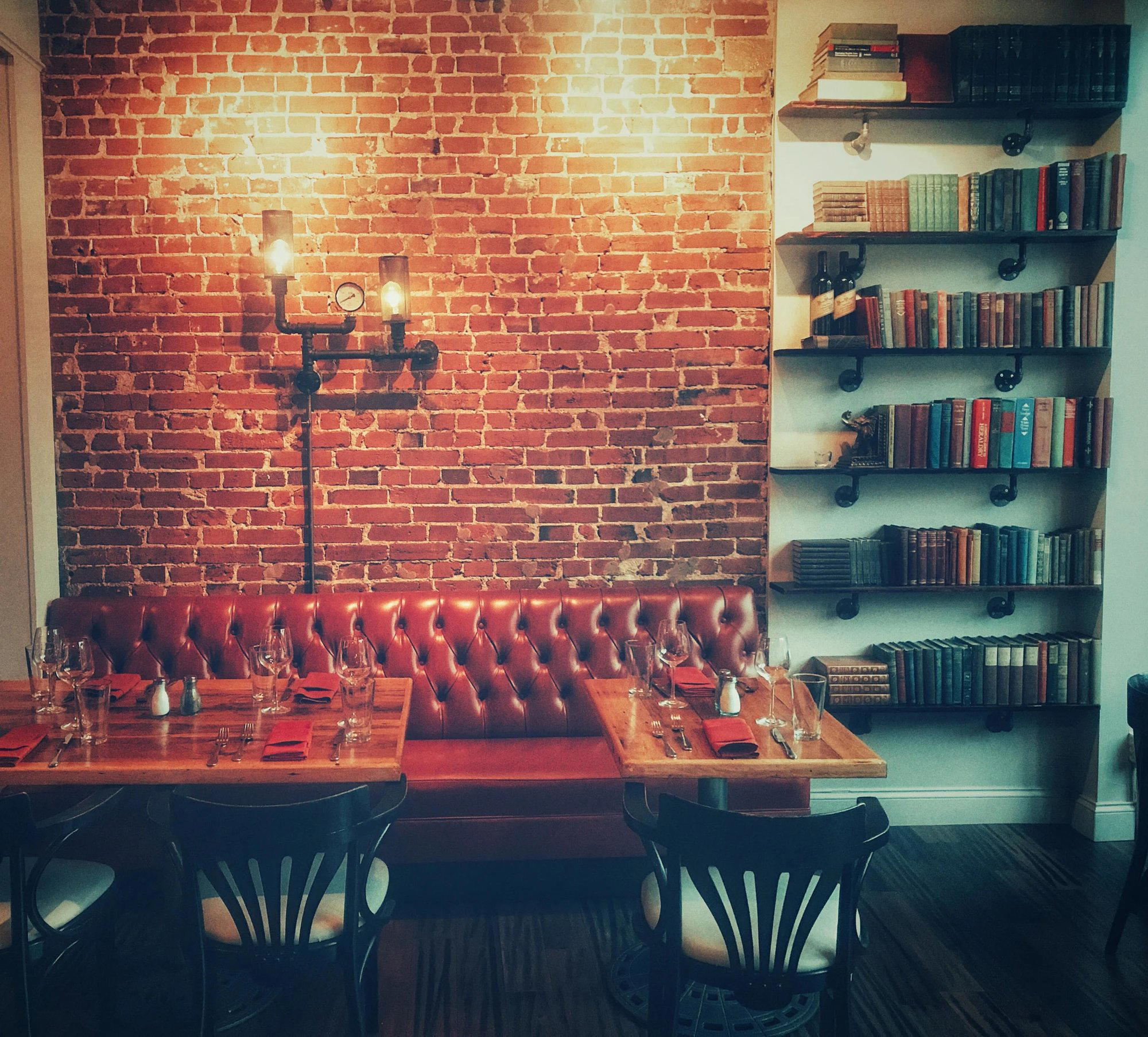
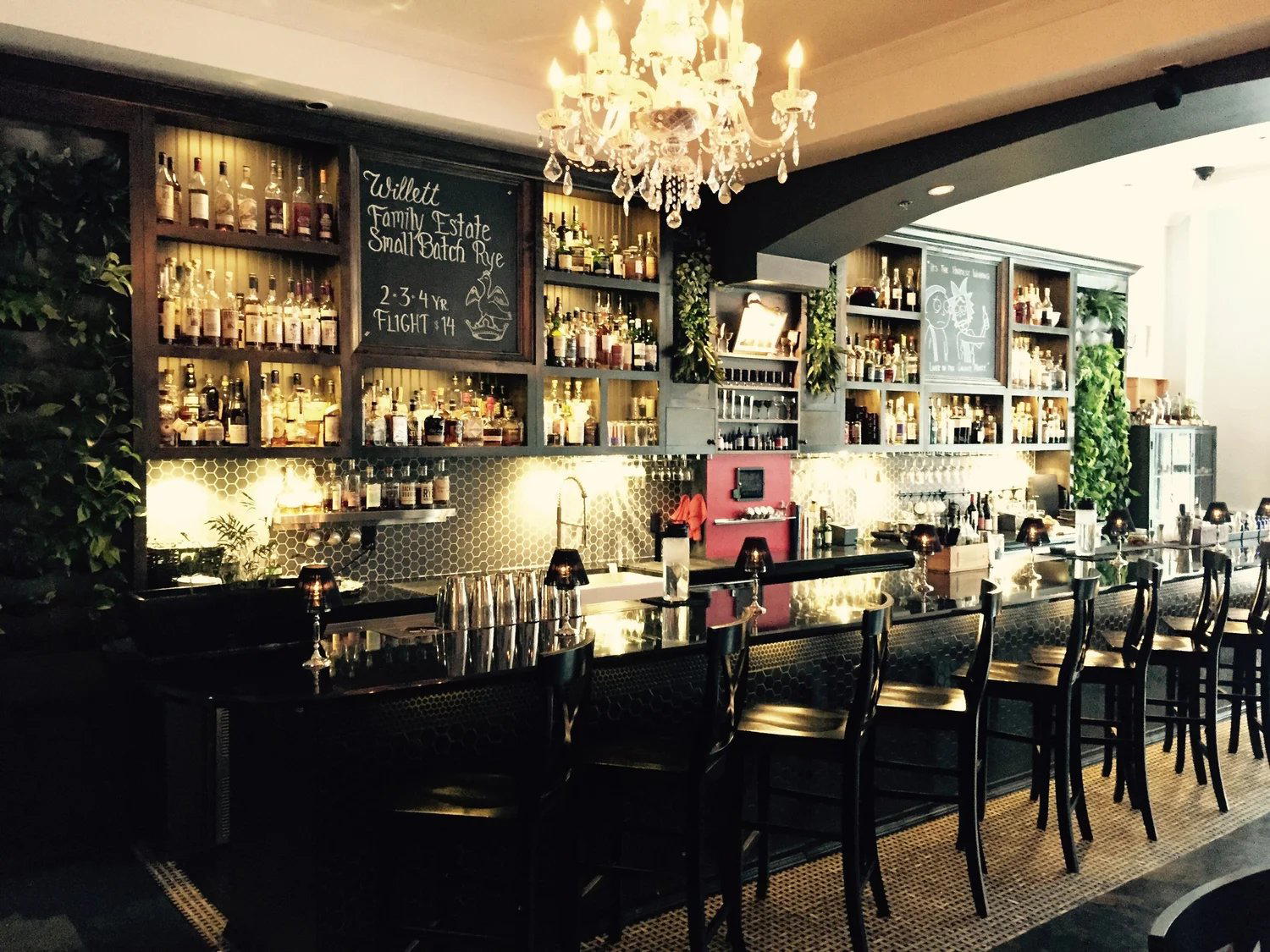
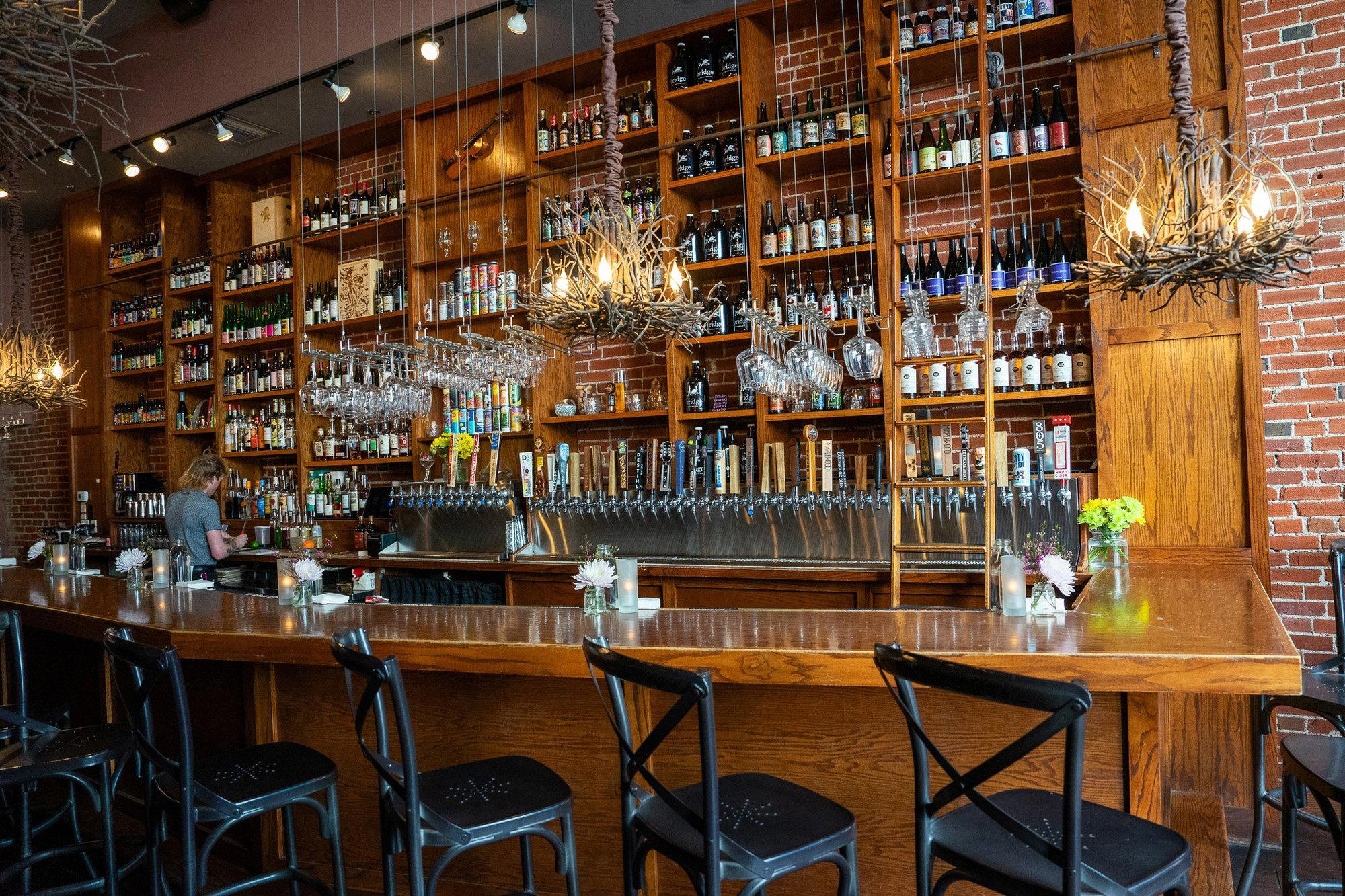
Charming revived warehouse with romantic, subdued Victorian reading room feel featuring recessed bookshelves and eclectic furnishings.