El Rincón de Moraga

Michelin Plate
Our verdict
A Michelin Plate recipient in both 2024 and 2025, El Rincón de Moraga occupies a quiet corner of Argual on the western flank of La Palma, where traditional Canarian cooking holds its ground against the island's growing reputation for volcanic-terrain produce.
- Address
- El Llano de Argual, C. San Antonio, 4, 38768 Argual, Santa Cruz de Tenerife, Spain
- Phone
- +34 683 16 71 33
- Directions
- Get directions
The menu
What to order
- Carpaccio_de_pulpo
- Torrija_brioche
- Crema_de_millo
Where La Palma's Agricultural Interior Meets the Plate
The western municipalities of La Palma — the island Canarians still call La Isla Bonita before that name was borrowed for a pop song — have never quite broken through to the international food conversation the way Tenerife's volcanic-terrace viticulture has. Yet the banana plantations, avocado groves, and deep-soil market gardens that run down from the Caldera de Taburiente toward the coast around Los Llanos de Aridane produce ingredients that serious cooks on the Spanish mainland would work hard to source. The neighbourhood of Argual, tucked just above the town proper, sits inside that agricultural belt, and it is here that El Rincón de Moraga has built a quiet but consistent case for traditional Canarian cooking grounded in what grows nearby.
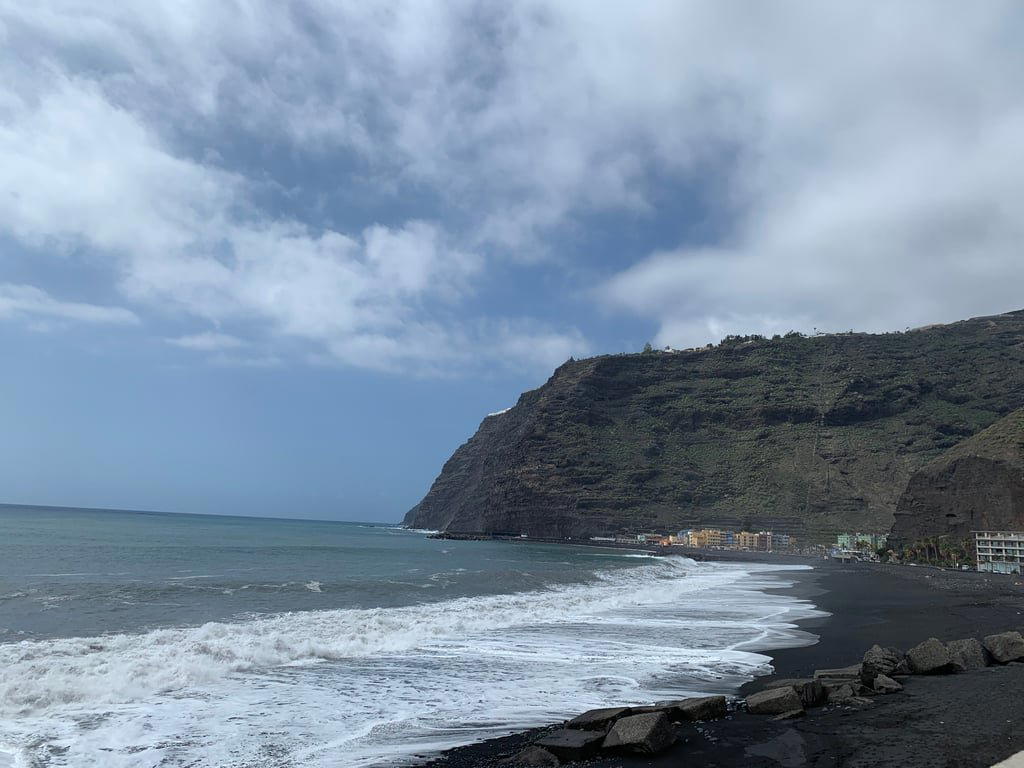
Approaching the address on Calle San Antonio in El Llano de Argual, the shift from the busier commercial strips of Los Llanos is immediate. The pace drops, the scale of buildings contracts, and the surrounding landscape reasserts itself. This is the kind of physical setting in which traditional cooking makes most sense: not as nostalgia performance but as a logical response to what is available, affordable, and culturally legible to the people eating it.
The Ingredient Logic Behind Traditional Canarian Cooking
Spain's Michelin Plate designation, awarded to El Rincón de Moraga in both 2024 and 2025, does not signal creative ambition in the mode of, say, DiverXO in Madrid or Aponiente in El Puerto de Santa María. What it signals, in the context of a modest neighbourhood restaurant at the €€ price point, is consistent, honest cooking executed with enough care to register with the guide's assessors. That is a different kind of achievement, and arguably a more replicable one for visitors who want to understand a place through its food rather than through a chef's personal interpretation of it.
Traditional Canarian cuisine is built on a short, highly specific ingredient list: the waxy papas arrugadas cooked in heavily salted water, the layered heat of mojo rojo and the herbal brightness of mojo verde, dried and fresh fish from the Atlantic, pork prepared in forms that reflect centuries of subsistence practice, and legumes that absorb the volcanic mineral character of La Palma's soils in ways that are genuinely distinct from mainland varieties. The Aridane Valley, the agricultural plain that Los Llanos sits within, has some of the most fertile land on the island, fed by water channels descending from the caldera. Produce sourced from within that valley carries a terroir argument as credible as any wine region's, even if no one has thought to market it that way yet.
In this context, a restaurant that holds to traditional preparations rather than reinterpreting them for a cosmopolitan audience is making an implicit sourcing argument: the ingredients are good enough not to require transformation. That positioning puts El Rincón de Moraga in a different competitive tier from the progressive Spanish kitchens that dominate international coverage, restaurants like Azurmendi in Larrabetzu, El Celler de Can Roca in Girona, or Mugaritz in Errenteria, but also from the mid-market tourist-facing restaurants that account for the bulk of dining in any Canarian resort municipality. The more useful peer comparison is with the handful of Plate-level restaurants across Spain's smaller cities and rural towns that prioritise regional continuity: places like Auga in Gijón or Auberge Grand'Maison in Mûr-de-Bretagne, where the Michelin Plate functions as recognition for locality rather than ambition.
Reading the Price Point
The €€ designation is worth pausing on. On La Palma, an island with a smaller tourist economy than its larger Canarian neighbours and a local population whose dining habits remain relatively rooted, this price bracket covers a meaningful range of neighbourhood restaurants. El Rincón de Moraga's two consecutive Michelin Plate awards suggest it sits toward the more considered end of that range: not expensive by any relative measure, but not the cheapest option either. For visitors, it represents a practical opportunity to eat food that the Michelin Guide's Spain team considered worth flagging, at a price that does not require advance budgeting.
Planning a Visit
Los Llanos de Aridane is the largest municipality on La Palma's western coast and the commercial hub of the Aridane Valley. It is reachable by car from Santa Cruz de La Palma, the island capital, in under an hour along the LP-1, and from the island's main airport in roughly similar time depending on traffic through the tunnel. The Argual neighbourhood sits just above the town centre and is navigable by car without difficulty. Phone and website information is not currently listed in public directories, so confirming hours and availability before arrival is worth the effort, the most reliable route is typically to check directly at the address or through local accommodation recommendations. For a fuller picture of where El Rincón de Moraga sits within the town's dining options, see our full Los Llanos de Aridane restaurants guide. If you are extending your time in the area, our Los Llanos de Aridane hotels guide, bars guide, wineries guide, and experiences guide cover the wider valley in similar depth.
For those building a broader itinerary around Spain's serious regional kitchens, the contrast El Rincón de Moraga offers is instructive. The progression from a €€ Plate restaurant in a Canarian agricultural neighbourhood to the three-starred rooms of Arzak in San Sebastián, Martin Berasategui in Lasarte-Oria, Quique Dacosta in Dénia, Cocina Hermanos Torres in Barcelona, or Ricard Camarena in València is not simply one of price or ambition. It is a progression between different relationships with ingredient and place. El Rincón de Moraga's argument is the simpler one: that what grows in the Aridane Valley, cooked in the way local tradition has refined over generations, does not need further intervention. Two consecutive Michelin Plates suggest that argument is landing. And Atrio in Cáceres aside, there are very few Spanish restaurants at any price point that make a comparable case for their specific agricultural hinterland.
Frequently asked questions
Is El Rincón de Moraga okay with children?
The €€ price point and traditional Canarian cuisine format — familiar, ingredient-led cooking rather than elaborate tasting menus — makes El Rincón de Moraga a practical choice for families. Los Llanos de Aridane is a working municipal hub rather than a tourist-facing resort town, and the restaurant's two consecutive Michelin Plate recognitions reflect cooking quality rather than a formal fine-dining atmosphere that might be unsuitable for younger guests. For specific policies, check the venue's official channels via the address at C. San Antonio, 4, Argual.
Is El Rincón de Moraga better for a quiet night or a lively one?
El Rincón de Moraga sits in Argual, a residential quarter of Los Llanos de Aridane rather than a nightlife strip, which positions it firmly on the quieter end of the spectrum. The Michelin Plate recognition across 2024 and 2025 points to a kitchen focused on precision in traditional Canarian cooking, a format that tends to attract guests who come to eat rather than to be seen. Expect a local, neighbourhood register rather than a high-energy tourist crowd.
Does El Rincón de Moraga have a Michelin star or similar recognition?
El Rincón de Moraga has received recognition including: Michelin Plate (2025); Michelin Plate (2024).
What's the must-try dish at El Rincón de Moraga?
What the Michelin Plate designation for both 2024 and 2025 does confirm is that the kitchen's execution of traditional Canarian cuisine meets a consistent standard worth seeking out. La Palma's western Aridane Valley supplies ingredients that define the regional cooking — expect produce and proteins tied to the island's agricultural interior rather than imported fine-dining staples.
Comparison Snapshot
| Venue | Cuisine | Awards |
|---|---|---|
| El Rincón de MoragaThis venue — the venue you are viewing | Creative Spanish with Oriental Touches | Michelin Plate |
| Aponiente | Progressive - Seafood, Creative | Michelin 3 Star |
| Arzak | Modern Basque, Creative | Michelin 3 Star |
| DiverXO | Progressive - Asian, Creative | Michelin 3 Star |
| El Celler de Can Roca | Progressive Spanish, Creative | Michelin 3 Star |
| Quique Dacosta | Creative | Michelin 3 Star |
Recognition history
Dated appearances from independent guides and award organizations, with the underlying list record or original source where available.
Michelin Plate
Michelin
Full recognition history (2 entries)
Michelin Plate
Michelin
Continue exploring
More in Los Llanos de Aridane
Restaurants in Los Llanos de Aridane
Browse all →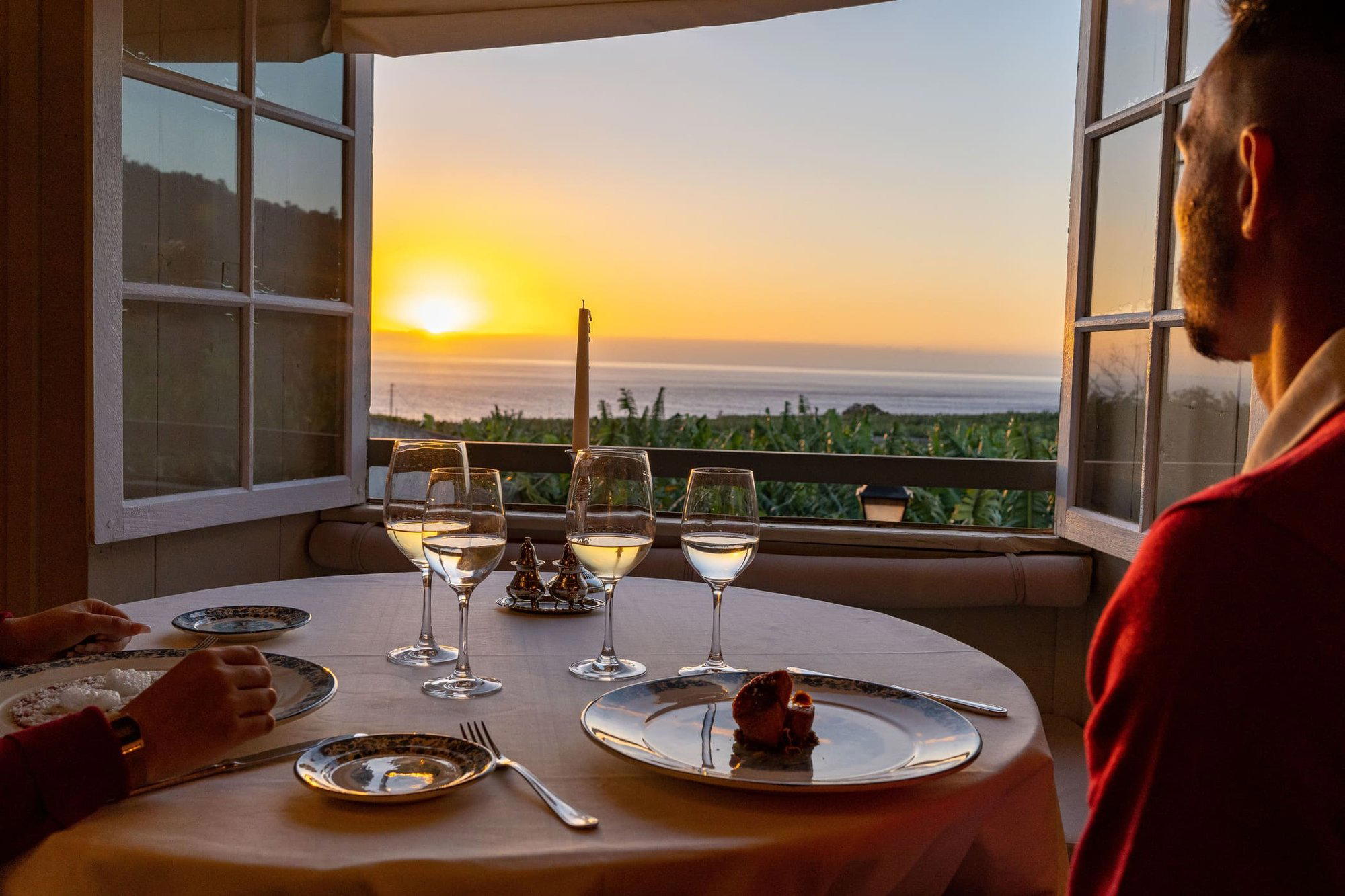
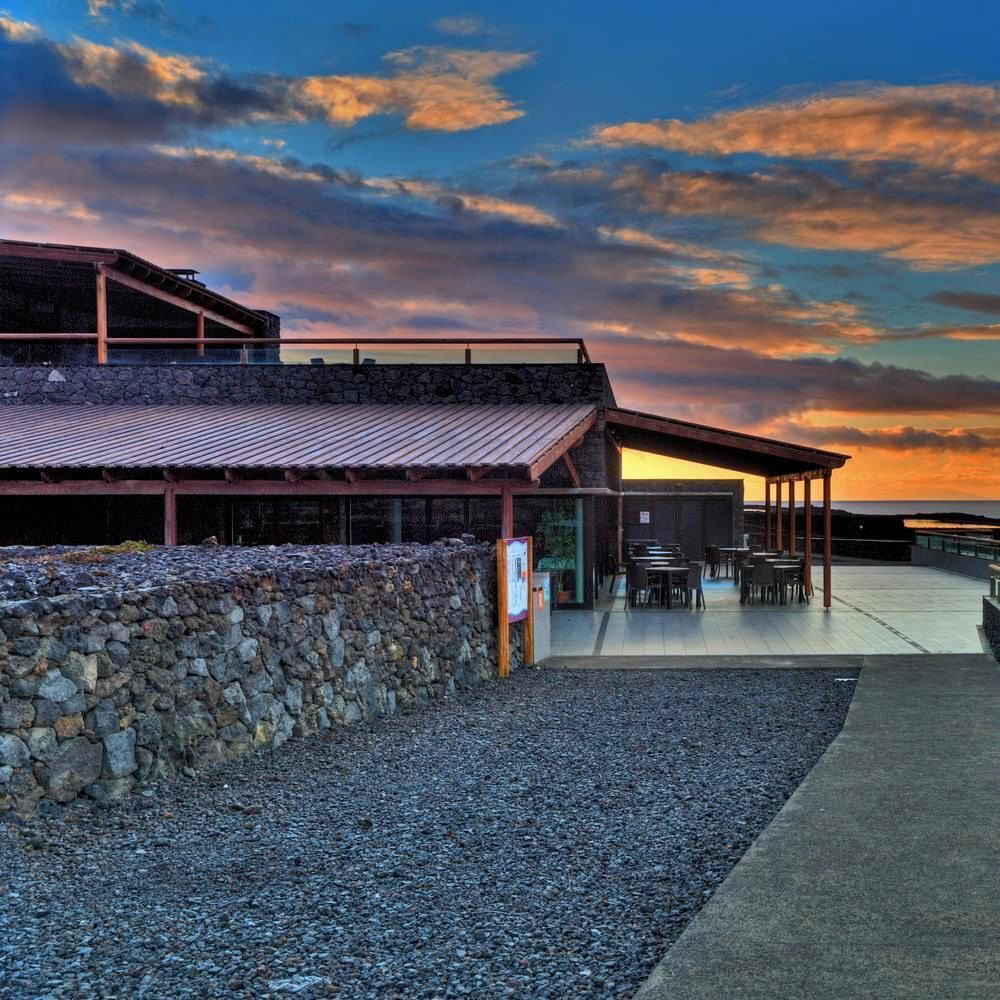
Bars in Los Llanos de Aridane
Browse all →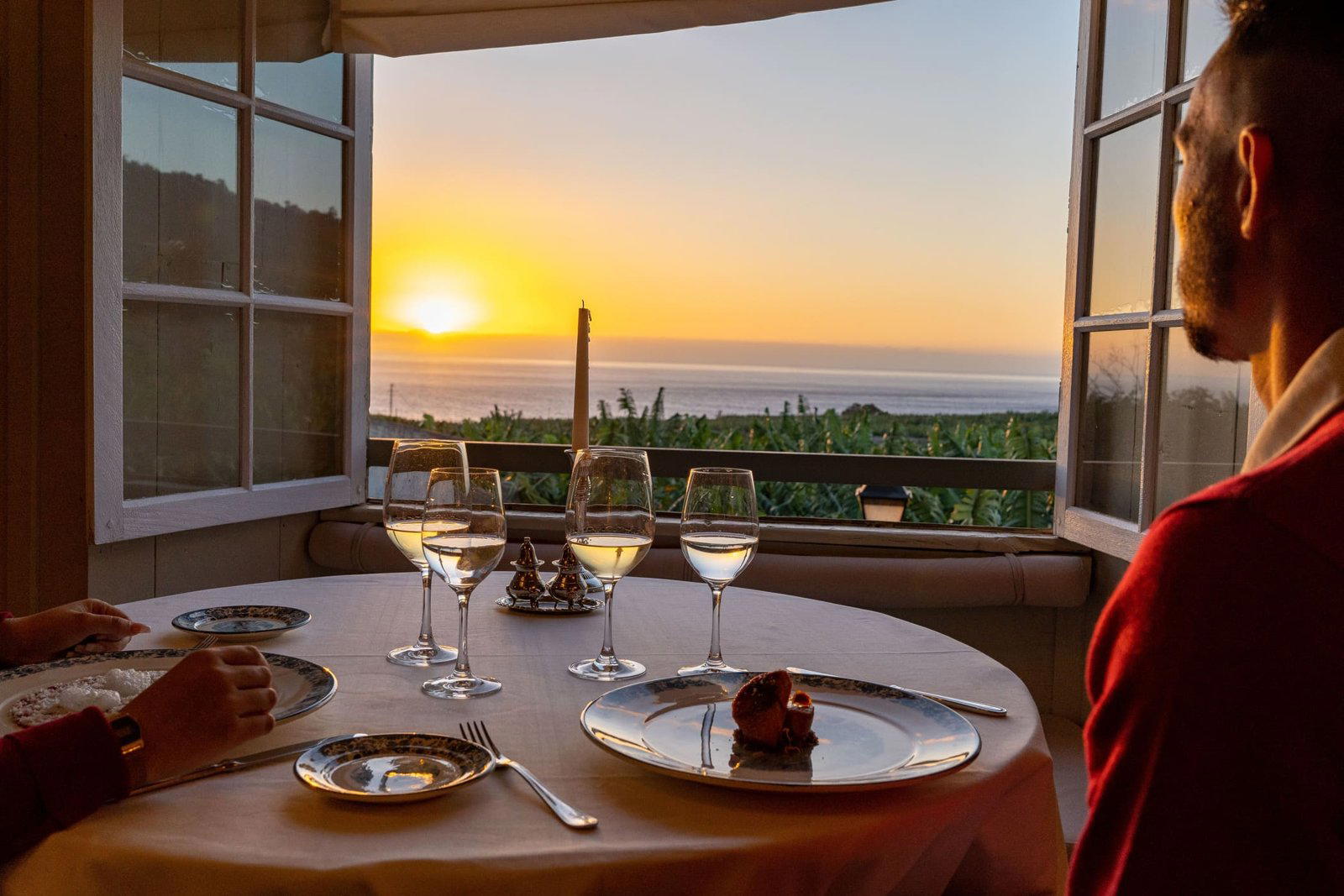
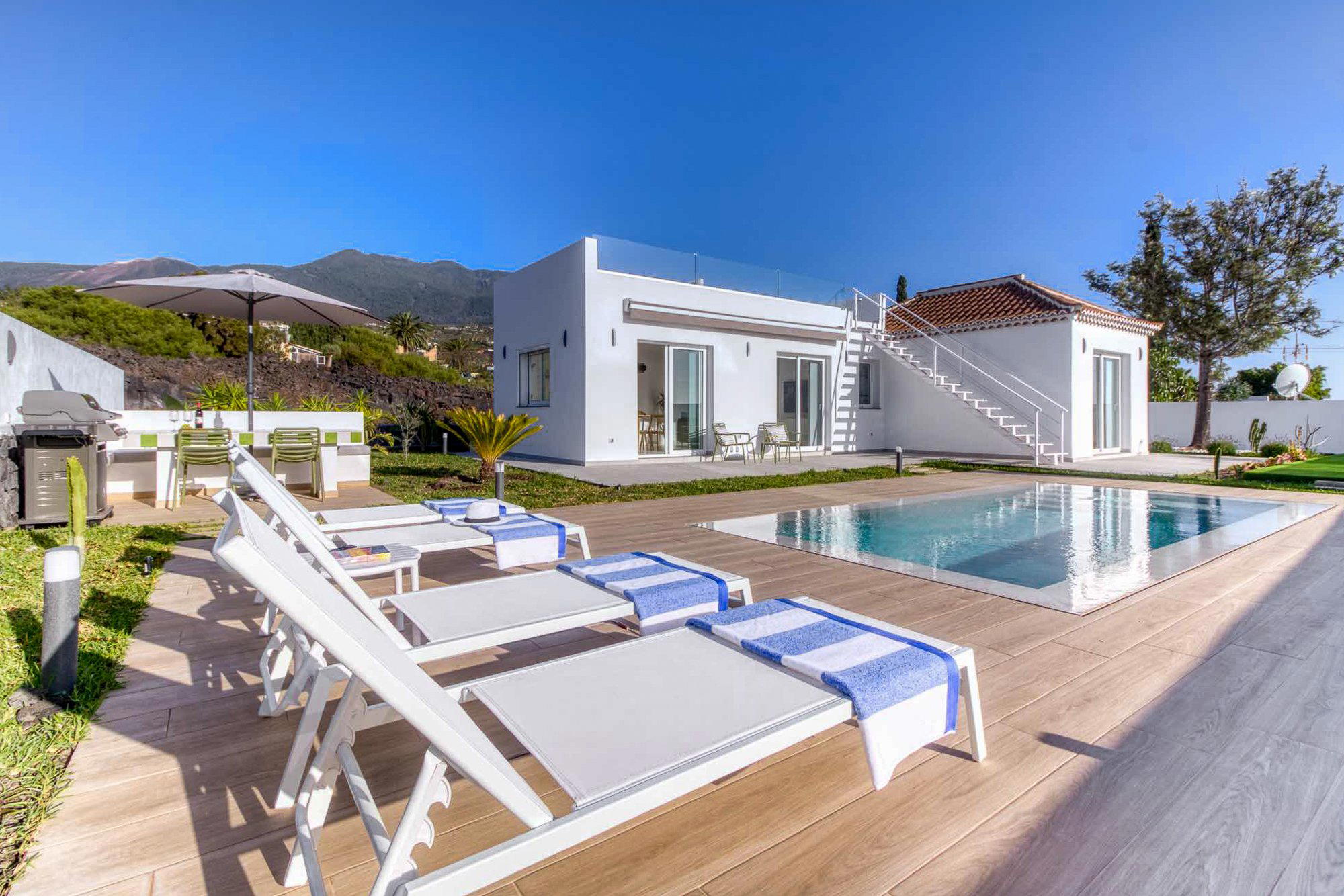
Hotels in Los Llanos de Aridane
Browse all →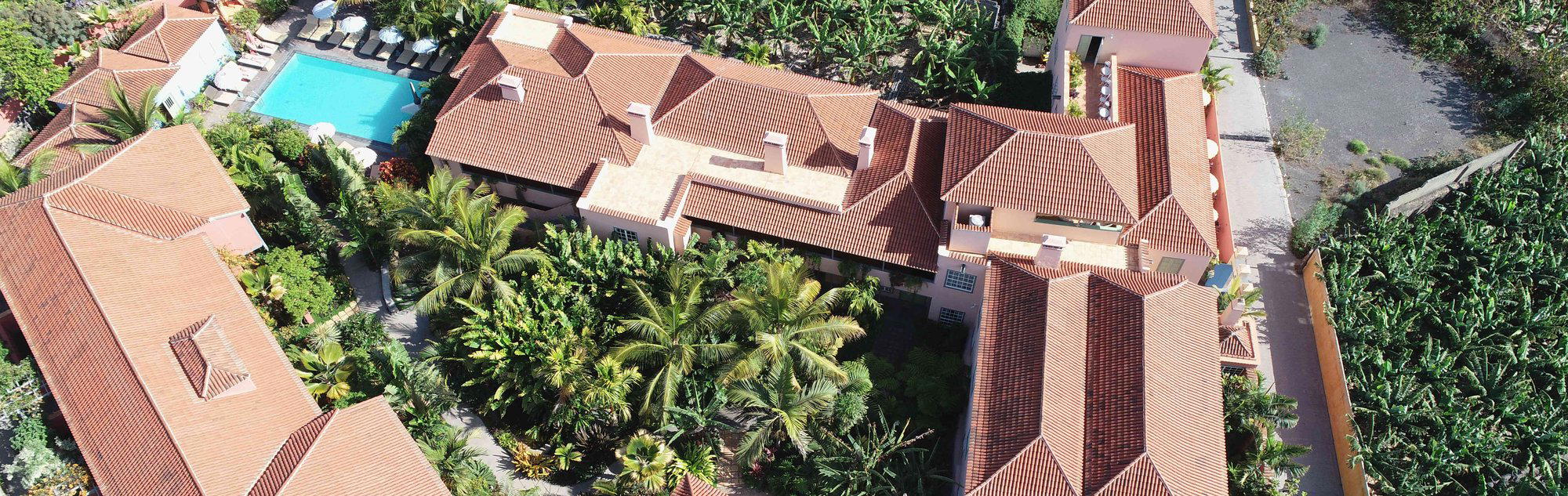
Details
- Elegant
- Rustic
- Cozy
- Intimate
- Date Night
- Special Occasion
- Historic Building
- Terrace
- Open Kitchen
- Extensive Wine List
- Local Sourcing
- Tasting Menu
- A La Carte
- Small Plates
- Vegetarian Friendly
- Allergy Accommodating
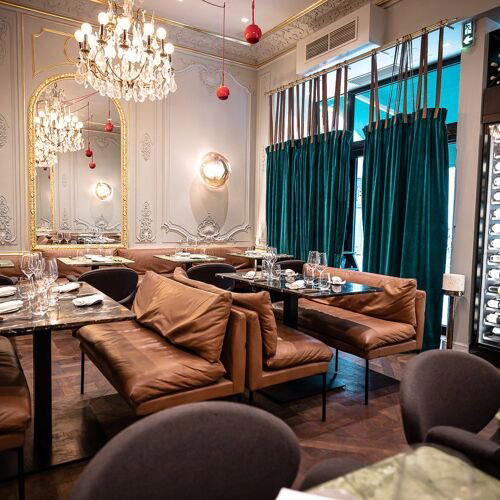
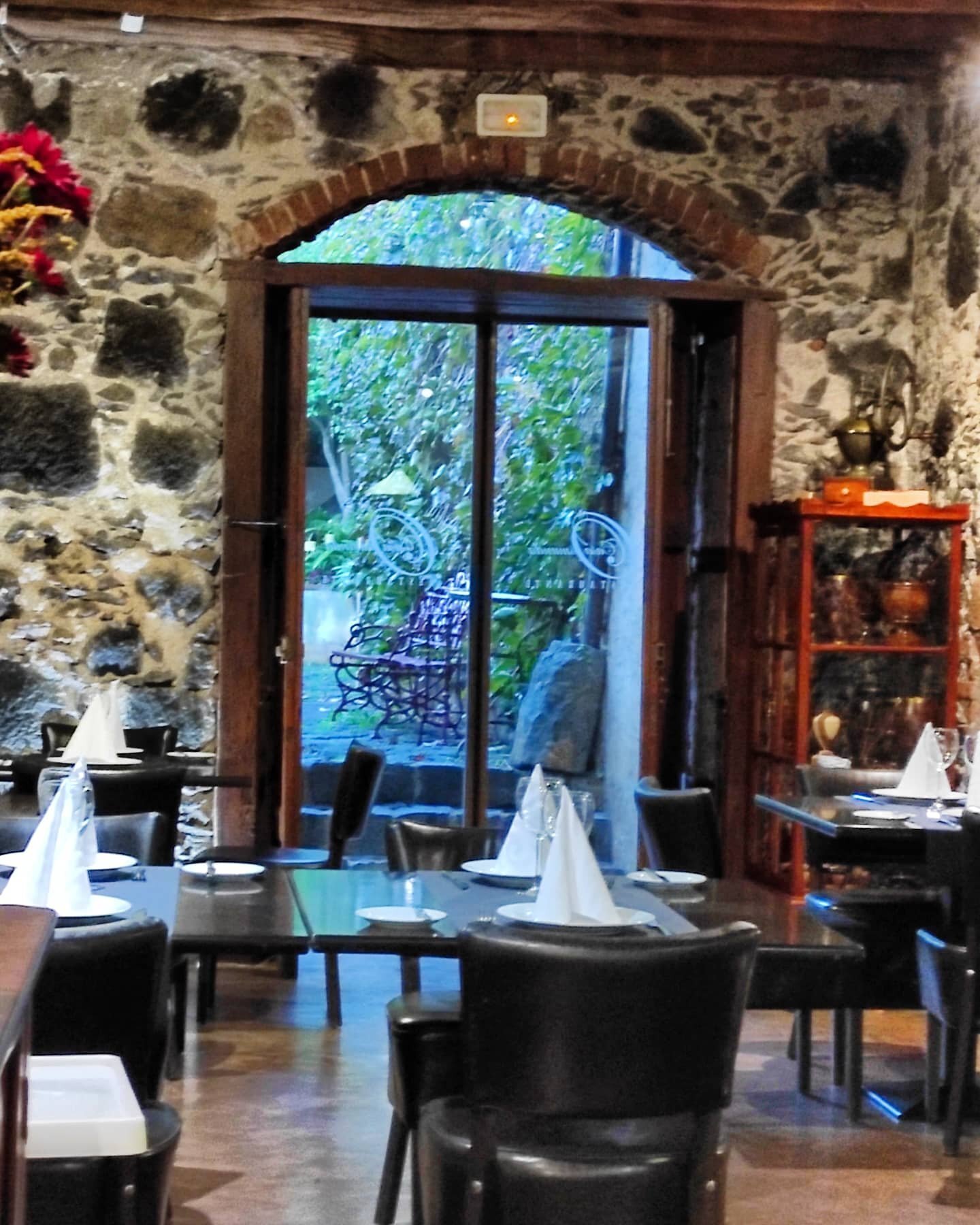
Elegant and cozy historic interiors with modern touches, complemented by a comfortable patio-terrace ideal for summer evenings.