El Raconet Ibèric d'Esparreguera
In the Anoia comarca town of Esparreguera, El Raconet Ibèric d'Esparreguera addresses a specific appetite: the kind of Iberian product-led eating that treats cured meat and its sourcing as the entire point of the meal. The address on Carrer Emili Pascual places it within a small-town dining culture that rewards those willing to step off the Barcelona-to-Lleida axis for serious ingredient work.
Pearl is the En Primeur Club membership app — saves, bookings, and concierge access live there. Same editors, same standards.
- Address
- Carrer Emili Pascual, 2, 08292 Esparreguera, Barcelona, Spain
- Phone
- +34937775327
- Website
- elraconetiberic.com
- Directions
- Get directions
 Saves & bookings on Pearl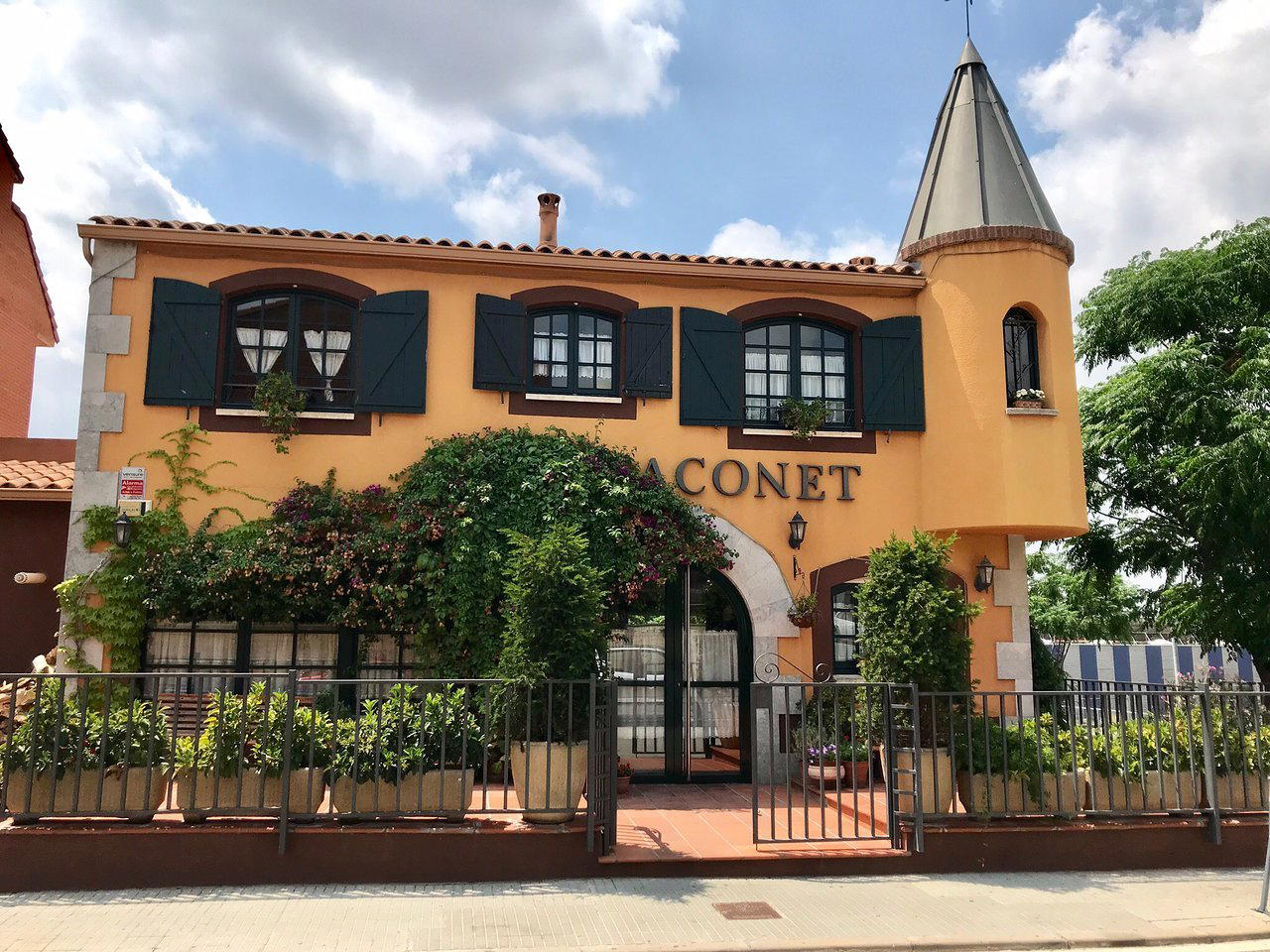
Where Iberian Product Does the Talking
Towns along the Llobregat corridor rarely feature in conversations about Spanish dining, yet the comarca of Anoia has long produced the kind of quiet, product-obsessed restaurants that larger cities tend to overcomplicate. El Raconet Ibèric d'Esparreguera sits on Carrer Emili Pascual in the centre of Esparreguera, a town roughly 40 kilometres northwest of Barcelona. The physical approach is modest by design: a neighbourhood address without the visual signalling of a destination restaurant. That modesty is, in Catalonia's smaller towns, often a reliable indicator that the kitchen is investing in what arrives rather than how the room looks.
The name signals the premise before you sit down. Ibèric here is not a loose descriptor applied to any Spanish-style spread. It is a category commitment, the kind that anchors a menu to a specific geography of production, to dehesa-raised pigs, to curing houses in Extremadura, Huelva, and Salamanca, and to the acorn-finishing cycles that determine flavour months before a plate is assembled. In the broader Spanish dining scene, that commitment places El Raconet in a category distinct from the modernist tasting-menu circuit occupied by venues like Quique Dacosta in Dénia, Arzak in San Sebastián, or Azurmendi in Larrabetzu. Those kitchens transform ingredient into concept. A restaurant operating in the Iberian product tradition asks the ingredient to speak for itself.
The Iberian Sourcing Tradition and Why Esparreguera Has It
Catalonia's relationship with Iberian charcuterie is older than its current reputation for avant-garde cooking. Long before El Celler de Can Roca in Girona or Cocina Hermanos Torres in Barcelona set the reference points for Catalan fine dining, the region ran on cured pork, on artisan producers, and on the kind of counter culture where the quality of the raw product was the cook's primary credential. Small towns away from the coast preserved that tradition partly because they had no incentive to abandon it for tourist-facing menus.
The Iberian pig classification system is worth understanding if you are eating in this register. Bellota-grade animals spend their final months in montanera, the dehesa grazing season, eating wild acorns that alter the fatty acid composition of the meat and give the leading jamón its characteristic oleic richness. Below that, cebo de campo and cebo grades indicate varying degrees of pasture and feed rearing. A restaurant committed to this sourcing axis is making real procurement decisions, not decorative ones, because bellota product from certified producers carries meaningful cost and supply constraints. That is the context in which the word Ibèric in a restaurant's name should be read.
Spain's wider charcuterie and product-led dining scene has matured considerably in the last decade. Producers in Jabugo, Guijuelo, and the Pedroches valley now export to serious tables across Europe, and the classification rules tightened after 2014 to enforce origin and rearing standards more precisely. A bar or restaurant in Catalonia that sources well in this category is participating in a national supply chain that has become considerably more transparent, and more competitive, than it was twenty years ago. For comparison, the Basque country's product obsession runs through fresh fish and txuleta beef; Catalonia's equivalent, in its inland towns, often runs through Iberian pork and its cured forms.
Esparreguera in the Barcelona Dining Orbit
Esparreguera is accessible from Barcelona by FGC train from Plaça Espanya, with the journey running under an hour to the town's station. That proximity places it within day-trip or early-evening range for Barcelona residents, and it means the restaurant draws from a catchment wider than its immediate population. The town itself is better known for its Passion Play tradition than for its dining, which leaves neighbourhood restaurants operating without the external pressure that shapes menus in more visited places. The result, at its leading, is cooking calibrated to a local audience with genuine product knowledge rather than to visitors with lower reference points.
For those mapping Esparreguera against the broader Catalan dining circuit, the town sits in a different tier from Barcelona's restaurant density and from the wine-country dining destinations of the Penedès and Priorat. Our full Esparreguera restaurants guide covers the options at different price points and styles, including La Porca, which works a different cut of the same Iberian-product territory. Taken together, these addresses suggest that Esparreguera has a stronger claim on serious pork-focused eating than its profile outside Catalonia would suggest.
Product-Led Eating Against a National Backdrop
Spain's most decorated kitchens have largely built their reputations on transformation: on technique, creativity, and the conversion of regional ingredients into something the diner could not have anticipated. Martin Berasategui in Lasarte-Oria, Aponiente in El Puerto de Santa María, DiverXO in Madrid, Mugaritz in Errenteria, Noor in Córdoba, Ricard Camarena in València, Atrio in Cáceres, Cenador de Amós in Villaverde de Pontones, and Casa Marcial in Arriondas all participate in that register. The product-led counter, by contrast, makes a different argument: that the leading version of a great ingredient requires less intervention, not more. Internationally, that argument has strong precedents at places like Le Bernardin in New York City, where restraint is itself the technique, or in the produce-forward format of Lazy Bear in San Francisco. In Spain, the argument is most convincing when the raw material is genuinely at the level that justifies the restraint.
El Raconet Ibèric d'Esparreguera operates in that space: a small address in a Catalan town where the premise rests entirely on the sourcing and handling of Iberian product rather than on culinary elaboration. In a national dining scene where the Michelin-starred end commands considerable attention, venues working at this register serve a different but legitimate function, keeping the original argument about Spanish ingredient culture alive at a neighbourhood scale.
Planning Your Visit
El Raconet Ibèric d'Esparreguera is located at Carrer Emili Pascual, 2, in the centre of Esparreguera, in the Barcelona province. The FGC line from Plaça Espanya in Barcelona covers the distance in roughly 50 minutes, making it a viable dinner destination from the city without requiring a car. The restaurant's opening hours are Wednesday and Thursday from 1 to 4:30 PM, Friday and Saturday from 1 to 4:30 PM and 8 PM to midnight, and Sunday from 1 to 4:30 PM.
Side-by-Side Snapshot
Comparable venues nearby, for context on price, style, and recognition.
| Venue | Cuisine | Price | Notes |
|---|---|---|---|
| El Raconet Ibèric d'EsparregueraThis venue — the venue you are viewing | Traditional Catalan Grill & Homemade Cuisine | $$ | Not listed |
| La Porca | Gourmet Burgers & Pork Comfort Food | $$ | Esparreguera |
| Bodegó del Pop | Traditional Spanish Tapas | $$ | el Putxet i el Farro |
| Txokoa Barcelona | Traditional Spanish Gastrobar | $$ | les Corts |
| Muntaner 296 Restaurant | Traditional Spanish Grill (Brasa) | $$ | Sant Gervasi - Galvany |
| Bardot @bardotbarcelona | Sophisticated Catalan Tapas | $$ | l'Antiga Esquerra de l'Eixample |
Continue exploring
More in Esparreguera
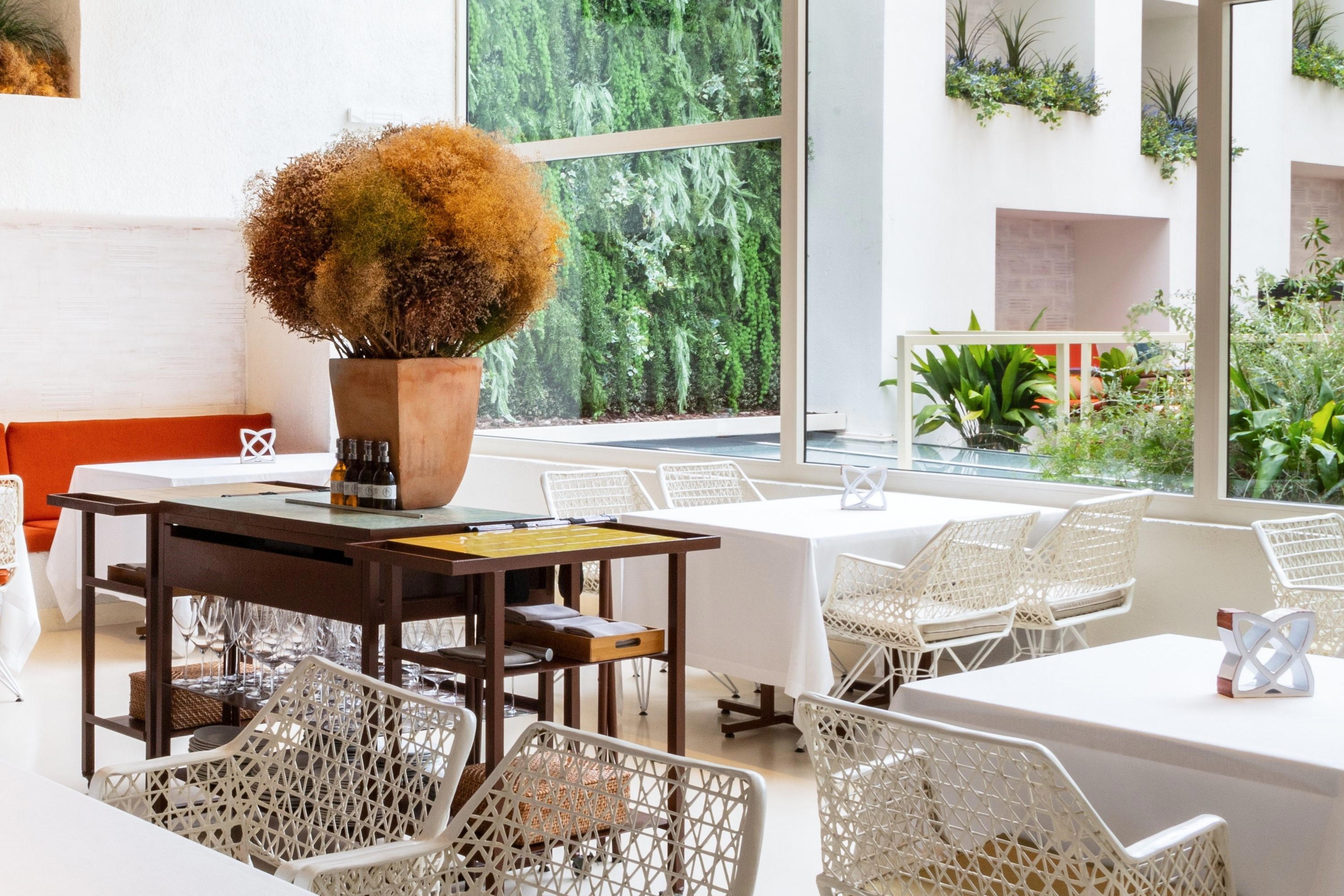
Restaurants in Esparreguera
Browse all →
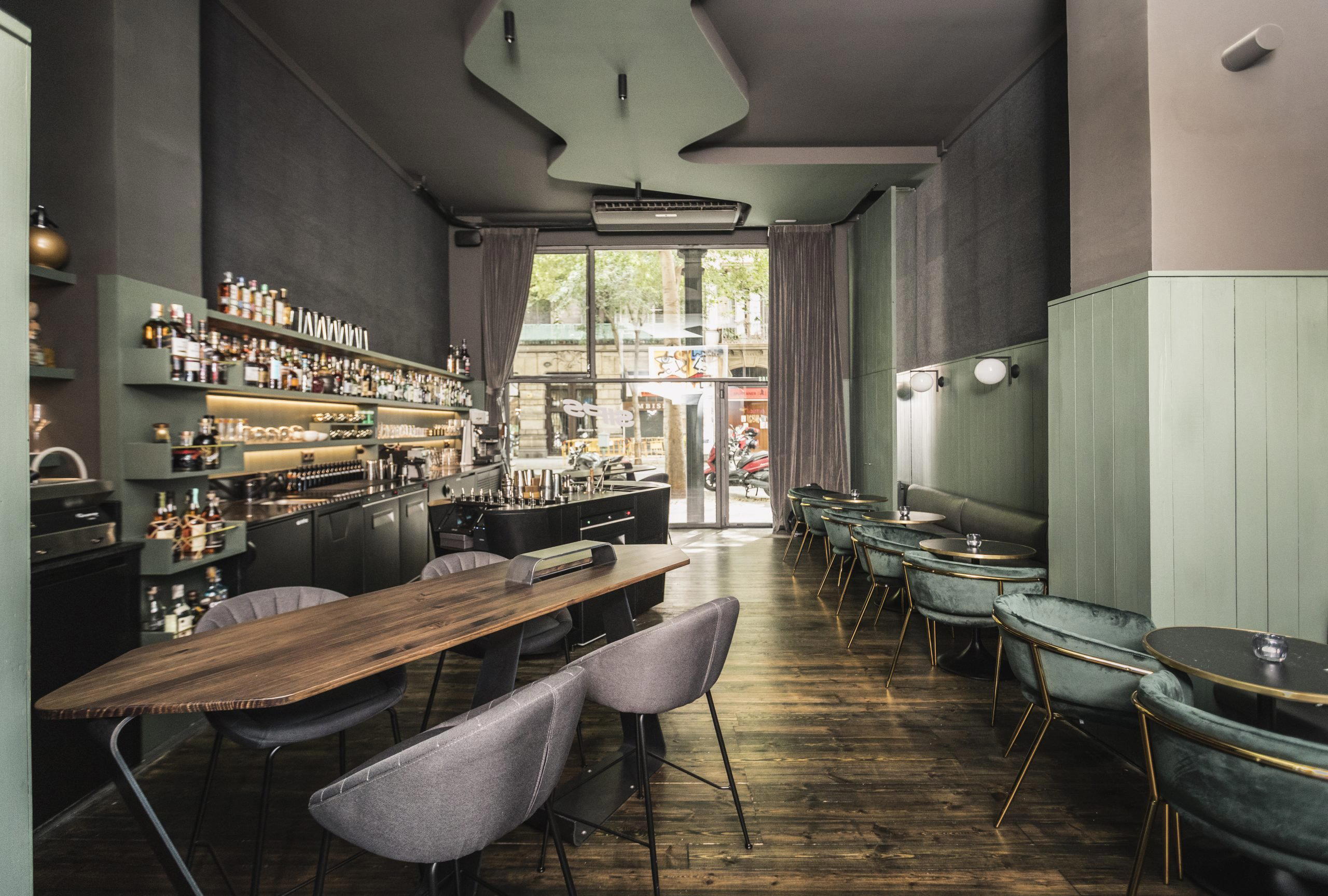
Bars in Esparreguera
Browse all →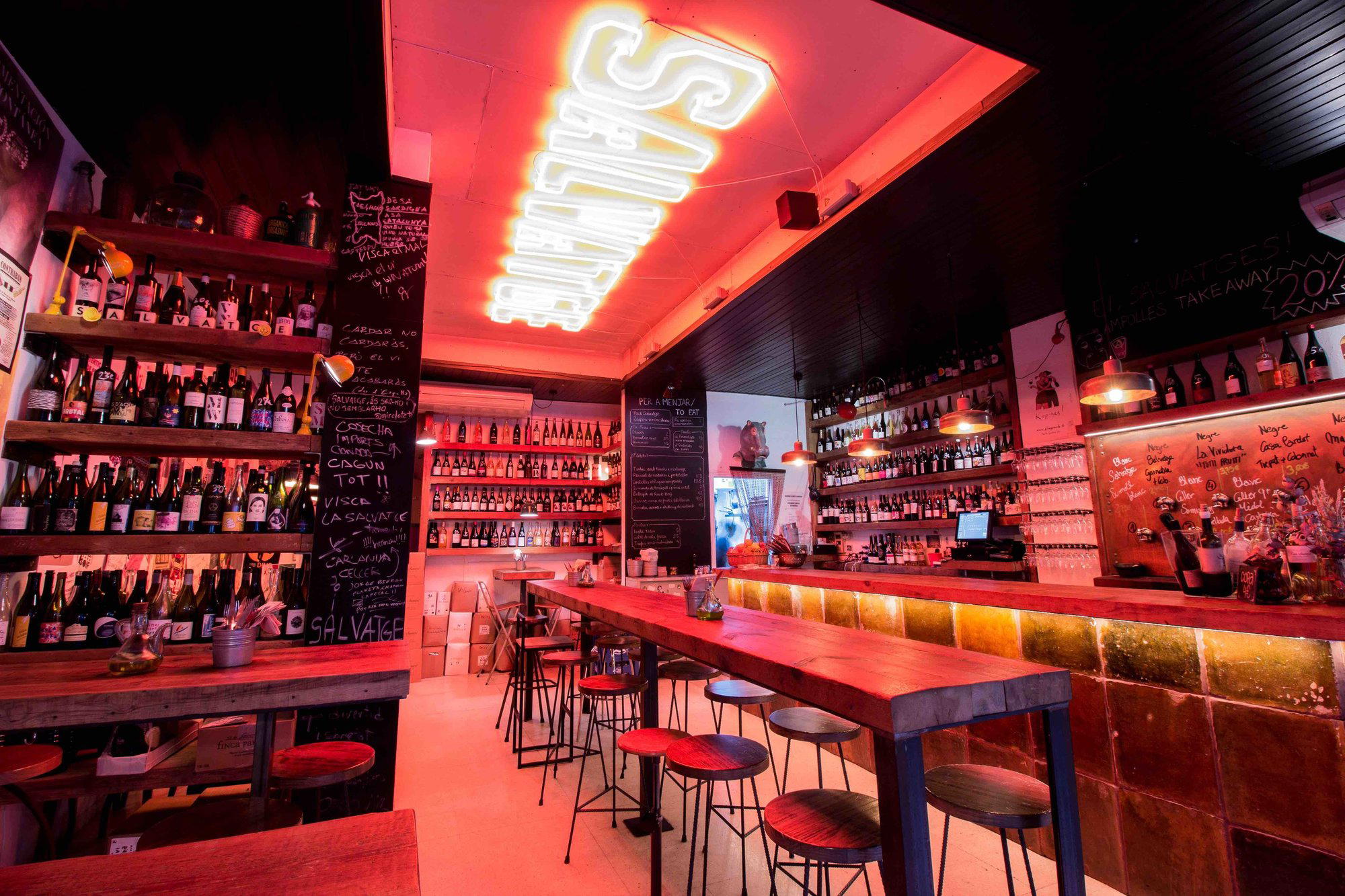

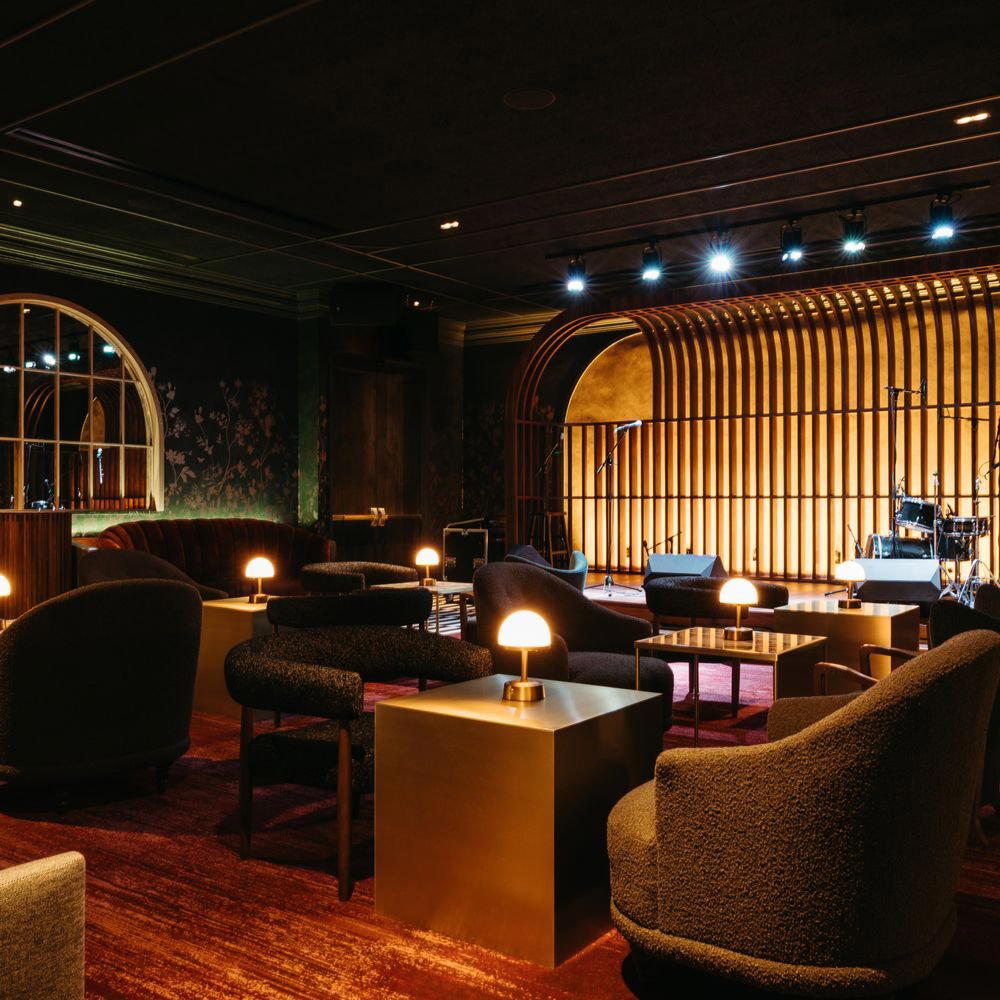
Hotels in Esparreguera
Browse all →


At a Glance
- Cozy
- Rustic
- Classic
- Intimate
- Family
- Group Dining
- Business Dinner
- Casual Hangout
- Open Kitchen
- Terrace
Current opening hours
- Monday
- Closed
- Tuesday
- Closed
- Wednesday
- 1–4:30 PM
- Thursday
- 1–4:30 PM
- Friday
- 1–4:30 PM, 8 PM–12 AM
- Saturday
- 1–4:30 PM, 8 PM–12 AM
- Sunday
- 1–4:30 PM
Hours can change for holidays and private events. Last verified .
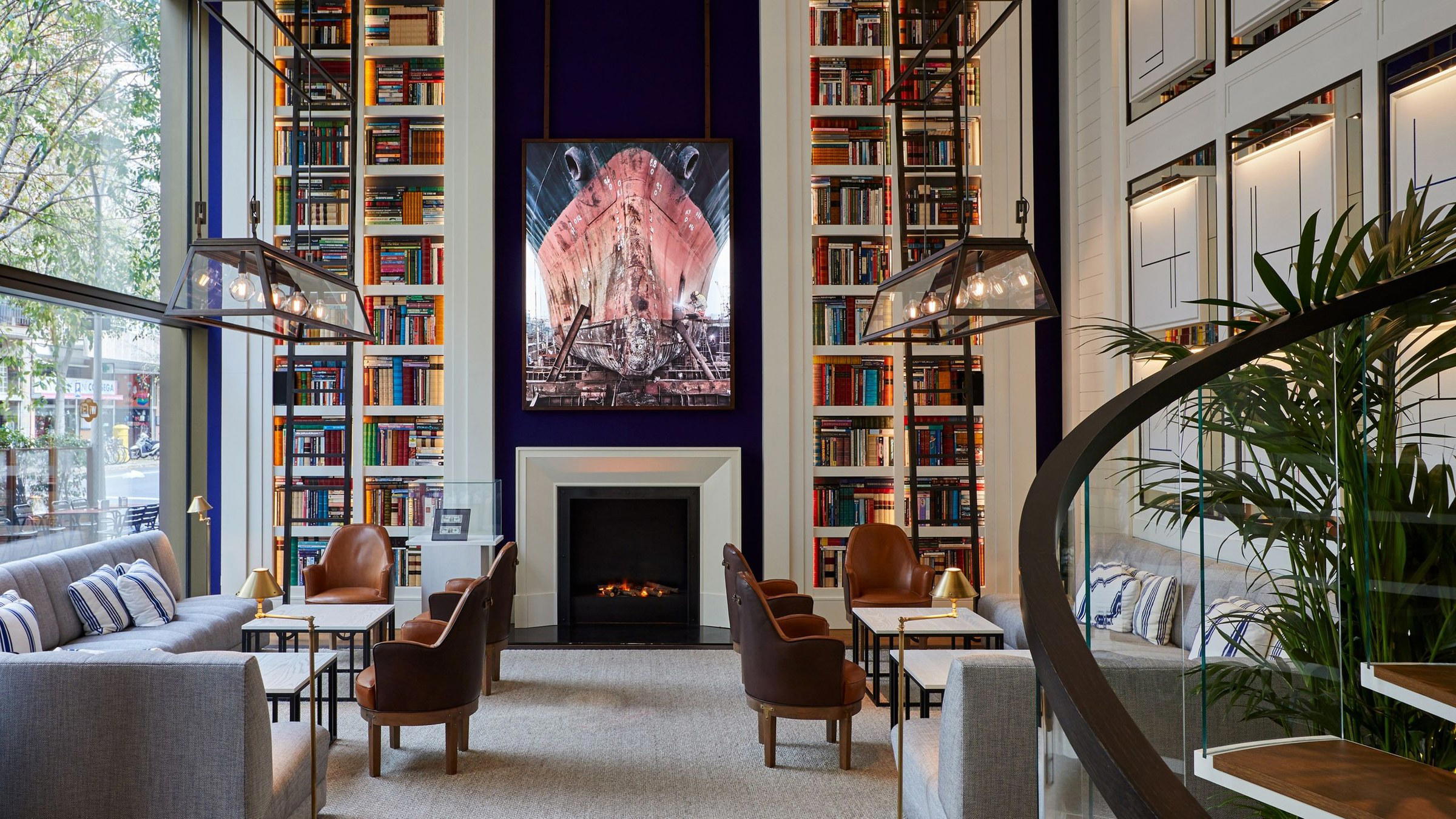
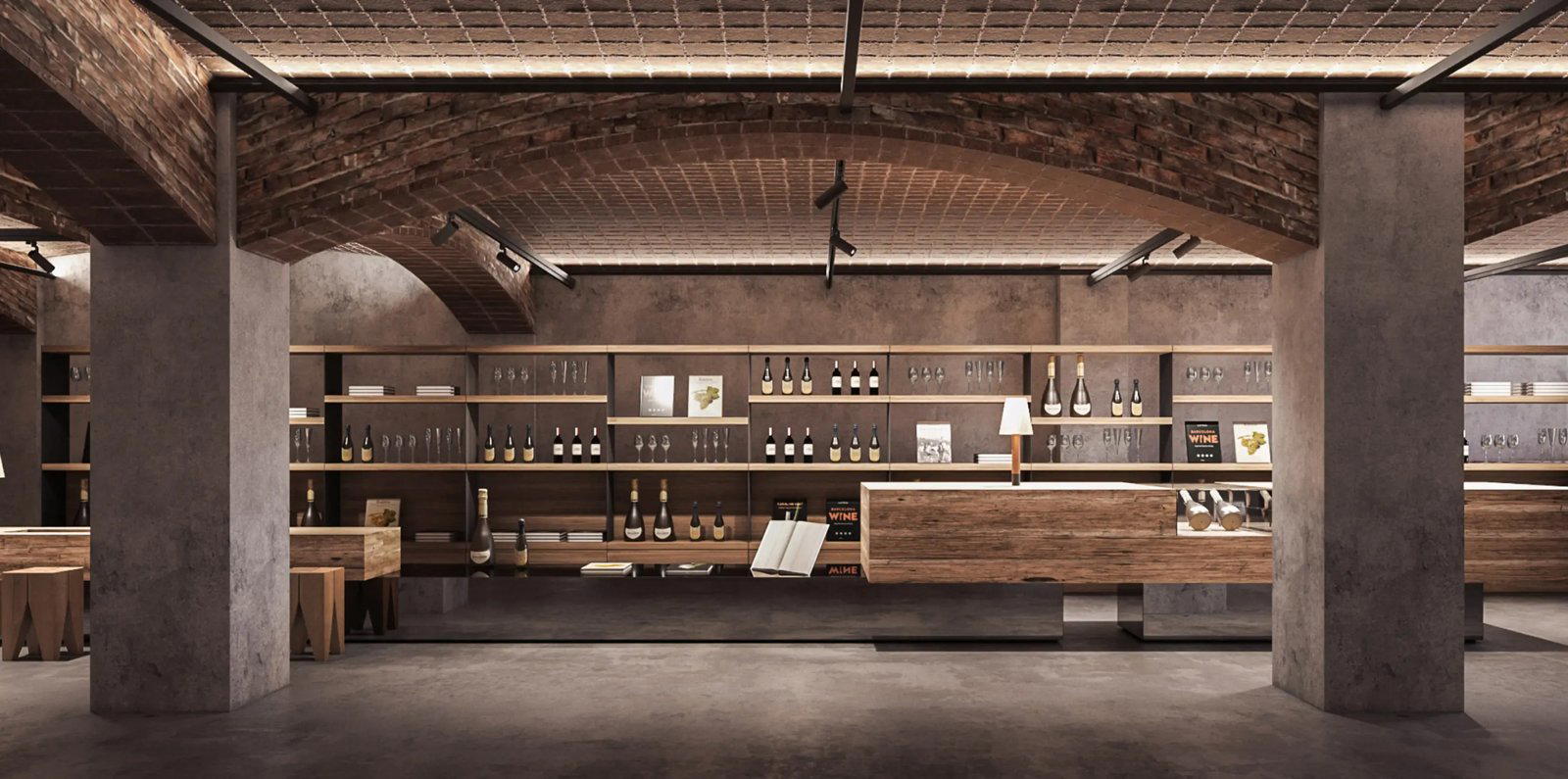
Warm and welcoming with visible open kitchen, decorated with bodegones (still-life paintings) and fireplace; intimate small dining rooms with a peaceful residential setting.