El Picador occupies a corner of the 17th arrondissement on Boulevard des Batignolles, a stretch that sits at the quieter edge of the Batignolles neighbourhood before it tilts toward the busier avenues of the 8th. The venue's address places it in a residential dining tier distinct from the grand-room formality of Paris's right-bank institutions, making it a reference point for neighbourhood dining in an area that rewards those who look beyond the well-trodden circuits.
- Address
- 80 Bd des Batignolles, 75017 Paris, France
- Phone
- +33143872887
- Website
- elpicador.fr
- Directions
- Get directions
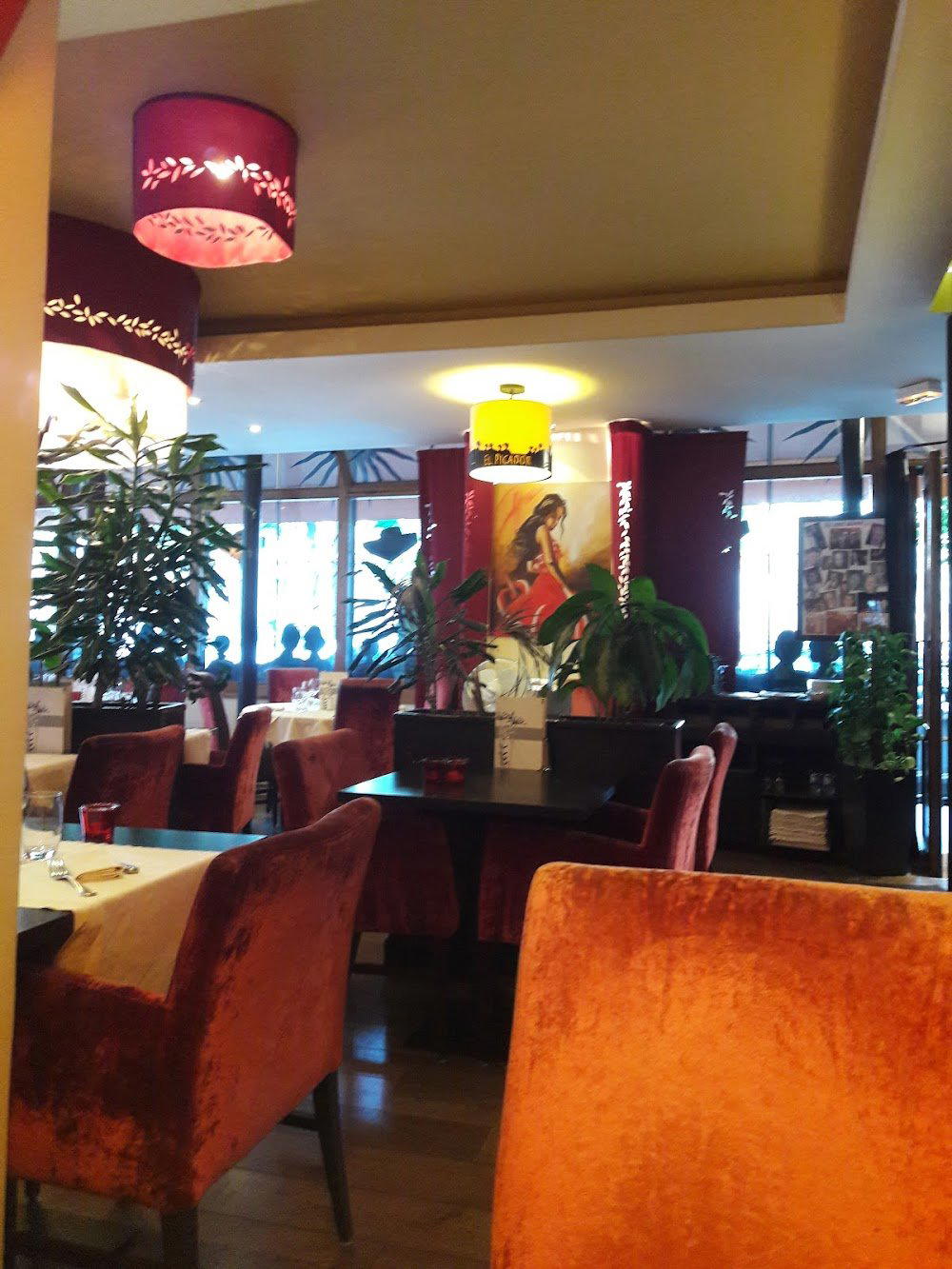
The 17th Arrondissement's Dining Character
Paris's 17th arrondissement has never quite resolved its identity, and that tension is part of what makes it interesting. The western side tilts toward the monied calm of Monceau and the broad avenues feeding into the 8th; the eastern flank around Batignolles carries a more lived-in register, with covered market halls, low-key wine bars, and the kind of neighbourhood restaurants that fill early because locals book them, not tourists. Boulevard des Batignolles sits near that boundary, close enough to the Place de Clichy axis to draw foot traffic from the 18th and 9th, far enough from the grands boulevards to maintain a residential tempo. El Picador is positioned at 80 Boulevard des Batignolles, within this transitional stretch.
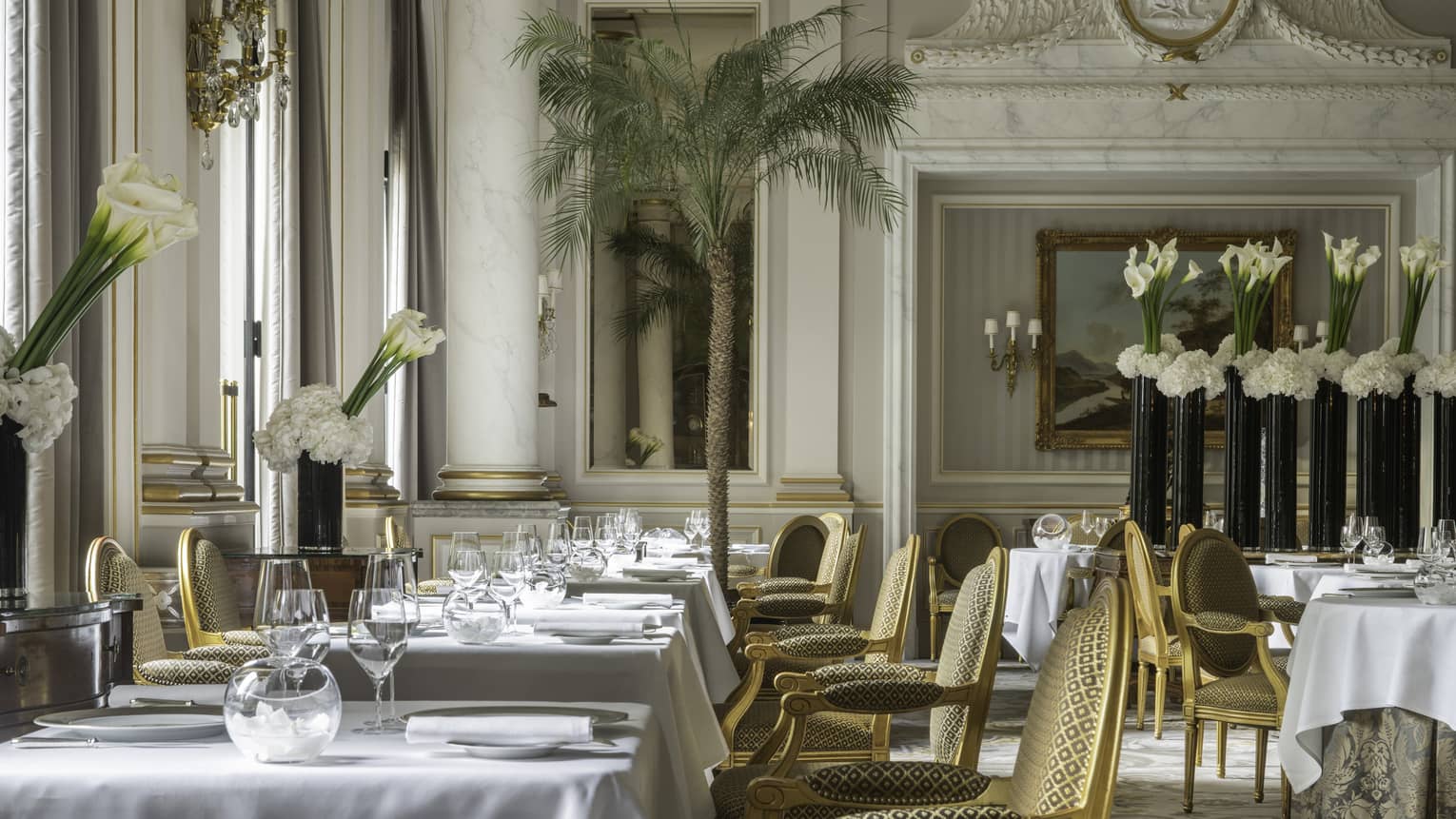
The contrast with Paris's more publicised dining destinations is worth holding in mind. The right-bank institutions that draw international attention, Le Cinq at the Four Seasons Hôtel George V, or the multi-starred rooms along the 8th's formal corridors, operate in a different register entirely: grand architectural frames, formal service choreography, wine lists priced for expense accounts. The Batignolles strip is structurally different, oriented toward regular custom and neighbourhood rhythm rather than occasion dining or destination tourism.
Space and Physical Setting on the Boulevard
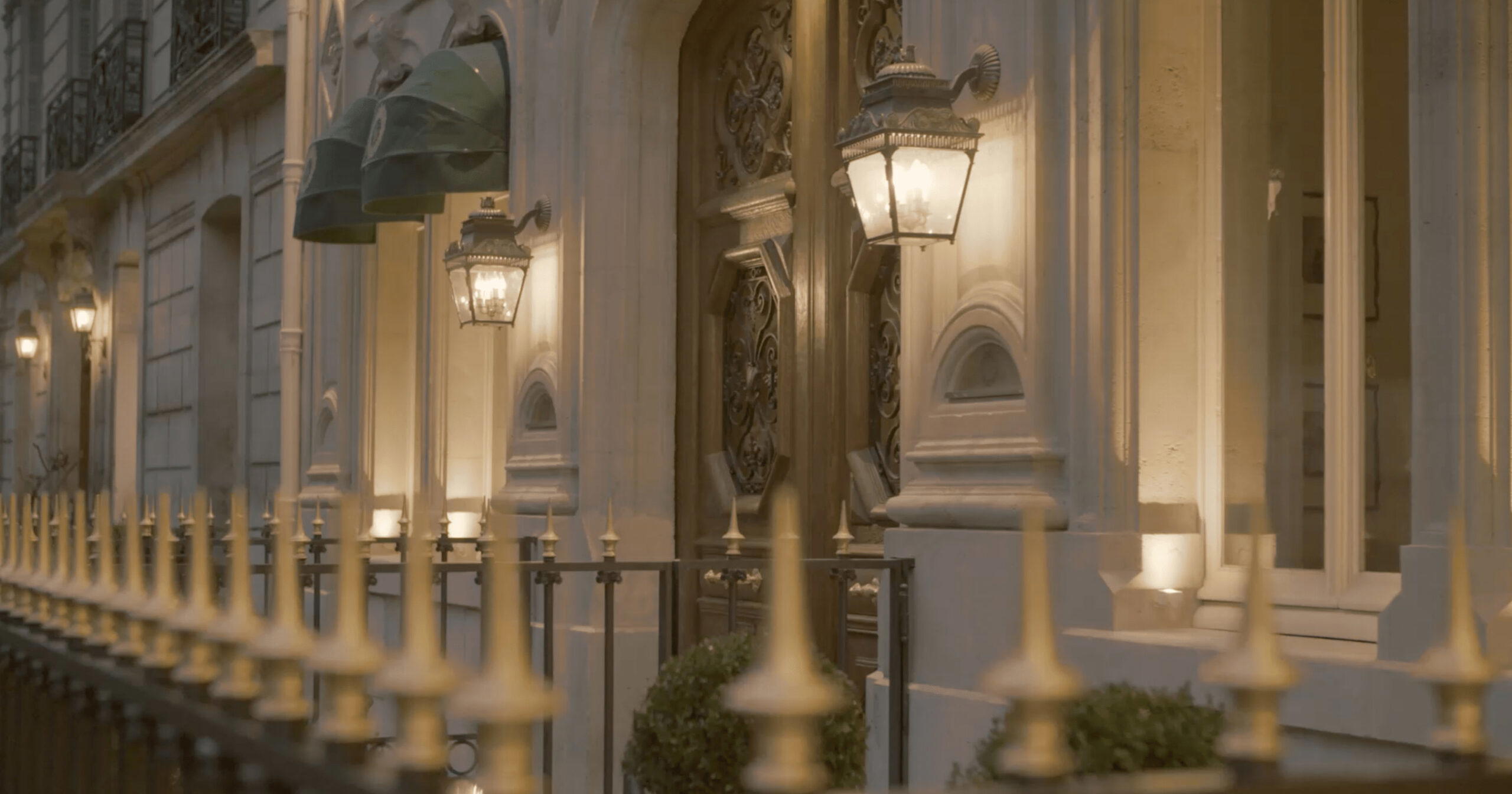
The address at 80 Boulevard des Batignolles places El Picador within a Haussmann-era streetscape of the kind that defines much of the 17th's residential face: wide pavement, stone façades, the occasional double-fronted brasserie interrupting the pattern of apartment buildings. Interior design choices at street-level restaurants along this boulevard tend to reflect the dual pull of the neighbourhood: enough warmth to register as local, enough finish to signal that a meal is being taken seriously.
This question of physical container matters in Parisian neighbourhood dining in a way it sometimes doesn't elsewhere. The room's dimensions, whether it seats twenty or sixty, whether the layout separates tables or presses them together, whether natural light reaches the interior through the front windows, these things shape the social texture of a meal as much as the food does. Along Boulevard des Batignolles, the buildings offer relatively standard ground-floor footprints, which tends to produce dining rooms that are long and narrow, with street-facing windows at one end and a kitchen hatch or open pass at the other. That geometry is familiar across this tier of Parisian bistro, and it produces a particular acoustic register: moderate, convivial, not hushed.
France's broader dining tradition provides relevant context here. In the provincial benchmark rooms, places like Bras in Laguiole or Auberge de l'Ill in Illhaeusern, the physical setting is itself an argument, a designed landscape that frames what arrives on the plate. Neighbourhood Paris operates at a different scale, but the principle holds: the room tells you what kind of meal to expect before anything is ordered.
Batignolles in the Context of Parisian Neighbourhood Dining
The Batignolles quarter earned its current reputation partly through the Parc des Batignolles redevelopment on the northern edge and partly through a gradual shift in the demographic profile of the 17th's eastern blocks. The neighbourhood now attracts a mix of long-established residents and a younger professional population, which has in turn shaped what survives commercially at street level. Restaurants that endure here tend to do so through repeat local custom rather than tourism capture.
That dynamic differs from the circuits around the Left Bank grandes tables. Arpège and L'Ambroisie in the 4th and 7th draw from a global booking pool; a restaurant on Boulevard des Batignolles draws primarily from a catchment that can walk or take the line 2 metro from Pigalle or Courcelles. The commercial logic is different, and it produces different menus, different price points, and a different pacing at the table.
The name El Picador signals a Spanish-inflected identity, the picador is a figure from the bullfighting tradition, on horseback, distinct from the matador. What the name does suggest is a positioning that sets it apart from the standard bistro or brasserie vocabulary of the neighbourhood.
Where El Picador Sits in the Paris Dining Spectrum
Paris's restaurant spectrum in 2024 runs from the upper-tier creative rooms, Alléno Paris au Pavillon Ledoyen operates within the €€€€ bracket with a creative format that places it alongside Kei in the upper contemporary tier, through to the mid-range neighbourhood tranche where most locals actually eat most of the time. The Batignolles address suggests the latter category rather than the former, though the specific positioning depends on information not currently in the public record for this venue.
For comparison against France's regional reference points: properties like Flocons de Sel in Megève, Mirazur in Menton, or Troisgros in Ouches operate within destination formats where the journey is part of the proposition. A Boulevard des Batignolles address has no such destination premium to call on; it competes on the quality of the meal relative to its immediate neighbourhood alternatives, and on the kind of regularity that makes a restaurant useful rather than merely interesting. Similarly, the French provincial institutions like Paul Bocuse, Les Prés d'Eugénie, Georges Blanc in Vonnas, Auberge du Vieux Puits in Fontjoncouse, and La Table du Castellet each carry geographic identity as part of their proposition in ways that a Paris neighbourhood address cannot replicate.
The international frame is also worth noting: when serious dining outside France is the reference, Le Bernardin in New York or Lazy Bear in San Francisco, the difference in category and context is considerable. The restaurant operates in a distinctly local, neighbourhood register.
Planning a Visit
The restaurant is a restaurant in Paris serving Traditional Spanish Tapas & Paella, at 80 Bd des Batignolles, 75017 Paris, France. The Boulevard des Batignolles runs parallel to the old petite ceinture railway line, and the immediate area has a residential pace that makes early evening the natural window for arrivals.
Nearby-ish Comparables
Comparable venues nearby, for context on price, style, and recognition.
| Venue | Cuisine | Price | Notes |
|---|---|---|---|
| El PicadorThis venue — the venue you are viewing | Traditional Spanish Tapas & Paella | $$ | Not listed |
| Maria Belza | Basque Tapas & Regional Spanish | $$$ | 10th arrondissement (Canal Saint-Martin) |
| Les Piétons | Authentic Spanish Tapas | $$ | Saint-Merri |
| Bellota-Bellota | Spanish Tapas & Iberico Ham | $$$ | Champs-Elysées |
| Buvette Paris | French Small Plates Bistro | $$ | Pigalle |
| Maison Zhang | Traditional Chinese Dumplings & Dim Sum | $$ | 9th arrondissement |
Continue exploring
More in Paris
Restaurants in Paris
Browse all →

Bars in Paris
Browse all →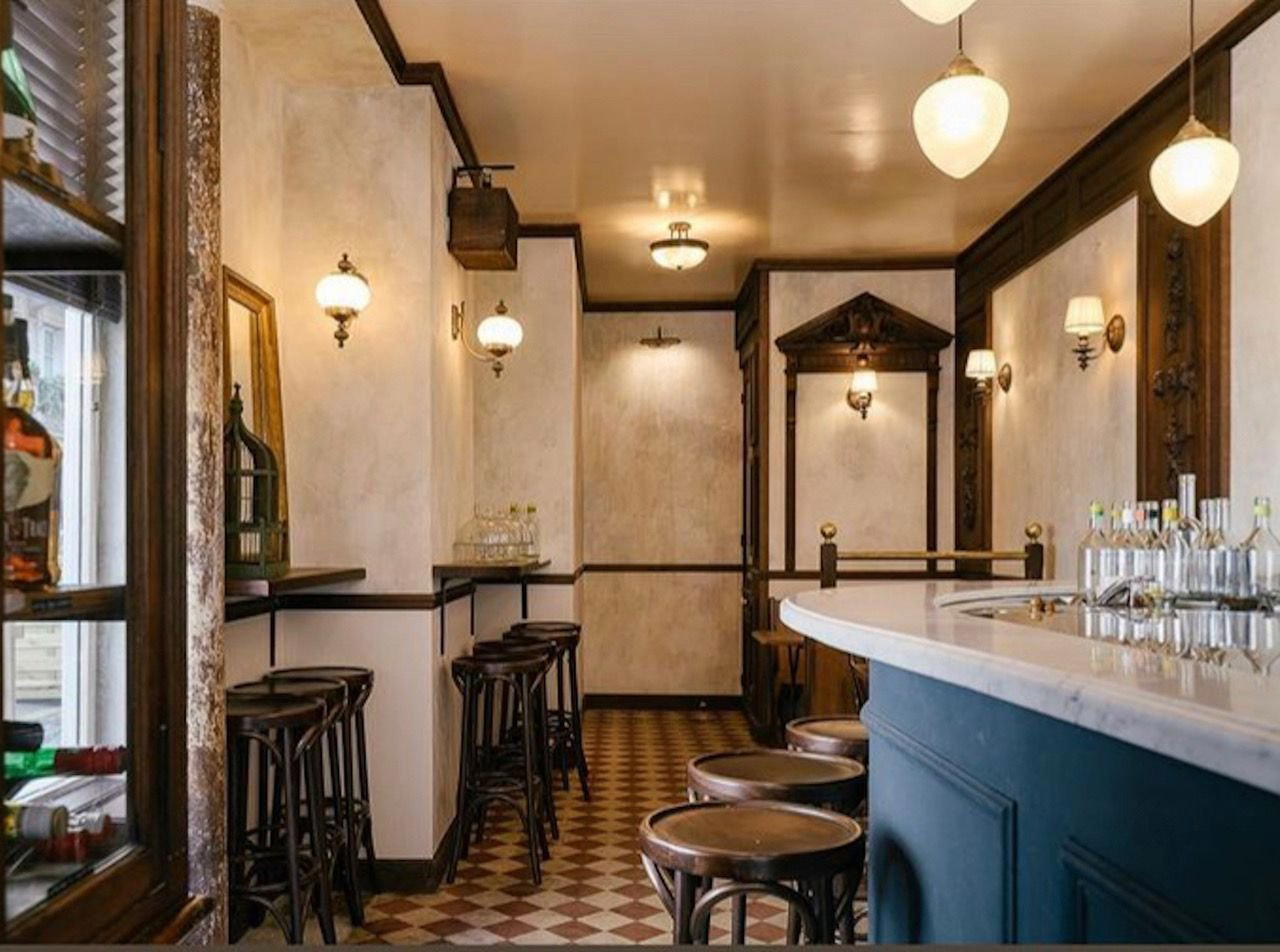
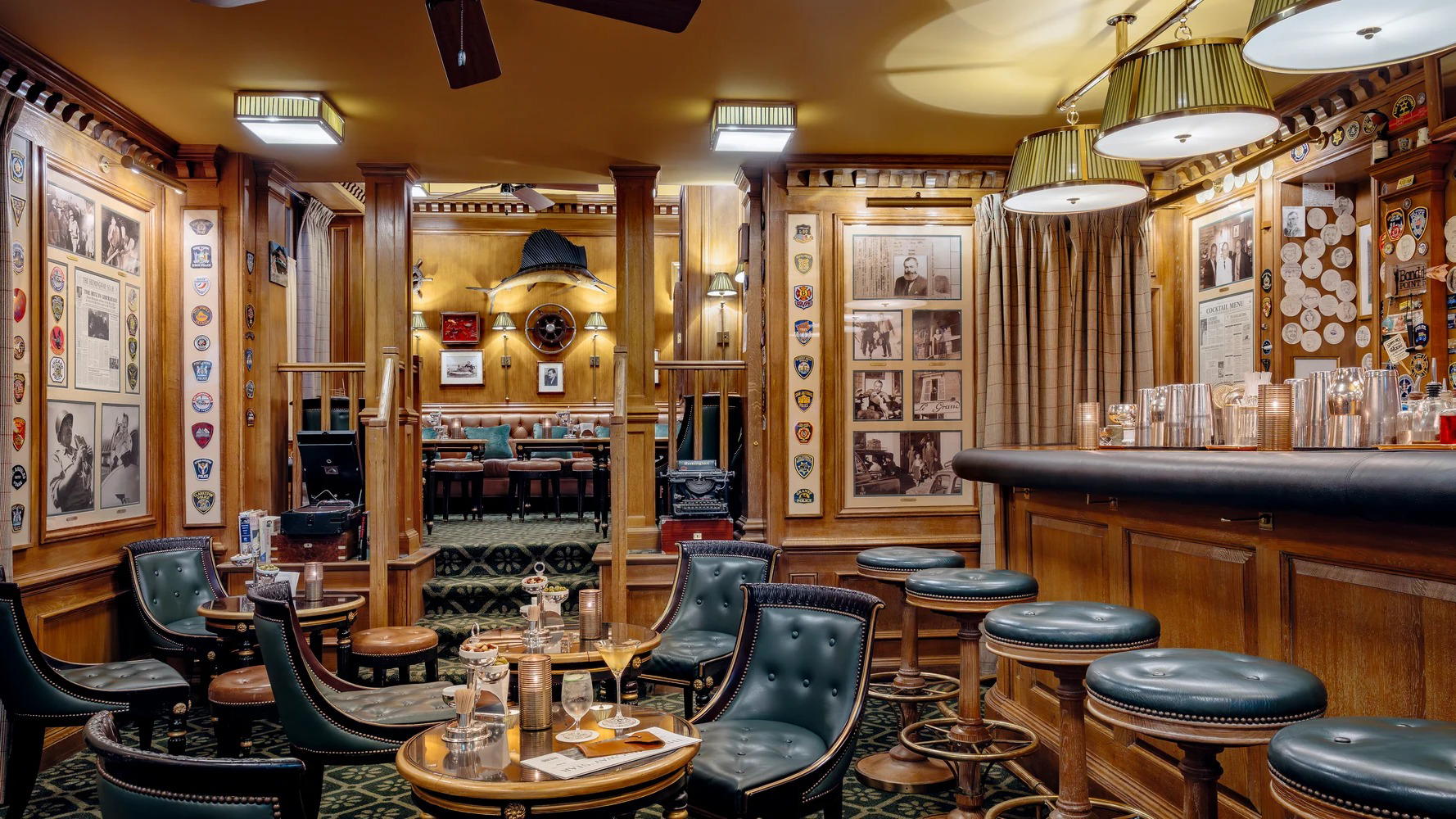

Hotels in Paris
Browse all →

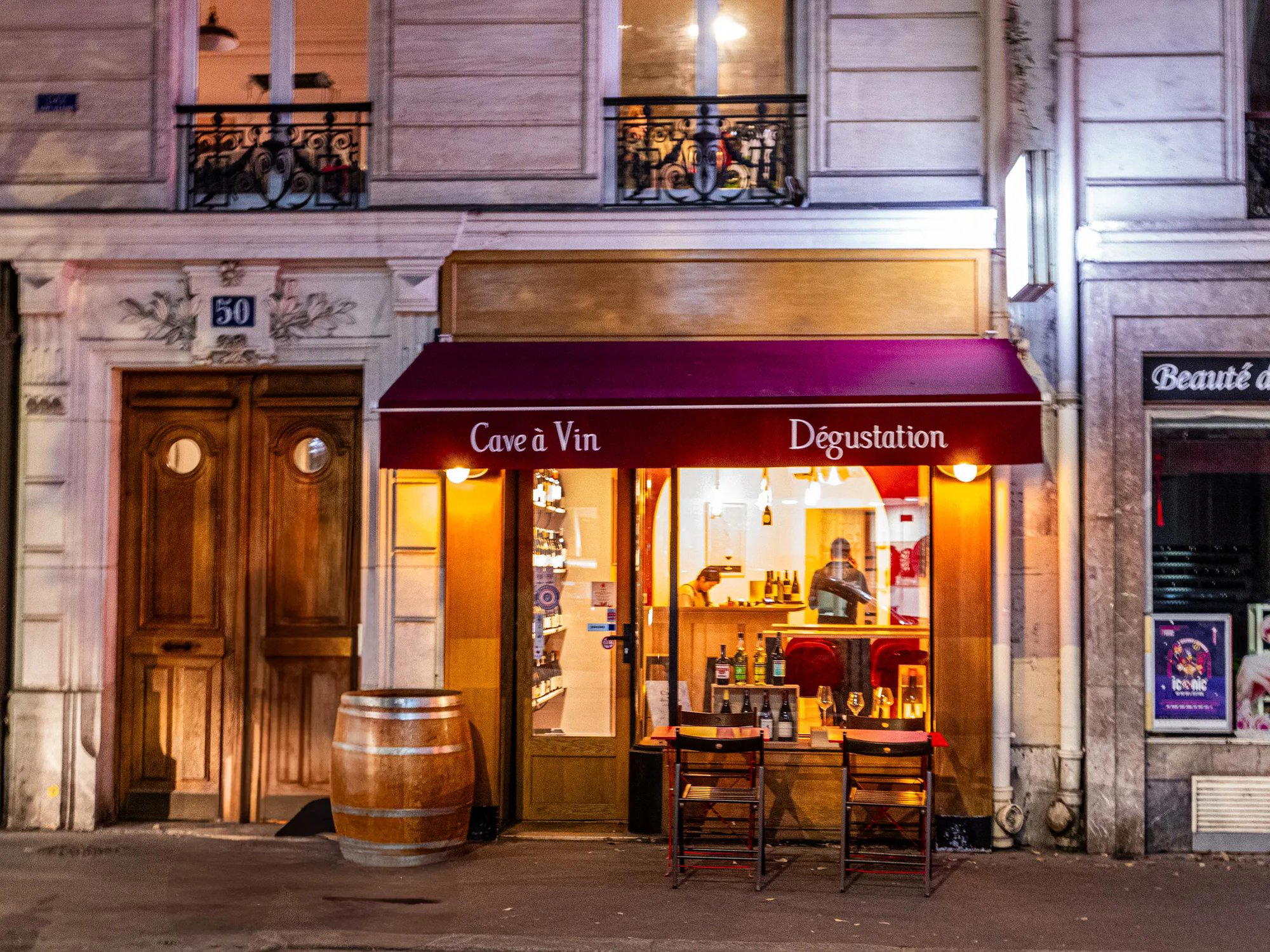
Wineries in Paris
Browse all →
At a Glance
- Rustic
- Cozy
- Classic
- Casual Hangout
- Group Dining
- Family
- Terrace
- Standalone
- Beer Program
- Local Sourcing
Rustic décor with red velvet chairs and plants creates a relaxed, warm atmosphere; vintage interior with luminous terrace.