El Niño Perdido
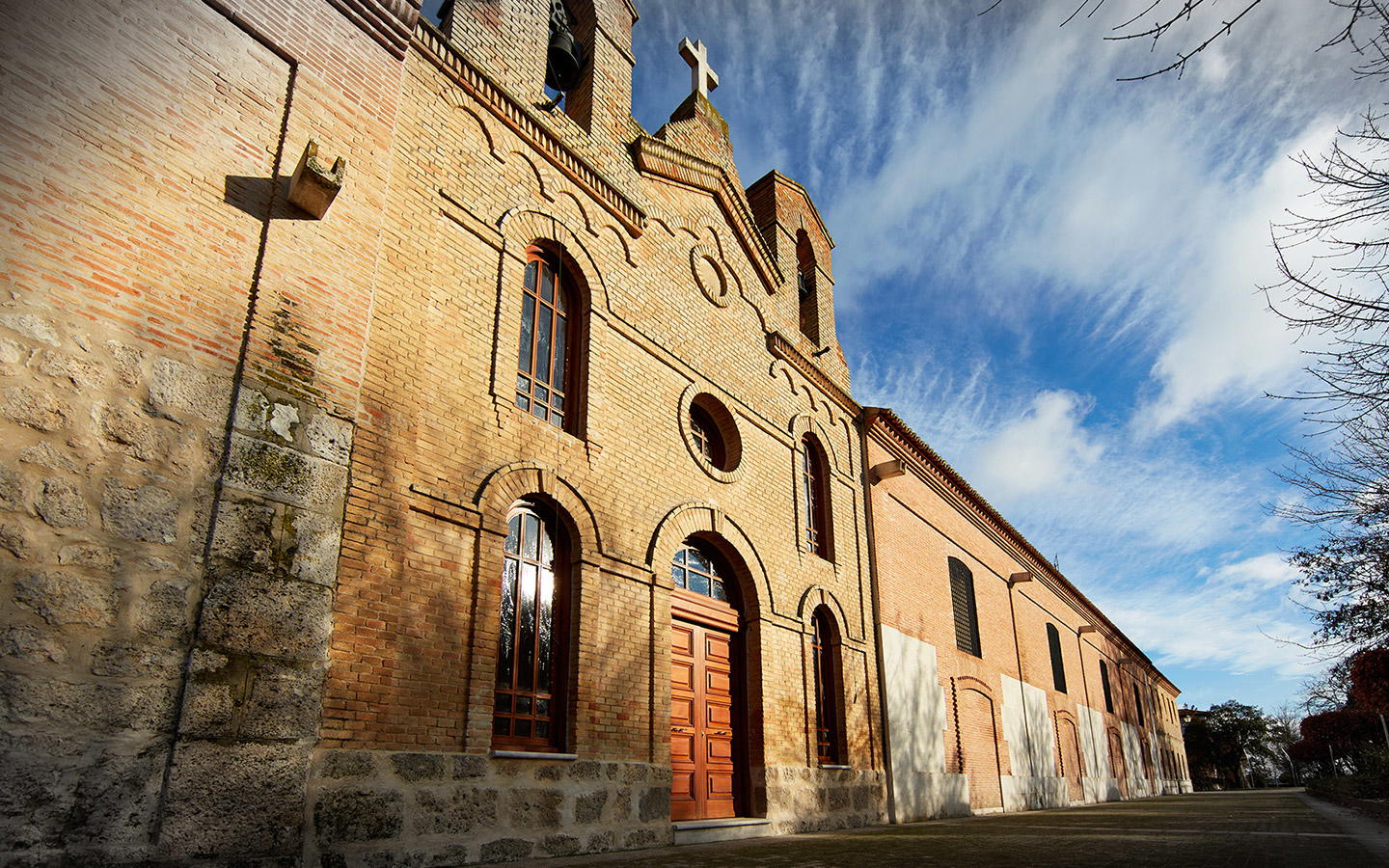
El Niño Perdido occupies a narrow address on Calle Esgueva in Valladolid's historic centre, where Castilian dining traditions meet a kitchen working at the more considered end of the city's mid-range scene. The address places it within walking distance of Valladolid's core tapas circuit, making it a practical anchor for an evening that spans the neighbourhood's broader offerings.
Pearl is the En Primeur Club membership app — saves, bookings, and concierge access live there. Same editors, same standards.
- Address
- C. Esgueva, 16, 47003 Valladolid, Spain
- Phone
- +34620215816
- Website
- sren.top
 Saves & bookings on Pearl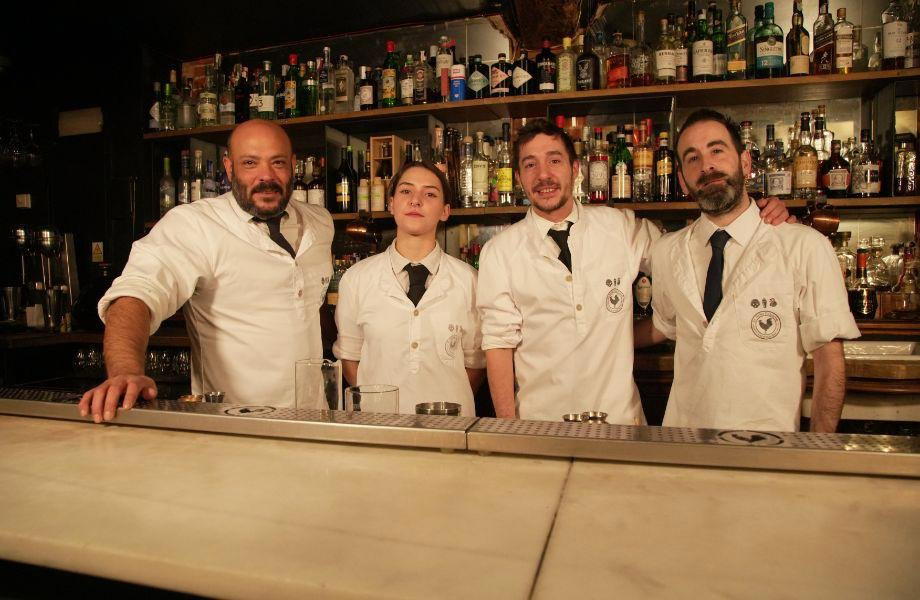
Calle Esgueva and the Architecture of Castilian Eating
Calle Esgueva runs through the older residential grain of Valladolid's centre, a street where the buildings press close and the ground floors have historically belonged to neighbourhood bars, modest restaurants, and the kind of wine-forward taverns that sustain a city built on Ribera del Duero and Rueda production. El Niño Perdido sits at number 16, an address that places it inside this tradition rather than apart from it. In a city where the dining conversation increasingly orbits around the creative programmes at places like Alquimia - Laboratorio or the modern cuisine offer at Trigo, the smaller, less-heralded addresses on streets like Esgueva function as the connective tissue of how Valladolid actually eats day to day.
That connective tissue matters more than it is often credited. Spanish cities at Valladolid's scale tend to develop two-speed dining cultures: a headline tier of destination restaurants that attract external attention, and a working tier of neighbourhood places where the cooking is rooted in regional product and local habit. The second tier is frequently the more revealing one for anyone trying to understand the actual character of a city's food.
What Castilian Tradition Looks Like at Street Level
Castile and León is one of Spain's most product-driven regions when it comes to eating. The combination of high-altitude livestock farming, river valleys producing lamb and suckling pig of genuine provenance, and proximity to two of the country's most significant wine appellations shapes how restaurants at every price point position themselves. Lechazo asado (roast suckling lamb), morcilla de Burgos, and the deep pulse-based dishes of the Castilian interior are not nostalgic gestures here, they are live traditions, still ordered without irony by local diners who grew up eating them.
This is the cultural frame in which El Niño Perdido operates. Where farm-to-table programmes at addresses like 5 Gustos or Dámaso build explicit sourcing narratives around Castilian produce, a street-level restaurant on Calle Esgueva is more likely to absorb regional ingredient culture quietly, as background rather than foreground. The result is food that reads as Castilian not because it announces itself as such, but because the alternatives were never part of the vocabulary.
Valladolid's Dining Scene in Its Wider Spanish Context
To understand where a restaurant like El Niño Perdido sits in the national picture, it helps to map Valladolid's position in Spanish gastronomy. The city does not compete for attention with the Basque Country's concentration of formal fine dining, addresses like Arzak in San Sebastián, Azurmendi in Larrabetzu, or Martin Berasategui in Lasarte-Oria occupy a different register entirely. It does not chase the coastal creativity of Aponiente in El Puerto de Santa María or the technical ambition of DiverXO in Madrid. Valladolid is an inland Castilian city with a serious wine culture, a strong regional product base, and a dining scene that tilts toward quality at the mid-range rather than spectacle at the high end.
That orientation shapes what a street address like El Niño Perdido's can reasonably aspire to and deliver. The comparison set is not El Celler de Can Roca in Girona or Mugaritz in Errenteria. The relevant frame is the city's own mid-register, alongside neighbourhood contemporaries and the broader Castilian-Leonese tradition of feeding people well without requiring a destination-dining thesis to justify the meal.
The Neighbourhood and How to Use It
Calle Esgueva connects to Valladolid's pedestrian centre within a short walk, which means the restaurant sits within the natural orbit of an evening that might begin with a glass of Verdejo at a bar on Plaza Mayor and move through several addresses before finishing. This is how Valladolid's food culture actually operates for residents: not as a single-destination affair, but as a sequence of stops in which each place has a specific role. A restaurant at this address can function as the kitchen anchor of such an evening, a place where the meal proper happens before or after the surrounding bar circuit.
For visitors constructing an itinerary, the street's position also makes it a reasonable starting point for understanding the less-photographed side of Valladolid's eating. The city's broader restaurant picture is covered in our full Valladolid restaurants guide, which maps the range from neighbourhood spots to the more ambitious programmes, including El Atrio del Mayab and the creative end of the market.
Planning a Visit
The restaurant is at C. Esgueva, 16, 47003 Valladolid, Spain. Check current details directly with the restaurant before visiting.
Budget Reality Check
Comparable venues nearby, for context on price, style, and recognition.
| Venue | Cuisine | Price | Notes |
|---|---|---|---|
| El Niño PerdidoThis venue — the venue you are viewing | city centre, Cocktail Bar | $$ | Not listed |
| llaollao | Not listed | $ | Arroyo de la Encomienda, Natural Frozen Yogurt |
| Llantén | Not listed | $$ | Pinar de Antequera, Modern Traditional Castilian |
| El Bar Valladolid | Not listed | $$ | Valladolid city centre, Traditional Spanish bar & tapas restaurant |
| Sibaritas Klub | Not listed | $$$ | Creative Castilian km0 tasting menus with global influences |
| Trasto | Not listed | $$$ | Valladolid, Creative Castilian cuisine with Asian influences |
Continue exploring
More in Valladolid
Restaurants in Valladolid
Browse all →
Hotels in Valladolid
Browse all →
At a Glance
- Intimate
- Trendy
- Date Night
- Casual Hangout
- After Work
- Historic Building
- Craft Cocktails
Current opening hours
- Monday
- 4 PM–2 AM
- Tuesday
- 4 PM–2 AM
- Wednesday
- 4 PM–2 AM
- Thursday
- 4 PM–2 AM
- Friday
- 4 PM–2 AM
- Saturday
- 4 PM–2 AM
- Sunday
- 4 PM–2 AM
Hours can change for holidays and private events. Last verified .
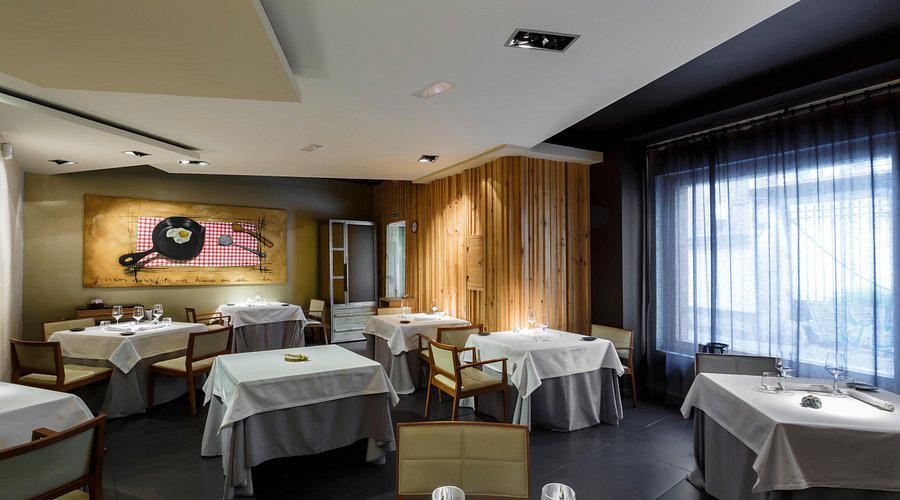
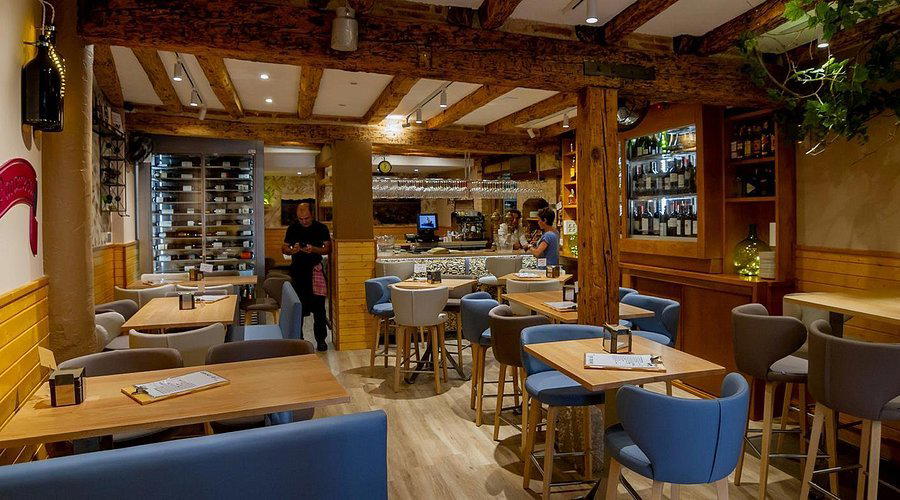
Cosy and enigmatic with interesting interior, relaxed atmosphere, and cool decor.