Google: 4.6 · 660 reviews
El Lago

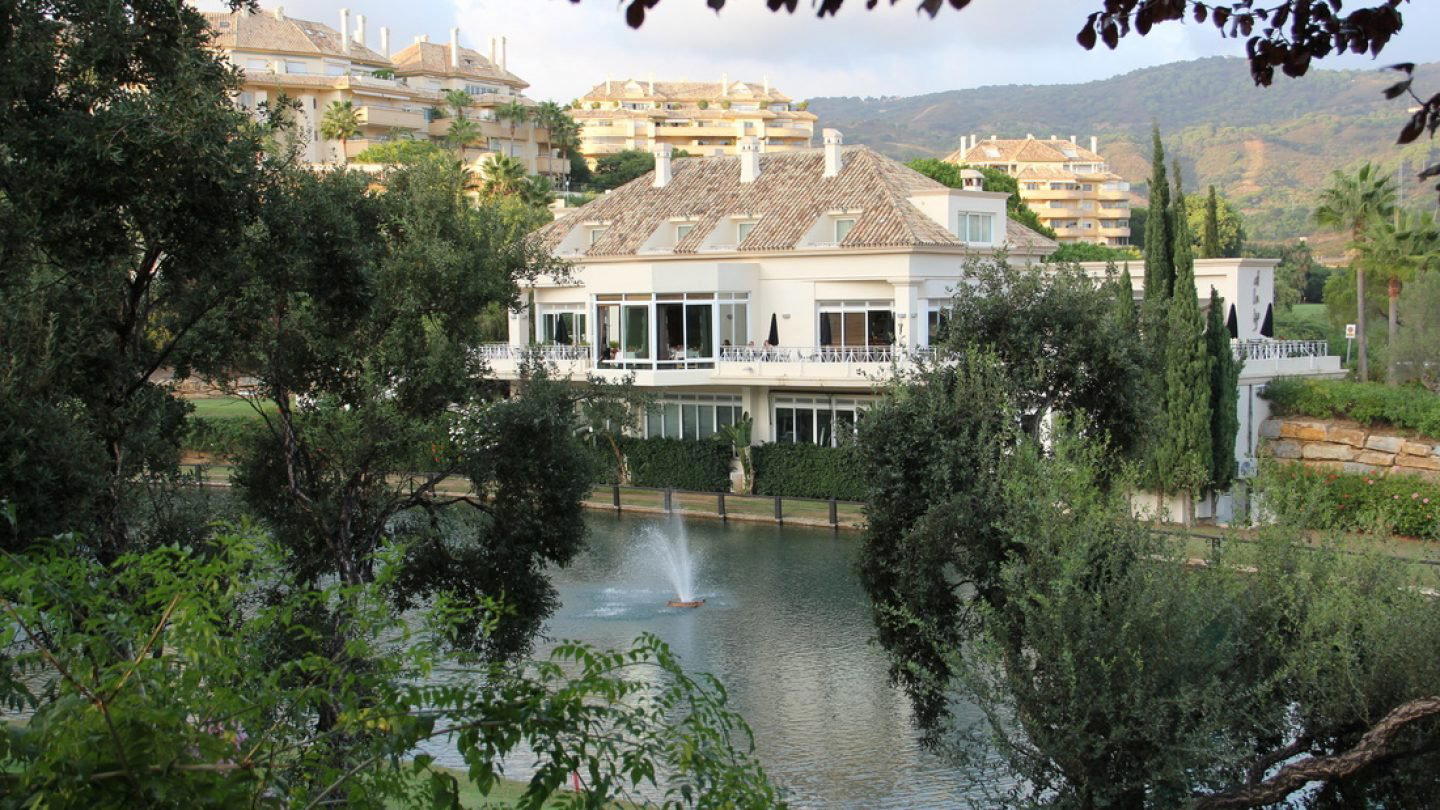
El Lago sits in Elviria Hills on Marbella's eastern corridor, where Chef Fernando Villasclaras Arce runs a vegetable-forward kitchen anchored by the weekly-changing 'Terra' menu. That plant-based programme shifts with what the season produces rather than what the kitchen prefers, making it one of the more ingredient-driven propositions on the Costa del Sol. The menu adapts to fully vegan on request.
 Discover on Pearl
Pearl is the En Primeur Club membership app — saves, bookings, and concierge access live there. Same editors, same standards.
Where the Garden Sets the Agenda
On Marbella's eastern fringe, the Elviria Hills strip has long attracted a quieter, more residential crowd than the Paseo Marítimo or the Puerto Banús circuit. Hotels along Avenida Marco Polo serve a guest who wants proximity to the coast without the full throttle of the Golden Mile, and the dining that has developed around them reflects that register: less spectacle-driven, more focused on what's actually on the plate. El Lago sits in that context, and its kitchen has taken a position that separates it from the resort-adjacent norm: the vegetable is not a side dish here, it is the argument.
Chef Fernando Villasclaras Arce has built his menu around plant-based cooking at a moment when Andalusia's broader fine dining conversation still centres on protein, notably the cured ibérico tradition of the interior and the seafood-forward approach of the coast. Spain's most-discussed kitchens, from Aponiente in El Puerto de Santa María to Quique Dacosta in Dénia, work primarily with what the sea produces. El Lago's orientation toward land and soil is, in that southern Spanish context, a deliberate act of editorial distinction.
The Terra Menu and What It Signals
The centrepiece is the 'Terra' vegetable menu, which changes weekly. That frequency is not a marketing claim but a structural commitment: a weekly rotation requires the kitchen to source continuously and adapt constantly, rather than locking in a seasonal menu that holds for three months. In practical terms, it means the produce driving the menu is almost certainly at or near its seasonal peak at the moment it arrives. A kitchen willing to rewrite its tasting menu every seven days is a kitchen that has accepted the discipline of ingredient-led cooking rather than concept-led cooking.
The 'Terra' menu is vegetarian by design and can be adapted to fully vegan on request. The kitchen asks that guests indicate this preference at the time of booking rather than on arrival, which is standard practice for any kitchen that needs to recalibrate a multi-course structure rather than simply swap one element. This is worth noting for travelling plant-based diners who may have found the Costa del Sol's luxury dining scene underserving that brief.
What matters editorially is not just that El Lago offers a vegetable tasting menu, but that vegetables also carry weight across the main menu. This is a more meaningful signal than a standalone plant-based option bolted onto a meat-and-fish kitchen. It suggests the kitchen's genuine orientation rather than an accommodation of a trend.
Sourcing as the Kitchen's Core Logic
The weekly menu change at El Lago only works if sourcing is reliable and responsive. In the Málaga province, that means working with the produce rhythms of Andalusia's interior, where smallholders in the Axarquía region east of the city grow subtropical fruit and Mediterranean vegetables under conditions that can produce exceptional quality in the right hands. The Costa del Sol's climate is warm enough to extend growing seasons beyond what northern European kitchens can access, and its altitude range, from coast to sierra, creates micro-conditions that support diversity of produce within a relatively contained geography.
A kitchen that changes its vegetable menu weekly is implicitly dependent on supplier relationships that are closer to a farm-box model than a wholesale catalogue. The quality ceiling for that kind of cooking is set by the relationships, not just the technique. This positions El Lago in a broader European movement of ingredient-first restaurants that have made sourcing infrastructure as much a part of their identity as culinary style, in the same way that Azurmendi in Larrabetzu has built agricultural context directly into its restaurant's physical landscape, or the way Casa Marcial in Arriondas draws its identity from Asturian terroir. El Lago is working the same logic from a different geography.
Placing El Lago in the Spanish Creative Dining Conversation
Spain's most decorated kitchens cluster around the Basque Country and Catalonia. Arzak in San Sebastián, El Celler de Can Roca in Girona, Martin Berasategui in Lasarte-Oria, Mugaritz in Errenteria, and Cocina Hermanos Torres in Barcelona define the upper tier internationally. DiverXO in Madrid and Ricard Camarena in València anchor the progressive end in their respective cities. Andalusia sits somewhat outside that critical mainstream despite producing technically serious kitchens, partly because its luxury dining has historically been packaged as resort-facing hospitality rather than destination-dining in its own right.
El Lago operates in that Andalusian context, on a stretch of coast better known for golf hotels and beach clubs than for chef-driven tasting menus. That gap between setting and ambition is part of what makes the kitchen's plant-based commitment worth paying attention to. It is not a concept designed to appeal to a known fine-dining audience; it is a kitchen working a clear point of view in a market where that view is not the obvious commercial choice.
Planning a Visit
El Lago is located at Avenida Marco Polo in Elviria Hills, east of Marbella's centre, in an area that sits between the motorway and the coast. The address places it within the hotel zone rather than the old town or the port, which means it draws a mix of hotel guests and destination diners who make the drive specifically for the kitchen. For guests staying in central Marbella or Puerto Banús, a taxi or rideshare is the practical approach rather than expecting walkable access.
Guests planning to take the 'Terra' menu in its vegan form should flag this at booking rather than on arrival. The kitchen's weekly rotation means that what appears on the menu will differ between visits, which also means there is limited value in researching specific dishes in advance. The menu will reflect what the week's sourcing has produced, and that is precisely the point of the format.
For broader orientation around Marbella's eating and drinking scene, see our full Elviria Hills Marbella restaurants guide, as well as our Elviria Hills Marbella hotels guide, bars guide, wineries guide, and experiences guide.
How It Stacks Up
These are the closest comparables we have in our database for quick context.
| Venue | Cuisine | Price | Awards | Notes |
|---|---|---|---|---|
| El Lago | Chef Fernando Villasclaras Arce is delighted when he gets to cook plant-based di… | This venue | ||
| Aponiente | Progressive - Seafood, Creative | €€€€ | Michelin 3 Star | Progressive - Seafood, Creative, €€€€ |
| Arzak | Modern Basque, Creative | €€€€ | Michelin 3 Star | Modern Basque, Creative, €€€€ |
| Azurmendi | Progressive, Creative | €€€€ | Michelin 3 Star | Progressive, Creative, €€€€ |
| Cocina Hermanos Torres | Creative | €€€€ | Michelin 3 Star | Creative, €€€€ |
| DiverXO | Progressive - Asian, Creative | €€€€ | Michelin 3 Star | Progressive - Asian, Creative, €€€€ |
Continue exploring
More in Elviria Hills Marbella
Restaurants in Elviria Hills Marbella
Browse all →
Bars in Elviria Hills Marbella
Browse all →
At a Glance
- Elegant
- Scenic
- Sophisticated
- Intimate
- Relaxed
- Date Night
- Special Occasion
- Celebration
- Terrace
- Panoramic View
- Extensive Wine List
- Local Sourcing
- Garden
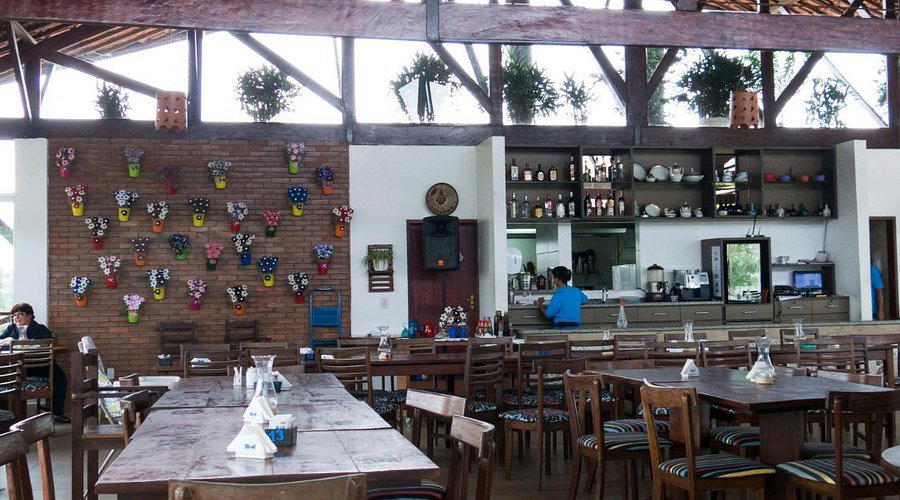
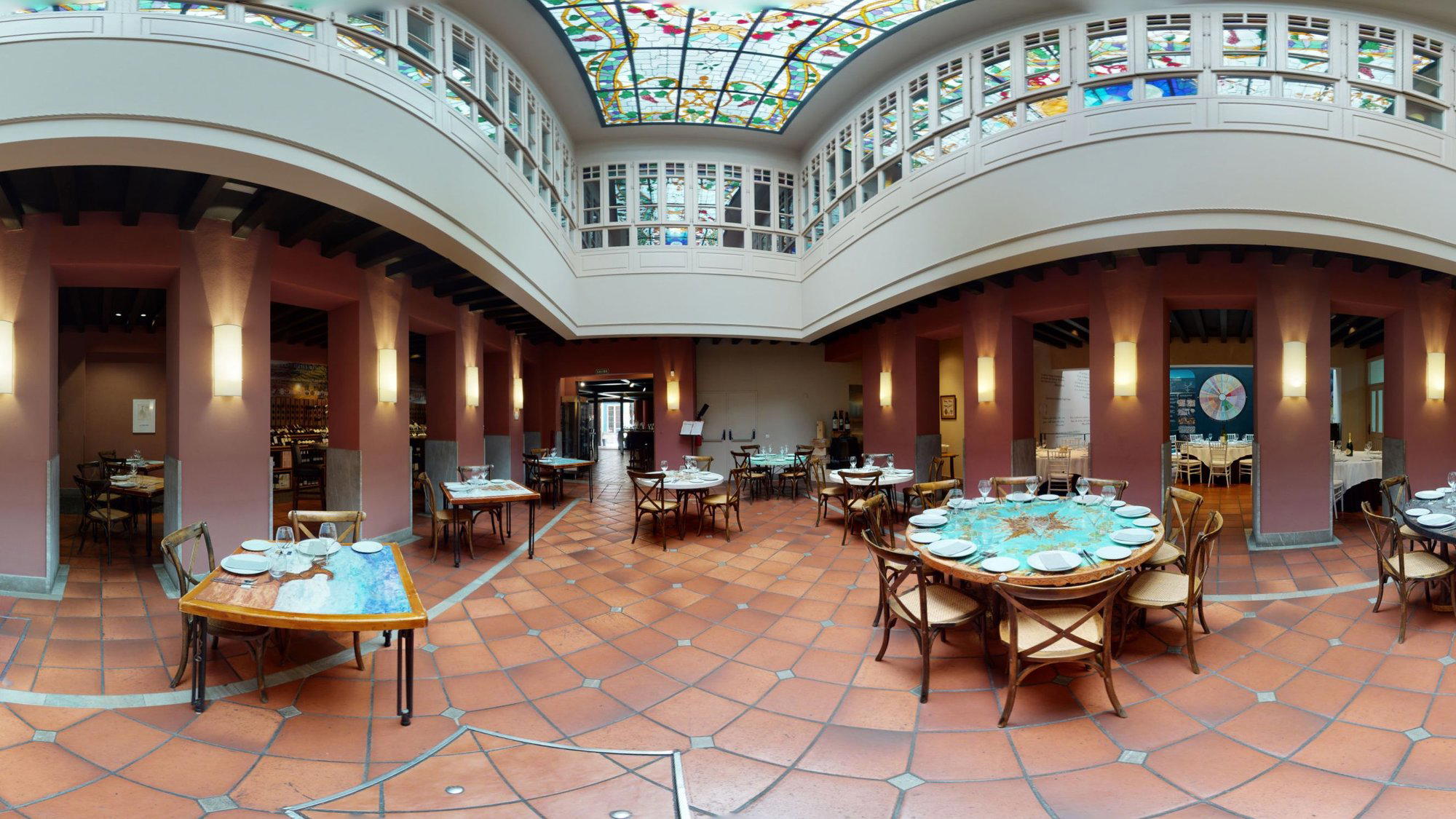
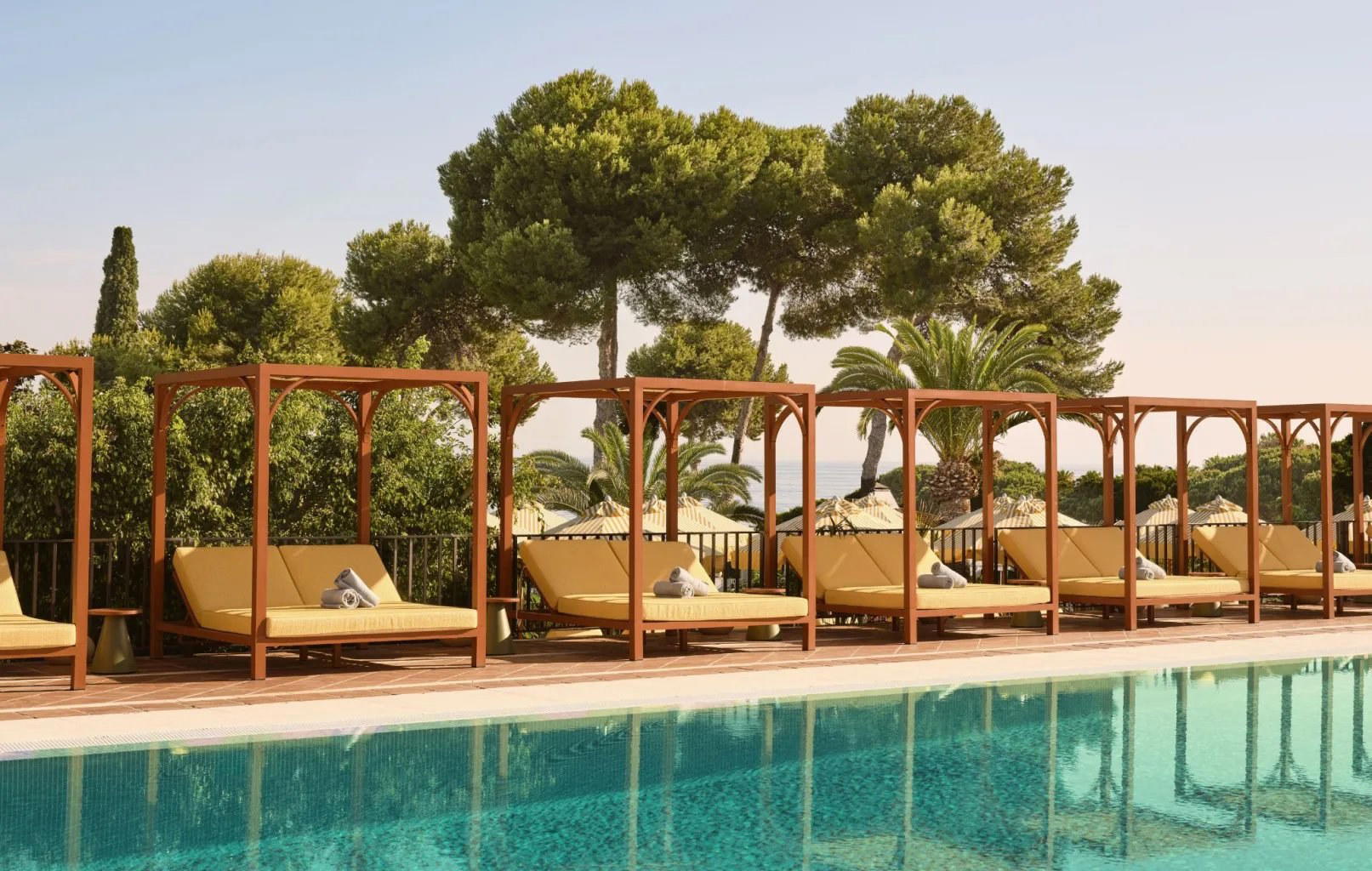
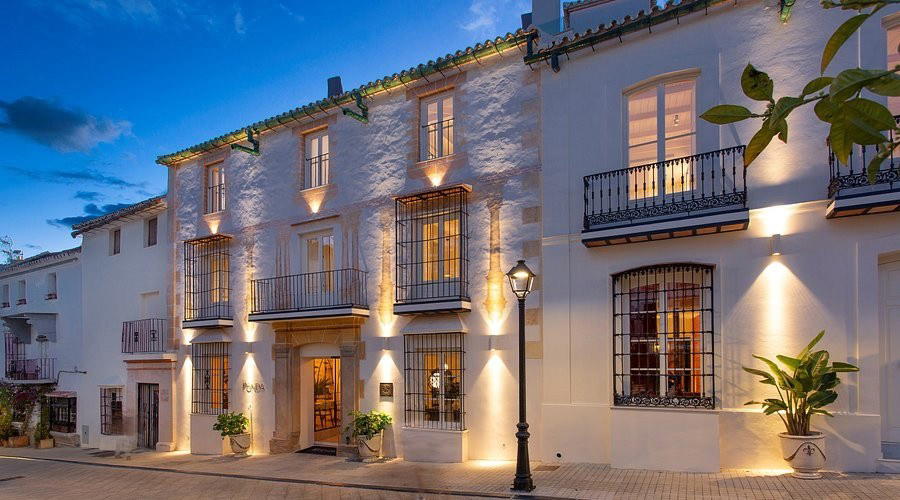
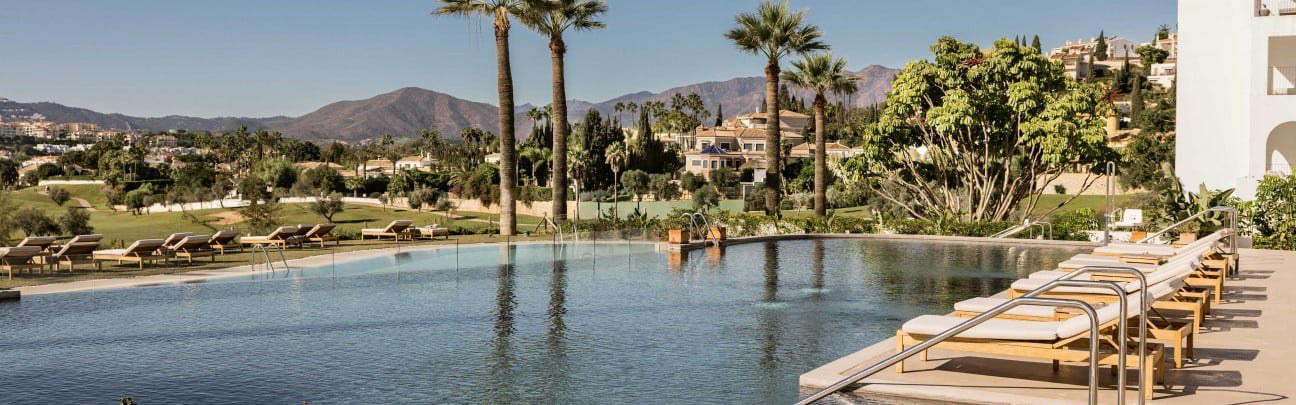
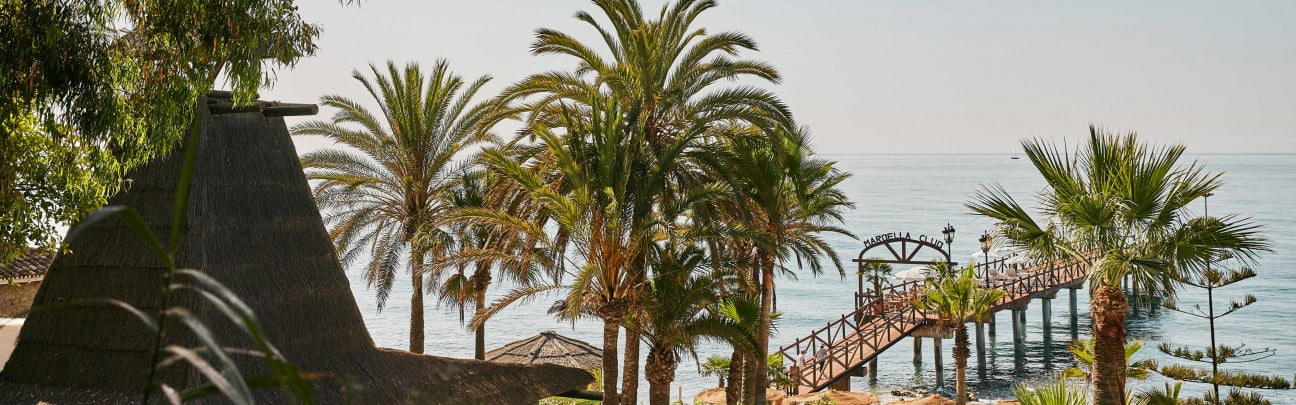
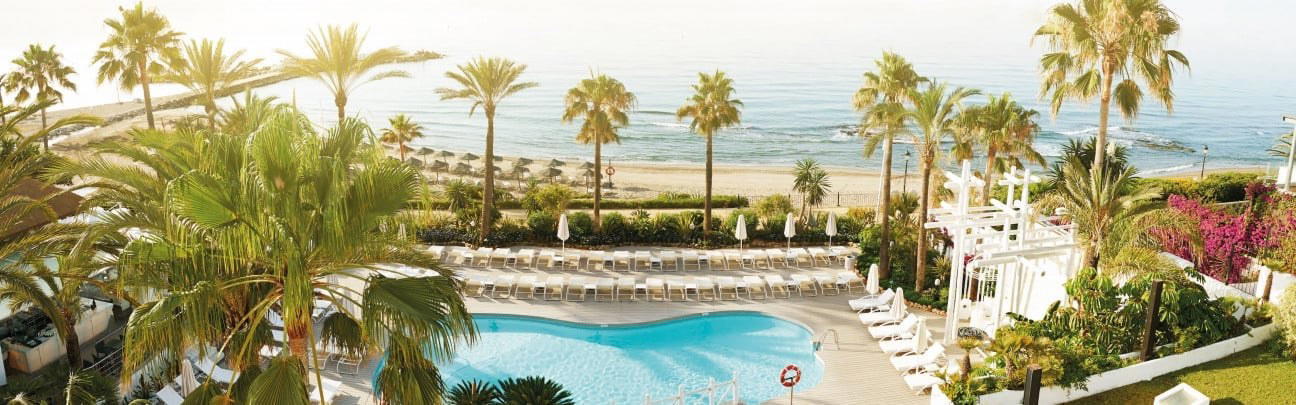
Relaxing haven of peace and tranquillity with harmonious surroundings, warm and comfortably relaxed atmosphere enhanced by lake views.