El Gran Cazador
El Gran Cazador is a Mexico City restaurant operating in a dining culture that increasingly rewards kitchens rooted in ethical sourcing, native ingredients, and waste-conscious cooking. Positioned within a city where sustainably driven menus have moved from niche to expectation, it sits alongside a broader shift in how the capital's serious restaurants think about supply chains and environmental accountability.
Pearl is the En Primeur Club membership app — saves, bookings, and concierge access live there. Same editors, same standards.
- Address
- Mexico City, Mexico
- Directions
- Get directions
 Saves & bookings on Pearl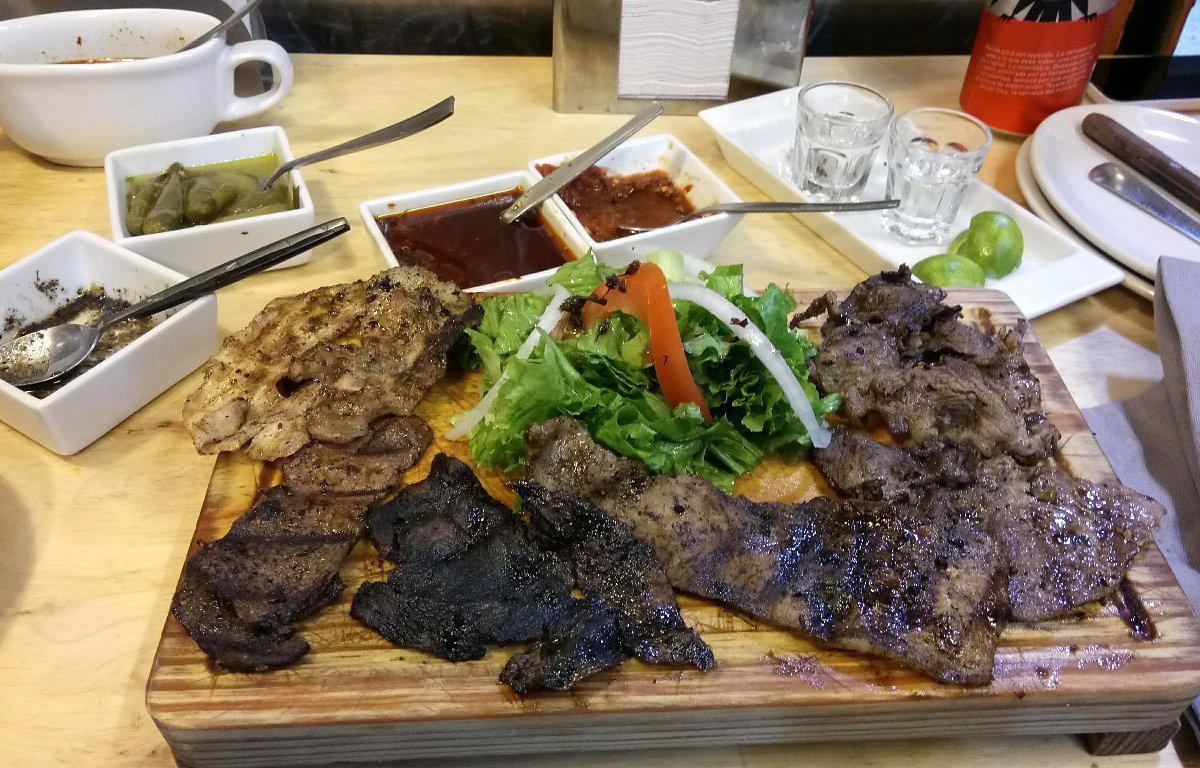
Mexico City's Sustainability Turn and Where El Gran Cazador Fits
Mexico City's restaurant scene has undergone a structural shift over the past decade. Kitchens that once competed primarily on technique or lineage are increasingly differentiated by their sourcing ethics, ingredient provenance, and waste reduction commitments. This is not a surface-level trend driven by menu language. It reflects pressure from a generation of diners who expect the supply chain to match the ambition on the plate, and from a broader ecosystem of producers, seed banks, and small-scale farmers whose relationships with city restaurants have become more formalized and more visible.
El Gran Cazador enters this context as a Mexico City restaurant with a name that translates literally to "The Great Hunter" — a framing that sits interestingly against the current moment in Mexican fine dining, where foraging, hunting, and direct-from-land sourcing have moved from occasional talking points to operational commitments at the capital's more serious tables. The name signals an orientation toward the wild, the sourced, and the seasonally contingent rather than the kitchen-controlled or the imported.
The Room Before the Plate
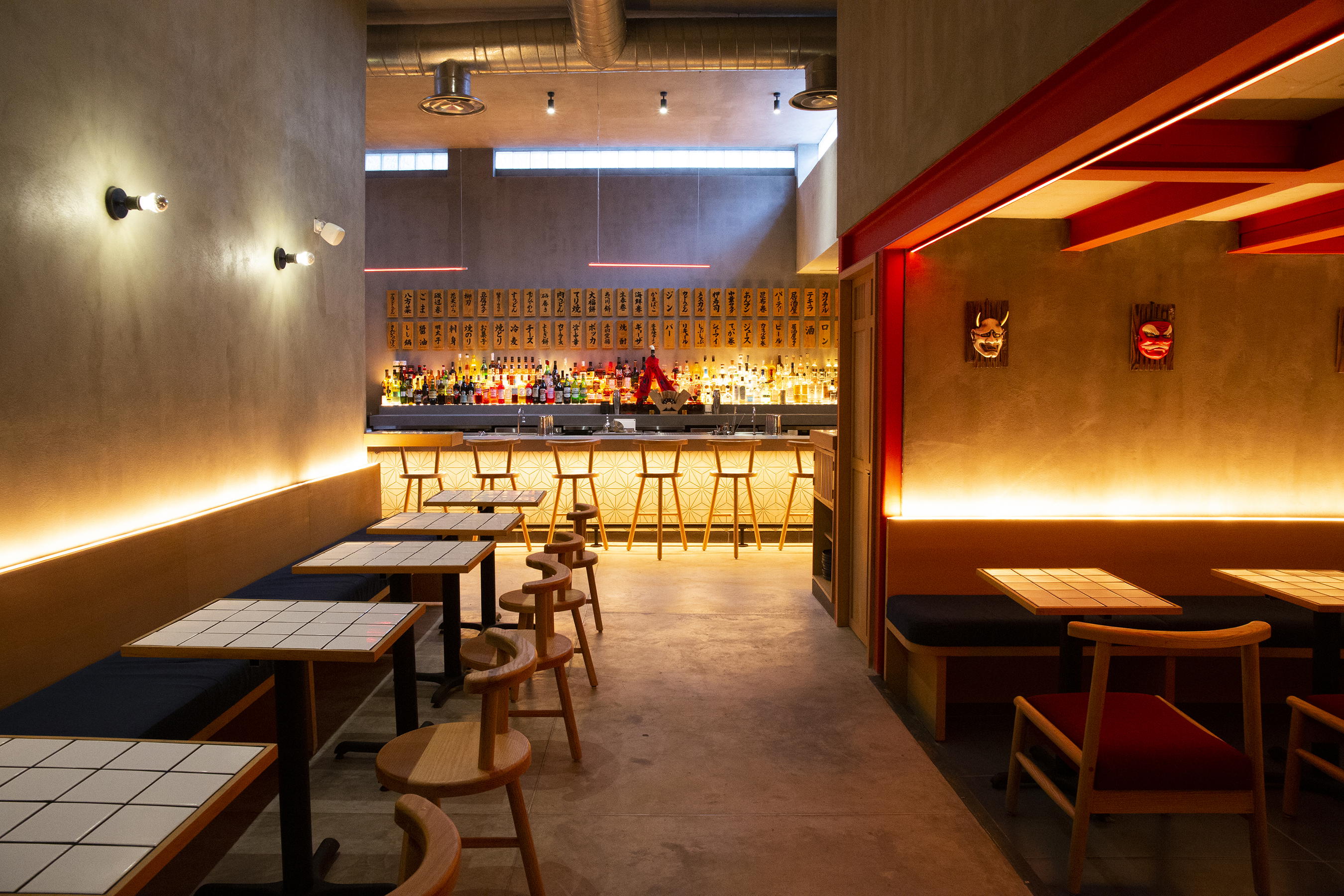
Approaching any Mexico City restaurant that takes sustainability seriously, you notice the deliberateness in the physical environment. The most committed kitchens in this bracket tend to signal their priorities through material choices — reclaimed wood, local ceramics, natural textiles, before a single dish appears.
Mexico City's dining geography matters here. The capital has distinct restaurant corridors, Polanco for expense-account international, Roma Norte for the experimental and independent, Condesa for mid-register creative kitchens, and where a restaurant sits within that geography tells you something about its intended audience and price positioning. Venues operating in the ethical-sourcing space tend to cluster in Roma and Condesa, where the clientele has historically been more receptive to menus that change with harvest cycles and where the neighbourhood infrastructure supports independent, philosophy-driven operations.
Sourcing as the Menu's Architecture
The Mexican kitchen has one of the world's deepest relationships with its native ingredient base. Corn alone encompasses hundreds of native varieties across the country's regions, and the question of which variety a kitchen uses, and where it sources it, has become a credentialing signal among the capital's more serious dining rooms. Beyond corn, native chiles, heirloom beans, wild herbs, and endemic proteins from specific Mexican ecosystems have all entered the vocabulary of kitchens that are doing this work in good faith rather than as branding.
Across Mexico, restaurants like Animalón in Valle de Guadalupe and Levadura de Olla in Oaxaca have built their identities around hyper-regional ingredient sourcing and low-intervention cooking that honors the integrity of those ingredients. In Monterrey, KOLI Cocina de Origen operates in the same ethical-sourcing register. Olivea Farm to Table in Ensenada and Lunario in El Porvenir anchor similar commitments in Baja. What connects these kitchens is not a shared aesthetic but a shared operational logic: the menu is downstream of the sourcing, not the other way around.
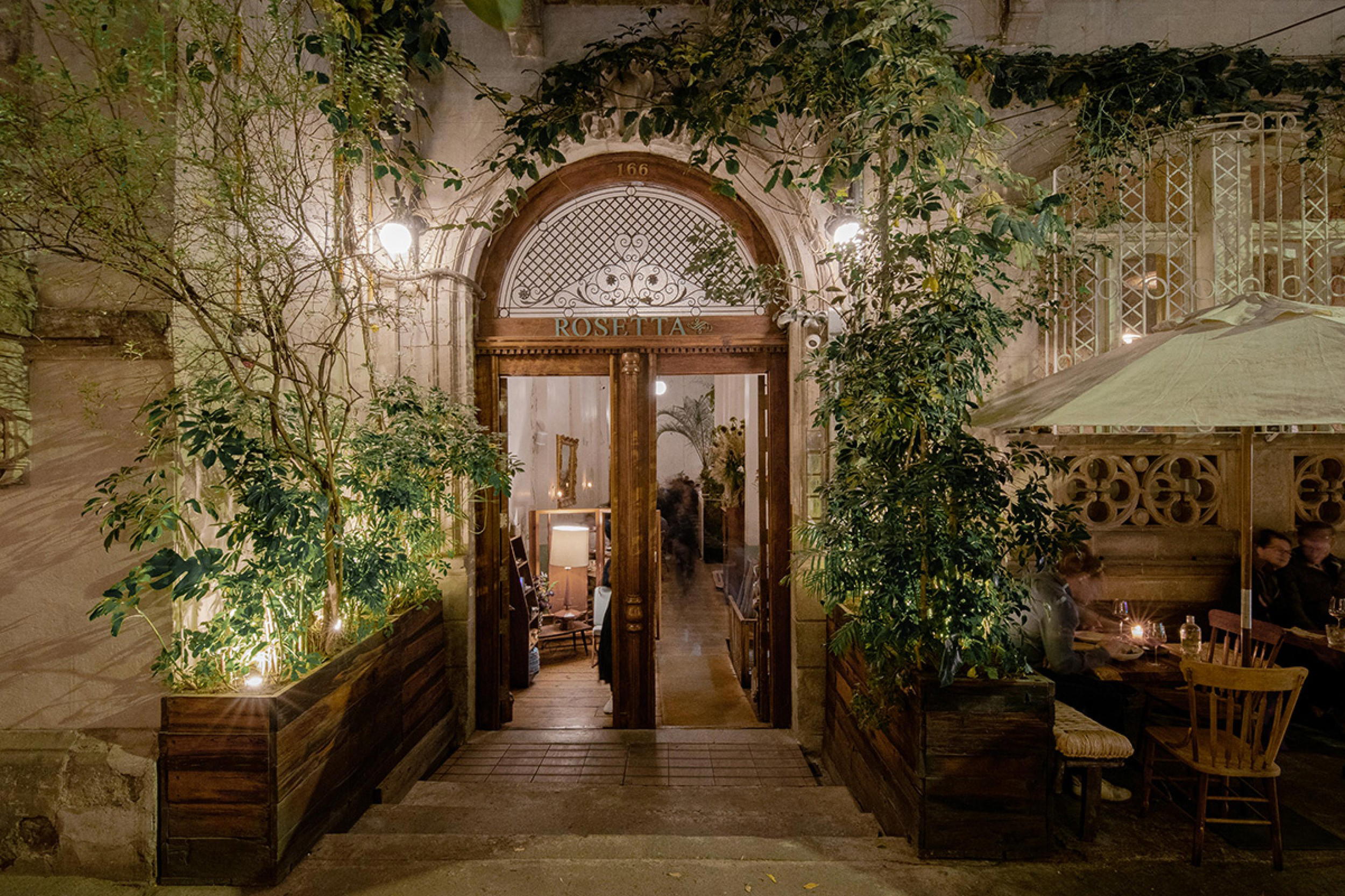
In Mexico City, that logic plays out across a range of price tiers and formats. Pujol operates at the highest price point in the capital's creative-Mexican tier, with sourcing commitments that have been extensively documented. Quintonil has built its entire identity around wild plants, native produce, and the Mexican pantry treated as a living archive rather than a fixed canon. Em works in a similar register at a slightly more accessible price point. Sud 777 and Rosetta occupy adjacent creative territory, each with their own sourcing philosophies layered across different culinary traditions. El Gran Cazador operates within this conversation, in a city where the benchmark for ethical sourcing at the serious end of dining has been set high by its peers.
Waste, Whole-Animal Thinking, and the Hunt Ethos
The most rigorous sustainability commitments in Mexico City's kitchen culture go beyond organic sourcing. Whole-animal butchery, fermentation programs that use trim and offcuts, zero-waste prep protocols, and composting relationships with urban farms have all entered the operational toolkit of kitchens at this level. The name El Gran Cazador, with its hunting reference, implies a relationship with protein that is inherently whole-animal: hunting culture does not produce the controlled uniformity of commercial supply chains, and kitchens that work with wild game or hunt-sourced proteins are almost by necessity committed to using everything.
This is a philosophically coherent position in the current Mexico City dining moment, and it places the kitchen in a lineage that extends internationally. Lazy Bear in San Francisco and Le Bernardin in New York City both operate within high-discipline kitchens where sourcing decisions are load-bearing, not decorative. In Mexico, the equivalent commitment is increasingly a baseline expectation rather than a differentiator at the upper end of the market.
Planning Your Visit
Given the sparse public information currently available on El Gran Cazador, the practical guidance below is based on peer-set norms for sustainably oriented restaurants in Mexico City's creative dining bracket.
| Factor | El Gran Cazador | Quintonil | Em |
|---|---|---|---|
| Price tier | Not confirmed | $$$$ | $$$ |
| Cuisine orientation | Sourcing-led Mexican (implied) | Native plant-forward Mexican | Creative Mexican |
| Booking lead time | Verify directly | Several weeks typical | 1-2 weeks typical |
| Format | Not confirmed | Tasting menu available | Tasting menu available |
For broader Mexico City context, the EP Club Mexico City restaurants guide covers the full range of the capital's serious dining options across price tiers and neighbourhoods. Elsewhere in Mexico, HA' in Playa del Carmen, Le Chique in Puerto Morelos, Arca in Tulum, Pangea in San Pedro Garza García, and Alcalde in Guadalajara represent the country's wider creative and ethically anchored dining range.
Price Lens
| Venue | Cuisine | Price | Awards |
|---|---|---|---|
| El Gran CazadorThis venue — the venue you are viewing | Not listed | This venue | Not listed |
| Pujol | Mexican | $$$$ | Michelin 2 Star |
| Quintonil | Modern Mexican, Contemporary | $$$$ | Michelin 2 Star |
| Rosetta | Italian, Creative | $$ | Michelin 1 Star |
| Em | Mexican | $$$ | Michelin 1 Star |
| Comedor Jacinta | Not listed | $$ | Mexico, Mexican, $$ |
Continue exploring
More in Mexico City
Restaurants in Mexico City
Browse all →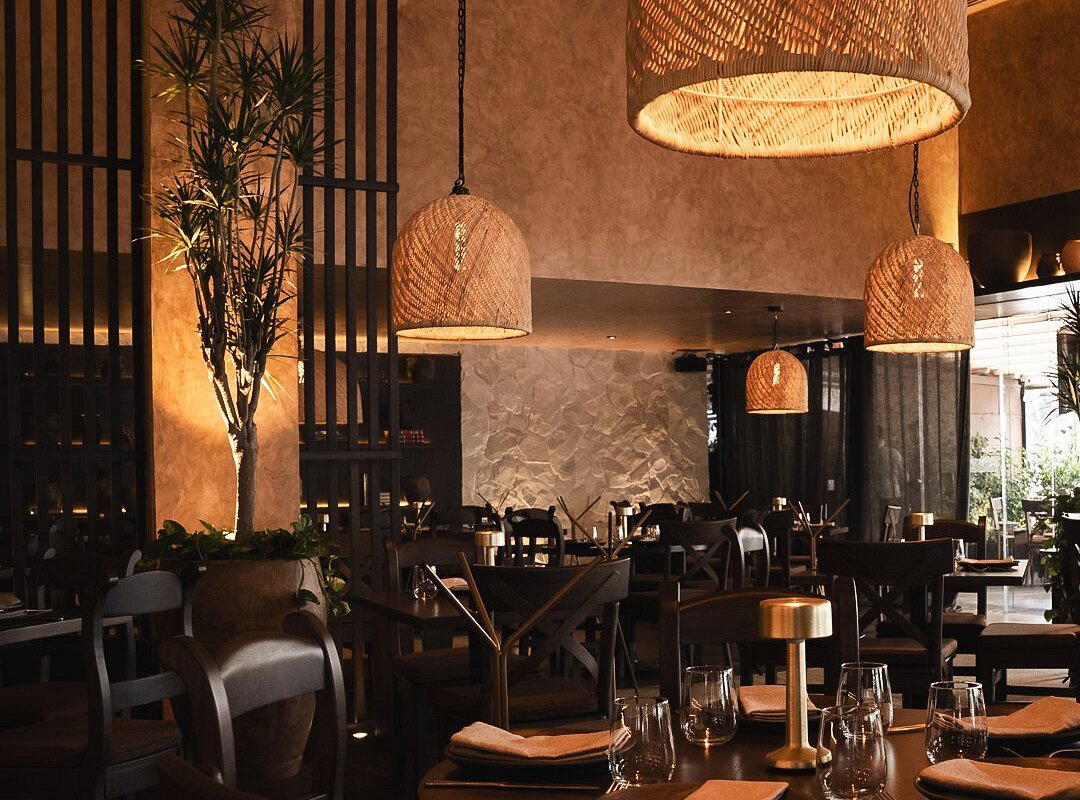
Bars in Mexico City
Browse all →





At a Glance
- Rustic
- Lively
- Casual Hangout
- Solo
- Open Kitchen
Casual marketplace lunch counter with a focus on adventurous, exotic dining experiences.