Barrio Alameda
Barrio Alameda sits on Calle Dr Mora in the Centro Histórico, a neighbourhood where pre-Hispanic market tradition and centuries of street food culture converge a short walk from the Alameda Central park. The address places it inside one of Mexico City's most historically layered dining corridors, where the interplay between kitchen, floor, and bar defines how a meal reads from first course to last.
Pearl is the En Primeur Club membership app — saves, bookings, and concierge access live there. Same editors, same standards.
- Address
- Calle Dr Mora 9, Colonia Centro, Centro, Cuauhtémoc, 06050 Ciudad de México, CDMX, Mexico
- Phone
- +52 55 5512 3810
- Website
- barrioalameda.com
- Directions
- Get directions
 Saves & bookings on Pearl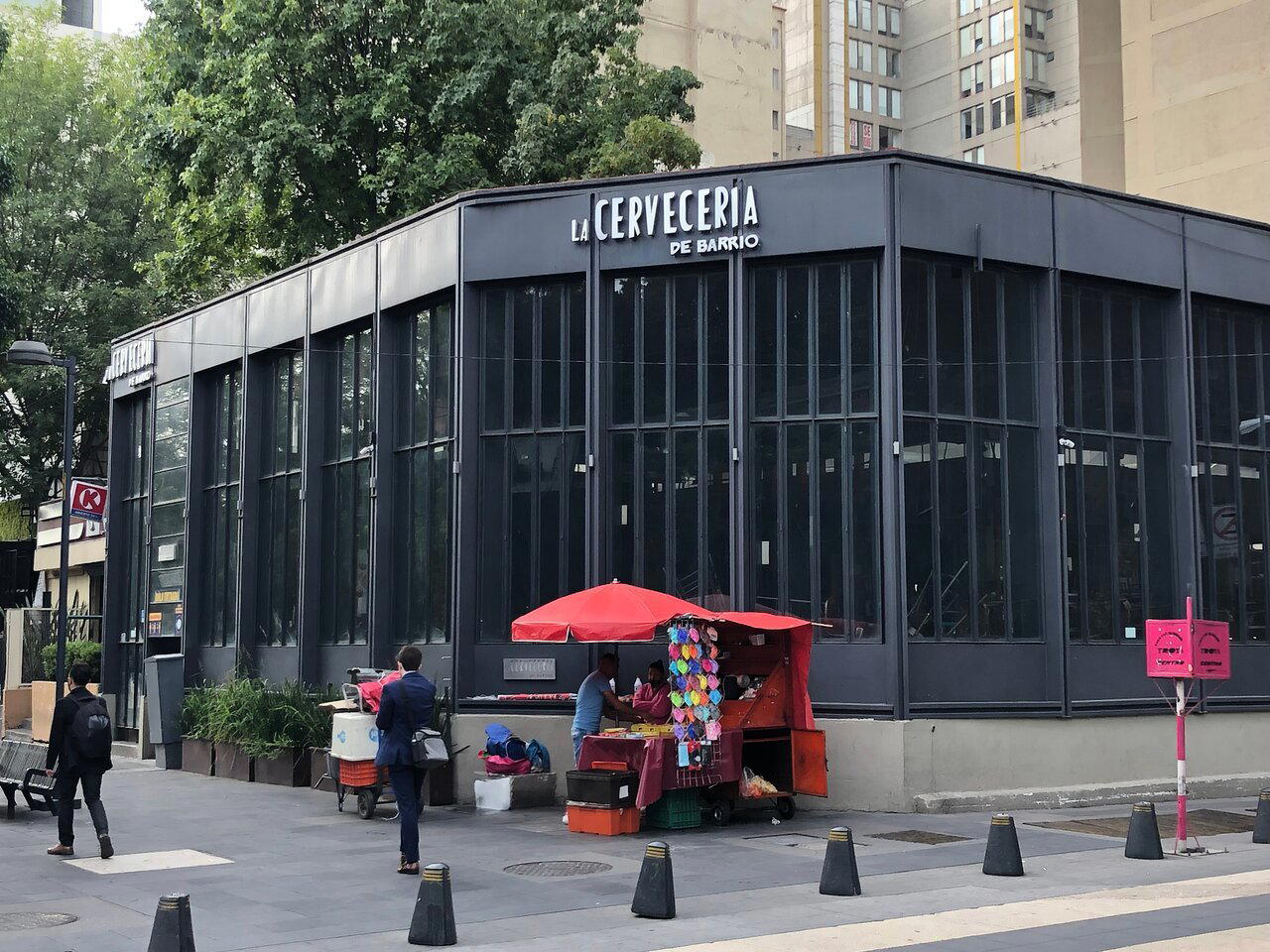
Centro Histórico and the Dining Culture Around It
Mexico City's Centro Histórico carries more culinary history per city block than almost any district in the Americas. The neighbourhood around the Alameda Central park, where Calle Dr Mora runs south of the green, has long attracted restaurants that want colonial-era architecture at mid-range rents — a combination that continues to draw operators who prioritise room character over postcode prestige. Barrio Alameda occupies that address at number 9, and the location frames everything about how the restaurant positions itself: neighbourhood-rooted, historically conscious, accessible without being casual.
The Centro sits at a different price tier from the Polanco and Roma Norte corridors where Pujol and Quintonil operate. Those rooms are part of a global fine-dining conversation; the Centro operates with different priorities. Here, the relationship between a restaurant and its immediate streetscape matters more than a Michelin symbol, and the energy of the Alameda area — market vendors, government buildings, tourists from domestic and international routes, feeds into what a dining room feels and sounds like by noon and again by eight in the evening.
The Physical Room and What It Signals
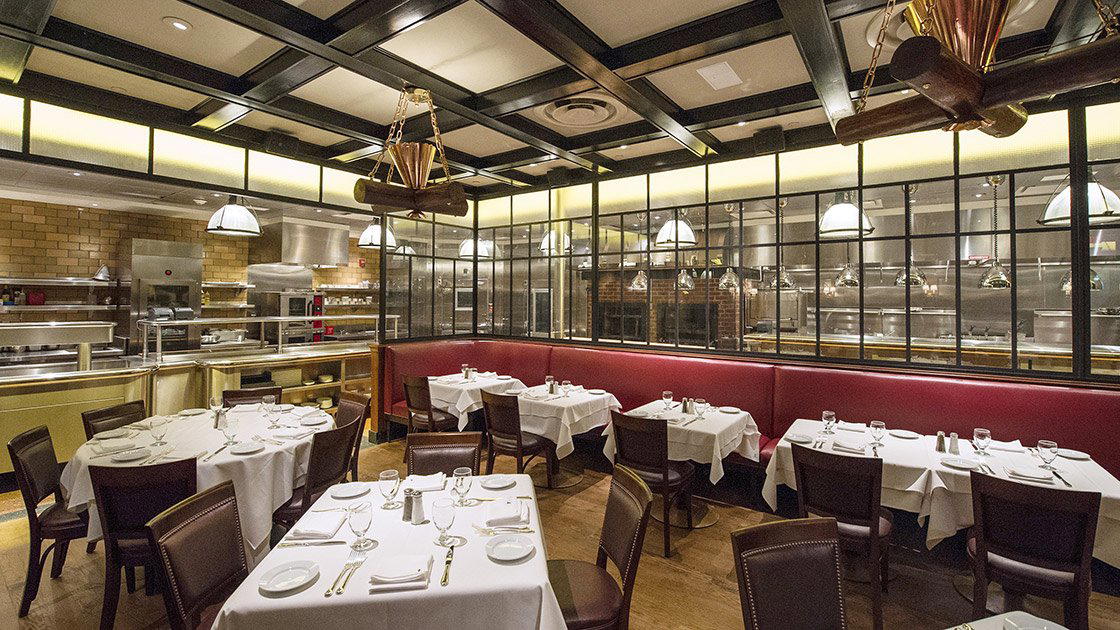
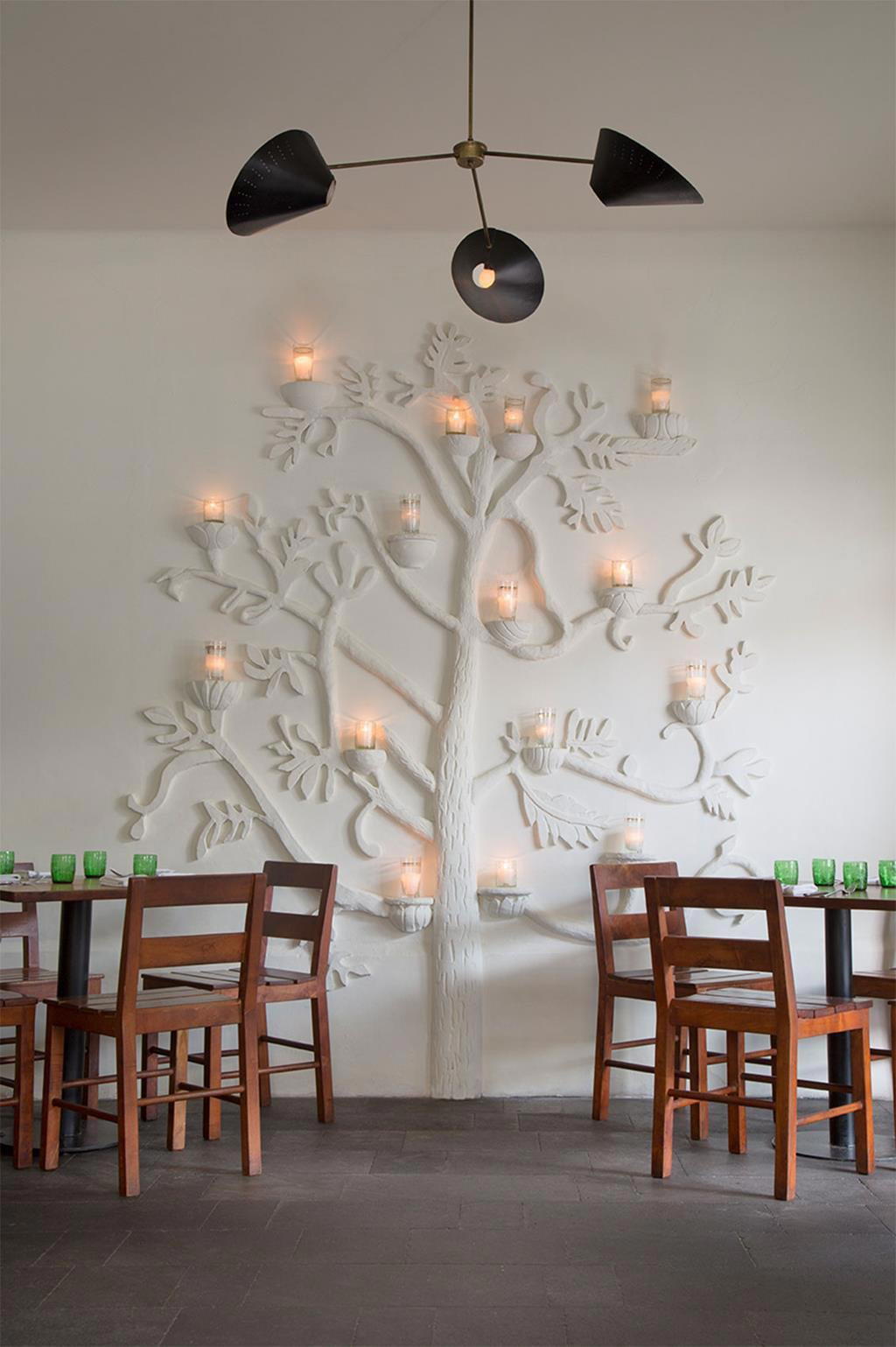
Approaching along Dr Mora, the street offers the compressed scale typical of Centro blocks: narrow pavements, building facades that date from several centuries simultaneously, street sound that doesn't fully stop. Inside, restaurants in converted colonial buildings tend to work around interior courtyards or high-ceilinged ground floors, formats that absorb noise without losing warmth. The physical environment in spaces like this does a significant amount of editorial work before a menu arrives: it tells a diner whether the room is trying to perform luxury or simply occupy its context with confidence.
For a restaurant on this corridor, the surrounding area includes significant cultural infrastructure. The Alameda Central itself, one of the oldest public parks in the Americas, is within walking distance, as is the Museo Franz Mayer and the Palacio de Bellas Artes. Dinner here tends to sit naturally inside a broader evening that might begin at a museum or end with a walk through lit public space, a rhythm that distinguishes Centro dining from the destination-neighbourhood model of Condesa or Coyoacán.
How Kitchen, Floor, and Bar Work Together in This Format
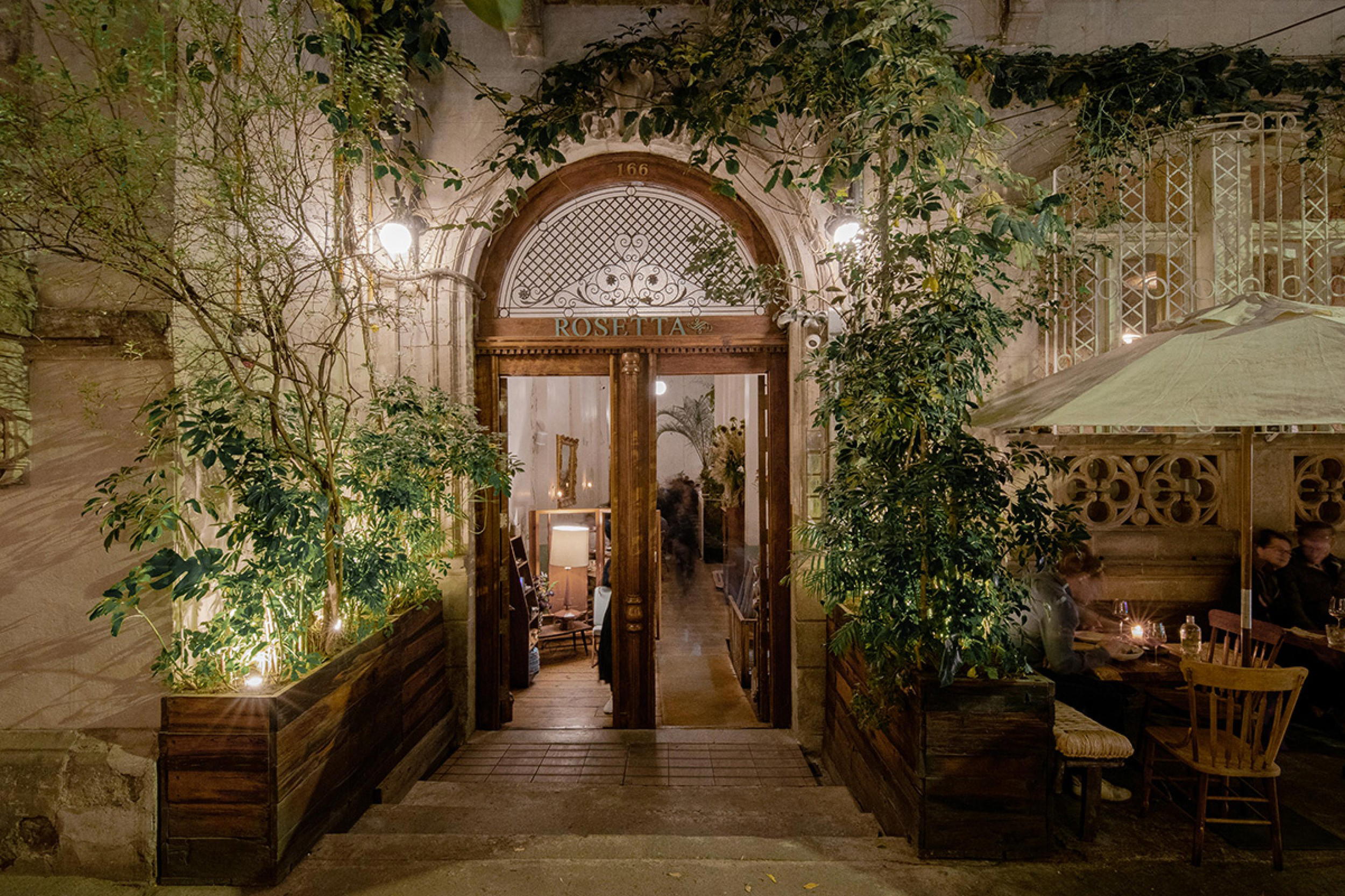
Across Mexico City's mid-market restaurants, the quality differential between venues of similar price and neighbourhood profile increasingly comes down to team coherence rather than individual standout elements. A kitchen producing technically sound food loses ground quickly when the floor doesn't know how to pace a table, or when a bar programme operates as a separate concern from what's coming out of the kitchen. The leading rooms in this tier, think of how Rosetta maintains floor discipline across a long service or how Em handles the transition between courses with minimal friction, treat service choreography as part of the food offer, not a support function.
At Barrio Alameda, the address in Colonia Centro and the name's direct reference to the park suggest a restaurant that understands its neighbourhood identity as a deliberate choice. In a city where restaurants at the Sud 777 tier communicate through tasting-menu architecture and long booking windows, a Centro address signals something different: a room where the interaction between staff and guest needs to do the work that a formal tasting format would otherwise do structurally. That makes the front-of-house and bar dynamic especially consequential, the experience depends on the people in the room more than on a fixed menu sequence.
Mexico's broader restaurant culture has been producing some of its most interesting team-led work outside the capital entirely. Animalón in Valle de Guadalupe runs a model where the open-fire kitchen and floor operate almost as a single unit visible to the guest. Le Chique in Puerto Morelos has built a tasting format where sommelier input is structurally integrated rather than optional. KOLI in Monterrey and Alcalde in Guadalajara demonstrate how regional restaurants are now matching and sometimes leading the capital on team coordination. The Centro Histórico equivalent of that dynamic plays out differently, with fewer theatrical elements and more reliance on direct hospitality, but the underlying principle holds.
The Wider Mexican Restaurant Map
Understanding where a Centro restaurant sits requires some sense of what Mexico's dining tier structure actually looks like. At the leading are rooms like Levadura de Olla in Oaxaca, which foregrounds pre-Hispanic technique with scholarly precision, or HA' in Playa del Carmen, where Mayan ingredients frame a tasting menu. Pangea in San Pedro Garza García has maintained a different kind of authority, long tenure and consistent critical acknowledgment in a northern market. Lunario in El Porvenir and Olivea in Ensenada anchor the Baja wine-country dining conversation, while Arca in Tulum occupies its own category of jungle-adjacent natural-wine dining.
A Centro restaurant in Mexico City doesn't compete directly with any of these. It operates at a different register, for a different kind of visit, one where the city itself is the point, and the restaurant is part of the texture of a day in the capital rather than a pilgrimage destination in its own right. That's a valid and underrepresented category in the way Mexico City dining gets written about, which tends to focus on the internationally recognised fine-dining tier at the expense of the restaurants that actually constitute the majority of meaningful meals eaten in the city on any given evening.
For reference on where international fine-dining comparisons sit, rooms like Le Bernardin in New York or Lazy Bear in San Francisco operate with highly structured team models where every guest interaction is scripted within a tasting format. The Centro model is less formal but not less intentional, the leading versions of it require the same coordination with different tools.
Planning a Visit
Barrio Alameda sits at Calle Dr Mora 9 in Colonia Centro, within easy walking distance of the Alameda Central park and the Bellas Artes metro station, which connects to lines 2 and 8, making it one of the more direct Centro addresses to reach by public transport from most parts of the city. Given that the Centro sees heavy foot traffic during lunch hours from nearby government and cultural institutions, evening visits tend to offer a different pace. For full listings of where this address fits in the Mexico City dining picture, the EP Club Mexico City restaurants guide maps the city across neighbourhoods and price tiers.
Booking and Cost Snapshot
A quick peer check to anchor this venue’s price and recognition.
| Venue | Cuisine | Price | Awards |
|---|---|---|---|
| Barrio AlamedaThis venue — the venue you are viewing | Not listed | Not listed | Not listed |
| Pujol | Mexican | $$$$ | Michelin 2 Star |
| Quintonil | Modern Mexican, Contemporary | $$$$ | Michelin 2 Star |
| Rosetta | Italian, Creative | $$ | Michelin 1 Star |
| Em | Mexican | $$$ | Michelin 1 Star |
| Comedor Jacinta | Mexico, Mexican | $$ | Not listed |
Continue exploring
More in Mexico City
Restaurants in Mexico City
Browse all →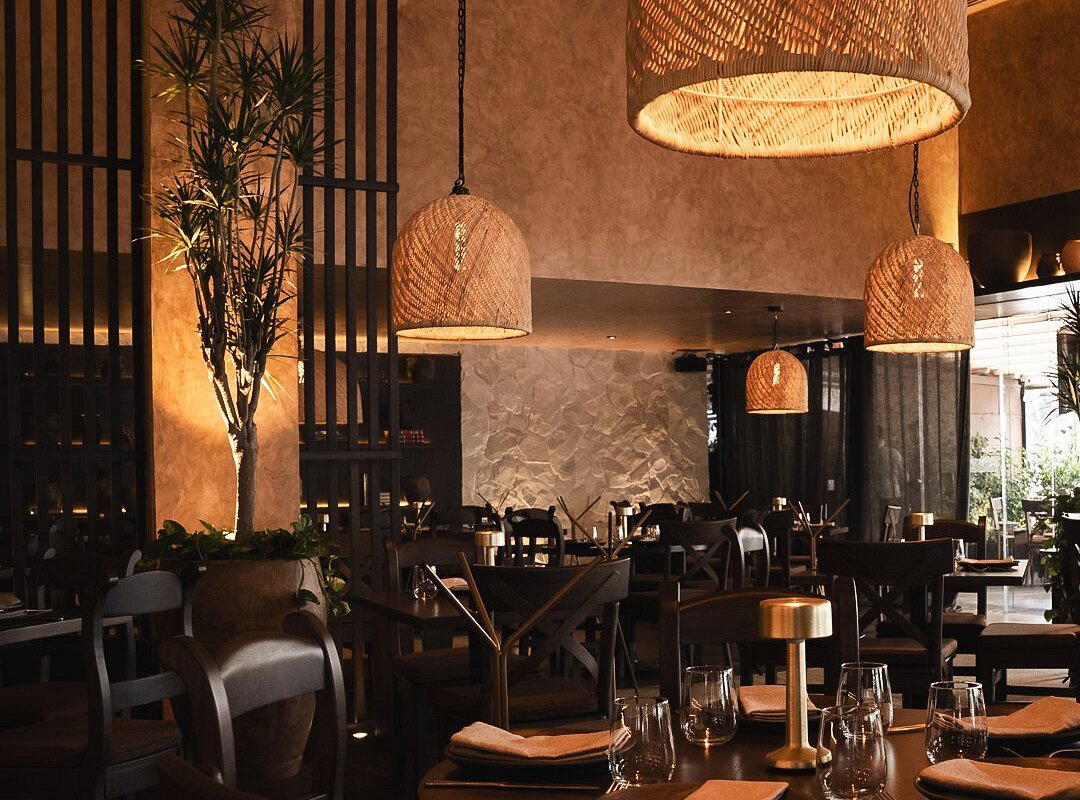
Bars in Mexico City
Browse all →
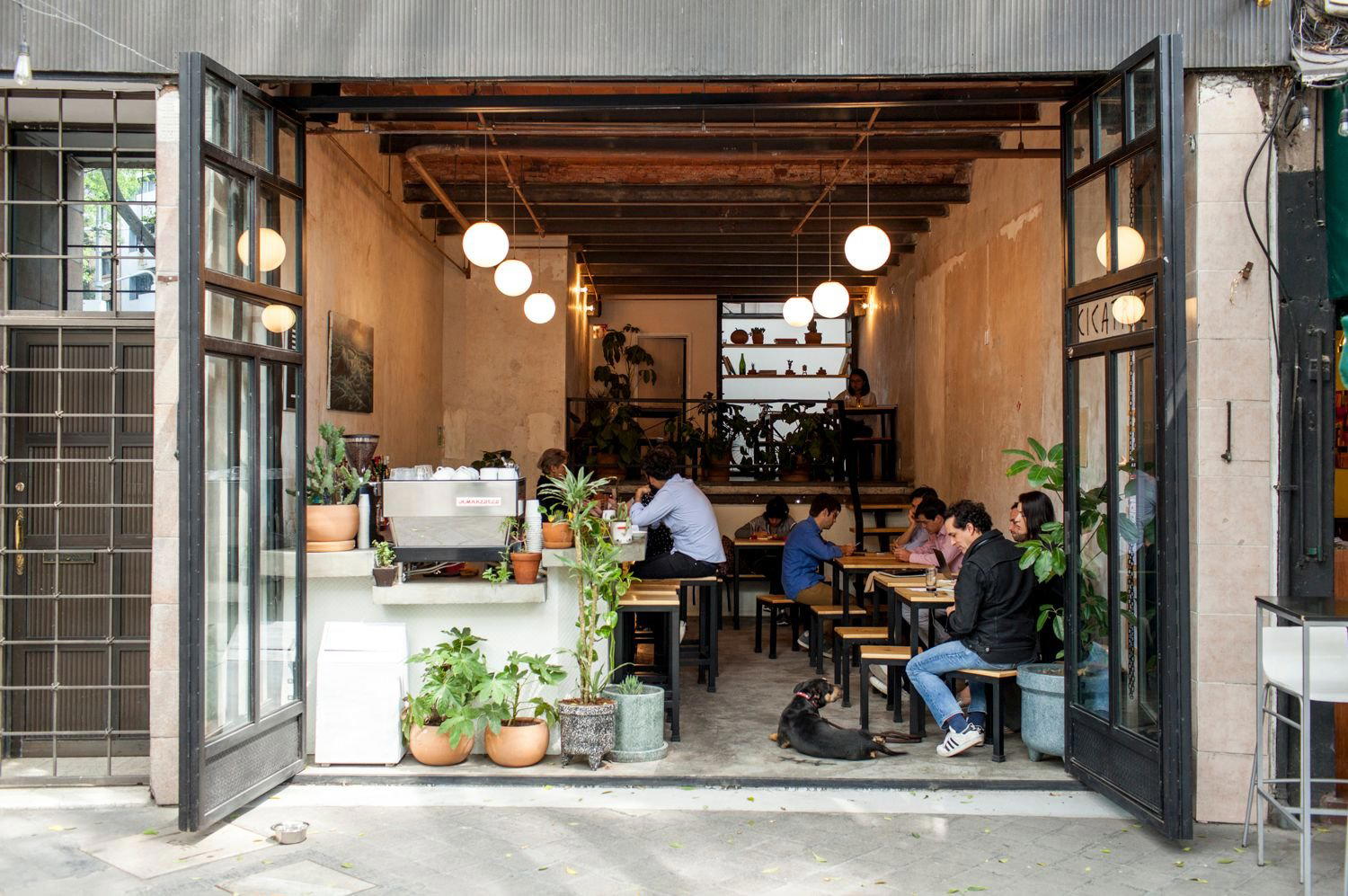
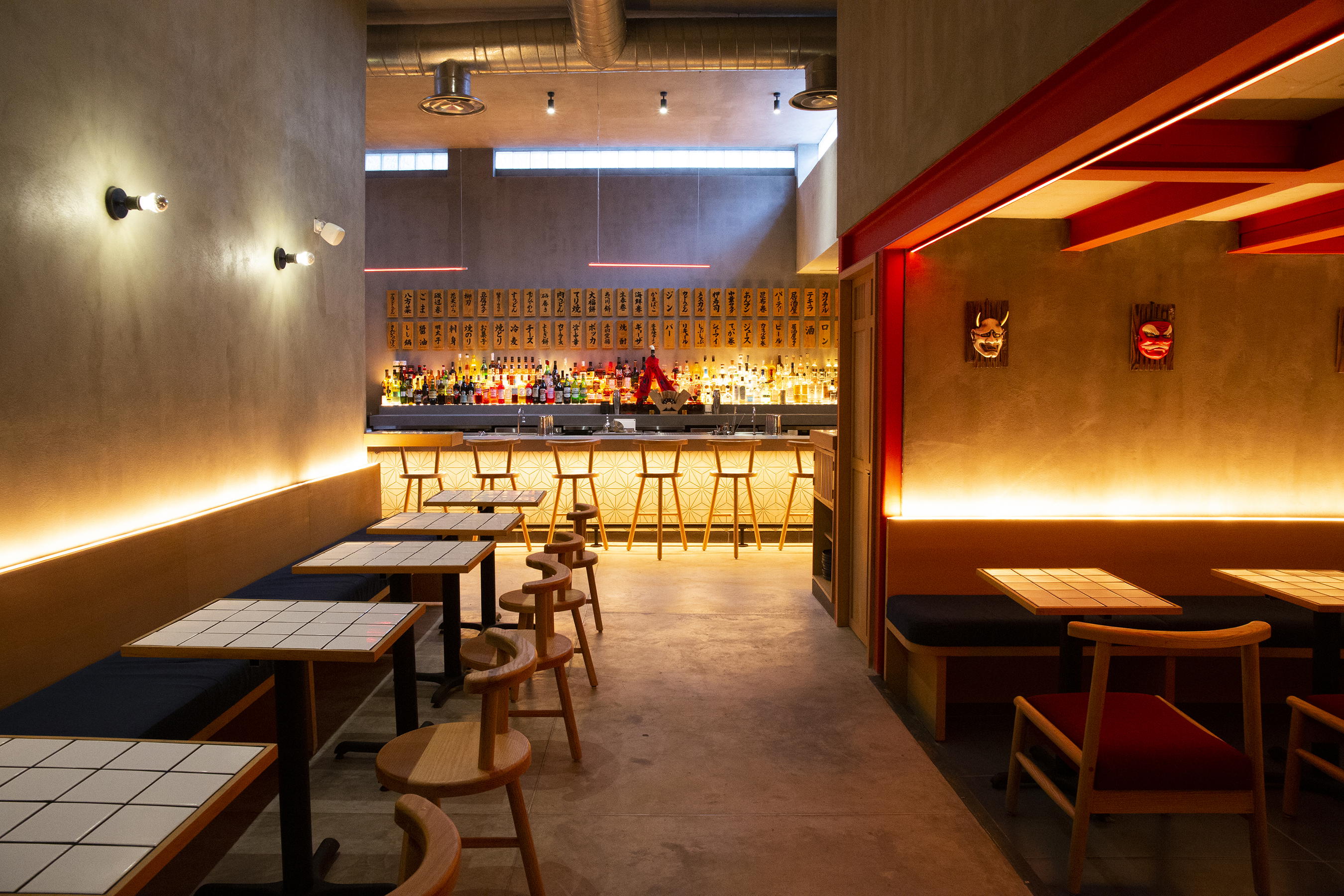
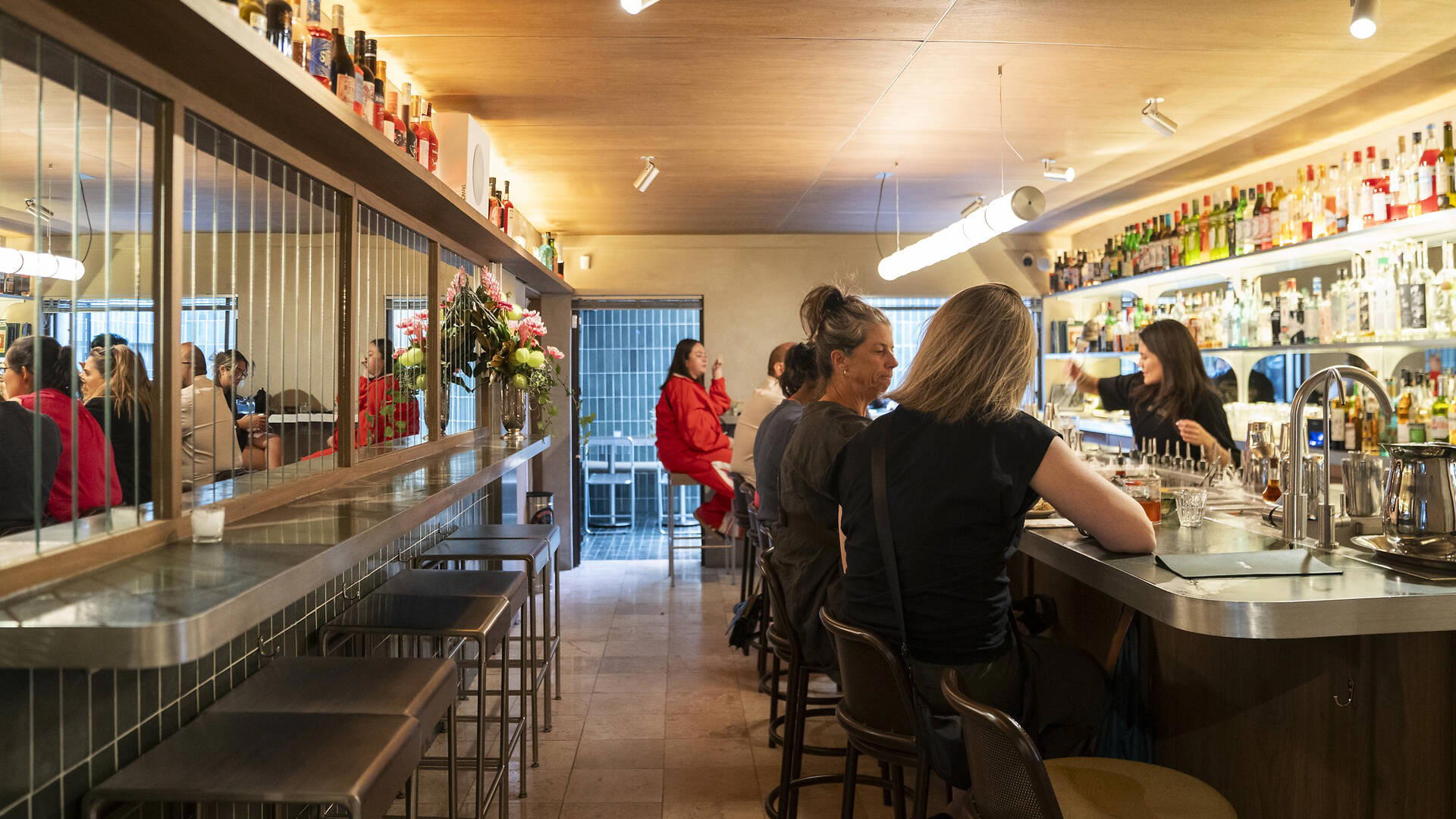
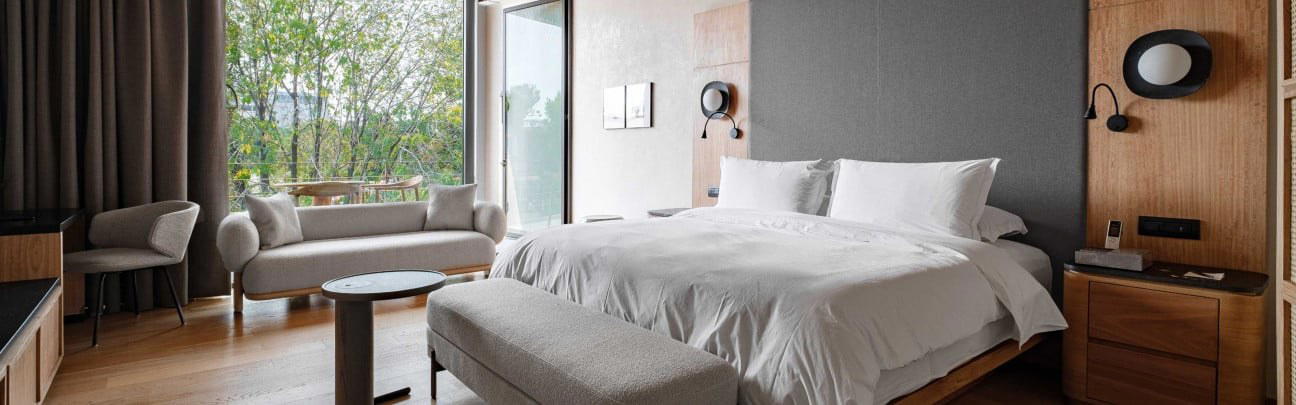
At a Glance
- Lively
- Trendy
- Scenic
- Casual Hangout
- Date Night
- Rooftop
- Terrace
- Open Kitchen
- Craft Cocktails
- Skyline
- Street Scene
Current opening hours
- Monday
- 12–8 PM
- Tuesday
- 12–8 PM
- Wednesday
- 12–8 PM
- Thursday
- 12–8 PM
- Friday
- 12–8 PM
- Saturday
- 12–8 PM
- Sunday
- 12–8 PM
Hours can change for holidays and private events. Last verified .
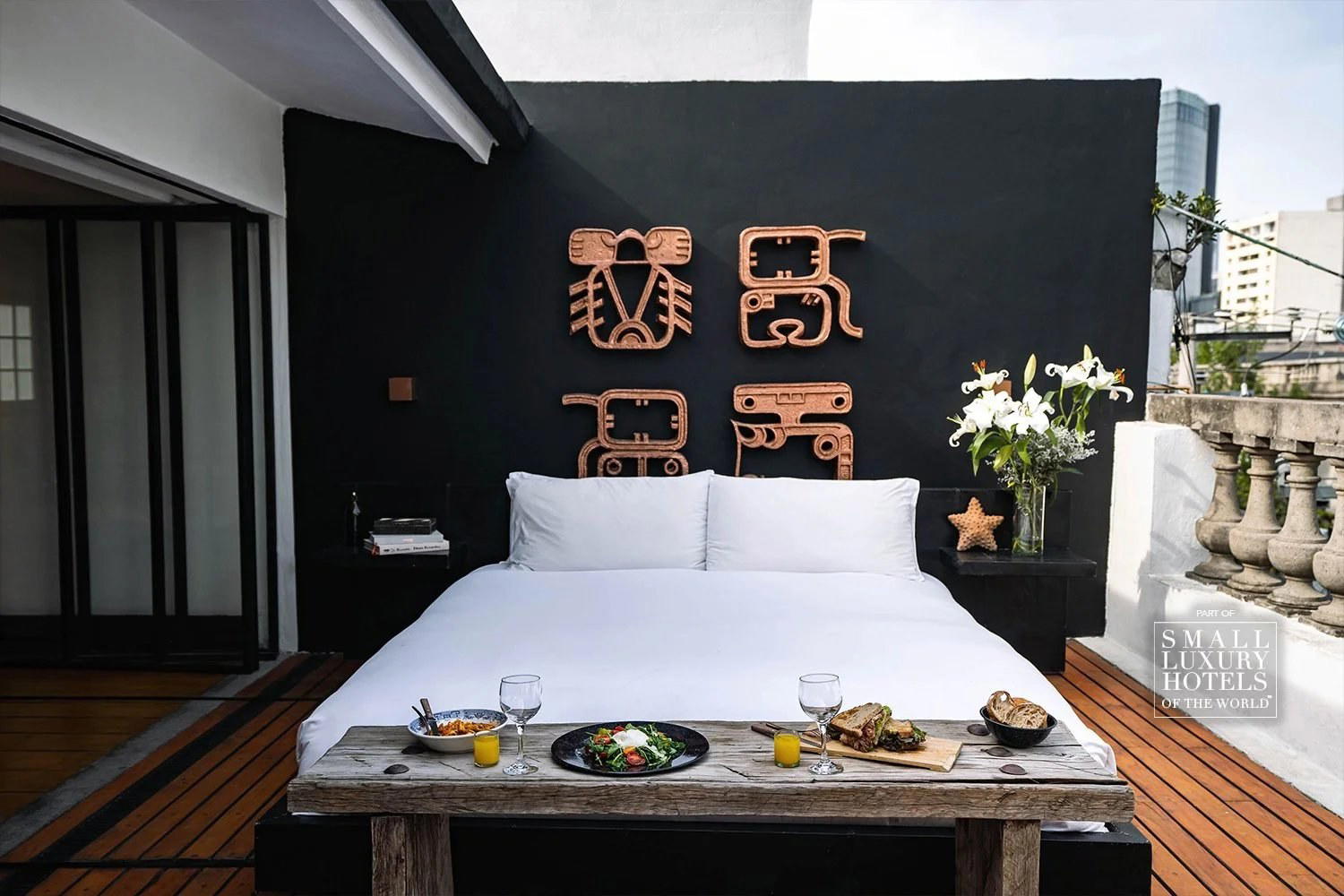
Lush rooftop garden with open-air seating, gazebo, shaded areas, and a comfy fun atmosphere enhanced by city breezes and electro chill music.
Know Before You Go
- Getting there
- Calle Dr Mora 9, Colonia Centro, Centro, Cuauhtémoc, 06050 Ciudad de México, CDMX, Mexico