Cantina La 20
Cantina La 20 occupies a corner of Colonia Nápoles that moves at a different rhythm from Mexico City's fine-dining corridor. The format is rooted in the traditional cantina model — a social institution as much as a dining room — where the focus falls on the table as a gathering point rather than a tasting sequence. For travellers mapping the city's eating culture beyond the tasting-menu circuit, it represents a useful counterpoint.
Pearl is the En Primeur Club membership app — saves, bookings, and concierge access live there. Same editors, same standards.
- Address
- Filadelfia 38, Nápoles, Benito Juárez, 03810 Ciudad de México, CDMX, Mexico
- Phone
- +525511077979
- Website
- opentable.com
- Directions
- Get directions
 Saves & bookings on Pearl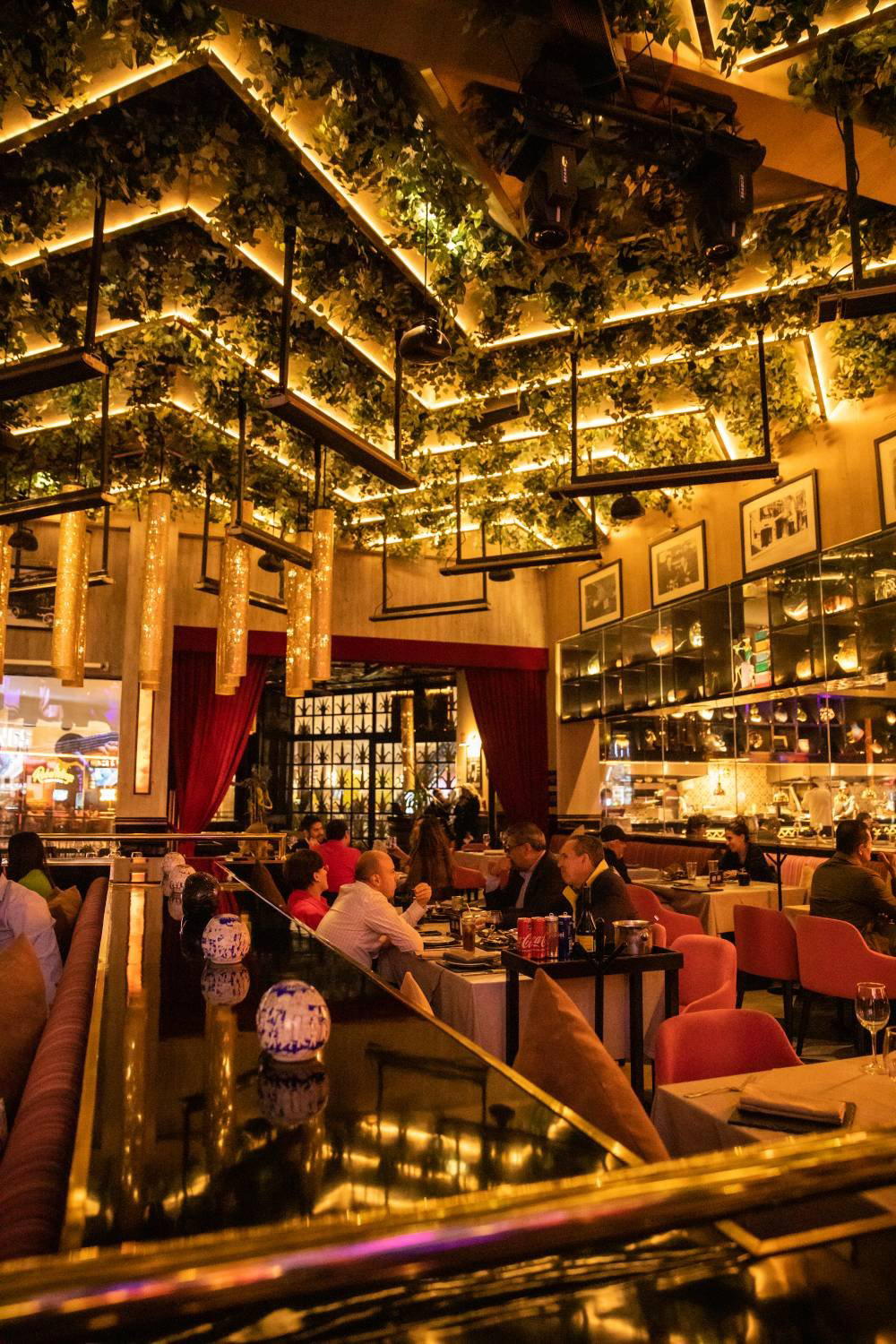
The Cantina Tradition and Where Nápoles Fits In
Mexico City's dining conversation tends to orbit a familiar axis: the tasting-menu powerhouses of Polanco and Roma, the creative modernists at places like Pujol and Quintonil, and the neighbourhood trattorias of Condesa. What that conversation frequently skips is the cantina — a format with a longer social history in the capital than almost any other, and one that continues to operate on its own terms, largely outside the awards circuit.
The traditional Mexican cantina predates the contemporary restaurant industry by generations. Its logic is communal: long tables or shared bars, food that arrives as botanas rather than plated courses, and a drinking culture built around mezcal, cerveza, and conversation that extends well past the meal. The format sits closer to a tavern than a bistro, and its success is measured in return visits and neighbourhood loyalty rather than reservation scarcity or critical column inches.
Cantina La 20 operates within that tradition at Filadelfia 38 in Colonia Nápoles, a district that sits south of Roma and east of Insurgentes — residential, mid-density, and substantially less photographed than the neighbourhoods that generate most of the city's food coverage. Nápoles is not a dining destination in the way that Polanco is, and that is precisely what gives a cantina located there its particular social function. It serves a local population, not a tourist itinerary.
Cantina Format as an Ethical Default
The sustainability conversation in fine dining tends to produce a recognisable set of gestures: locally sourced tasting menus, zero-waste fermentation programs, and chef-cultivated relationships with small farms. Those are legitimate signals, visible at places like Animalón in Valle de Guadalupe or Levadura de Olla in Oaxaca, where provenance is foregrounded as editorial content. The cantina model rarely frames itself that way, but the structural logic is, in several respects, inherently low-footprint.
Traditional cantinas operate with compact, stable menus built around a core of preserved, fermented, and slow-cooked preparations: pickled vegetables, braised offal, dried chiles, and long-cooked legumes. This is not a curated sustainability philosophy, it is the inherited cooking logic of a format that had to feed people economically over long operating hours. The practical result is a kitchen that generates less waste per cover than most tasting-menu formats, relies on cheaper and more abundant cuts, and changes its menu infrequently enough that seasonal procurement can be planned rather than reactive.
Across Mexico, the cantina model connects to regional supply chains that bypass the premium importers used by high-end kitchens. Mezcal sourced from small Oaxacan producers, dried goods from established market vendors, and vegetables from nearby abasto markets represent a form of short-chain sourcing that predates the farm-to-table framing used elsewhere. For context, the ethical sourcing frameworks gaining traction at places like Olivea Farm to Table in Ensenada or Arca in Tulum are formalising what cantinas have practised structurally for decades, without the branding apparatus.
Reading the Room in Nápoles
Walking along Filadelfia, the visual register is ordinary-residential: mid-century apartment buildings, local pharmacies, corner stores. The cantina format fits this context because it was designed for it. Unlike the Roma or Condesa restaurant, which often positions its dining room as a destination object, the Nápoles cantina is background infrastructure, a place the neighbourhood returns to, not one it discovers.
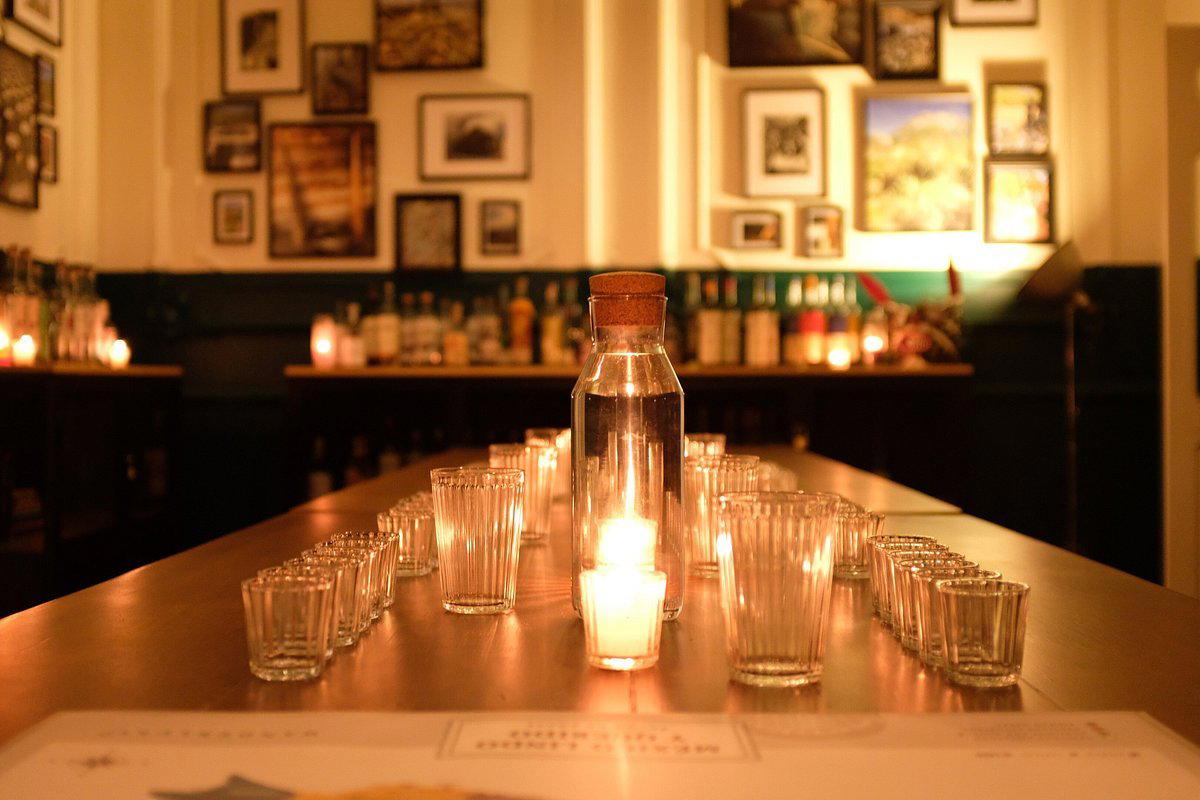
Inside a traditional cantina, the spatial logic reinforces the social one. Tables are close, surfaces are practical, and the acoustic environment is shaped by conversation rather than controlled by a sound system. The botana culture, small plates that arrive automatically with drinks in many traditional cantinas, creates a rhythm of eating that is more continuous than sequential. This is a meaningful structural difference from the tasting-menu format, where pacing is controlled by the kitchen. Here, the table controls time.
For visitors arriving from a circuit that includes Rosetta or Em, Cantina La 20 represents a register shift rather than a step down. The cooking tradition it draws from is as deep as any of those, and the social function it serves is arguably more central to how Mexico City actually eats.
Mexico City's Cantina Scene in Comparative Context
The cantina occupies a distinct tier in the city's food ecosystem, separate from both the taquería (faster, standing, street-facing) and the fine-dining restaurant (slower, seated, destination-oriented). The relevant comparison is with other traditional cantinas, venues whose identity is built on longevity, neighbourhood integration, and a menu that resists trend-driven revision.
By that measure, the cantinas of Colonia Guerrero, the Centro Histórico, and the southern colonias represent the reference points. Some of those venues have been operating for 50 to 80 years; their menus are institutional records of mid-twentieth century Mexico City cooking. Nápoles is a younger neighbourhood than Centro in terms of cantina culture, but the format it supports follows the same structural rules. The appeal for the informed traveller is access to that tradition in a part of the city that sees substantially less tourism-directed foot traffic than Roma or Condesa.
For those mapping the broader Mexican dining scene, the cantina format appears in regional variations across the country. The approach differs from the ambitious modern Mexican of Alcalde in Guadalajara or the Monterrey precision of Pangea or KOLI Cocina de Origen, and from the resort-context technique of Le Chique in Puerto Morelos or HA' in Playa del Carmen. Those are venues shaped by very specific market conditions. The cantina operates on a different premise entirely, durability over spectacle, neighbourhood over destination.
For those benchmarking against international analogues, the cantina format shares structural logic with certain urban taverns in Southern Europe, or with the community-dining model at places like Lazy Bear in San Francisco, though the social register is substantially less curated. The cantina is not performing community, it is one. For a fuller read on where the cantina fits within Mexico City's dining range, see our full Mexico City restaurants guide. And for a wine-region perspective on how ethical sourcing intersects with fine dining elsewhere, Lunario in El Porvenir or Le Bernardin in New York City offer useful comparative frames for how different formats approach the same questions of provenance and waste. Likewise, Sud 777 addresses some of those same sourcing questions within a contemporary Mexico City register.
Know Before You Go
- Address: Filadelfia 38, Nápoles, Benito Juárez, 03810 Ciudad de México, CDMX, Mexico
- Neighbourhood: Colonia Nápoles, south of Roma, east of Insurgentes
- Format: Traditional cantina, expect botanas, shared tables, and a social rather than tasting-menu pacing
- Booking: Contact details not publicly listed; walk-in is consistent with the cantina format
- Getting There: Accessible by Metro (Insurgentes or Mixcoac lines) or by Uber; street parking limited during peak hours
- Leading Time: Weekday lunch hours reflect the most traditional cantina atmosphere; weekend evenings draw a broader crowd
- Price Range: Not publicly listed; cantina pricing in this district typically runs well below the fine-dining tier
Where the Accolades Land
| Venue | Cuisine | Price | Awards |
|---|---|---|---|
| Cantina La 20This venue — the venue you are viewing | Not listed | Not listed | This venue |
| Pujol | Mexican | $$$$ | Michelin 2 Star |
| Quintonil | Modern Mexican, Contemporary | $$$$ | Michelin 2 Star |
| Rosetta | Italian, Creative | $$ | Michelin 1 Star |
| Em | Mexican | $$$ | Michelin 1 Star |
| Comedor Jacinta | Mexico, Mexican | $$ | Mexico, Mexican |
Continue exploring
More in Mexico City
Restaurants in Mexico City
Browse all →
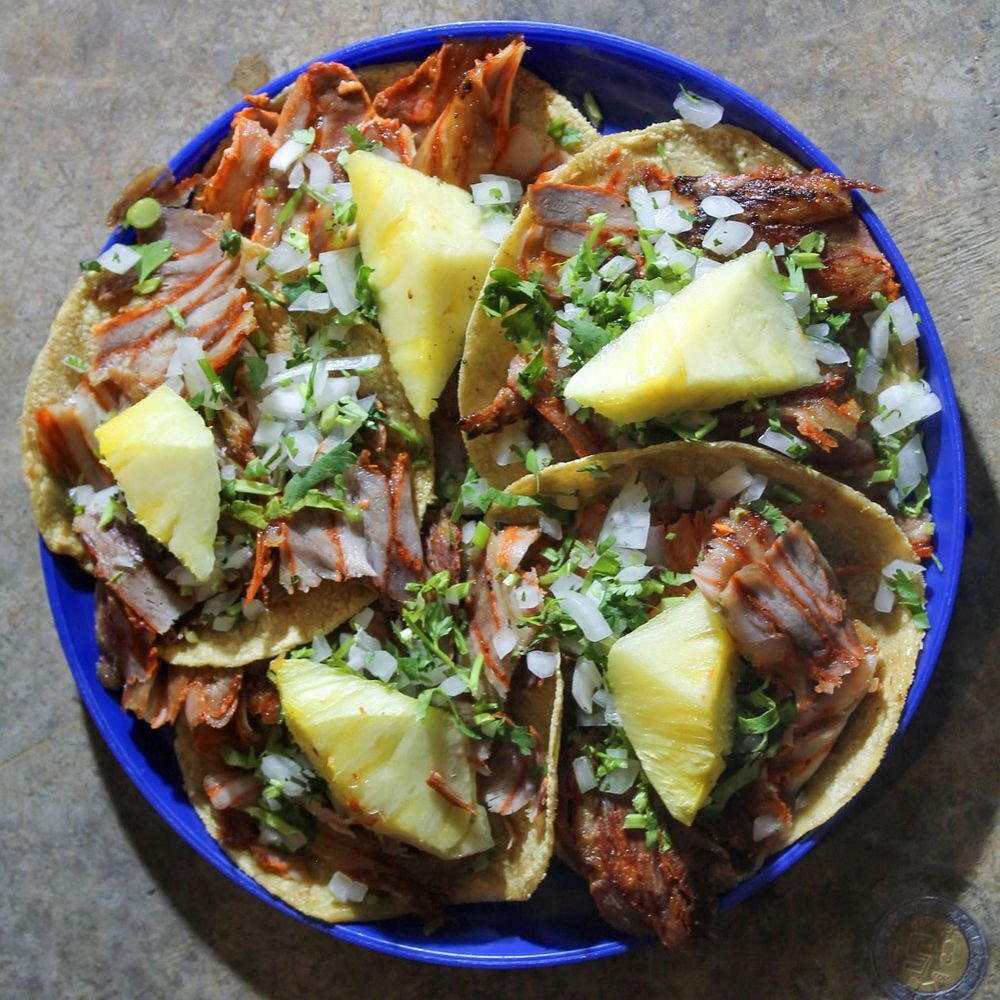
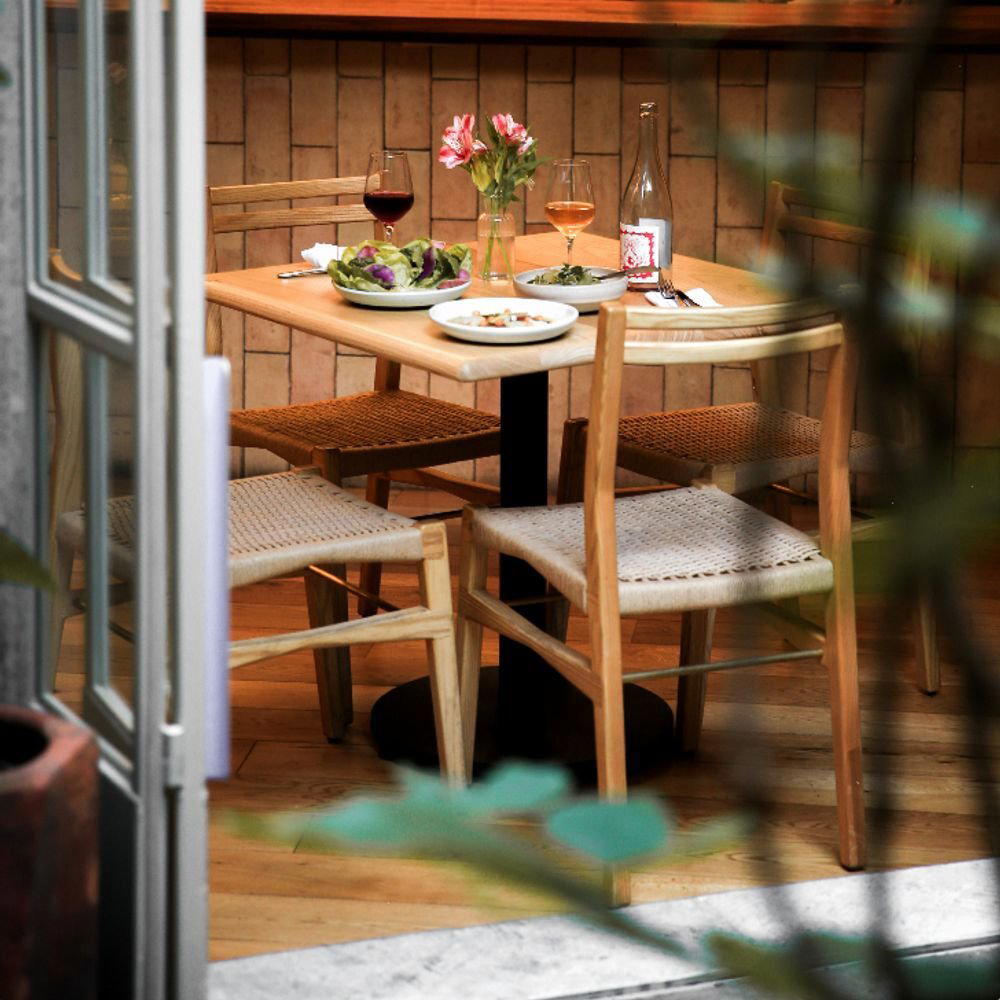
Bars in Mexico City
Browse all →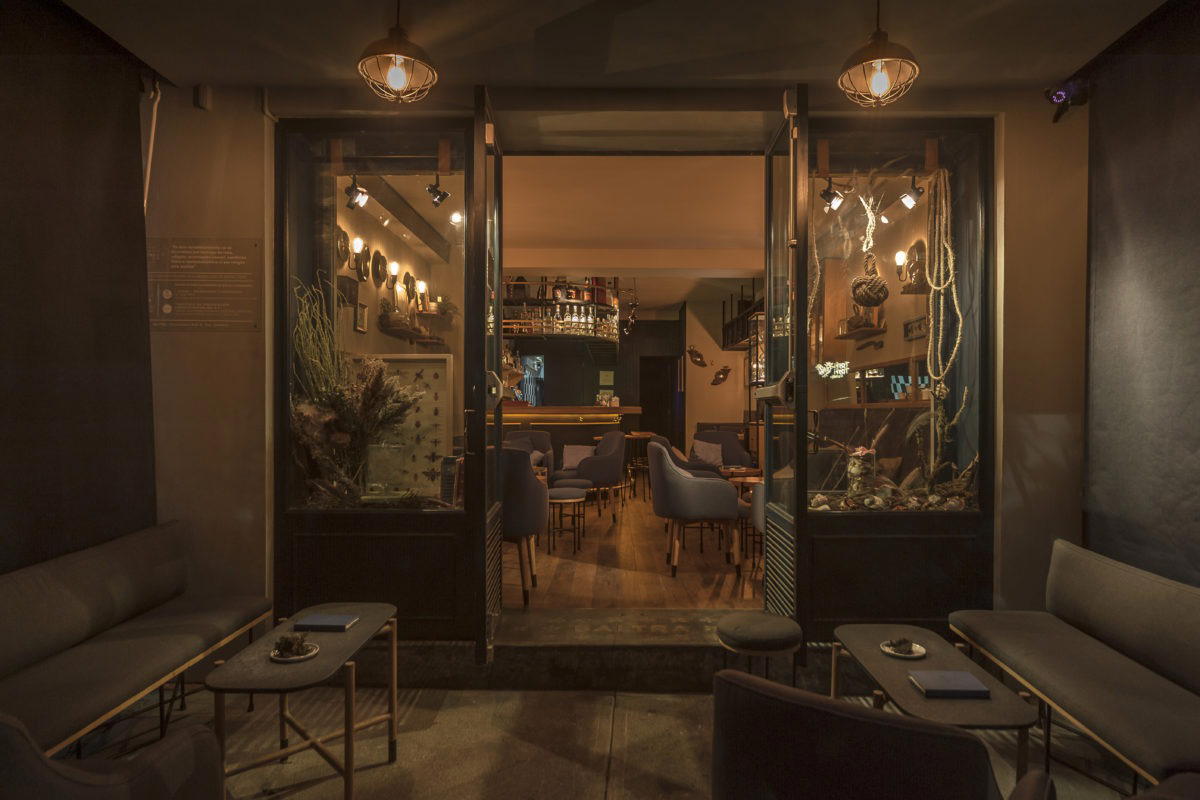
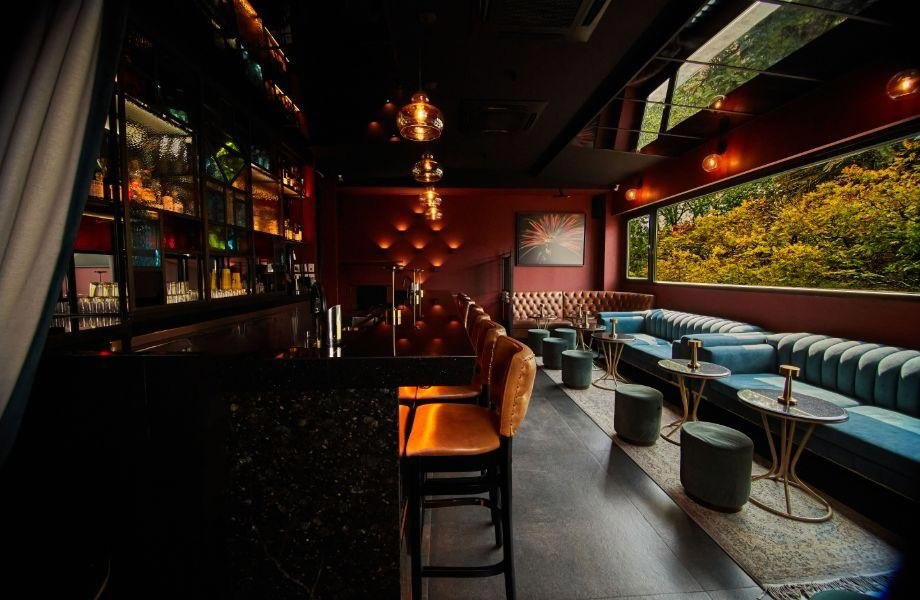
At a Glance
- Lively
- Elegant
- Trendy
- Date Night
- Group Dining
- Celebration
- Late Night
- Live Music
- Open Kitchen
- Craft Cocktails
Current opening hours
- Monday
- 1 PM–12 AM
- Tuesday
- 1 PM–1 AM
- Wednesday
- 1 PM–2 AM
- Thursday
- 1 PM–2 AM
- Friday
- 1 PM–2 AM
- Saturday
- 1 PM–2 AM
- Sunday
- 1–10 PM
Hours can change for holidays and private events. Last verified .
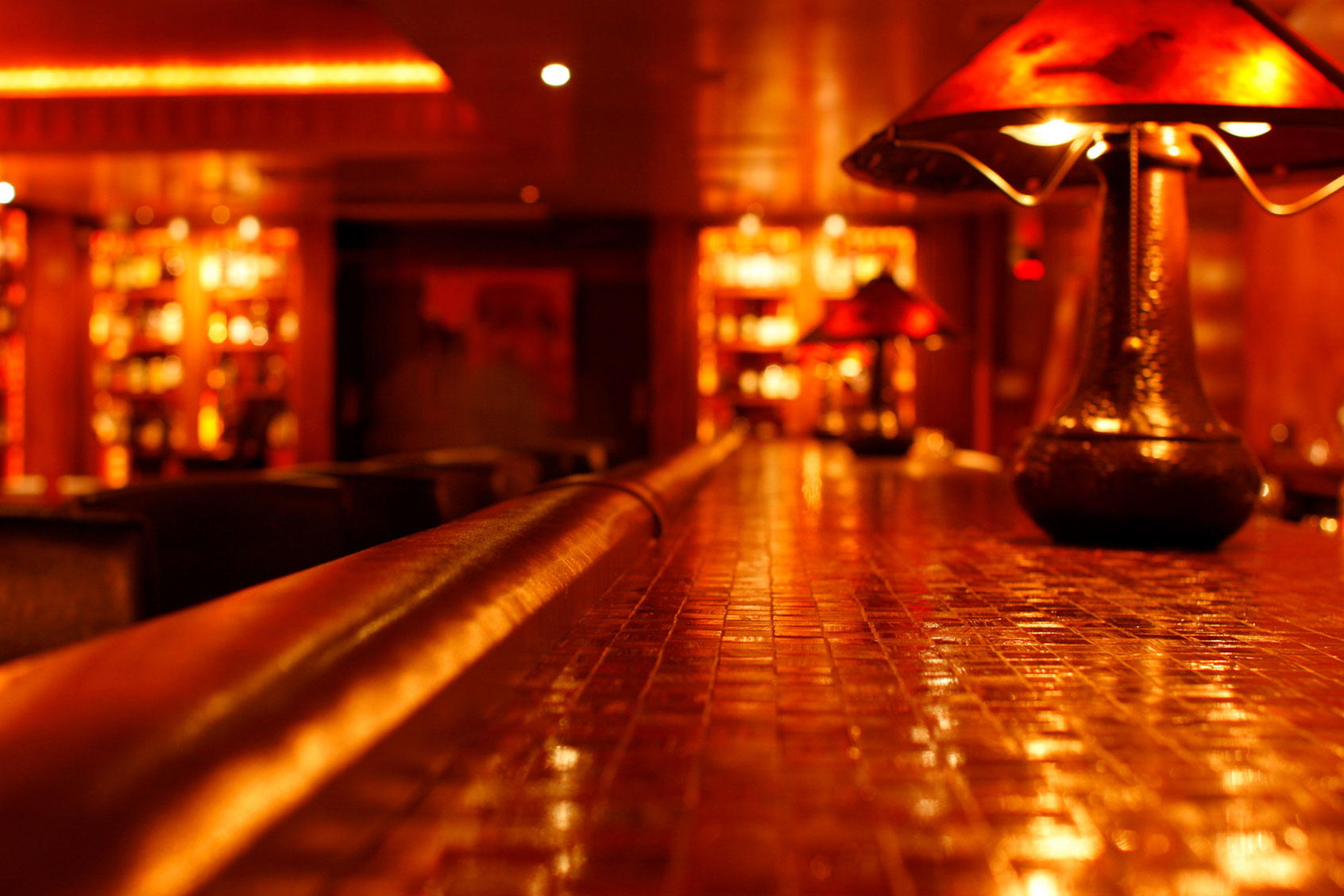
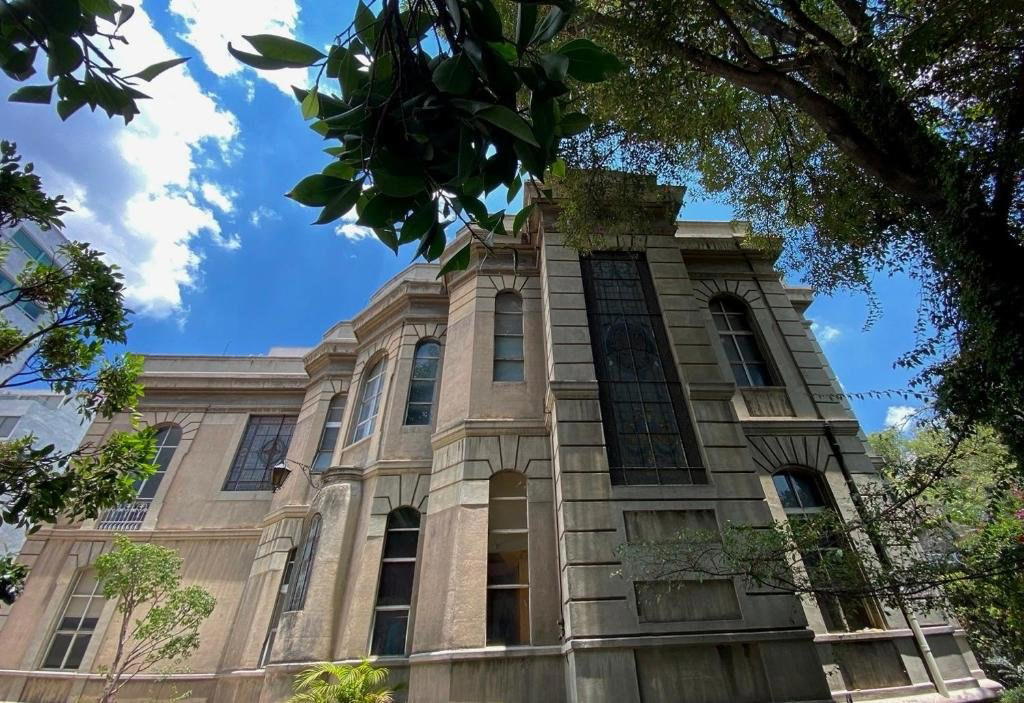
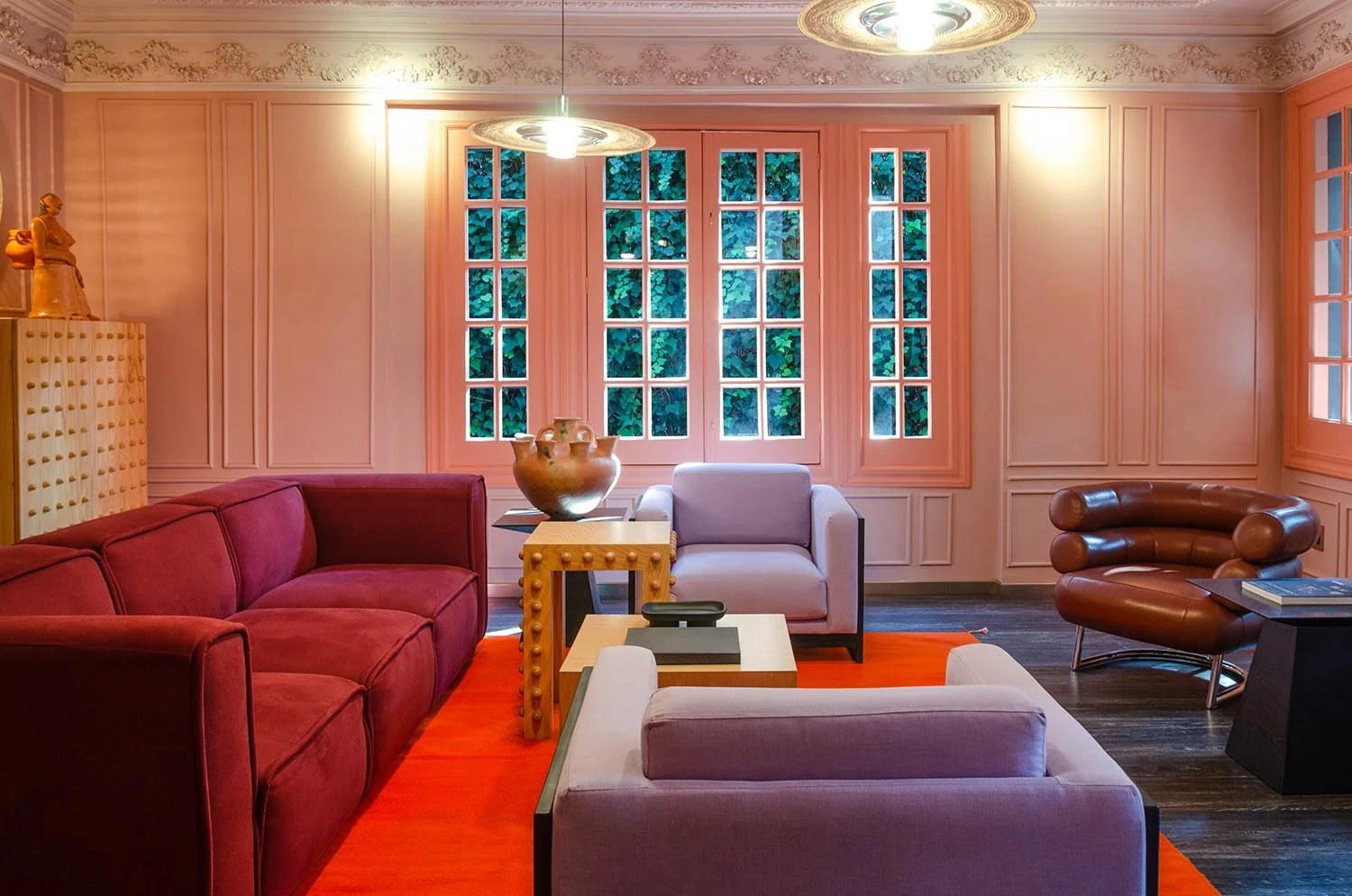
Lively atmosphere with Mexican music videos, ornate black and golden Art Deco architecture, and monumental bars creating a lively and elegant ambiance.
Know Before You Go
- Getting there
- Filadelfia 38, Nápoles, Benito Juárez, 03810 Ciudad de México, CDMX, Mexico