Our verdict
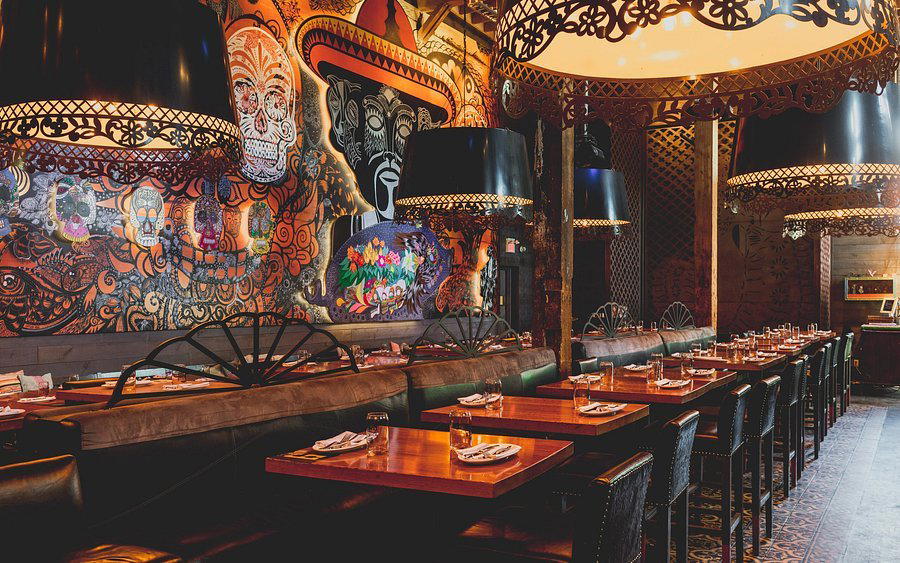
El Catrin occupies a converted distillery building on Tank House Lane in Toronto's Distillery District, placing it within one of the city's most architecturally distinctive dining corridors. The restaurant draws on Mexican culinary traditions in a setting where Victorian industrial heritage meets an expansive room designed for groups and occasion dining. Reservations are recommended, particularly on weekends when the district draws significant foot traffic.

Pearl is the En Primeur Club membership app, where members save venues, book tables and use the concierge.
Tank House Lane and the Distillery District Dining Scene
Toronto's Distillery District operates on a different logic from the city's other premium dining corridors. Where King West tilts toward chef-driven tasting menus and Yorkville anchors hotel dining at the top of the price range, the Distillery District has always balanced destination architecture with accessible-to-broad-audiences programming. The Victorian industrial complex, with its original brick and beam and pedestrian-only lanes, draws a mix of tourists and locals who arrive for the environment as much as the food. El Catrin, at 18 Tank House Lane, sits at the center of that dynamic, a large-format Mexican restaurant whose room is as much of the offer as what comes out of the kitchen.
That positioning matters for understanding how El Catrin fits into Toronto's wider dining picture. The city's highest-profile tasting-menu addresses, places like Alo (Contemporary) or Aburi Hana (Kaiseki, Japanese), operate at the upper end of the price spectrum with small seat counts and forward-booking windows measured in months. El Catrin operates in a different register entirely: a high-ceilinged converted distillery space built for volume, energy, and the kind of group dining that smaller chef's-counter formats deliberately exclude. Neither approach is superior in absolute terms; they serve different reader intentions, and knowing which you are is half the decision.
Mexican Dining Traditions in a Canadian Context
Mexican cuisine has had a complicated relationship with Canadian restaurant culture. For most of the country's dining history, the representation was thin and heavily filtered through Tex-Mex conventions that bore little resemblance to regional Mexican cooking. The shift toward more serious engagement with the source material, mole complexity, agave spirits beyond well-pour tequila, masa-forward dishes with genuine technique behind them, has been gradual and uneven across Canadian cities. Toronto, with its broad immigrant communities and a dining public that has been educated in part by ambitious restaurants at every price point, has developed a more receptive environment for that shift than most Canadian metros.
El Catrin arrived in the Distillery District as part of a wave of larger-format restaurants that recognized the neighborhood's capacity to support ambitious room design alongside Mexican-leaning menus. The parallel in other cities is useful: think of large, design-led Mexican restaurants in New York or San Francisco that use architectural drama as the container for a menu spanning ceviches, tacos, moles, and a drinks program anchored by a serious agave selection. Those formats have proven durable because they solve for a specific occasion: group celebrations, out-of-town guests, corporate dinners where the room needs to impress before the food arrives.
The Drinks Program and Agave Depth
In the context of Mexican-led restaurants at this scale, the wine and spirits program tends to carry more editorial weight than it might at a comparable Italian or Japanese address. The agave category, tequila, mezcal, and the broader spectrum of regional Mexican spirits, has expanded substantially in the past decade, and a serious Mexican restaurant in 2024 is expected to hold its own here in the way a French restaurant is expected to hold its own on Burgundy.
The range of agave expressions now available to Canadian restaurant buyers is considerably wider than it was even five years ago. Producers from Oaxaca, Jalisco, Durango, and Guerrero have secured broader international distribution, and import channels into Ontario have deepened. A thoughtfully assembled mezcal selection at a restaurant like El Catrin would sit somewhere between a curated spirits bar and a conventional cocktail list, differentiating between espadin, tobala, and ensemble expressions the way a wine list differentiates appellations. Whether the specific depth of El Catrin's program meets that standard is something that warrants checking directly with the restaurant, as program scope can shift with import availability and staffing. What the category demands of any serious operator in this space is genuine curation, not simply a well-known brand on every spirit shelf.
On the wine side, Mexican restaurant formats have historically defaulted to margarita and cocktail-led drinking, with wine lists that cover bases without making arguments. The more interesting recent development is sommeliers at these addresses building lists with genuine editorial logic, Spanish and South American bottles that share flavor affinities with the cuisine, domestic Canadian selections where they earn their place, and the occasional unexpected pairing that demonstrates real thought. For comparison, consider how a restaurant like DaNico (Italian) or Don Alfonso 1890 (Contemporary Italian, Italian) uses its cellar to make a statement about the kitchen's seriousness. The same principle applies here, even if the genre vocabulary is different.
Where El Catrin Sits in the Toronto Comparison Set
Readers calibrating expectations should position El Catrin against other high-volume, experience-forward restaurants in Toronto rather than against the city's intimate tasting-menu addresses. El Catrin competes more directly with other large-format destination restaurants in Toronto's middle-to-upper price tier, places where the room, the drinks program, and the menu work together to justify a meaningful spend without requiring the prix-fixe commitment of a tasting counter.
Beyond Toronto, the broader Canadian dining circuit offers interesting reference points at different scales. Restaurant Pearl Morissette in Lincoln and Eigensinn Farm in Singhampton represent the farm-driven, destination end of Ontario dining. Tanière³ in Quebec City and Jérôme Ferrer - Europea in Montréal anchor the tasting-menu tier in their respective cities. At the international level, Le Bernardin in New York City and Lazy Bear in San Francisco serve as useful benchmarks for understanding how serious intent translates across different restaurant formats. El Catrin's own reference set is closer to the Distillery District's occasion-dining logic than to any of these addresses, but the comparison helps locate what kind of evening you are actually choosing when you book.
See our full Toronto restaurants guide for a broader map of the city's dining options across price points and neighborhoods. Further afield, AnnaLena in Vancouver, Cafe Brio in Victoria, Narval in Rimouski, Busters Barbeque in Kenora, and Fogo Island Inn Dining Room in Joe Batt's Arm round out the Canadian picture for readers planning wider itineraries, while The Pine in Creemore offers a closer-to-Toronto day-trip alternative for those exploring Ontario's dining geography.
Planning Your Visit
Address: 18 Tank House Lane, Toronto, ON M5A 3C4, located within the pedestrian-only Distillery District, accessible on foot from the King Street East streetcar or by taxi and rideshare dropping at the district perimeter. Reservations: Contact the restaurant directly; weekend evenings and the district's event-heavy calendar (Christmas Market season in November-December draws significant crowds) make advance booking advisable. Dress: The Distillery District skews smart-casual; El Catrin's room suits that register. Budget: Mid-to-upper mid-range by Toronto standards; confirm current pricing directly. Timing: The Distillery District is at its most atmospheric in the hour before and after sunset, and the Christmas Market period transforms the surrounding streets into a significant draw in its own right.
Frequently asked questions
Is El Catrin a family-friendly restaurant?
The Distillery District is a mixed-audience environment, and large-format restaurants in that neighborhood generally accommodate families more comfortably than small tasting-counter formats. El Catrin's room scale and informal-to-smart-casual tone make it more suitable for family groups than Toronto's higher-end prix-fixe addresses like Alo. That said, the drinks-program emphasis and evening-occasion positioning mean it skews toward adult dining rather than a purpose-built family restaurant. If you are bringing children, an earlier seating time will be more comfortable than a peak-evening slot when the room is operating at full energy.
Is El Catrin formal or casual?
El Catrin sits in the smart-casual register that the Distillery District broadly supports. Toronto's award-recognized tasting counters, including the $$$$ tier where Sushi Masaki Saito and Aburi Hana operate, carry higher dress expectations. El Catrin's format and neighborhood context place it well below that bar; business casual to smart-casual is appropriate, and the room accommodates both dressed-up occasion groups and more relaxed visitors to the district.
What should I order at El Catrin?
What the format and cuisine tradition suggest is that the drinks program, particularly any mezcal or tequila selection, deserves as much attention as the food menu at a restaurant of this type. Mexican cooking at its more serious expressions rewards ordering across multiple course types rather than anchoring on a single protein, ceviches, antojitos, and mole-based dishes, where present, tend to show the kitchen's range more honestly than a single centerpiece item. Confirm current offerings directly with the restaurant before your visit.
Does El Catrin have a serious agave spirits program worth exploring?
Large-format Mexican restaurants in Toronto have increasingly invested in mezcal and tequila selections that go beyond the standard well and premium tiers, reflecting both broader producer availability in Ontario and a dining public more familiar with agave categories than it was a decade ago. El Catrin's positioning in the Distillery District, a neighborhood associated with spirits heritage in its own right, makes a credible agave program a logical part of the offer. Confirm the current scope of the selection directly with the restaurant, as import availability and program depth can change; asking specifically about mezcal expressions beyond the familiar Oaxacan espadin category is a reasonable way to gauge how seriously the list has been assembled.
Price and Positioning
Comparable venues nearby, for context on price, style, and recognition.
| Venue | Cuisine | Price | Notes |
|---|---|---|---|
| El CatrinThis venue (the venue you are viewing) | Authentic Modern Mexican | $30–50 | Not listed |
| Fonda Lola | Modern Mexican Cantina | Not listed | Trinity Bellwoods, Modern Mexican Cantina |
| TacoTaco | Fusion Mexican Taqueria | $20–30 | Harbord Village, Fusion Mexican Taqueria |
| Milagro | Traditional Mexican Cantina | $30–50 | Entertainment District, Traditional Mexican Cantina |
| Seven Lives Tacos y Mariscos | Baja-style Tacos y Mariscos | $10–20 | Kensington, Baja-style Tacos y Mariscos |
| Playa Cabana Barrio Coreano | Korean-Mexican Fusion | Not listed | Koreatown, Korean-Mexican Fusion |
Continue exploring
More in Toronto
Restaurants in Toronto
All restaurants in Toronto →
Bars in Toronto
All bars in Toronto →




Details
- Lively
- Trendy
- Energetic
- Group Dining
- Casual Hangout
- Brunch
- Terrace
- Open Kitchen
- Craft Cocktails
- Small Plates
- A La Carte
- Tequila
- Mezcal
- Vegetarian Friendly
- Vegan Options
Current opening hours
- Monday
- 12–10 PM
- Tuesday
- 12–10 PM
- Wednesday
- 12–10 PM
- Thursday
- 12–10 PM
- Friday
- 12–11 PM
- Saturday
- 12–11 PM
- Sunday
- 12–10 PM
Hours can change for holidays and private events. Hours as of .
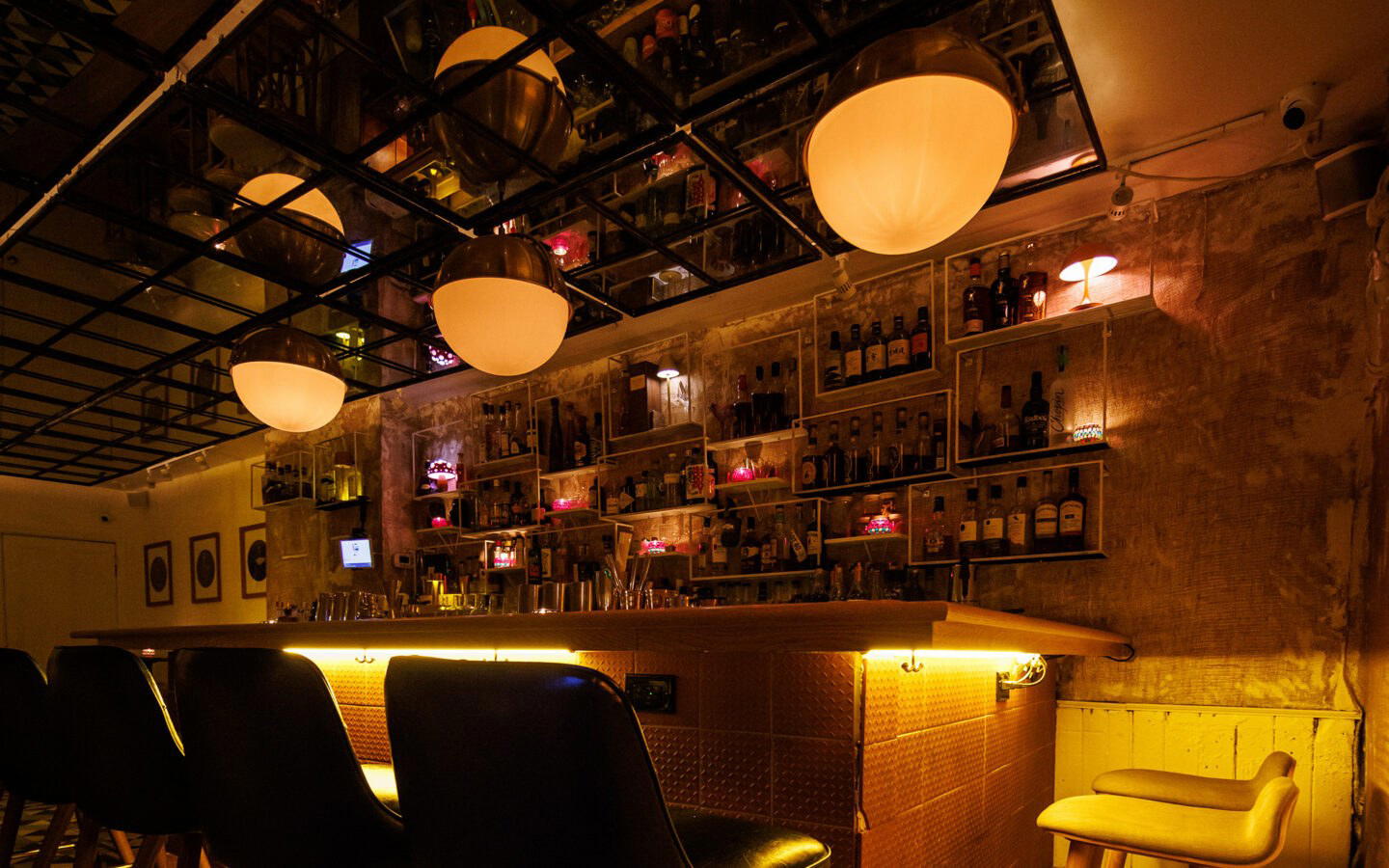
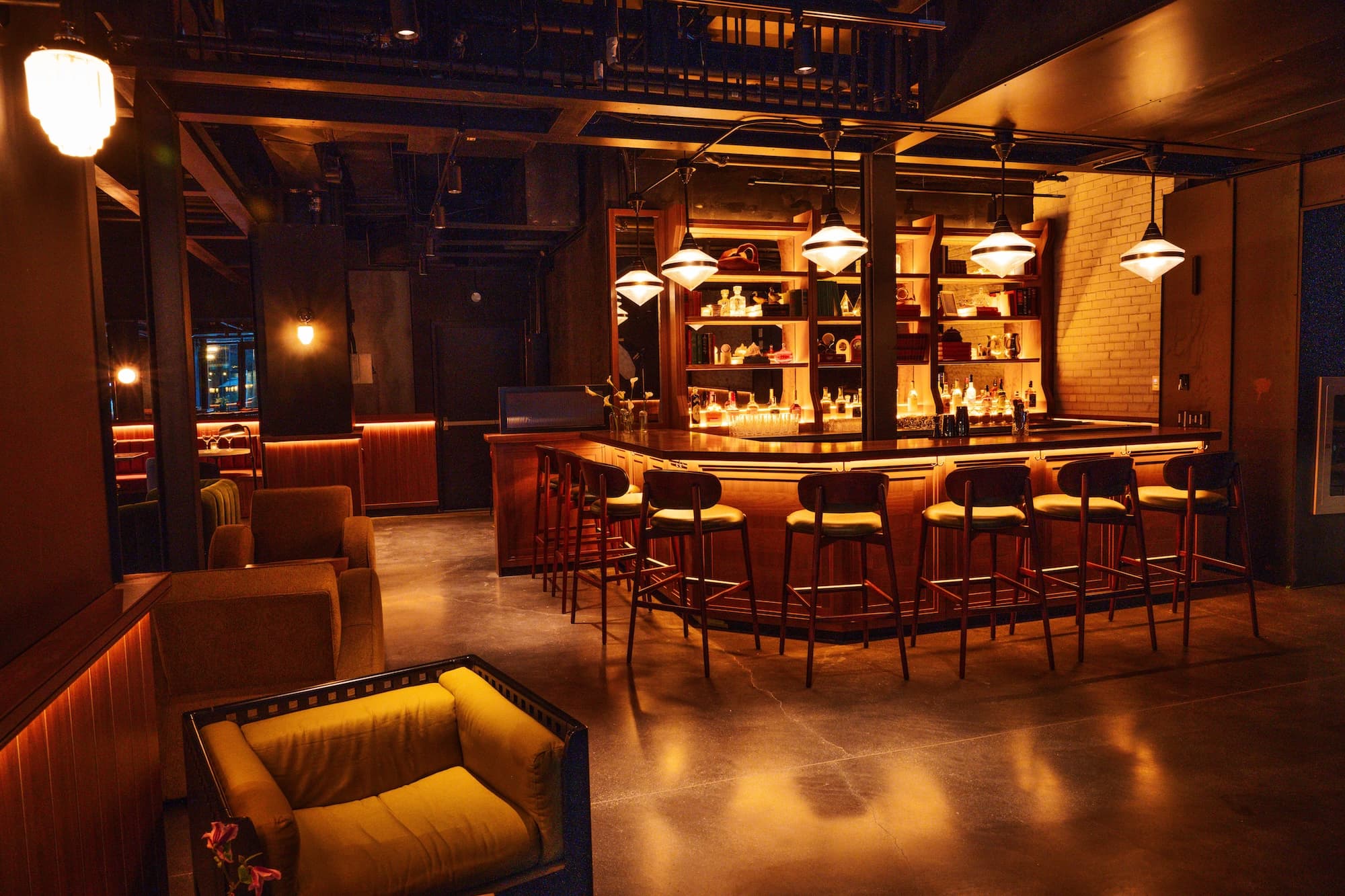
Lively and colorful with beautiful murals, giant diffused lamps creating a trendy vibe, and lively patio atmosphere.