El Cardenal

Our verdict
One of Centro Histórico's most consistent addresses for traditional Mexican cooking, El Cardenal has earned consecutive years of recognition from Opinionated About Dining's North America Casual list. The kitchen draws on indigenous ingredients and long-established technique rather than modernist reinterpretation, making it a reference point for anyone tracing the foundations of Mexico City's dining culture.

Pearl is the En Primeur Club membership app, where members save venues, book tables and use the concierge.
The menu
What to order
- Chiles en Nogada
- Conchas (fresh-baked)
- Chilaquiles
- Enchiladas de Carnitas
- Chicken Mole
- Cochinita Pibil
Where Centro Histórico Sets the Terms
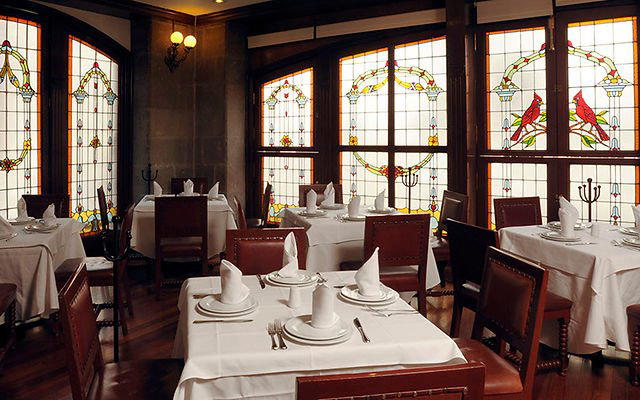
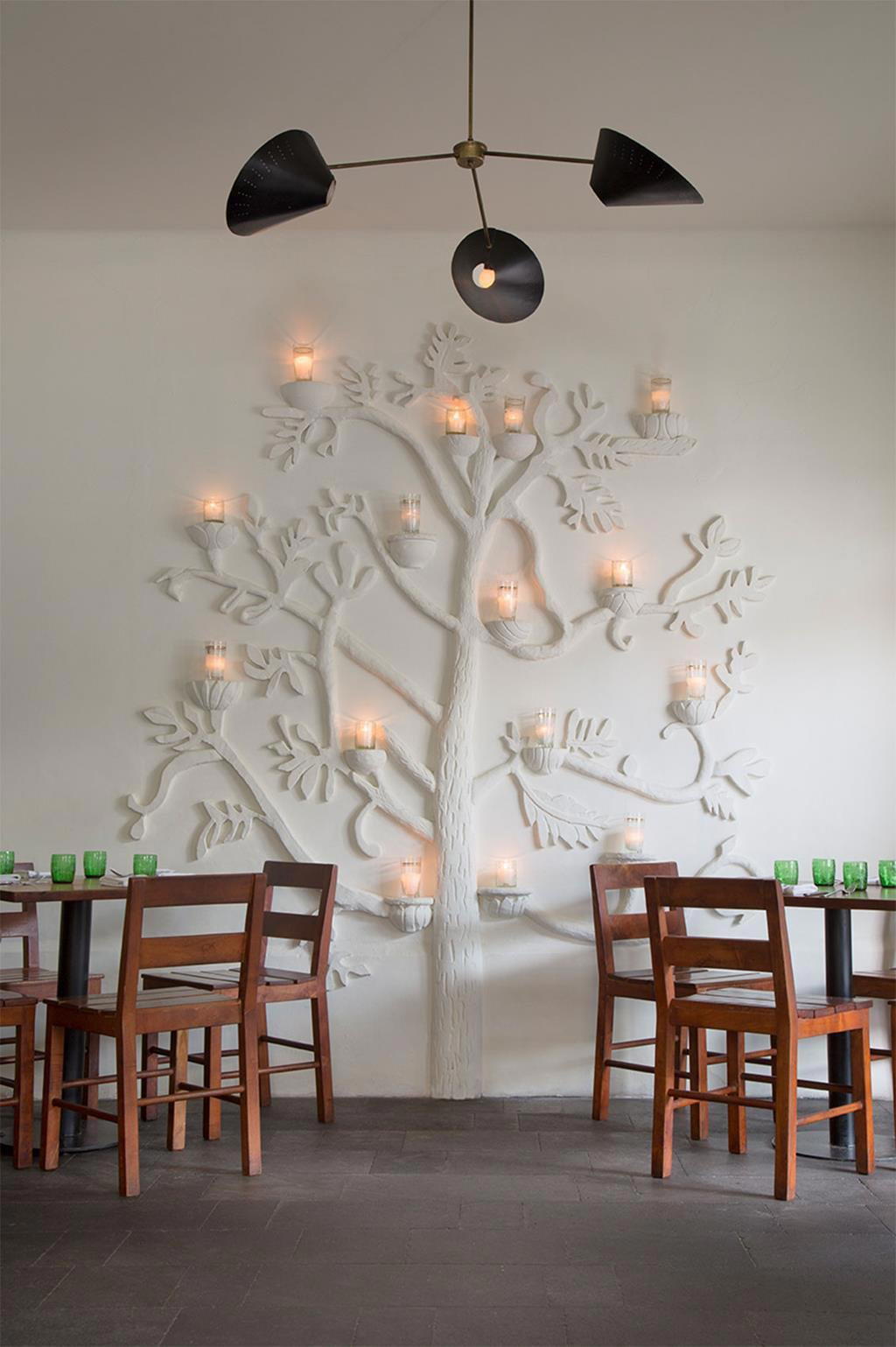
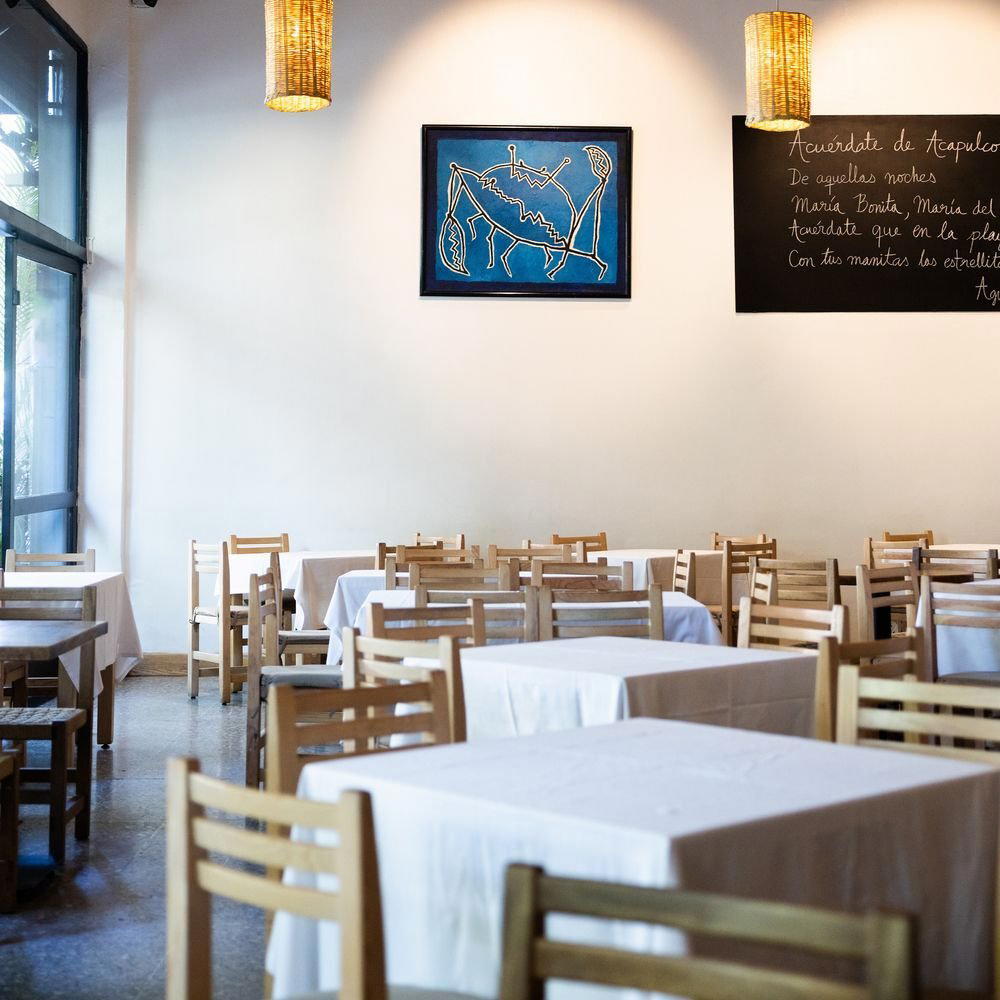
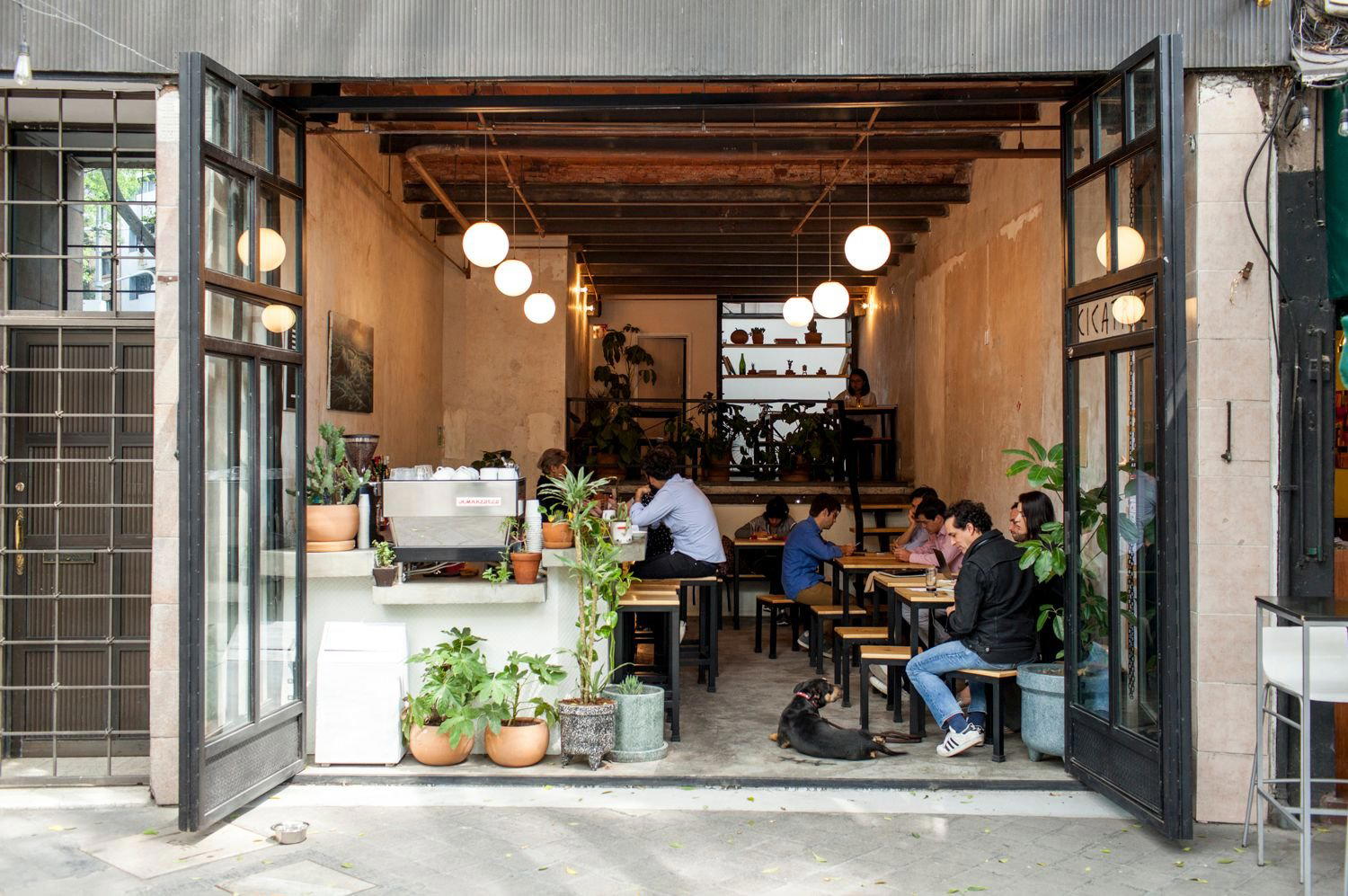
Calle de la Palma cuts through one of the densest concentrations of colonial architecture in the Americas. The buildings along this stretch of Centro Histórico carry centuries of institutional memory, and the restaurants that survive here do so not by chasing trends but by holding a position. El Cardenal, at number 23, belongs to that tradition. Step off the street and you move from the noise of a working city into the measured pace of a dining room that has made its calculations long ago: white tablecloths, formal service, natural light through tall windows, the sounds of a room full of people who came specifically to eat.
That atmosphere is not incidental. In Mexico City, the distinction between a fonda, a cantina, and a restaurant of this register is legible in the room itself. El Cardenal reads as the latter: structured, unhurried, and oriented toward a style of eating that centres on the table rather than the spectacle around it.
Indigenous Ingredients, Inherited Technique
The argument that traditional Mexican cooking is already sophisticated enough to need no outside augmentation finds one of its clearest expressions in restaurants like this one. Where parts of the city's restaurant scene have moved toward imported frameworks, applying European or Japanese culinary logic to Mexican produce, the kitchen at El Cardenal works from a different premise: that the depth is already in the ingredients and the methods passed down through generations of Mexican cooks.
That orientation places El Cardenal in a specific position within Mexico City's dining map. The city now sustains a remarkable range of registers. At the leading end, places like Pujol and Em have built internationally recognised tasting-menu programs, earning Michelin stars and spots on global lists by translating indigenous ingredients through a fine-dining lens. At the other end of that spectrum, places like Expendio de Maíz operate more as living archives, where the food is inseparable from the specific communities and corn varieties behind it. El Cardenal occupies a middle register: formal without being theatrical, rooted without being folkloric.
The kitchen works with the ingredients that define Mexican cooking at its core: masa, chiles, chocolate, epazote, quelites, long-braised meats. The technique applied to these is not the technique of a chef trained in Lyon or Tokyo and then turned toward Mexican produce. It is the technique of cooks who learned within the tradition, and that distinction shows in what the food does not try to do as much as what it does.
A Consistent Track Record in a Competitive Field
Recognition from Opinionated About Dining, one of the more data-driven and critic-sourced restaurant ranking systems operating in North America, is not easily accumulated. El Cardenal has appeared on OAD's North America Casual list in three consecutive cycles: Recommended in 2023, ranked 316th in 2024, and moving up to 306th in 2025. Within that ranking system, upward movement over three years reflects sustained quality rather than a single strong season.
That combination matters in context. Centro Histórico handles enormous foot traffic. Tourists arriving to see the Zócalo, the Palacio de Bellas Artes, and the Templo Mayor are an obvious market, and many restaurants in the area have calibrated their offer accordingly, producing food that performs mexicanidad for an international audience rather than for the city's own eaters.
For comparison, Esquina Común and Máximo both represent the more contemporary side of Mexico City's casual-to-mid dining tier, drawing younger crowds and cooking with a looser relationship to tradition. El Cardenal is not competing in that space. It is making a different argument about what Mexican restaurant cooking can be, and the OAD trajectory suggests that argument is being heard.
Mexico City's Broader Table
Understanding El Cardenal requires some sense of what Mexico City's dining culture has become at scale. The city now holds more Michelin-starred restaurants than many European capitals, and the attention that brings has accelerated a certain kind of ambition across the scene. That pressure can flatten the middle of the market, pushing restaurants toward either the tasting-menu format or the casual-modern format that photographs well. Restaurants that hold a traditional register without apology become rarer as a result, and their presence carries more weight.
Across Mexico, this dynamic plays out differently by region. In Oaxaca, Levadura de Olla Restaurante has made traditional Oaxacan ingredients and method its entire identity. In Valle de Guadalupe, Animalón takes a different approach, pairing local produce with open-fire cooking that draws international visitors. Further south, HA' in Playa del Carmen and Le Chique in Puerto Morelos apply fine-dining frameworks to Yucatecan and coastal ingredients. In the north, KOLI Cocina de Origen in Monterrey and Lunario in El Porvenir each interrogate regional identity through contemporary methods. El Cardenal's position within this national picture is clear: it keeps the inheritance intact rather than translating it.
That inheritance has also crossed borders. Restaurants like Alma Fonda Fina in Denver and Cariño in Chicago are part of a generation of diaspora kitchens reworking traditional Mexican cooking for North American audiences. Eating at El Cardenal offers a reference point for that conversation: this is where the tradition looks when it is in its own environment, on its own terms.
Planning Your Visit
El Cardenal sits at Calle de la Palma 23 in Centro Histórico, within walking distance of the Zócalo and the city's principal historic monuments. The area is leading approached by metro (Zócalo station on Line 2) or by taxi to avoid the limited parking in the historic centre. The room's formal register means the experience rewards unhurried timing: this is not a fast-turnover address.
For the wider picture of where El Cardenal sits within the city's dining offer, see our full Mexico City restaurants guide. For accommodation near Centro Histórico, our full Mexico City hotels guide covers the relevant options across price tiers. Those building an itinerary around the city's drinking and nightlife can consult our full Mexico City bars guide, while our full Mexico City wineries guide and our full Mexico City experiences guide cover the broader cultural and wine picture.
Frequently asked questions
Where do I go for El Cardenal?
El Cardenal is located at Calle Palma 23 Cuauhtémoc, C. de la Palma 23, Centro Histórico de la Cdad. de México, Centro, Cuauhtémoc, 06000 Ciudad de México, CDMX, Mexico, Mexico City.
Nearby-ish Comparables
A compact comparison to help you place this venue among nearby peers.
| Venue | Cuisine | Price | Awards | Notes |
|---|---|---|---|---|
| El CardenalThis venue (the venue you are viewing) | Traditional Mexican Regional Cuisine | $20–30 | Not listed | Not listed |
| Pujol | Modern Mexican Fine Dining | $200–300 | 2 Michelin Stars · World's 50 Best #60 | Mexican |
| Quintonil | Modern Mexican Fine Dining | $300–500 | 2 Michelin Stars · World's 50 Best #7 | Modern Mexican, Contemporary |
| Rosetta | Mexican-Italian Fusion Fine Dining | $30–50 | 1 Michelin Star · World's 50 Best #39 | Italian, Creative |
| Em | Modern Japanese-Mexican Fusion | $200–300 | 1 Michelin Star · World's 50 Best #71 | Mexican |
| Comedor Jacinta | Traditional Mexican | Not listed | Michelin Bib Gourmand | Mexico, Mexican |
Recognition history
Dated appearances from independent guides and award organizations, with the underlying list record or original source where available.
Opinionated About Dining Casual in North America Ranked #306
Opinionated About Dining
Full recognition history (3 entries)
Opinionated About Dining Casual in North America Ranked #316
Opinionated About Dining
Opinionated About Dining Casual in North America Recommended
Opinionated About Dining
Continue exploring
More in Mexico City
Restaurants in Mexico City
All restaurants in Mexico City →


Details
- Classic
- Elegant
- Well Known
- Lively
- Brunch
- Family
- Group Dining
- Business Dinner
- Casual Hangout
- Historic Building
- Terrace
- Courtyard
- Beer Program
- Local Sourcing
- A La Carte
- Family Style
- Hot Chocolate
- Margaritas
- Coffee
- Vegetarian Friendly
Current opening hours
- Monday
- 8 AM–6:30 PM
- Tuesday
- 8 AM–6:30 PM
- Wednesday
- 8 AM–6:30 PM
- Thursday
- 8 AM–6:30 PM
- Friday
- 8 AM–6:30 PM
- Saturday
- 8 AM–6:30 PM
- Sunday
- 8 AM–6:30 PM
Hours can change for holidays and private events. Hours as of .
Warm, bustling, and sophisticated with a familiar atmosphere; historic buildings with elegant décor and natural lighting; can be noisy during peak breakfast hours due to high volume of guests.