Perched on the Ekeberg hillside above Oslo with views across the Oslofjord, Ekebergrestauranten occupies a 1929 functionalist building that has anchored the city's dining scene for nearly a century. The kitchen draws on Scandinavian produce and technique in a setting that reads as much as a cultural landmark as a restaurant. Book well ahead, particularly for window tables overlooking the fjord.
Pearl is the En Primeur Club membership app — saves, bookings, and concierge access live there. Same editors, same standards.
- Address
- Kongsveien 15, 0193 Oslo, Norway
- Phone
- +4723242300
- Website
- ekebergrestauranten.com
- Directions
- Get directions
 Saves & bookings on Pearl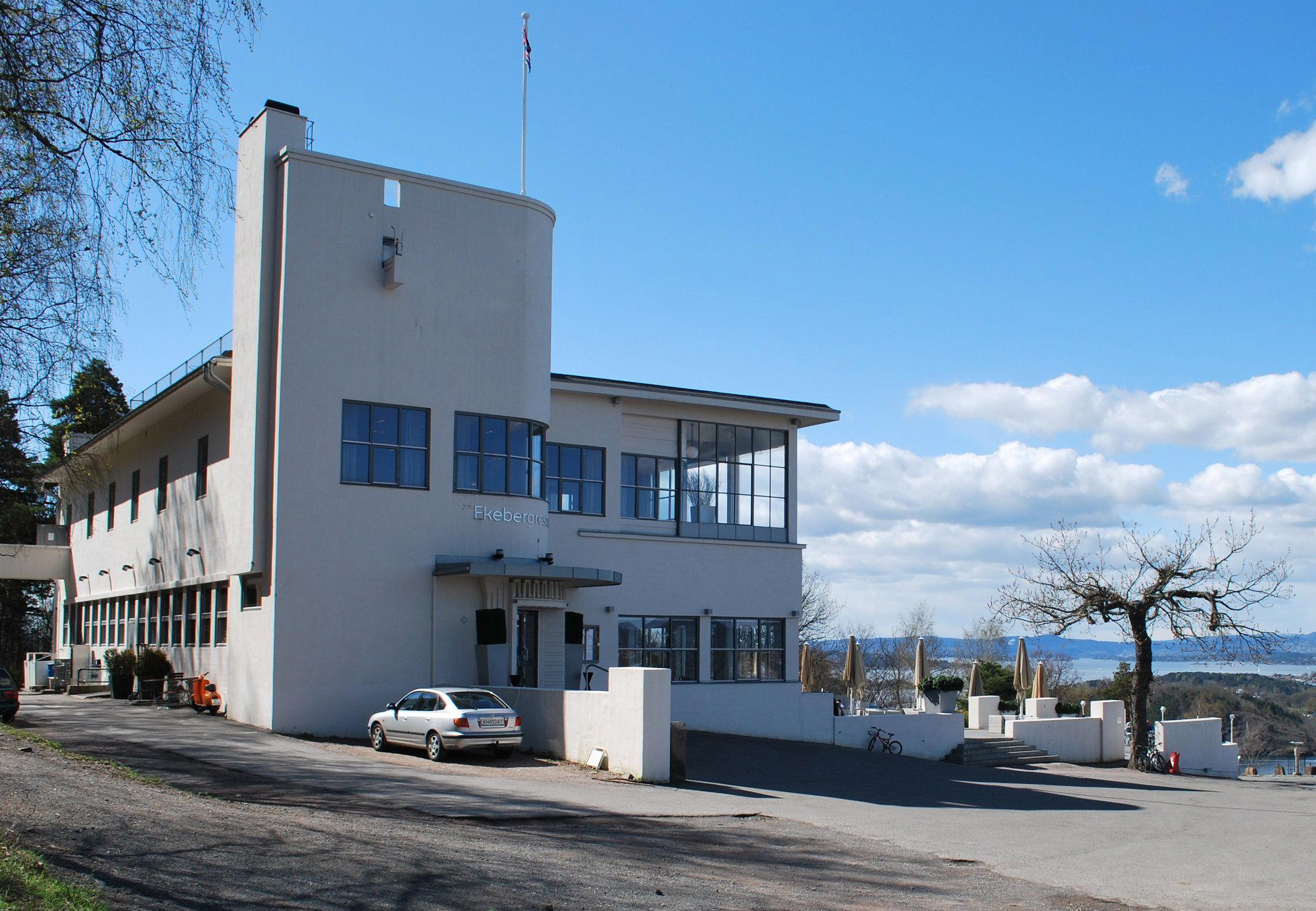
The Hill Above the City
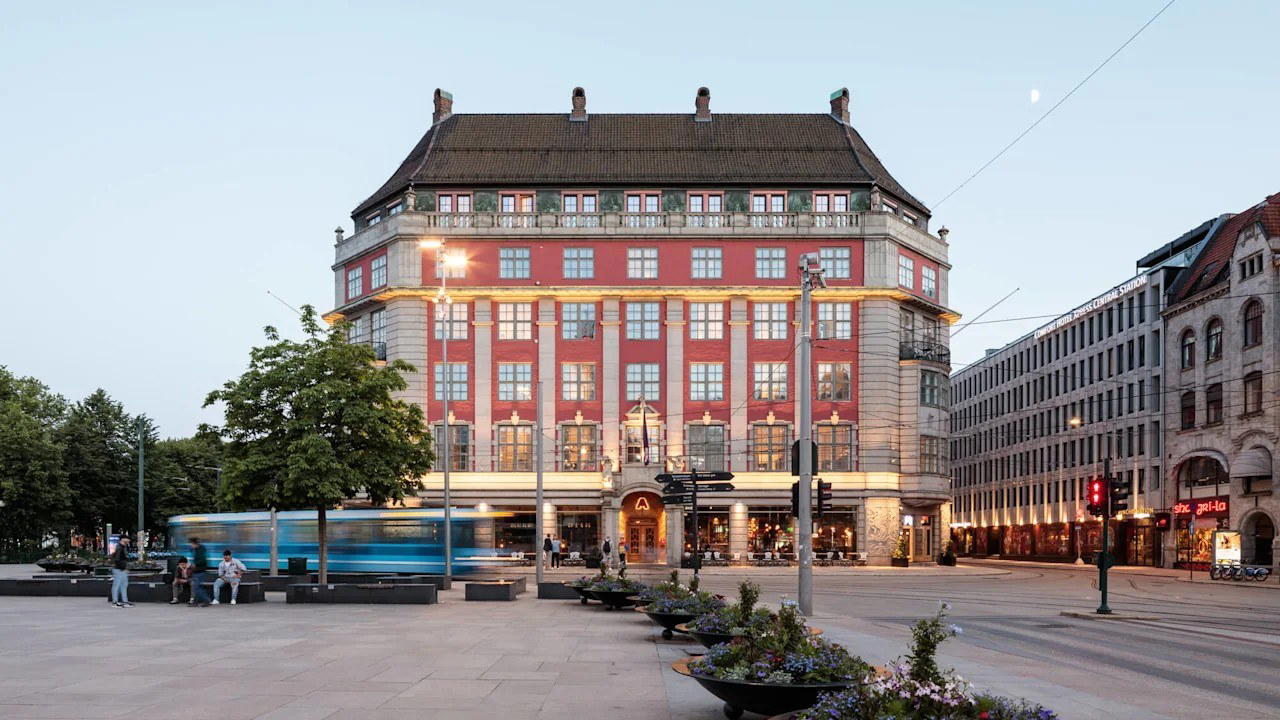
Oslo's dining geography has a vertical dimension that visitors often miss. The city centre concentrates most of its serious kitchens along the waterfront and in Grünerløkka, but the Ekeberg hillside, rising sharply southeast of the Opera House, offers a different register entirely. Ekebergrestauranten sits at Kongsveien 15, inside a 1929 functionalist building that predates Oslo's post-war restaurant culture by decades. Approaching from the city below, the fjord opens up behind you as the building comes into view, an architectural statement in pale render and horizontal lines that looks, in the right light, like it belongs on a Scandinavian design museum poster. The setting frames whatever follows at the table before a single dish arrives.
This is worth establishing because the physical context is not incidental. A small number of European restaurants occupy buildings of genuine historical weight, and the meal tends to be read differently as a result. The progression through courses here happens against a backdrop that Oslo itself has been looking at for nearly a century. That creates a particular pressure on the kitchen to match what the room promises, and it shapes the kind of diner the restaurant draws: people who want the whole occasion, not just the food.
The Arc of the Meal
Scandinavian fine dining has settled, across its better addresses, into a grammar that balances Nordic produce-sourcing with European technique. At the summit of Oslo's market, places like Maaemo push that grammar into abstract, agenda-driven territory. Slightly below that register, venues like Kontrast hold a rigorous New Nordic line. Ekebergrestauranten operates in a mode that is less doctrinaire about movement affiliation and more attentive to the cumulative experience of a long evening, the kind of pacing where the meal builds rather than makes a point.
The sequencing logic common to this tier of Scandinavian dining typically opens with composed cold preparations, where produce quality is most exposed. Cured fish, lightly fermented vegetables, and raw or barely-warmed shellfish tend to appear early, functioning as a calibration for what follows rather than as statements in themselves. The middle courses tend to carry the structural weight: slow-cooked proteins, often game or lamb sourced from Norwegian farms or mountain regions, arrived at through methods that preserve texture while concentrating flavour. Saucing at this tier is reductive and clean rather than cream-based, which keeps the progression from collapsing under richness before the final courses arrive. Desserts in this tradition are frequently less sweet than their French equivalents, leaning on fermented dairy, foraged elements, and controlled acidity to close the arc without overwhelming it.
For context on how this approach plays out at comparable Norwegian addresses beyond Oslo, RE-NAA in Stavanger and Speilsalen in Trondheim represent the same broad tradition applied in different regional contexts. Further west, Lysverket in Bergen and the more conceptually adventurous Under in Lindesnes each demonstrate how Norwegian fine dining has fragmented into distinct local inflections. Ekebergrestauranten's version is anchored in its Oslo hillside context: urban enough to draw a business-dining crowd, scenic enough to attract anniversary bookings, and serious enough at table that neither group feels condescended to.
Oslo's Fine Dining Tier in 2025
Across central Oslo, the restaurant market has stratified clearly. At one end, the €€€€ omakase and tasting-menu operators compete on critic recognition and international reputation. At the accessible end, Nordic-casual spots like Hot Shop and the more European-inflected Mon Oncle serve a younger audience. Between them sits a tier of established, full-service restaurants with serious kitchens and considerable dining rooms, where the occasion and the food carry equal weight. Ekebergrestauranten occupies that middle tier by virtue of its scale, its history, and its setting, which together make it read as a destination rather than a neighbourhood spot.
The comparison venue that clarifies its position most usefully is not any individual Oslo rival but the broader category of European restaurants that derive competitive advantage from non-culinary factors: the room, the view, the institutional age. Le Bernardin in New York City represents one version of this at the absolute best of the market, where dining room authority and kitchen precision reinforce each other. Lazy Bear in San Francisco represents the opposite approach, stripping away all heritage and spectacle to focus on the meal as the only signal. Ekebergrestauranten sits closer to the former model: the heritage is real, not manufactured, and the kitchen is expected to honour it.
Oslo's wider creative bar scene, including places like Bar Amour, has developed rapidly over the past five years, which means pre-dinner drinks near the waterfront are now a serious option before making the journey up to Ekeberg.
Across Norway, and Why This Address Fits
Norway's serious restaurants are unusually spread across its geography for a country of its size. Glime Restaurant in Hardanger Fjord, MiraBelle by Ørjan Johannessen in Bekkjarvik, and Restaurant 1893 in Stokmarknes all demonstrate that the country's culinary ambition is not centralised in Oslo the way Paris dominates French fine dining. More recent additions like Vianvang in Vågå, Buer Restaurant in Odda, and Lily Country Club in Kløfta extend that pattern further. Ekebergrestauranten's relevance, in this context, is that it offers what the dispersed regional addresses cannot: proximity to Oslo's cultural infrastructure, a building with genuine urban history, and fjord views from a hillside that most international visitors never reach.
Planning Your Visit
- Lamb
- Fresh mussels in broth
- Fish dishes
- Pig neck with cabbage
- Olive-poached halibut
- Cured reindeer loin
Where the Accolades Land
Comparable venues nearby, for context on price, style, and recognition.
| Venue | Cuisine | Price | Awards | Notes |
|---|---|---|---|---|
| EkebergrestaurantenThis venue — the venue you are viewing | Modern Scandinavian & Norwegian | $$$$ | Not listed | Not listed |
| STOCK Restaurant | Modern Norwegian Fine Dining | $$$ | Not listed | Vaterland |
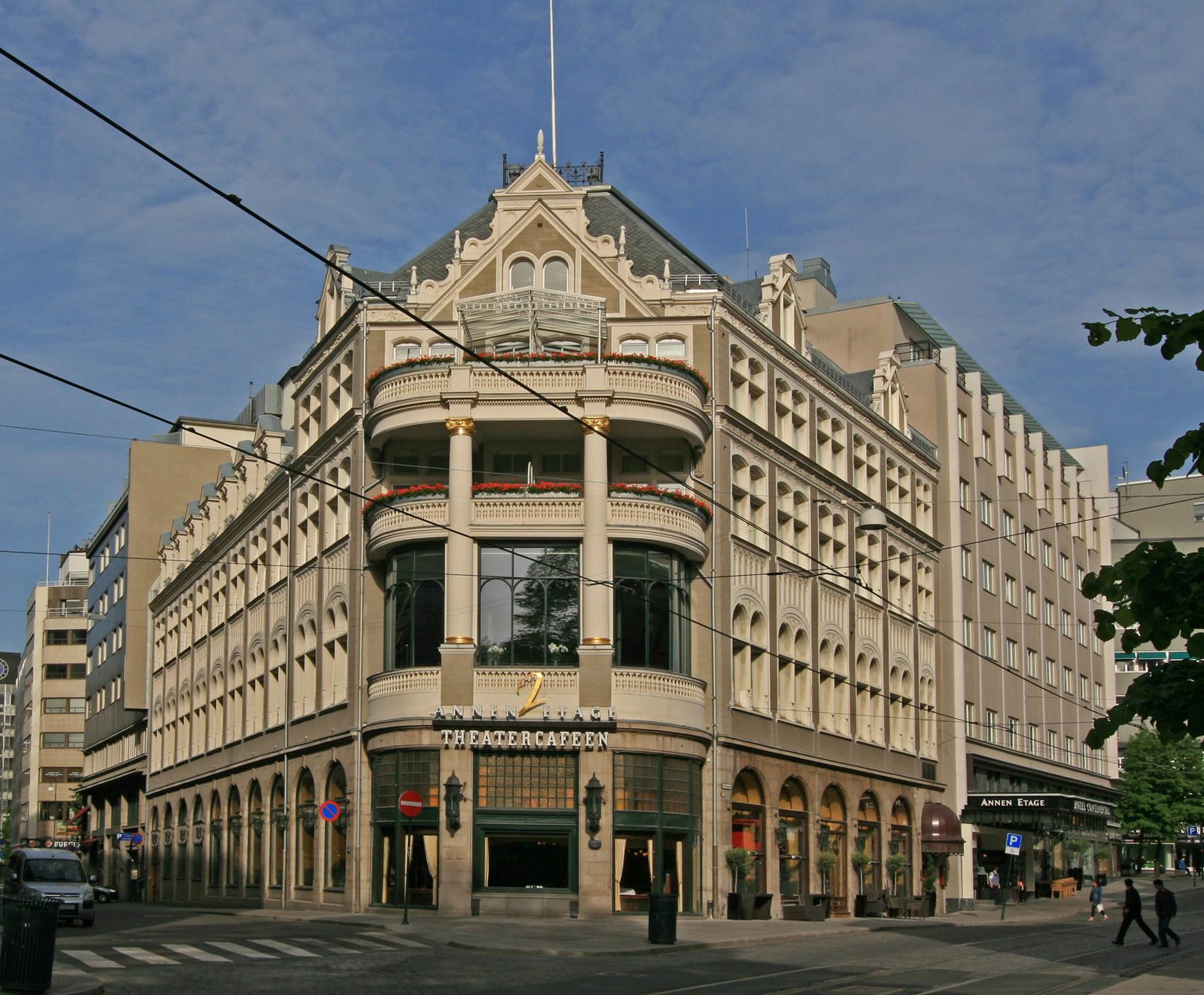
| Theatercaféen | Classic European Brasserie | $$$ | Not listed | Vika |
| Pier 42 | Cocktail Bar | $$$ | Not listed | St. Hanshaugen |
| Vaaghals | Modern Norwegian Sharing Bistro | $$$$ | Michelin Plate | Vaterland |
| Panu | Modern Norwegian Fusion with Asian Influences | $$$ | Not listed | St. Olavs Plass |
Continue exploring
More in Oslo
Restaurants in Oslo
Browse all →
At a Glance
- Elegant
- Scenic
- Well Known
- Sophisticated
- Classic
- Date Night
- Business Dinner
- Celebration
- Special Occasion
- Private Event
- Panoramic View
- Historic Building
- Design Destination
- Terrace
- Private Dining
- Waterfront
- Sommelier Led
- Local Sourcing
- Farm To Table
- Waterfront
- Skyline
Current opening hours
- Monday
- 12–9 PM
- Tuesday
- 12–9 PM
- Wednesday
- 12–9 PM
- Thursday
- 12–9 PM
- Friday
- 12–9 PM
- Saturday
- 12–9 PM
- Sunday
- 12–8 PM
Hours can change for holidays and private events. Last verified .
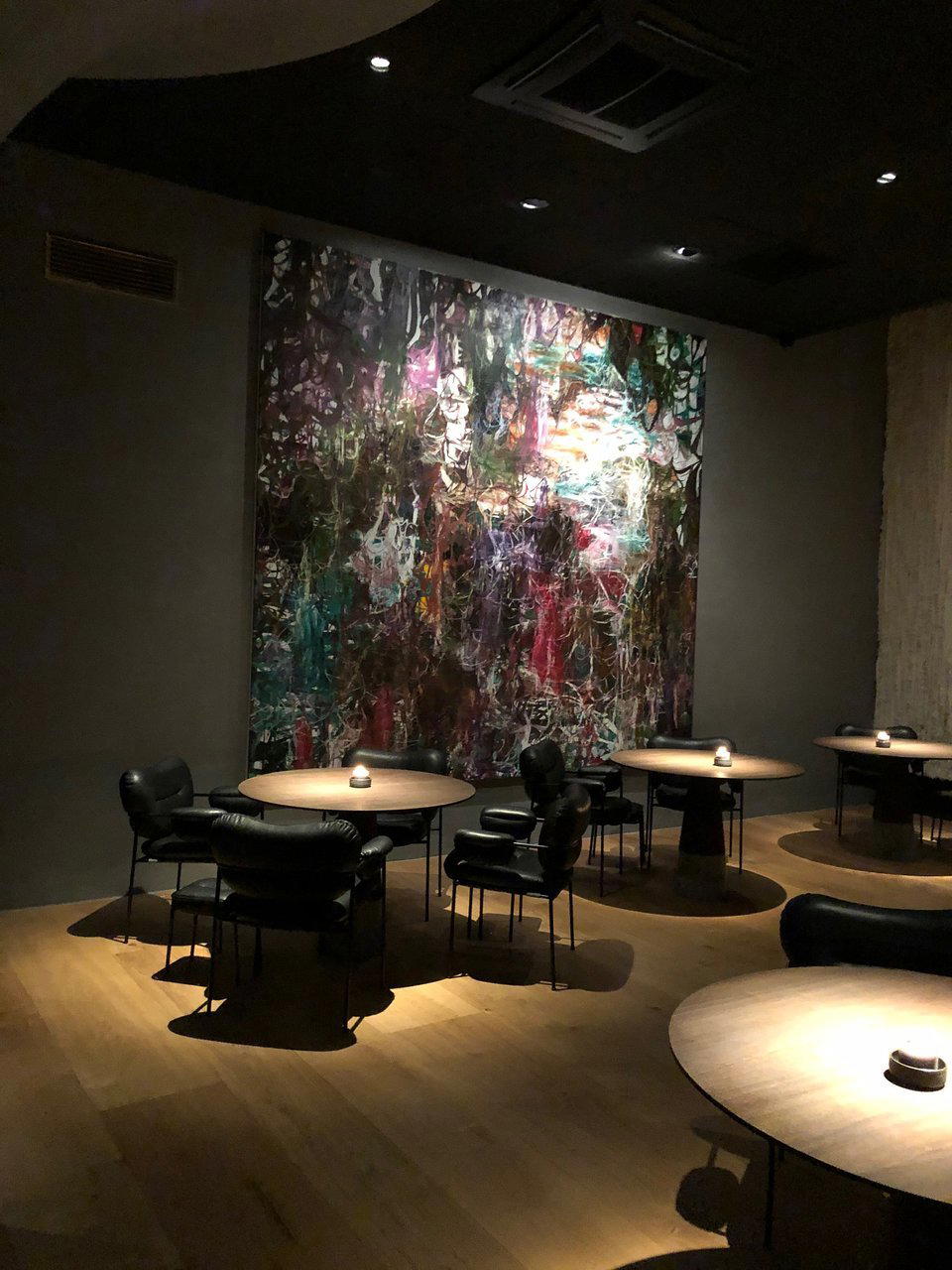
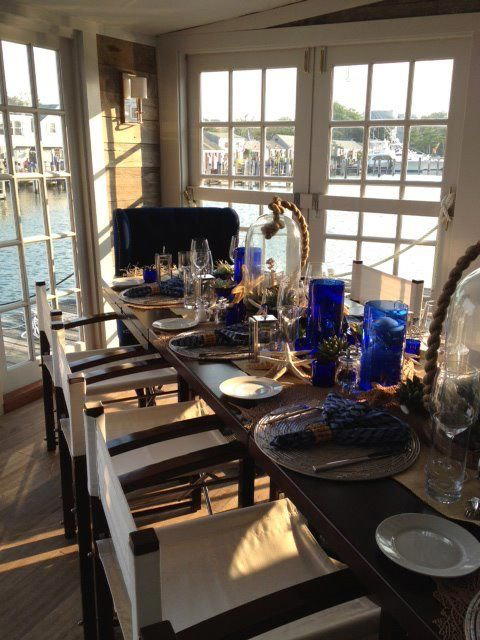
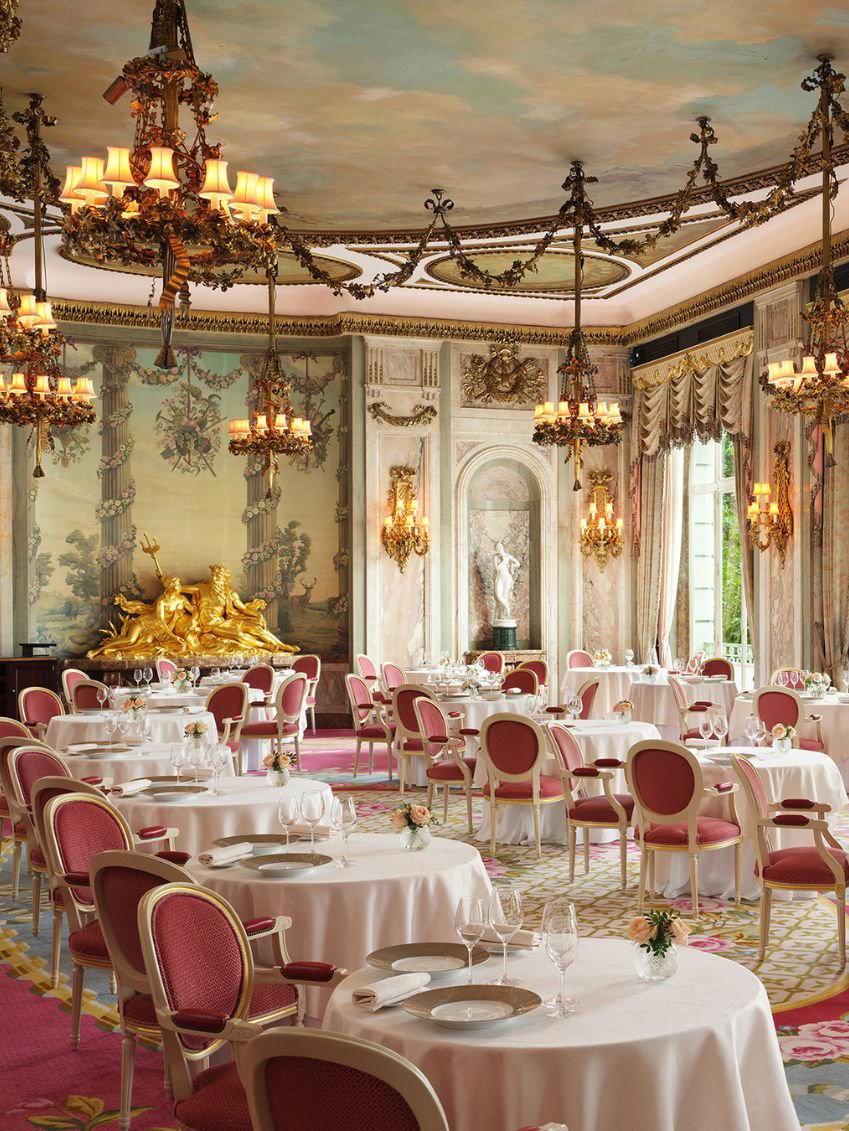
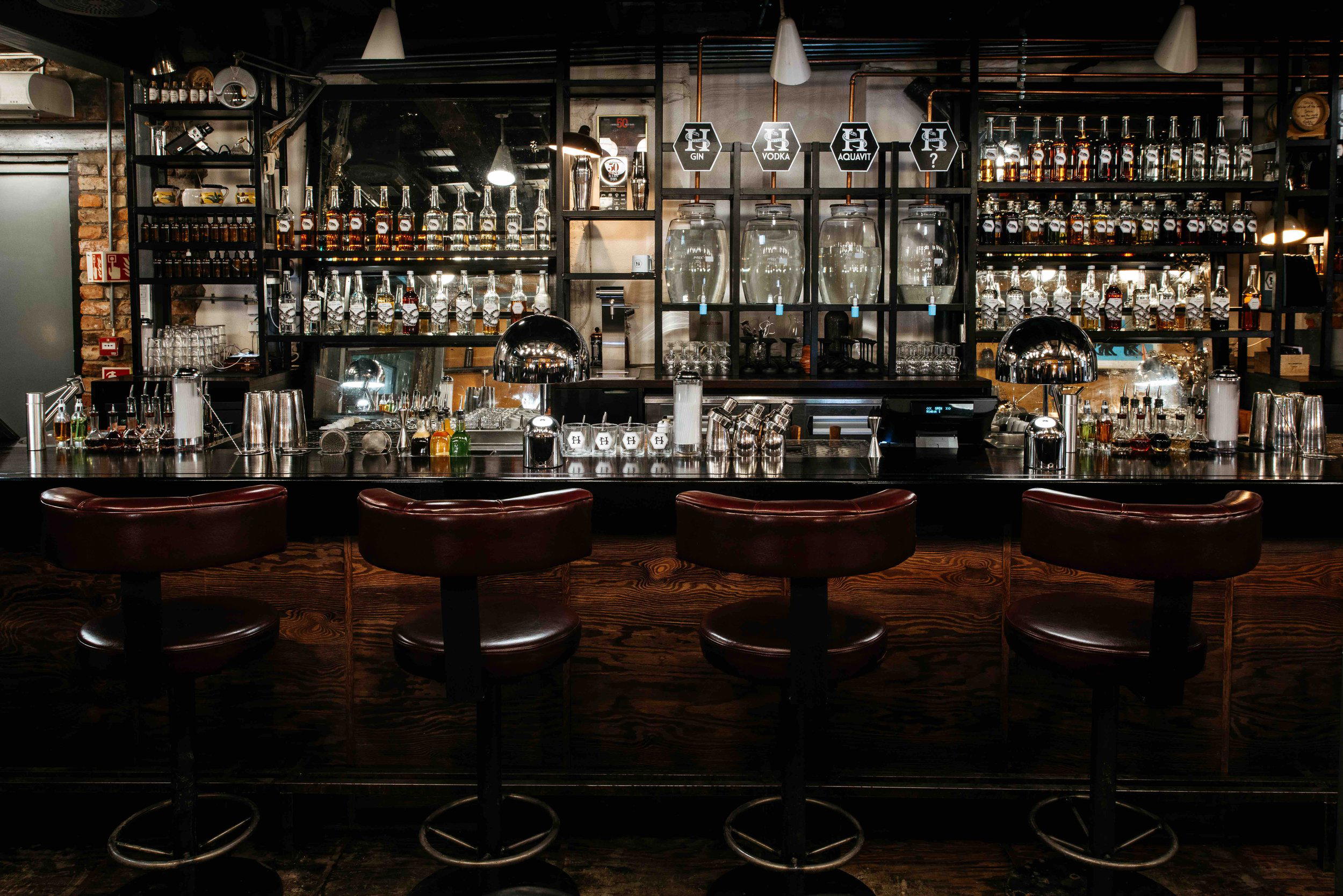
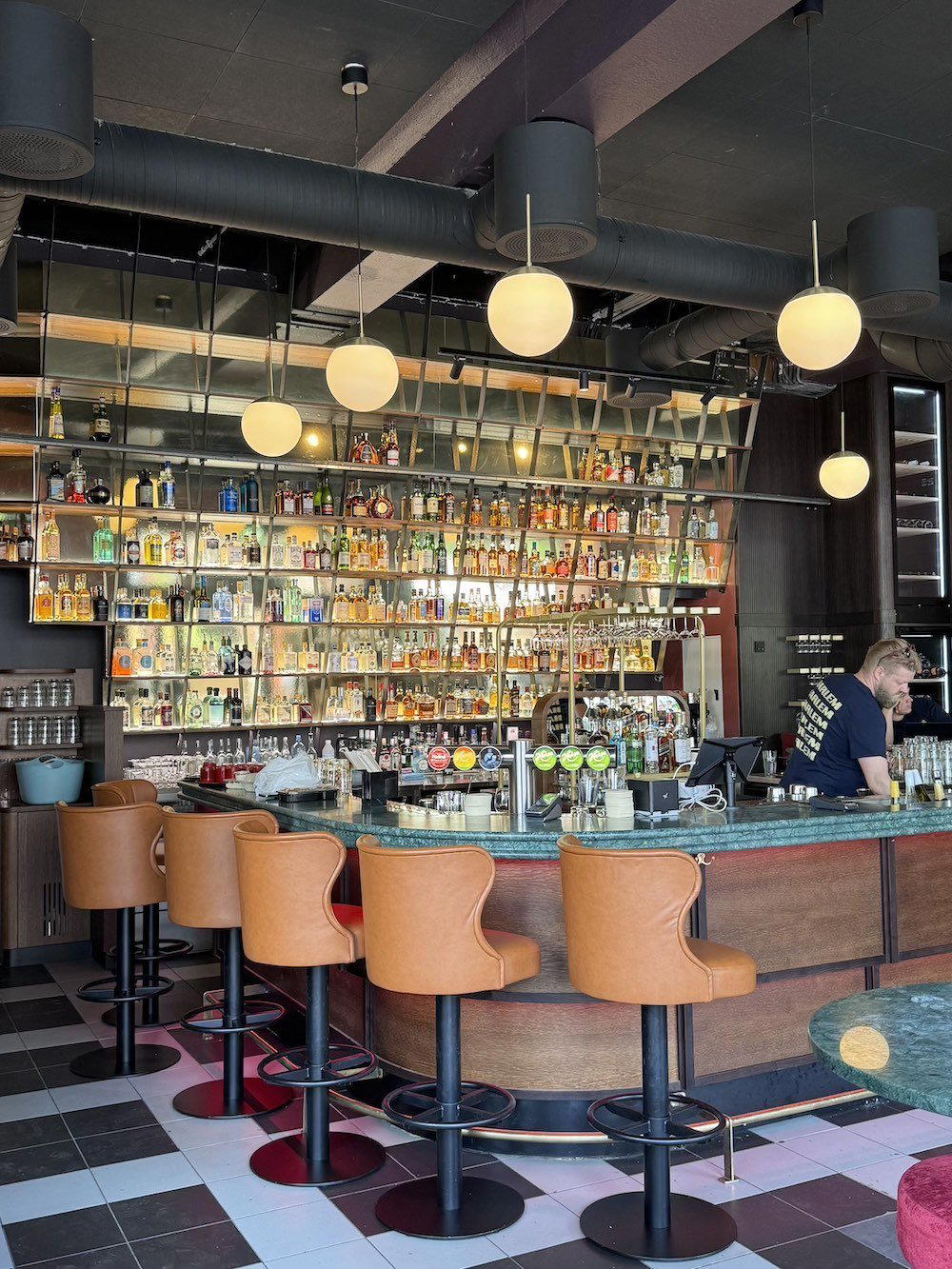
Bright, spacious, and elegant dining rooms with floor-to-ceiling views; summer terrace features an open-air kitchen and wood-fired pizza oven in a refined yet relaxed setting.