
Tabelog 100 #87
Our verdict
Eisuke gives Fujimi a serious yoshoku address rather than another casual station-area fallback. Its Tabelog 100 Yoshoku EAST 2025 selection, 3.77 score, 20-seat scale and focus on omurice and hamburger steak place it in the disciplined, ingredient-led side of Japan’s Western-influenced cooking tradition.

Pearl is the En Primeur Club membership app, where members save venues, book tables and use the concierge.
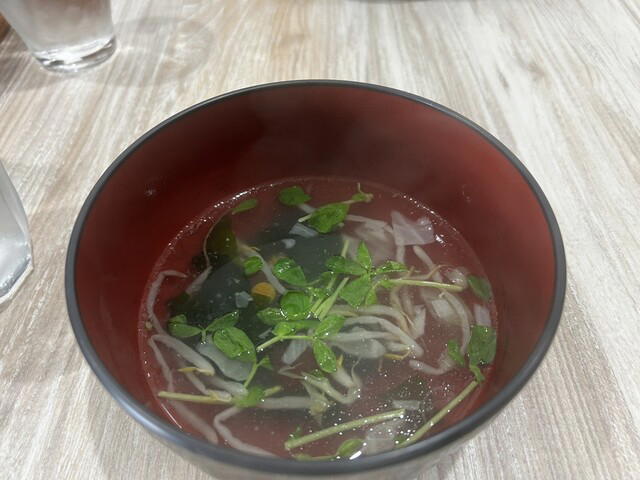
The menu
What to order
- Omurice (omelette rice)
- Hamburger steak
- Pork ginger
- Scallop butter grilled set
Approach Eisuke in Fujimi and the first cue is focus. This is not hotel dining, Ginza nostalgia in linen, or a Tokyo-style tasting room exported beyond the city centre. Its appeal is tighter: a Fujimi restaurant working in the grammar of Japanese Western cooking, where rice, eggs, demi-glace, minced meat and careful heat matter more than ceremony.
Yoshoku has always been translation: European and American cooking made unmistakably Japanese through portioning, sauces, rice pairings and lunch-counter rhythm. Omurice and hamburger steak are benchmarks, not retro novelties. A kitchen that handles them well must control texture, seasoning, sauce concentration and timing without luxury ingredients or elaborate plating.
Eisuke matters because Fujimi is not where travelling diners usually seek award-listed yoshoku. Its selection for Tabelog 100 Yoshoku EAST 2025 gives it a credential beyond local convenience, while its Tabelog score of 3.77 places it in a serious review bracket for this category. That combination is the story: a Fujimi room judged against the wider eastern Japan yoshoku field.
Yoshoku judged by fundamentals, not theatre
Read this restaurant through discipline, not novelty. The listed categories, yoshoku, omurice and hamburger steak, point to familiar forms with little room for distraction. In Japanese Western cooking, sourcing and preparation often show indirectly: hamburger steak fat balance, egg timing, sauce depth, and the relationship between rice and protein. The ingredient story is not rare produce or named farms; it is whether everyday components receive enough control to justify a dedicated trip.
That is why the category matters. Yoshoku rewards attention to the pan and pass, suiting dishes that suffer when treated casually. Omurice depends on egg texture and rice temperature; hamburger steak depends on grind, moisture and resting. These are not luxury signals, but they are unforgiving. In a category often dismissed as comfort food, execution separates nostalgia from craft.
The price tier shapes expectations. Dinner sits at JPY 2,000 to JPY 2,999, lunch at JPY 1,000 to JPY 1,999, so the comparison is not formal Tokyo French or high-end kappo. A nearby comparison such as Maejima may occupy a different dining mood, but Eisuke competes where repeated local use, review strength and category credibility matter. Within that frame, Tabelog 100 recognition says more than a glossy dining-room description.
For broader Japan itineraries, the restaurant shows how much serious eating sits outside obvious city cores. EP Club’s full Fujimi restaurants guide is the natural next step for local dining context, while the wider Japan file ranges across many cities and styles. Eisuke belongs to the quieter group where the draw is precision inside a familiar format.
Fujimi's dining logic works in its favour
Fujimi changes the dining contract. Restaurants here cannot rely on tourist drift like central Tokyo addresses. They must serve regulars, families and friends while holding enough quality to attract diners who will travel for a specific meal. That pressure often produces clearer restaurants: fewer gestures, sharper fundamentals, less concept fatigue.
The listed categories are not decorative. They place the room in a social category where yoshoku has long been strong: meals for different appetites without flattening the cooking into generic convenience. Omurice and hamburger steak are approachable dishes, but approachability should not be mistaken for low standards. In Japan, seriousness and formality are not the same thing.
The cuisine’s hybrid identity is central to the appeal. Western-influenced dishes in Japan do not require a purely Western script, because yoshoku has become a domestic language of its own. Hamburger steak, omelette rice and related staples can feel familiar while still depending on specifically Japanese habits of sauce, rice and balance. Its strength is not purity; it is adaptation that has lasted long enough to become its own standard.
For travellers staying locally rather than passing through, Fujimi’s supporting guides frame the stop: hotels in Fujimi, bars in Fujimi, wineries in Fujimi and experiences in Fujimi. The broader dining map can widen through other Fujimi dining rooms and nearby options, but Eisuke’s case is unusually clear because its recognition is tied to a defined yoshoku category rather than general local popularity.
How to place Eisuke in a Japan dining itinerary
The right diner for Eisuke is not chasing spectacle. This is for someone interested in how Japanese Western cuisine performs when stripped to staples and judged by consistency. The 2025 Tabelog 100 Yoshoku EAST selection confirms notice beyond its immediate neighbourhood. That is a stronger signal than menu adjectives.
Logistically, Fujimi makes the restaurant easier to fold into a local dining day than a central Tokyo night built around multiple stops. Details such as access, payment and service policies should be checked through current official or booking channels before going. For visitors, the useful assumption is simple: this is a Japanese restaurant in Fujimi, not an international hotel dining room with frictionless, globally standardised expectations.
Peer context reinforces its identity. Shinfula and Nagai can sit in the same broader regional conversation, while ROI LEGUME Asaka honten and Asaka Bakery Asakadai ten show how varied everyday eating around the area can be. Eisuke’s distinction is not expense; it is category recognition within yoshoku. For EP Club readers, that makes it a precise stop rather than a prestige reservation: go for the Japanese interpretation of Western comfort dishes handled with enough seriousness to earn regional notice.
Those building a longer food itinerary can contrast the format with other dining traditions, drinks-led evenings or Japanese comfort-food translation abroad. Eisuke’s value is narrower and clearer: it shows how much authority a Fujimi room can have when the cuisine is measured by fundamentals.
Frequently asked questions
Would Eisuke be comfortable with kids?
Eisuke is listed as a yoshoku restaurant in Fujimi, with lunch listed at JPY 1,000–JPY 1,999. Check the venue's official channels for the latest details.
Is Eisuke formal or casual?
The public listing places Eisuke in the yoshoku, omurice and hamburger steak categories in Fujimi rather than in a formal tasting-menu context.
Is Eisuke expensive?
Pricing at Eisuke is listed as Dinner: JPY 2,000 - JPY 2,999; Lunch: JPY 1,000 - JPY 1,999.
What is Eisuke known for?
Eisuke is known for yoshoku, omurice and hamburger steak in Fujimi, and for its Tabelog 100 Yoshoku EAST 2025 recognition.
How It Stacks Up
Comparable venues by cuisine and price in the same metro.
| Venue | Cuisine | Price | Awards | Notes |
|---|---|---|---|---|
| EisukeThis venue (the venue you are viewing) | Yoshoku (Japanese Western-style) | $20–30 | Tabelog 100 #87 | Not listed |
| RED HOUSE (レッドハウス) | Japanese Slope-Side Casual | Not listed | Not listed | 安比高原 |
| Tasuki Pass The Baton | Traditional Japanese Tea Room & Kakigori | $10–20 | Not listed | Gion |
| Ide Shoten (井出商店) | Wakayama-style ramen (chuka soba) | $1–10 | Tabelog 100 #59 | Tanakamachi |
| Ikkaku (骨付鳥 一鶴 土器川店) | Traditional Japanese Bone-in Chicken (Honetsukidori) | Not listed | Not listed | 土居町 |
| Nakayoshi Shokudo (なかよし食堂) | Okinawan Cuisine | Not listed | Not listed | Shin-eicho |
Recognition history
Dated appearances from independent guides and award organizations, with the underlying list record or original source where available.
Tabelog 100 #87 · No. 87
Tabelog · Tabelog 100 - Yoshoku - EAST - 2025
Continue exploring
More in Fujimi
Restaurants in Fujimi
All restaurants in Fujimi →



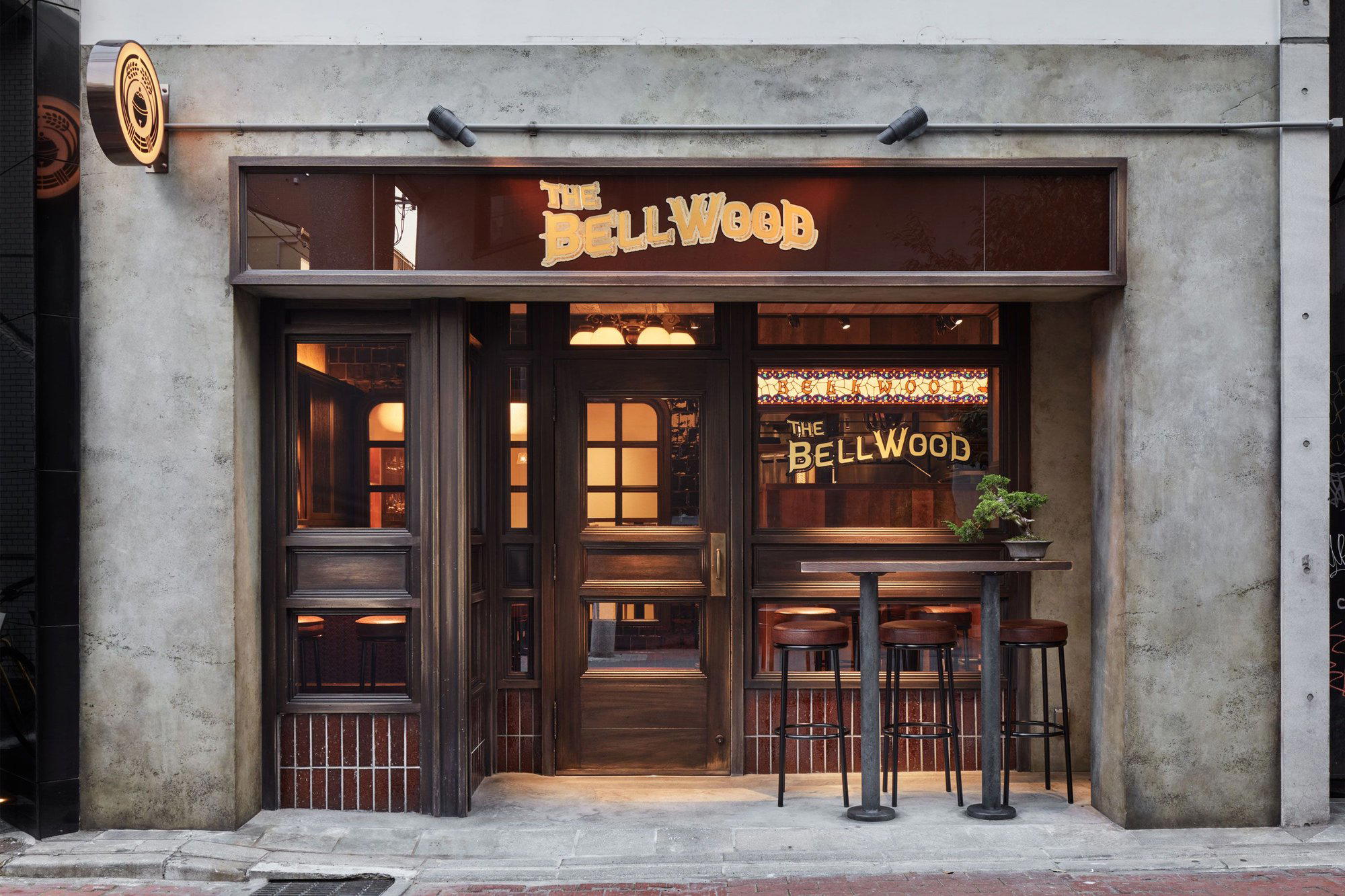
Bars in Fujimi
Browse all →

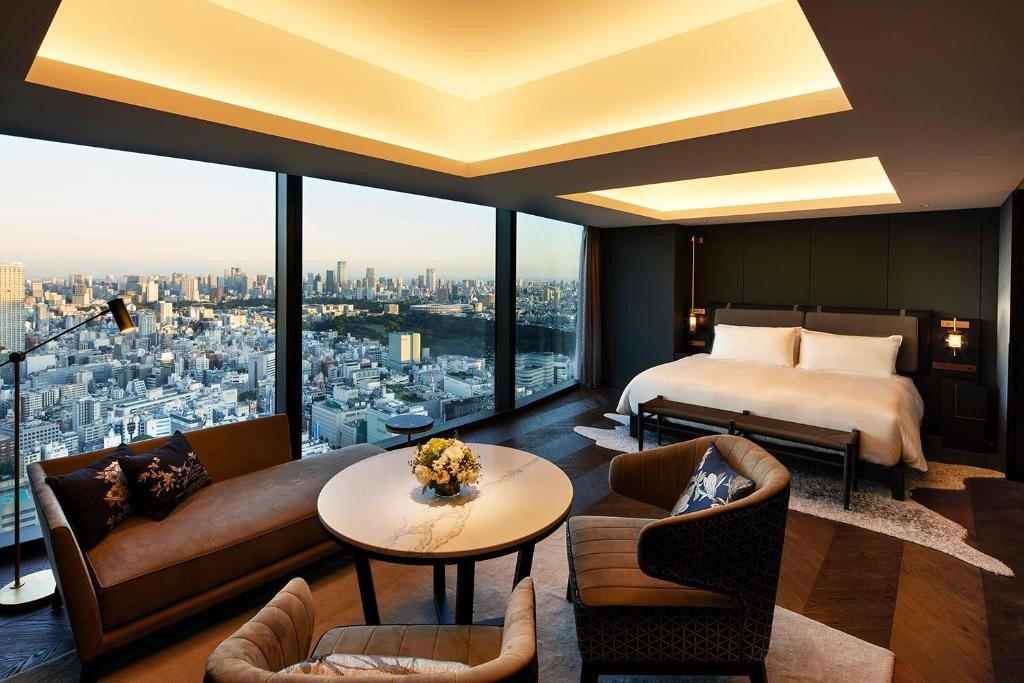
Hotels in Fujimi
Browse all →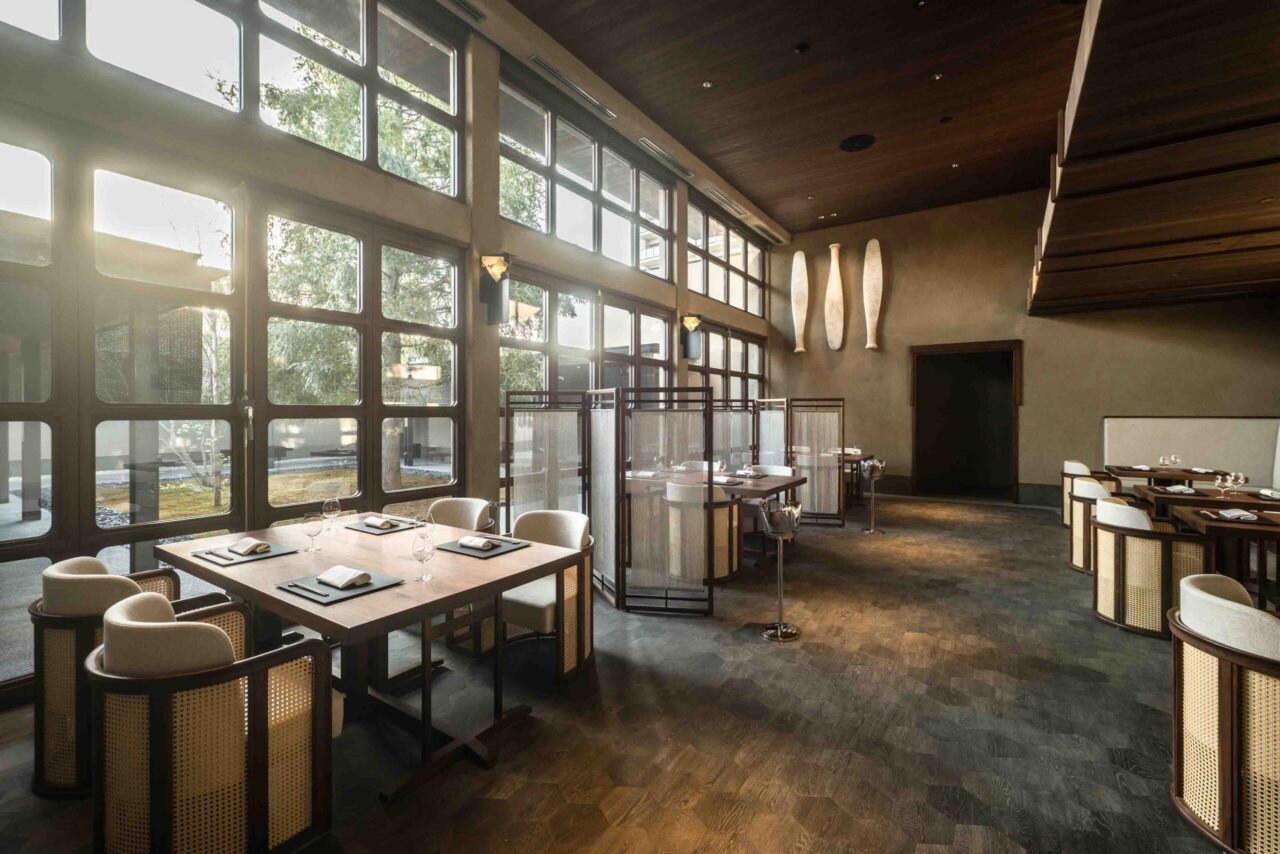
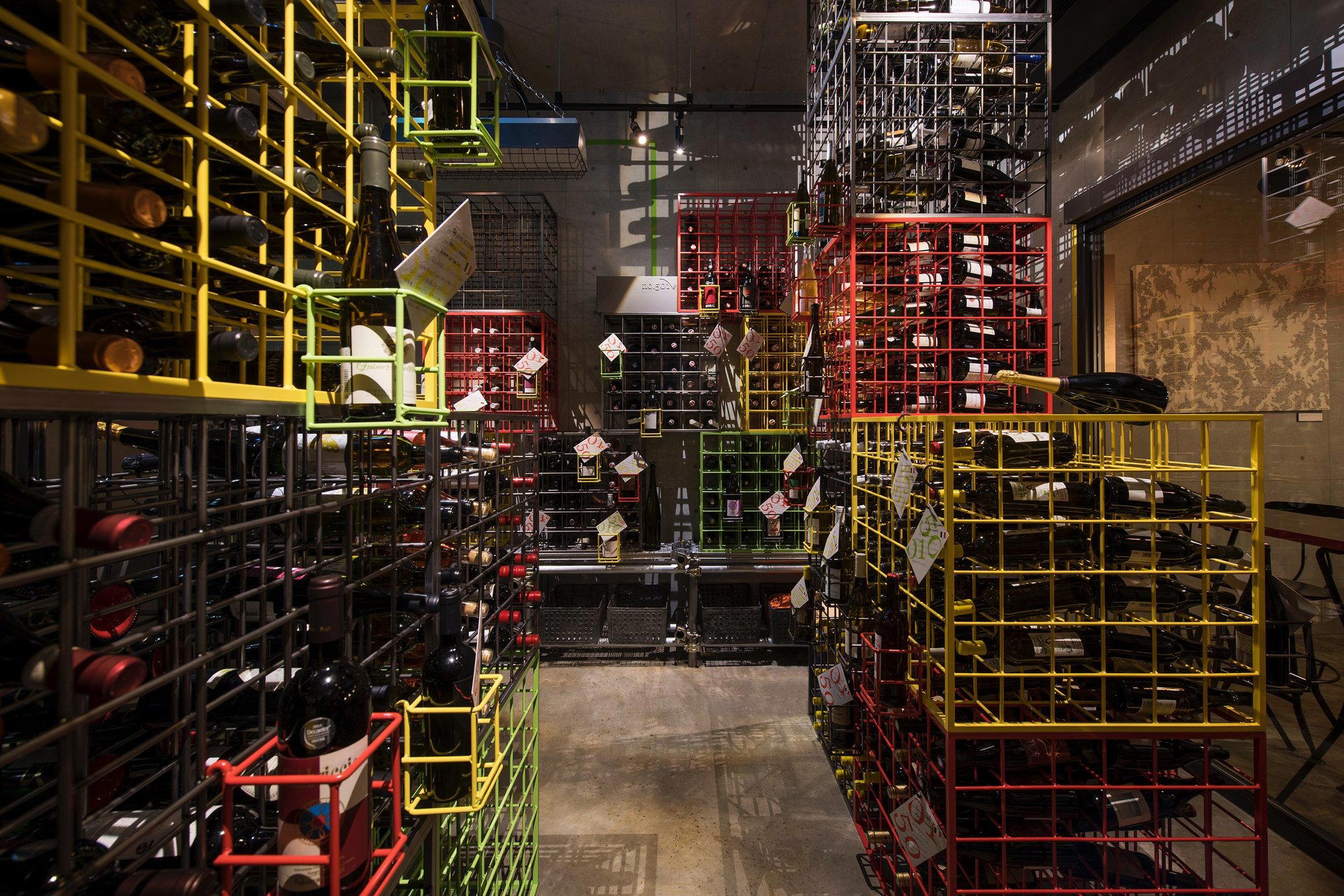
Wineries in Fujimi
Browse all →
Details
- Cozy
- Classic
- Intimate
- Family
- Casual Hangout
- Solo
- After Work
- Standalone
- A La Carte
- Set Menu
- Sake
- Shochu
- Wine
Small 20-seat yoshoku restaurant with a cozy, classic neighborhood feel, non-smoking and casual, focused on relaxed family and friends’ meals rather than formality.