Eigikutei
Our verdict
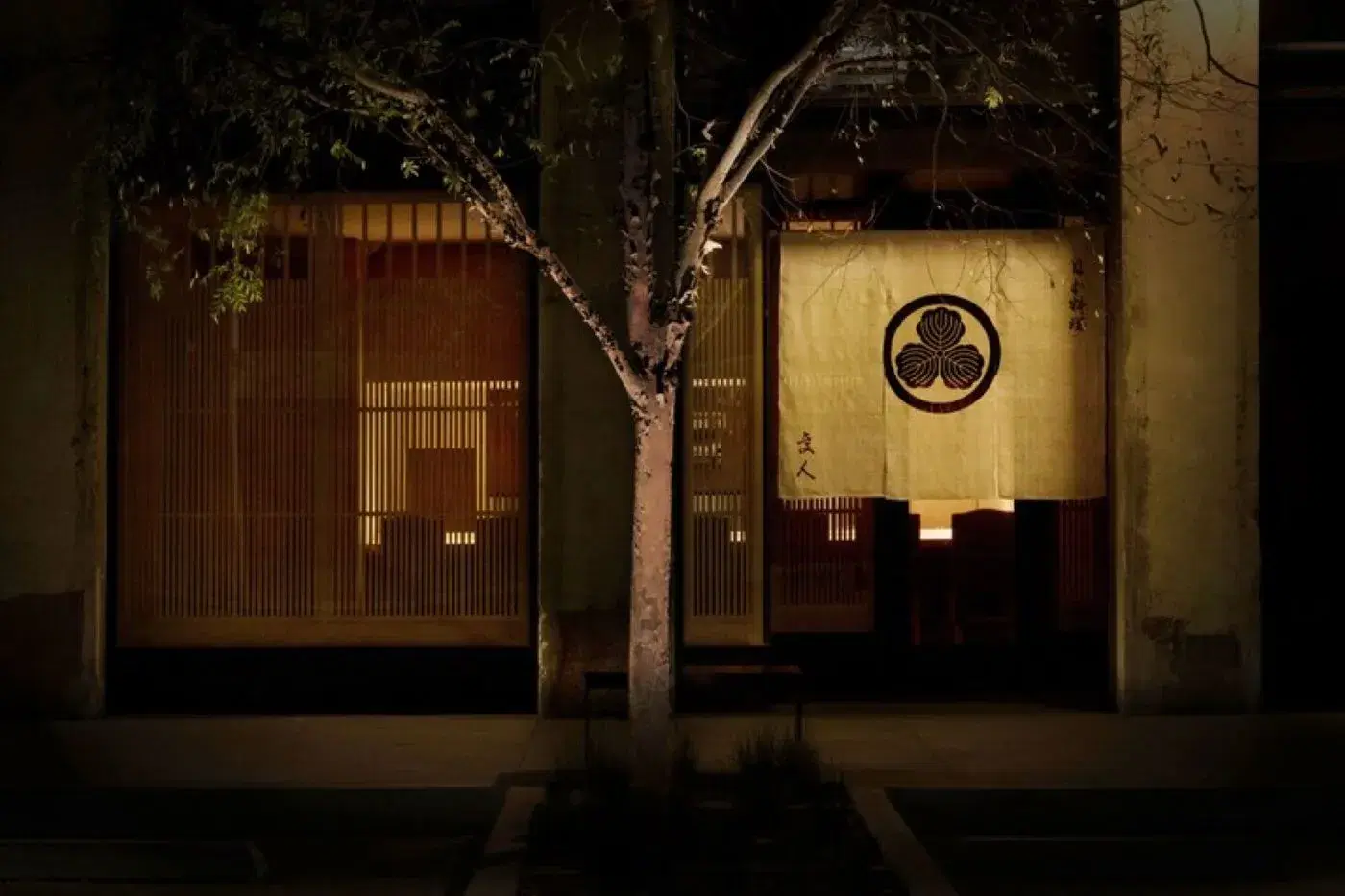
Eigikutei occupies a quiet address in Downtown Los Angeles's Little Tokyo corridor at 314 1st Street, placing it inside one of the city's most concentrated zones for Japanese dining traditions. The restaurant sits at the intersection of neighbourhood culinary heritage and LA's broader appetite for refined Japanese formats, making it a reference point for those tracking how the city's Japanese dining scene has matured over decades.

Pearl is the En Primeur Club membership app, where members save venues, book tables and use the concierge.

The menu
What to order
- A5 Miyazaki Wagyu Shabu Shabu
- Plant Based Kaiseki
- Sushi Kaiseki
Little Tokyo's Long Game: How Japanese Fine Dining Took Root in Downtown LA
There is a particular kind of restaurant that only makes sense in context. Walk along 1st Street in Downtown Los Angeles's Little Tokyo district and the density of Japanese food culture becomes legible: izakayas, ramen counters, specialty grocers, and, sitting among them, addresses that have outlasted trends by staying close to a more deliberate, less fashionable idea of what Japanese hospitality means. Eigikutei, at 314 1st Street, belongs to that longer tradition. The building sits on a block where the sidewalk moves at a different pace than the rest of Downtown, where the conversation in the street can shift languages mid-sentence, and where the concept of eating well is inseparable from the concept of eating carefully.
Little Tokyo is one of the few urban Japanese-American enclaves in the continental United States that has maintained genuine residential and commercial density across generations. That continuity matters for understanding the restaurants within it. Unlike the Japanese dining outposts that appeared across West Hollywood or the Westside in recent decades, shaped largely by export culture and tourism, Little Tokyo's better establishments have historically answered to a local constituency with direct cultural stakes in what ends up on the plate. That accountability shapes everything from ingredient sourcing to service tempo.
The Shape of LA's Japanese Dining Tier
Los Angeles currently supports one of the most stratified Japanese dining markets outside Japan itself. At the top of the price tier, omakase counters in Brentwood, Beverly Hills, and Arts District lofts now regularly price multi-course experiences at several hundred dollars per person, positioning themselves against peer counters in New York rather than against the city's mid-range Japanese operators. Hayato in the Arts District, for example, runs a kaiseki format with months-long waitlists that would not look out of place benchmarked against Atomix in New York City or The French Laundry in Napa on price and format discipline.
Below that tier, and increasingly distinct from it, sits a cohort of neighbourhood-rooted Japanese restaurants that have survived not by chasing the omakase premium but by maintaining consistency, cultural specificity, and a local audience that measures quality differently. These are the places where the evolution is slower, more earned, and arguably more interesting to track. Eigikutei belongs in that conversation, occupying a Little Tokyo address that carries neighbourhood weight alongside whatever the current dining room format represents.
The broader LA Japanese scene against which Eigikutei is read includes venues like Kato, which operates a New Taiwanese format that draws on Japanese precision without the Japanese label, and the more technically experimental tier represented by Somni. Neither of those is a direct peer, but they illustrate how wide the range has become: from culturally rooted neighbourhood institutions to technically ambitious destination restaurants. For further context across the city's full dining range, the EP Club Los Angeles restaurants guide maps these tiers in detail.
Evolution Over Time: What Changes in a Neighbourhood Restaurant
The restaurants that survive in Little Tokyo across decades do not do so by staying static. The evolution tends to be quiet rather than dramatic: a refinement of sourcing, a tightening of the menu, a change in service format that reflects both the kitchen's growing confidence and the neighbourhood's shifting demographics. This pattern is common to Japanese-American dining institutions that have outlasted multiple cycles of trend. The kaiseki boom of the 2010s, the omakase surge of the late 2010s, and the post-pandemic recalibration of fine dining formats have all moved through Los Angeles, and the establishments that endured tended to do so by having something prior to and independent of those cycles.
For comparative reference points beyond LA, restaurants like Lazy Bear in San Francisco and Single Thread Farm in Healdsburg illustrate how the West Coast's better fine dining addresses have navigated reinvention while maintaining format coherence. On the global scale, the durability of an address like 8½ Otto e Mezzo Bombana in Hong Kong demonstrates how a restaurant anchored in a specific cultural neighbourhood can sustain relevance through consistent refinement rather than periodic reinvention. The principle applies locally: the 1st Street corridor in Little Tokyo rewards the restaurants that have treated their neighbourhood as a source of discipline rather than a constraint to escape.
The non-Japanese fine dining tier in the city, represented by addresses like Providence for contemporary seafood and Osteria Mozza for Italian, operates on a different rhythm of reinvention, one driven more by critical attention cycles and ingredient trends. Japanese restaurants in Little Tokyo tend to change more slowly and more deliberately, which for a certain kind of diner is precisely the point. For those planning a broader Los Angeles itinerary, the EP Club Los Angeles hotels guide, bars guide, and experiences guide provide the surrounding infrastructure.
Planning Your Visit
Eigikutei is located at 314 1st Street, Los Angeles, CA 90012, in the heart of Little Tokyo. For broader context on the city's dining geography, see the EP Club Los Angeles wineries guide and the full Los Angeles restaurants guide.
How Eigikutei Compares on Logistics
Frequently asked questions
What do people recommend at Eigikutei?
Eigikutei's position within Little Tokyo's Japanese dining corridor suggests a kitchen oriented toward traditional Japanese formats rather than the contemporary omakase or fusion models that dominate LA's fine dining conversation. Visitors consistently point to the neighbourhood authenticity of the experience. For a fuller picture of where it sits among the city's Japanese offerings, Hayato and the broader Los Angeles restaurants guide provide useful peer context.
What is the ideal way to book Eigikutei?
Given its Little Tokyo address and the general character of neighbourhood Japanese restaurants in that corridor, walk-in availability may be more accessible than at the city's heavily allocated omakase counters, but this should be confirmed directly. For comparison, the higher-demand tier of LA Japanese dining, including venues like Hayato, typically requires advance reservation of several months. Checking directly with the restaurant at 314 1st Street, Los Angeles, CA 90012 is the most reliable approach.
What do critics highlight about Eigikutei?
Within the Little Tokyo dining zone, the restaurants that attract sustained critical attention tend to be those that demonstrate consistent sourcing discipline and format coherence over time, the same qualities that differentiate the neighbourhood's better addresses from the city's trend-driven operators. For critical context on the broader LA scene, venues such as Providence and Kato represent the tier receiving the most sustained attention.
How does Eigikutei fit into Los Angeles's broader Japanese-American dining heritage?
Little Tokyo at 1st Street is one of the oldest continuously operating Japanese-American commercial districts in the United States, and restaurants in this corridor carry a layered history that newer Japanese dining outposts in other LA neighbourhoods do not share. Eigikutei's address places it inside that heritage zone, where the reference points include generations of Japanese-American community dining rather than the international omakase export model. For anyone building a Japanese dining itinerary in Los Angeles, comparing this neighbourhood anchor with a destination counter like Hayato or a technically progressive address like Somni reveals how wide the city's Japanese dining range actually runs.
Cuisine and Credentials
Comparable venues nearby, for context on price, style, and recognition.
| Venue | Cuisine | Price | Notes |
|---|---|---|---|
| EigikuteiThis venue (the venue you are viewing) | Japanese Kaiseki & Omakase Sushi | $100–150 | Not listed |
| Shojin | Vegan Japanese Macrobiotic | $50–100 | Culver West |
| Rokusho | Modern Japanese Izakaya | $50–100 | Hollywood |
| Shintaro | Traditional Japanese Sushi | Not listed | Hollywood Hills |
| Azay | Japanese Breakfast and Home Cooking | $20–30 | Little Tokyo |
| KOGANE | Edo-style Omakase Sushi | $200–300 | Shorb |
Continue exploring
More in Los Angeles
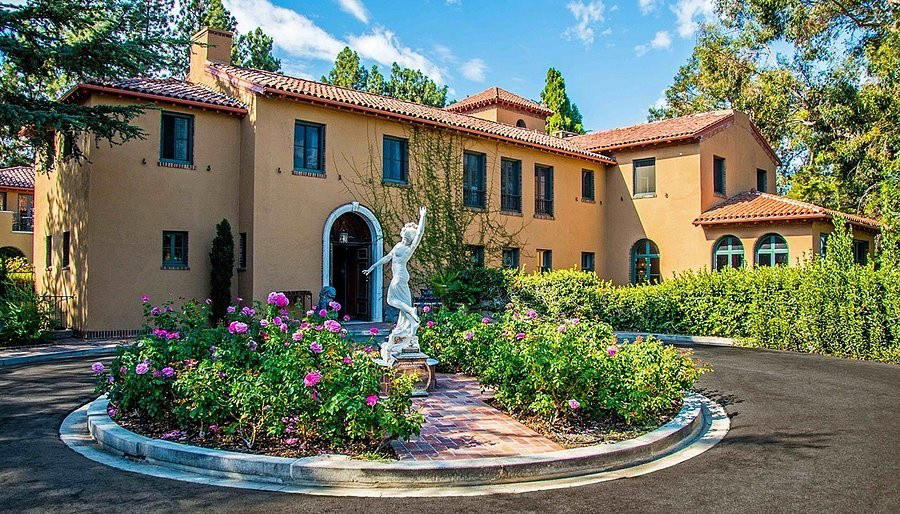
Restaurants in Los Angeles
All restaurants in Los Angeles →
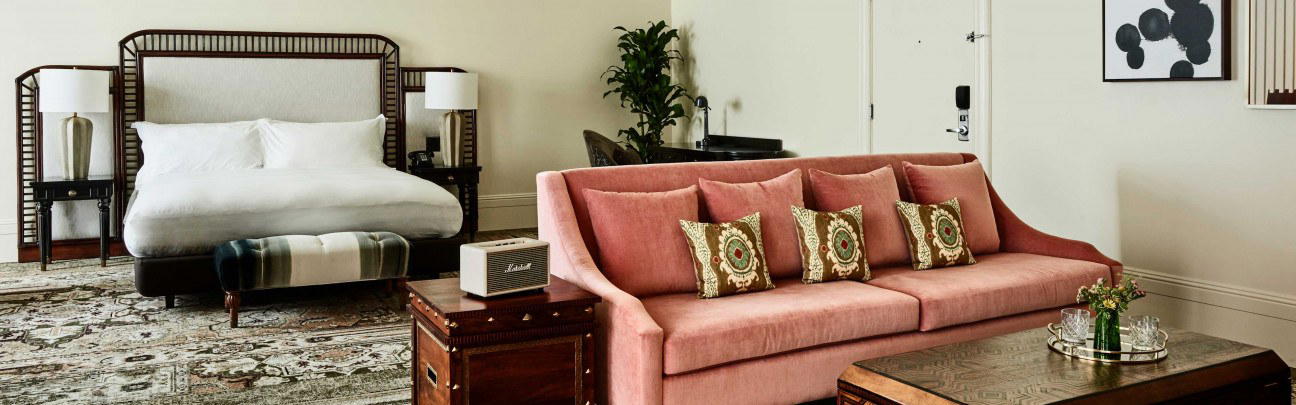
Bars in Los Angeles
All bars in Los Angeles →
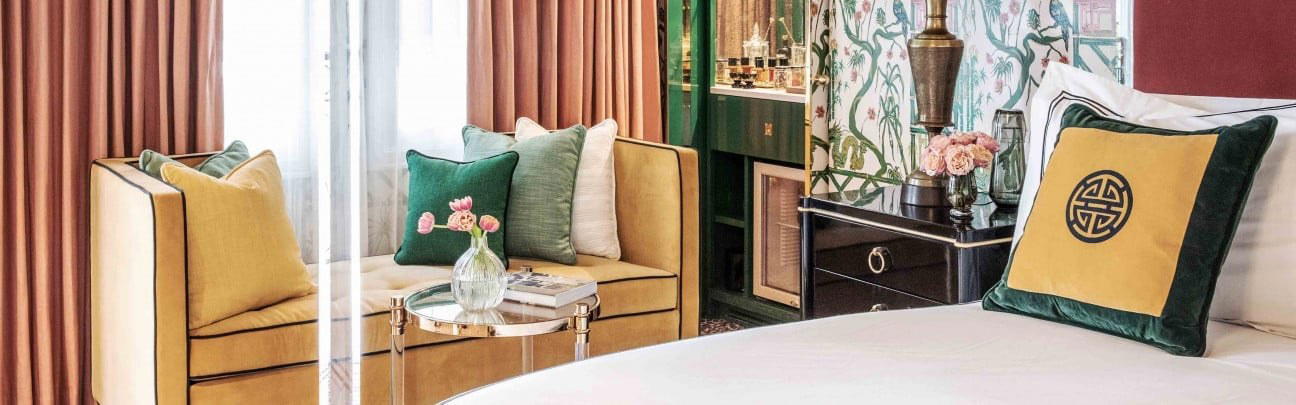
Hotels in Los Angeles
All hotels in Los Angeles →
Wineries in Los Angeles
All wineries in Los Angeles →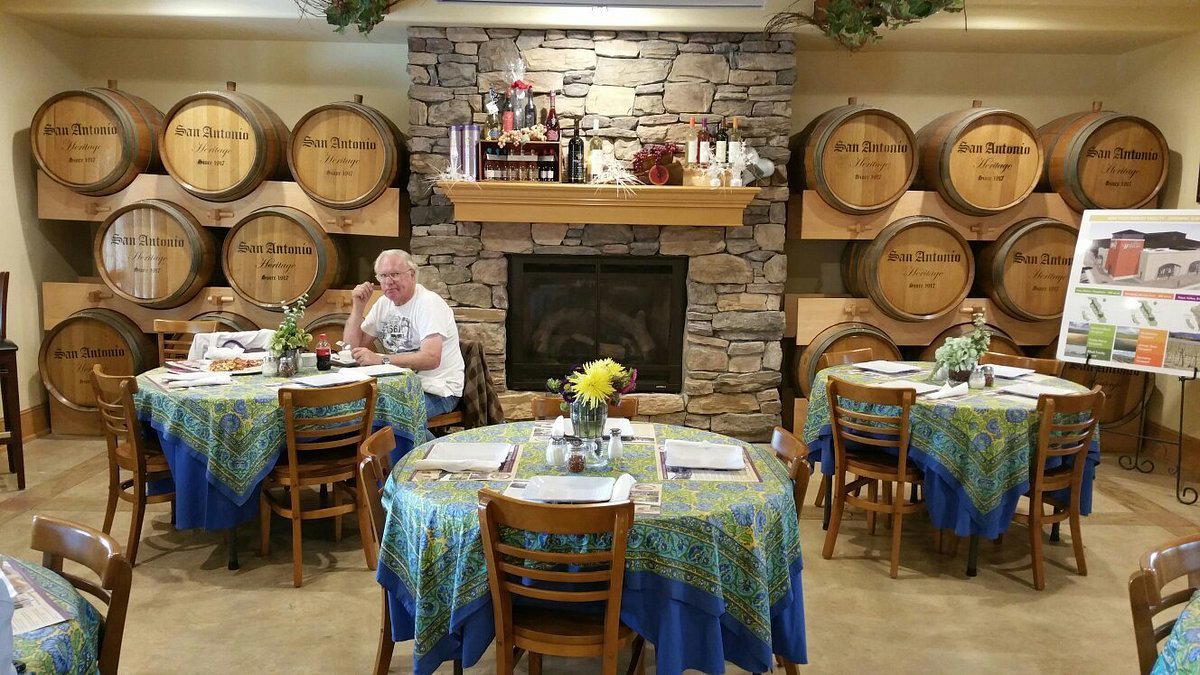
Details
- Elegant
- Intimate
- Serene
- Sophisticated
- Date Night
- Special Occasion
- Celebration
- Chefs Counter
- Sake Program
- Tasting Menu
- Omakase
- Sake
- Wine
- Vegan Options
- Vegetarian Friendly
Current opening hours
- Monday
- Closed
- Tuesday
- 11:30 AM–2 PM, 5–10 PM
- Wednesday
- 11:30 AM–2 PM, 5–10 PM
- Thursday
- 11:30 AM–2 PM, 5–10 PM
- Friday
- 11:30 AM–2 PM, 5–10 PM
- Saturday
- 11:30 AM–2 PM, 5–10 PM
- Sunday
- 11:30 AM–2 PM, 5–10 PM
Hours can change for holidays and private events. Hours as of .
Calm and serene atmosphere with calming music, beautifully presented dishes like artworks, and traditional Japanese hospitality despite busy downtown location.