Sushi|Bar
Sushi|Bar on Hollywood Boulevard operates at the intersection of omakase precision and the kind of casual, communal energy more common to Japan's izakaya tradition than to white-tablecloth sushi counters. The kitchen is punching above its East Hollywood address.
Pearl is the En Primeur Club membership app — saves, bookings, and concierge access live there. Same editors, same standards.
- Address
- 5259 Hollywood Blvd, Los Angeles, CA 90027
- Phone
- (323) 688-2144
- Website
- harusushiandizakaya.com
- Directions
- Get directions
 Saves & bookings on Pearl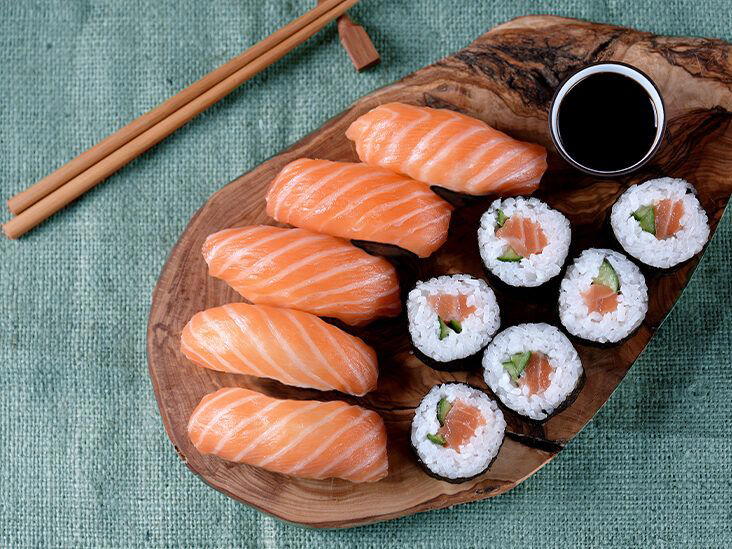
East Hollywood and the Omakase Question
Sushi|Bar, operating out of a Hollywood Boulevard address that belongs neither to the expense-account corridor nor the tourist strip, occupies a different register entirely.
That placement on 5259 Hollywood Blvd is deliberate context. East Hollywood is not where Los Angeles goes to perform wealth over a counter. It is a neighbourhood of working restaurants, late-opening kitchens, and a dining public that tends to have opinions rather than Instagram strategies. For a sushi operation to earn, it needs to be doing something with genuine precision, not just filling a niche by default.
The Izakaya Register
Japanese drinking culture has always understood that the meal and the evening are not separate things. The izakaya format, built around small plates, shared ordering, and the rhythm of sake or shochu moving through a table, produces a different social contract than the omakase sequence, where conversation defers to the counter. Particularly interesting sushi operations in recent years have borrowed from both traditions: they maintain the technical discipline of edomae preparation while allowing the social energy of the room to breathe. You find this in certain counters in Osaka, in the standing sushi bars of Tokyo's Yurakucho district, and now increasingly in Los Angeles neighbourhoods that were never built to house formal kaiseki.
Sushi|Bar's name encodes this duality without subtlety. The vertical bar in the middle functions as a separator and a fusion point simultaneously: sushi precision, bar atmosphere. That framing places it closer to the communal, drink-friendly end of the spectrum than to the more formal end of the spectrum. In a city where Kato has spent years redefining Taiwanese and Asian fine dining through a similar refusal to choose between technical seriousness and approachability, this instinct has proved commercially and critically viable.
Sushi|Bar has received recognition, and that signals kitchen consistency in East Hollywood rather than novelty alone.
Chef Philip Yang leads the kitchen. Within the editorial framing that matters here, his role is best understood as a credential inside a broader argument about where serious sushi is now happening in Los Angeles, rather than the story in itself. The fact that a 4.8 average has been sustained over 106 reviews suggests consistency rather than a single strong performance noticed by early adopters.
For comparison within the Los Angeles fine dining tier, the city's most discussed high-end restaurants, including Somni in its molecular-progressive register, Providence in contemporary seafood, and Osteria Mozza in Italian, all operate with the full infrastructure of established, well-capitalised restaurant groups. The restaurant reads as a leaner, more focused operation, and that leanness tends to concentrate quality into fewer, more deliberate decisions.
Where Sushi|Bar Sits in a National Frame
The trajectory of serious sushi in the United States has followed a pattern visible in other culinary categories: initial concentration in New York (see Le Bernardin's influence on the broader seafood conversation), gradual geographic dispersal, and then the emergence of credentialed operations in cities and neighbourhoods that were not historically associated with that cuisine at the summit tier. San Francisco has watched this through kitchens like Lazy Bear's influence on the broader Bay Area dining culture. Chicago's most discussed progressive table, Alinea, reshaped what that city expected from any serious tasting format. In Napa, The French Laundry and Single Thread Farm have established that produce-driven precision can anchor a region's dining identity. The same dispersal logic applies to sushi: the credentialed counter is no longer only a Midtown Manhattan or Beverly Hills proposition.
Internationally, the edomae tradition that underlies most serious sushi has produced acclaimed counters in unexpected cities. Edomae Sushi Matsuki in Bratislava and Minamishima in Richmond (Melbourne) both demonstrate that technique, sourcing discipline, and a serious approach to fish aging and rice temperature can travel well beyond Tokyo. Los Angeles, with its proximity to Pacific fish markets and a Japanese-American community that has sustained high standards for decades, was always a natural environment for this level of work. The interesting question is which neighbourhoods host it. The restaurant's East Hollywood address is part of the answer.
Separately, Emeril's in New Orleans offers a useful comparative frame for thinking about how credentialed chefs anchor neighbourhood dining scenes outside their city's primary fine-dining postcodes.
Know Before You Go
- Address: 5259 Hollywood Blvd, Los Angeles, CA 90027
- Neighbourhood: East Hollywood
- Chef: Philip Yang
- Cuisine: Japanese Sushi 9 / 5 (81 reviews)
- Price range: Not confirmed; budget accordingly for an omakase-format counter in the Pearl-recognised tier
- Hours: Verify directly before visiting
Budget and Context
Comparable venues nearby, for context on price, style, and recognition.
| Venue | Cuisine | Price | Notes |
|---|---|---|---|
| Sushi|BarThis venue — the venue you are viewing | Thai Town, Japanese Sushi | $ | Not listed |
| Orochon Ramen | Little Tokyo, Traditional Japanese Ramen | $ | Not listed |
| Skewers by Morimoto | LAX Airport, Japanese Yakitori Skewers | $$ | Not listed |
| M Café Kitchen Lincoln Heights | Not listed | $$ | Lincoln Heights, Modern Macrobiotic Japanese |
| Chiso Cafe | Echo Park, Japanese home-style café | $$ | Not listed |
| Taiko | Brentwood, Japanese Sushi and Noodles | $$ | Not listed |
Continue exploring
More in Los Angeles
Restaurants in Los Angeles
Browse all →
Bars in Los Angeles
Browse all →
Hotels in Los Angeles
Browse all →
Wineries in Los Angeles
Browse all →
At a Glance
- Family
- Casual Hangout
Current opening hours
- Monday
- 4 PM–12 AM
- Tuesday
- 4 PM–12 AM
- Wednesday
- 4 PM–12 AM
- Thursday
- 4 PM–12 AM
- Friday
- 4 PM–1 AM
- Saturday
- 4 PM–1 AM
- Sunday
- 4 PM–12 AM
Hours can change for holidays and private events. Last verified .
nice and relaxing