Ginza Sushiko
Ginza Sushiko earned a place at #38 on the World's 50 Best Restaurants list in 2002, making it one of the few Los Angeles sushi counters to register on that tier of global recognition. Holding a 4.6 Google rating across more than 200 reviews, it occupies a specific position in the city's Japanese dining hierarchy, serious enough to draw regulars who return on schedule, not occasion.
 Discover on Pearl
Pearl is the En Primeur Club membership app — saves, bookings, and concierge access live there. Same editors, same standards.
- Address
- 6265 Commerce Blvd, Rohnert Park, CA 94928
- Phone
- (707) 585-2774
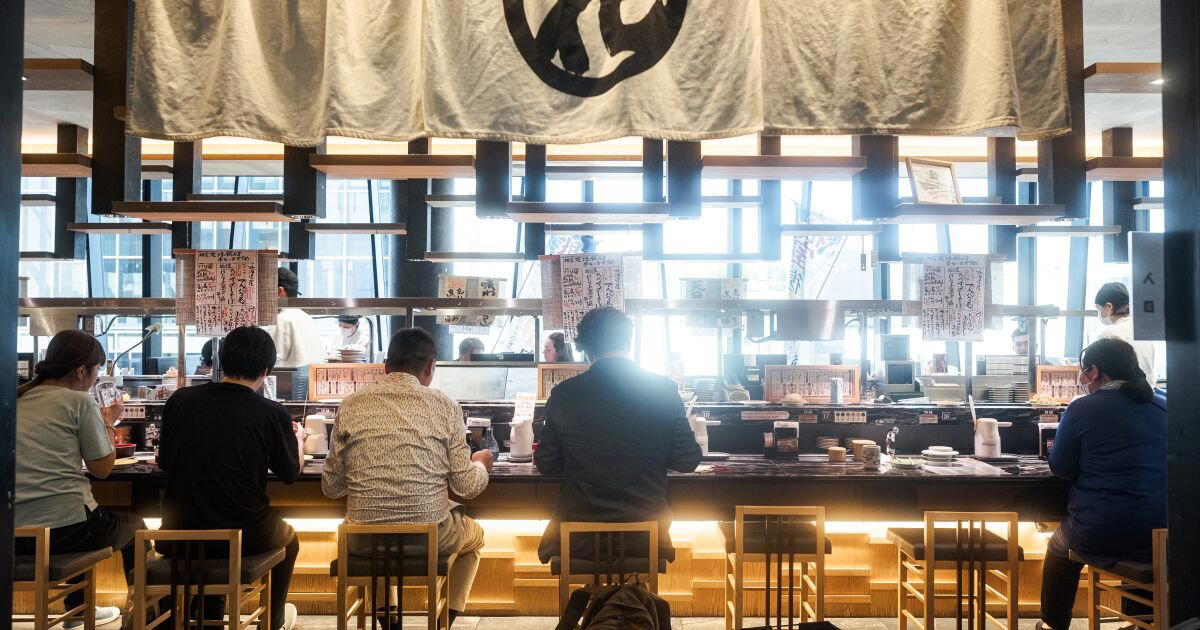
The Counter That Kept Its Distance from the Trend Cycle
Los Angeles sushi has gone through several distinct phases since the 1980s. The California roll era gave way to high-volume omakase formats, which in turn fragmented into a two-tier market: accessible neighbourhood counters charging under $100, and allocation-driven destination seats pricing at $200 and above. Ginza Sushiko sits outside the noise of that recent cycle. Its 2002 placement at #38 on the World's 50 Best Restaurants list predates the current omakase gold rush by nearly two decades.
That early recognition matters for context. A Los Angeles sushi counter placing on that list at all meant it was drawing comparisons against rooms like Le Bernardin in New York City and the Chicago tasting-menu format pioneered by places that would later become Alinea.
What Regulars Are Actually Returning For
The editorial angle on a counter like this is not about first impressions. It is about what keeps a specific type of guest returning on a consistent schedule. In the Los Angeles sushi market, the venues that build genuine repeat clientele tend to share a few structural characteristics: a counter format that rewards familiarity, a pace that cannot be rushed, and a kitchen that adjusts to known preferences without being asked. Ginza Sushiko's 4.6 rating across 229 Google reviews reflects that kind of accumulated satisfaction.
Regulars at high-end sushi counters across the city, from the Michelin-starred rooms on the Westside to destination seats in the broader fine-dining corridor, consistently report the same logic: they return because the experience is calibrated to them, not to a rotating audience. The counter becomes a form of private dining over time. That dynamic is not unique to any one venue, it is a structural feature of the omakase format itself, but Ginza Sushiko built its following around that principle at a point when Los Angeles diners were still learning to treat sushi as a seated, extended experience rather than a quick meal.
Placing It in the Los Angeles Dining Hierarchy
The current Los Angeles fine-dining scene, which includes two-Michelin-star Japanese rooms like Hayato, single-star contemporaries like Kato and Camphor, and ambitious tasting-format outliers like Somni, has largely developed in the years after Ginza Sushiko's recognition period. The 50 Best placement gives it historical authority that newer venues cannot replicate, regardless of their current star count. That is a different kind of credential than a Michelin star, and it marks where the restaurant stood at a specific cultural moment when global attention was not routinely directed at American sushi.
For comparison, Providence, one of the city's most consistently recognised seafood rooms, built its reputation across a longer arc of critical attention. Osteria Mozza earned its standing through a combination of James Beard recognition and sustained editorial coverage. Ginza Sushiko's authority comes from a single, well-timed data point on the right list at the right moment. Whether that credential has compounded or simply aged depends on what version of the restaurant you find when you arrive.
The Japanese Sushi Counter Format in an American City
The edomae tradition, rice seasoned with red vinegar, fish aged and prepared with deliberate restraint, has always translated imperfectly into the American market. Most US sushi counters operating before 2005 were still accommodating Western preferences in ways that Japanese purists would recognise as departures from the source format. The venues that held closer to the original logic, tighter seat counts, longer service times, fish selection driven by season and availability rather than standing menu commitments, were the ones that eventually attracted the kind of critical attention Ginza Sushiko received.
That context is relevant when comparing Ginza Sushiko against international peers. Edomae Sushi Matsuki in Bratislava and Minamishima in Richmond, Australia both operate in markets where Japanese sushi counter culture arrived later and had to build its credibility from scratch. Ginza Sushiko did the same thing in Los Angeles at an earlier point and in a noisier market, which makes the 50 Best recognition a more meaningful signal than it might appear at face value.
Northern California's own sushi and Japanese dining corridor, anchored further north in venues like Single Thread Farm in Healdsburg and the broader Napa dining scene around The French Laundry, developed a different relationship with Japanese technique, absorbing it into hybrid formats rather than presenting it as a standalone tradition. Ginza Sushiko's approach, at least in its recognised period, appears to have stayed closer to the counter-focused Japanese model.
Planning Your Visit
Ginza Sushiko is located at 6265 Commerce Blvd, Rohnert Park, CA 94928, a detail that separates it geographically from the central Los Angeles dining cluster, placing it instead in Sonoma County, north of San Francisco. That address discrepancy is worth noting for any reader planning a trip: this is not a venue accessible on a Los Angeles dinner itinerary without significant travel. Visitors approaching from the San Francisco Bay Area will find it more logistically sensible than those arriving from LAX.
| Venue | Format | Recognition | Location |
|---|---|---|---|
| Ginza Sushiko | Japanese Sushi Counter | World's 50 Best #38 (2002) | Rohnert Park, CA |
| Sushi|Bar | Omakase Counter | Los Angeles omakase tier | Los Angeles, CA |
| Minamishima | Edomae Omakase | Hat's Chef's Hat (Australia) | Richmond, VIC |
| Lazy Bear | Tasting Menu | Michelin 2 Stars | San Francisco, CA |
Booking is appointment only. Hours are Monday through Sunday, 11:30 AM to 2:30 PM and 5 to 9 PM. Visitors planning ahead should verify current operating status before building an itinerary around this venue.
Cost and Credentials
Comparable venues nearby, for context on price, style, and recognition.
| Venue | Cuisine | Price | Awards |
|---|---|---|---|
| Ginza SushikoThis venue — the venue you are viewing | Japanese Sushi | World's 50 Best Best Restaurants #38 (2002) | |
| Kato | New Taiwanese, Asian | $$$$ | Michelin 1 Star |
| Hayato | Japanese | $$$$ | Michelin 2 Star |
| Vespertine | Progressive, Contemporary | $$$$ | Michelin 2 Star |
| Camphor | French-Asian, French | $$$$ | Michelin 1 Star |
| Gwen | New American, Steakhouse | $$$$ | Michelin 1 Star |
Continue exploring
More in Rohnert Park
Restaurants in Rohnert Park
Browse all →
Bars in Rohnert Park
Browse all →
Hotels in Rohnert Park
Browse all →
At a Glance
- Elegant
- Intimate
- Quiet
- Sophisticated
- Classic
- Special Occasion
- Date Night
- Business Dinner
- Chefs Counter
- Open Kitchen
- Private Dining
- Sake Program
- Corkage Allowed
- Sustainable Seafood
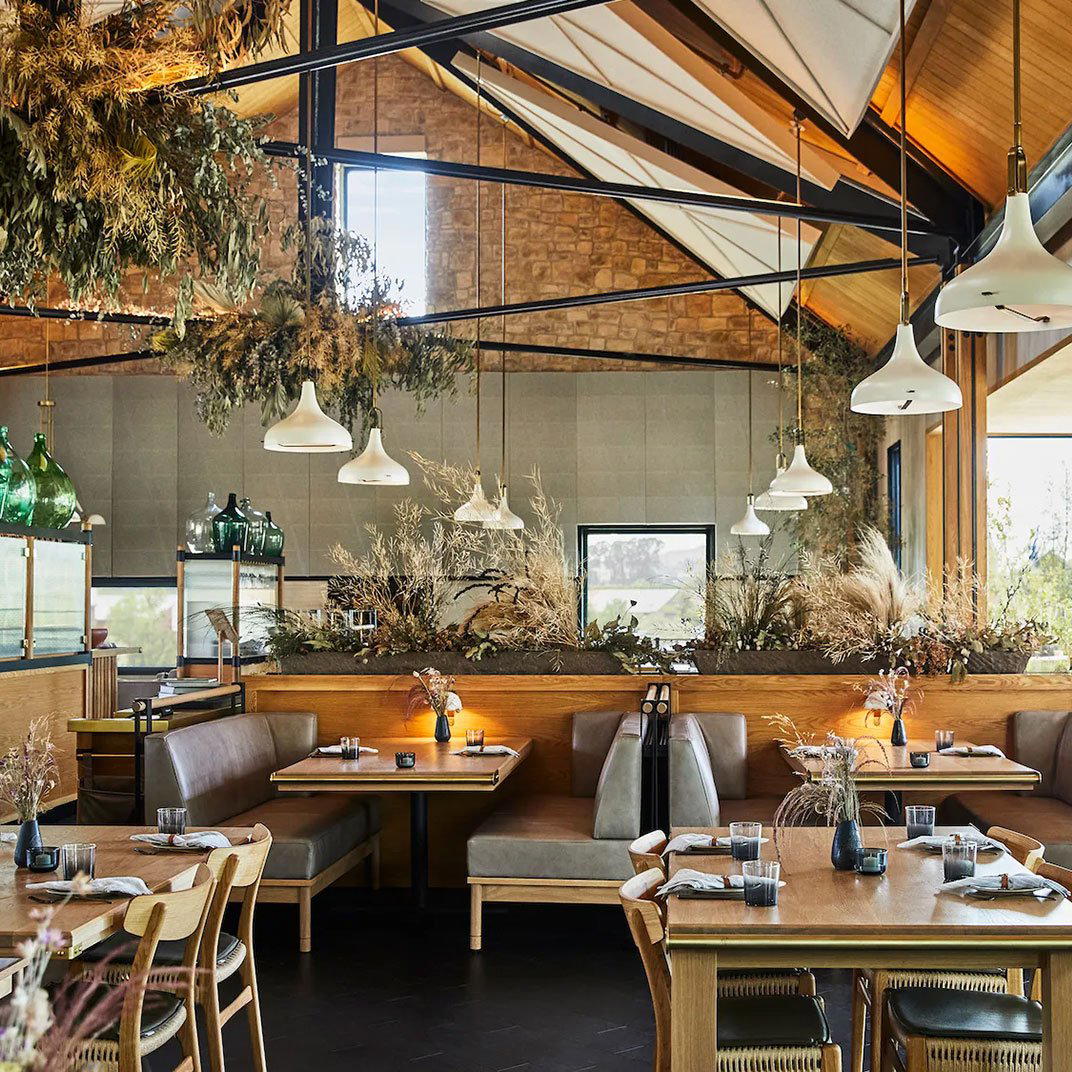
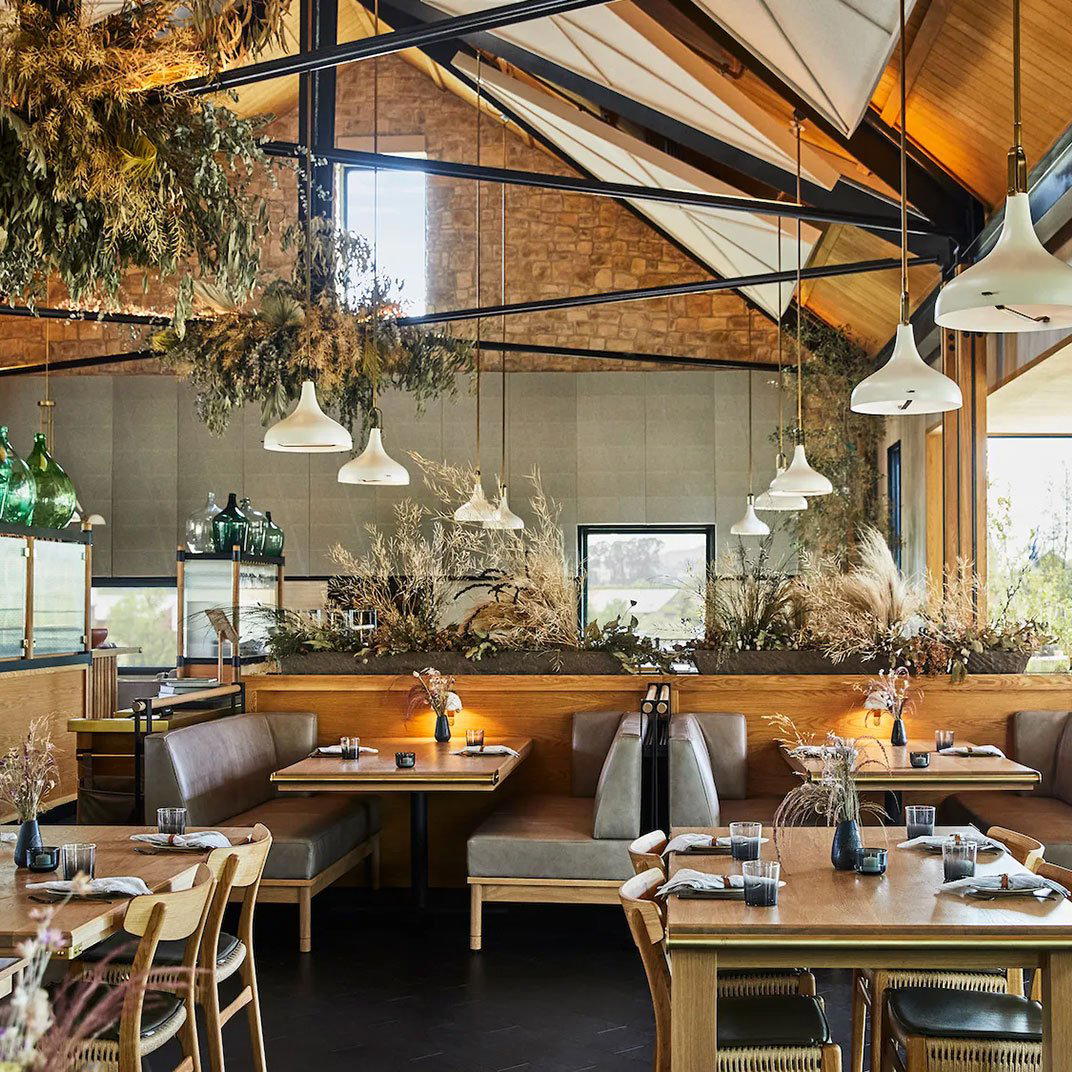
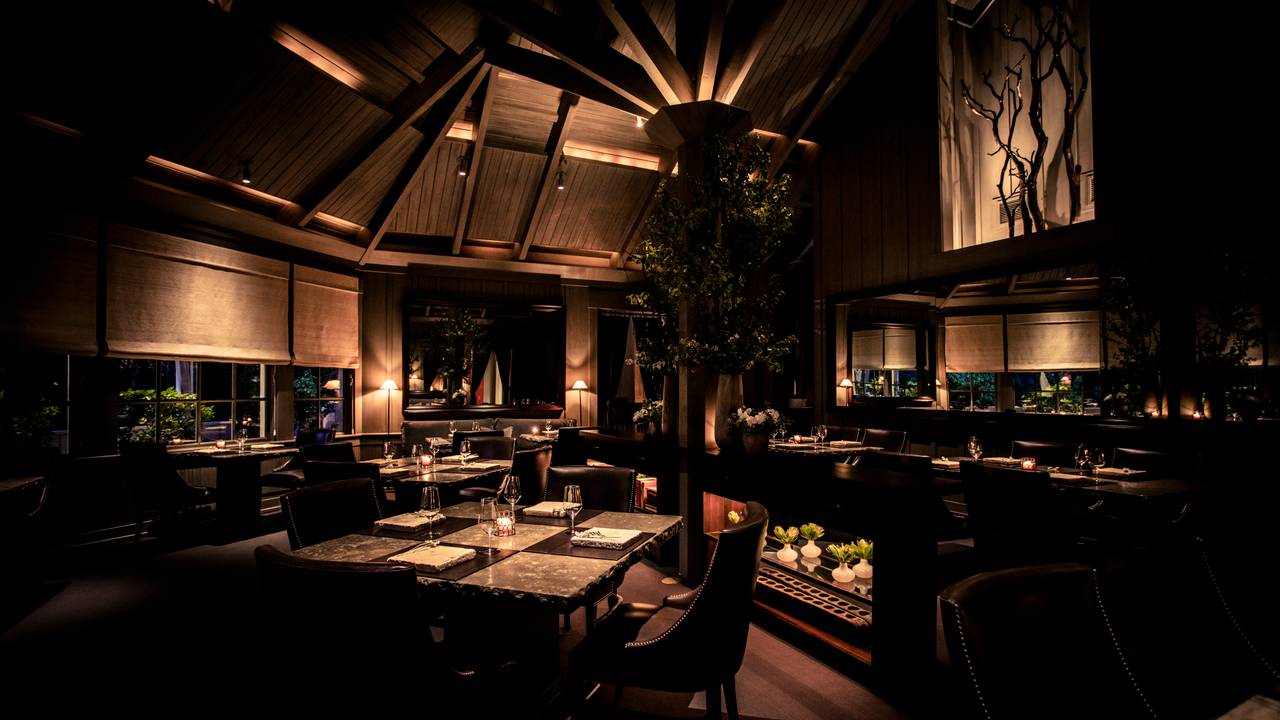
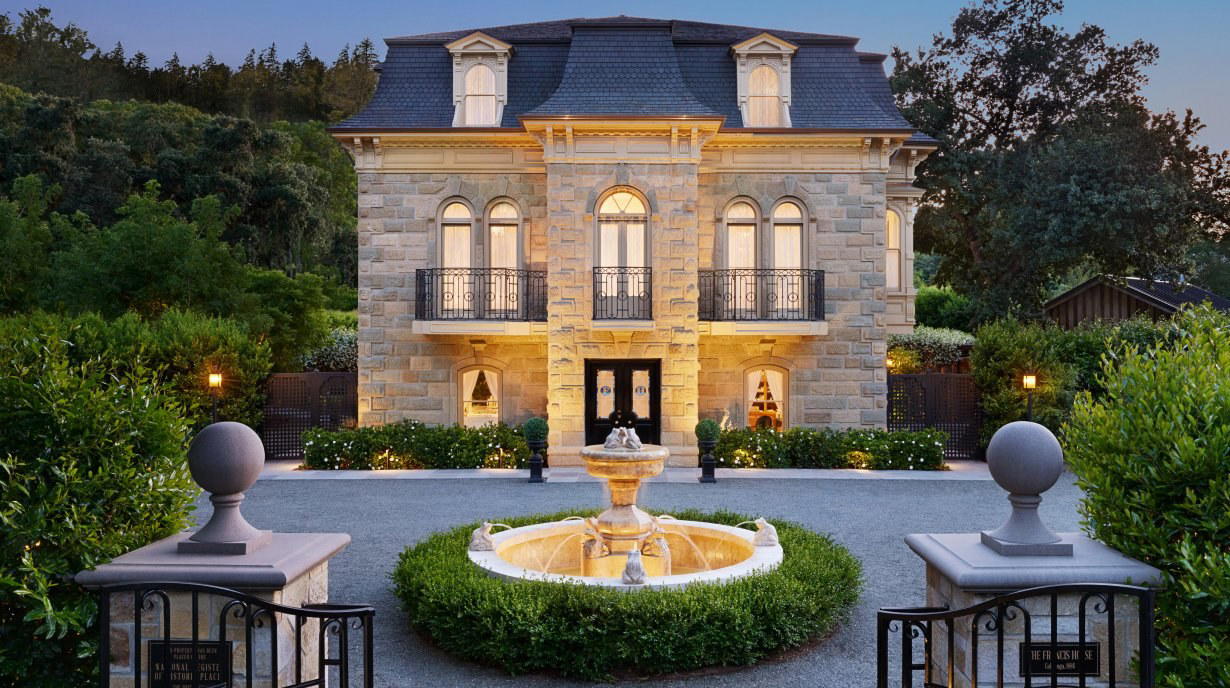
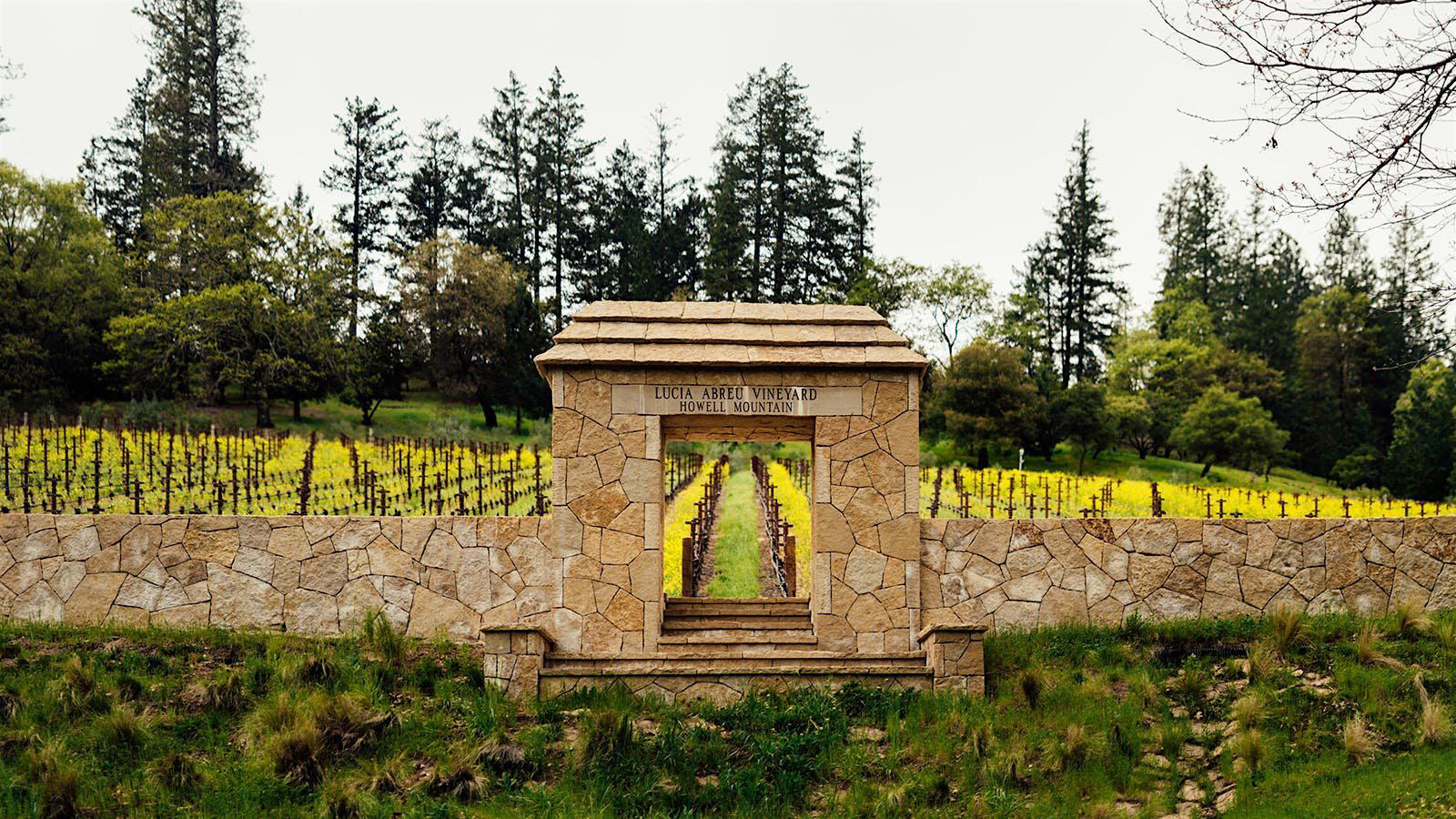
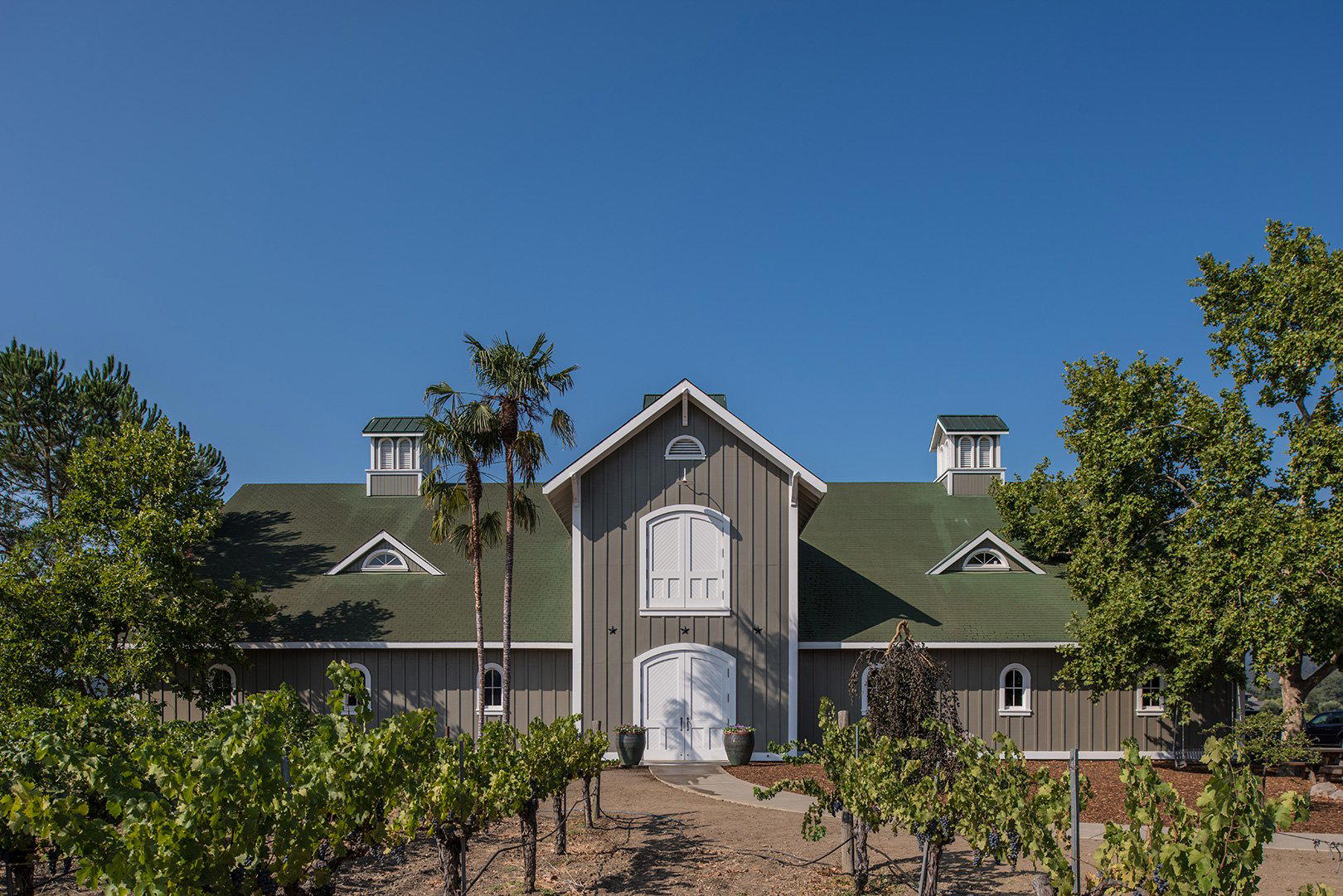
Small, discreet sushi restaurant with pale maple counter and low-lit private tatami rooms; hushed, focused atmosphere with no background music; understated luxury with minimal decoration emphasizing direct engagement with the chef and food.