Edmund's Oast Brewing Co.
On Charleston's Upper King corridor, Edmund's Oast Brewing Co. occupies a different tier from the city's cocktail-forward bars — its identity built around serious, house-brewed beer and a program that rewards those willing to move beyond the predictable. A reference point for craft beer in a city better known for bourbon and cocktails, it addresses a gap in Charleston's drinking scene with range and conviction.
Pearl is the En Primeur Club membership app — saves, bookings, and concierge access live there. Same editors, same standards.
- Address
- 1505 King St #115, Charleston, SC 29405
- Phone
- +1 843 718 3224
- Website
- edmundsoast.com
- Directions
- Get directions
 Saves & bookings on Pearl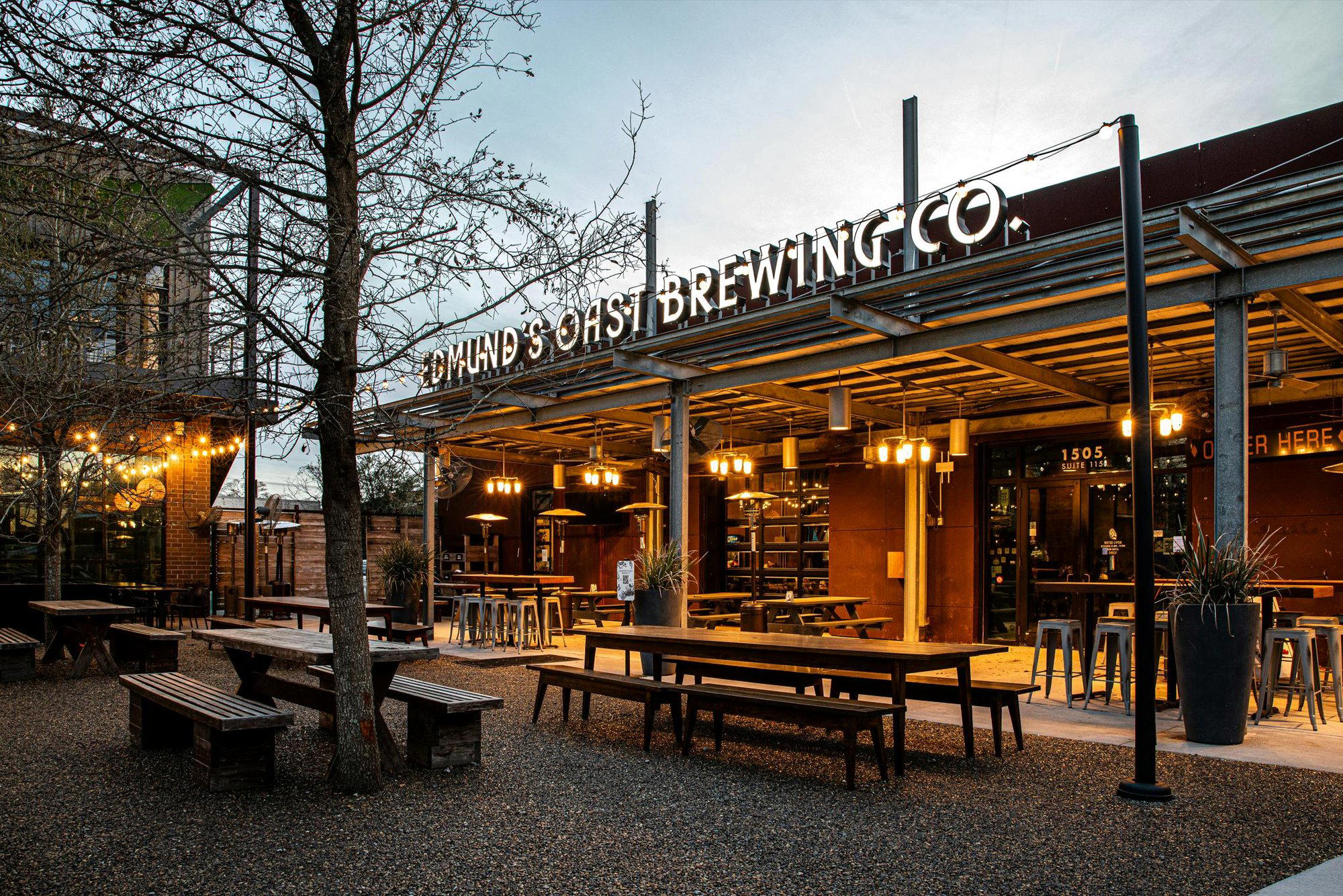
Where Beer Gets Serious on Upper King
The stretch of King Street above Calhoun has become Charleston's most contested drinking corridor over the past decade, accumulating cocktail bars, wine rooms, and neighborhood pubs in rapid succession. Most of that growth has leaned toward spirits: the city's culinary identity runs through bourbon-laced cocktails, Southern-inflected sours, and bar programs that treat the glass as a vehicle for local storytelling. Against that backdrop, Edmund's Oast Brewing Co. is a bar in Charleston at 1505 King St #115. This is a brewery-forward operation in a city that has, until recently, treated craft beer as a footnote. The building itself signals intent — the scale is larger than a tap room, more deliberate than a beer hall, and the address puts it within walking distance of venues like The Cocktail Club and babas on cannon, which means the comparison set is competitive and the drinker walking through the door has options.
The Brewing Tradition Behind the Counter
Craft brewing in the American South spent the better part of the 2000s in the shadow of the coasts. Charleston was no exception: the city's drinking culture tilted toward historic distilleries, mint juleps, and the kind of bar programs that reference antebellum hospitality more than fermentation science. What changed in the following decade was the arrival of production breweries willing to make technically ambitious beer rather than approachable lagers aimed at tourists. Edmund's Oast sits within that second wave — the group of American craft breweries that moved past the gateway IPA and built programs around barrel aging, mixed fermentation, and seasonal variation. The craft in that kind of brewery lives less with the bartender than with the production team, but what reaches the counter still requires the same curatorial skill: knowing which beer to pour first, how to build a flight with progression in mind, and when to recommend against the obvious choice.
That approach to the counter mirrors what has happened in Southern cocktail bars over the same period. Places like Jewel of the South in New Orleans and Julep in Houston reframed Southern drinking through hospitality craft rather than spectacle. The bartender's role at those venues is part educator, part guide. The same logic applies here: the person behind the bar at a production brewery with an extensive draft list is not just a dispense operative, they are navigating a menu that can easily overwhelm a first-time visitor unfamiliar with the brewery's house styles.
The Bartender's Role in a Beer-Forward Room
The editorial angle on craft beer bars often skips over the human element at the counter. At venues built around cocktail programs, like Kumiko in Chicago or ABV in San Francisco, the bartender's craft is front and centre because the drink is assembled in real time. In a brewery tap room or brewery-restaurant hybrid, the brewing happens elsewhere, but the guidance function remains. A draft list that runs across multiple styles, from clean lagers to wild-fermented saisons to imperial stouts, requires the same kind of structured recommendation that a sommelier applies to a deep wine list. The bartender who can read the table, ask the right two questions, and pour accordingly is as much a hospitality asset as the one shaking a clarified cocktail. Charleston has several venues that have built reputations on exactly that kind of human attentiveness: 39 Rue de Jean does it through its French brasserie format, and 82 Queen through its historic-property hospitality. Edmund's Oast applies the same expectation to a brewing context.
What separates a good brewery bar from a functional one is rarely the beer itself. Distribution and recipe quality matter, but the room's intelligence, how staff articulate what is on draft, how they handle the visitor who arrived expecting a simple lager and is now staring at a board of Belgian-influenced mixed-fermentation offerings, determines whether the experience lands or stalls. Internationally, bars like The Parlour in Frankfurt and Bar Leather Apron in Honolulu have built their reputations on precisely this quality: the ability to make a complex program feel accessible without simplifying it. That is the bar Edmund's Oast is measured against, regardless of whether its primary product comes from a fermenter rather than a shaker.
Charleston's Craft Beer Gap, Filled
Charleston's drinking scene, well documented in our full Charleston guide, has historically clustered around the cocktail. The city's most-discussed bars are spirits-led, and its culinary awards have gone primarily to restaurant programs and chef-driven beverage lists. Craft beer has operated in the margins of that conversation, with a handful of production breweries serving a committed local base without breaking into the destination-drinker circuit that fills the cocktail bars on Lower King on weekend evenings. Edmund's Oast represents a different model: a brewery operation with enough physical presence and food integration to function as a full evening rather than a pre-dinner stop. That positioning, production brewing at brewery scale, with a room designed for longer visits, is relatively rare in the American South, where the brewery-restaurant format has more traction in cities like Asheville or Atlanta than in Charleston.
Among comparable craft-forward drinking destinations nationally, the venues that hold long-term relevance tend to share a few structural traits: a draft list that rotates with enough discipline to reward repeat visits, a food program substantial enough to anchor multi-hour stays, and a staff culture that treats beer knowledge as a transferable skill rather than tribal enthusiasm. Its long-term appeal rests on the consistency of its draft rotation and the hospitality quality its team maintains across busy service periods. New York's Superbueno has shown that a high-conviction, category-specific program can hold its ground in a competitive city; the same test applies on Upper King.
Planning Your Visit
Edmund's Oast Brewing Co. sits at 1505 King Street, Suite 115, in Charleston's Upper King corridor. The location places it within the denser stretch of the city's drinking and dining district. As a brewery-restaurant hybrid, it suits longer visits. Given the production-scale setup, it handles groups more comfortably than many of Charleston's smaller, cocktail-focused bars.
A Lean Comparison
Comparable venues nearby, for context on price, style, and recognition.
| Venue | Cuisine | Price | Notes |
|---|---|---|---|
| Edmund's Oast Brewing Co.This venue — the venue you are viewing | Not listed | $$ | Not listed |
| babas on cannon | Not listed | $$ | Cannonborough-Elliotborough, wine_bar |
| Malagón | Not listed | $$ | Cannonborough-Elliotborough, wine_bar |
| Leon's | Not listed | $$ | Upper King Street, cocktail_bar |
| The Rarebit | Not listed | $$ | Upper King, cocktail_bar |
| The Griffon | French Quarter, pub | $$ | Not listed |
Continue exploring
More in Charleston
Bars in Charleston
Browse all →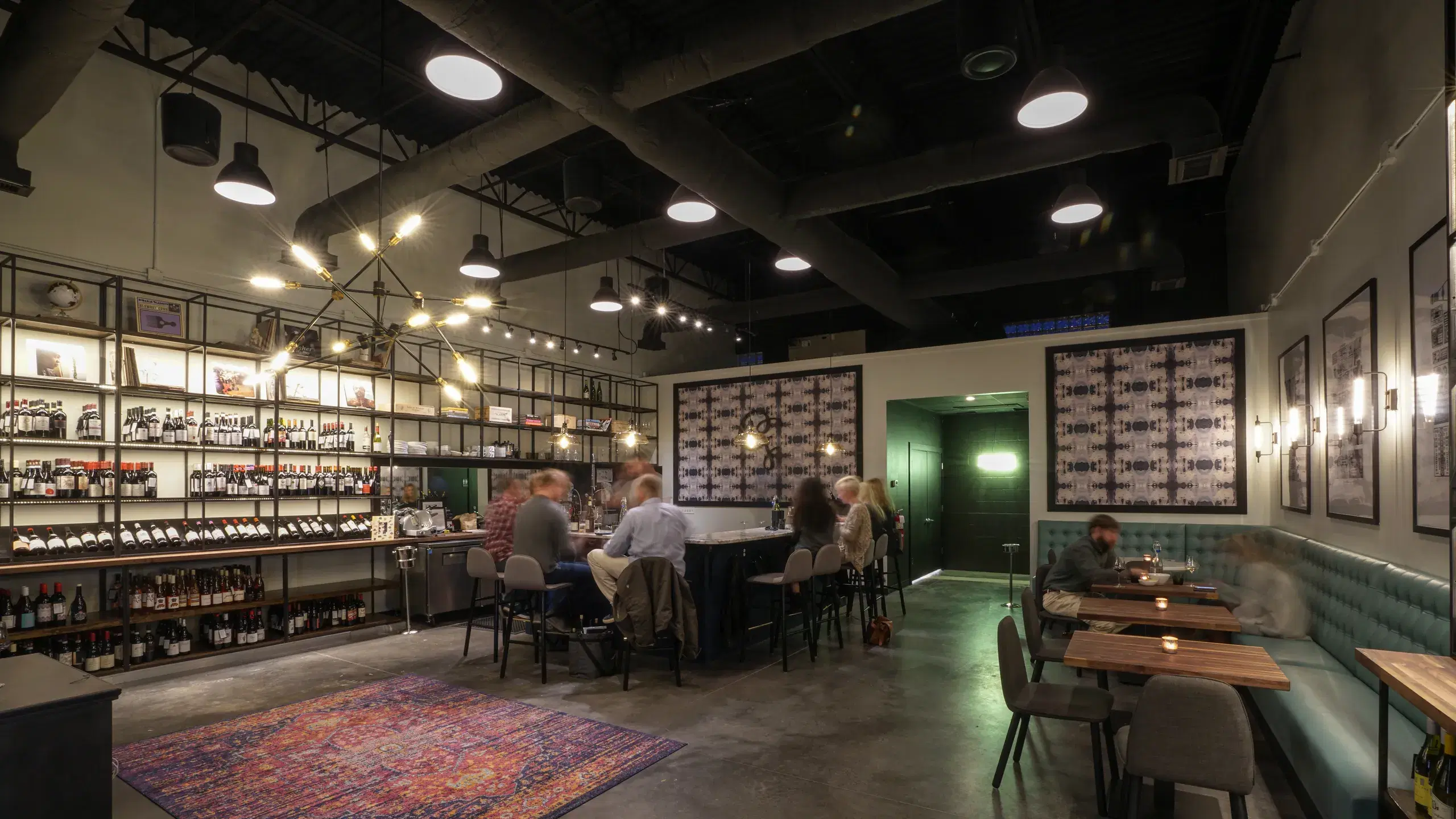
Restaurants in Charleston
Browse all →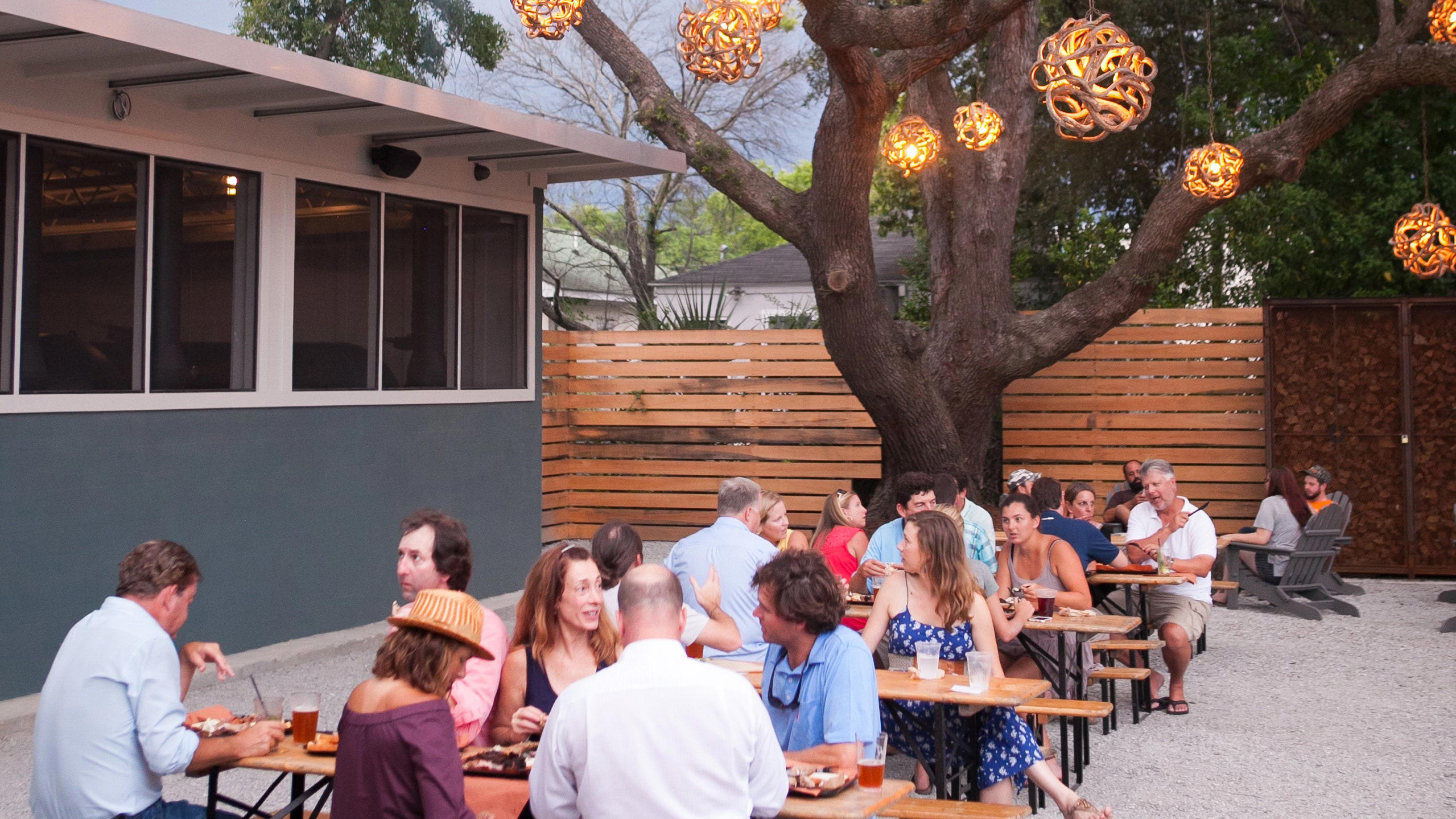
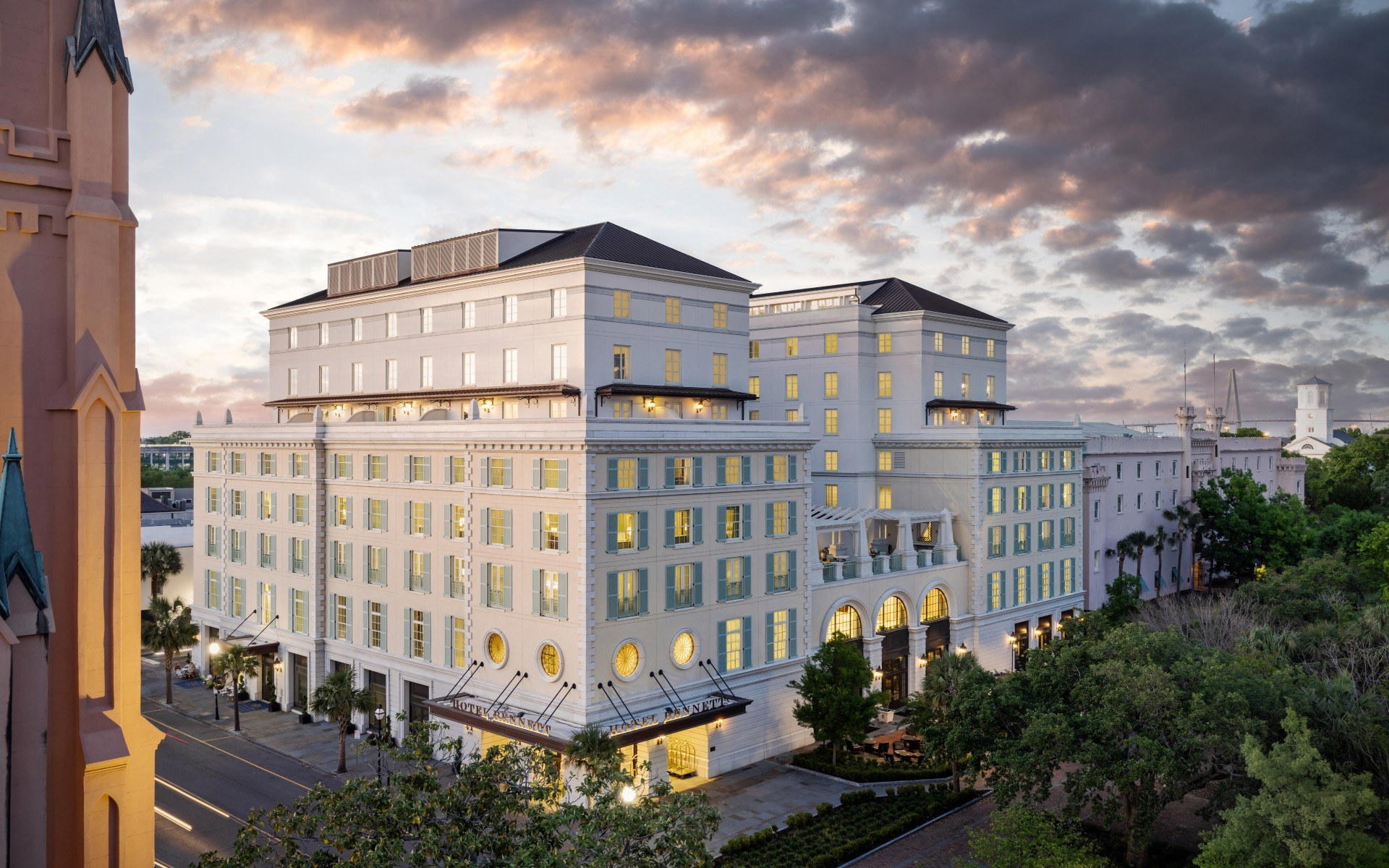
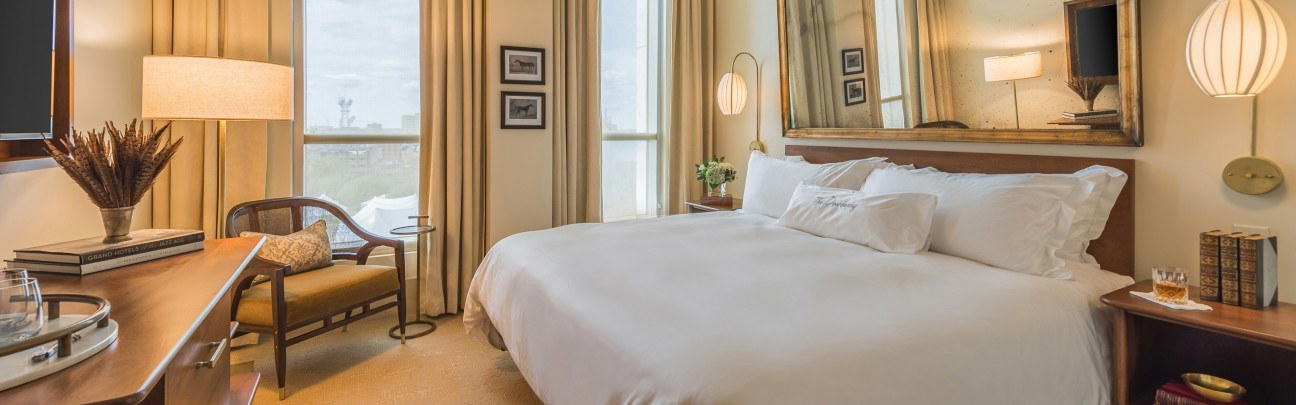
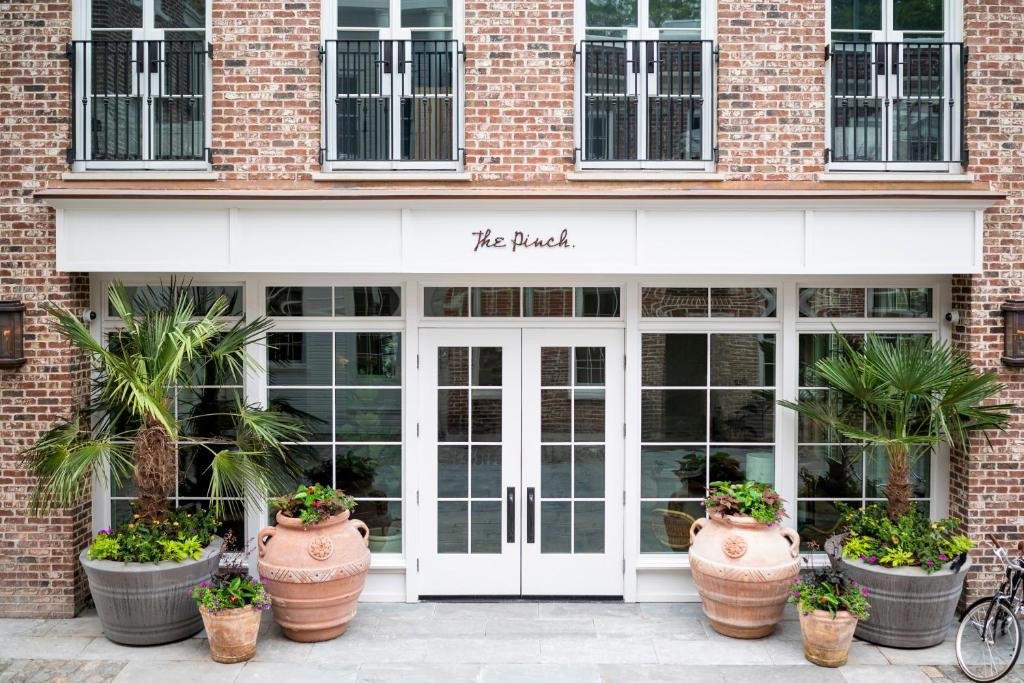
At a Glance
- Lively
- Industrial
- Casual
- Energetic
- Casual Hangout
- Group Outing
- After Work
- Live Music
- Beer Garden
- Standalone
- Standing Room
- Seated Bar
- Outdoor Terrace
- Lounge Seating
- Craft Beer
- Natural Wine
- Conventional Wine
Current opening hours
- Monday
- 11 AM–9 PM
- Tuesday
- 11 AM–9 PM
- Wednesday
- 11 AM–9 PM
- Thursday
- 11 AM–9 PM
- Friday
- 11 AM–10 PM
- Saturday
- 11 AM–10 PM
- Sunday
- 11 AM–9 PM
Hours can change for holidays and private events. Last verified .
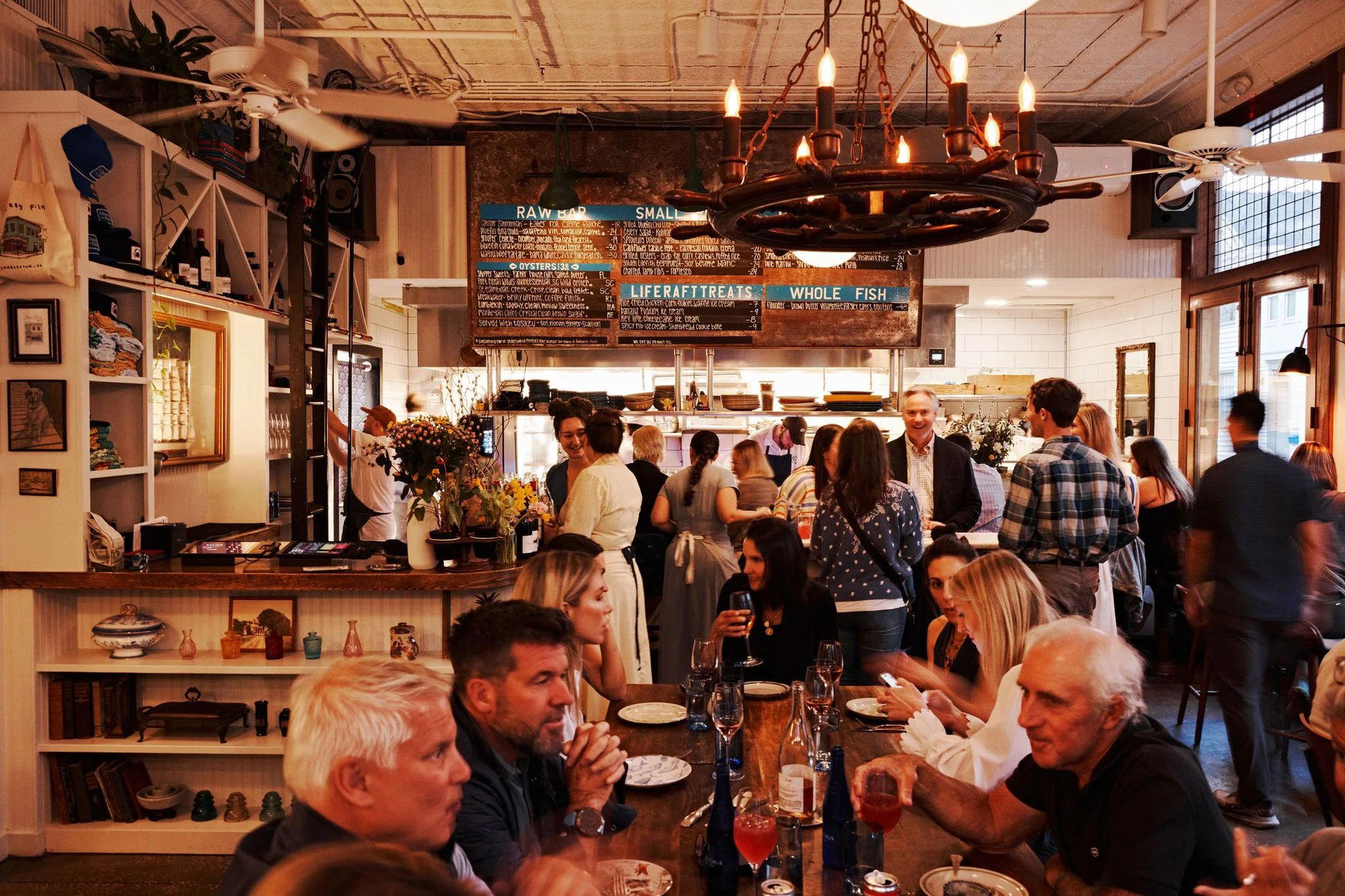
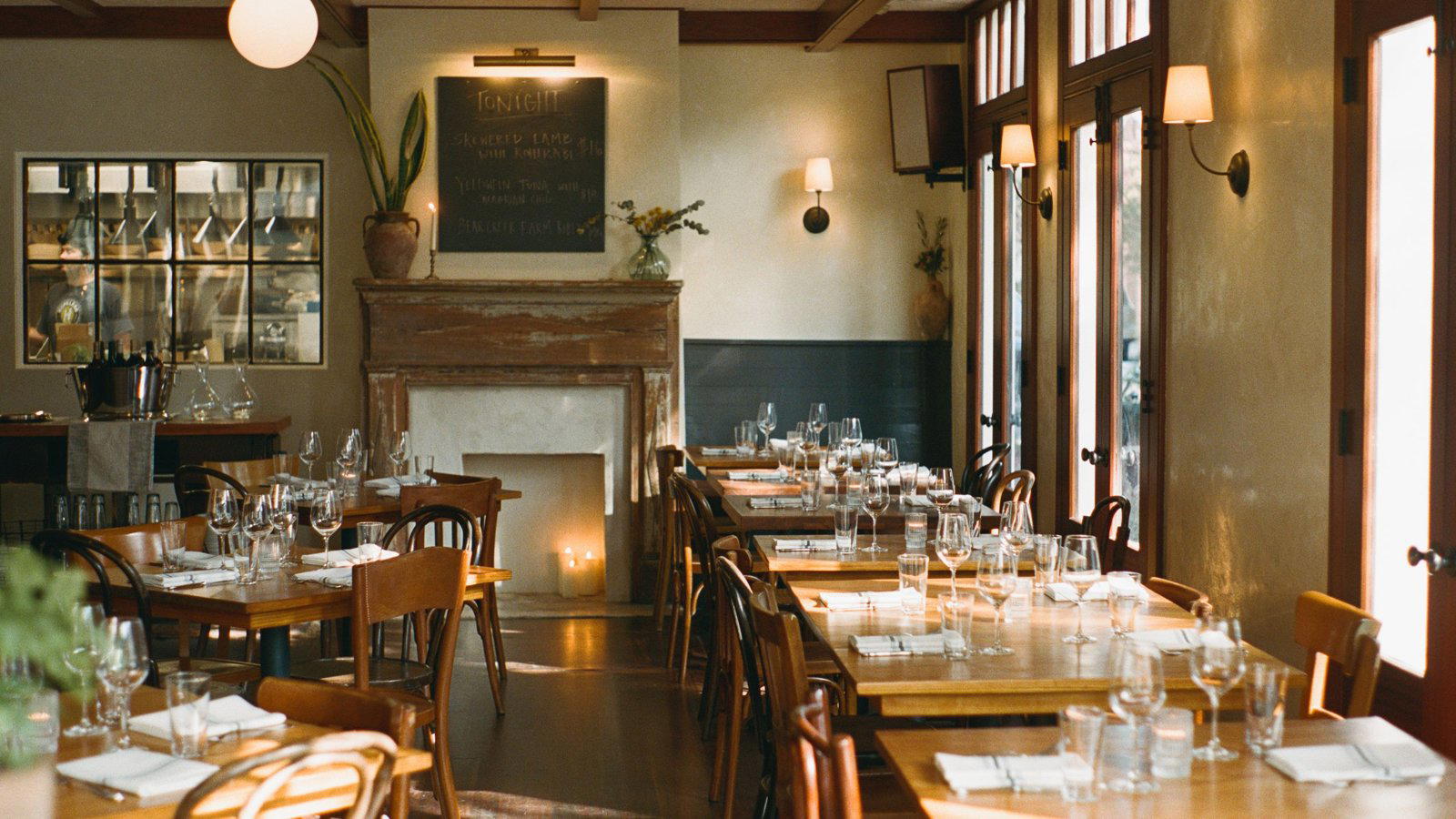
High-ceilinged warehouse brewery with a relaxed, casual atmosphere; lively music and energetic vibe with both indoor taproom and outdoor lawn spaces.