Edificio Millo occupies a commanding position on Genoa's historic waterfront at Calata Cattaneo 15, where the old port's industrial architecture meets a city still defining its modern dining identity. Set within a landmark harbour building, it represents a strand of Genoese hospitality that takes its cues from the port's trading history and the Ligurian coast's deep larder. For visitors tracing serious Italian cooking beyond the obvious northern capitals, this address warrants attention.
Pearl is the En Primeur Club membership app — saves, bookings, and concierge access live there. Same editors, same standards.
- Address
- Edificio Millo, Calata Cattaneo, 15, 16128 Genova GE, Italy
- Directions
- Get directions
 Saves & bookings on Pearl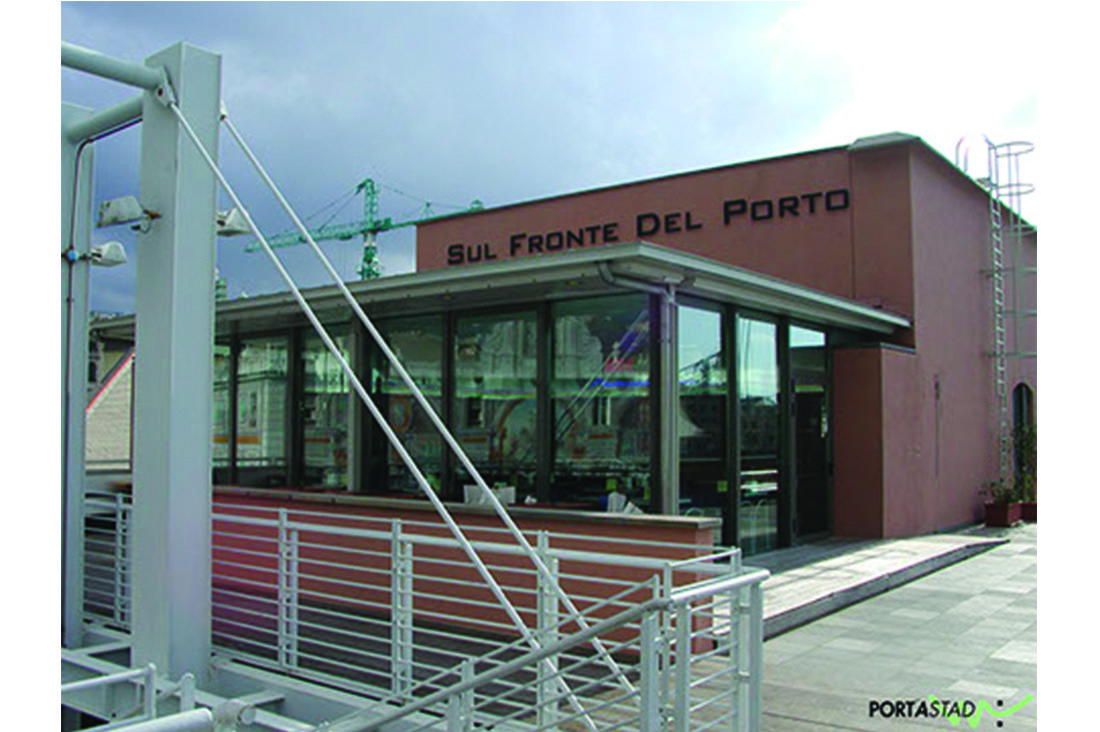
Where the Port Shapes the Plate
Genoa has always eaten from the sea outward. The city's position as a medieval trading republic meant its kitchens absorbed spice routes, salt-cod traditions, and a fishing culture that predates the unification of Italy by centuries. That history is not decorative here, it sits inside the cooking logic of every serious restaurant on the waterfront, and Edificio Millo, at Calata Cattaneo 15 in the old port district, sits squarely within that inheritance. The building itself is a former harbour structure, part of the Porto Antico regeneration that repositioned Genoa's seafront as a civic and cultural space rather than a purely industrial one. Approaching along the waterfront, you read the architecture before you read the menu: thick masonry, generous volumes, the particular light of a north Italian port city that never quite commits to Mediterranean brightness.
Liguria's Kitchen in Context
To understand what a waterfront address in Genoa means for a kitchen, it helps to map the broader Ligurian culinary tradition. This is a coastline that produced pesto not as a restaurant affectation but as a practical preservation method, that salted anchovies out of necessity and then refined the technique across generations, and that built an entire vegetable-forward cooking tradition on terraced hillsides too steep for cattle. The result is a regional cuisine that operates on intensity rather than richness, small quantities of preserved or fermented ingredients doing work that cream or butter might do elsewhere.
Genoa's better restaurants divide, roughly, into those that treat this tradition as a fixed museum exhibit and those that use it as a working grammar. The more interesting end of the city's dining scene belongs to the latter group. Il Marin, the seafood-focused address with a waterfront position of its own, and San Giorgio, operating in the modern cuisine register at the €€€ tier, represent two points on that spectrum. The Cook anchors the city's highest price tier at €€€€, while more grounded options like 20Tre and Al Giardino Degli Indoratori demonstrate that Genoa's dining range extends well beyond the waterfront premium bracket. Edificio Millo's Porto Antico address places it in conversation with this upper tier, drawing on the symbolic and literal weight of its harbour setting.
The Porto Antico Setting as Editorial Statement
The Porto Antico district was reimagined by Renzo Piano in the early 1990s, shifting what had been a working industrial port into a public space anchored by the Aquarium, the Bigo crane structure, and a series of rehabilitated buildings that now house cultural institutions and hospitality. Edificio Millo is part of that fabric. Dining here carries a specific spatial quality: the harbour basin, the container terminal visible in the middle distance, and the layered hillside of the city's historic caruggi behind. For visitors arriving by sea or on a day connecting from the Ligurian Riviera, Portofino sits roughly 35 kilometres to the southeast, the location functions as both entry point and orientation device.
The hospitality tradition in these reclaimed port buildings tends to run toward the civic and the accessible rather than the exclusive and the theatrical. That is a different register from, say, Osteria Francescana in Modena or Enrico Bartolini in Milan, where the expectation of a long, formal progression defines the experience. The Porto Antico setting suggests something more open to the city's actual social life, a place where the port's democratic character (it has always been a place of transit, of arrival and departure, of commerce between strangers) inflects the hospitality even in its more polished iterations.
Genoa and the Wider Italian Fine-Dining Map
Italy's fine-dining geography remains weighted toward a handful of names and regions: the Emilia-Romagna corridor that produced Massimo Bottura's Modena address and Le Calandre in Rubano; the Piedmont high tables anchored by Piazza Duomo in Alba; the coastal registers represented by Uliassi in Senigallia and Quattro Passi in Marina del Cantone; and mountain-rooted precision cooking as practiced at Atelier Moessmer Norbert Niederkofler in Brunico. Liguria sits somewhat outside these established circuits, which means that Genoa's serious dining addresses operate without the cushion of a pre-sold regional prestige, they compete on the merits of what lands on the plate rather than on the accumulated cultural capital of a Barolo or a Parmigiano-Reggiano story.
That is both a constraint and a genuine point of differentiation. Ligurian cooking, when it is executed with discipline and ingredient honesty, offers a register that the more celebrated Italian dining regions do not: lighter, more acidic, deeply herbal, built around fishing-village economy rather than agricultural abundance. For travellers who have worked through the canonical Italian addresses, from Dal Pescatore in Runate to Enoteca Pinchiorri in Florence, Genoa offers a less-narrated chapter of the same story.
Planning Your Visit
The restaurant is located at Calata Cattaneo 15 in Genoa's Porto Antico district, accessible on foot from Genova Piazza Principe station in under fifteen minutes or from Genova Brignole via the waterfront promenade. The building's harbour-front position makes it straightforwardly findable for anyone arriving by water taxi or ferry. As with most Porto Antico venues, the seasonal calendar matters: the waterfront is most animated between April and October, with summer evenings bringing the longest ambient light over the basin. For a fuller picture of where the restaurant sits within Genoa's dining offer, the EP Club Genoa restaurants guide maps the city's full range from the port to the caruggi. Visitors with a longer Italian itinerary who want to benchmark the Ligurian waterfront approach against international coastal fine dining might also consider Le Bernardin in New York or Lazy Bear in San Francisco as reference points in how different traditions handle the same question of what serious harbour-adjacent cooking can mean.
A Pricing-First Comparison
Comparable venues nearby, for context on price, style, and recognition.
| Venue | Cuisine | Price | Notes |
|---|---|---|---|
| Edificio MilloThis venue — the venue you are viewing | Porto Antico, Modern Italian Seafood | $$$ | Not listed |
| La Voglia Matta | Voltri, Modern Ligurian Seafood | $$$ | Not listed |
| Vico di Campetto | Not listed | $$ | centro storico, Traditional Ligurian Trattoria |
| Bigo Cafè Genova | Sottoripa, Italian Pizza & Seafood | $$ | Not listed |
| Caffè degli Specchi | Centro Storico, Italian Ligurian Café | $$ | Not listed |
| Antico Forno Patrone | Not listed | $ | Centro Storico, Traditional Genoese Focaccia & Artisanal Bakery |
Continue exploring
More in Genoa
Restaurants in Genoa
Browse all →
Bars in Genoa
Browse all →
Hotels in Genoa
Browse all →

At a Glance
- Modern
- Lively
- Scenic
- Casual Hangout
- Special Occasion
- Waterfront
- Open Kitchen
- Extensive Wine List
- Local Sourcing
- Waterfront
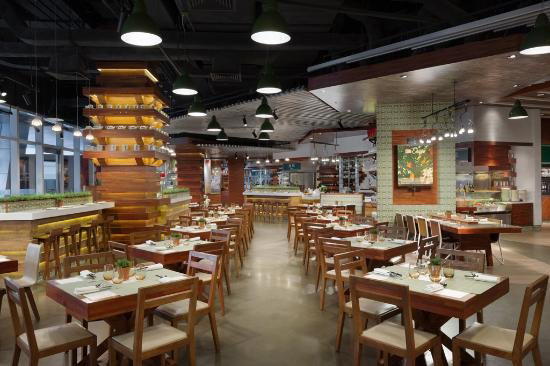
Bright and bustling marketplace atmosphere with dramatic harbor views, combining shopping and dining in a modern, gourmet setting.