On Via di Ravecca, deep in Genoa's medieval caruggi, Antico Forno Patrone is one of the old city's surviving wood-fired bakeries, trading in the focaccia, farinata, and hand-formed breads that have defined Ligurian street food for centuries. It sits at the informal end of Genoa's eating spectrum, where cash, queues, and paper wrapping are the norm, and where the product is the entire point.
Pearl is the En Primeur Club membership app — saves, bookings, and concierge access live there. Same editors, same standards.
- Address
- Via di Ravecca, 72/R, 16128 Genova GE, Italy
- Phone
- +39 010 251 1093
- Directions
- Get directions
 Saves & bookings on Pearl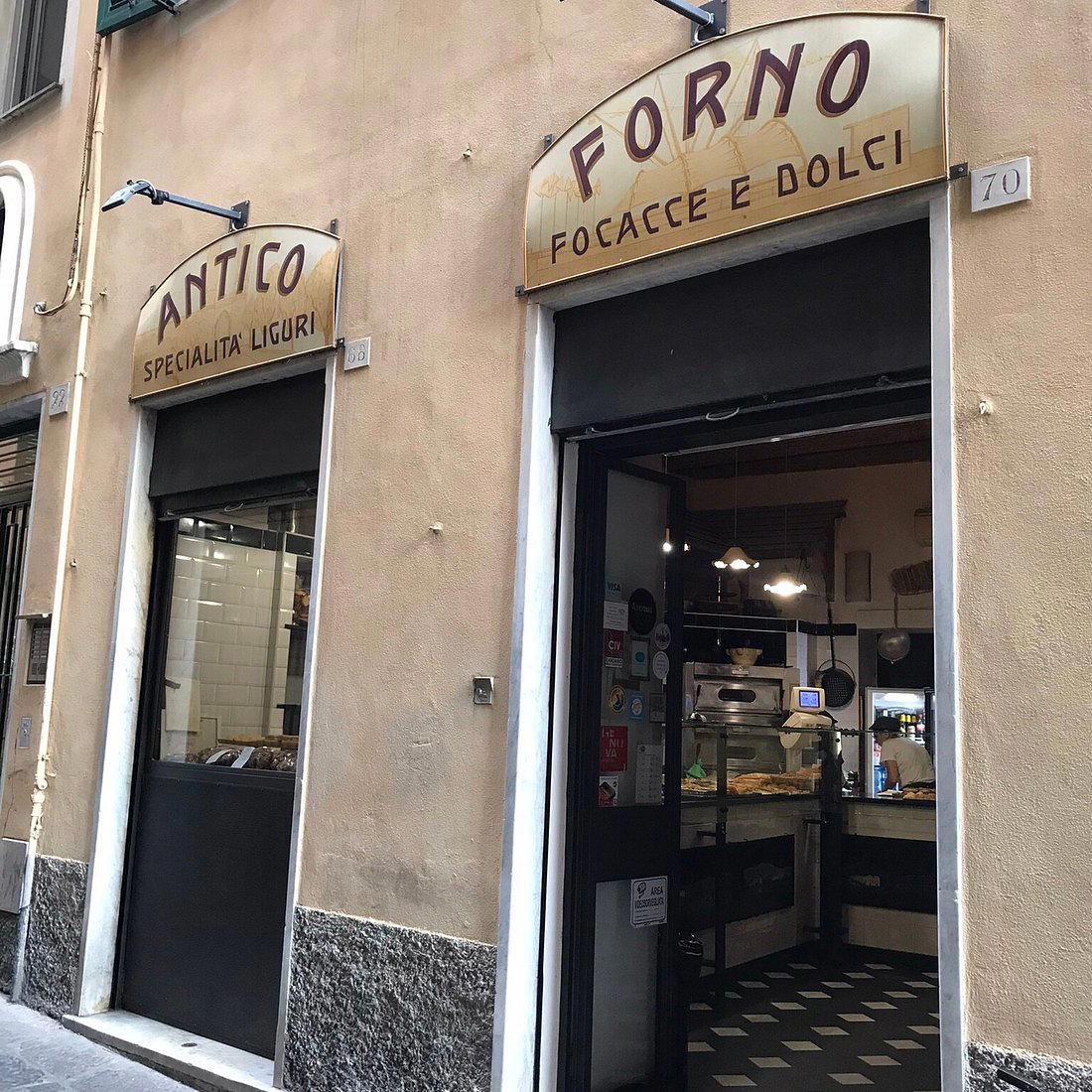
Wood Smoke in the Caruggi
There is a particular quality to the air on Via di Ravecca in the late morning. The street is narrow enough that sound bounces off stone walls built before the Renaissance, and the smell of a wood-fired oven reaches you before the bakery itself comes into view. This is how most encounters with Genoa's old forno culture begin: through scent and sound rather than signage. Antico Forno Patrone is a restaurant in Genoa, Italy, serving Traditional Genoese Focaccia & Artisanal Bakery at Via di Ravecca, 72/R.
The caruggi are not a picturesque backdrop for dining so much as a functional environment where eating has always been transactional and immediate. Street food in Genoa evolved to suit workers and sailors who needed something hot, portable, and inexpensive. The bakery formats that survived here, the focaccerie and farinata ovens, are direct descendants of that economy. Antico Forno Patrone belongs to a small cohort of addresses on the old city floor that still operate on those terms.
What the Oven Produces
Ligurian bakery tradition has a narrower, more defined canon than most Italian regional cuisines. Focaccia here is not the thick, oily slab familiar from tourist versions: the Genoese original is thin, dimpled, and baked at high heat so the surface blisters while the interior stays soft. It is seasoned with local olive oil and coarse salt, and it is eaten at room temperature or warm, rarely reheated. The format is governed by texture and timing in ways that make the hour you visit relevant, a detail any regular visitor to Genoa's bakeries internalises quickly.
Farinata, the chickpea flour flatbread baked in wide copper pans at high heat, occupies a different category entirely. It has a shorter serving window than focaccia, is leading consumed within minutes of leaving the oven, and its availability is tied to specific hours of the day. In Genoa, farinata has its own culture: it is eaten standing, often with black pepper added at the counter, and debated with the same seriousness that Neapolitans bring to pizza. Addresses like Antico Forno Patrone are part of how that tradition maintains continuity in the old city, where the demand is local as much as it is tourist-facing.
Alongside these two primary formats, the bread itself, hand-formed loaves with the crust and crumb that wood-fired heat produces, represents a product category that has contracted sharply across Italian cities as industrial baking scaled up. The survival of working forni in neighbourhoods like this one is partly a function of Genoa's geography: the steep, dense layout of the caruggi made large-format retail difficult, which protected small-format specialists longer than in flatter, more car-accessible Italian cities.
Genoa's Informal Eating Tier
Understanding where Antico Forno Patrone sits in Genoa's eating ecosystem requires understanding that the city has a genuinely tiered dining structure, and the forno occupies its most informal register. At the upper end of Genoese dining, Il Marin operates a seafood-focused kitchen at the summit of the Eataly building in the Porto Antico, while San Giorgio and The Cook represent the modern cuisine tier at €€€ and €€€€ respectively. 20Tre brings a farm-to-table approach, and Al Giardino Degli Indoratori offers a different kind of sit-down informality. None of these addresses competes with the forno for what it does: the bakery format is its own category, measured against other bakeries rather than against restaurants.
That distinction matters for how you should approach a visit. It is walk-in friendly, with no table service. What is available depends on what came out of the oven and when. This is a feature of the format, not a limitation of the address. The experience is tactile and immediate in a way that formal dining is structurally unable to replicate: paper wrapping, eye contact across a counter, a transaction measured in minutes.
For readers moving across Italy's broader fine dining tier, the contrast is instructive. Addresses like Osteria Francescana in Modena, Enoteca Pinchiorri in Florence, or Enrico Bartolini in Milan represent Italy's Michelin-weighted high end, where the cooking is a mediated, structured encounter. The forno is the other end of that continuum, and both ends are essential to understanding Italian food culture in full. The same applies when comparing to regional Italy's serious tables: Dal Pescatore in Runate, Piazza Duomo in Alba, Le Calandre in Rubano, Uliassi in Senigallia, Quattro Passi in Marina del Cantone, Reale in Castel di Sangro, and Atelier Moessmer Norbert Niederkofler in Brunico each operate in formal, reservation-dependent environments where the architecture of the meal is part of the product. Antico Forno Patrone sits entirely outside that logic, and is better for it.
Timing and Practical Considerations
Genoa's bakery culture has a morning bias. Focaccia is eaten at breakfast here with the same frequency as a cornetto elsewhere in Italy, and the city's bars and forni serve it from early morning into midday. Farinata, by contrast, tends to appear later in the morning and at lunchtime, and its availability is dictated by the oven schedule rather than fixed hours. Visitors who arrive mid-afternoon may find the selection reduced. The address on Via di Ravecca, 72/R, is in central Genoa.
There is no phone booking, and the dress code is casual. Payment norms vary. The correct approach is to arrive with flexibility on timing, with an understanding that the product window matters, and without the expectation of extended hospitality. You are there for the bread. Lazy Bear in San Francisco or Le Bernardin in New York City represent different expressions of what a counter-based format can mean at the formal end of the spectrum.
Peers in This Market
Comparable venues nearby, for context on price, style, and recognition.
| Venue | Cuisine | Price | Notes |
|---|---|---|---|
| Antico Forno PatroneThis venue — the venue you are viewing | Traditional Genoese Focaccia & Artisanal Bakery | $ | Not listed |
| Bagni Santa Chiara | Ligurian Coastal Seafood | $ | Quarto dei Mille |
| Caffè degli Specchi | Italian Ligurian Café | $$ | Centro Storico |
| La Buca di San Matteo | Traditional Ligurian Seafood | $$ | Sottoripa |
| Sà Pesta | Traditional Ligurian Trattoria | $$ | historic center |
| Bigo Cafè Genova | Italian Pizza & Seafood | $$ | Sottoripa |
Continue exploring
More in Genoa
Restaurants in Genoa
Browse all →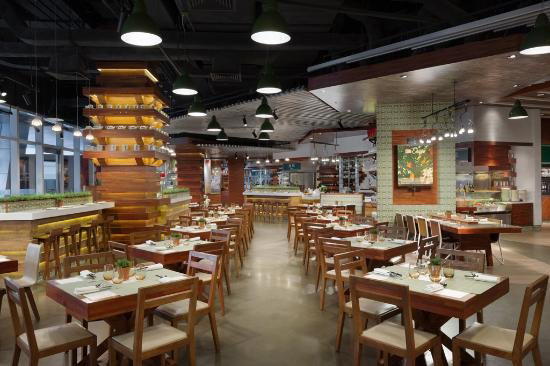
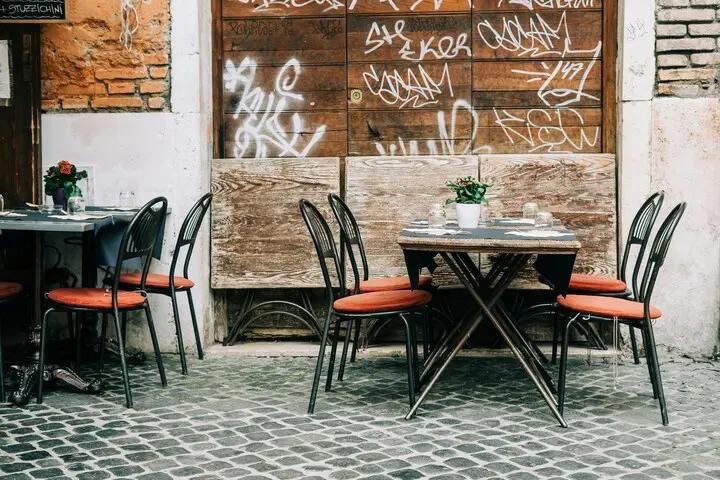
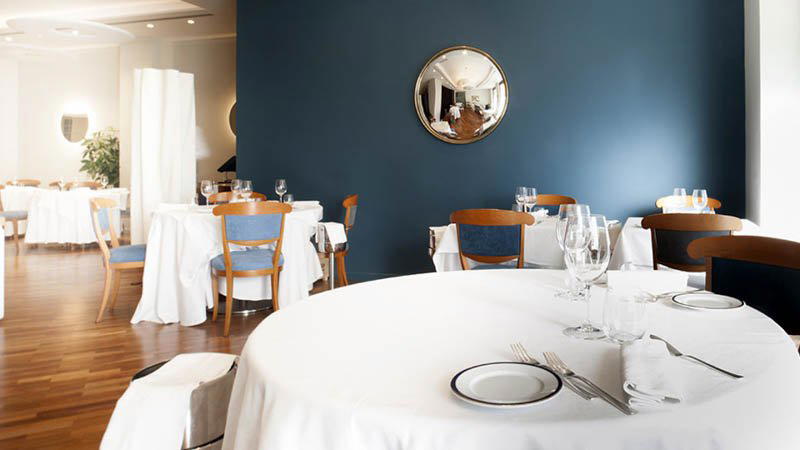
Bars in Genoa
Browse all →
Hotels in Genoa
Browse all →

At a Glance
- Classic
- Rustic
- Well Known
- Casual Hangout
- Brunch
- Historic Building
- Open Kitchen
- Local Sourcing
- Organic
Current opening hours
- Monday
- 7 AM–7:30 PM
- Tuesday
- 7 AM–7:30 PM
- Wednesday
- 7 AM–7:30 PM
- Thursday
- 7 AM–7:30 PM
- Friday
- 7 AM–7:30 PM
- Saturday
- 7 AM–7:30 PM
- Sunday
- Closed
Hours can change for holidays and private events. Last verified .
Warm, inviting artisanal bakery with white tiles, exposed red brickwork, and slate finishes; small seating area with stools and tables for enjoying fresh pastries on-site.