A cozy, homey space with small plates for variety.
 Discover on Pearl
Pearl is the En Primeur Club membership app — saves, bookings, and concierge access live there. Same editors, same standards.
- Address
- No. 1號, Lane 24, Mofan St, West District, Taichung City, Taiwan 403
- Phone
- +886423052933
- Website
- table.yo-svip.com
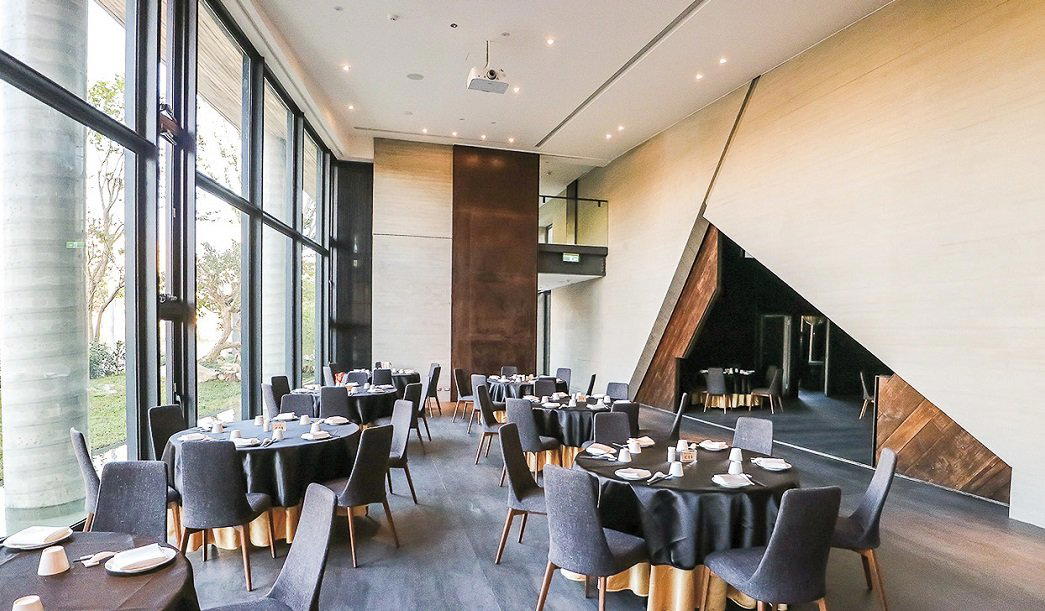
West District, Taichung: Where Residential Streets Feed Serious Diners
Taichung's West District has quietly accumulated a dining profile that punches above its residential character. The streets around Mofan Street run narrow and low-key, lined with the kind of understated shopfronts that require local knowledge or deliberate research to locate. This is the neighbourhood pattern that defines much of Taichung's more considered dining scene: away from the commercial corridors of the Zhongqing Road strip or the night-market clusters further east, kitchens in the West District tend to attract guests who have already done their homework. Küisine sits on Lane 24, a side street off Mofan Street, and its address alone tells you something about the audience it expects.
In a city where dining destinations have historically been sorted by price and loudness, the quieter pockets of the West District represent a different logic. Guests here are not walking in from a shopping centre or following a tourist trail. They are arriving with purpose, which sets a different social contract between kitchen and table from the moment the door opens.
Taichung's Position in Taiwan's Dining Conversation
Taiwan's restaurant culture is often framed through Taipei, where concentrated wealth, international press attention, and a cluster of recognised fine-dining addresses have shaped the country's external reputation. Venues like JL Studio in Taichung have demonstrated that the city can hold its own against that framing, earning recognition that places it in the same conversation as logy in Taipei and GEN in Kaohsiung at the higher end of Taiwan's dining tier. Taichung's advantage is a lower cost base, a university city's appetite for experimentation, and a resident population that eats out frequently and seriously.
The West District is part of this broader shift. As Taichung's dining geography has spread from the older city core toward more residential neighbourhoods, the district has become one of the addresses where smaller, more focused operations are choosing to open. Lane addresses and quiet streets are no longer a liability in this context; they signal a kitchen that expects its audience to find it.
What Lane 24 Communicates
The physical approach to Küisine conditions the experience before any food arrives. Mofan Street is a working residential street, not a dining precinct, and Lane 24 narrows further from there. In Taipei, the equivalent would be one of Da'an District's back-alley addresses, where the gap between the street noise and the interior calm is part of the format's appeal. In Taichung's West District, the contrast is less dramatic but the logic is the same: the location filters for guests who are arriving intentionally, not impulse diners drawn by foot traffic or signage.
This neighbourhood-as-filter pattern has become more common across Taiwan's mid-to-upper dining tier. The overhead savings from a residential lane address allow kitchens to spend differently, whether on produce sourcing, staffing ratios, or interior construction. Küisine's West District position places it in a comparable set defined less by price visibility and more by the kind of dining that rewards advance planning.
For visitors arriving from outside Taichung, the West District is accessible but requires a plan. The area sits within reasonable distance of the HSR Taichung Station interchange, though the final approach to a lane address typically means rideshare or taxi rather than walking from a major transit node. Building time into the journey is worthwhile; arriving late to a smaller format kitchen on a residential street carries more friction than it would at a larger commercial-strip restaurant. For a broader orientation to Taichung's dining geography, the full Taichung City restaurants guide maps the city's key dining pockets in more detail.
The Broader West District Table
Küisine shares its neighbourhood with a range of Taichung dining formats, from the everyday to the considered. A Kun Mian represents the city's noodle tradition, the kind of single-focus operation that has defined Taichung's street-level food culture for decades. Burger Joint and cafe crotchet occupy the casual end of the West District's range, while DIN YUE RESTAURANT and Abura Yakiniku sit in the mid-tier. This variety is characteristic of how Taichung's residential neighbourhoods layer different dining registers without a single defining format dominating any given block.
Across Taiwan more broadly, the pattern of serious kitchens operating in non-commercial addresses is not limited to Taichung. Venues such as A Xia in Tainan have built substantial reputations from similarly understated locations. The comparison matters because it illustrates a genuine editorial point: in Taiwan's dining culture, address prestige and restaurant quality operate with less correlation than in markets like Tokyo or New York, where commercial real estate and culinary status tend to track together more closely.
Outside Taiwan, the contrast is sharper still. A kitchen at the level of Le Bernardin in New York City or Atomix in New York City occupies a specific commercial geography that is part of its identity. Taiwan's more considered kitchens, including those in Taichung's West District, have found that the lane-address model offers a different kind of credibility, one built on word of mouth and repeat visits rather than location visibility.
Planning a Visit
The West District lane address means that confirming access and reservation logistics directly before visiting is particularly advisable. Smaller format kitchens in residential locations often operate on reservation-only policies with limited walk-in availability. For broader regional context across central Taiwan, venues such as Volcanic rock in Zhubei City and GARDENh in Yonghe District offer reference points for the format range across the island's mid-region.
- Plum Chicken
- Braised Beef and Fried Tofu
- Three Cup Shrimp
- Shogayaki
- Curry
- Kung Pao Chicken with Cashew Nuts
The Quick Read
Comparable venues nearby, for context on price, style, and recognition.
| Venue | Cuisine | Price | Notes |
|---|---|---|---|
| KüisineThis venue — the venue you are viewing | $$ | ||
| Zonzen Yakiniku Taichung Dadun Branch | Daye, Japanese Yakiniku | $$$ | |
| 響海鮮 | $$$ | Chaoyang, Modern Japanese Seafood Omakase | |
| æ¨å ¬éº¥é¢ | Leying, Modern Japanese Sushi | $$ | |
| Rong Cuisine | $$ | Luchuan, Modern Taiwanese with Japanese Influences | |
| enPure | Meichuan, Modern Taiwanese Fine Dining | $$$$ |
At a Glance
- Cozy
- Intimate
- Elegant
- Minimalist
- Quiet
- Casual Hangout
- Group Dining
- Special Occasion
- Open Kitchen
- Sake Program
- Farm To Table
- Local Sourcing
- Organic
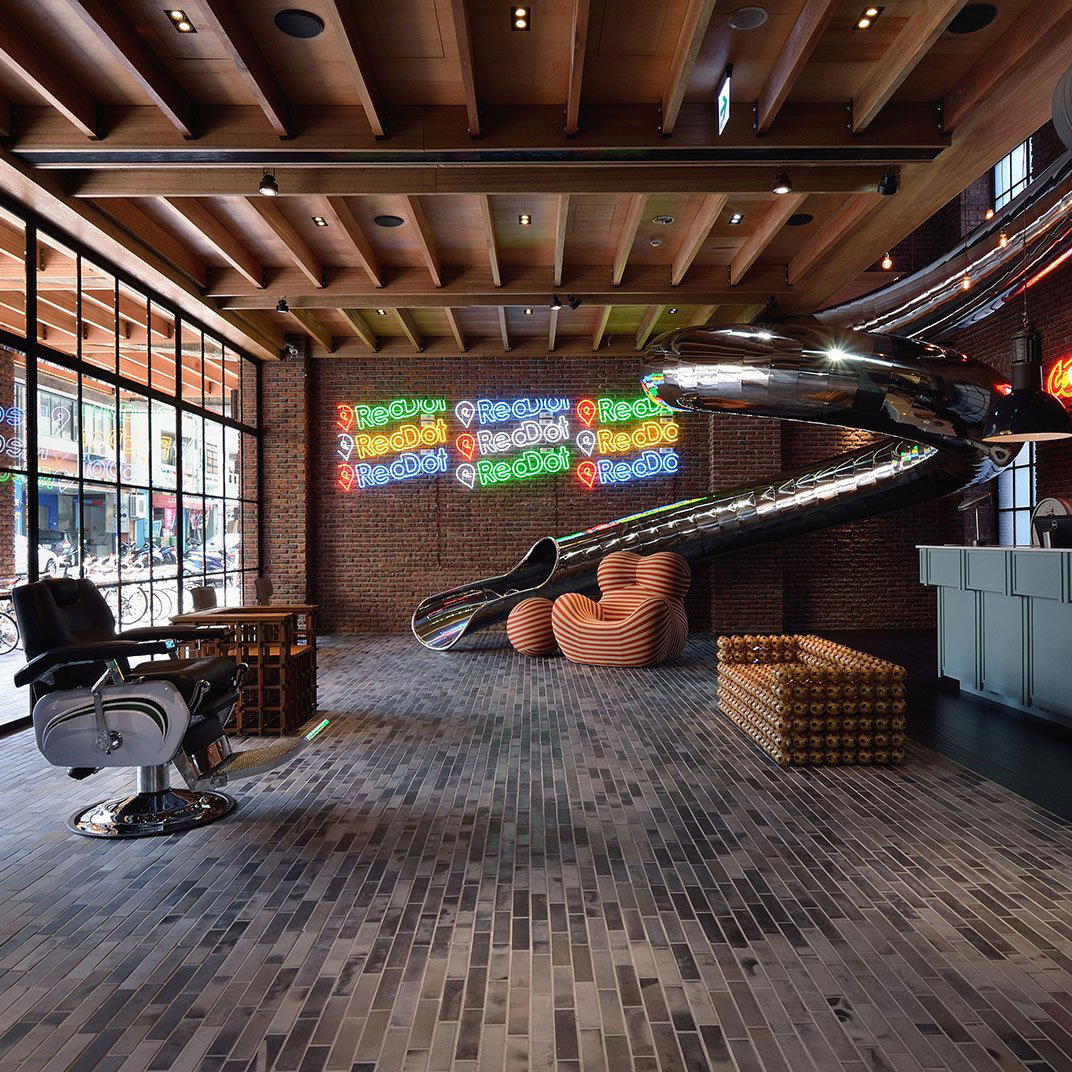
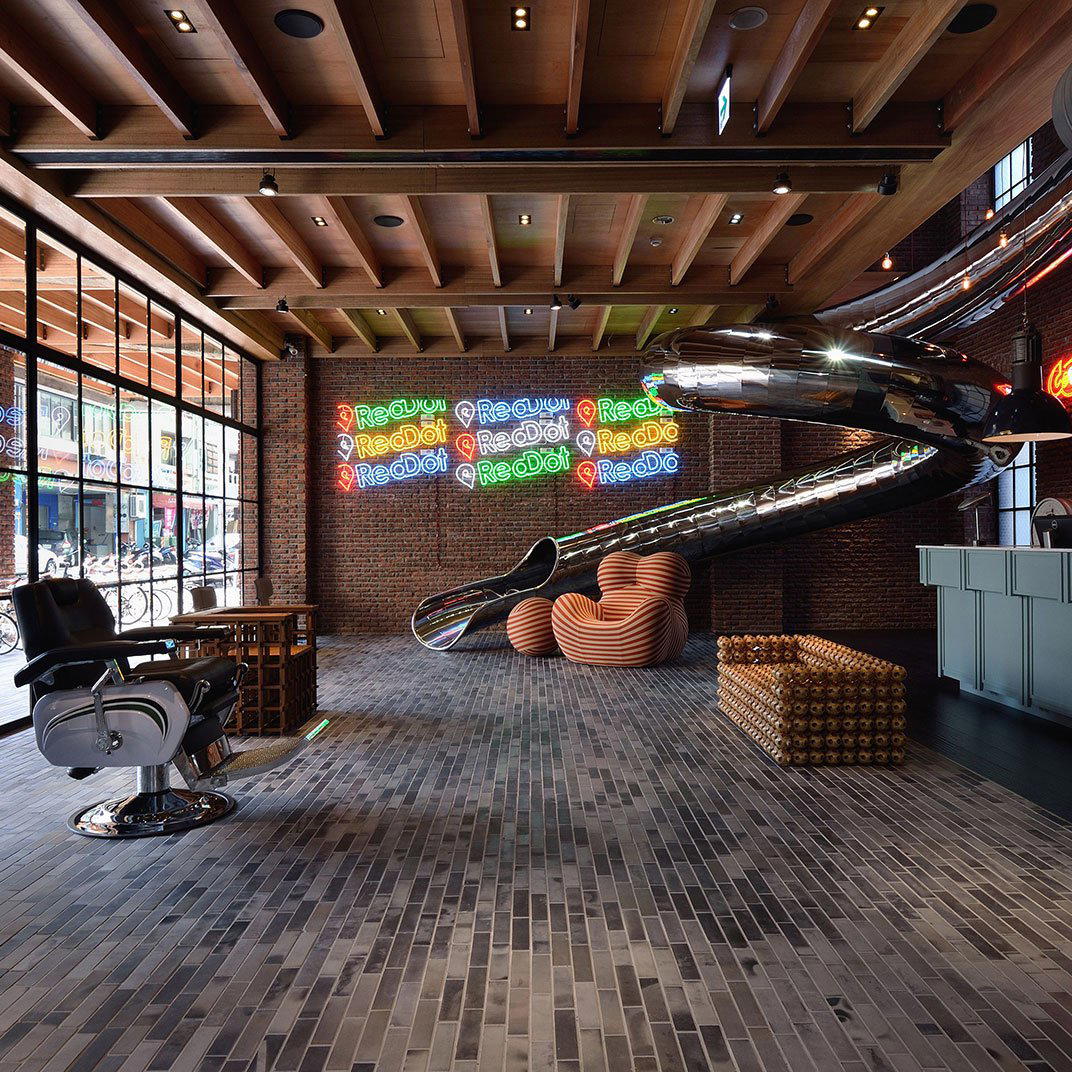
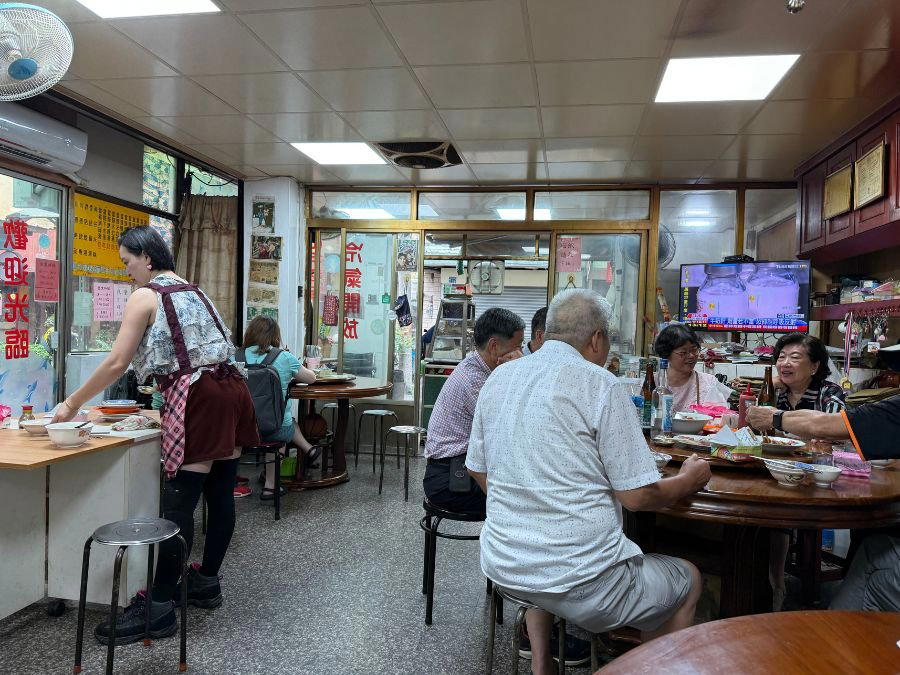
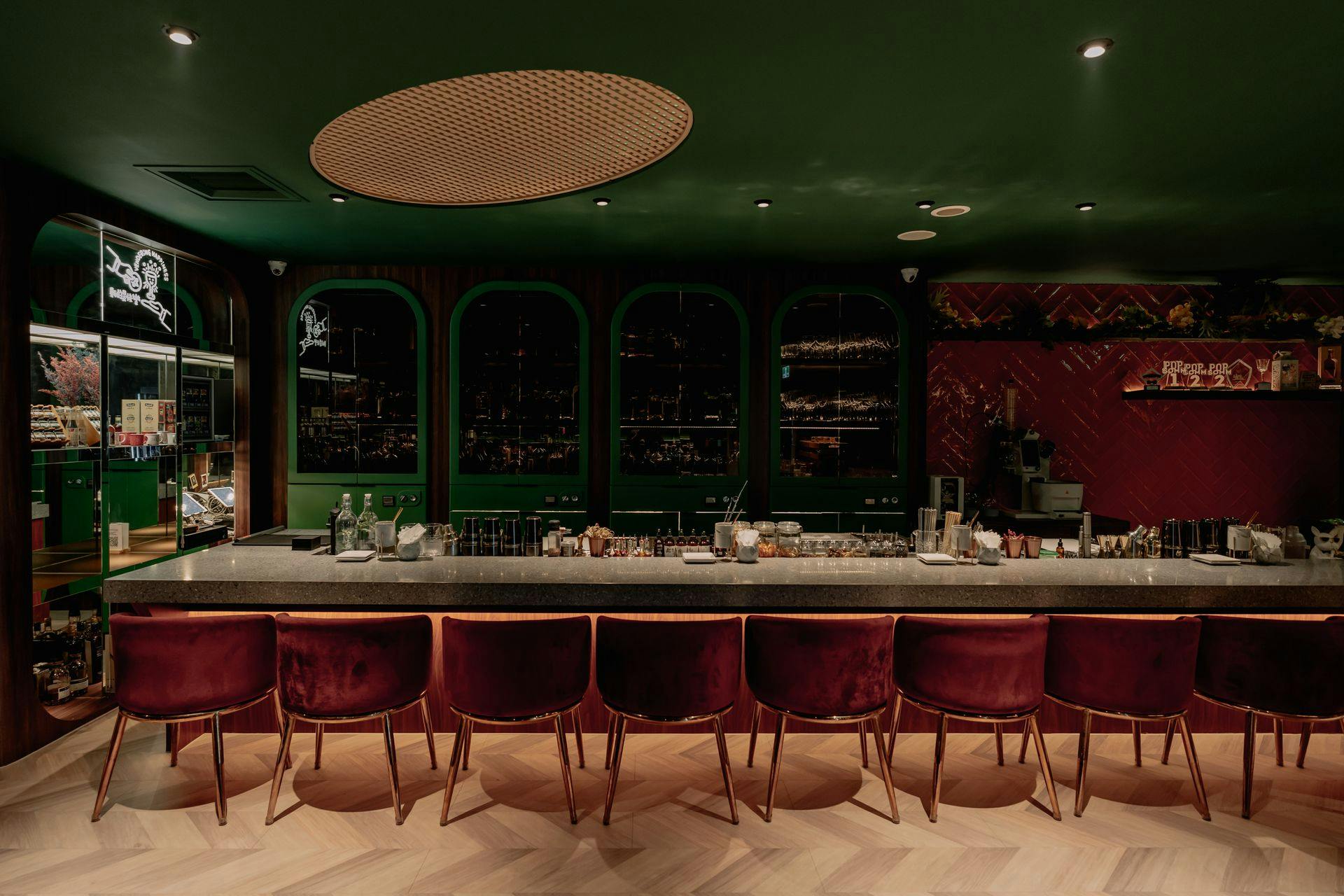
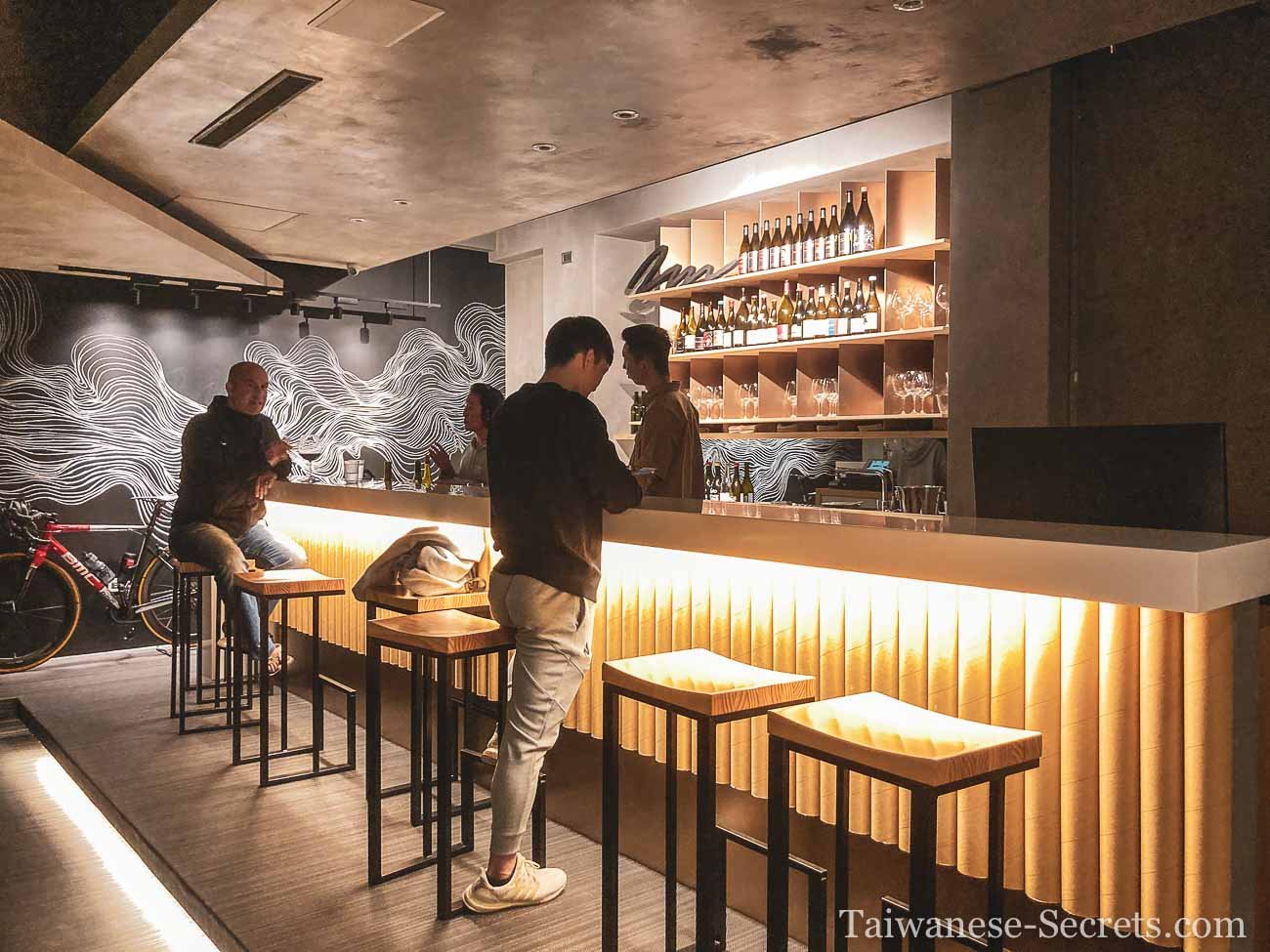
Homely and relaxing atmosphere in a residential alley setting with minimalist, elegant decor that feels unpretentious yet refined; sun-drenched and serene.
- Plum Chicken
- Braised Beef and Fried Tofu
- Three Cup Shrimp
- Shogayaki
- Curry
- Kung Pao Chicken with Cashew Nuts