In Taichung's Beitun District, 嵐山熟成牛かつ專売-北屯昌平店 brings the Japanese-style aged beef katsu format to a neighbourhood setting on Changping Road. The concept centres on matured beef cutlets prepared in the tonkatsu tradition, a category that has grown steadily across Taiwan's Japanese-influenced dining scene. For residents of northern Taichung seeking this specific preparation, the address on 昌平路二段 fills a practical gap in the local offer.
Pearl is the En Primeur Club membership app — saves, bookings, and concierge access live there. Same editors, same standards.
- Address
- 406, Taiwan, Taichung City, Beitun District, 昌平路二段12之15巷60號
- Phone
- +886422472777
- Website
- inline.app
- Directions
- Get directions
 Saves & bookings on Pearl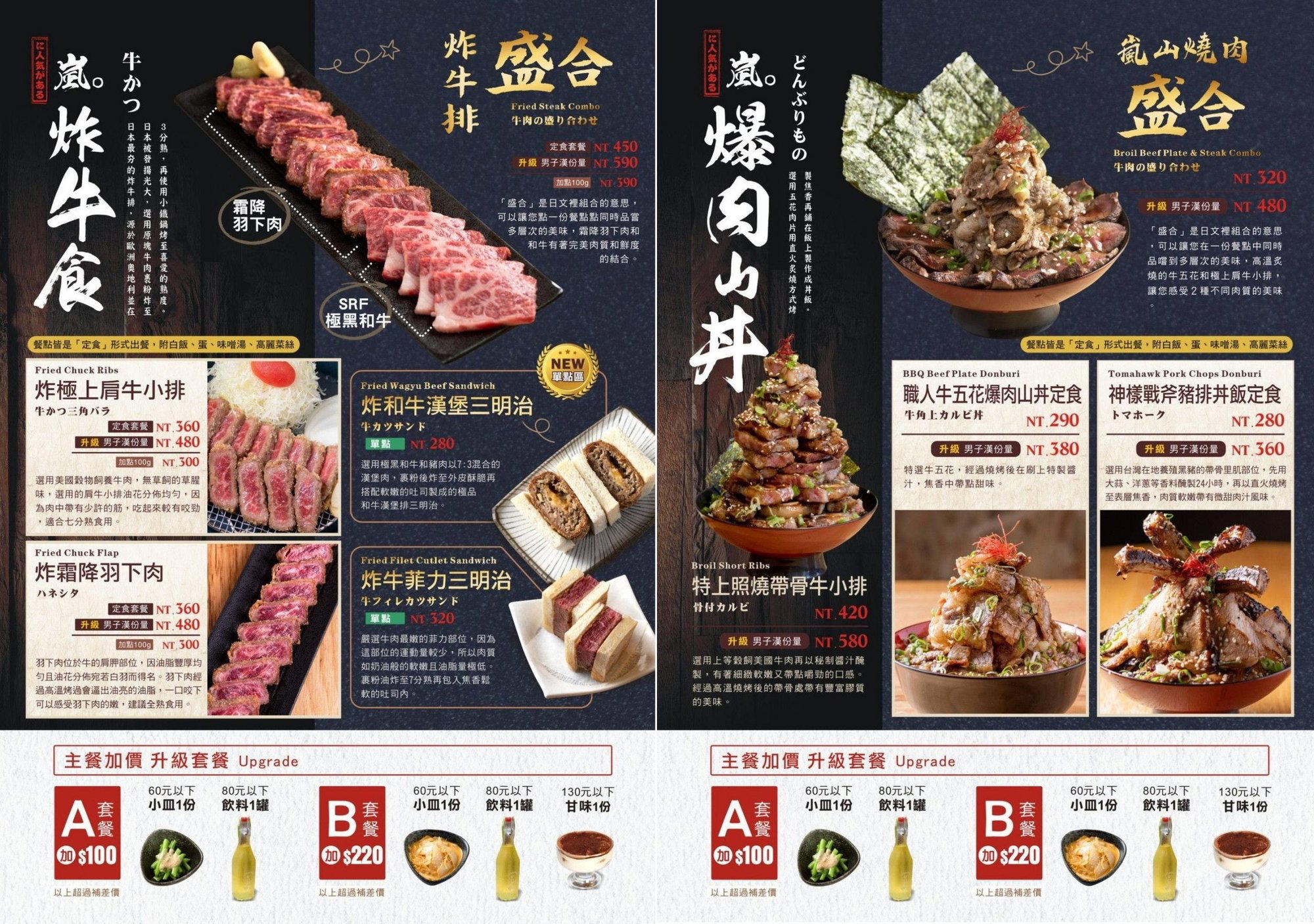
Aged Beef Katsu in Northern Taichung: A Format Finding Its Footing
The tonkatsu tradition arrived in Taiwan through decades of Japanese cultural exchange, and it has since branched into specialised sub-formats that the original Tokyo shokudo model never anticipated. One of those branches is the aged beef katsu, a preparation that swaps the standard pork cutlet for matured beef and adjusts the breading, frying temperature, and resting time accordingly. In Taichung's Beitun District, 嵐山熟成牛かつ專売-北屯昌平店 operates within that sub-format, positioning itself as a dedicated outlet rather than a multi-concept restaurant that happens to carry beef katsu alongside a broader menu.
Dedicated single-concept katsu restaurants have proliferated across Taiwan's mid-size cities over the past decade, partly because the format travels well: the equipment requirements are defined, the menu discipline is legible to diners, and the aged-beef angle gives operators a clear point of differentiation from the pork-dominant mainstream. What varies between operators is the sourcing approach for the beef, the aging duration, and how the cutlet is finished.
The Beitun Setting and What It Signals
Beitun District sits in the northern arc of Taichung City, a residential zone that generates most of its dining traffic from local households rather than destination visitors. Restaurants that operate here are typically calibrated for repeat neighbourhood custom rather than one-off tourism, which shapes both pricing and format: smaller menus, consistent execution over theatrical novelty, and an assumption that the person across the table has been before. This is distinct from the Xitun and West District corridors, where Taichung's more attention-seeking dining addresses tend to cluster.
For context on Taichung's wider dining range, JL Studio in Taichung represents the city's fine-dining ceiling, while neighbourhood specialists like A Kun Mian and Burger Joint show how single-concept formats can build loyal local followings without operating at the prestige tier. 嵐山熟成牛かつ專売-北屯昌平店 occupies a similar register to the latter group, a specialist address in a residential district, not a destination that draws diners from across the city on reputation alone.
The Aged Beef Katsu Category: What the Format Demands
Beef katsu is a more demanding preparation than pork tonkatsu in several respects. Pork cutlets are relatively forgiving of slight variations in fry time and oil temperature; aged beef has a narrower window between underdone and overdone, and the specific flavour compounds developed during aging can be dulled or lost if the crust is applied too aggressively or the oil temperature runs too high. Operators who name aging explicitly in their branding, as the 熟成 (juku-sei, or aged) in this venue's name does, are making a claim about their sourcing and technique that the dish either validates or undercuts.
The Arashiyama reference in the name (嵐山, the celebrated district in western Kyoto) is a naming choice that carries particular resonance in the Taiwan market, where Kyoto associations carry culinary authority across multiple cuisine categories. What it does signal is the category the restaurant is positioning itself within: premium Japanese-influenced preparation, not a budget-tier katsu set.
How the Format Has Evolved in the Taiwan Market
The aged beef katsu format in Taiwan has undergone a recognisable arc over the past several years. Early operators in this space, mostly in Taipei, imported both the technique and the Japanese brand identity wholesale, relying heavily on Japanese sourcing claims and Kyoto or Osaka naming conventions to establish credibility. As the category matured, a second wave of operators emerged in mid-size cities including Taichung, Tainan, and Kaohsiung, often with more locally integrated supply chains and pricing structures adjusted for regional rather than capital-city income levels.
This diffusion pattern is consistent with how several Japanese dining formats have spread through Taiwan's urban hierarchy. Ramen, similarly, moved from Taipei flagship locations to neighbourhood specialists in Taichung and beyond over a roughly five-year window. The beef katsu category appears to be at a comparable stage of that cycle, established enough that a dedicated outlet in Beitun reads as a reasonable neighbourhood proposition rather than an eccentric outlier. For broader context on how Taiwan's dining scene positions itself across different city tiers, logy in Taipei, GEN in Kaohsiung, and A Xia in Tainan each illustrate how the country's culinary ambition is distributed well beyond any single city.
Placing It in the Beitun Dining Context
Within Beitun's immediate dining mix, 嵐山熟成牛かつ專売-北屯昌平店 competes less with the city's destination restaurants and more with the cluster of Japanese-influenced casual specialists that serve the district's working households. Addresses like Abura Yakiniku and DIN YUE RESTAURANT illustrate the range of Japanese and regional formats that have found stable neighbourhood audiences in Taichung. The beef katsu specialist occupies a narrower band within that range, betting on the depth of its single format rather than menu breadth.
Taichung's dining scene more broadly rewards this kind of specialisation. The city's population is large enough, and food-literate enough, to sustain dedicated single-concept operators across multiple districts simultaneously, which is why neighbourhood specialists continue to open in residential corridors like Beitun rather than consolidating only in the city's commercial cores. cafe crotchet is another example of a concept that has found traction in this register.
Planning a Visit
The restaurant is located at 406, Taiwan, Taichung City, Beitun District, 昌平路二段12之15巷60號, a side-street address off Changping Road Section 2, which is consistent with the lower-footprint locations that neighbourhood katsu specialists typically occupy.
Recognition, Side-by-Side
Comparable venues nearby, for context on price, style, and recognition.
| Venue | Cuisine | Price | Notes |
|---|---|---|---|
| 嵐山熟成牛かつ專売-北屯昌平店This venue — the venue you are viewing | Japanese Aged Beef Cutlet | $$ | Not listed |
| 響海鮮 | Modern Japanese Seafood Omakase | $$$ | Chaoyang |
| Burger Joint | American Diner & Burger Joint | $$ | Meichuan |
| Umai Zhonggang Branch | Japanese Yakiniku BBQ | $$ | Shangde |
| 東方龍古味今品料理 | Authentic Mongolian Flavors | Not listed | Gouqian |
| 功夫上海手工魚丸 | Taiwanese Handmade Fish Ball Restaurant | Not listed | Zhongming |



At a Glance
- Modern
- Cozy
- Casual Hangout
- Group Dining
- Sake Program
Current opening hours
- Monday
- 11:30 AM–2 PM, 5–8:30 PM
- Tuesday
- 11:30 AM–2 PM, 5–8:30 PM
- Wednesday
- 11:30 AM–2 PM, 5–8:30 PM
- Thursday
- 11:30 AM–2 PM, 5–8:30 PM
- Friday
- 11:30 AM–2 PM, 5–8:30 PM
- Saturday
- 11:30 AM–2:30 PM, 5–8:30 PM
- Sunday
- 11:30 AM–2:30 PM, 5–8:30 PM
Hours can change for holidays and private events. Last verified .
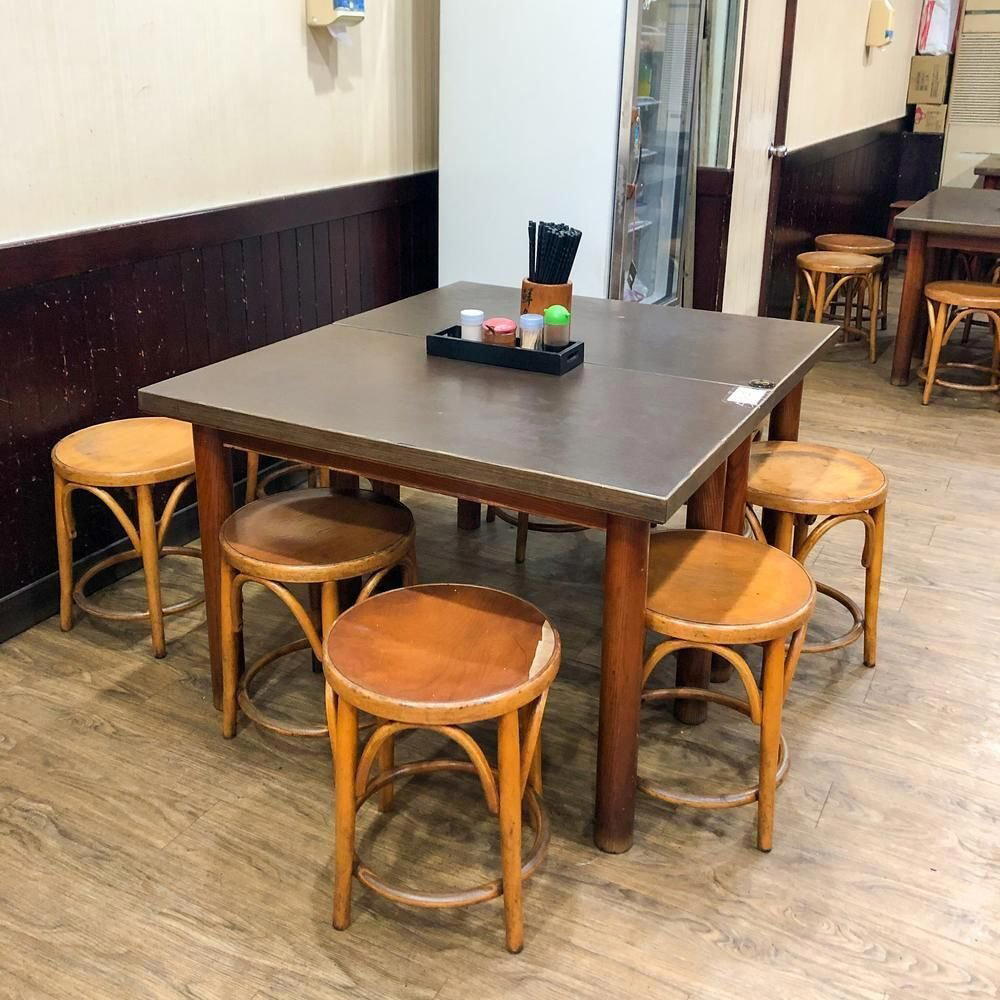
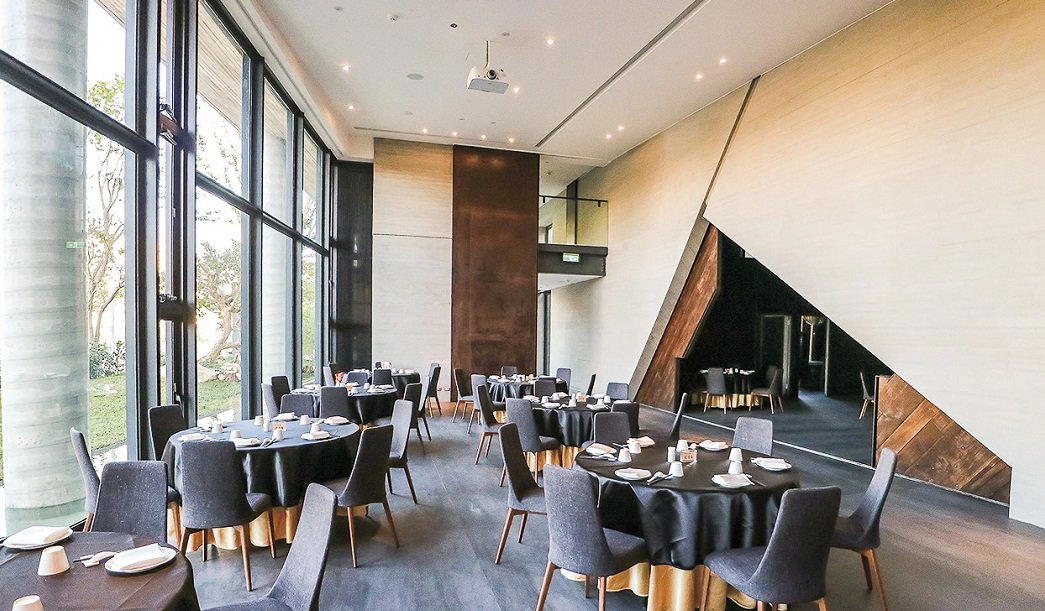
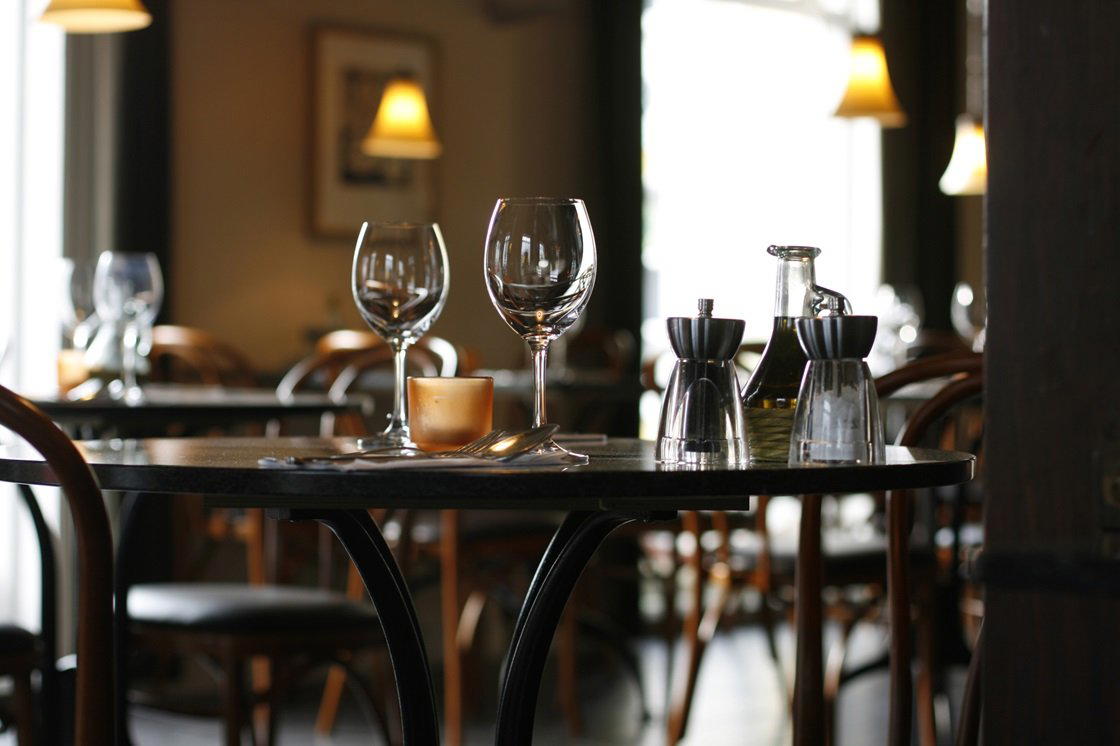
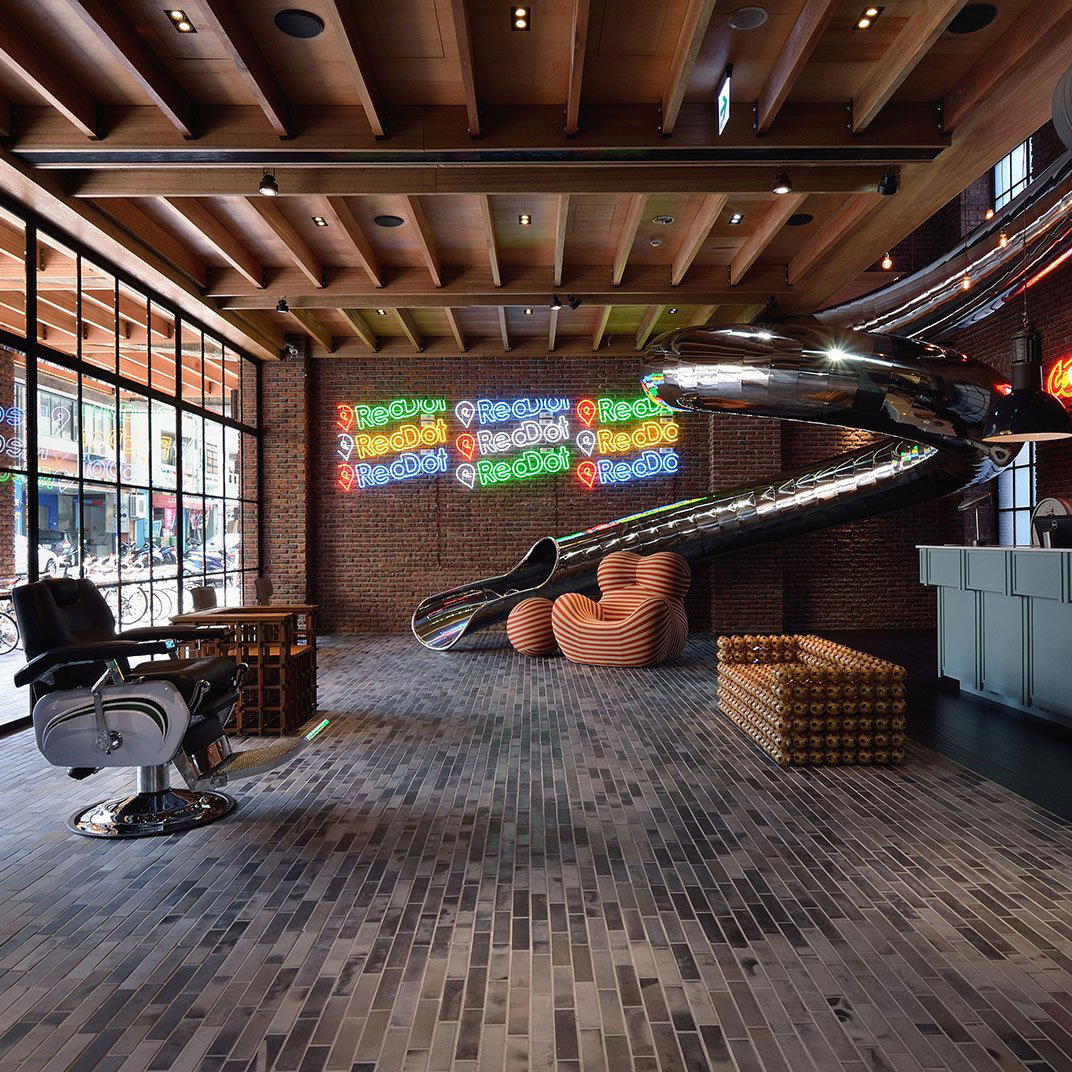
Spacious and bright interior with ample seating on two floors and natural lighting.