Okaeri Japanese Bistro
Okaeri Japanese Bistro occupies a quiet stretch of 20th Street in the Mission, positioning itself in a San Francisco neighborhood better known for taquerias and natural wine bars than for Japanese cooking. The bistro format sits between the city's high-ceremony omakase tier and its fast-casual Japanese options, serving a weekday crowd that ranges from remote workers at lunch to Mission regulars at dinner.
Pearl is the En Primeur Club membership app — saves, bookings, and concierge access live there. Same editors, same standards.
- Address
- 3515 20th St, San Francisco, CA 94110
- Phone
- +14156559588
- Website
- okaerisf.com
- Directions
- Get directions
 Saves & bookings on Pearl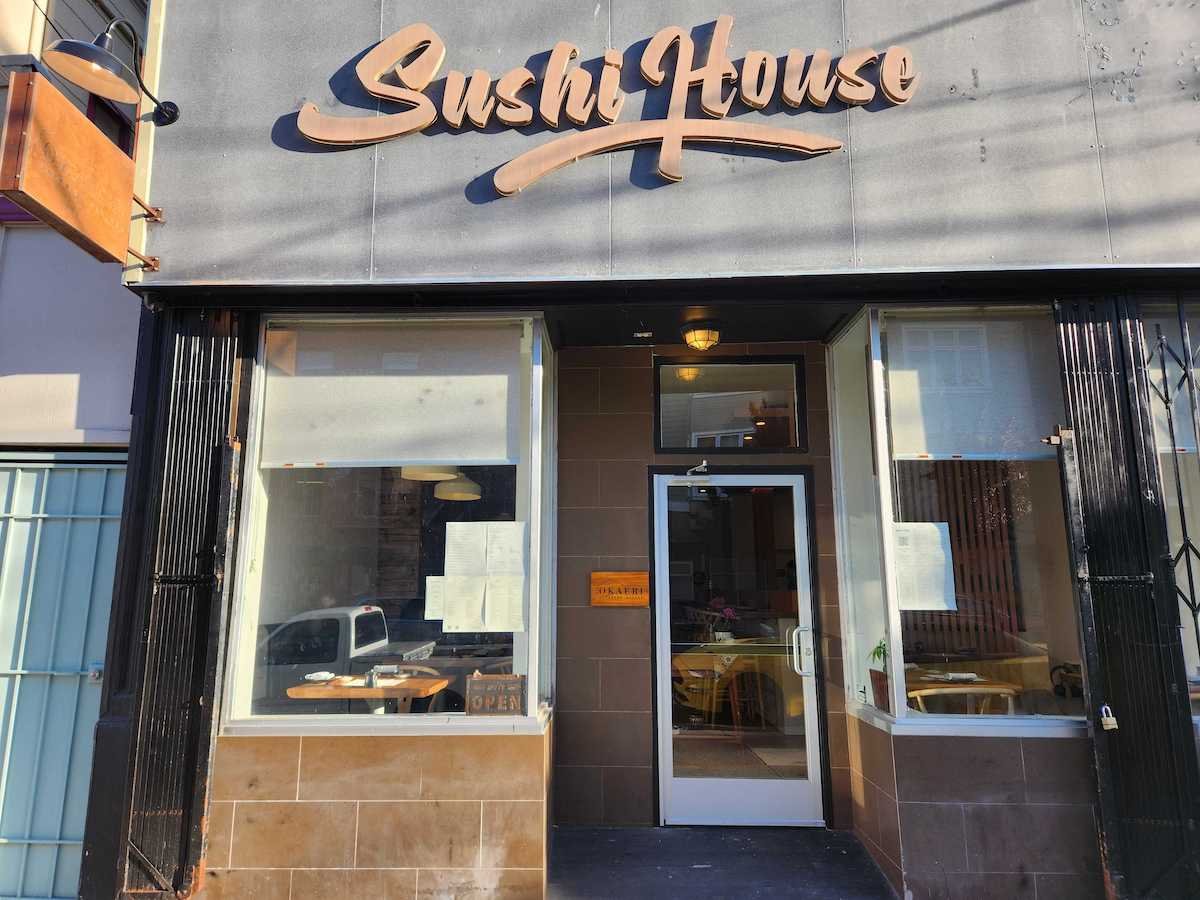
Where the Mission Meets the Bistro Format
San Francisco's Japanese dining scene has long split along familiar lines: the precision-driven omakase counters of Japantown and the Financial District on one end, and the ramen shops and izakayas scattered across the Richmond and Sunset on the other. The bistro format, looser, less ceremonial, priced for repeat visits, fills a gap between those poles, and the Mission is an increasingly credible address for it. Okaeri Japanese Bistro, at 3515 20th Street, is a Japanese Sushi & Omakase restaurant in San Francisco's Mission District with.
The address itself tells you something. The Mission has absorbed waves of restaurant openings over the past decade, and the stretch around 20th Street sits close enough to Dolores Park to draw weekend foot traffic while remaining legible as a neighborhood spot the rest of the week. That dual identity, destination-adjacent without being destination-dependent, shapes what a bistro format can do here in ways that a pure tourist corridor wouldn't allow.
The Lunch-to-Dinner Shift
Across Japanese bistro formats in American cities, the lunch and dinner experiences tend to diverge more sharply than at either the high-end or fast-casual tiers. At the high end, lunch and dinner omakase are often structurally identical, differentiated mainly by course count. At the ramen or donburi end, the format is the same around the clock. The bistro middle ground is where daytime and evening genuinely behave differently, in pacing, in ordering logic, and in the kind of value the meal represents.
In cities like New York and Los Angeles, Japanese bistros at this positioning have found that lunch drives accessibility while dinner anchors identity. A lunch set, often a fixed combination of protein, rice, and soup at a single price, allows a kitchen to show its sourcing and technique without the full overhead of an à la carte dinner operation. It also draws a different diner: the office worker, the local on a routine, the person who wouldn't book a reservation but will commit to a known quantity. Dinner, by contrast, tends to open the menu, extend the sake or whisky list, and allow the kitchen to show range. The room reads differently after 7 p.m. less transactional, more considered. For a bistro in the Mission specifically, where evening competition includes everything from upscale Mexican to the kind of farm-to-table California cooking associated with spots like Lazy Bear, earning dinner visits requires a clearer identity than earning lunch ones.
This lunch-dinner divide also carries price implications. San Francisco's upper-tier restaurants, Atelier Crenn, Benu, Quince, Saison, operate in the $$$$ tier with tasting menus that require planning and occasion-level commitment. A Japanese bistro is structurally positioned to offer something those restaurants don't: the ability to show up without a special reason. That positioning is its own credential, and it's one the Mission neighborhood tends to reward when a kitchen follows through on it.
Where Okaeri Fits in the City's Japanese Dining Picture
San Francisco has enough Japanese restaurants at enough price points that the category doesn't need defending, it needs mapping. At the prestige end, Japantown's kaiseki rooms and the handful of omakase counters in SoMa and the Financial District serve a booking-dependent clientele willing to plan weeks or months ahead. Below that, the Richmond District's Japanese restaurants function more as neighborhood institutions, built on repeat locals rather than destination visitors. The bistro tier sits between these, and it's a positioning that rewards consistency over occasion.
Nationally, the Japanese bistro format has found its most developed expressions in cities with both a significant Japanese-American community and a broader dining-out culture sophisticated enough to support mid-range spending on Japanese food outside of sushi. New York's East Village, Los Angeles' Sawtelle corridor, and pockets of Chicago have all produced durable versions of this format. San Francisco, with its long-established Japanese-American community and its Bay Area appetite for technique-forward cooking, is a natural home for it.
The comparison set for a Mission Japanese bistro isn't the white-tablecloth tier. The relevant peers are neighborhood-anchored spots that hold regulars without relying on awards cycles. That makes the format durable in a different way.
Planning Your Visit
Quick Comparison: Okaeri vs. Its San Francisco comparable set
| Venue | Price Tier | Format | Booking Lead Time | Neighborhood |
|---|---|---|---|---|
| Okaeri Japanese Bistro | Not confirmed | Bistro / neighborhood | Walk-in likely | Mission |
| Lazy Bear | $$$$ | Progressive tasting menu | Weeks in advance | Mission |
| Benu | $$$$ | Tasting menu | Weeks in advance | SoMa |
| Atelier Crenn | $$$$ | Tasting menu | Weeks in advance | Marina |
For travelers building a broader California itinerary, the contrast between a neighborhood bistro in the Mission and the full-scale tasting-menu operations at Providence in Los Angeles or Addison in San Diego illustrates how different the commitment levels are across the state's dining tiers. Beyond California, the mid-range Japanese bistro format finds national peers in the neighborhoods around Atomix in New York City and around Chicago's destination operations like Alinea, different cuisines and price points, but the same underlying logic of neighborhoods that can sustain ambitious cooking at varying scales.
Cuisine-First Comparison
Comparable venues nearby, for context on price, style, and recognition.
| Venue | Cuisine | Price | Notes |
|---|---|---|---|
| Okaeri Japanese BistroThis venue — the venue you are viewing | Japanese Sushi & Omakase | $$ | Not listed |
| Sushi Taka | DIY Sushi Rolls | $$ | Financial District |
| Miyabi Sushi 2 Go | Japanese Sushi | $$ | North Beach |
| Moki's Sushi & Pacific Grill | Japanese Sushi & Pacific Fusion | $$ | Bernal Heights |
| Orenchi Beyond | Authentic Japanese Ramen | $$ | Mission District |
| iza | Authentic Japanese Ramen | $$ | Lower Haight |
Continue exploring
More in San Francisco
Restaurants in San Francisco
Browse all →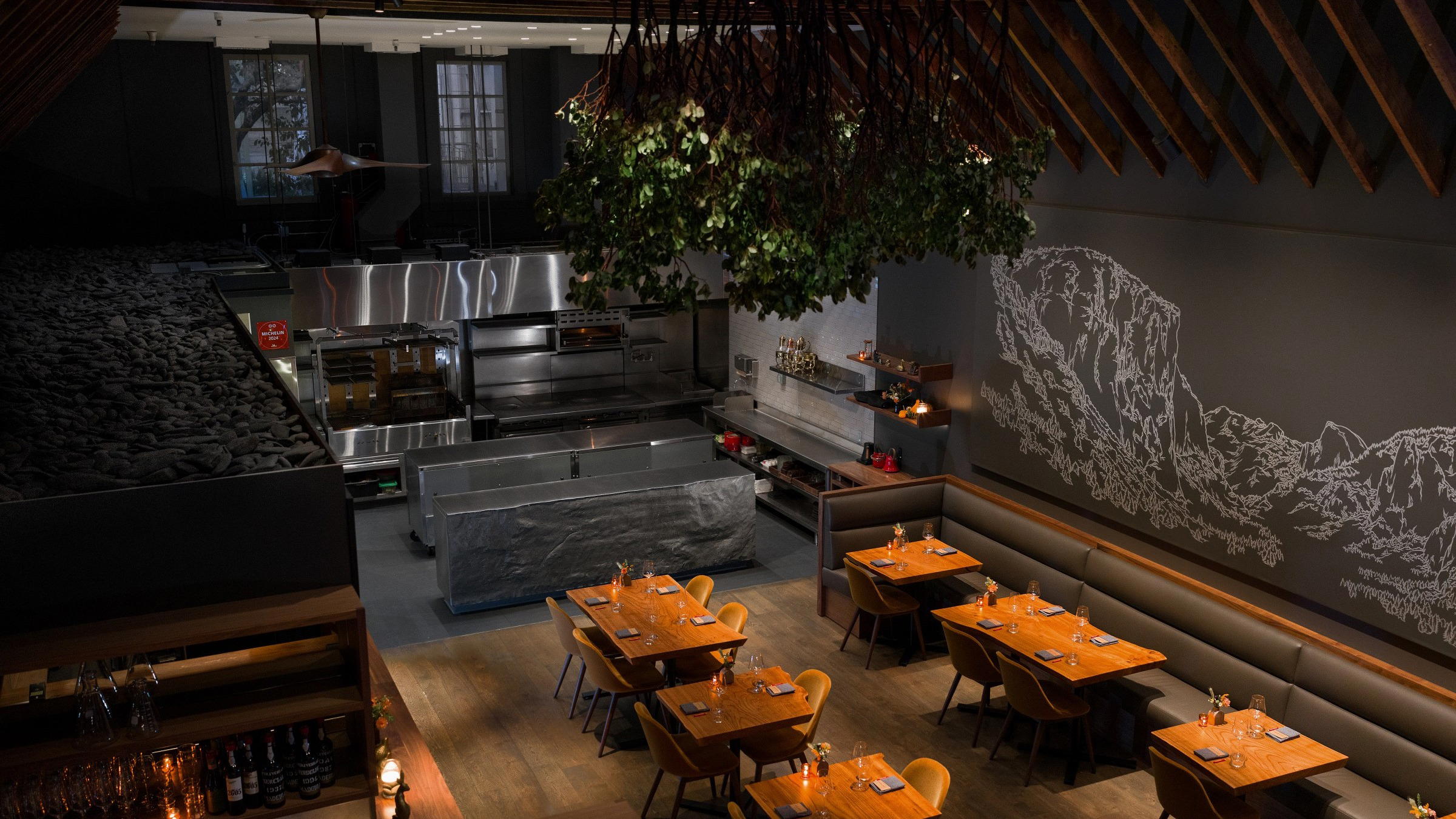
Bars in San Francisco
Browse all →
Hotels in San Francisco
Browse all →
At a Glance
- Modern
- Cozy
- Trendy
- Date Night
- Special Occasion
- Sake Program
Current opening hours
- Monday
- 5–9:30 PM
- Tuesday
- 5–9:30 PM
- Wednesday
- 5–9:30 PM
- Thursday
- 5–9:30 PM
- Friday
- 12–2 PM, 5–9:30 PM
- Saturday
- 12–2 PM, 5–9:30 PM
- Sunday
- 12–2 PM, 5–9:30 PM
Hours can change for holidays and private events. Last verified .
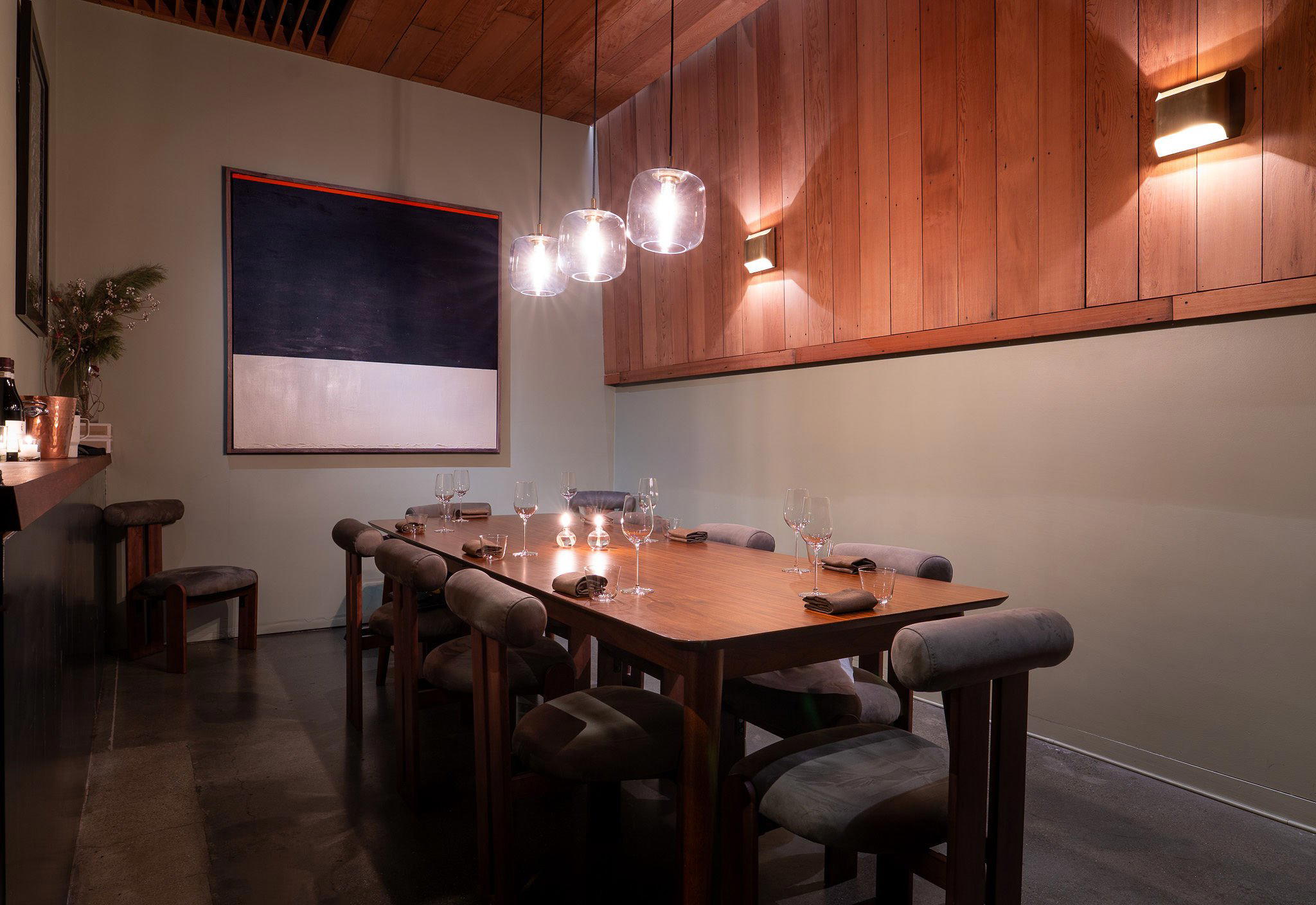
Cozy intimate setting with 6 tables, featuring a welcoming atmosphere that celebrates Japanese culinary tradition and innovation.