Eat New Orleans
Eat New Orleans sits on Dumaine Street in the French Quarter, where the city's deep Creole and Southern culinary traditions remain in active conversation with the Gulf Coast ingredients that have shaped Louisiana cooking for centuries. The restaurant draws on the sourcing networks and seasonal rhythms that define serious New Orleans dining, positioning itself within a city whose food culture has always been inseparable from its geography.
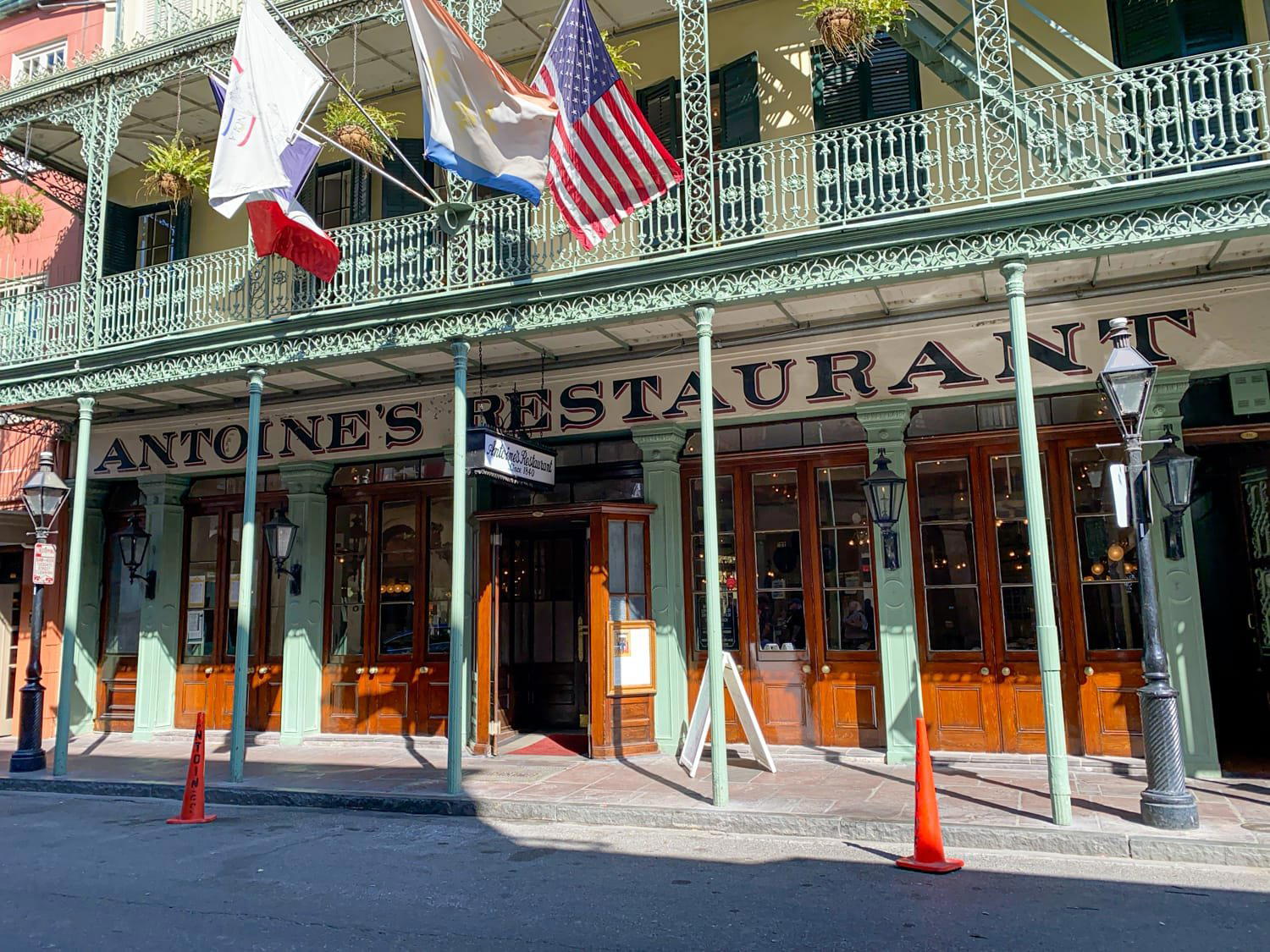
Dumaine Street and the Produce of a Coast
The French Quarter's residential edge, where Dumaine Street runs toward the river before the tourist density thickens, has long been the quieter register of New Orleans dining. At 900 Dumaine, Eat New Orleans occupies that in-between zone: close enough to the Quarter's energy to benefit from it, far enough from Bourbon Street that the crowd skews toward people who came specifically to eat. In a city where the relationship between place and plate is more literal than almost anywhere else in the United States, that address is part of the context.
New Orleans restaurants that take sourcing seriously operate inside one of the most concentrated ingredient ecosystems in American cooking. The Gulf of Mexico delivers shrimp, speckled trout, redfish, and blue crab within hours of landing. The Mississippi Delta and the crawfish ponds of the Atchafalaya Basin fill the rest of the picture. Farms in the surrounding parishes — and the city's own network of small producers — supply the okra, Creole tomatoes, and field peas that give Louisiana cooking its vegetable depth. Any kitchen on Dumaine Street that connects to those networks is drawing on something genuinely localized, in the way that Single Thread Farm in Healdsburg or Blue Hill at Stone Barns in Tarrytown draw on their own hyper-regional supply chains , except that in Louisiana, the tradition predates the contemporary farm-to-table conversation by several generations.
What the City's Sourcing Culture Actually Means
It is worth understanding why ingredient provenance matters more in New Orleans than in many American cities. Creole cooking evolved as a creolization of French technique, Spanish seasoning traditions, West African ingredient knowledge, and the particular abundance of the Gulf Coast , a cuisine that was always about working with what the water and the land provided seasonally. The roux-based sauces, the rice dishes, the shellfish preparations: these are not arbitrary choices. They reflect centuries of cooks adapting to a specific estuary environment, and the leading kitchens in the city have never fully lost that orientation.
That puts New Orleans in a different tradition from the sourcing-as-statement approach you see at restaurants like Oyster Oyster in Washington, D.C. or Smyth in Chicago, where provenance is part of an explicit tasting-menu narrative. In Louisiana, the sourcing is simply how cooking was always done , and the restaurants that honor it are less making a contemporary argument than sustaining an inherited one.
The practical effect for diners is that the seasonal calendar here is compressed and intense. Gulf brown shrimp peak in late summer; Louisiana oysters run leading from fall through early spring; Creole tomatoes hit their brief window in June and July. Visiting at different points in the year means eating materially different food, even from the same kitchen.
The French Quarter Dining Context
New Orleans supports a range of dining registers that can be confusing to navigate from the outside. The Quarter itself holds everything from tourist-facing Cajun approximations to genuinely serious restaurants that happen to occupy eighteenth-century buildings. Emeril's in New Orleans represents one end of the city's recognized culinary ambition , a high-profile kitchen that helped establish the city's national dining reputation in the 1990s. The quieter, neighborhood-scaled operations that have proliferated since Hurricane Katrina represent a different current: smaller, more personally run, less interested in destination-dining positioning.
Eat New Orleans sits within that second current. Its Dumaine Street address is in the Faubourg Tremé adjacent zone of the French Quarter, a neighborhood whose culinary identity has historically been shaped by Creole home cooking rather than restaurant showmanship. That context shapes what a kitchen there can plausibly do and what the neighborhood audience expects.
For comparison, the tasting-menu tier of American ingredient-driven cooking , places like The French Laundry in Napa, Addison in San Diego, or The Inn at Little Washington , builds sourcing into a formal, multi-course structure designed around luxury signaling. The New Orleans tradition operates differently: the same quality of ingredient arrives in a gumbo or a courtbouillon or a plate of simply dressed Gulf fish, and the cooking's sophistication is measured by restraint and technique rather than presentation architecture.
Planning a Visit
The restaurant's address , 900 Dumaine Street, New Orleans, LA 70116 , places it within walking distance of the French Quarter's core but in a quieter residential block. New Orleans dining generally skews toward later seatings; arriving early means a less animated room in most Quarter establishments. The city's climate runs hot and humid from May through September, which affects both the ingredient calendar and the comfort of any outdoor or semi-open seating. October through April is when Gulf oysters are at their leading and the temperature is more forgiving. Visitors approaching from the broader Gulf South , Baton Rouge, the North Shore, or the River Parishes , will find that the drive into the city along I-10 or LA-1 connects the sourcing geography to the dining geography in a fairly direct way. For readers comparing New Orleans to other American cities with strong ingredient-driven dining cultures, our full La Place restaurants guide offers additional context on the regional food network.
Booking details, current hours, and pricing are not confirmed in our database at this time; direct contact with the restaurant is recommended before planning a visit.
Where Eat New Orleans Sits in a Broader Peer Set
American restaurants that take ingredient sourcing as a primary editorial frame now span an enormous range of price points and formats. At the higher end, places like Lazy Bear in San Francisco, Bacchanalia in Atlanta, and Providence in Los Angeles have built formal reputations around provenance-driven menus with recognizable award profiles. At the other end, neighborhood restaurants in sourcing-rich cities do the same work without the tasting-menu structure or the destination-dining apparatus.
New Orleans occupies a particular position in this spectrum because the city's ingredient wealth is structural rather than curated. The Gulf Coast supply chain doesn't require a kitchen to seek out specialty producers or build relationships with distant farms , the region's food system delivers quality by default, if the kitchen chooses to connect with it. That's a different starting condition from a Chicago or New York kitchen, where sourcing at that level requires sustained effort and usually carries a price premium that the menu reflects directly. Restaurants like Frasca Food and Wine in Boulder, ITAMAE in Miami, or Atomix in New York City each build sourcing narratives from different geographic and cultural starting points. New Orleans kitchens inherit theirs.
Whether Le Bernardin in New York City , the most technically rigorous seafood kitchen in the country , represents an aspiration or simply a different tradition is a question New Orleans cooking has never needed to answer. The city's relationship with Gulf seafood predates French fine dining's arrival in the United States and has its own logic, its own canon of preparations, and its own standard of quality. Eat New Orleans, positioned on Dumaine Street in the city where that tradition originated, is operating inside it.
A Quick Peer Check
These are the closest comparables we have in our database for quick context.
| Venue | Cuisine | Price | Awards | Notes |
|---|---|---|---|---|
| Eat New Orleans | This venue | |||
| Le Bernardin | French, Seafood | $$$$ | Michelin 3 Star | French, Seafood, $$$$ |
| Lazy Bear | Progressive American, Contemporary | $$$$ | Michelin 2 Star | Progressive American, Contemporary, $$$$ |
| Atomix | Modern Korean, Korean | $$$$ | Michelin 2 Star | Modern Korean, Korean, $$$$ |
| Per Se | French, Contemporary | $$$$ | Michelin 3 Star | French, Contemporary, $$$$ |
| Masa | Sushi, Japanese | $$$$ | Michelin 3 Star | Sushi, Japanese, $$$$ |
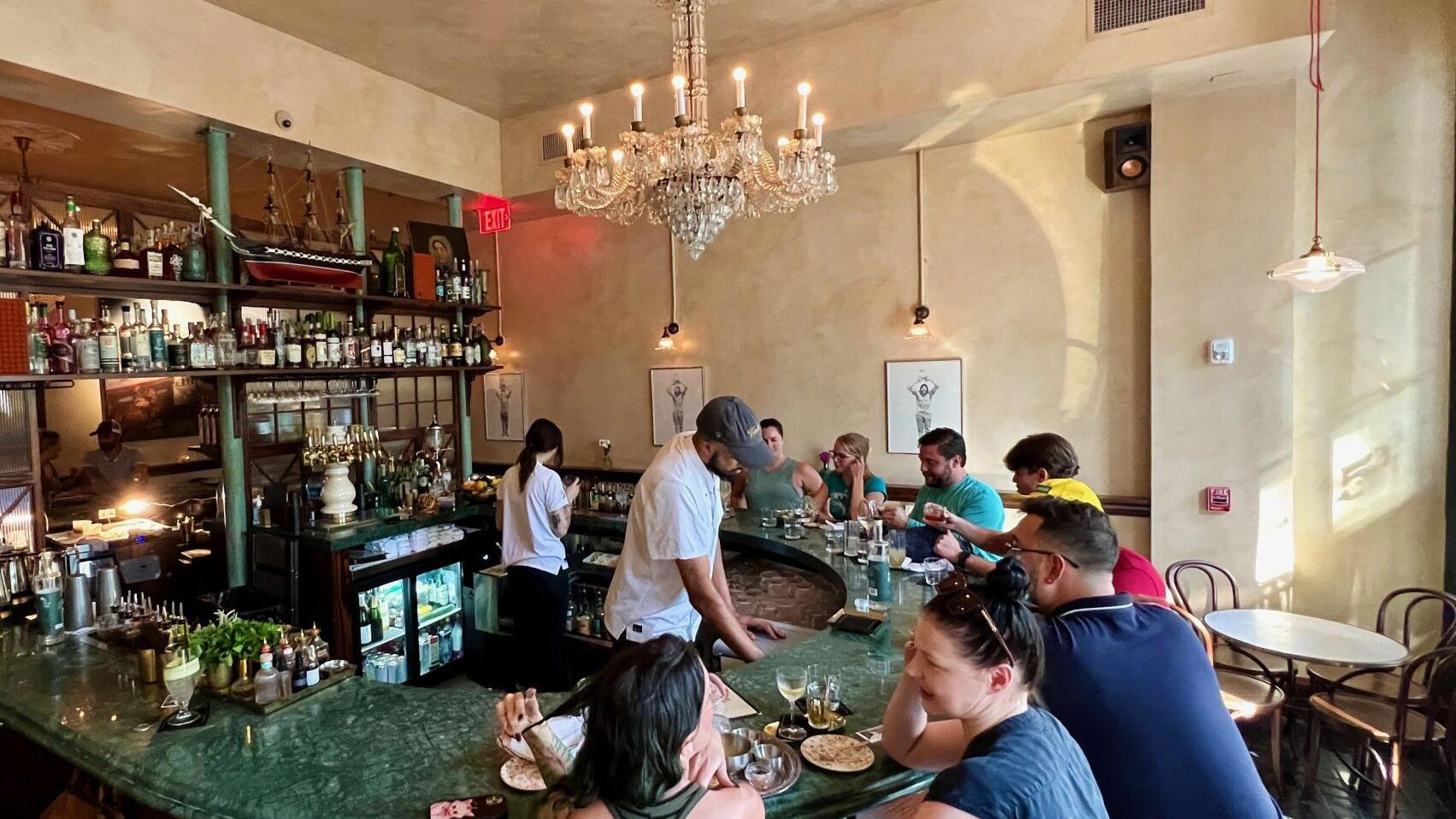
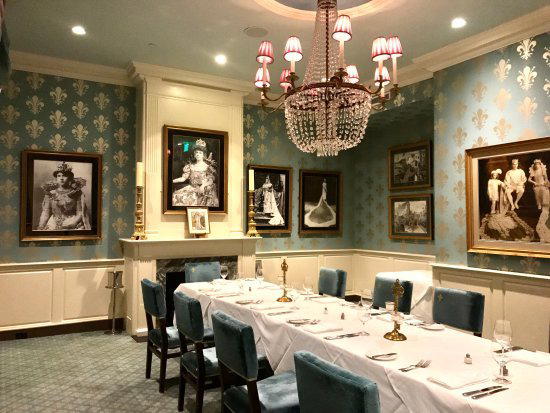
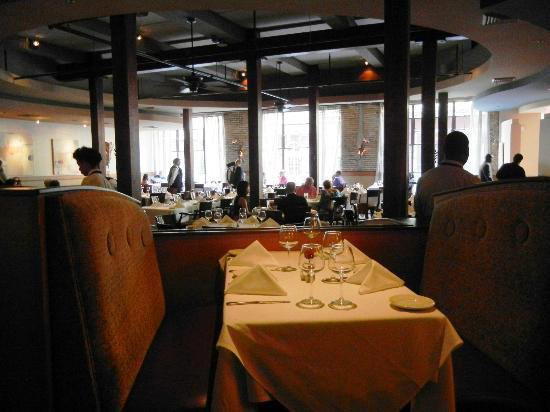


At a Glance
- Casual Hangout
- Local Sourcing
Casual southern hospitality atmosphere.