Our verdict
On a quiet street in the 6th arrondissement, Dupin has been a fixture of Saint-Germain-des-Prés neighbourhood dining for decades, occupying a tier of mid-register Paris bistros that prioritise consistency over spectacle. Its address on Rue Dupin places it within walking distance of the Bon Marché and the broader Left Bank dining corridor, making it a practical reference point for visitors working through the arrondissement.

Pearl is the En Primeur Club membership app — saves, bookings, and concierge access live there. Same editors, same standards.
- Address
- 11 Rue Dupin, 75006 Paris, France
- Phone
- +33142226456
- Hours
- Mon–Sat 12–2:30 PM, 7–10 PMSun Closed
- Website
- paris-buenosaires.fr
- Directions
- Get directions
- Booking
- Book on Zenchef
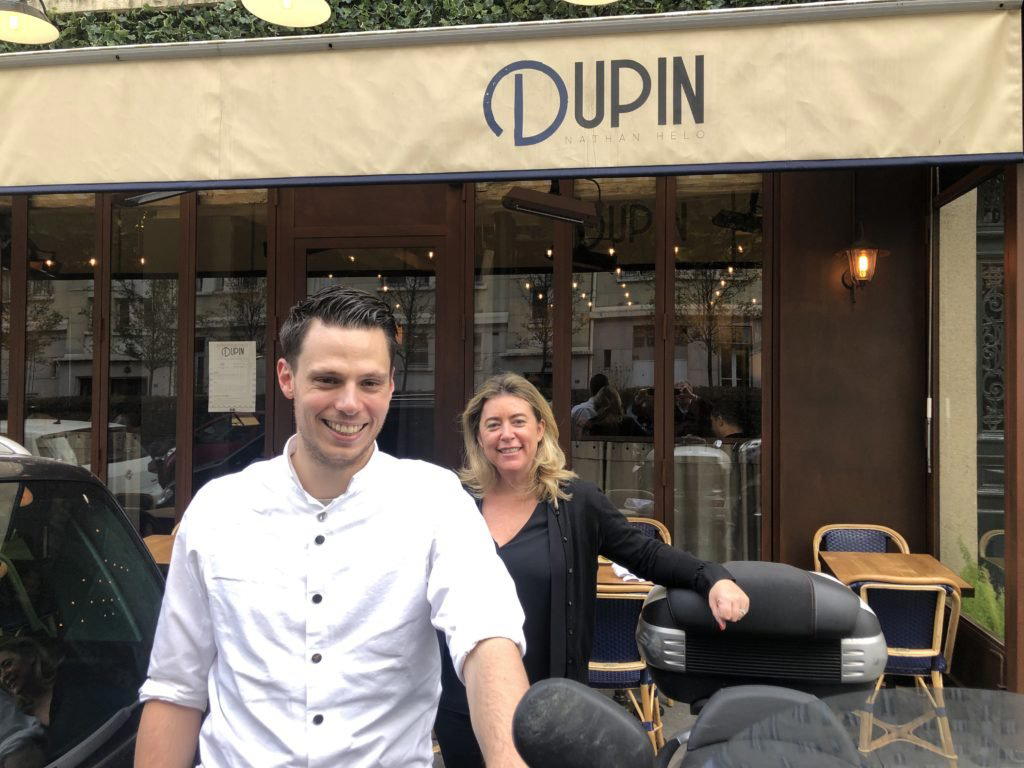
The Left Bank Bistro Tradition and Where Dupin Sits Within It
The 6th arrondissement has long operated on two parallel dining registers. The first is the grand-occasion tier: places like Arpège, where Alain Passard's vegetable-centred tasting menus have held three Michelin stars since 1996, or L'Ambroisie on the Place des Vosges, where the kitchen operates in the rarest bracket of French classicism. The second register is quieter and more durable: the neighbourhood bistro, built for weekly rather than annual visits, priced for regular rather than commemorative dining, and defined by atmosphere over architectural drama. Dupin at 11 Rue Dupin belongs to that second register. It sits just south of the Bon Marché department store, on a residential street that sees little tourist foot traffic, in a part of the 6th that still functions as a genuine neighbourhood rather than a stage set.
That address is not incidental. Saint-Germain-des-Prés has shed a great deal of its working bistro stock over the past two decades, as rents have compressed margins and tourist-facing operations have crowded out the places that local residents actually used. The bistros that remain in the area's interior streets tend to hold their clientele through consistency and familiarity rather than through chef-driven press cycles. Dupin fits that pattern: a room known to regulars, operating in a dining tradition that predates the current era of social media reservation queues and tasting menu dominance.
The Atmosphere of a Room That Is Not Performing
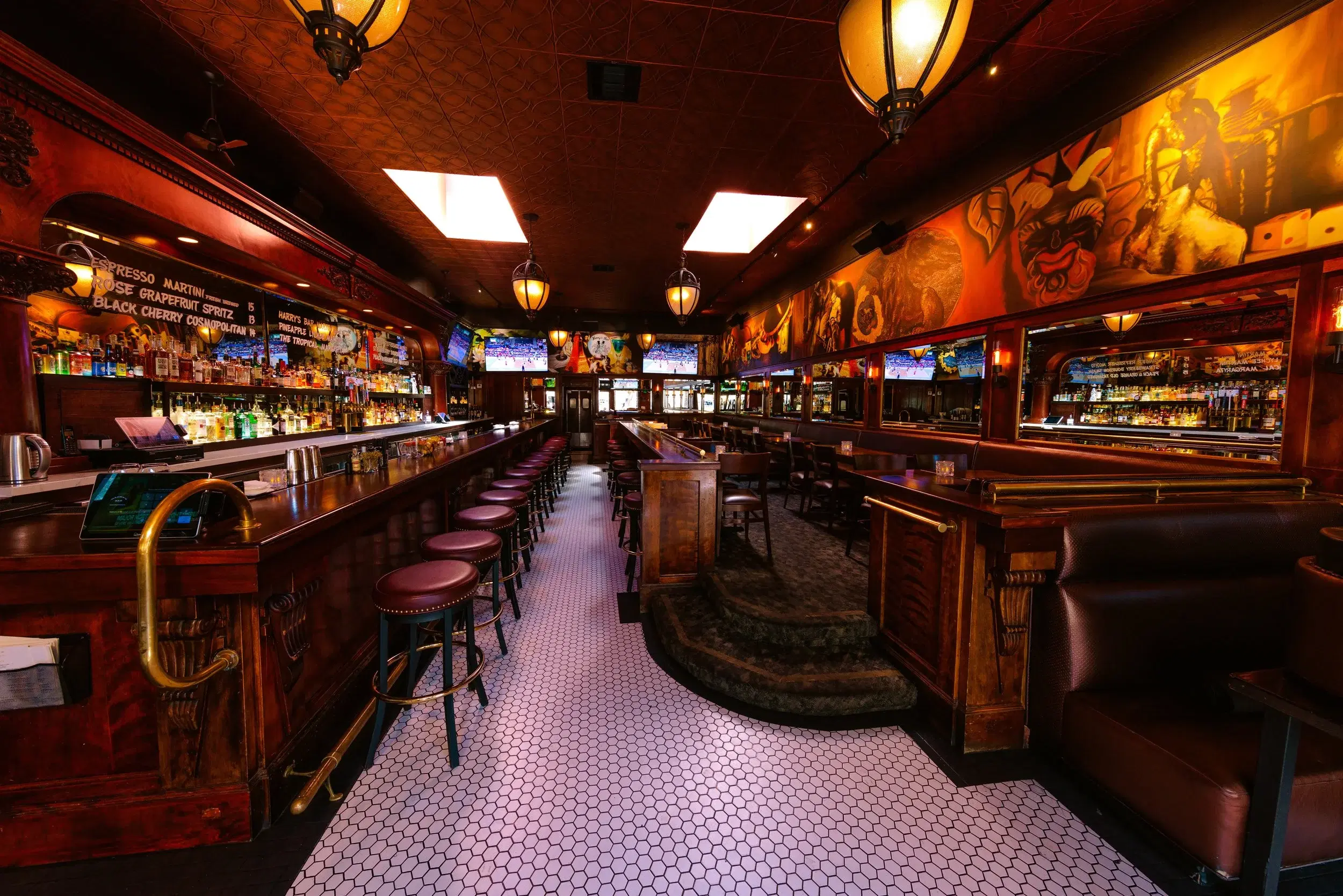
The sensory character of a long-running Paris bistro is distinct from anything a newer opening can replicate convincingly. The acoustic register is different: conversation absorbs into walls that have absorbed it for years. The light tends toward warmth rather than the sharp architectural lighting of contemporary dining rooms. Tables are closer together than current hospitality convention would permit in a new build, which produces a particular ambient quality — the sense of being in a shared space rather than a staged one. At Dupin, that density of accumulated character, the kind that accrues through years of use rather than interior design, is the central atmospheric fact. The room is not large. It is not designed to impress on arrival. It is designed, in the way all functional bistros are, to function.
This stands in contrast to the €€€€ tier of Paris dining, where the architecture of the room is part of the proposition. At Le Cinq at the Four Seasons Hôtel George V, the gilded salon sets an expectation before a plate arrives. At Alléno Paris au Pavillon Ledoyen, the glass-and-iron pavilion in the Champs-Élysées gardens frames the experience from the outside. Neighbourhood bistros operate on the opposite logic: the room recedes, and what remains is the food, the wine, and the company.
French Bistro Cooking and the Tradition Dupin Represents
The category of classic French bistro cooking is more precise than it appears. It is not brasserie cooking, which trends larger and more theatrical. It is not the contemporary bistronomie movement, which applies fine-dining technique to informal formats and has produced much of what Paris restaurant press has celebrated since the 2000s. It sits closer to the older model: seasonal market produce, sauces built from reduction rather than emulsion, cuts of meat that reward slow cooking, and a wine list that privileges the Loire, the Rhône, and Burgundy at approachable prices. That model has provincial counterparts across France — the kind of kitchen discipline that defines places like Auberge du Vieux Puits in Fontjoncouse or, in the grand regional tradition, Georges Blanc in Vonnas, but its Parisian expression tends to be more compressed, more daily, less ceremonial.
The bistro format has faced sustained pressure from both ends of the market. At the leading, operations like Kei, where Japanese precision is applied to French classical frameworks, represent what ambitious Paris dining has become. At the other end, the casual wine-bar format has captured much of the spontaneous neighbourhood dining that bistros once held. The middle tier, where Dupin operates, is smaller than it was, which gives the survivors within it a different weight. They are not relics. They are the proof that the format still functions when it is executed with care rather than nostalgia.
The Broader French Fine Dining Context
Understanding what Dupin is requires understanding what it is not attempting to be. France's most celebrated dining rooms pursue a different set of objectives: Mirazur in Menton, ranked among the world's best-regarded restaurants, operates from a clifftop position above the Mediterranean with a garden-to-table framework; Flocons de Sel in Megève situates its three-star cooking within an Alpine environment; Troisgros in Ouches has built a multigenerational culinary identity that transcends any single format. Even the great institutions like Paul Bocuse - L'Auberge du Pont de Collonges, Bras in Laguiole, Auberge de l'Ill in Illhaeusern, and Les Prés d'Eugénie in Eugénie-les-Bains operate as destination restaurants in the fullest sense, places worth travelling to specifically. Dupin is not in that conversation. It belongs to a different, more local one: the conversation about what makes a neighbourhood in a great food city worth living in, not just visiting.
That distinction matters to how you approach the room. Visitors to Paris working through the full Paris restaurant spectrum sometimes encounter bistros like Dupin mid-itinerary, as a corrective between larger-scale dining experiences. That is a legitimate use of the format, and the 6th arrondissement location makes it a natural stopping point for anyone already in the area.
Planning a Visit: What to Know
Rue Dupin is accessible on foot from Saint-Placide metro station, and the address sits between the Bon Marché and the Luxembourg Gardens, making it a natural fit within a broader afternoon in the southern 6th. The bistro format at this tier in Paris typically operates a lunch service on weekdays and an evening service through the week, with Sundays often closed, but these patterns vary and should not be assumed. For a trip that includes multiple Paris dining stops at different price tiers, the EP Club Paris guide maps the full spectrum from neighbourhood bistros to destination fine dining. Separately, Le Bernardin in New York and Lazy Bear in San Francisco offer reference points for how French technique travels and transforms in other markets, useful context for understanding what Paris's own bistro tradition preserves that those exports do not. And La Table du Castellet in Provence represents the regional French fine dining mode for those extending a France trip beyond the capital.
Frequently asked questions
Where do I go for Dupin?
Dupin is located at 11 Rue Dupin, 75006 Paris, France, Paris.
Is Dupin in Paris suitable for a business lunch in the 6th arrondissement?
The Rue Dupin address places the restaurant within easy walking distance of Saint-Placide metro and the commercial hub around the Bon Marché, making it a practical option for a midday meal in the 6th arrondissement. Classic French bistro cooking, the category Dupin represents, tends to run at a pace and register that suits a two-hour working lunch more naturally than a grand-occasion dining room. Confirming current lunch hours directly with the restaurant is advisable before planning around it.
What should I eat at Dupin?
Dupin operates in the classic French bistro register, which means the cooking centres on technique-driven, market-sourced dishes rather than elaborate tasting menus. The address places it between the Bon Marché and the Luxembourg Gardens, a neighbourhood that rewards honest, seasonal plate cooking over theatrical presentations. Specific current dishes are best confirmed directly with the restaurant before your visit.
How hard is it to get a table at Dupin?
Dupin sits on Rue Dupin in the 6th arrondissement, a corridor that draws both locals and visitors without the volume traffic of better-publicised tourist addresses. Longstanding neighbourhood bistros in this part of Paris typically book ahead for evening service, particularly mid-week, though lunch seatings are generally more accessible. Contacting the restaurant directly to confirm current reservation policy is the most reliable approach.
What's Dupin best at?
Dupin represents the tradition of the Paris neighbourhood bistro: a room that has accumulated its own particular atmosphere over time, cooking that belongs to the classic French bistro category rather than the brasserie or grand-occasion tier, and a location between the Bon Marché and Luxembourg Gardens that gives it a genuinely local clientele. That specific combination, a fixed address in the 6th with a bistro rather than destination-dining identity, is what defines what Dupin does well.
Price Lens
Comparable venues nearby, for context on price, style, and recognition.
| Venue | Cuisine | Price | Awards | Notes |
|---|---|---|---|---|
| DupinThis venue — the venue you are viewing | Modern French Bistro | $30–50 | Not listed | Not listed |
| Au Petit Tonneau | Traditional French Bistro | $30–50 | Not listed | Gros-Caillou, Traditional French Bistro |
| Arty | French Bistro | Not listed | Not listed | 2nd arrondissement (between Madeleine and Opéra), French Bistro |
| LaLa Cuisine | Modern French Bistro | Not listed | Not listed | 2nd arrondissement, Modern French Bistro |
| Brasserie Flo | Classic French Brasserie with Alsatian Specialties | $30–50 | Not listed | 10th arrondissement, Classic French Alsatian Brasserie |
| Restaurant 52 | Modern French Neo-Bistro with Asian Influences | $30–50 | Michelin Plate | 10th Arr. - Entrepôt, Modern French Bistro with Asian Flavors |