On a quiet square in the 2nd arrondissement, LaLa Cuisine occupies one of Paris's more discreet addresses at 6 Place des Petits Pères. The restaurant sits in a neighbourhood where historic covered passages meet contemporary dining, placing it at an intersection of old Paris architecture and evolving culinary ambition. Precise details on format, pricing, and booking are best confirmed directly with the venue before visiting.
Pearl is the En Primeur Club membership app — saves, bookings, and concierge access live there. Same editors, same standards.
- Address
- 6 Pl. des Petits Pères, 75002 Paris, France
- Phone
- +33140137575
- Website
- maisonsarahlavoine.com
- Directions
- Get directions
 Saves & bookings on Pearl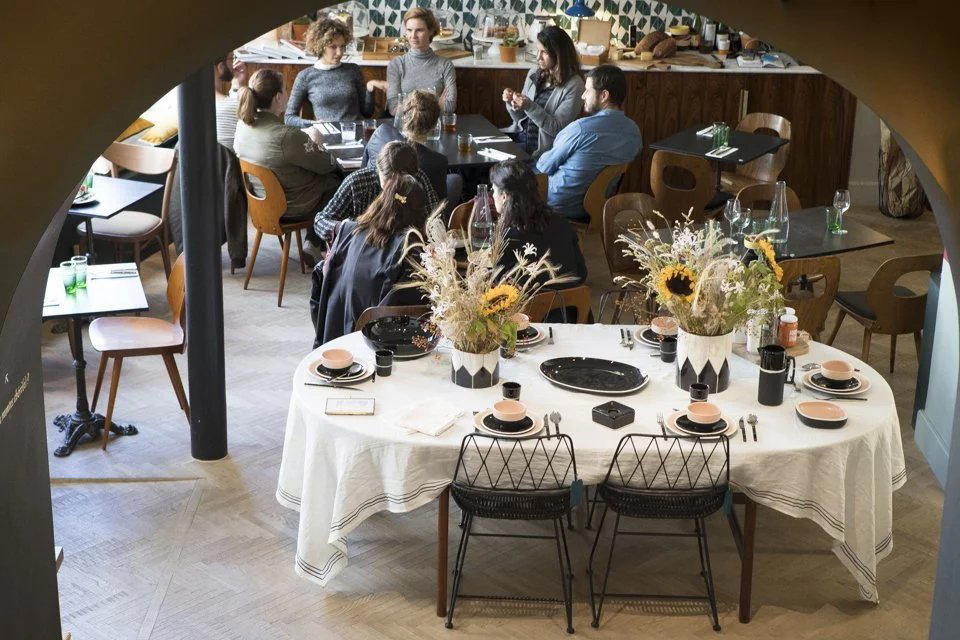
A Square That Sets the Tone
Place des Petits Pères is not a square most visitors find by accident. Tucked into the 2nd arrondissement a short walk from the Palais Royal gardens, it sits at the edge of a neighbourhood defined by the 19th-century covered passages, the Bourse de Commerce, and a cluster of small streets that have quietly attracted serious restaurants over the past decade. The square itself is anchored by the Basilique Notre-Dame-des-Victoires, whose stone façade gives the surrounding buildings a particular kind of stillness that the busier boulevards nearby cannot replicate. LaLa Cuisine operates at 6 Place des Petits Pères, and the address alone positions it inside one of Paris's more considered dining environments.
In a city where restaurant real estate increasingly defaults to the well-worn circuits of Saint-Germain or the Marais, the 2nd arrondissement's quieter pockets represent a deliberate counter-programming. Diners who end up here tend to have sought the place out, which shapes the atmosphere before anyone sits down. The surrounding streets house wine bars, independent bookshops, and the kind of neighbourhood commerce that marks a district still oriented around residents rather than tourists. That context matters when thinking about how a restaurant positions itself spatially and socially within Paris's broader dining geography.
The Physical Container and What It Signals
Paris's dining rooms carry their own architectural grammar. The brasseries of Montparnasse speak in tile and banquette; the grandes tables of the 8th arrondissement — venues like Le Cinq at the Four Seasons Hôtel George V or Alléno Paris au Pavillon Ledoyen — operate inside rooms where Haussmann-era grandeur is the structural argument. A restaurant on Place des Petits Pères enters a different register: smaller scale, older stone, the kind of proportions that favour intimacy over spectacle.
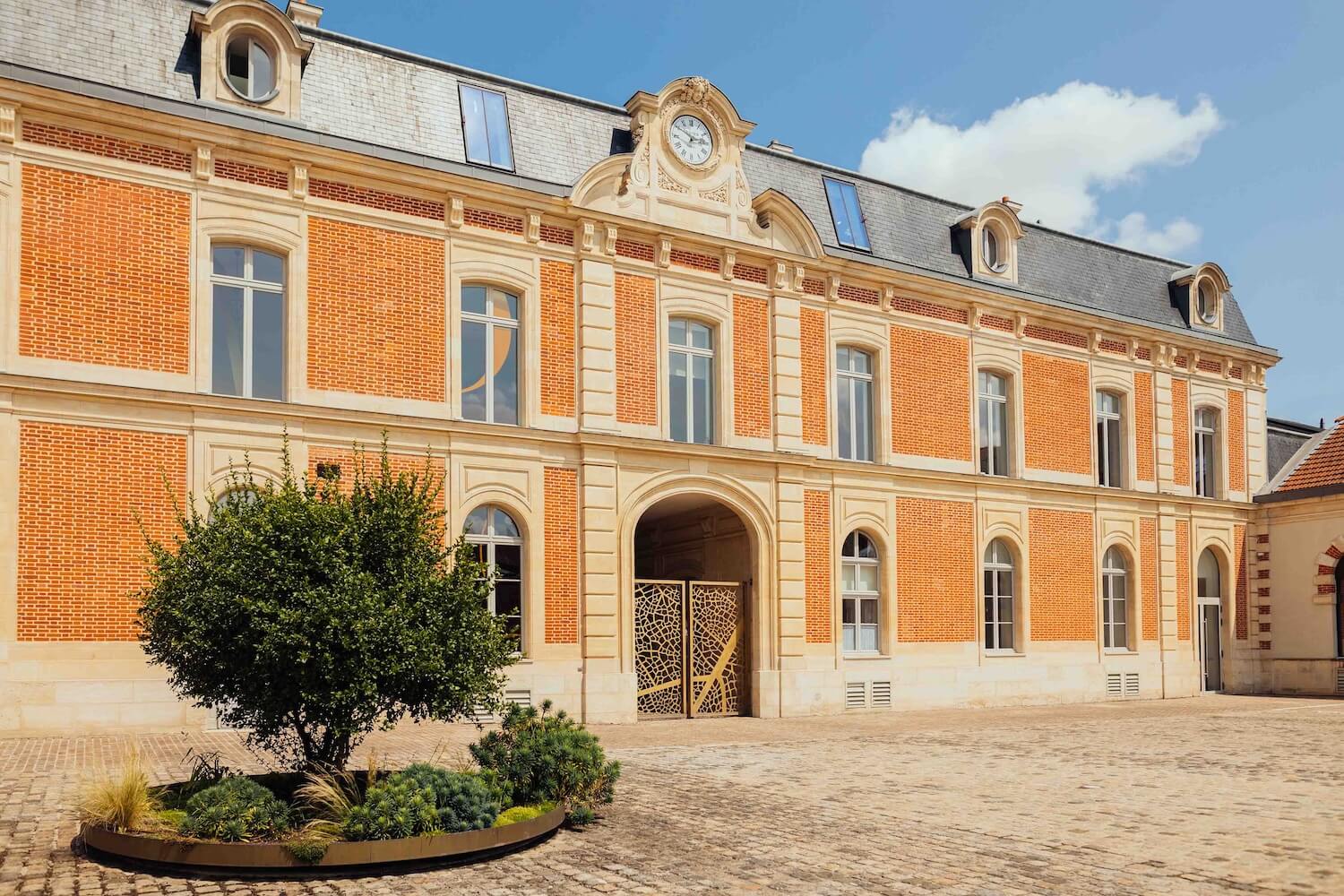
How a dining room uses that inherited architecture reveals something about its intentions. Counter formats, open kitchens, and stripped-back interiors have become the preferred vocabulary for Paris restaurants signalling culinary seriousness over theatrical service. The neighbourhood's scale naturally limits the kind of grand-salon setup that defines the city's trophy dining rooms, which tends to push spaces like this toward formats where the cooking itself carries the room. What LaLa Cuisine has done with the specific physical space at number 6 is worth confirming directly, but the building's period setting and the square's quiet character make a strong case for a room that works with its environment rather than against it.
The comparison with Paris's more architecturally ambitious dining addresses is useful here. L'Ambroisie on Place des Vosges has long understood that its setting does part of the work; the Marais townhouse and the square outside form a single aesthetic argument. Restaurants in the 2nd arrondissement's quieter corners operate on a similar logic, where the building and its immediate surroundings are part of the proposition, not just incidental to it.
Placing LaLa Cuisine in the Paris Dining Context
Paris's restaurant offering in the mid-range and upper-casual tier has changed considerably since 2015. The neo-bistro wave that reshaped the 11th arrondissement eventually pushed outward, and areas of the 2nd, 3rd, and 9th have absorbed a number of restaurants that combine serious cooking credentials with less formal service formats. This is the tier where Kei, which brought a Franco-Japanese approach to the 1st arrondissement, and comparable operations have demonstrated that Paris diners in the 2nd arrondissement cluster will support technically ambitious cooking outside the white-tablecloth conventions of the grandes tables.
France's broader culinary geography provides useful reference points for understanding where ambitious Paris restaurants sit relative to the country's anchored institutions. Operations like Troisgros in Ouches, Bras in Laguiole, and Auberge de l'Ill in Illhaeusern have held generational authority in their regions, while Paris tends to absorb more experimental and internationally inflected cooking. The city's 2nd arrondissement, with its proximity to finance and publishing, has historically supported restaurants with a certain editorial intelligence in their programming, conscious of a clientele that travels and compares.
For visitors mapping the capital's contemporary scene, the full picture is covered in our Paris restaurants guide, which places LaLa Cuisine alongside the wider range of the city's current addresses.
France Beyond Paris: A Broader Reference Set
Understanding any Paris restaurant's position benefits from knowing what the rest of France's serious dining looks like. Mirazur in Menton, Flocons de Sel in Megève, AM par Alexandre Mazzia in Marseille, Assiette Champenoise in Reims, Au Crocodile in Strasbourg, Auberge du Vieux Puits in Fontjoncouse, and the institutional weight of Paul Bocuse's Auberge du Pont de Collonges all represent the depth of the national table. Paris restaurants, even those without the generational histories of regional houses, operate in dialogue with that tradition. International comparisons also shape how Parisian cooking is evaluated; the technical standards set by operations like Le Bernardin in New York or Atomix establish a broader frame for what serious contemporary cooking can achieve at the table.
Similarly, Arpège, operating a few arrondissements away, demonstrates how a Paris restaurant can build a distinct identity that references the national tradition without being bound by it. The 2nd arrondissement's quieter restaurants have the opportunity to develop that kind of coherence over time, aided by a location that filters for intentional rather than incidental visitors.
Know Before You Go
Address: 6 Place des Petits Pères, 75002 Paris, France
Nearest Metro: Bourse (line 3) or Palais Royal – Musée du Louvre (lines 1, 7); both are within a 5-10 minute walk
Pricing: Not confirmed; verify before booking
Dress code: Not specified; the square's character suggests smart casual as a reasonable baseline
Leading timing: Midweek lunches tend to be quieter in this part of the 2nd arrondissement; weekends draw more foot traffic to the square
How LaLa Cuisine Paris compares with similar nearby venues.
| Venue | Cuisine | Price |
|---|---|---|
| Liza | Lebanese | €€ |
| Chez Georges | Bistro | Not listed |
| La Bourse et la Vie | Traditional Cuisine | €€ |
Continue exploring
More in Paris
Restaurants in Paris
Browse all →
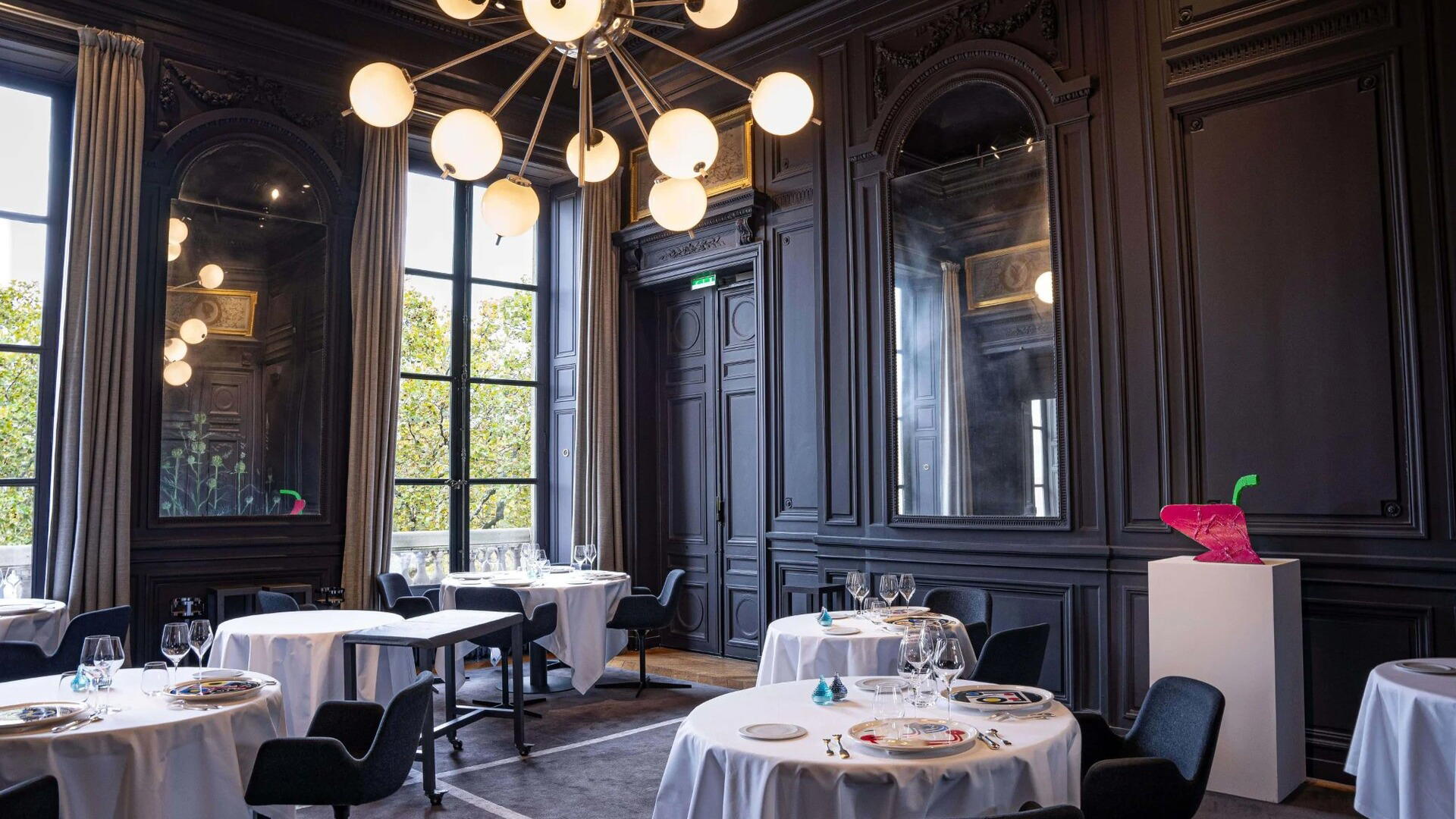
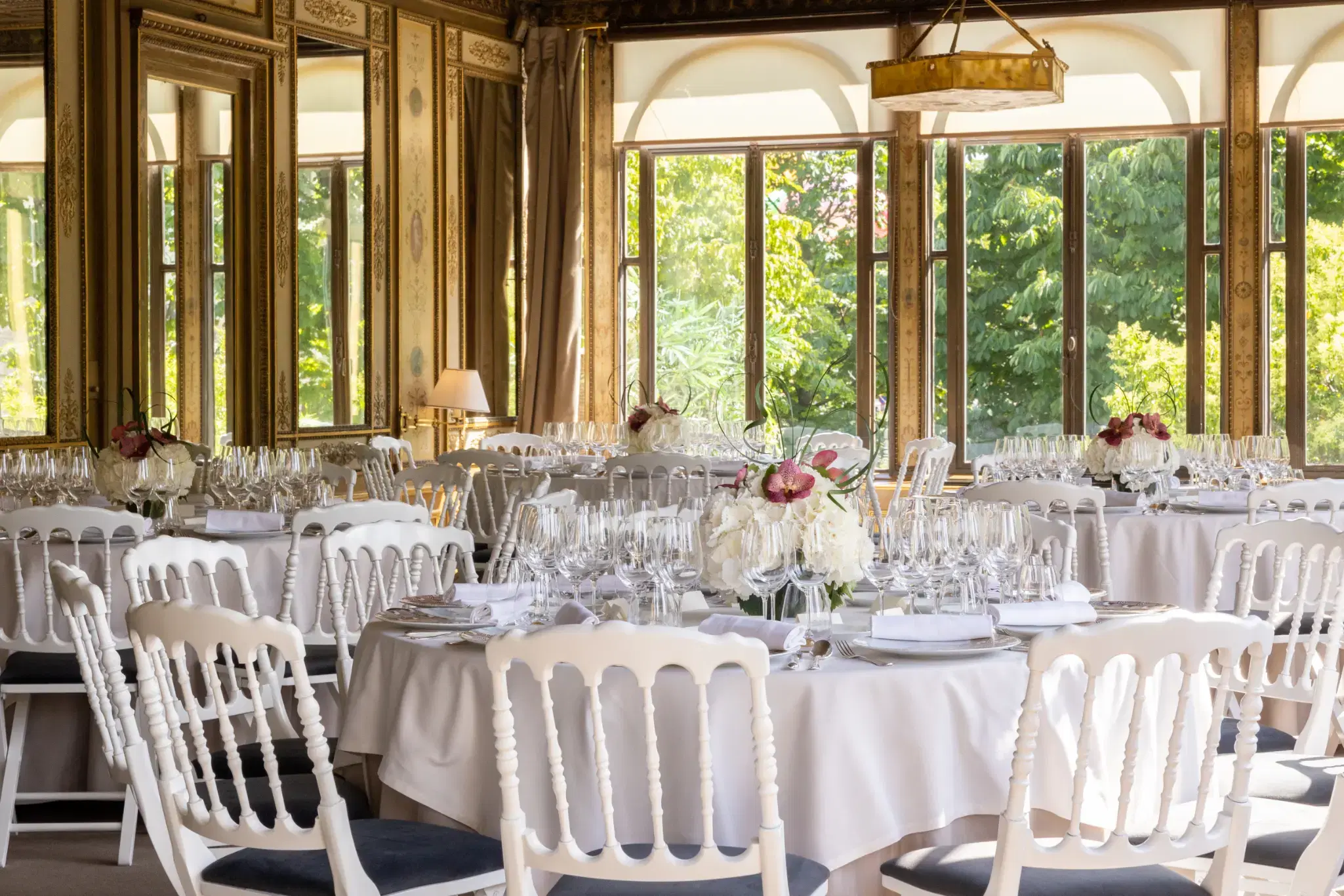
Bars in Paris
Browse all →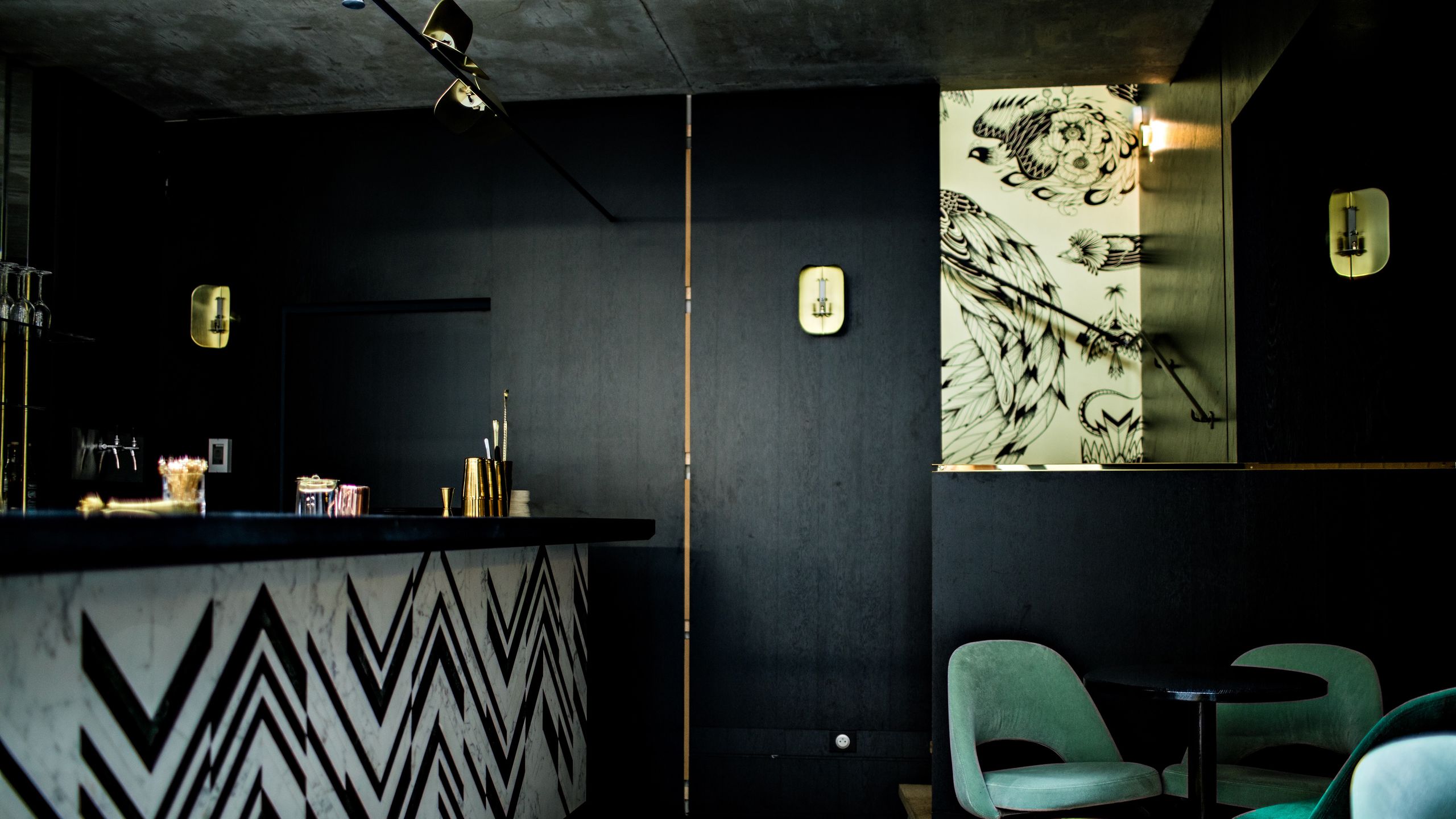
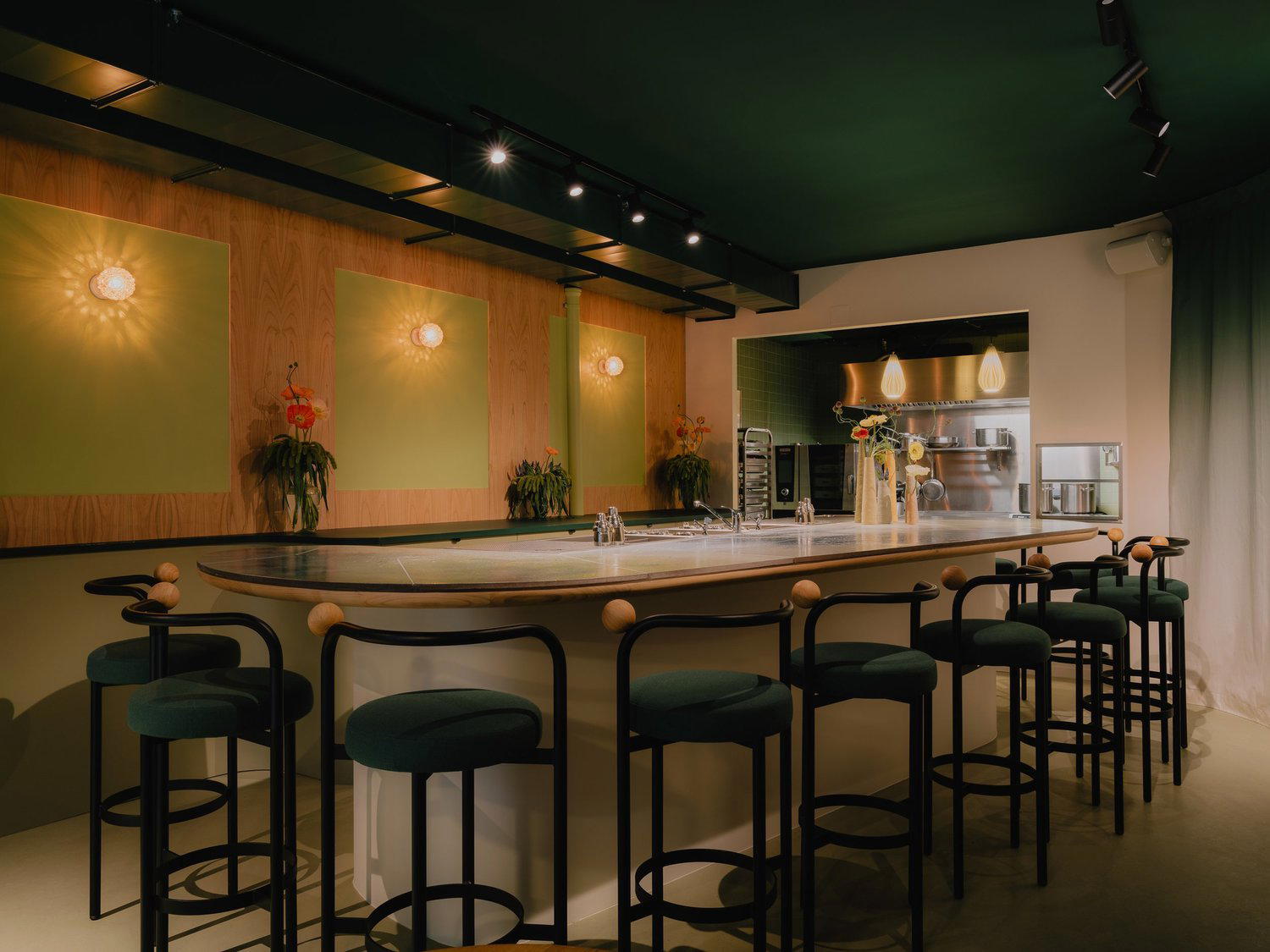
Hotels in Paris
Browse all →



At a Glance
- Elegant
- Cozy
- Sophisticated
- Date Night
- Brunch
- Terrace
- Street Scene
Current opening hours
- Monday
- 8 AM–5:30 PM
- Tuesday
- 8 AM–5:30 PM
- Wednesday
- 8 AM–5:30 PM
- Thursday
- 8 AM–5:30 PM
- Friday
- 8 AM–5:30 PM
- Saturday
- 10 AM–6 PM
- Sunday
- Closed
Hours can change for holidays and private events. Last verified .
Warm and welcoming atmosphere with stylish, beautifully curated decor reminiscent of an elegant apartment.