On the Rue du Faubourg Saint-Denis, one of Paris's most culturally layered streets in the 10th arrondissement, Restaurant 52 operates in a neighbourhood where the city's appetite for honest, conscientious cooking has quietly taken root. The address sits within a dining corridor that has moved away from formal grandeur toward cooking defined by provenance, restraint, and ethical sourcing, a pattern worth understanding before you book.
Pearl is the En Primeur Club membership app — saves, bookings, and concierge access live there. Same editors, same standards.
- Address
- 52 Rue du Faubourg Saint-Denis, 75010 Paris, France
- Phone
- +33148009588
- Website
- faubourgstdenis.com
- Directions
- Get directions
 Saves & bookings on Pearl
The 10th Arrondissement and the Shift Toward Conscious Cooking
Restaurant 52 is a casual restaurant in Paris's 10th arrondissement, serving modern French bistro cooking with Asian flavors at about $35 per person. Paris's fine dining conversation has long been anchored in the 8th arrondissement, where addresses like Alléno Paris au Pavillon Ledoyen and Le Cinq at the Four Seasons Hôtel George V operate at the formal, high-ceremony end of French gastronomy. But the city's most interesting recent movement has happened further east, in neighbourhoods like the 10th, where the Rue du Faubourg Saint-Denis has become a street that rewards close attention. The thoroughfare connects the Gare du Nord transport hub to the République axis, and in doing so passes through among the more culturally mixed commercial strips in the capital, a corridor where butchers, fishmongers, and produce merchants have traded for generations. That infrastructure of proximity to raw supply is not incidental. It is the context in which a kitchen focused on minimal-waste, ethical-sourcing principles makes most sense.
Across France, the restaurants that have made the clearest argument for sustainable practice tend to be those with geographic access to the supply chain. Mirazur in Menton works from its own coastal garden. Bras in Laguiole has built its identity around the Aubrac plateau's wild flora. Flocons de Sel in Megève draws from Alpine producers within a tight radius. In Paris, that argument is harder to make at volume, but the 10th's street-level market culture gives certain addresses a meaningful head start. Restaurant 52, at the numbered heart of this street, sits inside that context.
A Street With Precedent
The Rue du Faubourg Saint-Denis has served Parisian tables in some form since the eighteenth century, when the route functioned as a provisioning corridor for the city's northern faubourgs. The density of food trade along its length is not a recent gentrification layer, it is structural, built into the street's commercial logic over two centuries. That history matters because it shapes what is available to a kitchen operating at this address: the proximity to specialist suppliers, wholesale markets, and the kind of daily-arrival produce that makes a waste-reduction model operationally viable rather than aspirational.
In recent years, the 10th has attracted a cluster of independently operated restaurants that share a sensibility around sourcing transparency and seasonal discipline. This is not the neighbourhood of L'Ambroisie's Place des Vosges formality or the fusion-forward precision of Kei in the 1st. The register here is more direct: shorter menus, closer supplier relationships, and a kitchen ethic that treats leftover trim as a design constraint rather than an inconvenience.
What the Sustainability Frame Actually Means in Practice
The serious version of it, as practiced by kitchens like Troisgros in Ouches or Auberge de l'Ill in Illhaeusern, involves a structural commitment: menus that change with what arrives rather than what was pre-ordered, whole-animal and whole-vegetable cooking that makes trim into dishes rather than bin material, and supplier relationships built on volume commitment and fair pricing rather than spot purchasing. These are operational choices that constrain the menu in ways that can be felt at the table, fewer luxury centrepieces, more intelligent secondary cuts, stronger vegetable work.
The broader French restaurant field has moved in this direction with increasing conviction since the mid-2010s, driven partly by generational change in the kitchen and partly by the emergence of a dining public that reads sourcing notes with the same attention once reserved for wine lists. Addresses in the provinces have led this shift, Auberge du Vieux Puits in Fontjoncouse and AM par Alexandre Mazzia in Marseille both represent regional cooking that has articulated a clear ethical grammar, but Paris has caught up. The 10th is one of the arrondissements where that catch-up is most visible at street level.
Situating Restaurant 52 in Its comparable set
What the address itself signals is worth noting, however. The Rue du Faubourg Saint-Denis does not carry the institutional weight of the Triangle d'Or, nor does it attract the Michelin-circuit tourism of the 6th or 7th. Restaurants that succeed here tend to do so on the strength of a loyal local base and genuine word of mouth, a more demanding test of quality than a location premium can provide.
For comparison, the Michelin-recognised addresses that operate at the formal end of Paris's sustainability conversation, including the three-star tier represented by Arpège, which built its reputation on vegetable-forward cooking long before that was fashionable, occupy a different price tier and a different cultural register. The restaurant, in the 10th, is likely positioned for a different dining moment: less ceremonial, more neighbourhood-rooted, and oriented toward the kind of repeat custom that builds on trust in the kitchen's sourcing decisions rather than the occasion-dining logic of a starred address. Internationally, the ethical-sourcing conversation reaches across markets: addresses like Le Bernardin in New York and Atomix demonstrate that conscientious sourcing and serious technique are not in tension, a proof of concept that has filtered back into the Paris conversation.
Planning Your Visit
The restaurant sits at 52 Rue du Faubourg Saint-Denis in the 10th arrondissement, within easy reach of the Strasbourg-Saint-Denis and Bonne Nouvelle Métro stations. The street is pedestrian-accessible and well-served by public transport from both the Gare du Nord and the Gare de l'Est, making it a practical stop for visitors arriving by Eurostar or TGV. The restaurant is walk-in friendly and is open Mon to Fri from 8 AM to 12 AM and Sat and Sun from 9 AM to 12 AM. The 10th's dining scene rewards visiting on weekday evenings when the neighbourhood dynamic is local rather than tourist-driven.
Those building a longer France itinerary around conscientious kitchens might also consider the regional contrast offered by Paul Bocuse's Auberge du Pont de Collonges near Lyon or Assiette Champenoise in Reims and Au Crocodile in Strasbourg, addresses that trace a different lineage of French kitchen discipline, and whose distance from the Paris centre sharpens what is specific and intentional about choosing to eat in the 10th.
Nearby-ish Comparables
Comparable venues nearby, for context on price, style, and recognition.
| Venue | Cuisine | Price | Notes |
|---|---|---|---|
| Restaurant 52This venue — the venue you are viewing | Modern French Bistro with Asian Flavors | $$ | Not listed |
| Chez Minnà | Corsican Bistro | $$ | 10th Arr. - Entrepôt |
| La Piscine | French Bistro | $$ | 18th Arrondissement - Butte-Montmartre |
| Les Éditeurs | Classic French Brasserie | $$ | 6th Arrondissement - Luxembourg - Saint Germain des Prés |
| Brasserie Martin | Traditional French Brasserie with Rotisserie | $$ | 11th arrondissement |
| Café de la Nouvelle Mairie | Traditional French Bistro | $$ | Latin Quarter |
Continue exploring
More in Paris
Restaurants in Paris
Browse all →
Bars in Paris
Browse all →
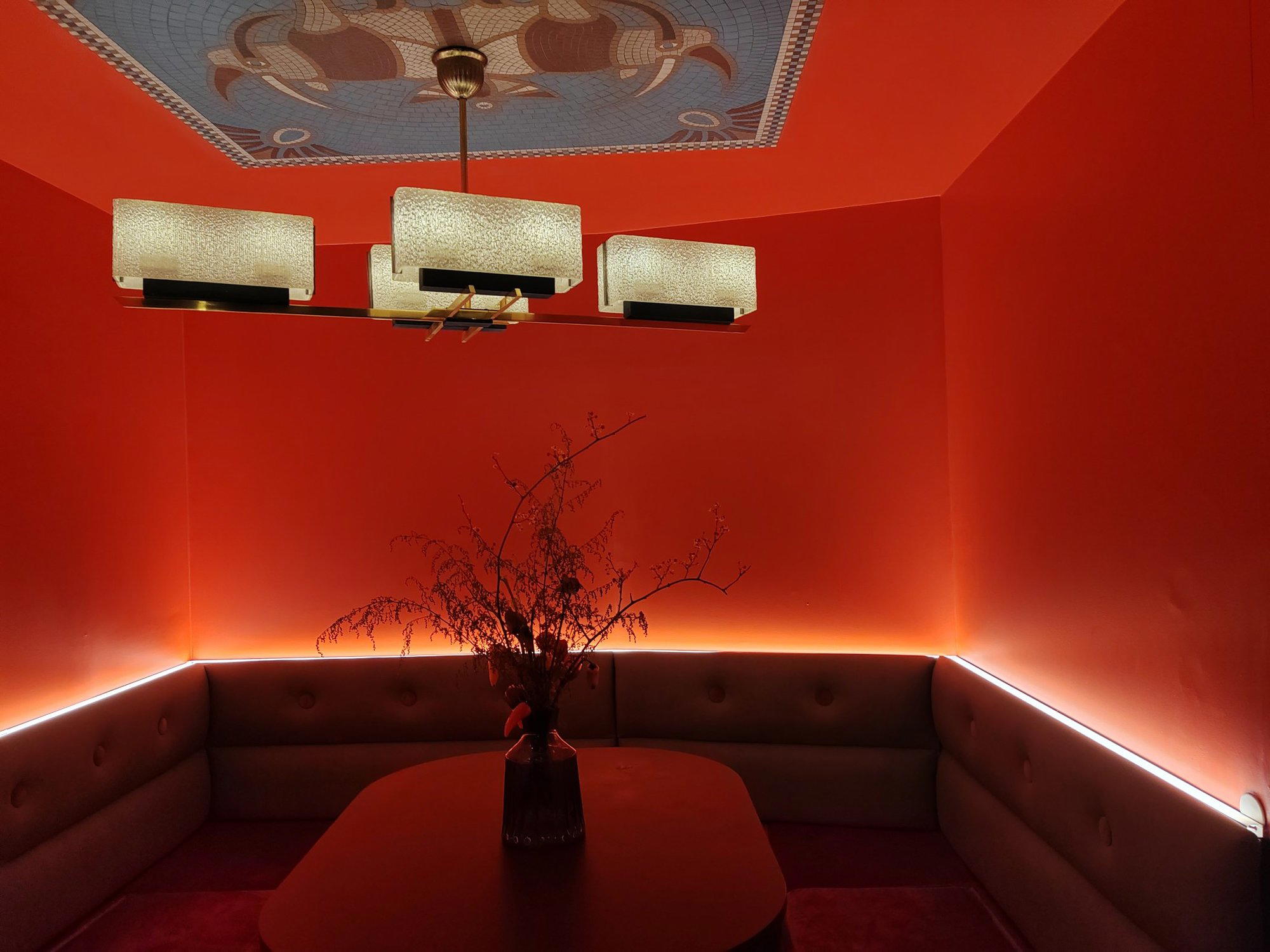
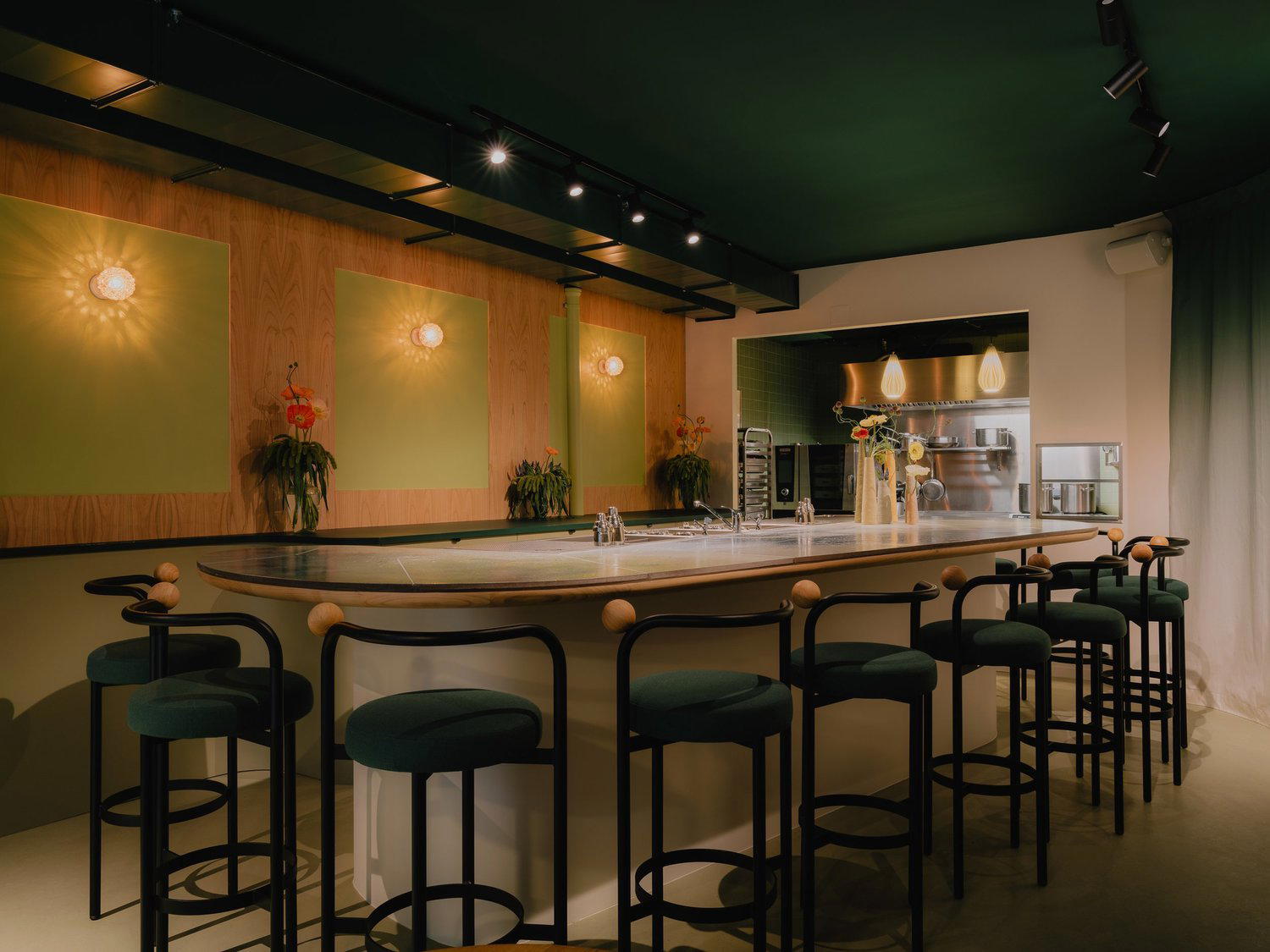
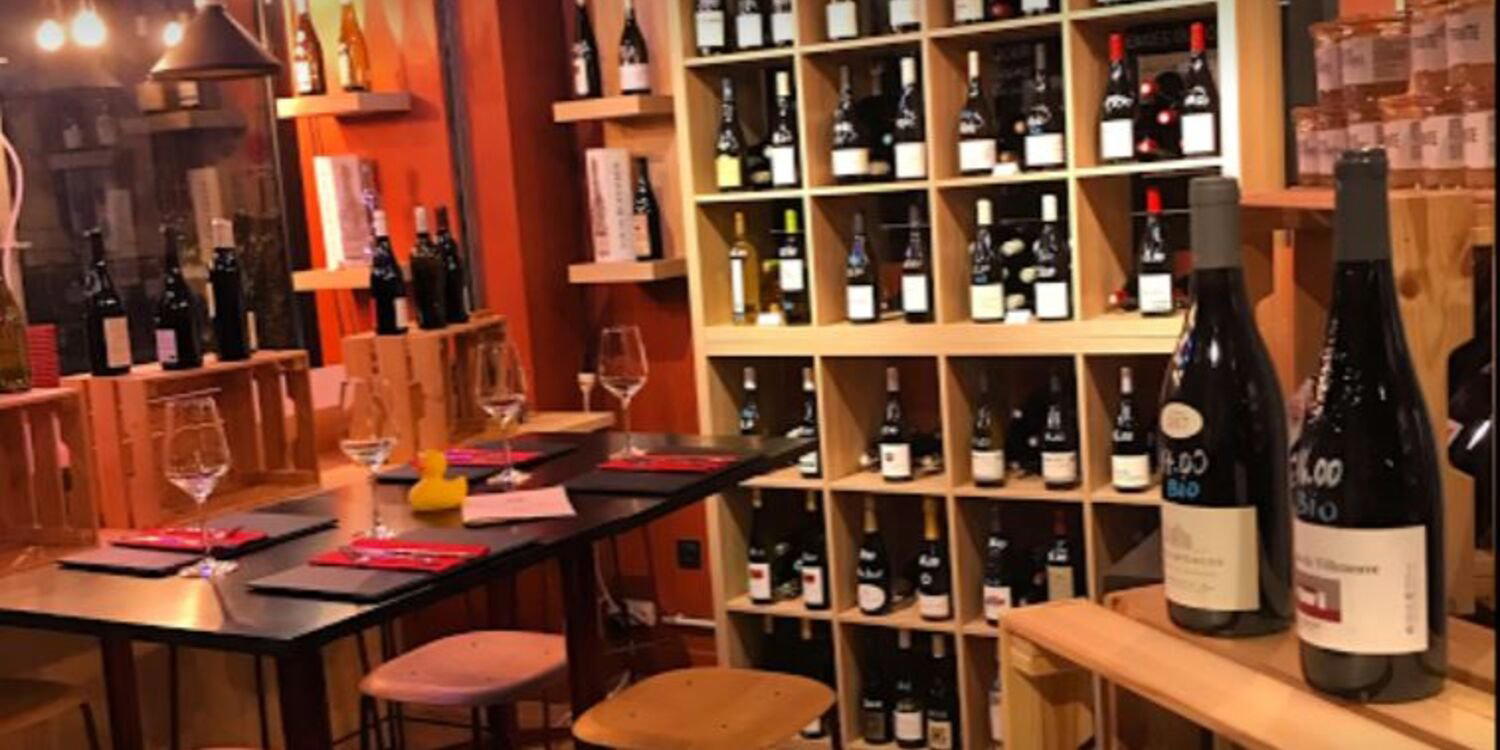
Hotels in Paris
Browse all →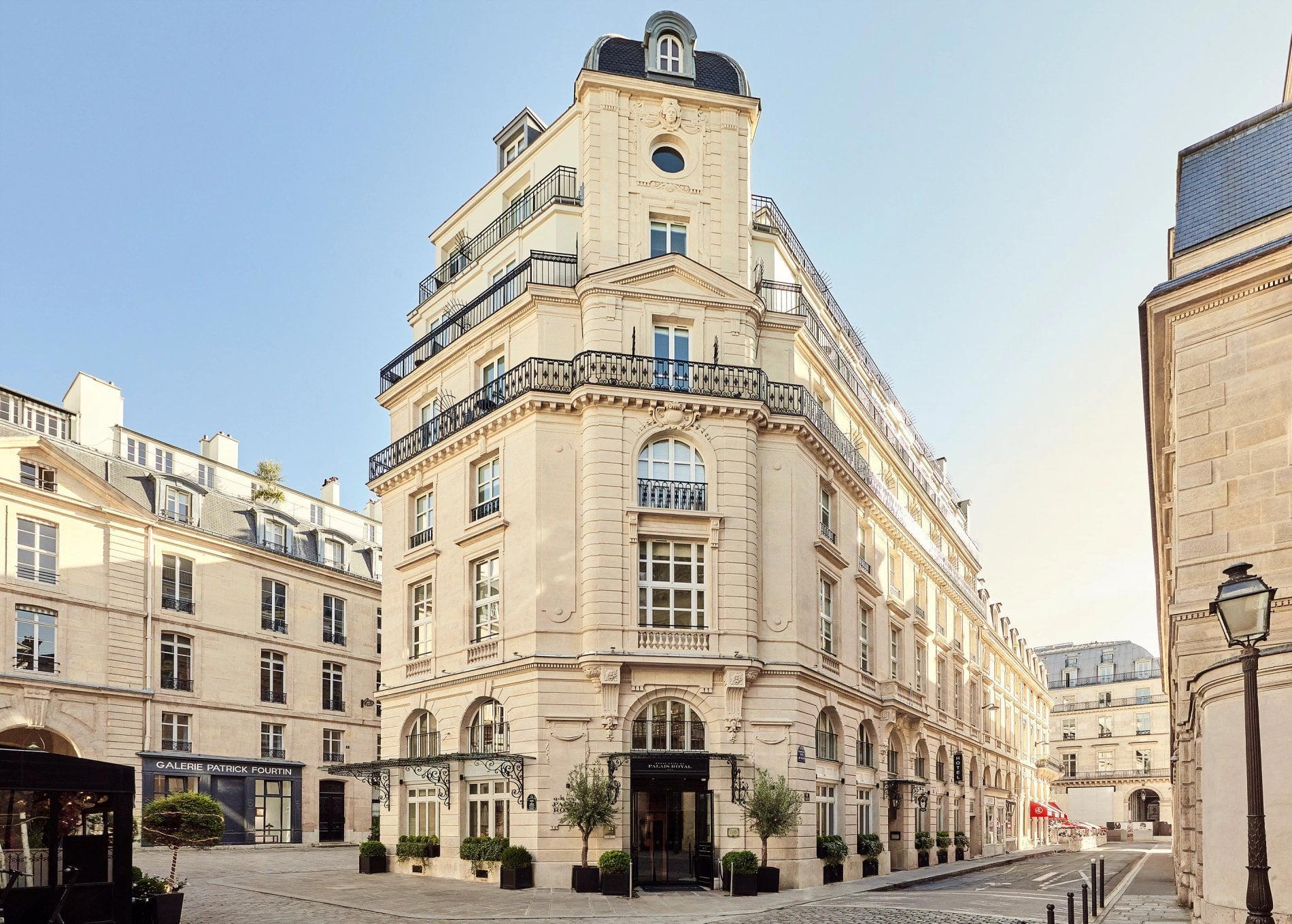
Wineries in Paris
Browse all →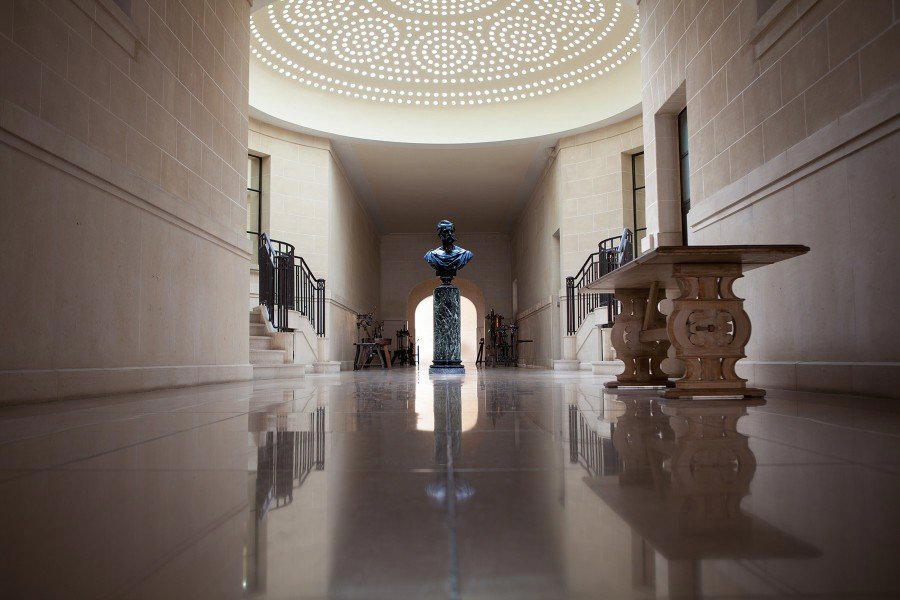
At a Glance
- Modern
- Cozy
- Trendy
- Casual Hangout
- Date Night
- Open Kitchen
- Terrace
Current opening hours
- Monday
- 8 AM–12 AM
- Tuesday
- 8 AM–12 AM
- Wednesday
- 8 AM–12 AM
- Thursday
- 8 AM–12 AM
- Friday
- 8 AM–12 AM
- Saturday
- 9 AM–12 AM
- Sunday
- 9 AM–12 AM
Hours can change for holidays and private events. Last verified .
Décontractée and chaleureuse atmosphere in a doux brutalisme space with exposed stone and bare concrete.