Our verdict
Dum Pukht at ITC Maratha brings one of India's most storied slow-cooking traditions to Mumbai's Andheri East, where the Mughal technique of sealed-vessel cooking — dum — remains the organising principle of the entire menu. The room operates at a register that rewards repeat visits: formal enough for occasions, specific enough in its cuisine to hold the attention of those who already know the tradition well.

Pearl is the En Primeur Club membership app — saves, bookings, and concierge access live there. Same editors, same standards.
- Address
- Itc Maratha, Shankar Mandal Road, Ashok Nagar, Andheri East, Mumbai, Maharashtra 400099, India
- Phone
- +912228303030
- Hours
- Daily 12–3 PM, 7–11:30 PM
- Website
- itchotels.com
- Directions
- Get directions
The menu
What to order
- Galouti Kebab
- Kakori Kebab
- Biryani
- Lagan Ki Raan
The Weight of the Sealed Pot
There is a particular kind of restaurant that exists primarily for people who already know what they want before they arrive. The dining room at Dum Pukht, inside ITC Maratha on Shankar Mandal Road in Andheri East, belongs to that category. The ITC hotel format across India has long positioned its signature restaurants as flagships for specific regional cooking traditions, and Dum Pukht is the vehicle for Awadhi cuisine — the courtly cooking tradition of Lucknow that reached its technical peak under Nawabi patronage in the eighteenth and nineteenth centuries. That heritage is not decorative here. It is structural.
Awadhi cuisine's central technique, dum pukht — slow-cooking in sealed vessels where food cooks in its own moisture and aromatics, is among the more demanding formats in South Asian cooking. The sealed lid, historically fixed with dough, traps steam and forces every ingredient to exchange flavour in an enclosed environment over several hours. The result, when executed properly, is a quality of tenderness and depth that faster-cooked dishes cannot replicate. Regulars at this restaurant understand that distinction, which is part of why repeat visits tend to follow a predictable pattern: a return to dishes that reward attention over several courses rather than immediate impact on the first bite.
What Keeps the Regulars Returning
Restaurants built around a single dominant technique tend to develop a loyal clientele that self-selects for patience and specificity. Dum Pukht's position within ITC Maratha places it in the upper tier of hotel dining in Mumbai, a category that includes Ziya at The Oberoi and the broader set of ITC's own flagship restaurants across the country. Within that peer group, the Awadhi focus is a narrowing that works in its favour: a restaurant that does fewer things with greater depth tends to generate stronger repeat behaviour than one that attempts comprehensiveness.
The regulars' relationship with this kind of kitchen is typically built around two things: the biryani and the slow-cooked meat preparations. Awadhi biryani, distinct from the Hyderabadi style in its technique and spice calibration, uses the dum method to cook meat and rice together in the sealed vessel, producing a result where the aromatics from the meat permeate the rice without the rice becoming heavy. It is a technical achievement that varies significantly with execution quality, and experienced diners at this restaurant return specifically because consistency in that execution is what holds the relationship. For those who want to compare Hyderabadi cooking traditions in a similarly serious context, Adaa at Falaknuma Palace in Hyderabad offers a useful counterpoint within the palace-hotel dining format.
Beyond biryani, the korma preparations and slow-braised meat dishes in the Awadhi canon demand a certain kind of diner commitment. These are not dishes that announce themselves loudly. The flavour architecture is built on restraint, cardamom, saffron, slow-rendered fat, rather than on the assertive chilli heat that dominates many other regional Indian traditions. First-time visitors occasionally find this underwhelming. The regulars are the ones who have learned to read that restraint as a different kind of skill.
Mumbai's Wider Indian Restaurant Register
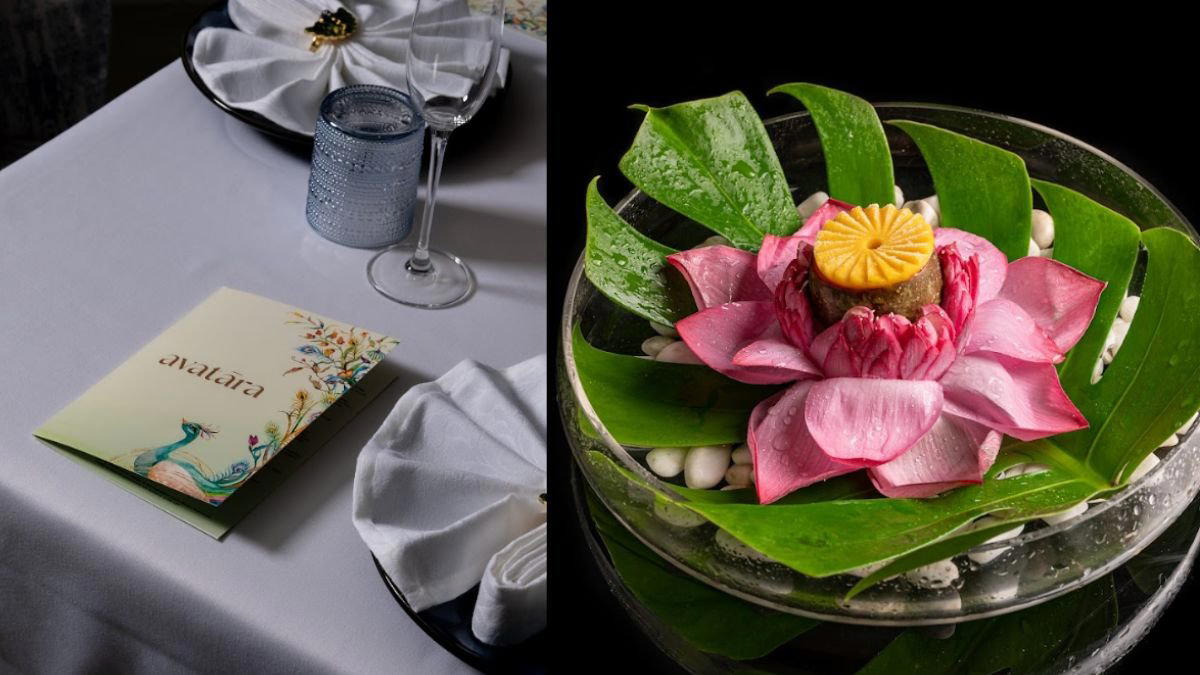
Mumbai's serious Indian restaurant scene has changed considerably in the past decade. Venues like Masque and The Bombay Canteen have pushed contemporary interpretations of Indian ingredients and techniques into the conversation, while Americano and The Table address the city's appetite for Indian-inflected contemporary formats. Avatara represents another direction entirely, with a tasting menu format applied to vegetarian Indian cooking.
Dum Pukht operates in none of those registers. It belongs to an older model: a hotel restaurant that positions itself as the serious custodian of a specific regional tradition, with the formality and service weight that implies. The comparison set is less the contemporary Indian restaurants of Bandra and Colaba, and more the other grand-hotel Indian dining rooms: Dum Pukht's own sibling location at ITC Maurya in Delhi, Masala Library, or the Awadhi specialists found in Lucknow itself. For those tracking serious regional Indian cooking across the country, Kappa Chakka Kandhari in Chennai offers a similarly orthodox approach to Kerala's cooking traditions, and Neel in Patiala does comparable work for Punjabi heritage cooking.
The wider India context is worth holding. Fine-dining Indian restaurants in other cities have developed distinct identities: Farmlore in Bangalore works with hyper-local sourcing and tasting-menu structure, Inja in New Delhi applies modern technique to Indian flavours, and Naar in Kasauli grounds itself in Himalayan produce. Dum Pukht makes none of those moves. It holds its ground in classical Awadhi territory, which is a choice that limits its audience and deepens its relationship with those inside it.
Visitors with an interest in regional Indian cooking beyond the Mughal north might also find value in contrasting experiences: Leela Kerala Terrace in Trivandrum, Bomras in Anjuna for Burmese-Goan crossovers, or Dining Tent in Jaisalmer for Rajasthani desert cooking. Palaash in Yavatmal is a further reference point for Maharashtra's own regional cooking traditions. For a broader picture of where Mumbai's serious restaurants sit relative to each other, the full Mumbai restaurants guide maps the current scene across cuisines and price points.
Planning a Visit
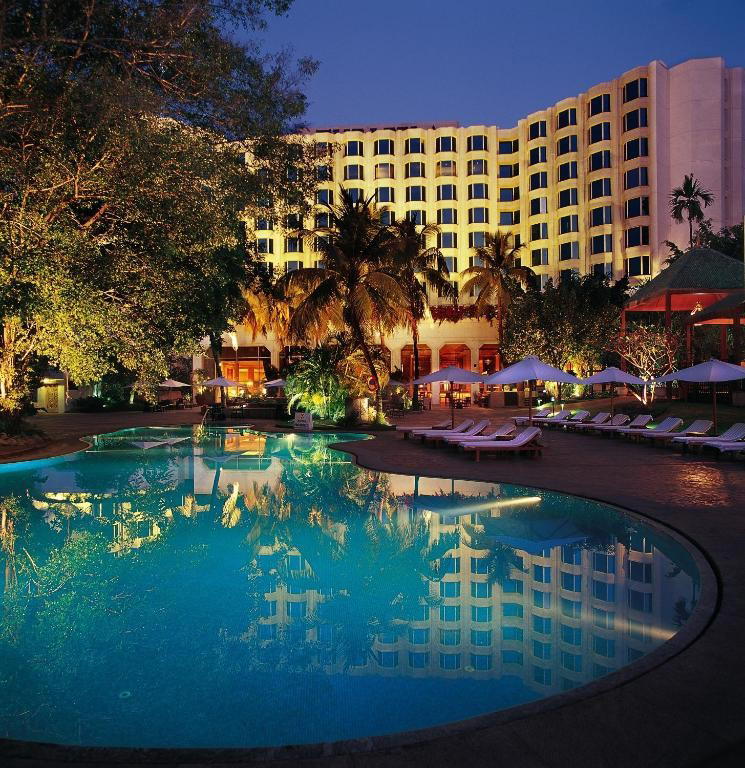
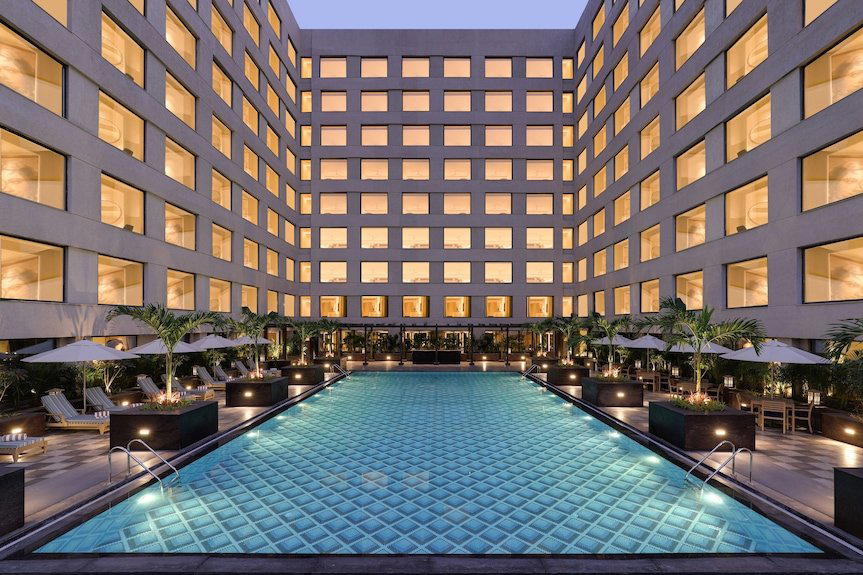
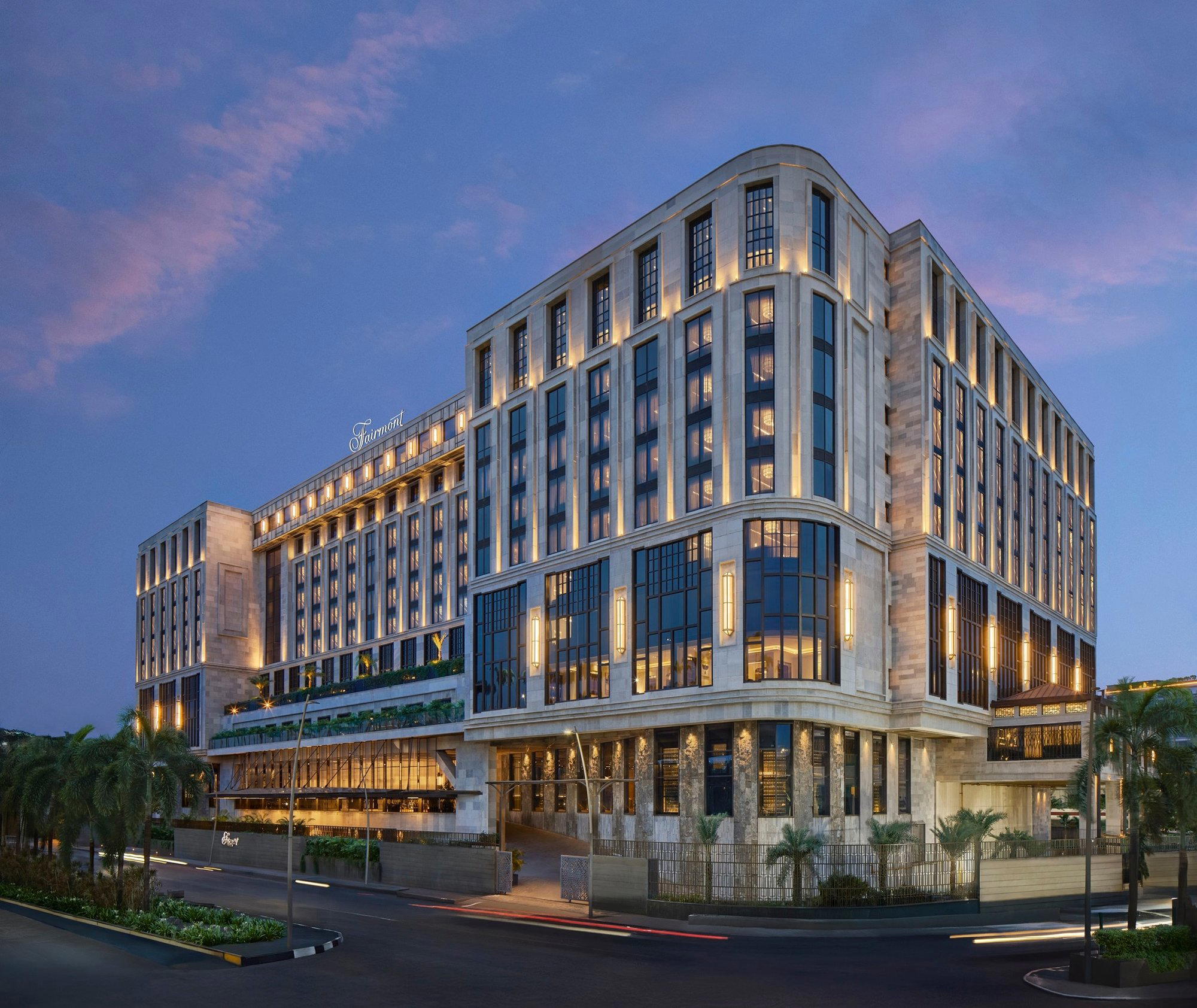
Dum Pukht sits within the ITC Maratha hotel in Andheri East, which places it closer to the international airport than to the city's central dining districts in Bandra or Colaba, a detail worth factoring in if you are travelling between neighbourhoods for dinner. The hotel-restaurant format means the booking process runs through ITC Maratha's reservations system, and given the restaurant's position as the property's flagship dining room, reservations on weekends and during the winter season (October through February, when Mumbai's humidity drops and hotel dining peaks) are worth securing ahead of time. The dress code follows the register of the room: smart and occasion-appropriate, consistent with what the hotel-dining tier across Mumbai expects.
Diners who want international reference points for comparison might consider that the classical technique tradition at Dum Pukht has more in common with the precision-driven restraint of places like Le Bernardin in New York City, where technique is the whole point, than with any flashier contemporary format. The slow-cooking philosophy, if not the cuisine, also shares something with the hearth-focused ethos of Lazy Bear in San Francisco: both restaurants ask the diner to pay attention to what patience produces.
Frequently asked questions
What's Dum Pukht's location?
Dum Pukht is located at Itc Maratha, Shankar Mandal Road, Ashok Nagar, Andheri East, Mumbai, Maharashtra 400099, India, Mumbai.
How does Dum Pukht's cooking style differ from other Indian restaurants in Mumbai?
Where contemporaries like Masque and The Bombay Canteen have moved toward regional Indian produce and modern technique, Dum Pukht holds to classical Awadhi and Mughlai traditions centred on the dum method — slow-cooking under a sealed lid to trap steam and concentrate spice. That specialisation puts it in a distinct category from Mumbai's broader Indian restaurant scene. It is one of the few hotel dining rooms in the city where the kitchen's identity is defined by a single historical technique rather than a broad regional menu.
What should I order at Dum Pukht?
Dum Pukht is built around the dum technique — dishes slow-cooked in sealed pots, which concentrates aromatics and produces intensely layered results. Biryani and slow-braised meat preparations are the logical centrepiece of any meal here, as they showcase the method at its most direct. The Andheri East location within ITC Maratha means this is a kitchen with hotel-grade sourcing and consistency, so portions tend to be generous.
What's the best way to book Dum Pukht?
Dum Pukht operates within the ITC Maratha hotel on Shankar Mandal Road in Andheri East, so reservations can be made through the hotel's central reservations line or front desk. Hotel dining rooms of this scale typically accept bookings several days in advance rather than weeks, though weekend evenings at a property near Mumbai's international airport attract a steady corporate and transit crowd, so calling ahead is advisable.
Cuisine and Awards Snapshot
Comparable venues nearby, for context on price, style, and recognition.
| Venue | Cuisine | Price | Awards | Notes |
|---|---|---|---|---|
| Dum PukhtThis venue — the venue you are viewing | Awadhi Fine Dining | Not listed | Not listed | Not listed |
| Dakshin | Authentic South Indian Fine Dining | $30–50 | Not listed | Sahar |
| Khyber | North-West Frontier/Mughlai | $20–30 | Not listed | Fort Mumbai |
| Avatara | Modern Indian Vegetarian Fine Dining | Not listed | We're Smart World 4 Radishes | Bandra G |
| Avatara Mumbai | Modern Indian Vegetarian Fine Dining | Not listed | Not listed | Santacruz West |
| By The Mekong | Pan-Asian Fine Dining: Chinese, Thai & Vietnamese | $50–100 | Not listed | Lower Parel |
Details
- Elegant
- Sophisticated
- Ornate
- Classic
- Special Occasion
- Business Dinner
- Celebration
- Hotel Restaurant
- A La Carte
- Family Style
- Vegetarian Friendly
- Vegan Options
- Gluten Free Options
- Halal
Current opening hours
- Monday
- 12–3 PM, 7–11:30 PM
- Tuesday
- 12–3 PM, 7–11:30 PM
- Wednesday
- 12–3 PM, 7–11:30 PM
- Thursday
- 12–3 PM, 7–11:30 PM
- Friday
- 12–3 PM, 7–11:30 PM
- Saturday
- 12–3 PM, 7–11:30 PM
- Sunday
- 12–3 PM, 7–11:30 PM
Hours can change for holidays and private events. Last verified .
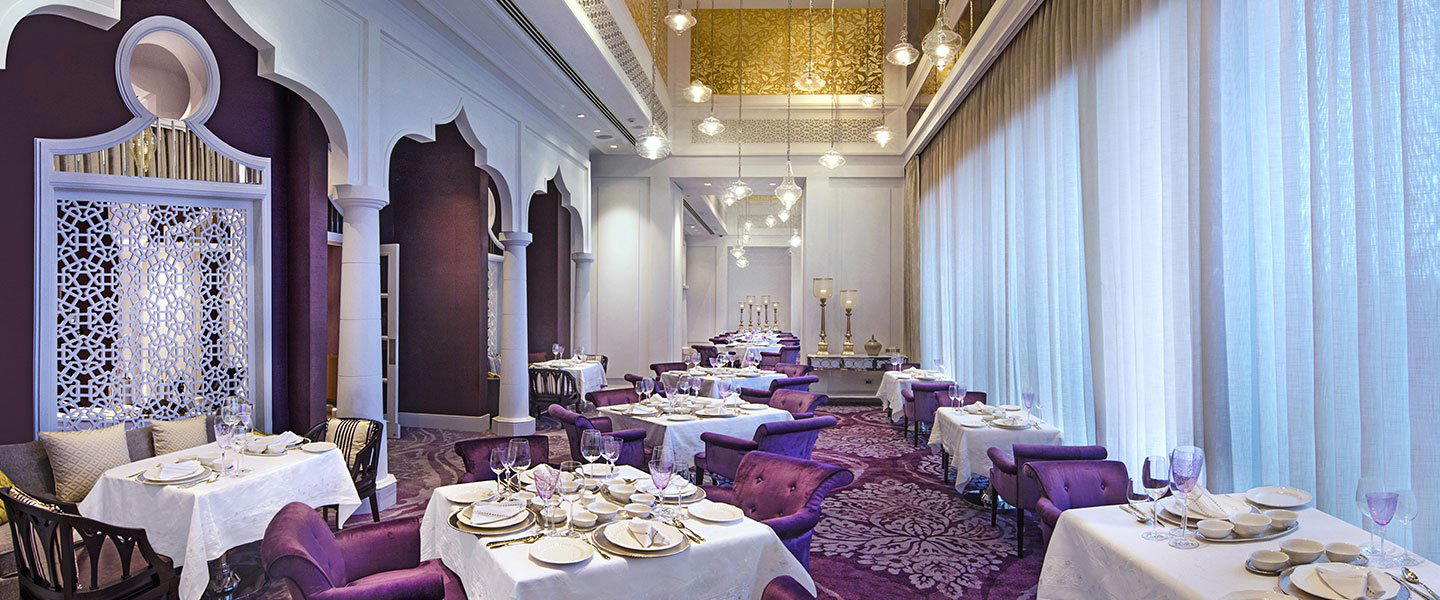
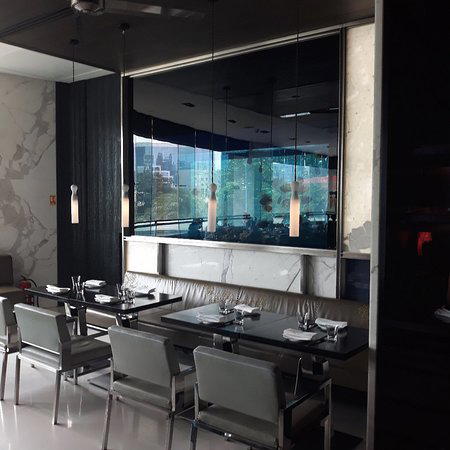
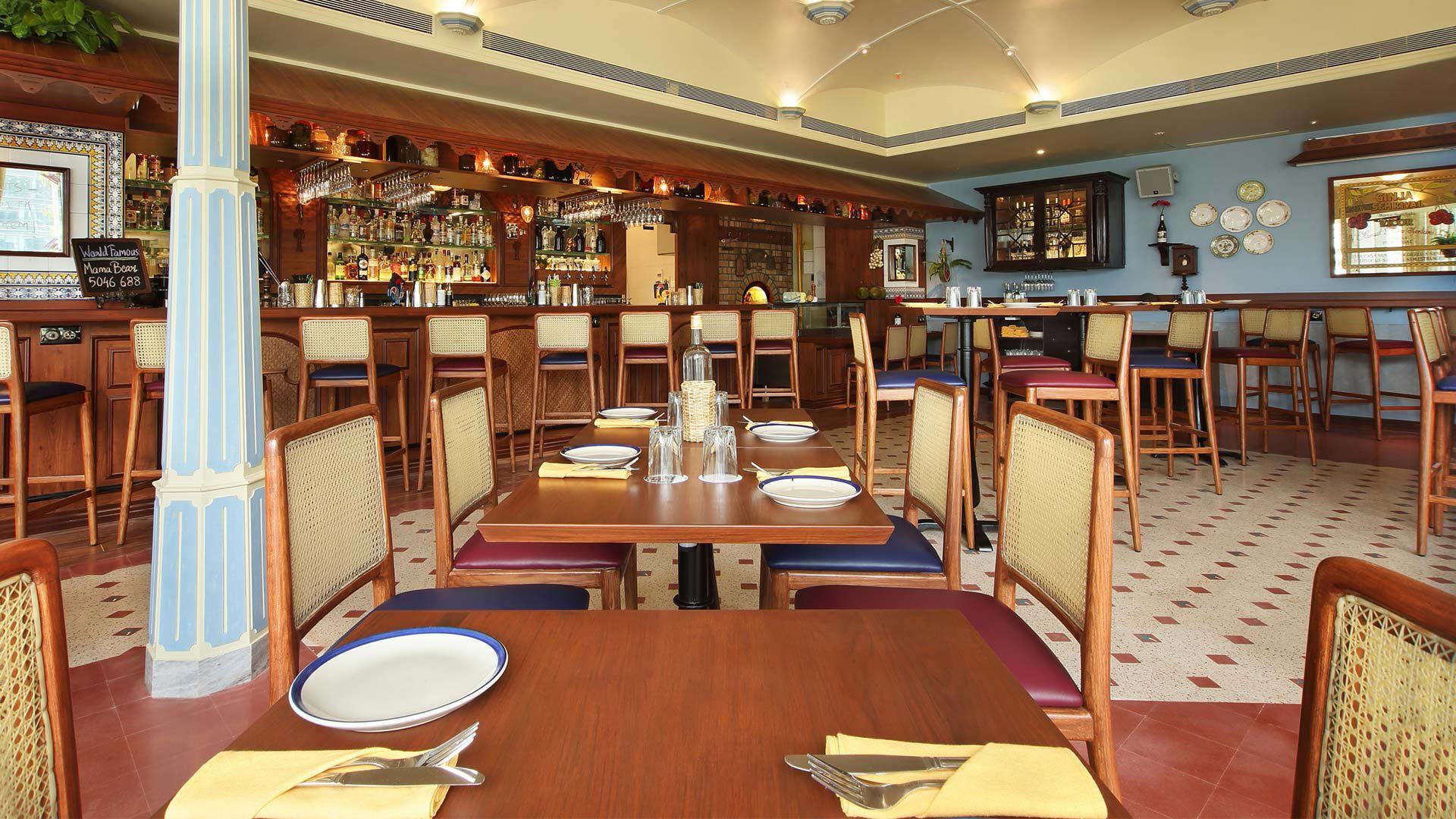
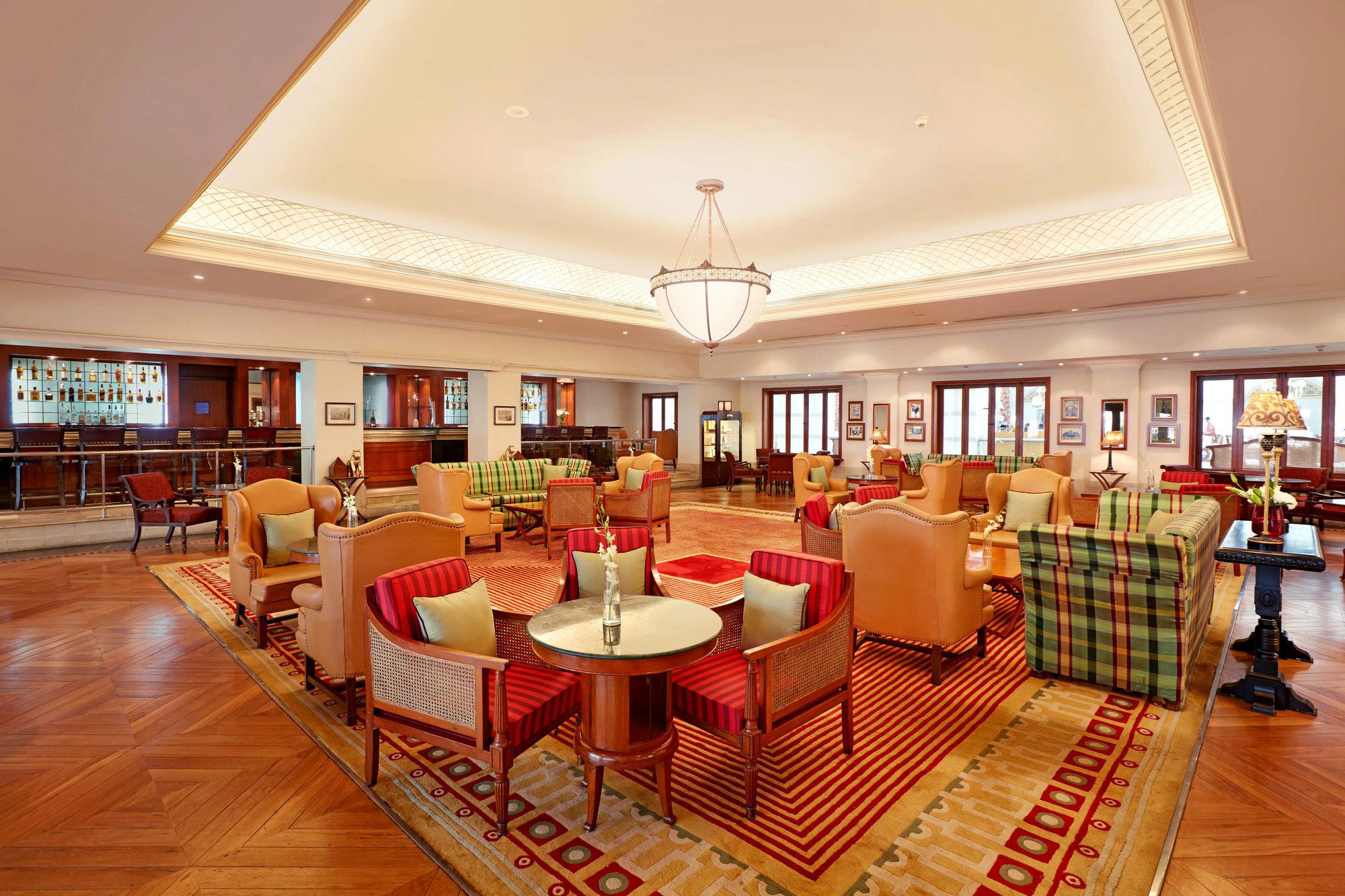
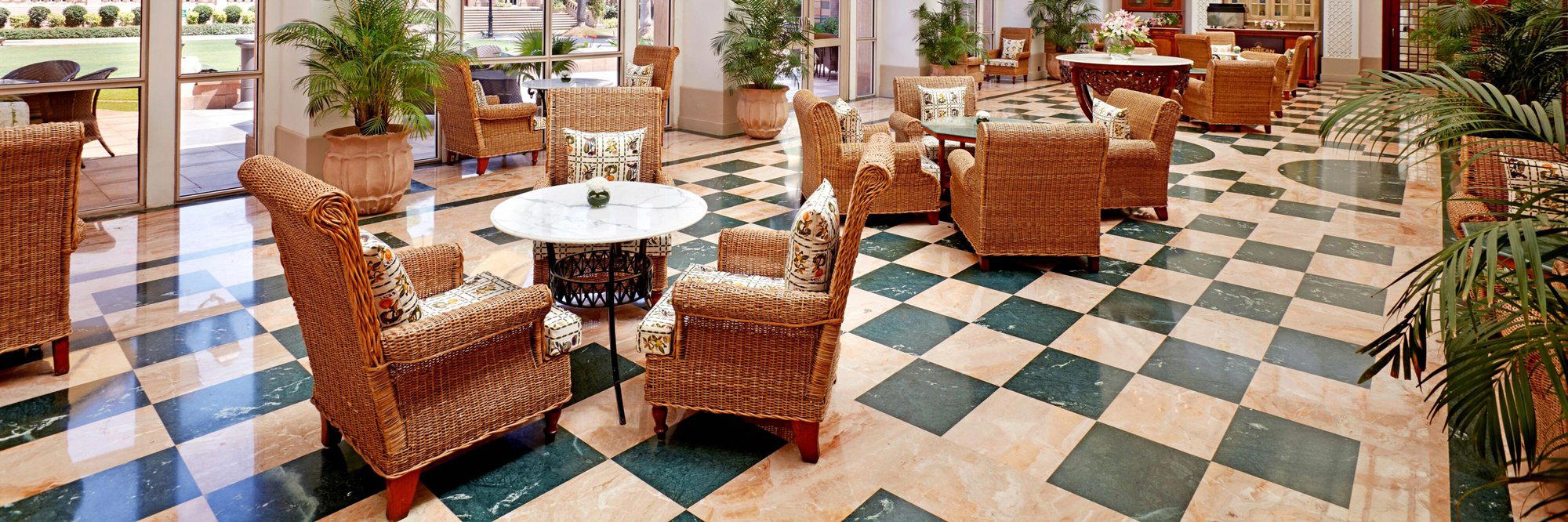
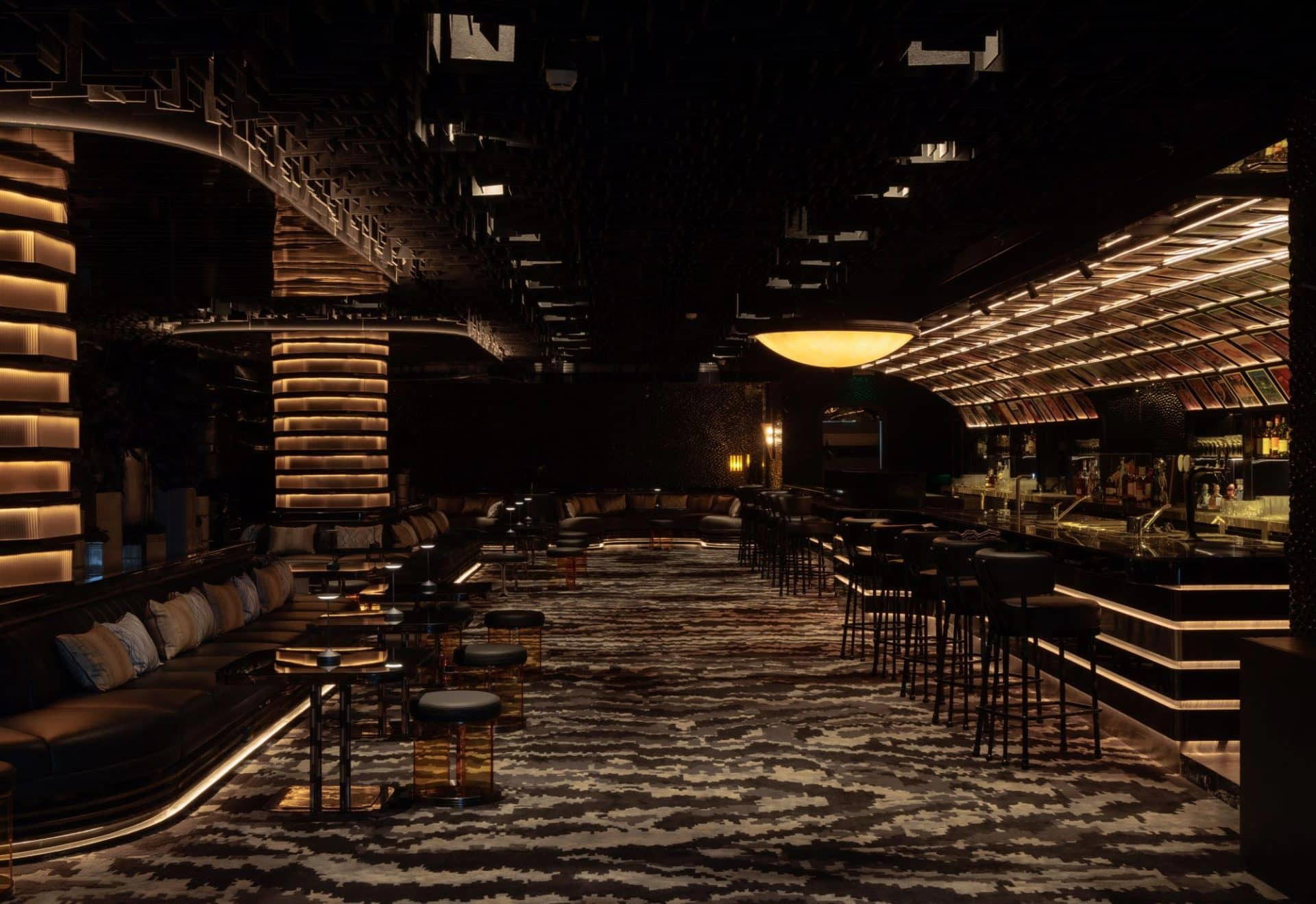
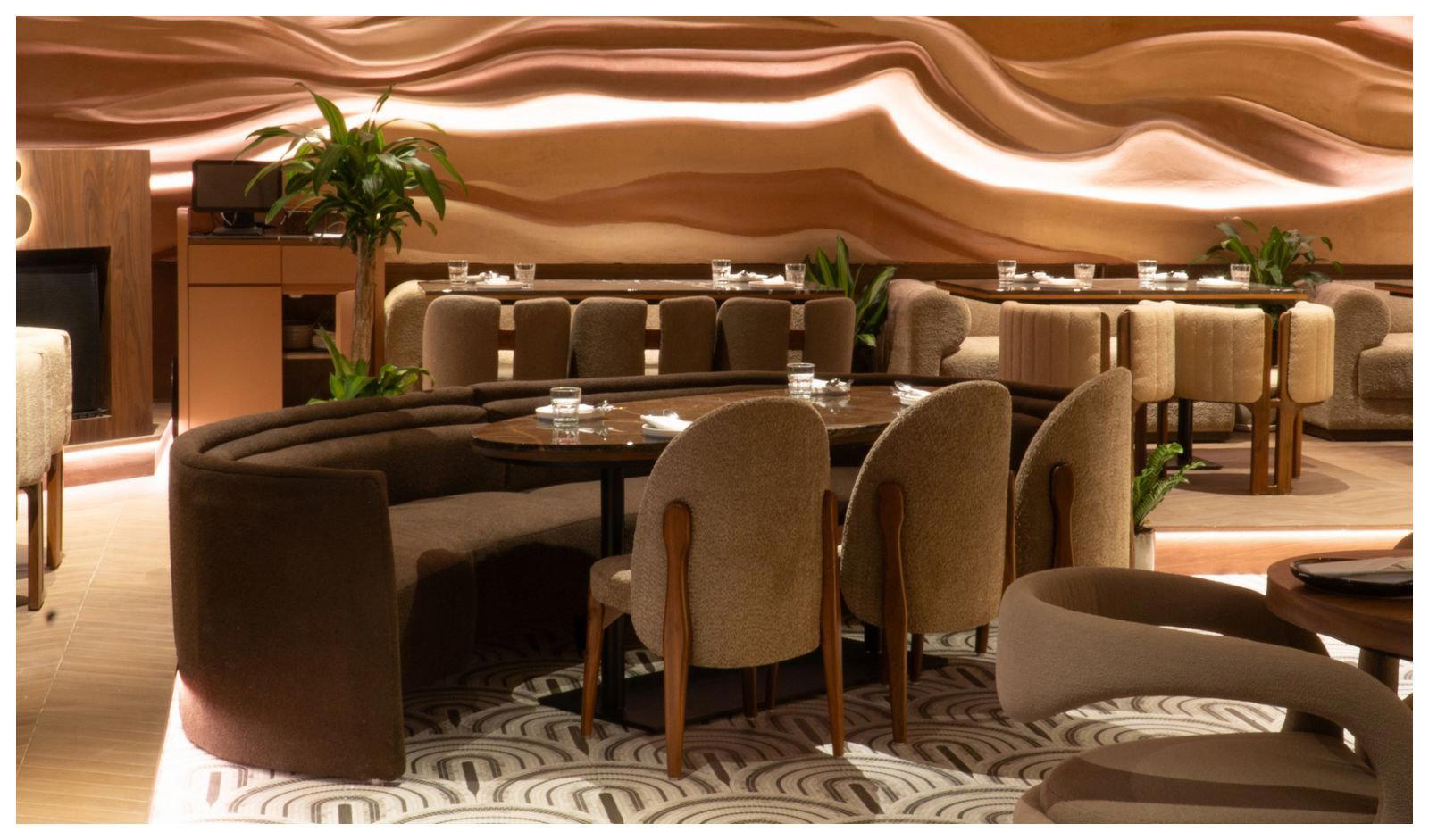
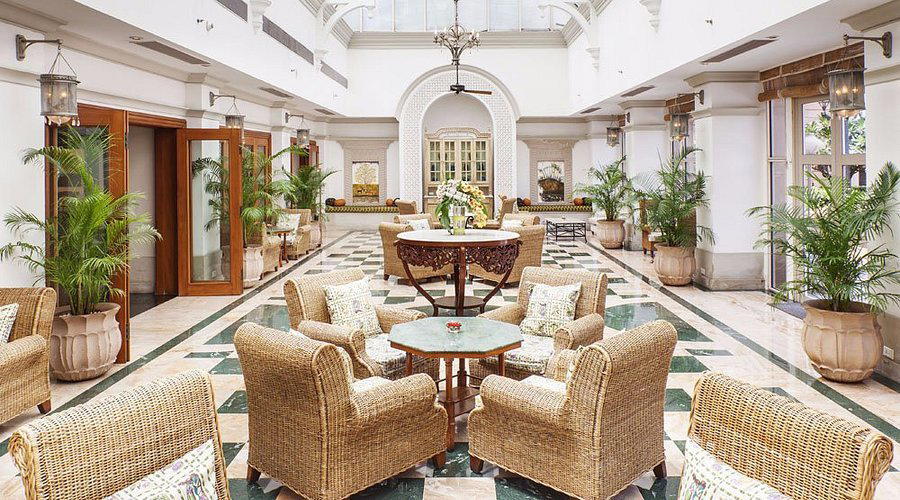
Regal atmosphere with purple velvet upholstery, fine silverware, and tinkling piano music evoking royal opulence.