
Dong Ping Chao on Maoming South Road is one of Shanghai's few dedicated Chao Zhou restaurants operating at the ¥¥¥¥ tier, with consecutive Michelin Plate recognition in 2024 and 2025. The cuisine tradition it represents, rooted in the coastal Chaoshan region of eastern Guangdong, is meticulous, seafood-forward, and largely misread outside its home territory.6 marks it as a reference point for regulars who return for the kind of cooking rarely found at this price register in the city.
Pearl is the En Primeur Club membership app — saves, bookings, and concierge access live there. Same editors, same standards.
- Address
- 56 Maoming S Rd, 卢湾区 Shanghai, China, 200041
- Phone
- +86 21 6253 2689
- Directions
- Get directions
 Saves & bookings on Pearl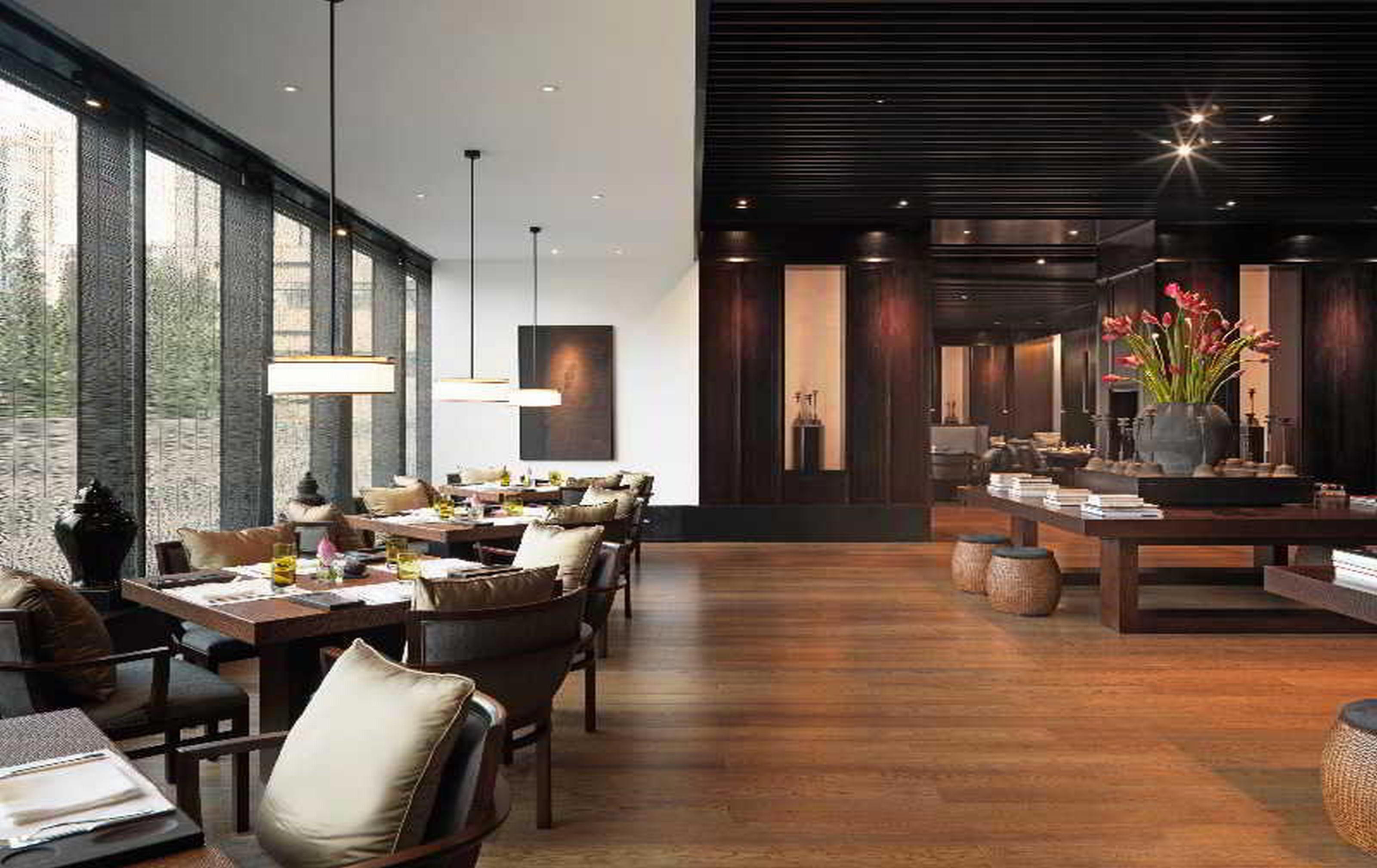
Maoming South Road and the Case for Chao Zhou
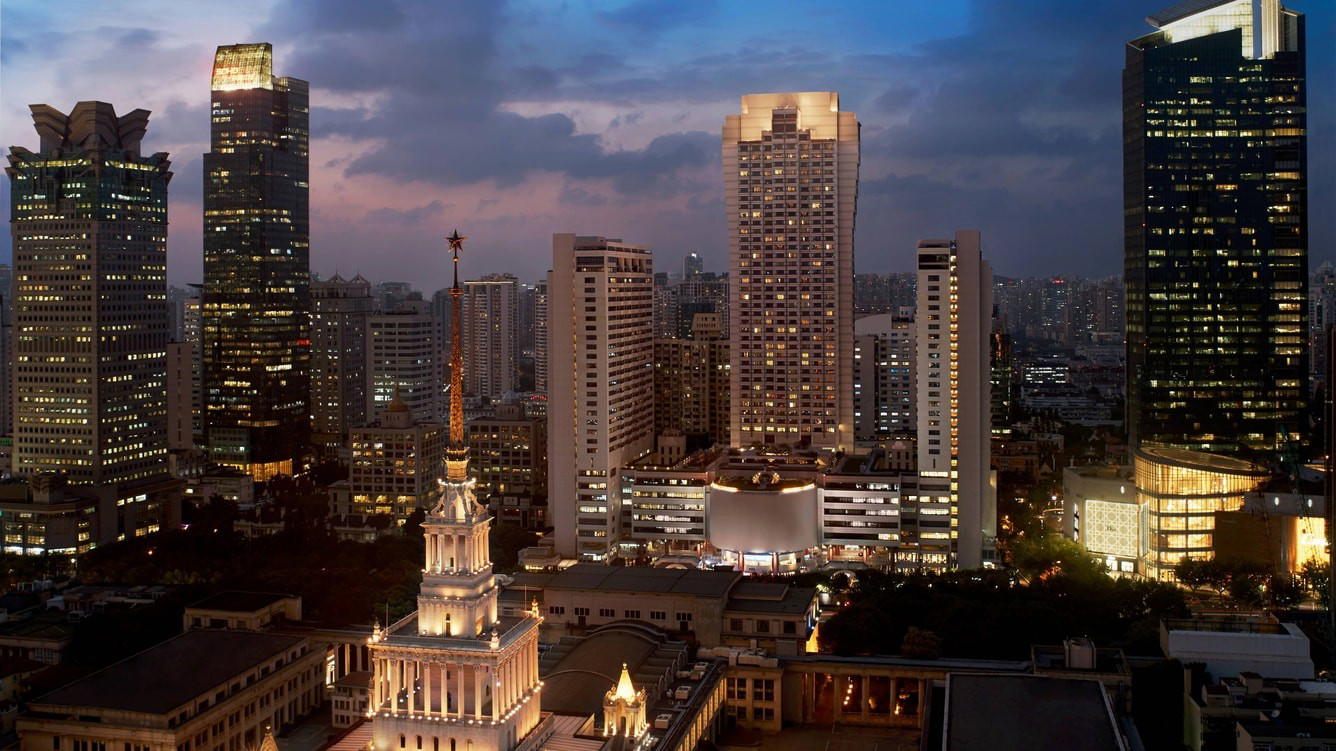
The stretch of Maoming South Road running through the former French Concession carries a particular culinary density. Plane trees shade the pavements, and the addresses between cross streets tend toward long-established restaurants that have earned their footing through repeat business rather than novelty. Dong Ping Chao at number 56 fits that pattern. There is no marquee theatrics at the entrance, no gesture toward social-media positioning. The room signals that the people who eat here already know what they came for.
Chao Zhou cuisine occupies a distinct and often underappreciated position in the broader Chinese dining tradition. While Cantonese cooking from Guangzhou and Hong Kong has accumulated international recognition and an extensive critical vocabulary, Chaoshan food, which originates from the coastal cities of Chaozhou and Shantou in eastern Guangdong, operates on different principles. The emphasis is on ingredient purity, slow-braised proteins, seafood treated with minimal intervention, and a layering of condiments, particularly dipping sauces, that require genuine kitchen precision. In cities like Shanghai, dedicated Chao Zhou restaurants at the leading price tier remain rare, which makes the category itself worth understanding before the meal begins.
What Keeps the Regulars Returning
4 from a compact review pool points to a tight, loyal audience rather than tourist traffic. Restaurants at the ¥¥¥¥ level in Shanghai attract regulars differently from mid-market venues: the repeat visitor is typically calibrated enough to notice technical consistency, and they return precisely because the kitchen delivers it. At this price point, the competition for the Chao Zhou-focused diner includes venues operating under comparable luxury Chinese credentials, including Cantonese rooms that occasionally incorporate Chaoshan dishes. Dong Ping Chao holds its own as a single-cuisine specialist, rather than blending traditions, telling you something about what its regulars are looking for.
Consecutive Michelin Plate recognition in 2024 and 2025 positions Dong Ping Chao within Michelin's acknowledged tier of restaurants delivering quality cooking. The Plate designation, which Michelin describes as recognition of good cooking, sits below starred status but above the broader restaurant pool. Within Shanghai's Chinese cuisine category, that signal carries weight for the diner who uses Michelin as a credibility filter rather than a rank. For Chao Zhou specifically, starred representation remains thin across mainland China, which means Plate-recognized venues like this one function as reference points within the category. Comparable operations in other cities offer useful context: Chao Shang Chao in Beijing's Chaoyang district and Fleurs Et Festin in Xiamen represent how Chao Zhou cooking gets expressed across different Chinese urban markets.
Reading the Cuisine Tradition
For a first-time visitor to serious Chao Zhou cooking, a few structural points help orient the meal. Braised goose is the dish that functions as a litmus test across the tradition: the bird is slow-cooked in a master stock carried over successive batches, and the balance between soy, spice, and rendered fat is what separates kitchens with genuine technique from those approximating the dish. Cold crab, often served with a ponzu-adjacent dipping sauce calibrated to the specific sweetness of the seafood, is another canonical reference. Oyster porridge and steamed fish preparations follow principles of near-invisibility, where the kitchen's job is to remove nothing and add little. These are not dishes designed to impress on first encounter; they reward the diner who has context for what technically correct execution looks like.
At this price tier, the expectation is that sourcing precision matches kitchen execution. The regulars at this tier are paying for the quality of the raw material and the cook's restraint in handling it. That calculus is different from what operates at a Cantonese banquet room or at a modern Chinese tasting-menu format like Taian Table. The restaurant sits in a narrower tradition with its own internal standards.
Shanghai's Broader Chinese Dining Context
Shanghai's premium Chinese dining scene is broad but unevenly distributed by regional cuisine. Shanghainese and Cantonese formats dominate the top tier, with venues like 102 House representing high-end Cantonese positioning, and Oriental Sense and Palate offering another point in the premium Chinese spectrum. Taizhou cooking gets representation through Xin Rong Ji on West Nanjing Road. Vegetarian Chinese cuisine operates in its own bracket, with Fu He Hui holding two Michelin stars. Against that map, dedicated Chao Zhou at the ¥¥¥¥ level represents a specific gap that restaurant fills. The regional traditions that travel leading within China's restaurant culture tend to be those with wealthy diaspora communities in major cities; Chaoshan has historically produced a prosperous merchant class in Shanghai, which explains both the demand for and the relative scarcity of high-end Chao Zhou outside Guangdong itself.
For comparative context beyond Shanghai, the broader Chao Zhou and refined Cantonese conversation includes Chef Tam's Seasons in Macau, Imperial Treasure Fine Chinese Cuisine in Guangzhou, and Dai Yuet Heen in Nanjing. Each positions Cantonese-adjacent traditions differently within their local market. Ru Yuan in Hangzhou and Xin Rong Ji in Chengdu complete a picture of how premium regional Chinese dining is distributed across tier-one Chinese cities.
Planning the Visit
The restaurant is located at 56 Maoming S Rd, 卢湾区 Shanghai, China, 200041. The price is about $200 per person. Booking ahead is essential.
Peers You’d Cross-Shop
Comparable venues nearby, for context on price, style, and recognition.
| Venue | Cuisine | Price | Notes |
|---|---|---|---|
| Dong Ping ChaoThis venue — the venue you are viewing | Modern Cantonese Tasting | $$$$ | Not listed |
| Shanghai Club | Old Shanghai Classics | $$$$ | Jing An Si |
| Lin Jiang Yan | Modern Jiangzhe Cuisine | $$$$ | Lu Jia Du |
| Shi Chuan Fei Chuan (Xuhui) | Modern Sichuan Fine Dining | $$$$ | Huangpu |
| Meet the Bund Skyline | Modern Fujianese Fine Dining | $$$$ | North Bund |
| Sui Tang Li | Modern Chinese Dim Sum | $$$$ | Huangpu |
Recognition history
Dated appearances from independent guides and award organizations, with the underlying list record or original source where available.
Michelin Plate
Michelin
Michelin Plate
Michelin
At a Glance
- Elegant
- Quiet
- Sophisticated
- Intimate
- Date Night
- Special Occasion
- Business Dinner
- Chefs Counter
- Historic Building
- Design Destination
- Extensive Wine List
- Sommelier Led
- Local Sourcing
- Sustainable Seafood
Current opening hours
- Monday
- 10:30 AM–10 PM
- Tuesday
- 10:30 AM–10 PM
- Wednesday
- 10:30 AM–10 PM
- Thursday
- 10:30 AM–10 PM
- Friday
- 10:30 AM–10 PM
- Saturday
- 10:30 AM–10 PM
- Sunday
- 10:30 AM–10 PM
Hours can change for holidays and private events. Last verified .
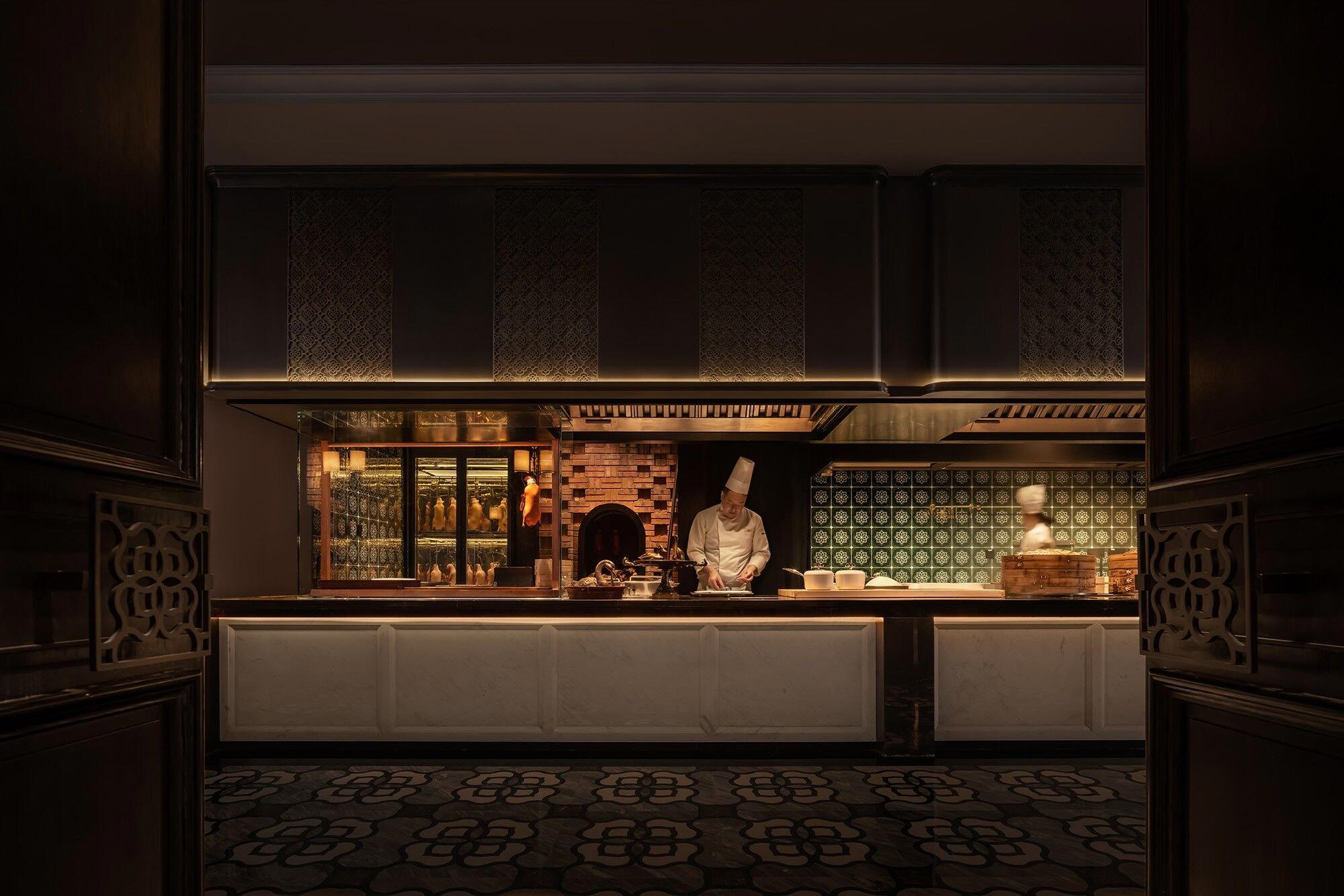
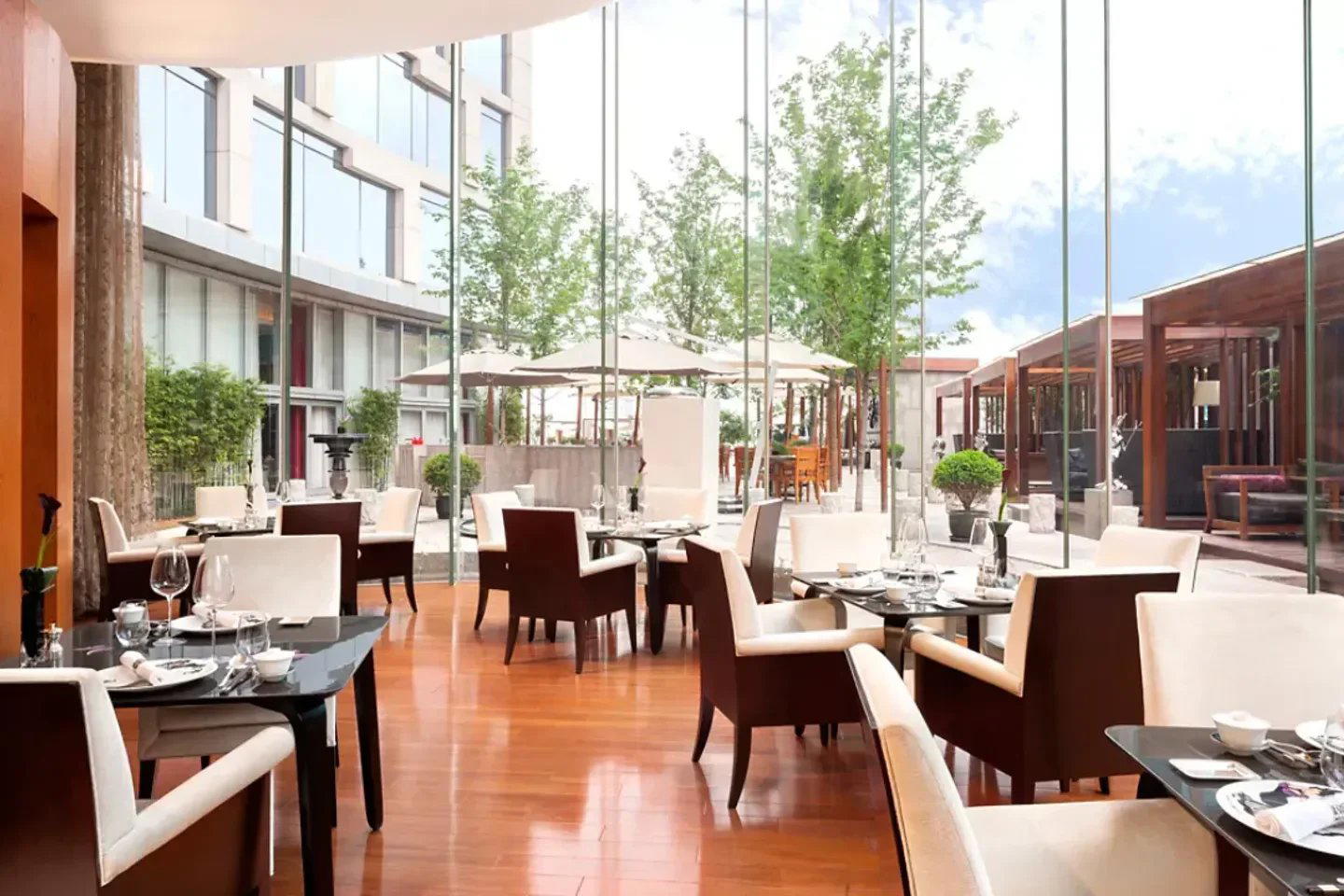
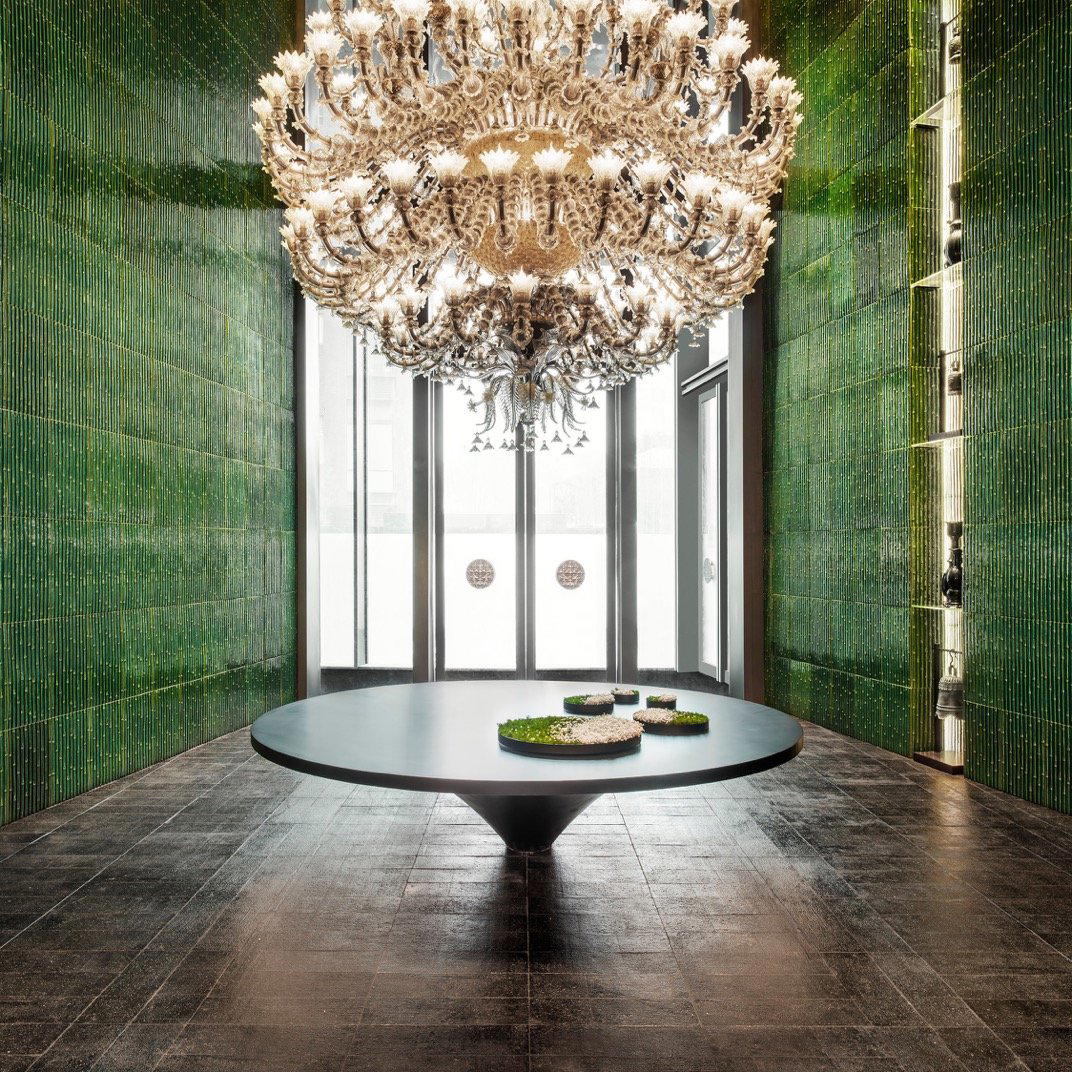
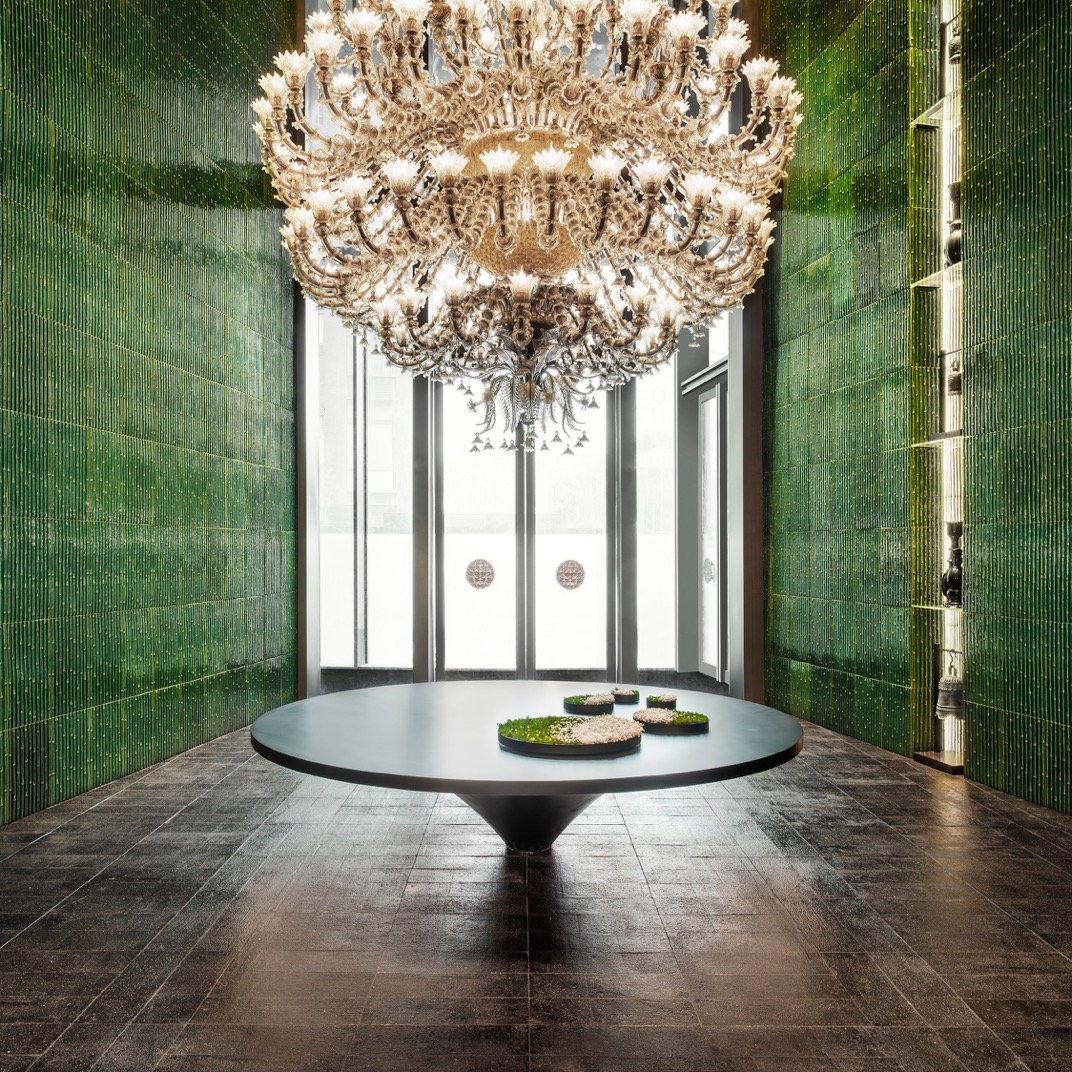
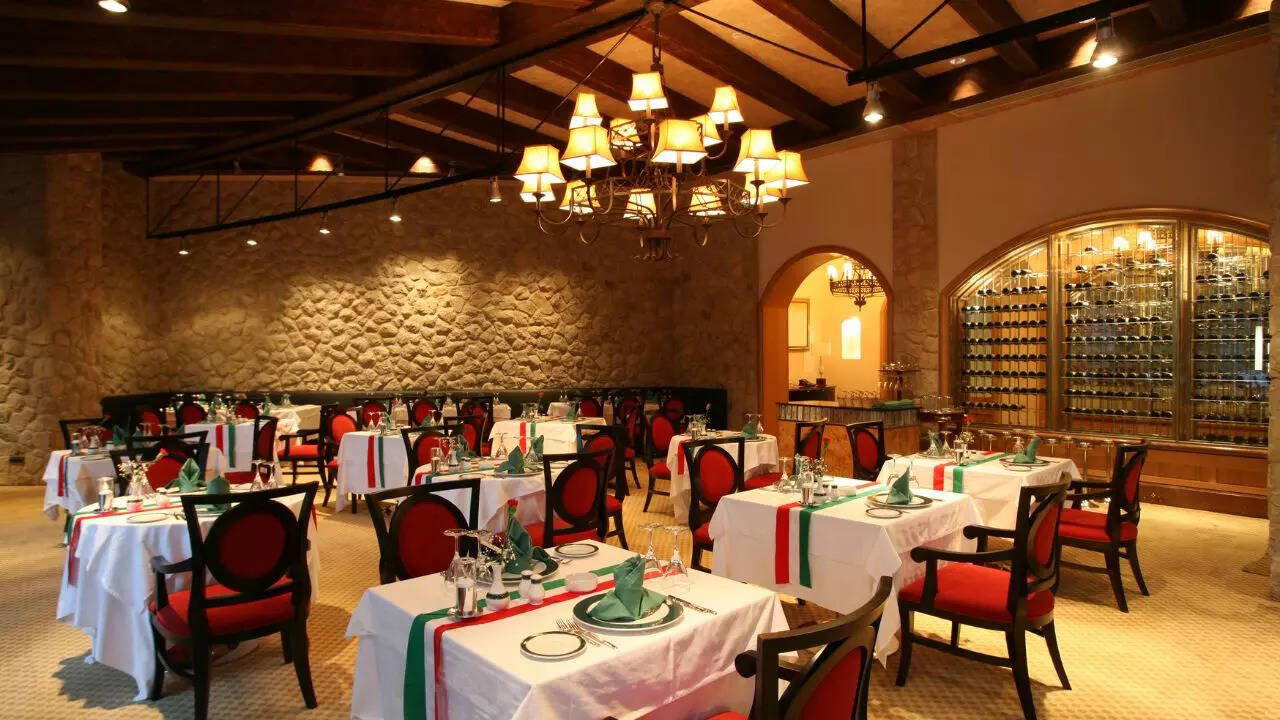
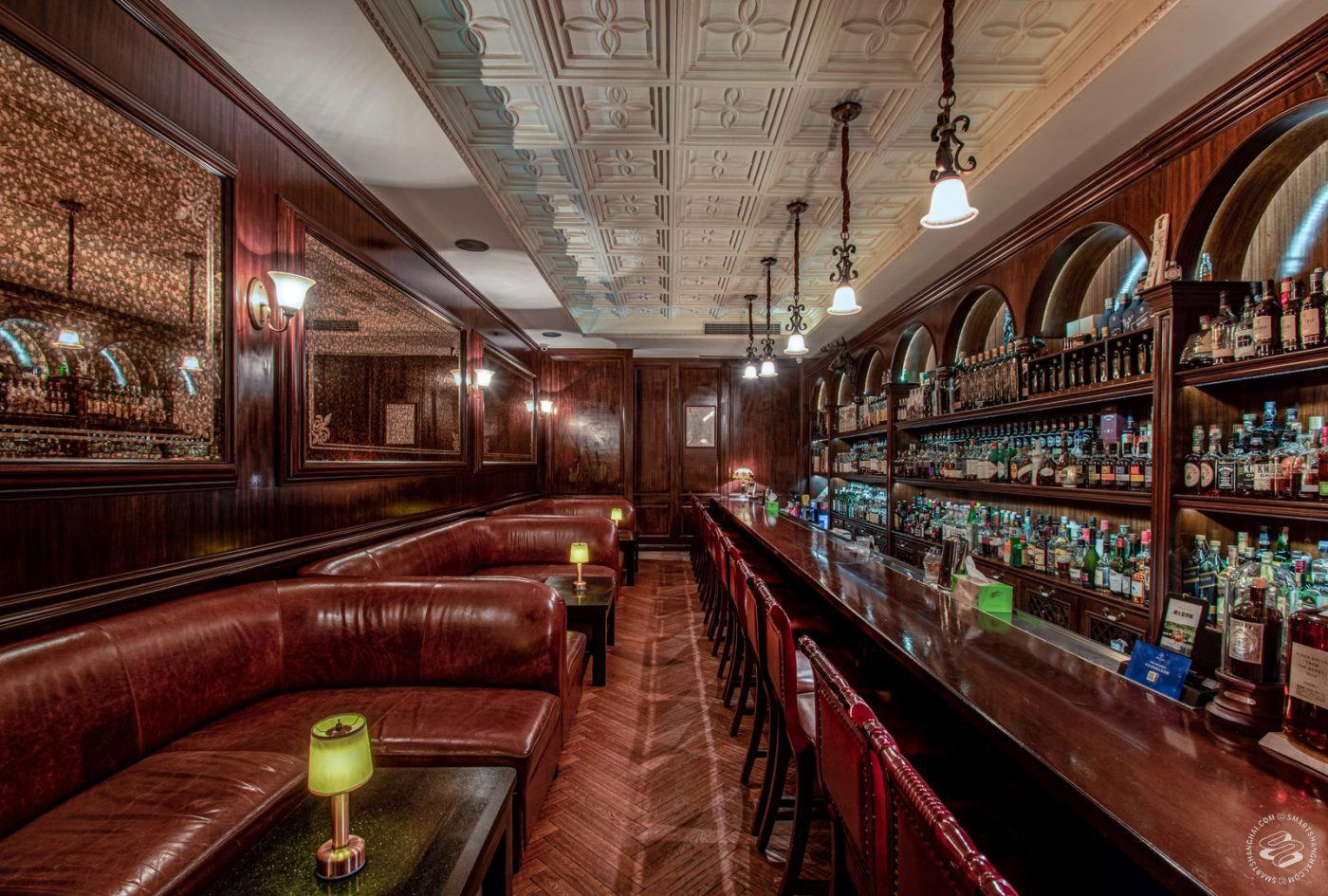
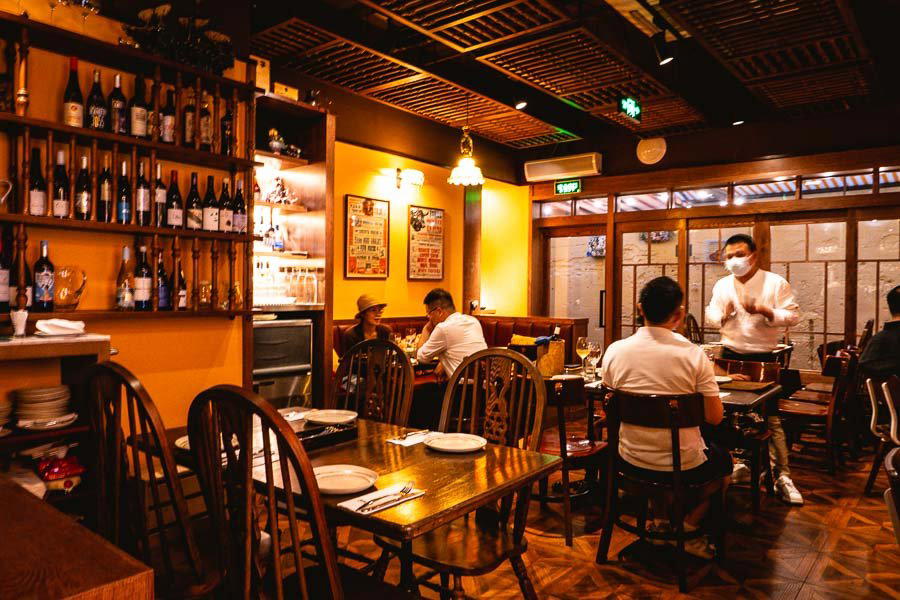
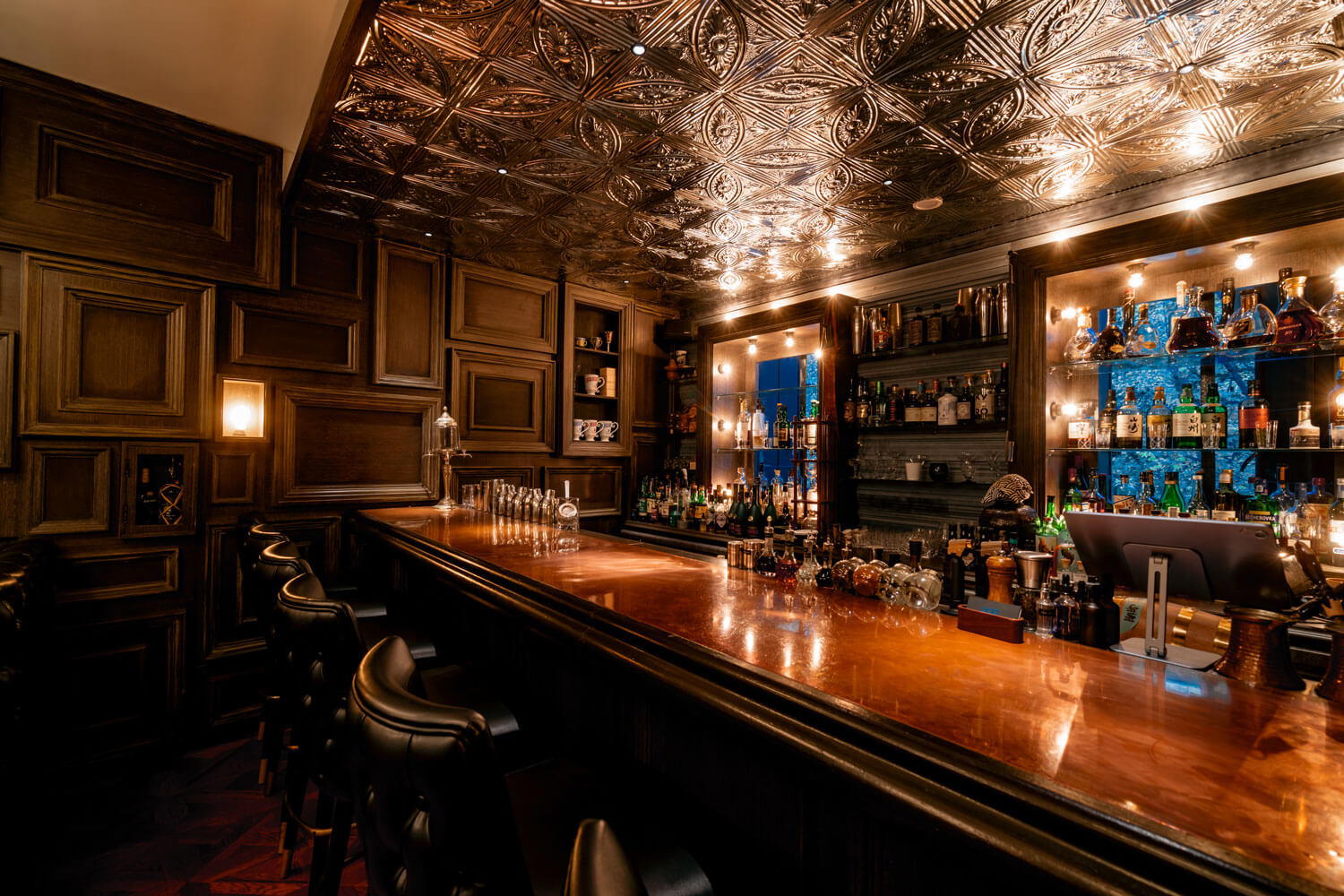
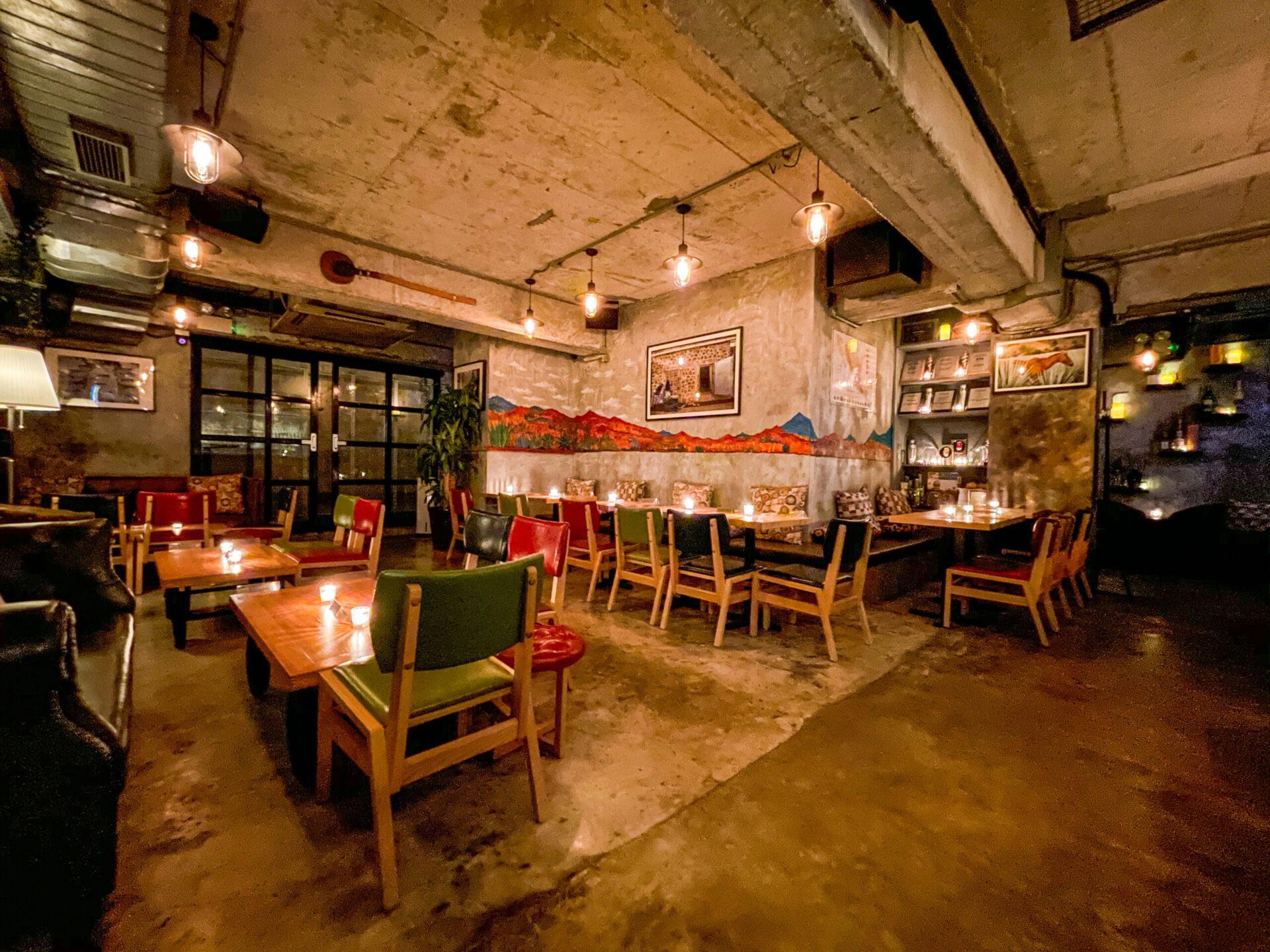
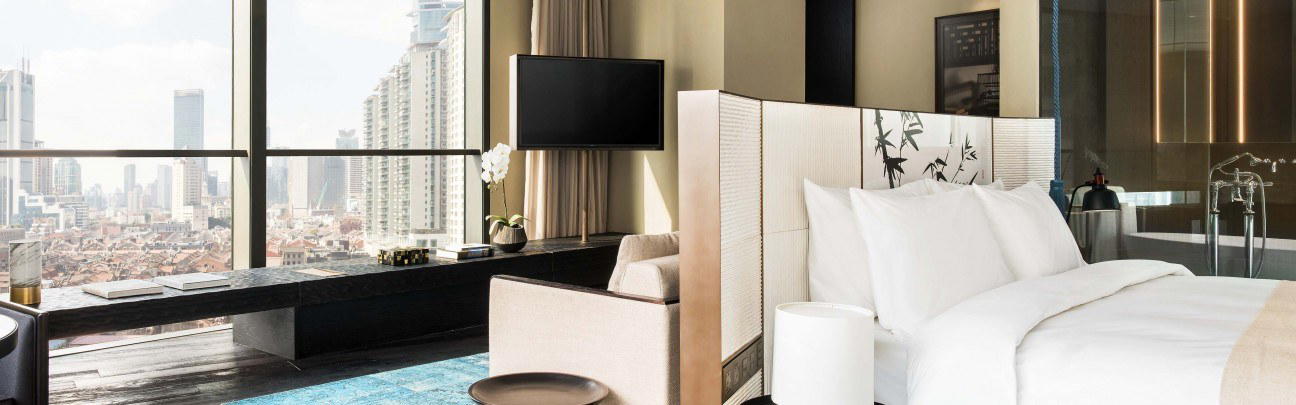
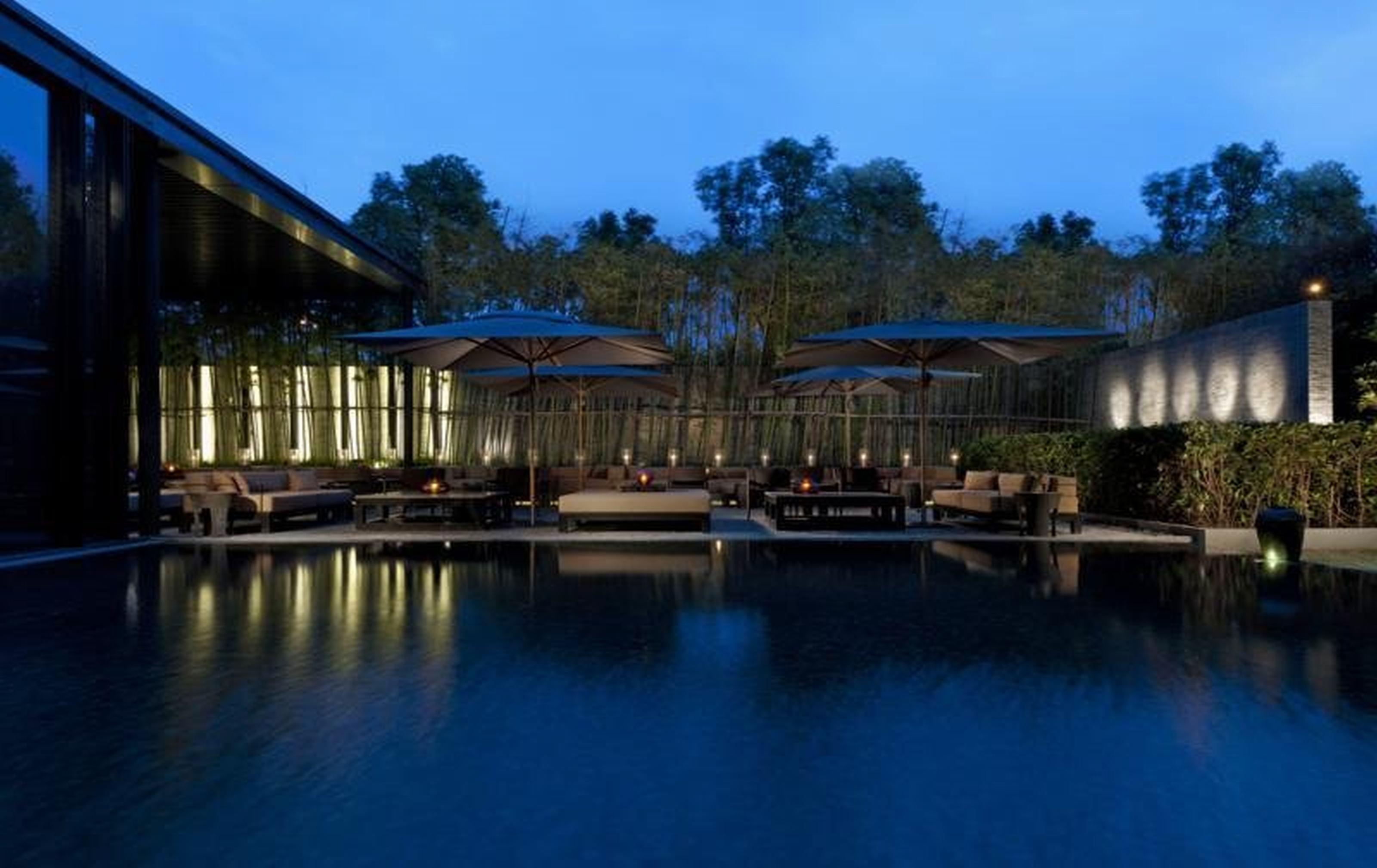
Illumination pools like moonlight across dark stone and lacquered wood; linen-draped tables spaced for privacy; unhurried, anticipatory service that guides guests through a flawlessly composed evening.