D.one
Set in the hilltop borgo of Montepagano above Roseto degli Abruzzi, D.one occupies a position where the Adriatic coastline and the Apennine interior converge on the plate. The address alone signals a kitchen rooted in Abruzzo's layered larder, from Adriatic fish to mountain-grown produce. For anyone tracing serious regional cooking along Italy's central Adriatic corridor, this is a table worth planning around.
Pearl is the En Primeur Club membership app — saves, bookings, and concierge access live there. Same editors, same standards.
- Address
- Via del Borgo, 1, 64026 Montepagano TE, Italy
- Phone
- +39858944508
- Website
- donerestaurant.it
 Saves & bookings on Pearl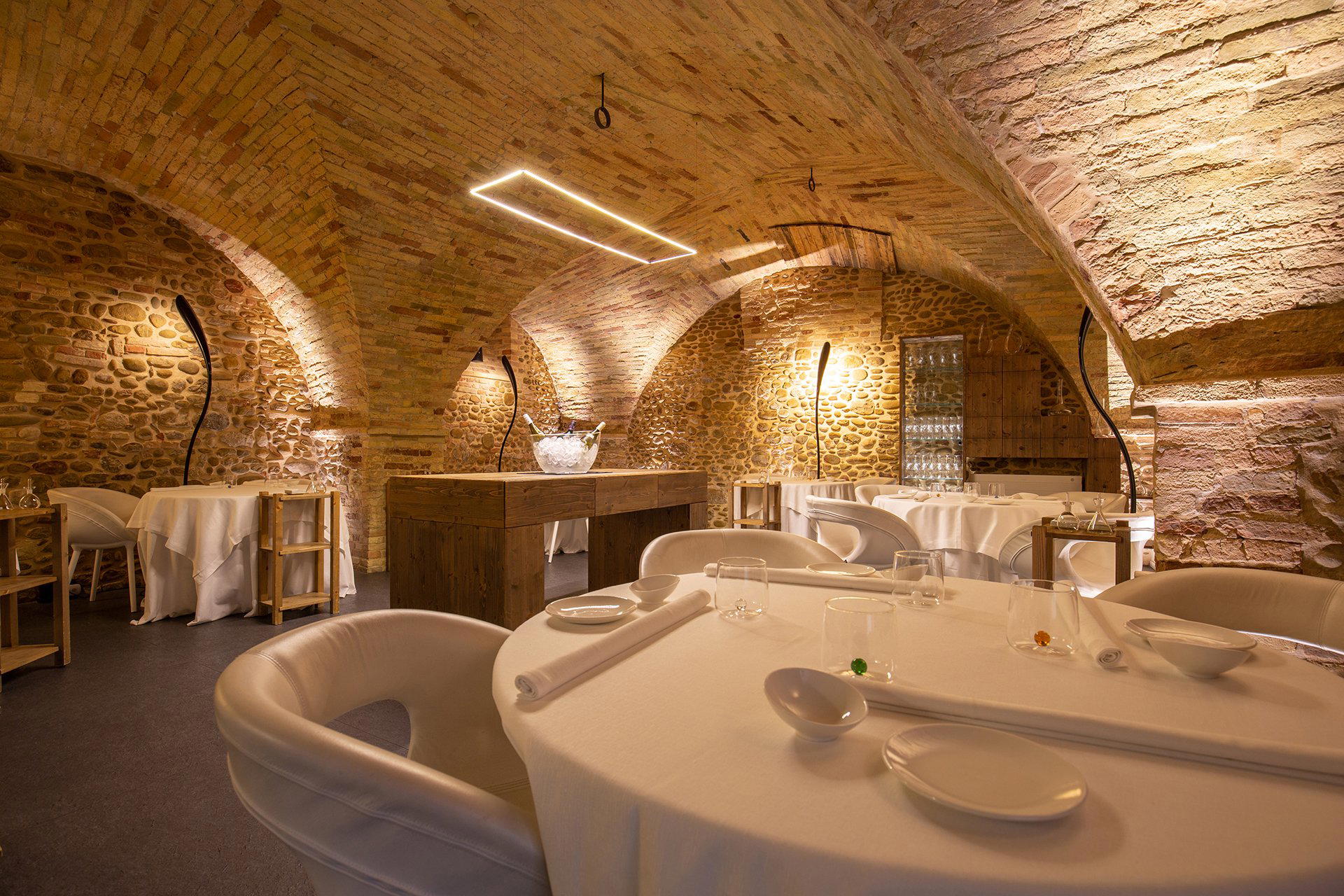
Where the Hill Meets the Coast: Dining in Montepagano
The approach to D.one establishes the context before any food arrives. Montepagano sits above Roseto degli Abruzzi on a ridge that has been inhabited since medieval times, and the borgo's stone lanes and compressed piazzas have the quality of a place that never bothered to announce itself to passing traffic. That geographic remove from the Adriatic seafront below is not incidental. It positions the kitchen at a point where two distinct Abruzzo food cultures meet: the coast's fish traditions and the interior's emphasis on cured meats, aged cheeses, legumes, and herbs grown in the Apennine foothills. Restaurants in that in-between position have an ingredient story that coastal-only or mountain-only addresses cannot tell.
Along the central Adriatic arc, serious regional cooking has quietly developed a comparable set that outsiders tend to underestimate. Uliassi in Senigallia built its three-Michelin-star reputation on Marche seafood treated with creative rigour. Quattro Passi in Marina del Cantone works a similar coastline-anchored logic further south. D.one, set in an Abruzzo hill village rather than on a waterfront, represents a different approach: the sourcing argument here is about verticality, drawing simultaneously from sea-level fishing and altitude-dependent agriculture within a tight geographic radius.
The Ingredient Logic of Abruzzo's Larder
Abruzzo has one of the most compressed ecological ranges in Italy. Within roughly 40 kilometres, the land moves from Adriatic fishing waters through olive groves and vineyards to high-altitude Apennine pasture where saffron from L'Aquila, Pecorino di Farindola, and the legumes of the Piano di Cinque Miglia have been produced for centuries. That compression is the region's defining culinary fact, and it gives kitchens positioned between coast and mountain an unusually broad native pantry to draw from without reaching beyond local supply chains.
The Italian restaurant tradition that takes this kind of sourcing most seriously tends to organise menus around what is in season within a defined radius rather than around genre or technique as fixed categories. Reale in Castel di Sangro, Niko Romito's three-Michelin-star address in the Abruzzo interior, represents the most celebrated iteration of that philosophy in the region, with a menu built almost entirely from ingredients that could be traced to Abruzzo's specific agricultural and fishing communities. D.one operates in the same regional food culture, though from a different geographic position: where Reale reaches deep into the mountain interior, Montepagano's ridge site keeps the Adriatic within the frame.
Ingredients sourced from this kind of dual-access territory tend to produce menus with a particular internal logic: fish dishes often carry mountain accents (wild herbs, preserved citrus, cured fat), and meat or vegetable preparations absorb coastal influence through technique or seasoning. That cross-pollination is harder to achieve in restaurants with a single-biome address.
The Adriatic Corridor in Context
Italy's fine-dining conversation concentrates heavily on Milan, Modena, and Rome. Osteria Francescana in Modena, Enrico Bartolini in Milan, and La Pergola in Rome hold the gravitational pull. But a secondary circuit of serious regional kitchens runs down the Adriatic side of the peninsula, drawing on fishing communities and agricultural traditions that the northern culinary narrative rarely foregrounds. Dal Pescatore in Runate, Le Calandre in Rubano, and further north Atelier Moessmer Norbert Niederkofler in Brunico represent different inflections of the Italian ingredient-led kitchen, each rooted in a specific territory.
D.one occupies a quieter position in that constellation, set in a hill village that does not carry the name recognition of Modena or Alba. That relative obscurity is partly a function of geography: Roseto degli Abruzzi sits on the Adriatic coast of Teramo province, a stretch of coastline that draws summer beach tourism rather than international food-media attention. The consequence is that kitchens operating seriously in this area tend to develop a local and regional following before achieving wider recognition, which often means the cooking has been tested over time against an audience with direct knowledge of the source ingredients.
For comparison points closer to the coast, Vecchia Marina in Roseto degli Abruzzi handles Adriatic seafood from a more straightforwardly coastal position. The two addresses together give a reasonable picture of what Abruzzo's Teramo coast currently offers across different registers.
Planning a Visit
D.one's address at Via del Borgo, 1 in Montepagano places it in the upper borgo above Roseto degli Abruzzi, accessible by car from the Adriatic coast road or the A14 motorway. The hilltop setting means the village itself warrants time before or after a meal: the medieval structure of Montepagano has been preserved in reasonable condition, and the views across the Teramo coast and toward the Gran Sasso massif are unobstructed on clear days. Visitors coming specifically for the restaurant should allow for the drive up from the seafront, which takes less than ten minutes but requires navigating the borgo's narrow lanes.
D.one takes reservations, and its regular opening hours are Monday closed, Tuesday through Saturday from 7:30 PM to 12 AM, and Sunday from 12:30 to 3 PM. Abruzzo's serious restaurants in smaller communities often keep limited weekly sittings, and weekend tables at known addresses in this category tend to fill ahead of time. Checking current availability well in advance of travel is standard practice for the region.
For those building an Adriatic or central Italian itinerary around kitchen-led restaurants, addresses like Piazza Duomo in Alba, Da Vittorio in Brusaporto, Villa Crespi in Orta San Giulio, Enoteca Pinchiorri in Florence, and Casa Perbellini 12 Apostoli in Verona provide useful reference points for calibrating expectations across different Italian regional traditions. For non-Italian comparisons in the ingredient-sourcing mode, Le Bernardin in New York City and Lazy Bear in San Francisco show how kitchens in different markets build comparable sourcing arguments from different territorial bases.
Comparable Spots, Quickly
Comparable venues nearby, for context on price, style, and recognition.
| Venue | Cuisine | Price | Awards | Notes |
|---|---|---|---|---|
| D.oneThis venue — the venue you are viewing | Modern Italian Fine Dining | $$$$ | , | |
| Vecchia Marina | Traditional Italian Seafood | $$ | Bib Gourmand | Lungomare Trento |
| eqvo | Modern Italian Seafood | $$$$ | , | Settecamini |
| Caffe Florian | Historic Venetian Café | $$$$ | , | San Marco |
| La Palma Beach Club | Modern Italian Seafood | $$$$ | , | Marina Piccola |
| Al Chiaro di Luna | Modern Caprese Seafood | $$$$ | , | Capri Town |
Continue exploring
More in Roseto degli Abruzzi
Restaurants in Roseto degli Abruzzi
Browse all →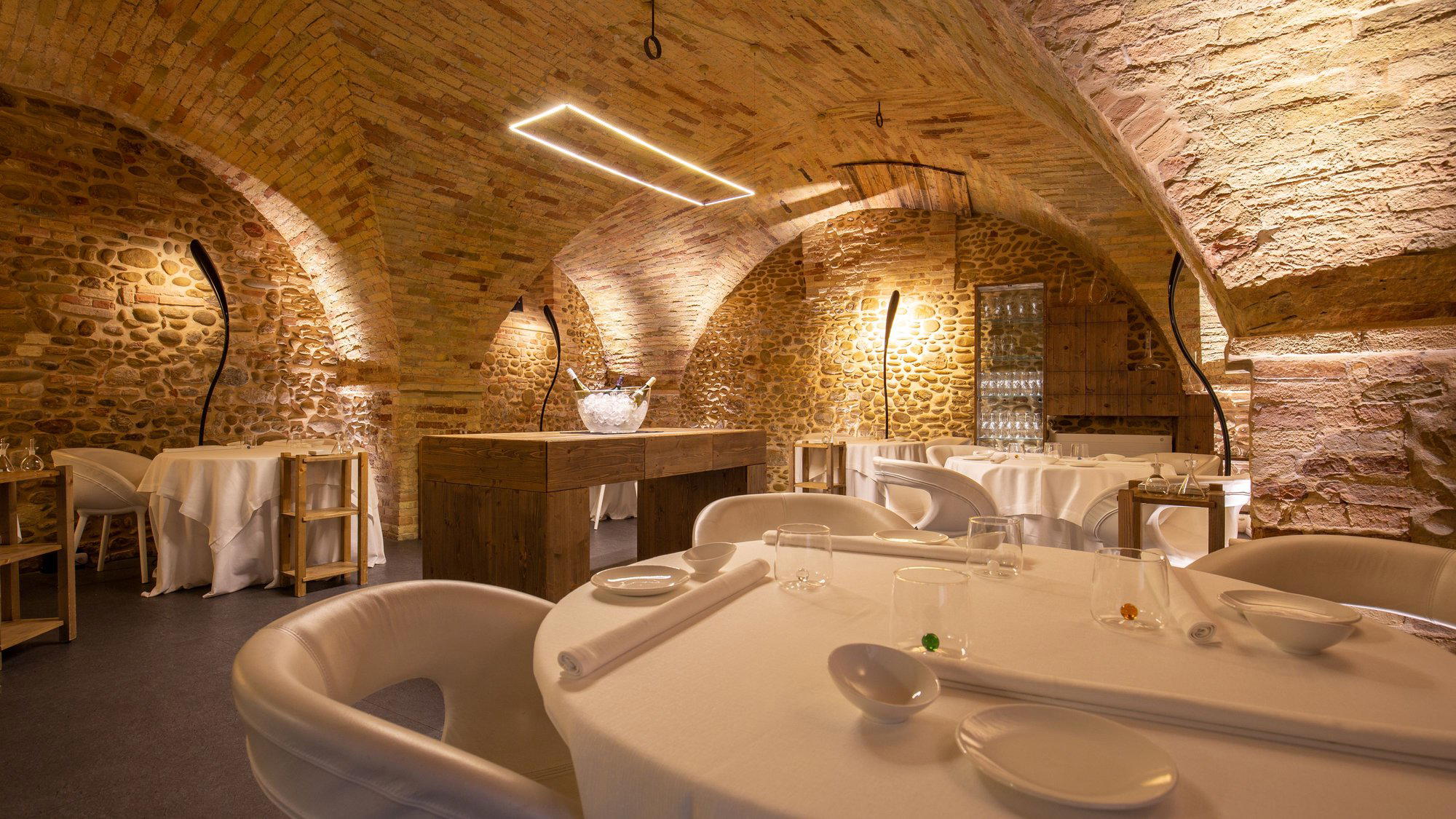
Bars in Roseto degli Abruzzi
Browse all →
Hotels in Roseto degli Abruzzi
Browse all →
Wineries in Roseto degli Abruzzi
Browse all →
At a Glance
- Romantic
- Elegant
- Rustic
- Intimate
- Sophisticated
- Date Night
- Special Occasion
- Open Kitchen
- Extensive Wine List
- Local Sourcing
- Farm To Table
Warm and inviting with rustic decor, soft lighting, cozy small dining rooms adorned with modern art.