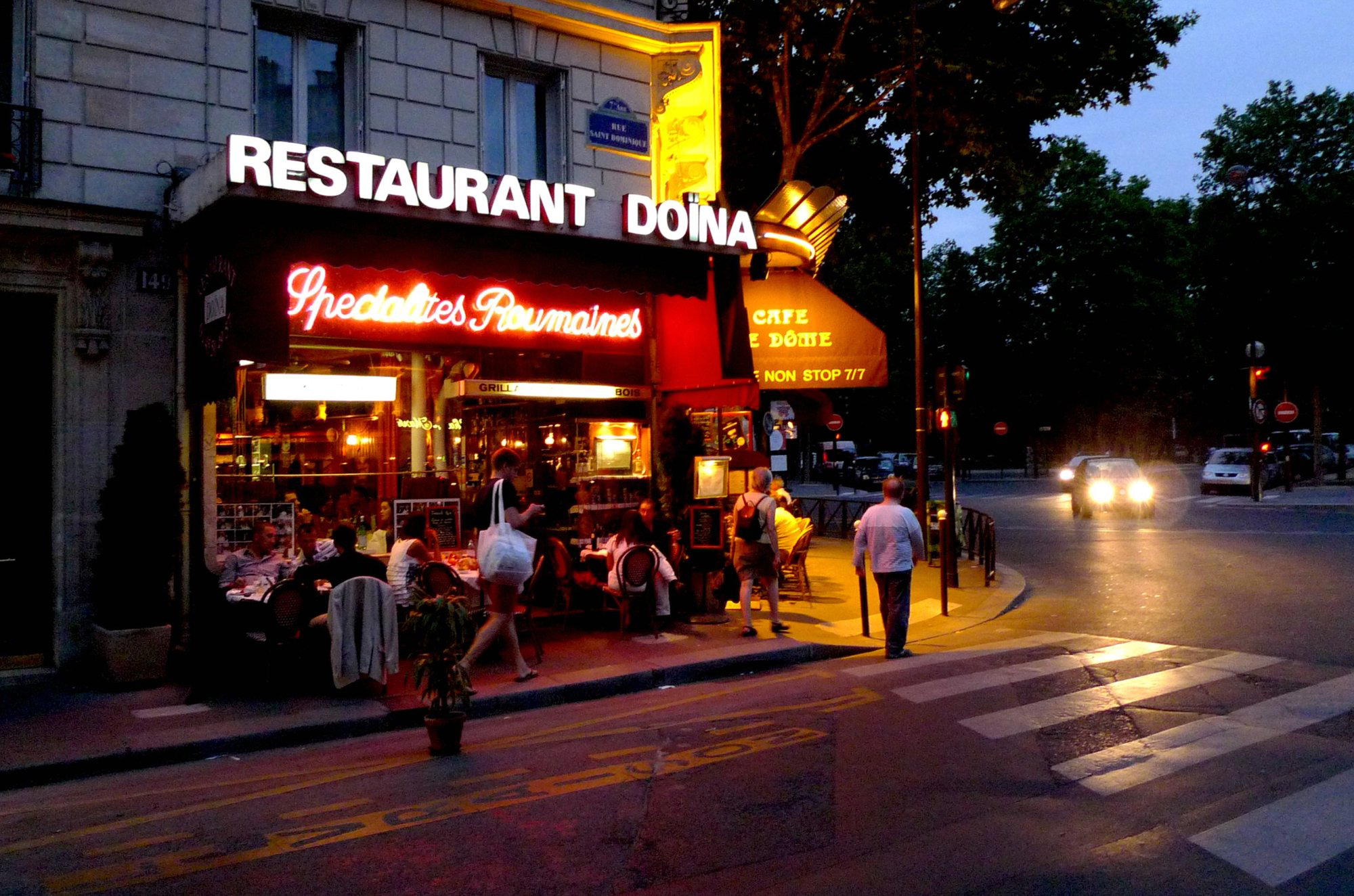
On the Rue Saint-Dominique in Paris's 7th arrondissement, Doïna occupies one of the city's quieter dining corridors, a street that runs between the Eiffel Tower and the Esplanade des Invalides and has long attracted a neighbourhood clientele rather than a tourist circuit. The address places it inside a comparable set defined by proximity to serious French dining traditions, from the grand hotel kitchens near the Seine to the discreet independent tables of the Left Bank.
- Address
- 149 Rue Saint-Dominique, 75007 Paris, France
- Phone
- +33145504957
- Website
- restaurantdoina.com
- Directions
- Get directions
The 7th Arrondissement and What It Asks of a Restaurant
The Rue Saint-Dominique corridor in Paris's 7th arrondissement is not the city's loudest dining address, and that is precisely what makes it legible. It runs east to west between the Champ-de-Mars and the Esplanade des Invalides, a stretch that has historically attracted a resident clientele, embassy staff, civil servants, the kind of Parisian household that eats out weekly rather than for occasions. Restaurants that survive here tend to do so on repeat custom rather than tourist throughput, which creates a different kind of pressure than you find in the Marais or Saint-Germain. The neighbourhood rewards consistency.
Doïna sits at number 149 on that street, within walking distance of the Eiffel Tower. That positioning matters. In the 7th, a restaurant's comparable set is determined less by cuisine type and more by the expectations of the local dining public, expectations calibrated against tables like Arpège, which has anchored the neighbourhood's reputation for serious cooking for decades, and against the grand-hotel dining rooms near the Seine that pull from a different, more occasion-driven audience.
Where Doïna Sits in the Paris Dining Structure
Paris's dining structure has segmented more clearly over the past decade. At the leading end, tables like Alléno Paris au Pavillon Ledoyen and Le Cinq at the Four Seasons George V operate with the infrastructure of large institutions, extensive wine cellars, brigade kitchens, formal service hierarchies. A tier below, independent tables in residential arrondissements have carved out a different identity: smaller in scale, less ceremonial in register, but no less serious in the kitchen. The 7th supports both categories, and a restaurant on Rue Saint-Dominique is implicitly positioning itself in the second of these groupings.
That positioning carries implications. The Left Bank has long been the more intellectually inclined side of the Paris dining conversation, think of the way tables near the École Militaire and the Musée d'Orsay have historically drawn academics, journalists, and politicians rather than financial-sector expense accounts. The dining culture here tends toward considered cooking over theatrical presentation, and toward wine lists that reflect genuine knowledge rather than prestige pricing. Tables in this neighbourhood that have achieved sustained recognition, including L'Ambroisie on the Place des Vosges or Kei near the Louvre, have done so by operating with discipline rather than spectacle.
The French Regional Context
Understanding any serious Paris table requires placing it against the broader map of French dining ambition. The country's restaurant tradition has historically been defined as much by its regional addresses as its capital ones. The grandes maisons of the provinces, Troisgros in Ouches, Bras in Laguiole, Auberge de l'Ill in Illhaeusern, Paul Bocuse in Collonges-au-Mont-d'Or, have always been reference points against which Paris tables are implicitly measured. The question for any serious Parisian restaurant is whether it commands the kind of gravitational pull that justifies the trip from the provinces, or whether it serves primarily as a reliable address for those already in the city. Tables like Flocons de Sel in Megève, Mirazur in Menton, Les Prés d'Eugénie in Eugénie-les-Bains, Auberge du Vieux Puits in Fontjoncouse, Georges Blanc in Vonnas, and La Table du Castellet in Le Castellet each define their identities partly through a sense of place that a Paris address cannot replicate. A restaurant on Rue Saint-Dominique earns its authority through a different set of signals: neighbourhood integration, consistency across seasons, and the quiet confidence of a room that does not need to explain itself.
International Reference Points
The Paris dining conversation has never been purely domestic. Tables like Le Bernardin in New York, itself rooted in French technique, and format-driven rooms like Lazy Bear in San Francisco show how French culinary grammar has been translated into different urban contexts. The comparison is useful not because these tables are direct peers, but because they illustrate what a restaurant communicates through its structural choices: format, formality level, the ratio of technique to hospitality. A Paris address on Rue Saint-Dominique carries inherited associations with a particular register of dining, one that prizes craft over performance and discretion over visibility.
Planning a Visit
The 7th arrondissement is served by the La Tour-Maubourg and École Militaire Métro stations, both within comfortable walking distance of Rue Saint-Dominique. The neighbourhood is at its quietest in August, when a significant portion of the local residential population leaves the city, a pattern that affects the rhythm of independent tables in this arrondissement more than it does the large tourist-facing rooms elsewhere in Paris. Early autumn and late spring are when the 7th's dining character is most legible: the rooms are full of the regular clientele that defines the address, and the seasonal produce supply is at its most varied. For a full orientation to what the city offers across price points and arrondissements, the EP Club Paris restaurants guide maps the broader picture.
Peers Worth Knowing
Comparable venues nearby, for context on price, style, and recognition.
| Venue | Cuisine | Price | Notes |
|---|---|---|---|
| DoïnaThis venue — the venue you are viewing | Authentic Romanian | $$ | Not listed |
| Lhassa | Authentic Tibetan | $$ | Latin Quarter |
| Balls | Gourmet Meatballs | $$ | 11th Arrondissement (Popincourt) |
| Poppy'z | Cocktail Bar | $$ | Oberkampf |
| Maisie Café. | Vegan Gluten-Free Café | $$ | Louvre / Palais-Royal |
| Indonesia | Traditional Indonesian | $$ | Quartier Latin |
Continue exploring
More in Paris
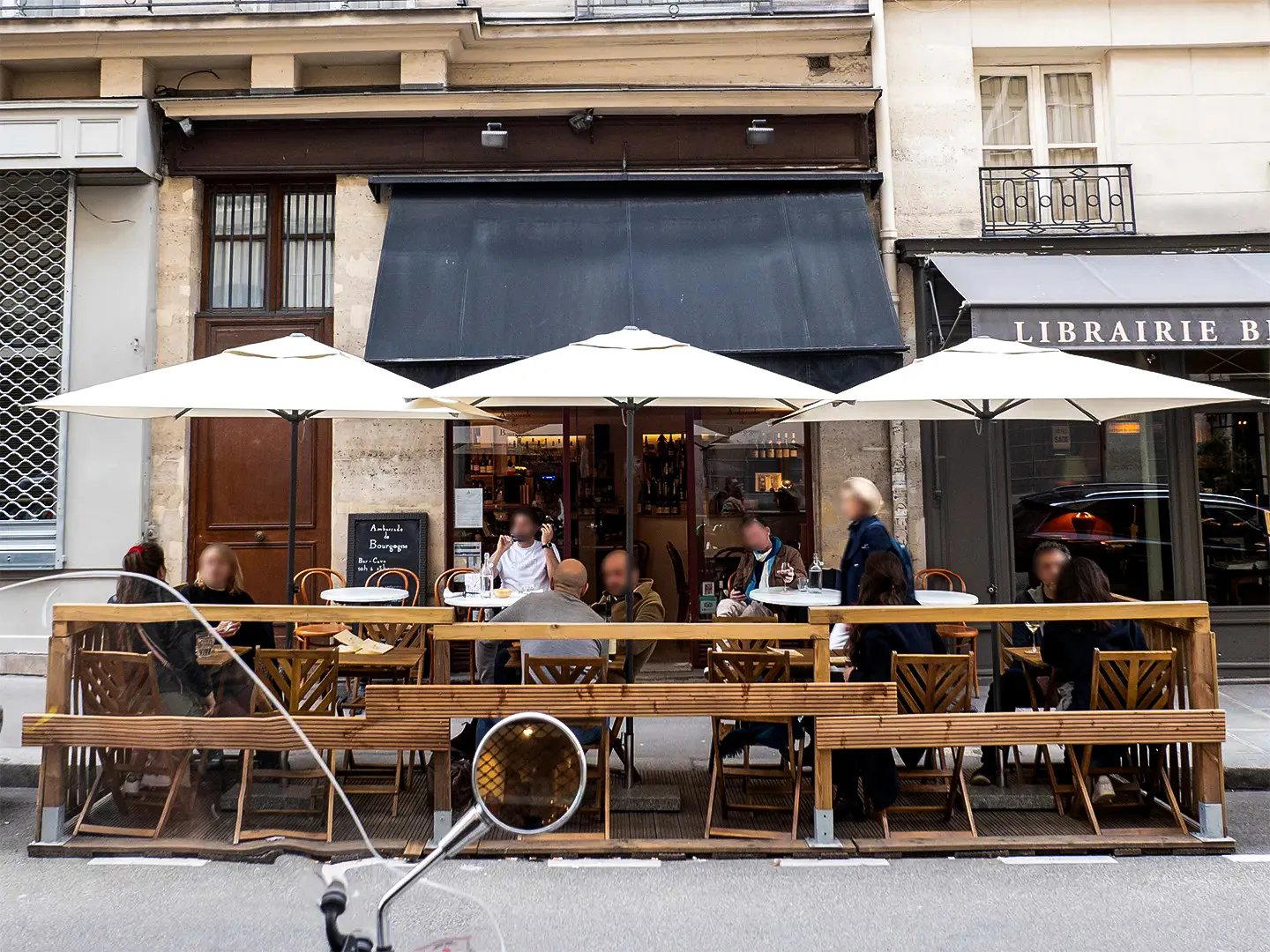
Restaurants in Paris
Browse all →
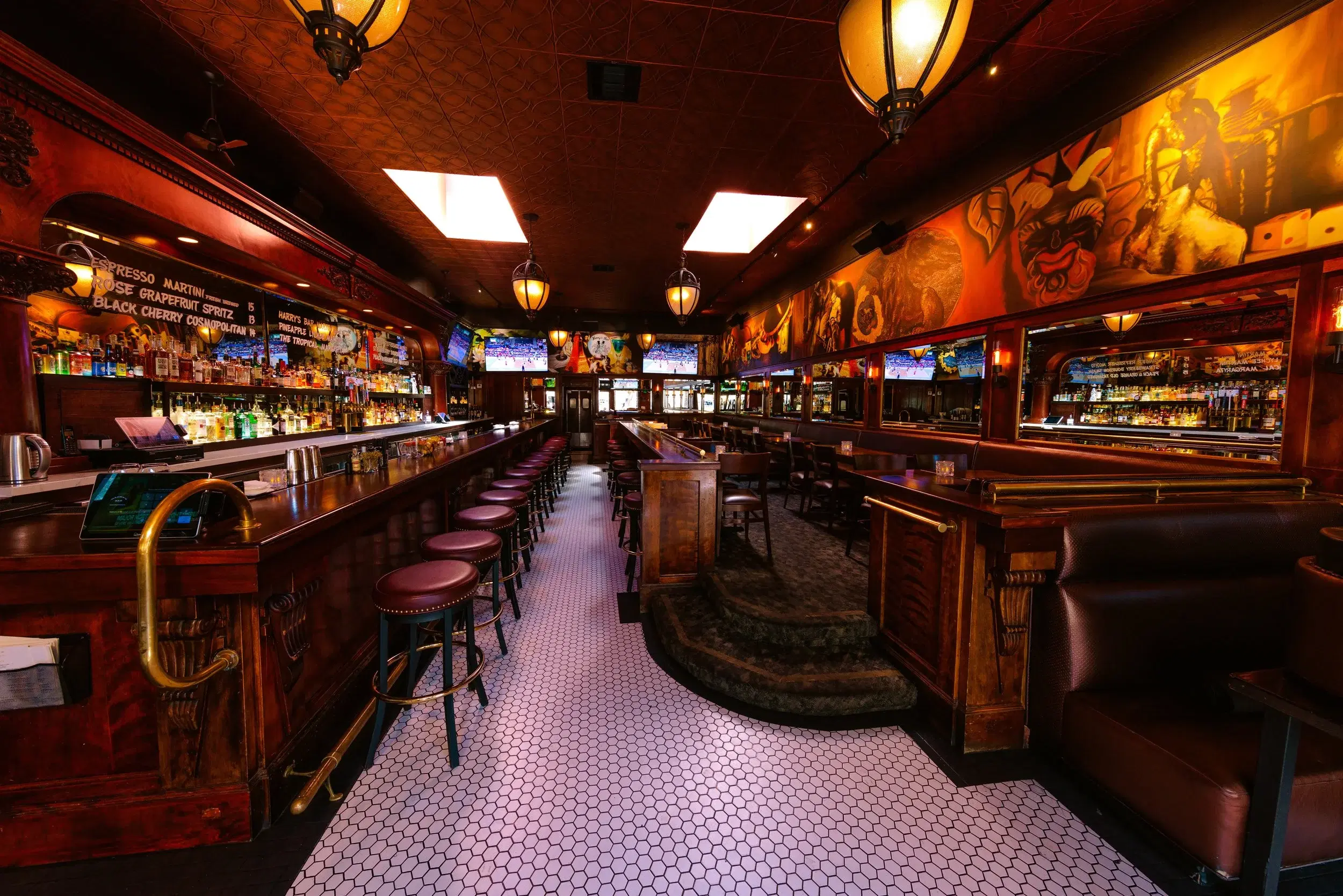
Bars in Paris
Browse all →
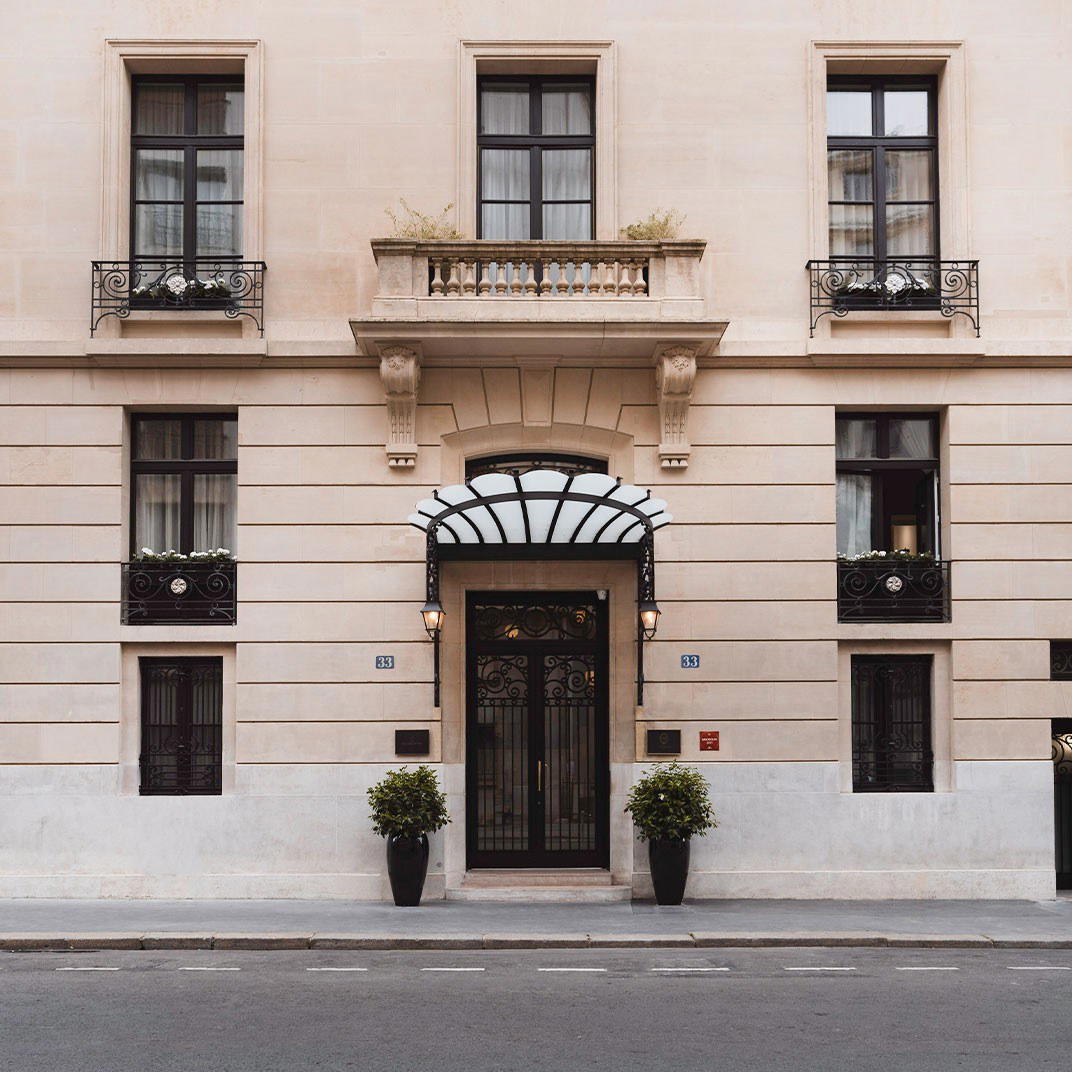
Hotels in Paris
Browse all →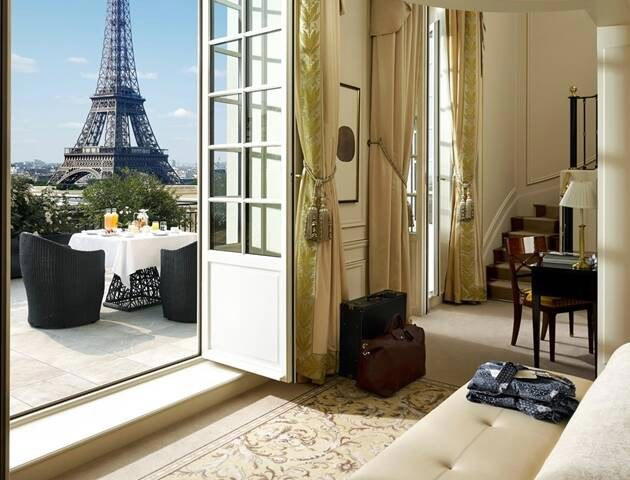



At a Glance
- Cozy
- Classic
- Casual Hangout
- Late Night
- Standalone
- Beer Program
- Street Scene
Cozy, bric-à-brac interior with a relaxed atmosphere blending traditional Romanian hospitality.