Located at 47 Rue Saint-Maur in Paris's 11th arrondissement, Balls sits in a neighbourhood where independent restaurants have largely displaced the bistro format of a generation ago. With no published menu details or awards on record, the address places it squarely in the 11th's casual-to-mid-market dining tier. Visitors to the area will find it alongside a dense concentration of independent operators running anything from natural wine bars to modern small-plates formats.
Pearl is the En Primeur Club membership app — saves, bookings, and concierge access live there. Same editors, same standards.
- Address
- 47 Rue Saint-Maur, 75011 Paris, France
- Phone
- +33951387489
- Website
- ballsrestaurant.fr
- Directions
- Get directions
 Saves & bookings on Pearl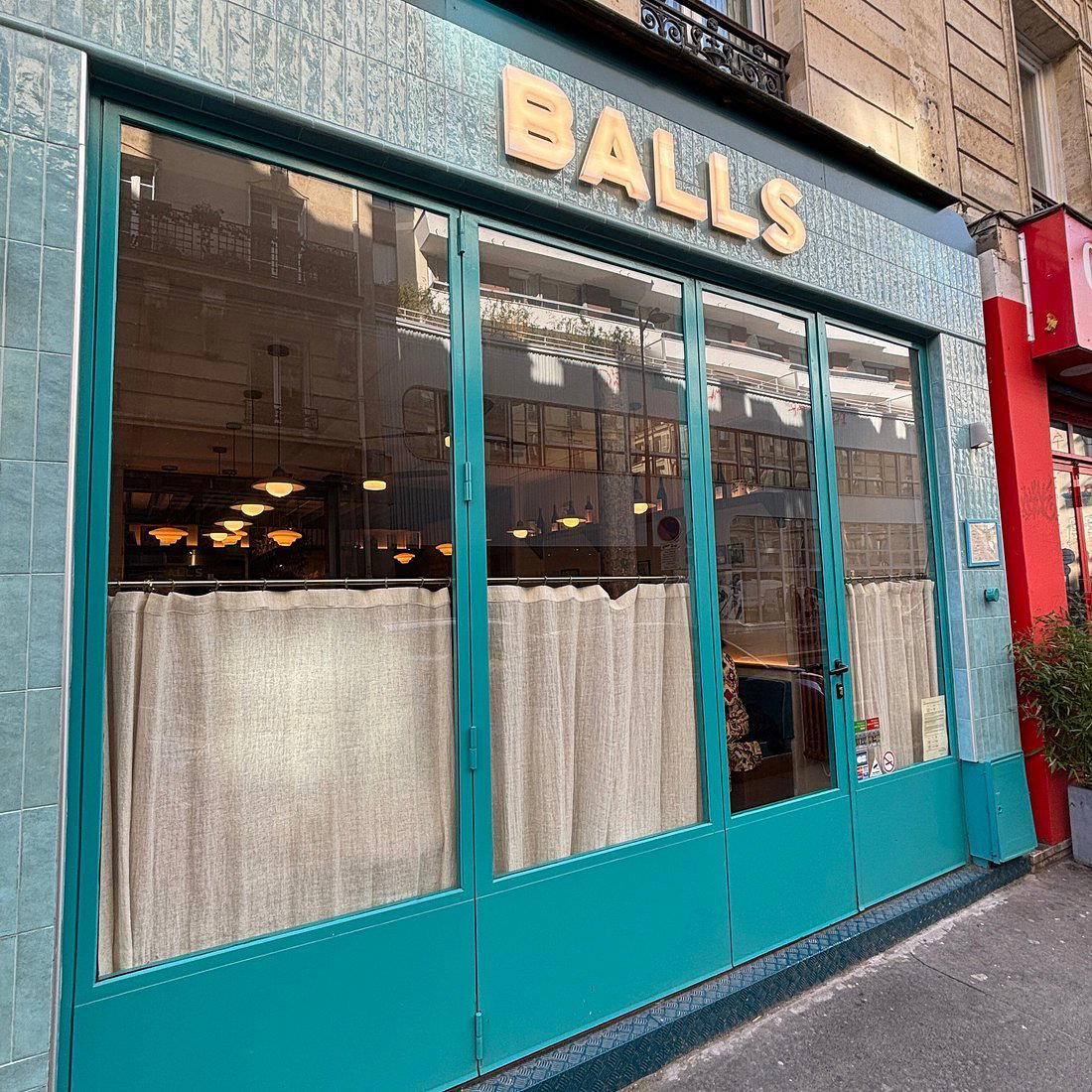
The 11th Arrondissement and What It Now Asks of a Restaurant
Paris's 11th arrondissement has undergone a significant structural shift in its dining character over the past fifteen years. The neighbourhood that once ran on standard brasserie economics, long hours, fixed menus, reliable plats du jour, has reconfigured around a younger operator model: compact rooms, shorter menus with tighter rotation, and a wine list that tends toward natural or low-intervention producers. Rue Saint-Maur, where Balls occupies number 47, sits inside that redrawn territory. The street connects the Canal Saint-Martin corridor to the denser residential blocks around Oberkampf and Ménilmontant, passing through a stretch where independent food and drink operators have largely pushed out the older café format. This is not the Paris of white tablecloths and silver trolleys. It is the Paris that critics at Le Fooding and international food press have spent a decade mapping as a more unselfconscious alternative to the Right Bank's formal dining tier.
That context matters for understanding what any restaurant at this address is working with and working against. The competitive set in this part of the 11th is not the three-Michelin-star bracket occupied by Alléno Paris au Pavillon Ledoyen or Arpège. Nor is it the contemporary French formalism of Kei or the classic haute cuisine tradition maintained at L'Ambroisie. The 11th operates on different terms: informality as a deliberate position, not a default, and a menu logic that tends to reward seasonal produce and chef curiosity over codified service ritual.
Menu Architecture in a Neighbourhood That Rewards Directness
In districts like the 11th, the menu is typically the primary statement of intent. Restaurants at the formal end of the Paris spectrum, Le Cinq at the Four Seasons George V, for instance, use multi-course tasting formats to signal position and justify price. The 11th's stronger operators tend to invert that logic: shorter printed menus with three to five items per section, a blackboard or verbal supplement for daily additions, and a pricing structure that reflects ingredient cost rather than ceremony. This approach has become something of a neighbourhood grammar. It allows a kitchen to respond to market availability without the overhead of a large brigade, and it signals to the diner that what arrives was sourced recently and chosen deliberately.
What the address confirms is that any operator at 47 Rue Saint-Maur is making choices within a well-established local frame of reference, one that has been refined by a generation of independent restaurants in this arrondissement. The broader French tradition that informs even casual Paris dining is one with deep regional roots: the farmhouse discipline of Bras in Laguiole, the bourgeois classicism maintained at Auberge de l'Ill, the spa-cuisine reformism of Les Prés d'Eugénie. Paris's neighbourhood restaurants absorb and compress those traditions into shorter, less ceremonial formats, and the 11th does so with particular directness.
Where the 11th Sits in the Broader Paris Dining Picture
A useful frame for any visit to this part of Paris is the distinction between destination restaurants and neighbourhood restaurants, a division the city maintains with unusual clarity. Destination restaurants, whether the long-established Michelin houses or newer tasting-menu operations in the 6th and 8th, require advance planning, often months of lead time, and carry a price structure that reflects that demand. The 11th's independent tier operates differently: most tables can be booked on shorter notice, pricing sits well below the formal dining bracket, and the experience is calibrated for a local regular as much as a travelling visitor. This does not imply lower standards. Some of France's most technically assured cooking has emerged from exactly this format, as the career trajectories of chefs now operating internationally-recognised restaurants demonstrate. Mirazur in Menton and Flocons de Sel in Megève both refined their identities at some remove from Parisian formalism. Lazy Bear in San Francisco represents a parallel trajectory in a different city: a restaurant that absorbed fine-dining technique and redeployed it in a deliberately informal register. The 11th has been doing something similar for over a decade.
For visitors building a Paris itinerary that moves across price tiers and formality levels, the arrondissement offers a natural counterpoint to the established Michelin circuit. The rhythm of a day that includes lunch in the 11th and dinner at a more formal address in the 7th or 8th is a pattern that suits Paris's geography well.
Regional French Cooking as the Background Register
Even without specific menu data for Balls, the broader French culinary tradition that runs beneath all Paris dining is worth placing on record. The regional spine of that tradition includes the three-Michelin-star consistency of Troisgros in Ouches, the Lyonnais institution of Paul Bocuse, the Bresse poultry and sauce tradition maintained at Georges Blanc in Vonnas, and the Languedoc depth represented by Auberge du Vieux Puits in Fontjoncouse and La Table du Castellet. Paris neighbourhood restaurants do not replicate these registers directly, but they draw on them, compressing Provençal technique, Burgundian sourcing instincts, and Basque product quality into formats suited to a sixty-seat room and a two-person kitchen team. The quality of that compression is what separates the 11th's better addresses from the merely adequate. Le Bernardin in New York offers a parallel example of how French culinary precision translates across formats and geographies when the underlying discipline is maintained.
Planning a Visit
Address: 47 Rue Saint-Maur, 75011 Paris, France. Reservations: Recommended. Price: About €15 per person.
- beef meatballs with yogurt sauce
- lamb meatballs
- chicken meatballs
- arrancini
- polenta
- risotto
Booking and Cost Snapshot
Comparable venues nearby, for context on price, style, and recognition.
| Venue | Cuisine | Price | Notes |
|---|---|---|---|
| BallsThis venue — the venue you are viewing | Not listed | $$ | Not listed |
| Poppy'z | Oberkampf, Cocktail Bar | $$ | Not listed |
| Lhassa | Latin Quarter, Authentic Tibetan | $$ | Not listed |
| Cocoön | Not listed | $$ | Folie-Méricourt, Cocktail Bar with Complementary Small Plates |
| 42 Degrés | Poissonnière, Cuisine Crudivore Végane | $$ | Not listed |
| Saperavi | Not listed | $$ | 5e arrondissement, Authentic Georgian |
Continue exploring
More in Paris
Restaurants in Paris
Browse all →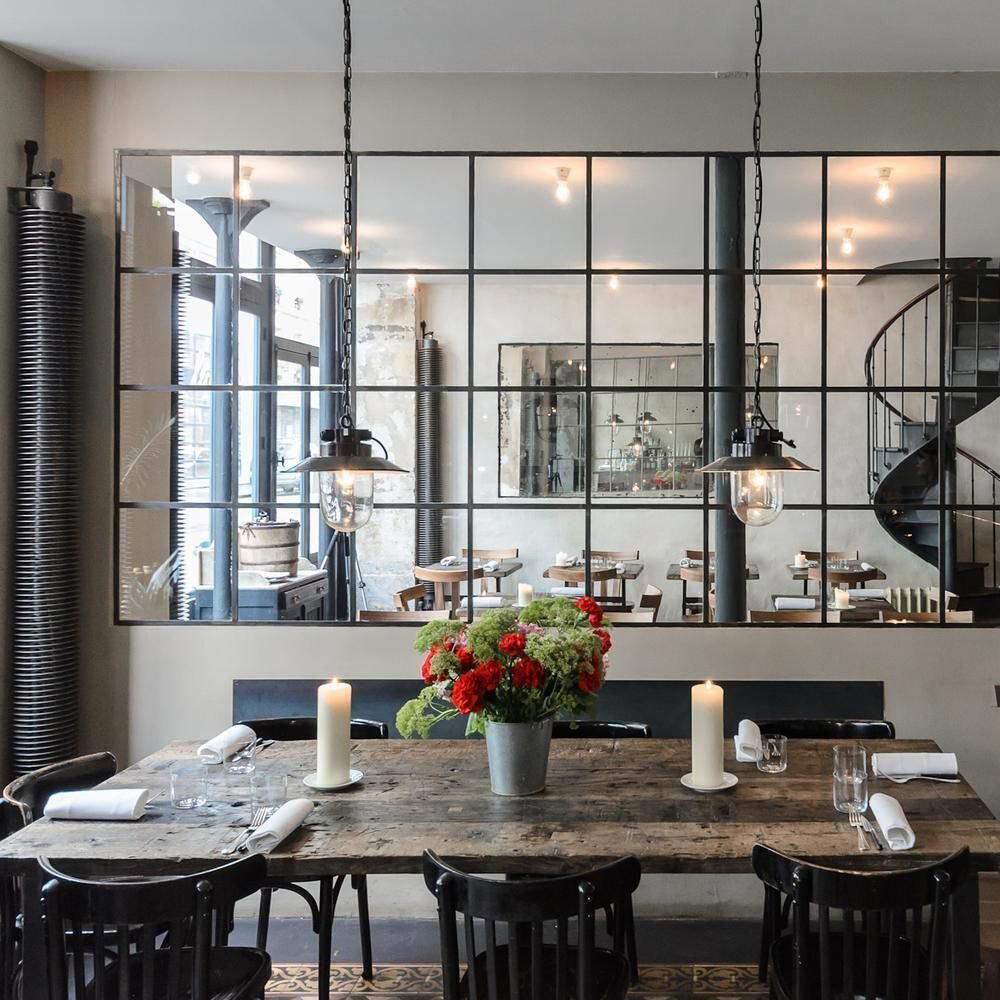
Bars in Paris
Browse all →
Hotels in Paris
Browse all →



At a Glance
- Trendy
- Lively
- Casual
- Cozy
- Casual Hangout
- Group Dining
- Family
- After Work
- Standalone
- Beer Program
Current opening hours
- Monday
- 12–10:30 PM
- Tuesday
- 12–10:30 PM
- Wednesday
- 12–10:30 PM
- Thursday
- 12–10:30 PM
- Friday
- 12–10:30 PM
- Saturday
- 12–10:30 PM
- Sunday
- 12–10:30 PM
Hours can change for holidays and private events. Last verified .
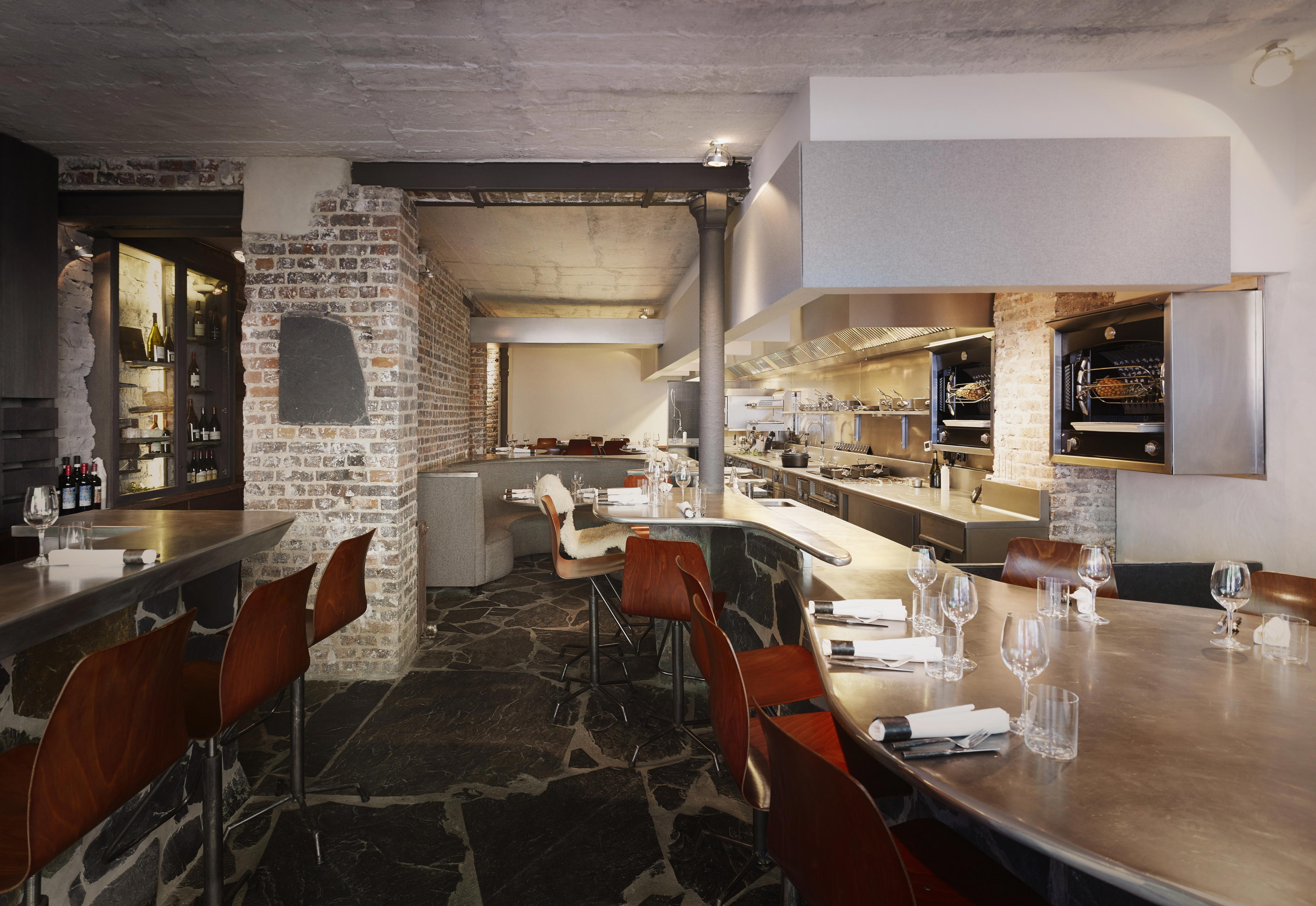
Casual, hip, and spartan interior with a fun, irreverent atmosphere; popular with trendy Parisians and families alike.