Don Quijote


Don Quijote on Rúa das Galeras holds a Michelin Plate (2025), placing it among the more consistent traditional-cuisine addresses in Santiago de Compostela's mid-price bracket. The kitchen draws on Galician culinary foundations in a city where pilgrims and locals have long shaped the dining culture. For the price tier, the recognition signals genuine reliability rather than novelty.
Pearl is the En Primeur Club membership app — saves, bookings, and concierge access live there. Same editors, same standards.
- Address
- Rúa das Galeras, 20, 15705 Santiago de Compostela, A Coruña, Spain
- Phone
- +34 981 58 68 59
- Website
- quijoterestaurante.com
- Directions
- Get directions
 Saves & bookings on Pearl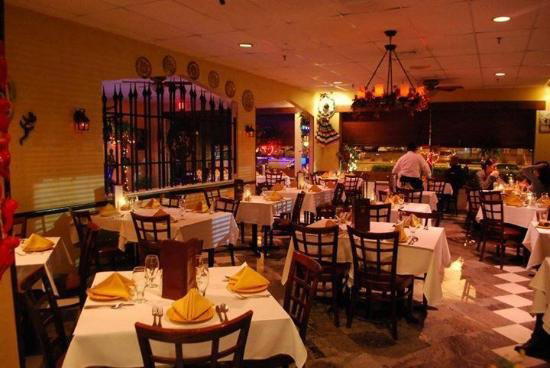
A Street That Sets the Tone
Rúa das Galeras runs close enough to the cathedral quarter that the stone overhead feels permanent, part of the architecture rather than decoration. The narrow streets of Santiago de Compostela's historic core have hosted eating houses for centuries, built to feed pilgrims completing the Camino and locals who had no interest in ceremony. Don Quijote occupies that lineage physically and in spirit. The address alone places it inside one of Spain's most layered dining contexts: a city where the weight of tradition is architectural, not metaphorical, and where a restaurant's relationship to its surroundings matters as much as what arrives at the table.
In a city that has produced Michelin-recognised addresses across multiple price tiers, the mid-range bracket is where particularly revealing choices are made. At €€ pricing, the kitchen cannot rely on theatrical format or premium ingredients to carry the room. The structure of the space and the reliability of the cooking have to do the work instead.
The Physical Container
Santiago de Compostela's traditional restaurant interiors share certain characteristics: stone walls that retain the coolness of the building's age, modest furniture that signals the meal rather than the setting as the priority, and a scale that keeps tables close enough for the room to feel alive without tipping into noise. Don Quijote fits within this model. The design language of the city's older dining rooms is one of accumulation rather than curation. Objects, textures, and surfaces accrue over years of use, and the result is an interior that reads as lived-in rather than designed.
This matters because the physical container of a restaurant in a city like Santiago communicates intent before the menu arrives. Rooms that have been stripped back and modernised signal one kind of ambition; rooms that retain the marks of continuous operation signal another. In the mid-price bracket, the latter often correlates with a kitchen focused on ingredient quality and technique over presentation theatre.
Across the broader Santiago restaurant scene, the physical split between old-stone traditional rooms and contemporary refits has become a reliable proxy for menu philosophy. A Tafona, operating at the €€€€ tier with a Michelin Star, represents the contemporary-refit end of that spectrum. Café de Altamira and Don Quijote occupy the same historic-fabric category, where the building's age is part of the proposition.
Traditional Cuisine in a Pilgrimage City
Galician cuisine is one of Spain's most geographically coherent regional traditions. The Atlantic coastline determines the protein supply: percebes, merluza, pulpo, and the shellfish that make Galicia's coastal markets particularly cited in northern Spain. The interior contributes lacón, grelos, and the kind of slow-cooked preparations that travel well inland. Santiago sits at the intersection of both, close enough to Rias Baixas wine country to have Albariño as a near-default pairing, and far enough inland that meat-based preparations share equal standing with seafood.
Traditional cuisine at the €€ price point in this city means working within that Galician canon rather than reinterpreting it. The Michelin Plate recognition the restaurant holds for 2025 is not the same signal as a Star, but it is not a trivial one either. The Plate designation in the Michelin framework indicates that the kitchen produces good cooking, which at this price tier and in this geographic context means reliable execution of regional preparations rather than innovation. That is a specific kind of promise, and for a large share of the city's visitors, arriving after days on the Camino, it is exactly the right one.
Across Spain's broader Michelin-listed landscape, the distance between a Plate address and a three-Star house like El Celler de Can Roca in Girona or a two-Star like Arzak in San Sebastián is substantial in format, price, and ambition. Closer comparisons within Galicia's traditional register include Auga in Gijón, which also holds traditional-cuisine recognition in the northern Atlantic coastal context. For fusion and contemporary interpretations within Santiago itself, A Maceta and A Viaxe operate at the same €€ price band but with different culinary orientations. A Horta d'Obradoiro provides a regional-cuisine alternative for those looking to stay within Galician tradition but across a different format.
Where It Sits in the Santiago Tier Structure
Santiago's restaurant market has developed a reasonably clear price architecture. At the entry level, Abastos 2.0's barra format at € pricing offers farm-to-table tapas built around the city's market supply. At €€, the restaurant and A Maceta represent different philosophies within the same price bracket: one anchored in traditional regional cooking, the other in fusion. At €€€, Casa Marcelo operates an Asian small-plates fusion format. At €€€€, A Tafona's Michelin-starred contemporary kitchen sets the upper ceiling.
Within that structure, a Michelin Plate at €€ is a meaningful position. It means the kitchen is producing food that the guide's inspectors judged worth noting, at a price point accessible enough that it does not require a special-occasion context to justify the visit. For a city that receives pilgrims across a wide economic range, that accessibility is part of what the traditional-cuisine category is doing here.
Planning a Visit
The restaurant sits on Rúa das Galeras, 20, in Santiago de Compostela's historic centre, within walking distance of the cathedral and the main pilgrimage arrival points. The €€ price range places it in the city's mid-tier, where a full meal sits well within reach without advance financial planning. Given the 930-strong review base and the Michelin Plate recognition, the room is likely to be busier on weekend evenings and during peak pilgrimage season in summer. Arriving earlier in the evening service, or visiting on a weekday, gives a stronger chance of a comfortable pace.
Similar Picks
Comparable venues nearby, for context on price, style, and recognition.
| Venue | Cuisine | Price | Notes |
|---|---|---|---|
| Don QuijoteThis venue — the venue you are viewing | Traditional Galician Seafood | $$ | Not listed |
| Café de Altamira | Modern Galician Market Cuisine | $$ | Mercado de Abastos |
| Restaurante Filigrana | Modern Galician Fine Dining | $$$ | Río Sar |
| Lume | Contemporary Galician Tasting Menu | $$$ | Santiago de Compostela |
| A Maceta | Galician Fusion with Asian Touches | $$ | casco histórico |
| A Horta d'Obradoiro | Modern Galician | $$$ | Santiago de Compostela |
Recognition history
Dated appearances from independent guides and award organizations, with the underlying list record or original source where available.
Macarfi 7.4 Food Rating
Macarfi
Michelin Plate
Michelin
Continue exploring
More in Santiago de Compostela
Restaurants in Santiago de Compostela
Browse all →
Bars in Santiago de Compostela
Browse all →
Hotels in Santiago de Compostela
Browse all →
Wineries in Santiago de Compostela
Browse all →
At a Glance
- Classic
- Rustic
- Cozy
- Family
- Group Dining
- Celebration
- Historic Building
- Extensive Wine List
- Local Sourcing
- Street Scene
Current opening hours
- Monday
- 1–4 PM, 8–11:30 PM
- Tuesday
- 1–4 PM, 8–11:30 PM
- Wednesday
- 1–4 PM, 8–11:30 PM
- Thursday
- 1–4 PM, 8–11:30 PM
- Friday
- 1–4 PM, 8–11:30 PM
- Saturday
- 1–4 PM, 8–11:30 PM
- Sunday
- 1–4 PM
Hours can change for holidays and private events. Last verified .
Stone-and-wood dining room with classic, warm materials creating a relaxed, old-school atmosphere.