
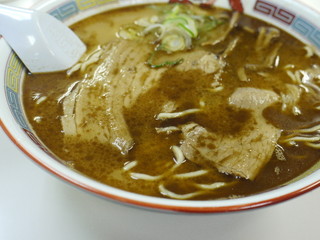
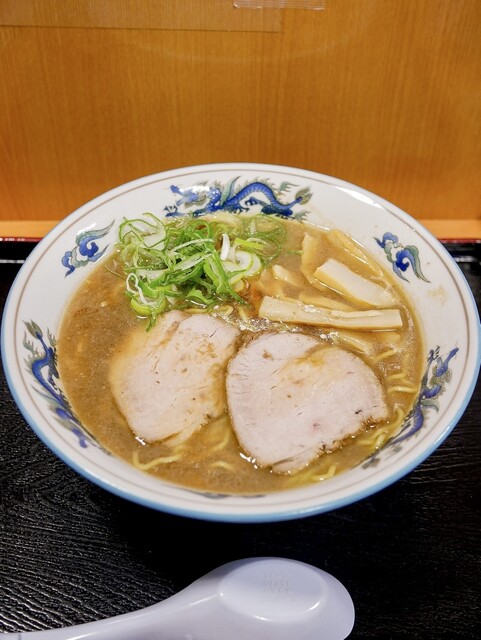
Aji Toku Honten is an Asahikawa ramen counter with Tabelog 100 Ramen HOKKAIDO 2025 recognition, a compact eight-seat format, and a menu identity built around ramen rather than breadth. For Sapporo-based travelers mapping Hokkaido’s noodle culture beyond the capital, it offers a useful contrast to the city’s larger ramen circuits and curry-led comfort-food addresses.
Pearl is the En Primeur Club membership app — saves, bookings, and concierge access live there. Same editors, same standards.
- Address
- 7 Chome-右3 3 Jodori, Asahikawa, Hokkaido 070-0033, Japan
- Phone
- +81 166-23-6574
- Website
- ajitoku.com
 Saves & bookings on Pearl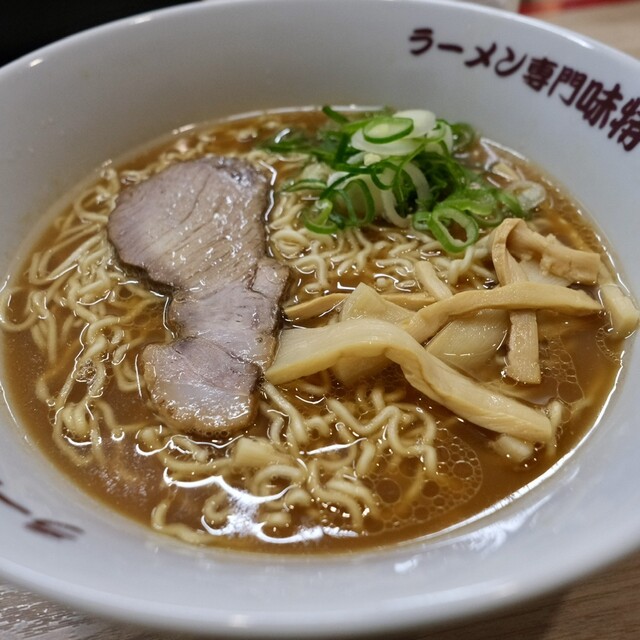
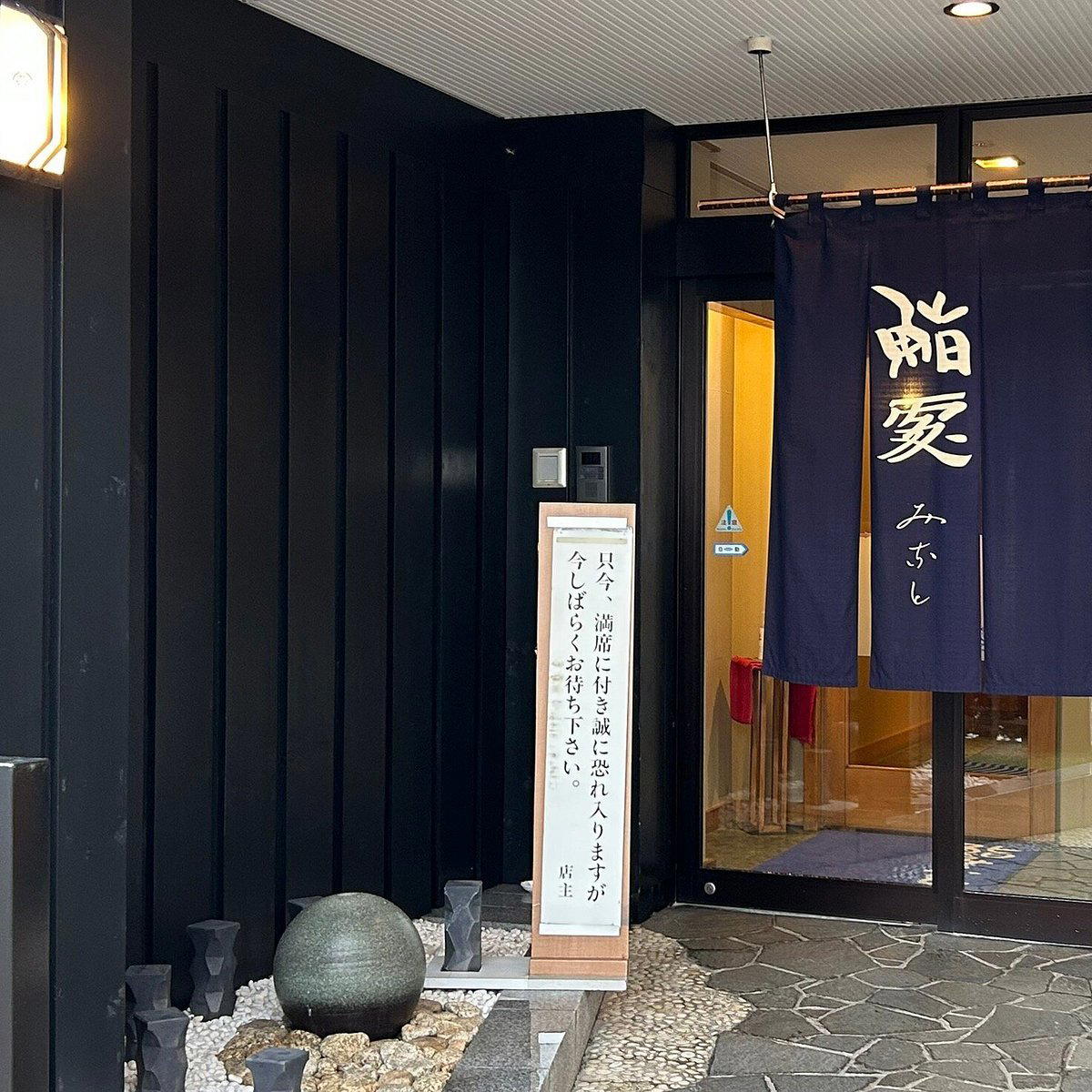
The room belongs to Hokkaido’s older ramen grammar: counter seating, quick turnover, little ceremony, and the close-range focus of a shop where the bowl is the architecture. In Asahikawa, ramen is not a side note to Sapporo’s miso-heavy fame; it is its own regional argument, shaped by a colder inland climate, late-night eating habits, and a practical counter culture that rewards concentration over spectacle.
Aji Toku Honten sits inside that tradition with a narrow physical format: eight counter seats, non-smoking service, and ramen as the defining category. That scale matters. Hokkaido ramen shops often compete on broth identity and local loyalty rather than tasting-menu theatrics, and a counter of this size keeps the experience closer to a workshop than a dining room. The 2025 Tabelog 100 Ramen HOKKAIDO selection gives the address an external signal in a prefecture where noodle shops are judged by repeat custom as much as by travel attention.
Asahikawa ramen, read through the counter
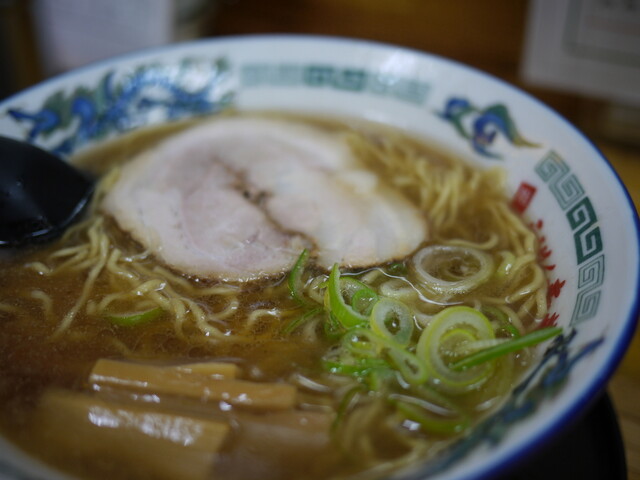
Hokkaido ramen is often flattened into one shorthand: Sapporo equals miso. That misses the point for travelers willing to leave the capital’s more visible circuit. Asahikawa’s ramen identity is typically discussed through soy-led broths, pork-and-seafood depth, and a surface of oil that helps retain heat in winter. Those are regional traits rather than promises about any single bowl, but they explain why an Asahikawa counter can feel different from the more touristed ramen lanes around Sapporo Station and Susukino.
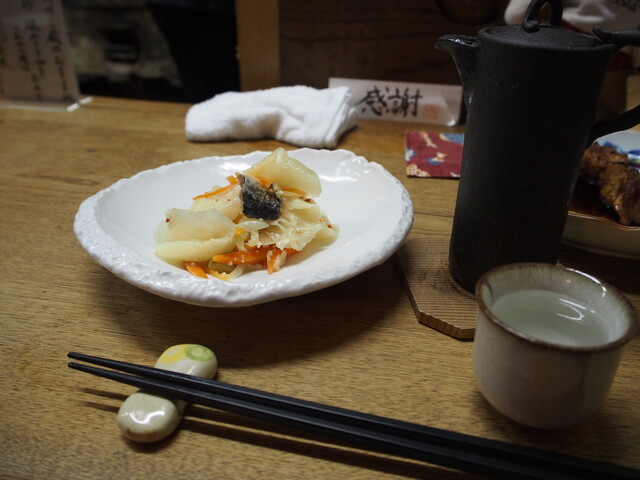
The menu logic here appears disciplined: ramen first, with sake listed as the drink category rather than a sprawling beverage program. That structure says something about the shop’s place in the local food economy. It is not chasing the broad casual-dining model; it is participating in the Hokkaido ramen category where the choice is less about courses and more about which regional expression a traveler wants to understand.
For Sapporo visitors, that comparison is useful. 175°DENO Tantanmen Sapporo kitaguchi ten points toward Sichuan-inflected noodle heat near the capital’s transport core, while [Curry Senmon Ten] Maruyama Kyoju., Ajanta Indo Curry Ten, and Ajanta Sohonke show how Sapporo’s comfort-food map also runs through curry culture. Aji Toku Honten belongs to a different Hokkaido story: the inland ramen counter, small in footprint and specific in purpose.
The menu architecture is narrower than the Hokkaido travel circuit
The strongest reason to place this address on a Hokkaido itinerary is not variety. It is compression. Eight seats, ramen category recognition, and a counter-only feel create a focused reading of the genre. In luxury dining, breadth often signals ambition; in ramen, breadth can dilute the point. The better question is whether the shop’s structure lets the noodle, broth, tare, and pacing carry the meal without distraction.
That is where the Tabelog 100 Ramen HOKKAIDO 2025 recognition has practical editorial value. It does not turn a ramen counter into a fine-dining room, and it should not be read that way. It places the shop inside a curated prefectural list, alongside a field where regional specialists matter. The listed Tabelog score of 3.58 also needs local calibration: on Japanese review platforms, incremental differences can carry weight, particularly in categories with high volume and strong local repeat traffic.
The comparison within Hokkaido is sharper than a simple Sapporo-versus-Asahikawa split. Asahikawa Ramen Aoba Honten and Hachiya Gojou sougyou ten occupy the same low-cost ramen bracket, while Ramenya Tenkin Shijou ten moves slightly higher in published spend. Dokushaku Sanshiro, by contrast, belongs to a different evening-dining price tier, so it is a poor substitute if the goal is ramen literacy rather than a broader night out. Aji Toku Honten is better judged against other ramen counters than against izakaya or multi-course dining.
That distinction helps travelers build a smarter food day. A ramen counter like this does not need to anchor an entire evening; it can define one precise stop in a wider Hokkaido itinerary. Pairing it mentally with bakeries such as Aigues Vives or with Sapporo’s curry addresses shows the region’s range without forcing every meal into the same category. For broader planning, Our full Sapporo restaurants guide is the cleaner place to map the capital’s dining options, while Our full Sapporo hotels guide, Our full Sapporo bars guide, Our full Sapporo wineries guide, and Our full Sapporo experiences guide cover the trip around the meal.
Who should make the detour
This is a sharper fit for travelers who care about regional ramen distinctions than for those seeking a long, leisurely dinner. The counter format suits solo diners and small groups, and the children-welcome note keeps it within everyday local dining rather than rarefied special-occasion territory. Payment is cash-oriented in practice, with cards and electronic payment methods not accepted, so this is the kind of stop that rewards old-fashioned preparation.
The address is also a reminder that Hokkaido’s dining map is not contained by Sapporo. The capital supplies density, nightlife, hotels, and transport convenience, but Asahikawa supplies a separate ramen vocabulary. For readers building a Japan itinerary across cities, it is useful to compare that specificity with focused formats elsewhere: -Grilled beef Sukiyaki- KAMAKURA TANUKIAN 鎌倉 たぬき庵 in Kamakura for beef sukiyaki,. 鮪と炭火焼き うお炭 秋葉原店 in Tokyo for tuna and charcoal grilling,.cafe in Osaka for café culture,.know in Kumamoto for a regional dining lens, (Shoku) Vietnam in Kawasaki for Vietnamese cooking in Japan, and [ki:] in Kyoto for a different register of precision.
Outside Japan, the same editorial principle applies: focused formats travel better in memory than generic breadth. Jōdo Saké Bar in Los Angeles and Onigiri Time in Pasadena show how Japanese food categories become legible abroad when the format is clear. Aji Toku Honten’s case is simpler and more local: a small Asahikawa ramen counter, recognized in a Hokkaido ramen list, useful for travelers who want the prefecture’s noodle culture to mean more than Sapporo miso alone.
Local
Comparable options at the same price tier.
| Venue | Cuisine | Price | Notes |
|---|---|---|---|
| Aji Toku HontenThis venue — the venue you are viewing | Traditional Asahikawa Ramen Shop | $ | |
| Ramenya Tenkin Shijou ten | Japanese Ramen | $ | 4-jo-dori |
| Ramen Senmon Tsuruya | Traditional Sapporo Ramen Shop | $ | Susukino |
| Ramen Yamasawa | Ramen & Tsukemen Shop | $ | Shiroishi |
| Ramen Sapporo Akahoshi | Sapporo Ramen Shop | $ | Chūō |
| Araton Honten | Ramen & Tsukemen Shop | $ | Chūō |
Continue exploring
More in Sapporo
At a Glance
- Lively
- Classic
- Cozy
- Hidden Gem
- Solo
- Family
- Casual Hangout
- Late Night
- Standalone
- Beer Program
- Sake Program
A compact, old-school counter-only ramen shop with bright yet simple lighting, a bustling atmosphere, and the feel of a classic local joint frequented by solo diners and families after work or late at night.