
Tabelog Bronze #276
Our verdict
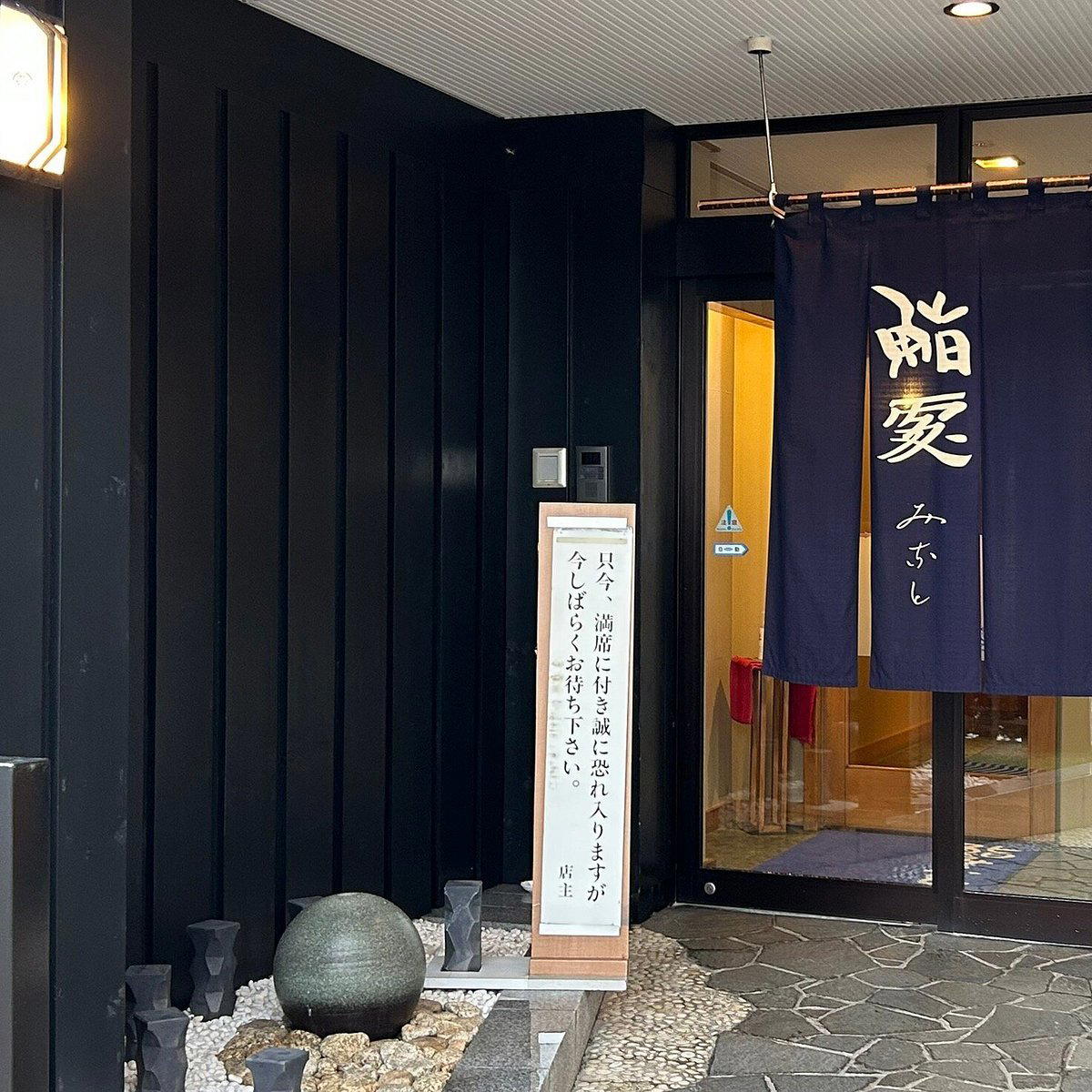
Asahikawa’s serious sushi conversation starts with Hokkaido seafood rather than Tokyo theatre. Minato sits in that regional lane: a 40-seat sushi house with counter and private-room formats, Tabelog Award Bronze recognition from 2018 through 2026, and a dinner budget listed at JPY 20,000 to JPY 29,999.

Pearl is the En Primeur Club membership app, where members save venues, book tables and use the concierge.
The menu
What to order
- Toro nigiri (Oma tuna)
- 15-piece sushi set
- Scallop soup
- Conger eel soup
In central Asahikawa, sushi does not need Ginza’s polished hush to make its case. The city is inland, but Hokkaido’s fishing grounds shape the table: cold-water shellfish, seasonal white fish, salmon roe, crab, uni, and the local expectation that freshness alone is not enough. Stronger counters borrow Edo-mae discipline, then bend it toward northern ingredients. Minato belongs to that conversation, not as a Tokyo imitation, but as an Asahikawa answer to serious sushi away from the capital.
The useful distinction is Ezo-mae rather than Edo-mae. Edo-mae sushi grew around Tokyo Bay and preservation techniques: curing, simmering, marinating, aging, and seasoning rice with intent. Ezo-mae, tied to Hokkaido’s older name, shifts the source material north. The point is geography, not novelty. Hokkaido’s seafood culture rewards purity, but stronger sushi rooms add controlled technique so the meal does not become a parade of expensive raw fish. That is the frame for this restaurant.
Hokkaido fish, Edo-mae grammar
Asahikawa’s dining identity is often reduced to ramen, especially by short-stay travellers. That misses its position as a northern hub with access to Hokkaido produce and seafood moving through the prefecture. Sushi at this level asks a different question from the quick ramen circuit: how much technique should stand between diner and ingredient? Minato’s public recognition suggests a house that has answered consistently enough to matter beyond the city.
The evidence is unusually clear for a regional sushi address. The restaurant is listed as sushi, holds a Tabelog score of 4.26 for 2026, and appears as a Tabelog Award Bronze winner in 2026, with Bronze recognition also listed across prior years from 2018 onward. It was also selected for Tabelog Sushi EAST “Tabelog 100” in 2025, 2022, and 2021. In Japan’s restaurant culture, where Tabelog scores above 4 are hard to sustain, that combination places it in a serious national conversation while keeping the scale and mood of a local Hokkaido house.
Regional sushi can fall into expensive ingredient display with little structure, or imported Tokyo mannerism that ignores local supply. The better version does neither. It treats Hokkaido seafood as starting material and Edo-mae craft as tools: seasoning, temperature control, rice balance, and pacing. No chef biography is needed; the sourcing argument is stronger than personality.
A counter that does not exclude the private room
The room format says plenty about the audience. There are 40 seats, including 11 at the counter, plus private rooms. This is not the tiny, eight-seat omakase model that defines high-priced sushi in parts of Tokyo, Kyoto, and Osaka. It is a broader Japanese format, where counter dining carries the craft signal, while tatami rooms and private rooms serve business dinners, families, and small groups.
That difference matters in Asahikawa. A city dining room has to serve local occasions as well as travelling diners chasing awards. Private rooms for parties from two through larger groups, a non-smoking policy, and a family-friendly listing make the restaurant less brittle than many destination sushi counters. The counter remains the sharper choice for diners focused on handwork and pacing, but the larger format explains why the address functions inside the city rather than simply above it.
Price also separates it from the everyday Asahikawa circuit. Local comparison venues such as Dokushaku Sanshiro sit in a much lower dinner bracket, while ramen addresses including Aji Toku Honten, Hachiya Gojou sougyou ten, Asahikawa Ramen Aoba Honten, and Ramenya Tenkin Shijou ten occupy the casual end. Minato’s listed dinner budget of JPY 20,000 to JPY 29,999 makes it less a spontaneous stop than a planned sushi meal built around Hokkaido seafood and formal service.
How to place it in an Asahikawa itinerary
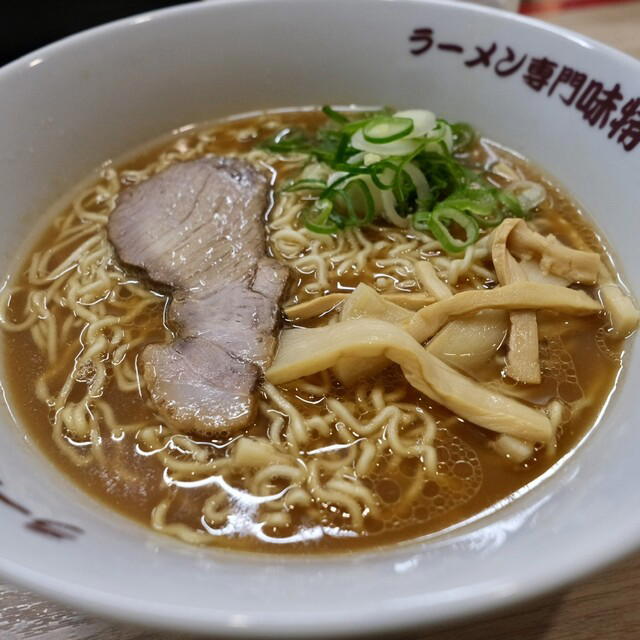
For travellers, the choice is not simply “sushi or ramen.” It is whether Asahikawa should be treated as a one-note ramen city or a Hokkaido dining base with range. A meal here argues for the latter. Ramen remains part of the city’s identity, and nearby EP Club listings such as Ramen Senmon Himawari show how deep that casual lane runs. Onoki offers another local reference point for mapping the city beyond a single bowl.
The practical read is simple: this is a dinner-first sushi address with serious recognition, a counter for focused dining, and private rooms for groups that would find a tight omakase counter too rigid. Reservations are noted as difficult to secure, fitting the award history and limited counter count. The restaurant is non-smoking, accepts JCB, AMEX, and Diners, and offers sake, shochu, and wine, with particular attention listed for Japanese sake and shochu. Those details point to a room built for a full evening rather than a quick seafood stop.
For broader planning, use Our full Asahikawa restaurants guide to frame the city’s dining range, then pair it with Our full Asahikawa hotels guide, Our full Asahikawa bars guide, Our full Asahikawa wineries guide, and Our full Asahikawa experiences guide. Readers extending the Japan food map can also compare formats across -Grilled beef Sukiyaki- KAMAKURA TANUKIAN 鎌倉 たぬき庵 in Kamakura, . 鮪と炭火焼き うお炭 秋葉原店 in Tokyo.cafe in Osaka.know in Kumamoto, (Shoku) Vietnam in Kawasaki, [Curry Senmon Ten] Maruyama Kyoju. in Sapporo, [ki:] in Kyoto, #肉といえば松田 奈良本店 in Kashihara, 1/3 HAMBURGER FACTORY in Kanazawa, Jōdo Saké Bar in Los Angeles, and Onigiri Time in Pasadena.
The verdict is measured but firm. For a traveller who wants Hokkaido sushi without making the meal a Tokyo-style status exercise, Minato has the right signals: sustained Tabelog Award Bronze recognition, repeated Sushi EAST “Tabelog 100” selection, a 4.26 score in 2026, and a format that keeps counter purists and private-room diners in play. It is a serious Asahikawa dinner because it lets the region, not the room, carry the argument.
Frequently asked questions
Does Minato work for a family meal?
Yes. Minato lists children welcome, private rooms for 2 to 20 people, and 40 seats in total, which makes it workable for family dinners in Asahikawa. Its dinner pricing sits in the JPY 20,000–JPY 29,999 range.
What is the atmosphere like at Minato?
The room is described as a relaxing space with counter seating and tatami room options. It is a house restaurant in Asahikawa, open Monday to Saturday from 18:00 to 23:00, with reservations that can be difficult to secure.
What time does Minato open and close?
Hours at Minato: Mon, Tue, Wed, Thu, Fri, Sat 18:00 - 23:00 L.O. 22:30.
How do I find Minato?
Minato is located in Asahikawa.
What is Minato known for?
Minato is known for sushi with a focus on fish, and Tabelog recognized it with Bronze awards in 2026, 2025, and multiple earlier years. It was also selected for Tabelog Sushi EAST "Tabelog 100" in 2025, 2022, and 2021.
A Quick Peer Check
Comparable venues by cuisine and price in the same metro.
| Venue | Cuisine | Price | Awards | Notes |
|---|---|---|---|---|
| MinatoThis venue (the venue you are viewing) | Edomae-Style Sushi with Hokkaido Seafood | $150–200 | Tabelog Bronze #276 | Not listed |
| Ramen Senmon Himawari | Asahikawa ramen shop famous for hormone miso “Morumen” | $10–20 | Tabelog 100 #84 | Taisetsudori |
| Onoki | Traditional Hokkaido chicken specialties | $10–20 | Tabelog 100 #50 | Higashi Asahikawa |
| Dining at Kai (食事処) | Kaiseki Ryokan Dining | Not listed | Not listed | Yufuin |
| 日本料理 明寂 | Modern Minimalist Kaiseki | $300–500 | 3 Michelin Stars · World's 50 Best #33 | Nishi-Azabu |
| 早苗饗 | Local Niigata Gastronomy Kaiseki | Not listed | Not listed | 大沢 |
Recognition history
Dated appearances from independent guides and award organizations, with the underlying list record or original source where available.
Tabelog Bronze #276
Tabelog
Full recognition history (3 entries)
Tabelog Bronze
Tabelog
Tabelog 100 #9 · No. 9
Tabelog · Tabelog 100 - Sushi - EAST - 2025
Continue exploring
More in Asahikawa
Details
- Intimate
- Elegant
- Quiet
- Classic
- Special Occasion
- Date Night
- Celebration
- Chefs Counter
- Open Kitchen
- Sake Program
- Local Sourcing
- Sustainable Seafood
- Omakase
- Counter Dining
- Set Menu
- Sake
- Allergy Accommodating
- Pescatarian Friendly
Current opening hours
- Monday
- 6–11 PM
- Tuesday
- 6–11 PM
- Wednesday
- 6–11 PM
- Thursday
- 6–11 PM
- Friday
- 6–11 PM
- Saturday
- 6–11 PM
- Sunday
- Closed
Hours can change for holidays and private events. Last verified .
Purposeful and restrained interior with low lighting designed to highlight seafood colors; white wooden counter emphasizes chef craftsmanship; dignified, tranquil atmosphere despite downtown location.