Our verdict
Frognerseteren sits at the edge of the Holmenkollen forest above Oslo, a century-old timber lodge that has long served as the city's most atmospheric setting for milestone meals. The approach through pine-scented woodland, the open log fire visible through leaded glass, and the view across the Oslofjord frame an occasion before a dish arrives. For celebrations that need place as much as plate, few Oslo addresses carry this weight.

Pearl is the En Primeur Club membership app, where members save venues, book tables and use the concierge.
Above the City, Inside the Forest
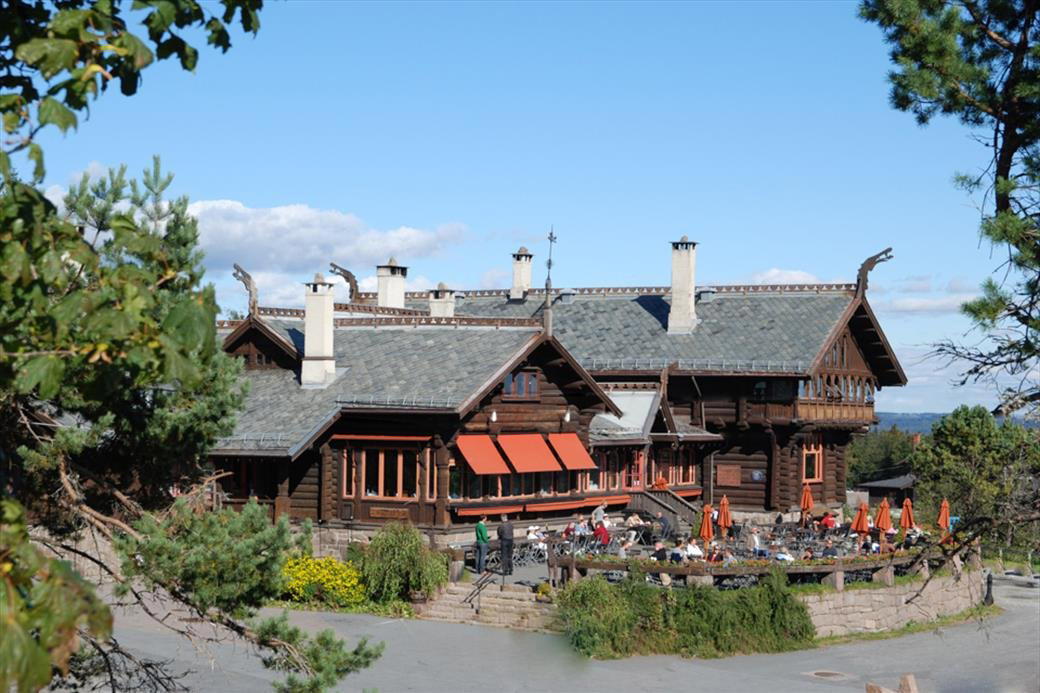
The T-bane ride to Frognerseteren is part of the event. From central Oslo, Line 1 climbs steadily through Holmenkollen and into the marka, the forested highland that Norwegians treat as a collective commons. By the time you step off at the terminus and walk the short path to the lodge, the city has disappeared below treeline. What greets you is a dragon-style timber building from 1891, with carved woodwork, pitched roofs layered in snow for much of the year, and a terrace that looks south across the Oslofjord toward the horizon. Occasion dining in Oslo splits between the technically rigorous tasting-menu circuit downtown and a smaller category of historic rooms where the setting does heavy narrative work. Frognerseteren belongs firmly to the second category, and its position at 450 metres above sea level makes the journey itself a structural part of any celebration.
The Architecture of a Milestone Meal
Norway's stave-church and dragon-style building tradition produced a handful of landmark public structures in the late nineteenth century, and Frognerseteren is among the most photographed. The interior carries the same logic outward: exposed timber, carved brackets, and a fireplace that functions as the room's anchor during the long Oslo winter. For guests marking anniversaries, birthdays, or significant professional moments, the room provides a frame that is difficult to manufacture in a purpose-built contemporary space. This is the kind of setting where photographs from the evening will still communicate something about the occasion thirty years later.
That atmospheric weight places Frognerseteren in a distinct position relative to Oslo's fine-dining circuit. Places like Maaemo and Kontrast operate at the technical cutting edge of New Nordic cuisine, with tasting menus priced at the upper end of the Oslo market and booking windows that can stretch months ahead. Hot Shop and Bar Amour offer a more casual but creative register. Frognerseteren sits outside those competitive sets. Its claim is on a different kind of occasion: the meal that is inseparable from its surroundings, where the forest, the view, and the century of history are the proposition.
Norwegian Culinary Tradition at Elevation
The kitchen at Frognerseteren works within a Norwegian comfort tradition that predates the New Nordic wave by several decades. Game, fish, and preserved ingredients have always defined upland Norwegian cooking, and a lodge at the edge of the marka is a natural home for that register. Across Norway, the most resonant celebration meals outside Oslo's tasting-menu rooms tend to follow this pattern: classically grounded, seasonally attentive, and shaped by geography rather than international technique. RE-NAA in Stavanger, Speilsalen in Trondheim, and Lysverket in Bergen each demonstrate how Norwegian dining identity holds across regions and price points. Frognerseteren's contribution to that tradition is specifically tied to place: the lodge has been feeding visitors after ski tours and summer hikes for well over a century, and the kitchen's register reflects that long relationship between the building, the forest, and the people who arrive from both.
For guests seeking more experimental expressions of Norwegian produce and technique further afield, Under in Lindesnes, Glime Restaurant in Hardanger Fjord, and MiraBelle by Ørjan Johannessen in Bekkjarvik demonstrate the range of what Norwegian destination dining has become in the past decade.
Seasons and Occasions
The lodge reads differently across the year, and the season shapes which kind of celebration it suits. Winter arrivals, with the marka under snow and the fire burning inside, produce the more immediately dramatic setting: a contained, amber-lit room against darkness and cold. Summer evenings shift the register entirely. The terrace opens, the light lingers past ten o'clock at Oslo's latitude, and the view across the fjord becomes the primary architectural feature. Both versions work for celebrations; they work differently. A winter anniversary dinner in the main room and a summer birthday on the terrace are two separate occasions with distinct tonal characters, even at the same address.
Spring and autumn carry their own logic: the forest transitions visibly around the building, and the shoulder seasons tend to be quieter than the peak ski and summer periods. For guests who want the setting without competing for table space, those months are worth considering.
Planning the Visit
Frognerseteren is accessible on Oslo's public transport network, reached via T-bane Line 1 to its upper terminus, which makes the journey itself more democratic than comparable country-house dining destinations in other European cities. The ride from central Oslo takes roughly 35 minutes and is part of the experience in its own right, climbing through residential Oslo into the treeline. Guests driving should note that parking is available but the road narrows near the leading, and in winter conditions the public transport option is the more reliable choice.
For the wider Oslo dining context, including recommendations across price points and neighbourhoods, our full Oslo restaurants guide covers the city comprehensively. Guests building a longer Norwegian itinerary might also consider Restaurant 1893 in Stokmarknes, Vianvang in Vågå, Buer Restaurant in Odda, and Lily Country Club in Kløfta as part of a broader exploration of how Norwegian dining identity plays out across different geographies and formats.
For those comparing Frognerseteren's occasion-dining proposition to international peers where place and setting drive the experience as strongly as the kitchen, Le Bernardin in New York City and Lazy Bear in San Francisco offer useful reference points, each representing a different way that a room can carry the weight of a milestone meal. Oslo's downtown equivalent for classically grounded occasion dining includes Mon Oncle, which operates in a more European register within the city centre.
Frequently asked questions
Is Frognerseteren suitable for children?
The lodge works well for families. The T-bane Line 1 journey to Holmenkollveien 200 is an event in itself for younger visitors, and the marka forest setting gives children room to explore before or after a meal. The Norwegian comfort food tradition at the kitchen, game, fish, preserved staples, tends toward hearty, recognisable flavours rather than high-technique presentations that can alienate younger palates.
What's the overall feel of Frognerseteren?
The lodge sits at the upper terminus of Oslo's T-bane Line 1, above the treeline and away from the city's restaurant district. The late-nineteenth-century dragon-style building sets the tone: timber construction, carved detailing, a sense of occasion tied to place rather than formality. It reads as a milestone-meal destination for Norwegians and a discovery for visitors who make the climb.
Can you reach Frognerseteren without a car, and how long does the journey take from central Oslo?
Frognerseteren is served directly by Oslo's T-bane Line 1, which terminates at the stop immediately below the lodge at Holmenkollveien 200, no car or taxi required. The ride from central Oslo takes roughly 30 to 35 minutes and climbs through Holmenkollen before entering the marka forest, making public transport the practical and atmospheric choice for most visitors.
What's the must-try dish at Frognerseteren?
The kitchen works within a Norwegian comfort tradition built around game, fish, and preserved ingredients that predate the New Nordic movement by decades.
What's Frognerseteren's location?
Frognerseteren is located at Holmenkollveien 200, 0791 Oslo, Norway, Oslo.
How hard is it to get a table at Frognerseteren?
Availability shifts significantly by season. Winter weekends, when the marka is under snow and the Holmenkollen area draws skiers and day-trippers, tend to be the most competitive for bookings. Summer and shoulder-season visits on weekdays are generally more accessible. Booking in advance is advisable regardless of time of year given the lodge's status as Oslo's most recognisable hilltop dining address.
A Pricing-First Comparison
Comparable venues nearby, for context on price, style, and recognition.
| Venue | Cuisine | Price | Awards | Notes |
|---|---|---|---|---|
| FrognerseterenThis venue (the venue you are viewing) | Traditional Norwegian | $50–100 | Not listed | Not listed |
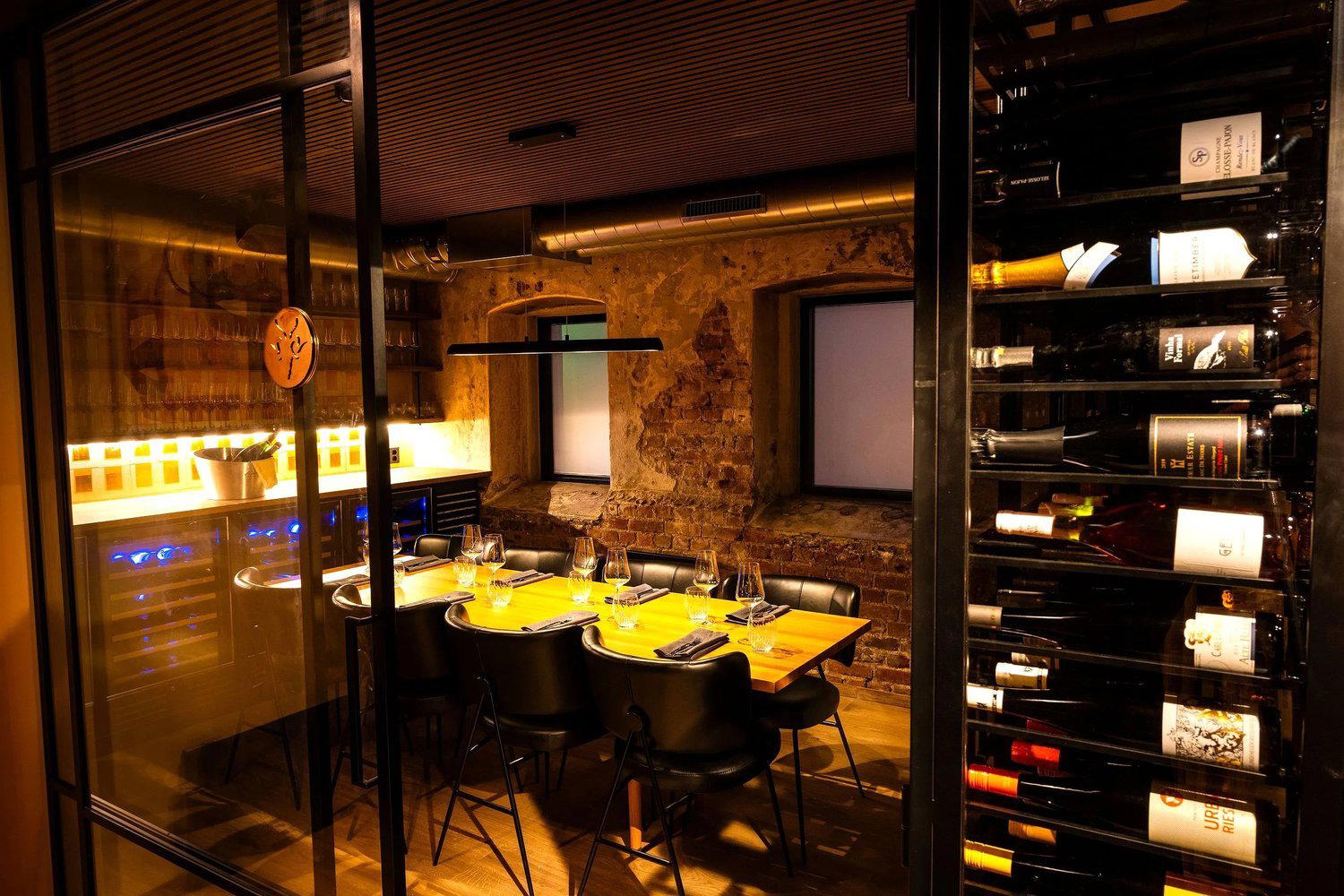
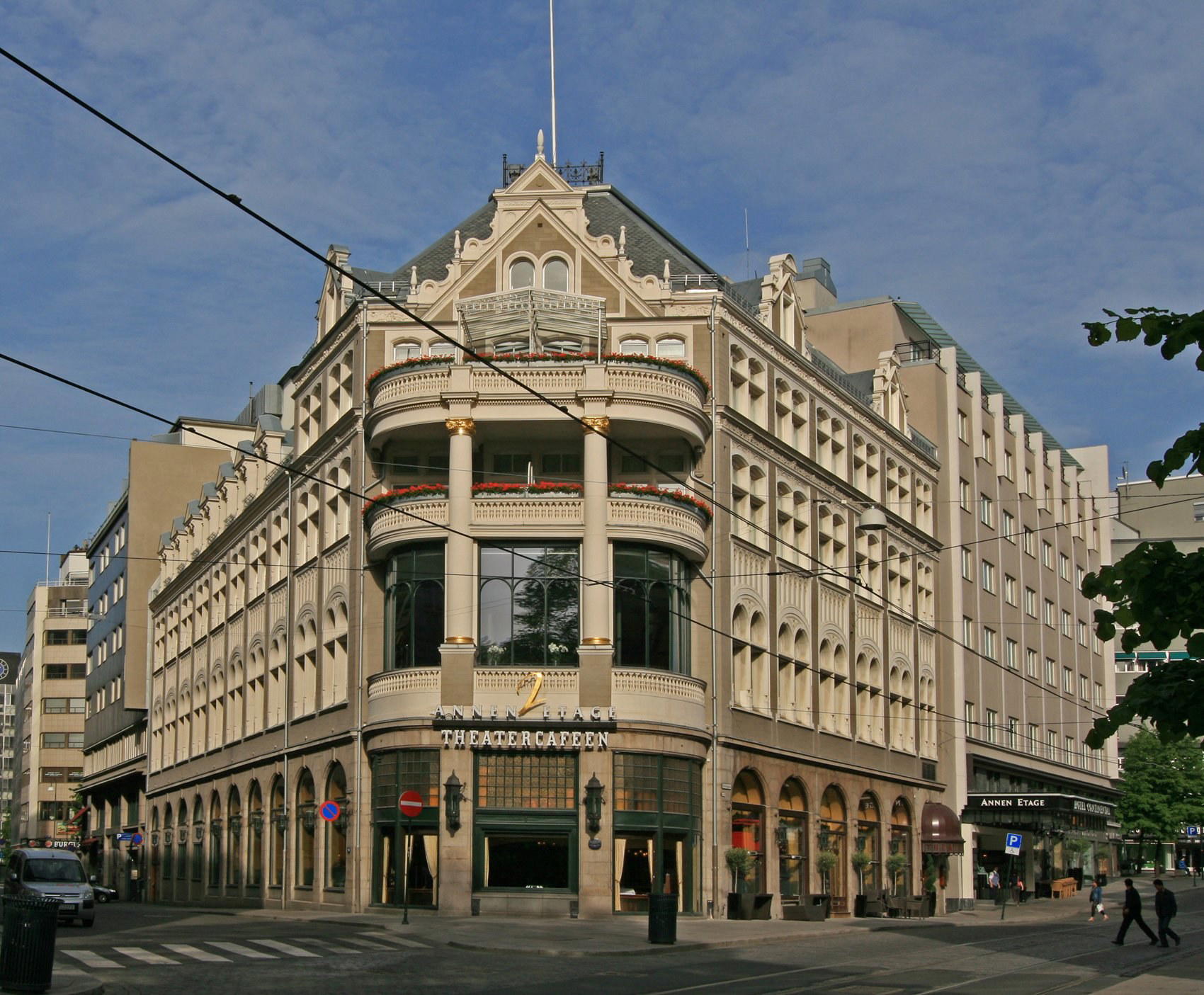
| Restaurant Eik, Annen Etage | Modern French Fine Dining | $50–100 | Star Wine List | Vika, Modern French Fine Dining |
| Palace Grill | Modern Norwegian Tasting Menu | $100–150 | Star Wine List · White Guide Nordic Restaurants - Masters Level | Ruselokka, Modern Norwegian Tasting Menu |
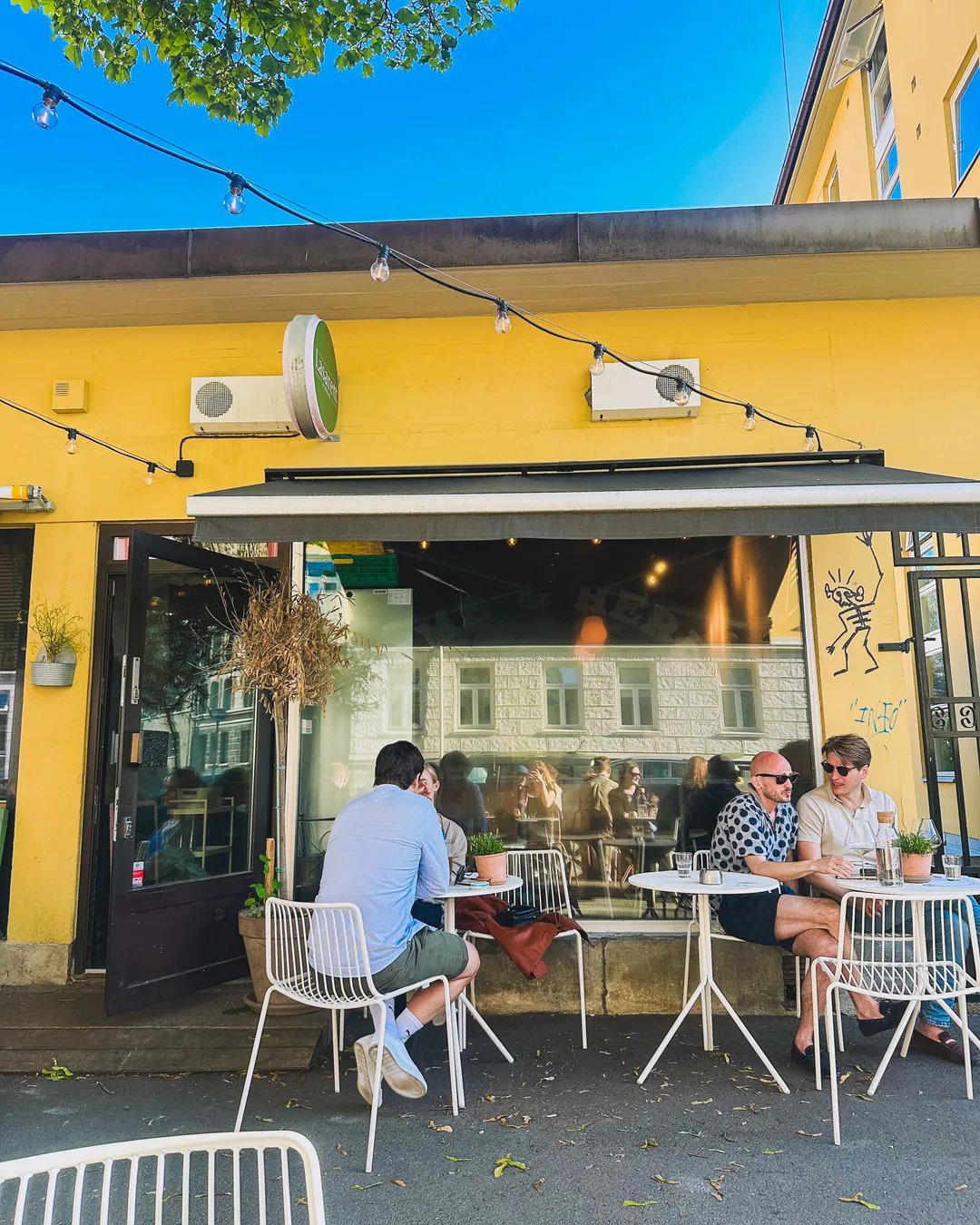
| Roze Gastro | Modern Nordic | $50–100 | Not listed | Bislett, Modern Nordic |
| Vinoteket | Modern Neapolitan-Style Pizza | $50–100 | Star Wine List · Falstaff Wine Bar - Listed | Ruselokka, Modern Neapolitan-Style Pizza |
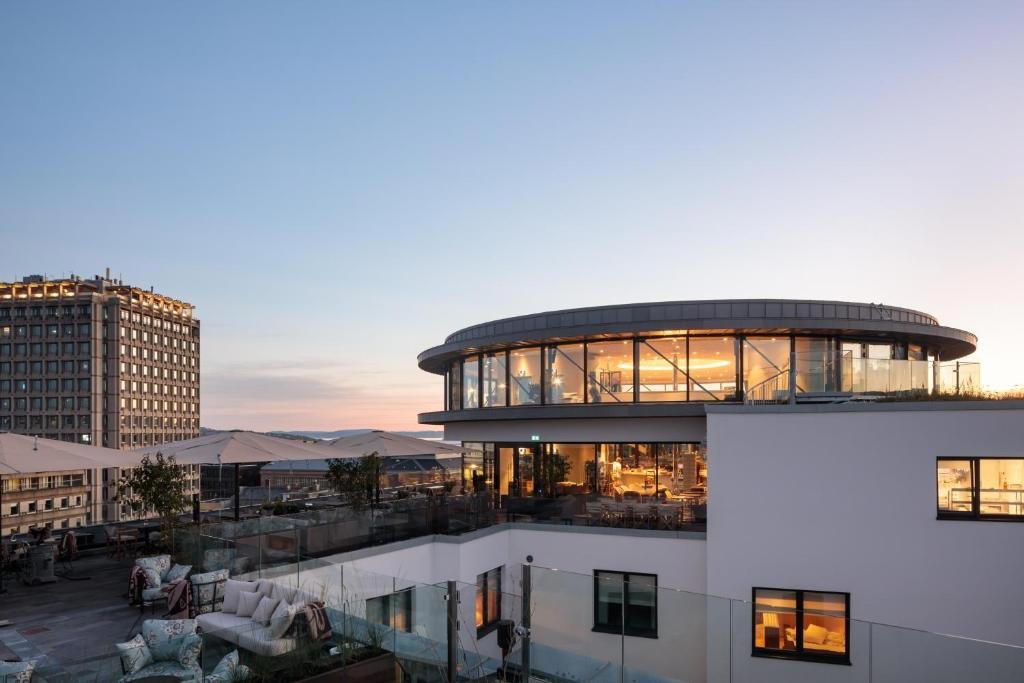
| Panu | Modern Norwegian Fusion with Asian Influences | $100–150 | Star Wine List | St. Olavs Plass, Modern Norwegian Fusion with Asian Influences |
Continue exploring
More in Oslo
Restaurants in Oslo
All restaurants in Oslo →
Bars in Oslo
All bars in Oslo →
Details
- Scenic
- Historic
- Rustic
- Cozy
- Well Known
- Special Occasion
- Family
- Group Dining
- Historic Building
- Panoramic View
- Terrace
- Private Dining
- Local Sourcing
- Farm To Table
- Mountain
- Skyline
- A La Carte
- Buffet
- Vegetarian Friendly
- Vegan Options
- Gluten Free Options
Current opening hours
- Monday
- 11 AM–10 PM
- Tuesday
- 11 AM–10 PM
- Wednesday
- 11 AM–10 PM
- Thursday
- 11 AM–10 PM
- Friday
- 11 AM–10 PM
- Saturday
- 11 AM–10 PM
- Sunday
- 11 AM–9 PM
Hours can change for holidays and private events. Hours as of .
Warm timber-clad interiors with national romantic charm, crackling fireplaces, and cozy historic atmosphere.