Dièdre Noir

Michelin Plate
Our verdict
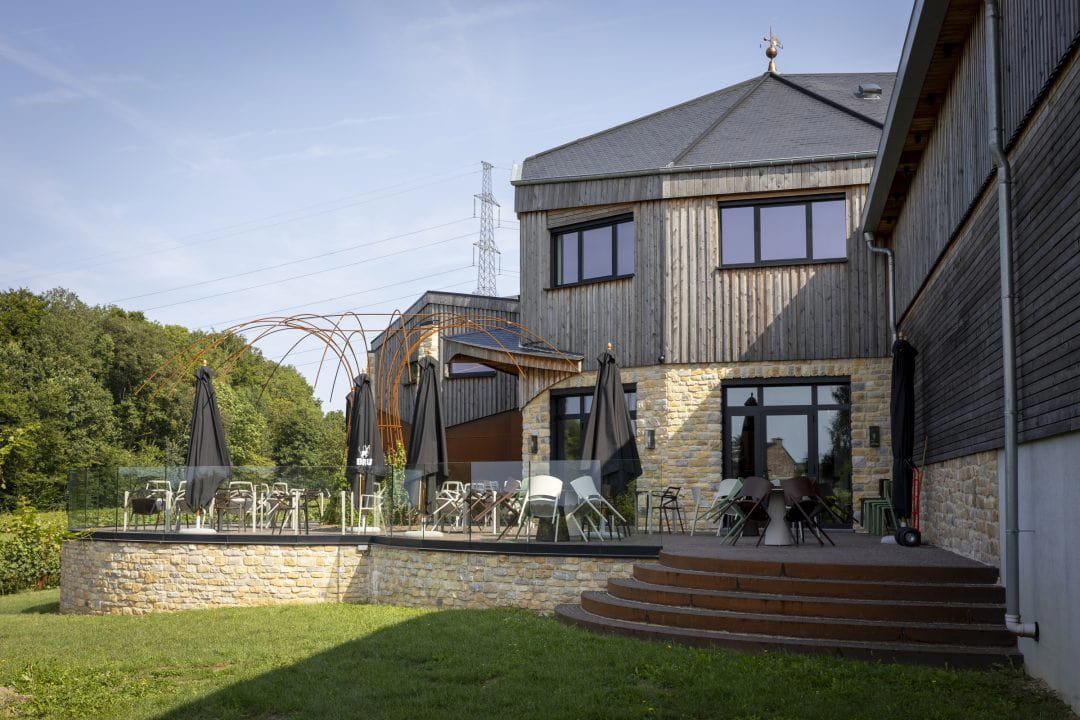
Set within a working winery outside Namur, Dièdre Noir pairs a bistronomic set menu with estate vintages and a terrace view over the vineyards. The cooking leans on regional produce with deliberate Asian inflections, dashi, satay, umami-forward seaweed, served inside a stone-and-timber room that feels far removed from urban dining circuits. For the Meuse valley, it represents a confident, ingredient-driven proposition.

Pearl is the En Primeur Club membership app, where members save venues, book tables and use the concierge.
The menu
What to order
- Salmon trout with satay sauce and rutabaga
- Pigeon with boudin blanc and shiso jus
- Langoustine with fregola sarda and sobrasada
Stone, Vines, and a Kitchen With a Point of View
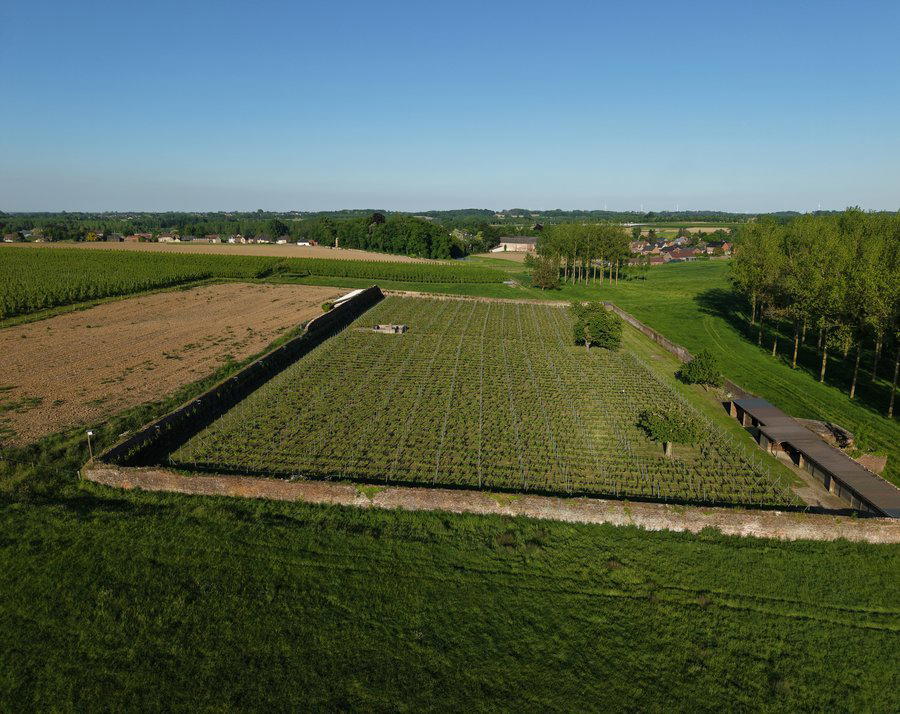
The approach to Dièdre Noir sets the terms of the meal before you've sat down. A stone-and-timber façade gives way to an interior that reads as deliberately composed: warm materials, considered light, and, most significantly, a terrace and dining room oriented toward the surrounding vineyards. This is not incidental scenery. The view connects the table directly to the estate's production, and that connection runs through every course that follows. In the Meuse valley outside Namur, where the restaurant and winery sit together at Rue des Bigarreaux 59 in Marche-les-Dames, the setting is the argument.
Belgium's fine-dining conversation tends to concentrate in Flanders and Brussels, places like Boury in Roeselare, Zilte in Antwerp, and Bozar Restaurant in Brussels. Wallonia, by contrast, operates at a quieter register, with fewer venues, less critical noise, and more direct relationships between producers and the kitchens that use their output. Dièdre Noir belongs to that quieter register. It operates inside a winery, which is less a quirk than a structural fact: the kitchen and the cellar share the same address, and the estate's vintages function as the default pairing rather than an afterthought.
Where the Ingredients Come From, and Why That Shapes the Menu
The editorial angle worth pressing here is sourcing. Bistronomic cooking in Belgium's smaller towns tends to live or die on its supply lines. The menus are tight, the formats are set, and the only way to sustain quality without the purchasing scale of a large urban restaurant is to build relationships with growers, farmers, and producers who operate close to the kitchen. At Dièdre Noir, the most direct supply line is the estate itself: the winery provides the wine, and that proximity shapes how the kitchen thinks about pairing and seasonal rhythm.
The menu's documented examples make the sourcing logic visible. Salmon trout with satay sauce and multiple preparations of rutabaga and corn is not a dish that works with industrial ingredients, rutabaga in particular is a root that rewards careful sourcing, since supermarket versions lack the density and sweetness that make it worth featuring. The multi-texture approach (the menu notes "different textures") requires a degree of ingredient quality that commodity supply chains rarely deliver. This is produce-first cooking, where the technique is in service of the material rather than the other way around.
Asian inflections, dashi, seaweed, satay, are worth contextualising. Belgium's bistronomic wave, which gathered pace in the 2010s, absorbed Japanese umami logic faster than most European cuisines. Dashi-based stocks and seaweed seasonings appeared in kitchens from Brussels to Ghent as chefs recognised that umami amplification could replace butter-heavy classical foundations without sacrificing depth. At Dièdre Noir, these aren't fusion gestures; they read as ingredient tools, ways of adding intensity to produce that's already doing most of the work. For reference points on how Belgian kitchens have handled this kind of cross-cultural technique, Hof van Cleve in Kruishoutem and De Jonkman in Sint-Kruis represent the higher-end applications; Dièdre Noir operates at a more accessible register while maintaining the same underlying respect for ingredient quality.
The Set Menu Format and What It Implies
A set menu in this context is a statement of intent. It means the kitchen has committed to a specific seasonal position, that the sourcing decisions have already been made before you arrive, and that the wine pairing with estate vintages is built into the logic of the meal rather than bolted on. Formats like this are more common in France's regional bistronomic scene, think the kind of fixed-menu country restaurant that serves one lunch a day, than in Belgian fine dining, where à la carte still dominates at higher price points.
The three founders, all graduates of Namur's Hospitality School, have chosen a format that suits both the location and the production model. A winery-restaurant with a set menu and a terrace-view room is a coherent proposition: you come for the full experience, not to pick from a list. This sits in contrast to urban peers like Castor in Beveren or Cuchara in Lommel, where creative European menus operate in more conventional restaurant formats. Belgium does have precedents for the estate-integrated model, Willem Hiele in Oudenburg has pushed a similar logic of place-rooted cooking, but Dièdre Noir's Wallonian context gives it a different character.
The Terrace and the Room
The terrace deserves specific mention, not as a seasonal bonus but as a functional part of how the venue works. In a winery setting with vineyard views, outdoor seating in good weather is the clearest expression of the place's identity, it makes the connection between glass and landscape literal. Inside, the stone and timber construction keeps the room grounded in its agricultural context without tipping into rustic pastiche. The fashionable interior elements, noted in documentation, suggest the founders have been deliberate about the balance: this is a place that takes design seriously while remaining legible as a working estate.
For further context on Belgium's dining and hospitality offer in this part of the country, L'Eau Vive in Arbre and d'Eugénie à Emilie in Baudour represent comparable Wallonian propositions at different scales. International reference points for the winery-restaurant model, where the estate's production anchors the food program, include kitchens from Burgundy through Northern California, though the bistronomic price register at Dièdre Noir is closer to Bartholomeus in Heist than to high-end estate dining at the level of Le Bernardin in New York or Emeril's in New Orleans.
Planning Your Visit
Marche-les-Dames sits on the Meuse river roughly eight kilometres northeast of Namur by road, accessible by car or by the regional rail line that follows the valley. The address at Rue des Bigarreaux 59 places the property in the agricultural edge of the village rather than its centre, which is consistent with a winery setting. The set menu format means bookings matter: this is not a drop-in venue. Given the terrace's prominence in the venue's identity, spring and early autumn visits, when Meuse valley weather cooperates and the vineyard views are at their most readable, are the logical planning windows. For broader context on what the area offers, our full Marche-les-Dames restaurants guide, wineries guide, bars guide, hotels guide, and experiences guide cover the full picture.
Frequently asked questions
Is Dièdre Noir child-friendly?
Dièdre Noir operates on a structured set menu with an ingredient-focused, modern bistronomic format, which tends to suit adults and older children more naturally than casual family dining. The winery setting and terrace add a degree of formality. Families with young children should check the venue's official channels via the address at Rue des Bigarreaux 59 to confirm current arrangements before booking.
What should I expect atmosphere-wise at Dièdre Noir?
The stone-and-timber façade sets a grounded, rural tone, while the interior reads as deliberately considered rather than rustic by default. The standout feature is the view over the vineyards, most directly experienced from the terrace. Inside the Dièdre Noir winery, the room pairs the estate's own vintages with a kitchen run by three graduates of Namur's Hospitality School, giving the space a producer-led, collaborative feel.
Has Dièdre Noir won any awards?
Dièdre Noir has received recognition including: Three friends, who met at Namur’s Hospitality School, have set up shop in the Dièdre Noir winery. The stone and wooden clad façade gives way to a fashionable interior whose highlight is a knockout view over the vineyards. Make sure you chec….
What dish is Dièdre Noir famous for?
The kitchen has drawn attention for its salmon trout with satay sauce, served alongside multiple preparations of rutabaga and corn, a dish that maps the restaurant's bistronomic identity precisely. Asian technique is a recurring thread, with dashi and umami-forward seaweed appearing elsewhere on the set menu. The approach is ingredient-centric throughout, built to pair with wines from the Dièdre Noir estate.
How It Stacks Up
Comparable venues nearby, for context on price, style, and recognition.
| Venue | Cuisine | Price | Awards | Notes |
|---|---|---|---|---|
| Dièdre NoirThis venue (the venue you are viewing) | Seasonal French Bistronomie | $50–100 | Michelin Plate | Not listed |
| Jerome | Classical Franco-Belgian Bistro | $50–100 | Michelin Plate | Diest |
| Le Roi de Trèfle | Classic French-Belgian | Not listed | Michelin Plate | Grognon |
| Origines | Modern French Bistronomique | $50–100 | Michelin Plate | Centre-Ville |
| Brasserie Taste | Classic French Brasserie | $50–100 | Michelin Plate | Peutie |
| Restaurant Melt | Modern French-Belgian Fine Dining | Not listed | Michelin Plate | Lochristi |
Recognition history
Dated appearances from independent guides and award organizations, with the underlying list record or original source where available.
Michelin Plate
Michelin · 2026 Michelin Plate
Continue exploring
More in Marche-les-Dames
Restaurants in Marche-les-Dames
All restaurants in Marche-les-Dames →
Bars in Marche-les-Dames
Browse all →
Hotels in Marche-les-Dames
Browse all →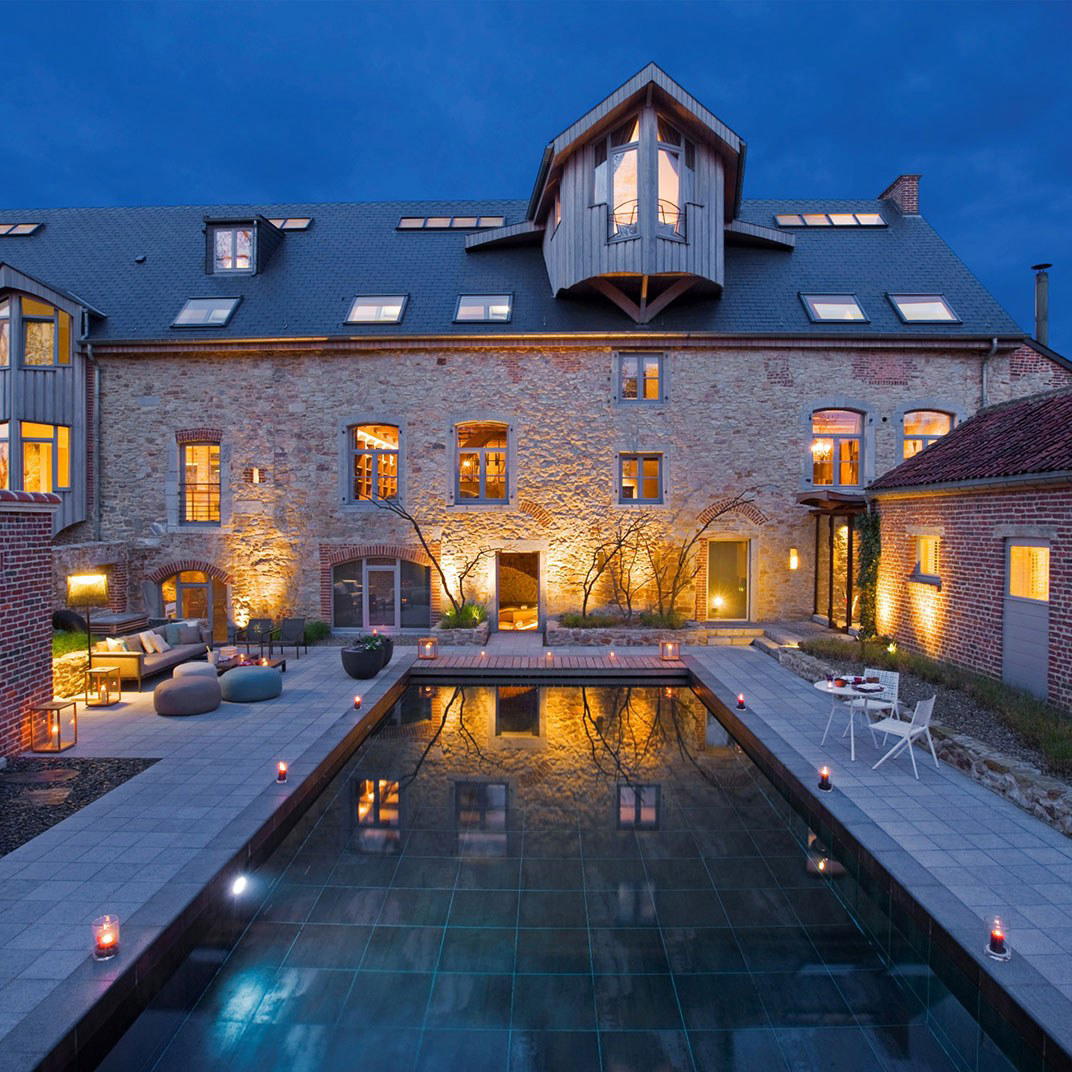

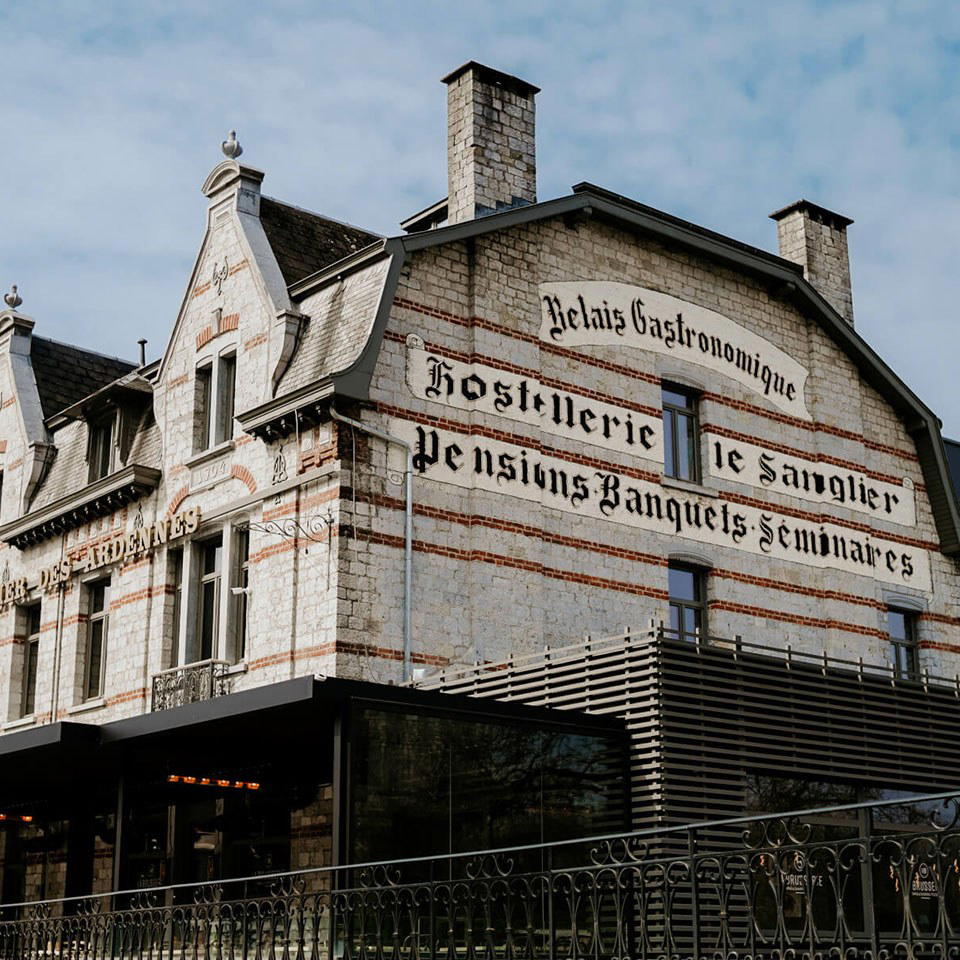
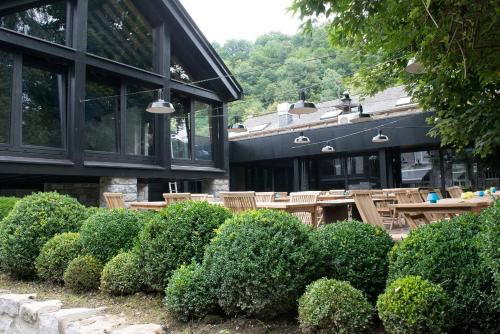
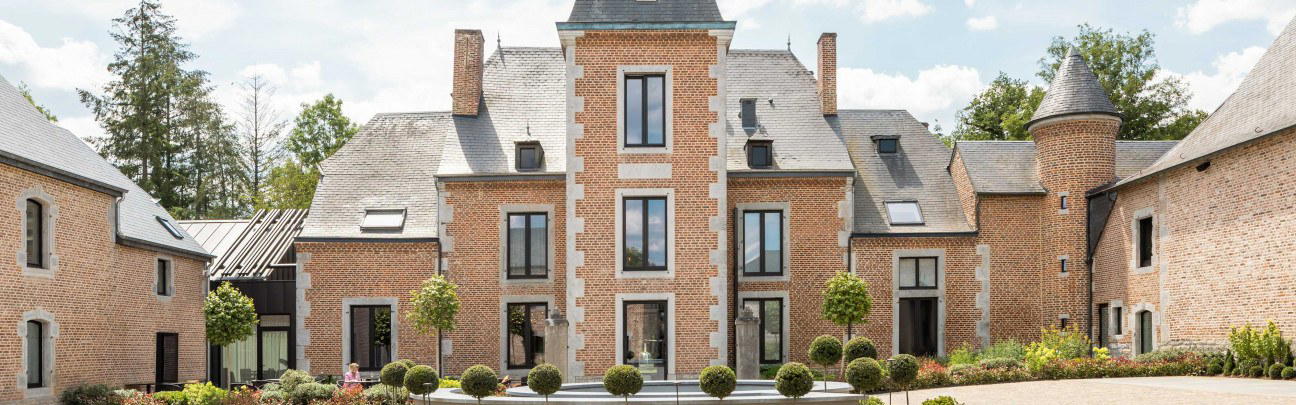
Wineries in Marche-les-Dames
Browse all →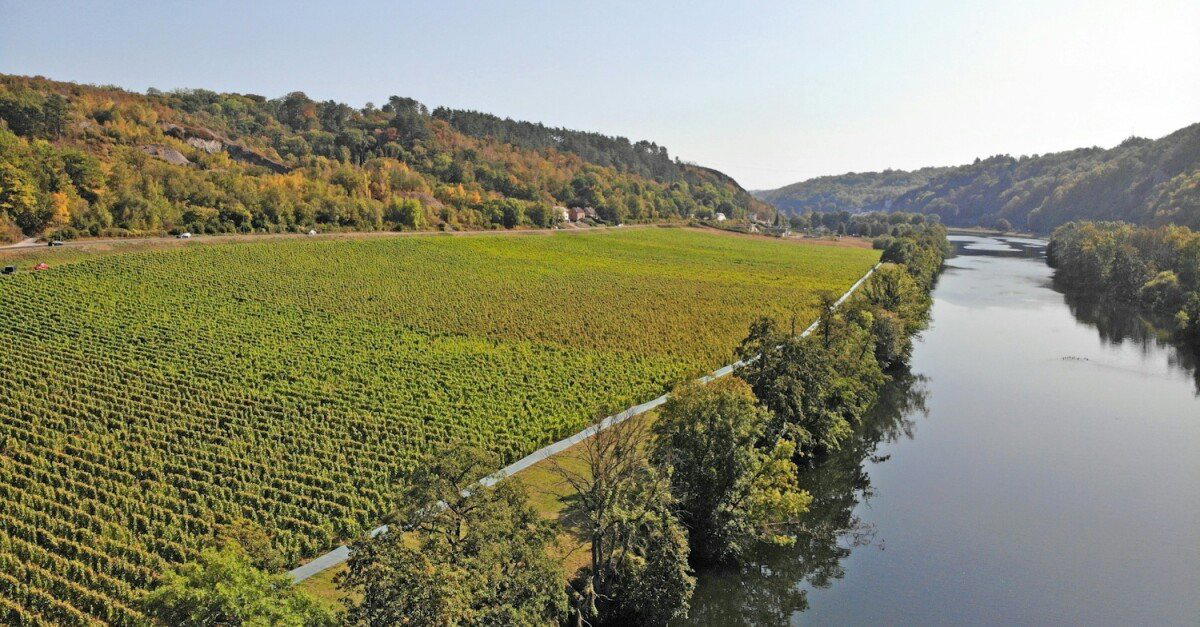

Dièdre Noir
The wine
- Wine program
- Deep wine list
- Extensive wine list
- Sommelier-led
Details
- Scenic
- Elegant
- Romantic
- Sophisticated
- Date Night
- Special Occasion
- Celebration
- Terrace
- Panoramic View
- Wine Cellar
- Standalone
- Extensive Wine List
- Sommelier Led
- Organic
- Local Sourcing
- Vineyard
- Tasting Menu
- Prix Fixe
- Sparkling Wine
- Natural Wine
- Vegetarian Friendly
Fashionable interior with stone and wooden clad façade, highlighted by knockout vineyard views; intimate and refined atmosphere with attentive service.