Panoramagasthof Druckerhof
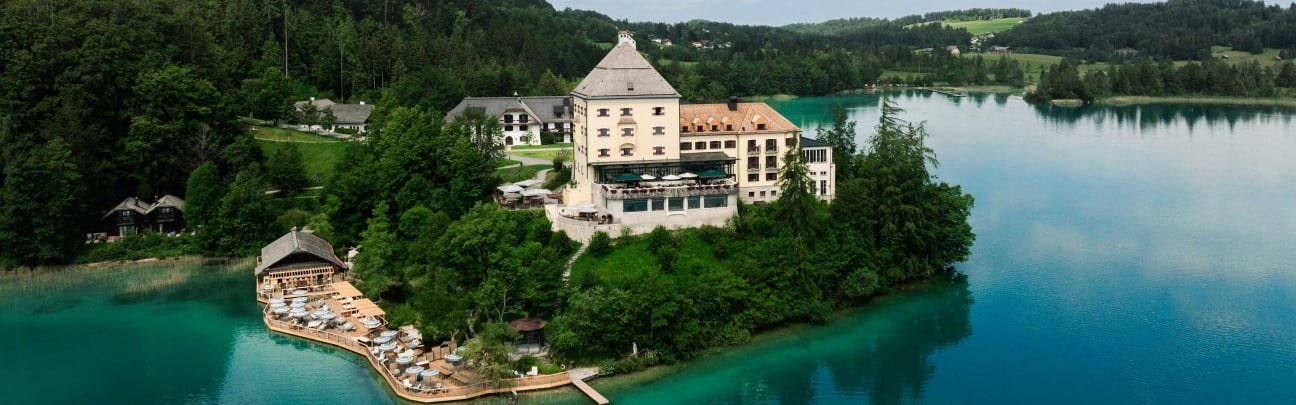
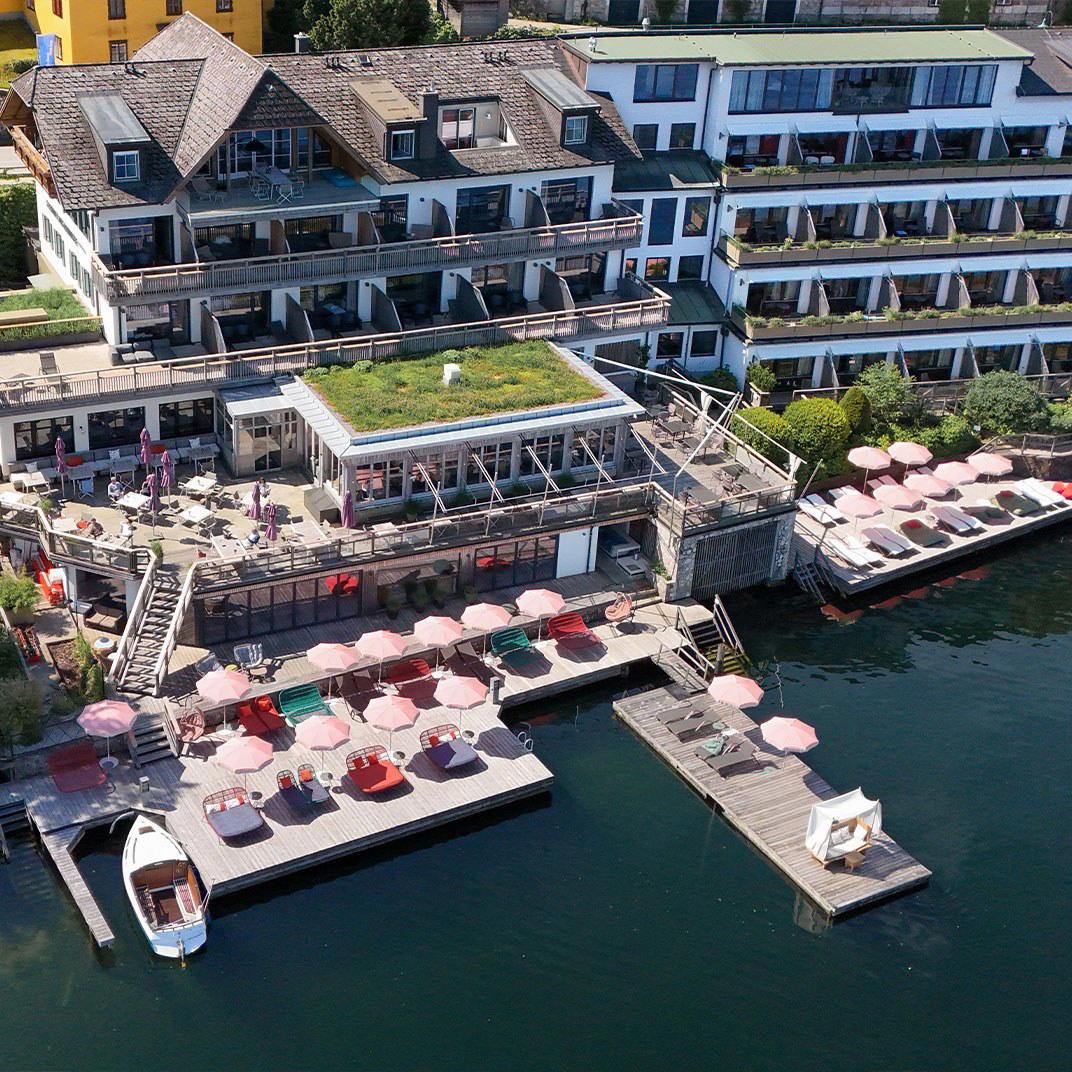
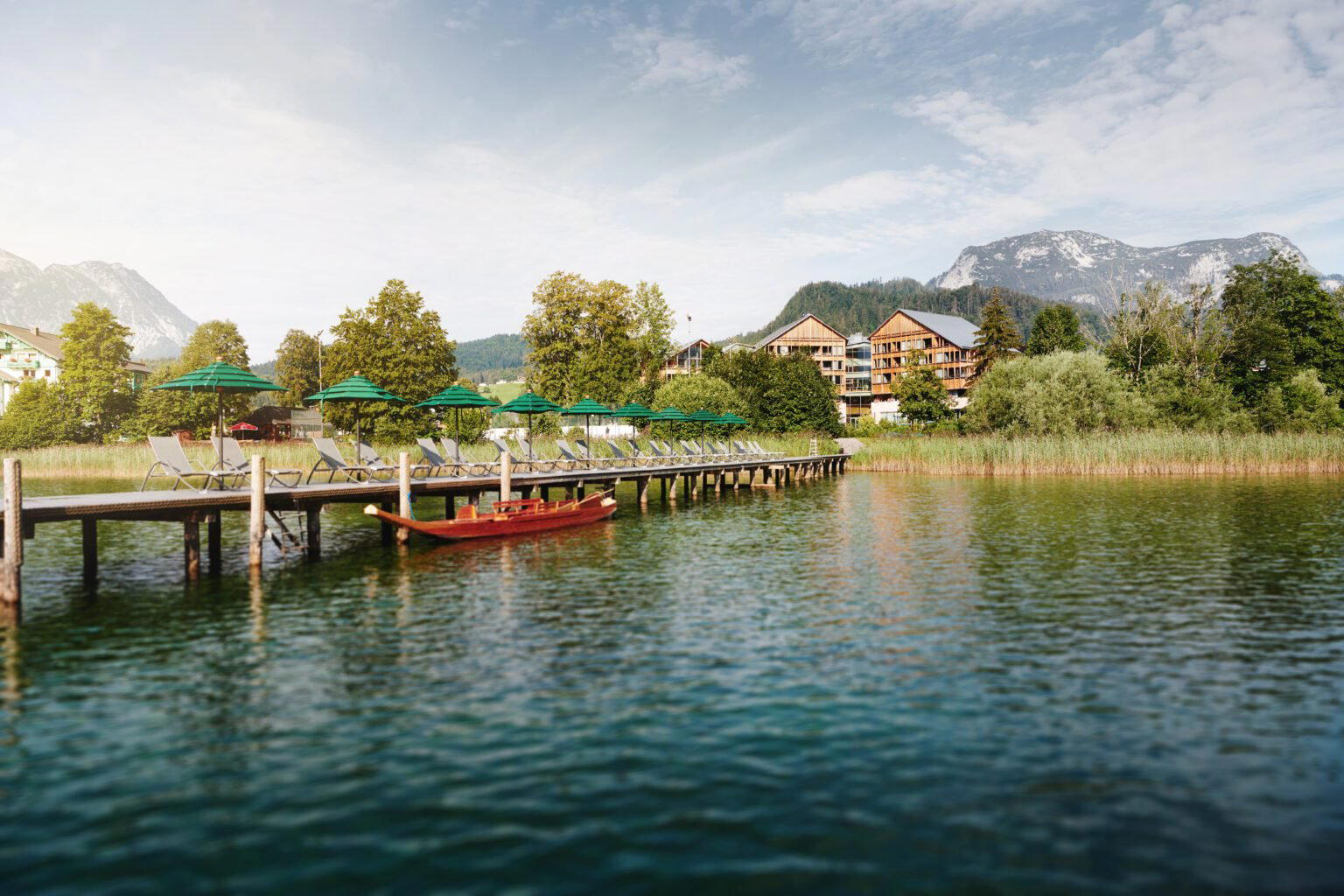
On the southern shore of the Attersee, Panoramagasthof Druckerhof occupies a position that few lakeside dining rooms in Upper Austria can match: water at the threshold, the Salzkammergut mountains as backdrop, and a kitchen rooted in the agricultural rhythms of the region. For visitors making the circuit of one of Austria's most celebrated alpine lakes, it represents a grounding counterpoint to the grand resort dining found further north.
Pearl is the En Primeur Club membership app — saves, bookings, and concierge access live there. Same editors, same standards.
- Address
- Druckerstraße 15, 4866 Unterach am Attersee, Austria
- Phone
- +436603659106
- Website
- druckerhof.com
- Directions
- Get directions
 Saves & bookings on Pearl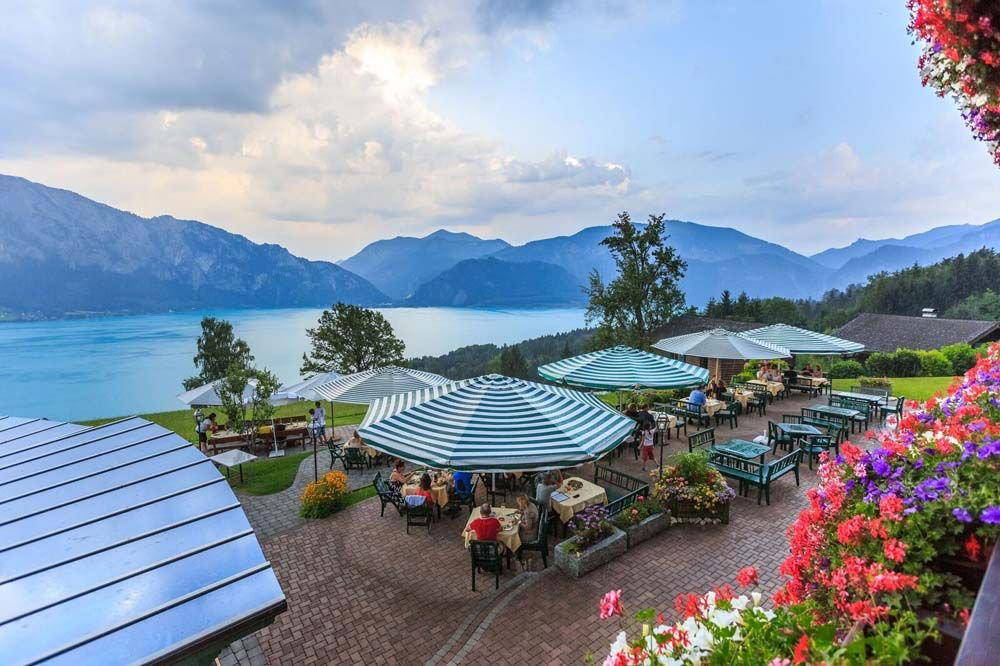
Where the Attersee Meets the Table
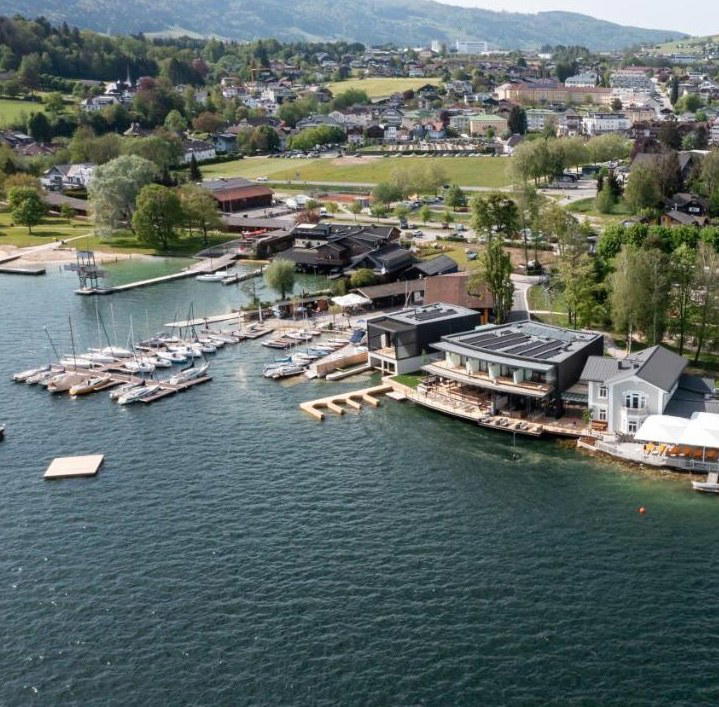
The Salzkammergut lake district operates on a different register from the Austrian alpine restaurant scene. Where venues like Griggeler Stuba in Lech or Stüva in Ischgl anchor themselves to ski culture and high-season resort traffic, the restaurants clustered around the Attersee draw from a quieter, more agricultural rhythm. The lake itself is the largest in Austria lying entirely within the country's borders, and its shores have long attracted a particular kind of visitor: those who come for stillness rather than spectacle. Panoramagasthof Druckerhof, on Druckerstraße in Unterach am Attersee, sits at the southern tip of that water, where the shoreline curves and the mountains press close. The approach through the village prepares you for what follows: a view that frames the meal before the first dish arrives.
Unterach is a small municipality, not a tourist hub in the conventional sense. The dining options here are limited in number and tend to reflect local custom rather than international ambition. That context matters when placing Druckerhof within it. Alongside Die Röhre and Genussufer, it represents the small constellation of dining addresses that serve both local residents and the summer visitors who arrive for sailing, swimming, and hiking.
The Sourcing Logic of Lakeside Kitchens
Austrian regional cooking at the lake-country level has always been shaped by proximity: proximity to water, to upland pasture, to orchard and forest edge. The Salzkammergut tradition draws on freshwater fish, Reinanke (coregonid whitefish), Saibling (arctic char), and perch, pulled from the same cold, clear waters that define the view from the dining room. This is not a cooking tradition that needs to import its central ingredient. The lake is the larder.
That logic of short supply chains, where what is on the plate was in local water or on nearby land within hours, defines one grounded version of Austrian Gasthaus cooking. It stands in deliberate contrast to the highly constructed tasting-menu formats at venues like Ikarus in Salzburg or the creative-contemporary approach of Döllerer in Golling an der Salzach. At the Gasthaus end of the Austrian dining spectrum, the seasonal calendar is not a marketing concept, it is a practical constraint. When Reinanke is running, it appears. When it is not, the menu shifts. That responsiveness to local supply is precisely what visitors from urban dining scenes often find disorienting and, ultimately, more satisfying than a static menu engineered for year-round consistency.
Upper Austrian cuisine also leans on dairy from the surrounding hill farms, game from the forests above the lake, and a bread culture that runs through every meal. The Salzkammergut was historically a salt-trade region, the name itself references salt, and that history of preservation and seasoning runs beneath the cooking in ways that are more felt than announced.
Panorama as Context, Not Decoration
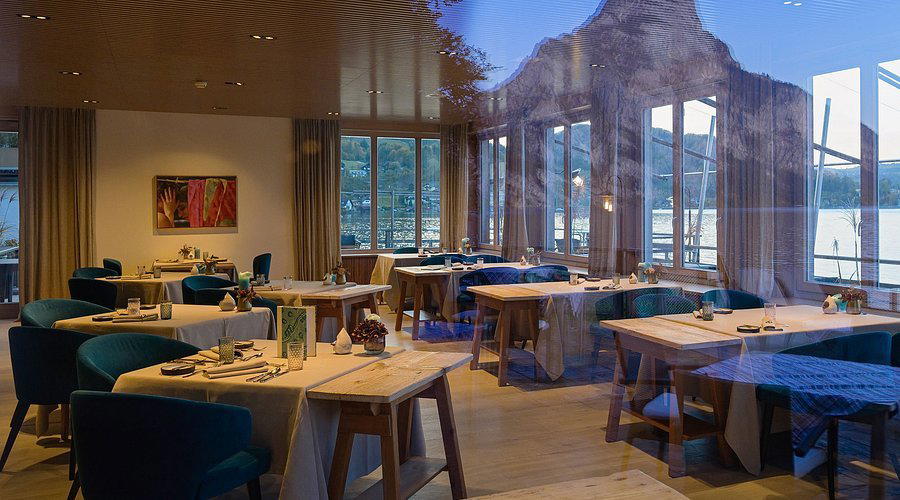
A dining room with a lake view is a specific kind of proposition. The view is not incidental; it sets the pace of the meal. Panoramagasthof, the compound German term implies both panorama and hospitality, signals that the visual environment is part of the offer, not an afterthought. This positions Druckerhof within a category of Alpine dining room where location carries as much weight as the kitchen. The leading examples of this type in Austria, places like Landhaus Bacher in Mautern an der Donau or Taubenkobel in Schützen am Gebirge, demonstrate that environment and cuisine can reinforce each other without either becoming subordinate.
The Attersee in summer light, particularly in the late afternoon when the western slopes catch the sun, produces the kind of clarity that makes a glass of Grüner Veltliner from a nearby Wachau producer feel precisely correct. The pairing of place and glass is one of those regional arguments that the Austrian wine and food world has been making, quietly and convincingly, for decades. Compare that argument to the more high-wire construction of venues like Steirereck im Stadtpark in Vienna, where the setting is urban parkland and the cooking is among the more technically ambitious in Central Europe. Both are valid expressions of Austrian hospitality; they simply address different appetites.
The Broader Austrian Lake-Country Dining Scene
Austria's serious restaurant culture concentrates in Vienna, Salzburg, and the alpine resort towns. The lake districts occupy a different tier, not lesser, but operating by different criteria. Herb-driven kitchens like Kräuterreich by Vitus Winkler in Sankt Veit im Pongau show how rural Austrian cooking can carry serious culinary intent; venues like Obauer in Werfen demonstrate that provincial addresses can sustain decades of critical recognition. The Attersee shore has not, to date, produced restaurants at that tier of national recognition. What it has produced is a consistent tradition of honest lakeside Gasthaus cooking that serves its community and its seasonal visitors with a clarity of purpose that more ambitious venues sometimes lose.
For reference points beyond Austria's borders, the discipline of letting geography dictate the menu is shared by waterfront kitchens across Europe, from the fishing-harbour restaurants of Brittany to Adriatic konoba cooking in Croatia. In the international conversation, venues like Le Bernardin in New York City have made a case for absolute ingredient fidelity in seafood; the Attersee tradition makes a quieter version of the same argument with freshwater fish in a landlocked alpine setting. That comparison illuminates something about cooking philosophy rather than scale or ambition.
Planning a Visit
Unterach am Attersee is most easily reached by car from Salzburg, roughly 60 kilometres to the south, or from Linz to the north. The Attersee itself sits within the Salzkammergut, a region where summer weekends and public holidays bring significant visitor traffic. Lakeside dining in this part of Upper Austria trends toward lunch and early evening; arriving outside peak summer hours typically means a quieter room and more attentive service. For visitors building an Austrian lake-country itinerary, venues like Ois in Neufelden, Restaurant 141 by Joachim Jaud in Mieming, and Schwarzer Adler in Hall in Tirol offer regional depth at different points along a broader Upper Austrian and Tyrolean circuit.
In Context: Similar Options
Comparable venues nearby, for context on price, style, and recognition.
| Venue | Cuisine | Price | Notes |
|---|---|---|---|
| Panoramagasthof DruckerhofThis venue — the venue you are viewing | Traditional Austrian with Panoramic Views | $$ | Not listed |
| Die Röhre | International Fusion with Austrian Influences | $$ | Unterach am Attersee |
| Genussufer | Modern Austrian Lakeside | $$$ | Unterach am Attersee |
| Zauner Esplanade | Traditional Austrian Café & Pastry House | $$ | Bad Ischl |
| Wirt z'Bierbaum | Traditional Austrian | $$ | Gampern |
| Waldcafé Lifstüberl | Traditional Austrian Alpine | $$ | Ramsau am Dachstein |
Continue exploring
More in Unterach Am Attersee
Restaurants in Unterach Am Attersee
Browse all →
Bars in Unterach Am Attersee
Browse all →
At a Glance
- Scenic
- Rustic
- Cozy
- Family
- Special Occasion
- Casual Hangout
- Panoramic View
- Terrace
- Local Sourcing
- Waterfront
- Mountain
Current opening hours
- Monday
- Closed
- Tuesday
- Closed
- Wednesday
- 11 AM–8 PM
- Thursday
- 11 AM–8 PM
- Friday
- 11 AM–8 PM
- Saturday
- 11 AM–9 PM
- Sunday
- 11 AM–9 PM
Hours can change for holidays and private events. Last verified .
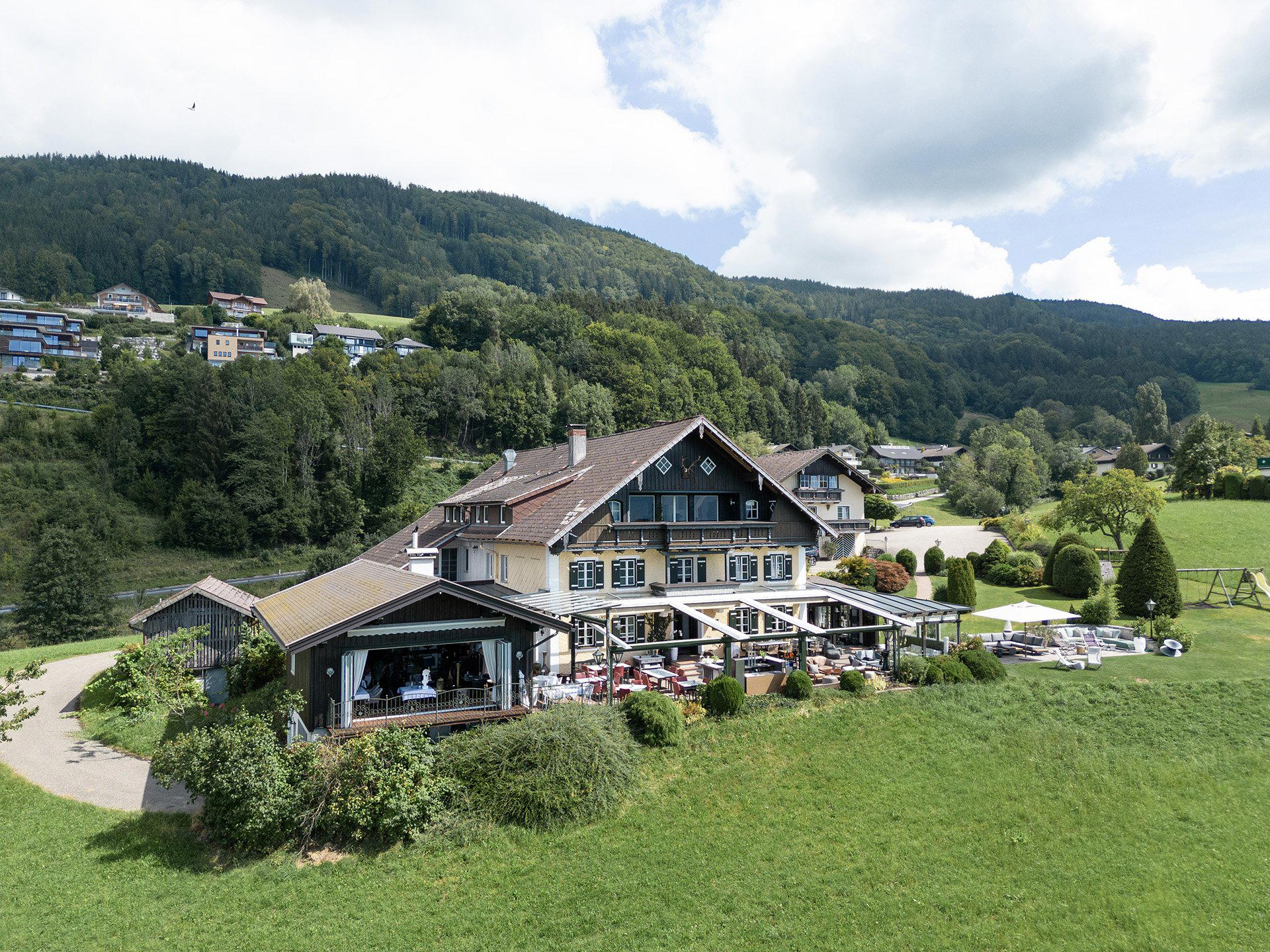
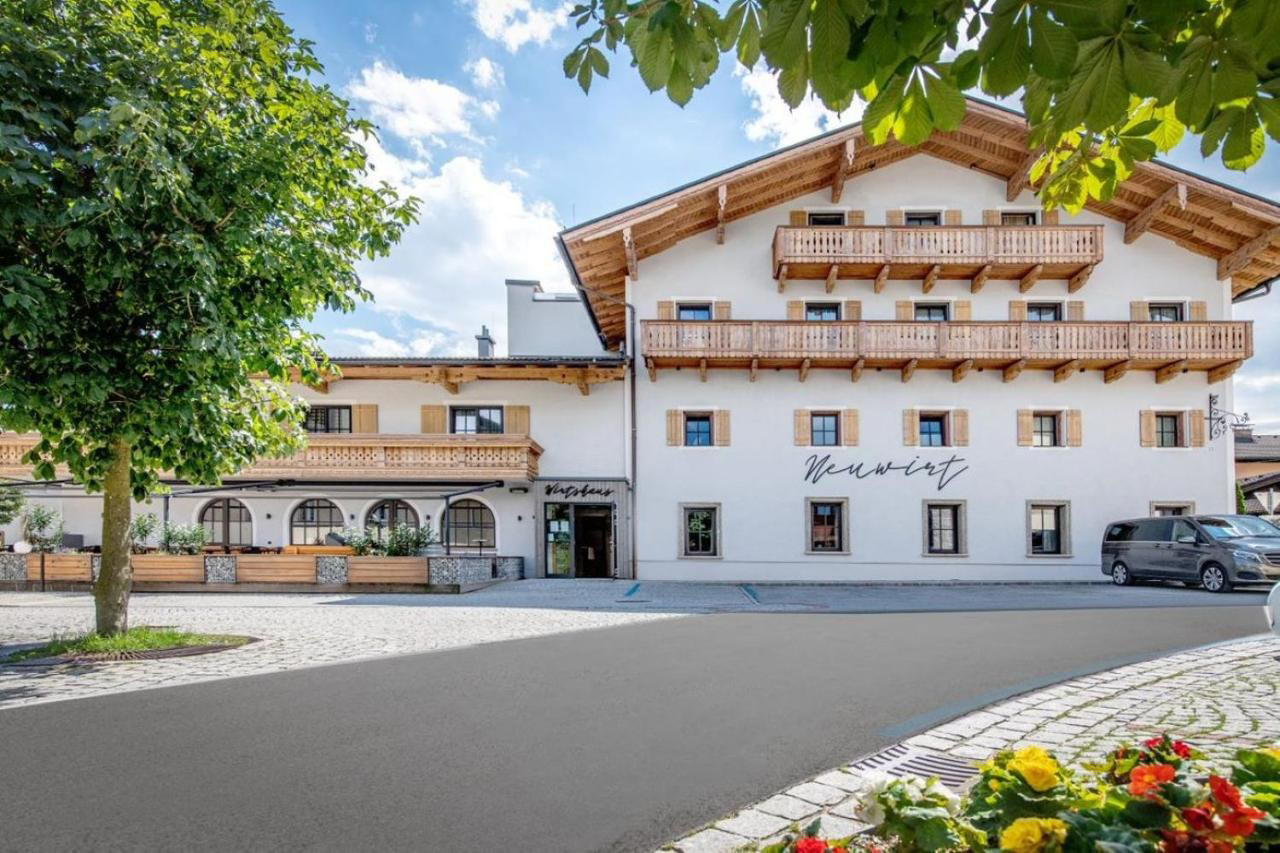
Inviting and enchanting atmosphere with far-reaching panoramic views, wooden chalet-style setting, and a welcoming environment enhanced by natural light from the scenic terrace.